

Unleash Your Inner Public Speaker With Podcasting
By Tom Seest
At PodcastBig, we help people who want to learn about podcasting by collating information and news about podcasting.
Be sure to read our other related stories at PodcastBig to learn more about podcasting.
Will Podcasting Boost Your Public Speaking Confidence?
Ever consider how a simple Podcast might reshape your approach to public speaking? It’s a thought worth pondering. You see, when you’re sitting in a quiet room with a microphone, the stakes feel distinctly lower than when you’re addressing a crowd of eager faces. In those moments, you’re not standing in front of an audience in the traditional sense—you’re having an intimate conversation with listeners who aren’t physically present. This unique dynamic can teach you a thing or two about confidence.
First, let’s talk about the power of repetition. Podcasting is essentially practice on steroids. Every episode you record gives you the chance to refine your voice. You learn how to express your ideas clearly and efficiently, and you start to discover what resonates with your audience. Each recorded segment is an iteration, a chance to improve. Before you know it, you develop a rhythm and a fluency that can translate beautifully to the stage.
Now, consider the sheer variety of topics you could explore through a Podcast. Whether it’s quirky stories from your life or in-depth discussions on profound subjects, experimenting with different styles can toughen your skin for live performances. You’ll find that the more you talk, the easier it becomes to express yourself—with or without an audience in front of you. You’re not merely reciting facts; you’re crafting narratives, connecting with people, evoking emotions. That’s a skill highly transferable to public speaking.
And let’s not overlook the feedback loop. Unlike standing in front of a roomful of strangers, a Podcast allows you to get insights from your listeners—or in more modern parlance, your “fans.” They provide messages, reviews, and comments, allowing you to gauge what works and what doesn’t in a relatively safe environment. You can adjust your delivery and content based on this constructive criticism. On stage, you often have to read the room on the fly, but with a Podcast, you can plan for better content based on concrete feedback.
Lastly, the act of regular podcasting fosters a sense of authenticity. When your voice becomes familiar to you and your audience, you cultivate a presence that translates well in public speaking. So, if you find yourself standing behind a podium and the butterflies kick in, remember: you’ve been here before—maybe not with those exact faces, but in the realm of conversation, you’re already ahead of the game. Dive into the world of Podcasting, and who knows? You may just emerge a more confident speaker, ready to command any stage.

Will Podcasting Boost Your Public Speaking Confidence?
Will Podcasting Boost Your Public Speaking Confidence?
- Podcasting allows for a lower-stakes environment to improve public speaking skills.
- Each episode serves as practice, helping refine voice and clarity in communication.
- Variety in topic choices enhances storytelling abilities and emotional engagement.
- Frequent talking through podcasts makes self-expression easier, regardless of audience size.
- Listener feedback helps in adjusting content and delivery in a safe and constructive way.
- Regular podcasting fosters authenticity, creating a familiar presence for audiences.
- Podcasting can lead to increased confidence, making speakers more adept on stage.

Will Podcasting Boost Your Public Speaking Confidence?
Table Of Contents
- Will Podcasting Boost Your Public Speaking Confidence?
- What Are The Key Benefits Of Podcasting For Public Speaking?
- How Can Podcasting Improve Your Speaking Skills Over Time?
- Can Regular Podcasting Help Alleviate Public Speaking Anxiety?
- What Techniques Can Boost Confidence Through Podcasting?
- How Does Audience Feedback Impact Your Speaking Confidence?
- How Can Podcasting Enhance Your Storytelling Abilities?
- What Are The Common Mistakes To Avoid When Podcasting?
- Conclusion
- Other Resources
- Glossary Of Terms
- Other Questions
- Haiku
- Poem
- Checklist
What Are The Key Benefits Of Podcasting For Public Speaking?
In a world buzzing with noise, podcasts have emerged as a unique platform that hones your public speaking skills while providing a wealth of other benefits. So, if you’ve ever considered stepping up to the mic, let’s explore how diving into the world of podcasts can sharpen your speaking prowess.
First and foremost, a podcast is a magnificent way to practice your craft, and if you’re anything like most of us, practice makes perfect. Recording a podcast forces you to articulate your thoughts clearly and concisely. Unlike a live audience, which can trigger anxiety, podcasting allows you to refine your message in a comfortable environment. You can record, review, and repeat until you find your voice and ensure your message hits home.
Moreover, podcasting exposes you to a diverse audience. Imagine tuning in to hear insightful discussions or engaging stories, and there, among the chatter, are your words. This audience connection can be transformative. It encourages you to adapt your style for varied listeners, sharpening your ability to communicate effectively with different demographics—skills directly transferable to public speaking.
Then, there’s the unique storytelling element that podcasts often leverage. Good public speakers are great storytellers. When you craft a podcast, you get the chance to weave narratives that resonate with your listeners. This artful construction of your material not only enhances your speaking skills but also teaches you how to use emotion, pacing, and tone to captivate an audience. When you discuss your stories or experiences in a relaxed podcast format, you might find those anecdotes transforming into your signature speaking points.
Furthermore, by establishing a podcast, you create a portfolio of your work. This collection of episodes serves as a calling card. Prospective clients, event organizers, or audience members can listen to your previous discussions, getting a taste of your style and expertise. This can lead to speaking engagements, networking opportunities, and a powerfully enhanced professional reputation.
Lastly, let’s not forget about the community aspect of podcasting. Engaging with listeners allows you to tap into feedback and foster relationships with a passionate audience. As you gain insight into their interests and preferences, your focus on their needs heightens your ability to connect in person as well.
In essence, diving into the world of podcasting not only polishes your public speaking flair but creates a rich tapestry of skills that enhance both your voice and your presence. Whether churning out a weekly episode or a bi-monthly series, each step you take brings you closer to becoming a more formidable speaker. Embrace the microphone, and let your voice be heard!

What Are The Key Benefits Of Podcasting For Public Speaking?
What Are The Key Benefits Of Podcasting For Public Speaking?
- Podcasts enhance public speaking skills by providing a platform for practice.
- Recording allows for clear articulation of thoughts in a comfortable setting, reducing anxiety.
- Engagement with a diverse audience helps adapt communication styles for varied listeners.
- Storytelling in podcasts enhances speaking abilities by teaching emotional connection and pacing.
- A podcast serves as a portfolio, showcasing expertise and leading to networking opportunities.
- Community interaction provides feedback, fostering deeper connections with the audience.
- Overall, podcasting polishes speaking skills and enhances professional presence.

What Are The Key Benefits Of Podcasting For Public Speaking?
How Can Podcasting Improve Your Speaking Skills Over Time?
Let’s face it — speaking well isn’t something that just falls into your lap. No one wakes up one day and suddenly becomes a seasoned orator, brimming with confidence and flair. It takes practice, perseverance, and a little bit of creativity. That’s where podcasting comes into play. In the world of audio production, you’ll find a transformative tool that can shape your speaking skills like few other platforms can.
A podcast gives you a dedicated space to express your thoughts, share your stories, and connect with an audience, even if that audience consists solely of your pet or a lone houseplant. The magic lies in the repetition. Each episode you create is an opportunity to refine your delivery. You’ll experiment with tone, pace, and inflection while honing your ability to articulate your ideas clearly. Over time, those awkward pauses and hesitant stutters begin to evaporate, leaving behind a more polished speaker.
Now, let’s talk about feedback. When you record a podcast, you’re setting the stage for self-critique. Listen back to your episodes and you might cringe a time or two, but that’s part of the process. With each listen, you’ll identify areas for improvement, whether it’s your tendency to ramble or that vocal tick you never knew you had. By becoming your own toughest critic, you cultivate a greater awareness of your speaking habits.
Moreover, podcasting pushes you to engage your creativity. Scripted or unscripted, your words must flow seamlessly to keep your audience captivated. This constant demand for imaginative expression broadens your vocabulary and encourages you to think on your feet. And, the more you do it, the easier it becomes to mold your thoughts into coherent, inspiring narratives.
Networking through podcasting introduces another powerful element. Interviewing guests allows you to adapt your speaking style to different conversational dynamics. You’ll learn how to ask thoughtful questions and listen intently, skills that are invaluable in any speaking scenario. It’s all part of the art of conversation — a dance of ideas that makes your role as a speaker so much richer.
Podcasting is not just about the final product; it’s about the journey of growth. Each recorded word is a brick laid in the foundation of your speaking prowess. So, grab that microphone, sit down, and start crafting your voice. Over time, you’ll find yourself not just speaking — but connecting, sharing, and influencing in ways you never thought possible.

How Can Podcasting Improve Your Speaking Skills Over Time?
How Can Podcasting Improve Your Speaking Skills Over Time?
- Speaking well requires practice, perseverance, and creativity; it’s not an innate skill.
- Podcasting serves as a transformative tool for developing speaking skills through dedicated expression.
- Each episode allows for refining delivery, experimenting with tone, pace, and inflection.
- Self-critique from listening to recordings helps identify areas for improvement in speaking habits.
- Engaging creativity in podcasting encourages imaginative expression and enhances vocabulary.
- Interviewing guests fosters adaptability and teaches important conversational skills.
- Podcasting emphasizes the growth journey, building a strong foundation for effective speaking.

How Can Podcasting Improve Your Speaking Skills Over Time?
Can Regular Podcasting Help Alleviate Public Speaking Anxiety?
Let’s face it: public speaking is a wrinkle that many of us would prefer to iron out. The mere thought of standing in front of a crowd, with all eyes on you, often sends shivers down the spine. It’s a tough gig—one that can turn even the most confident individuals into quivering jelly. But what if I told you there’s a warm-up act that’s already got a solid spot on the stage? Enter the world of podcasting.
Now, a podcast is nothing more than a conversation, but it happens to be a conversation that you have with the world. When you hit that record button, it’s just you and your thoughts, unencumbered by an audience of live, breathing critics. Instead of worrying about whether someone will roll their eyes or check their watch, you’re free to explore ideas, share stories, and let your personality shine. What better way to prepare for the rigors of public speaking than to let your voice dance through the airwaves, one episode at a time?
Consider this: podcasting is an exercise in articulation. Each time you record, you’re practicing clarity, pacing, and passion. You learn to communicate effectively without that immediate feedback that often throws a wrench in the gears for public speakers. In essence, you’re building your own safety net. You develop a comfort with your material, get accustomed to your voice, and find your rhythm—all of which are invaluable assets when addressing a live audience.
And let’s not forget about the magic of editing. A glorious little tool in the podcaster’s toolkit, it allows you to perfect your message, trimming away the awkward pauses or the stray thoughts that may have slipped through. That doesn’t just make you sound polished; it also boosts your confidence. You gain reassurance from knowing that you can produce something that resonates.
So, whether you’re sharing your passions, interviewing fascinating guests, or merely reflecting on the world around you, regular podcasting can serve as a bridge to a more confident you. With every recorded episode, you’re not just creating content; you’re shaping a version of yourself that’s ready to step in front of an audience. Who knows? The next time the spotlight hits you, it might just feel like old hat. Grab that mic, and let the world hear what you’ve got to say!

Can Regular Podcasting Help Alleviate Public Speaking Anxiety?
Can Regular Podcasting Help Alleviate Public Speaking Anxiety?
- Public speaking can induce anxiety, even in confident individuals.
- Podcasting offers a less intimidating platform for expressing thoughts and ideas.
- Recording podcasts allows for practice in clarity, pacing, and effective communication.
- Podcasters can edit their recordings, enhancing their message and boosting confidence.
- Engaging in podcasting helps develop comfort with material and vocal expression.
- Regular podcasting can build a bridge to greater confidence in public speaking.
- With experience, stepping into the spotlight can become a more familiar and comfortable task.

Can Regular Podcasting Help Alleviate Public Speaking Anxiety?
What Techniques Can Boost Confidence Through Podcasting?
Podcasting is more than just a platform for sharing your thoughts; it’s a stage where anyone can showcase their voice, ideas, and personality. While it might seem intimidating at first, there are several techniques that can transform that initial apprehension into a solid boost of confidence.
First off, it’s essential to start with a topic you’re passionate about. When you immerse yourself in a subject that fuels your enthusiasm, the confidence will follow. Your genuine interest will shine through, making the podcasting experience enjoyable for both you and your audience. This natural engagement can alleviate the pressure of performing or sounding perfect because you’re simply sharing what you love.
Next, practice makes perfect. Before hitting the record button on your podcast, take time to rehearse your material. This doesn’t mean you should script every word, but having a solid outline can help you feel grounded. Work through the main points you want to cover, even try talking in front of a mirror or recording yourself just to get comfortable with the sound of your own voice. The more familiar you become with your content, the less daunting it will be when it’s time to go live.
Consider starting small. You don’t have to jump straight into a full-length podcast episode. A short, concise podcast is a great way to begin. It allows you to test the waters and gradually build your confidence. As you become accustomed to the process, you can start expanding your episodes, inviting guests, or even tackling more complex subjects.
Engagement with your audience can also be incredibly powerful. Encouraging listeners to provide feedback can help you understand what resonates with them. This dialogue can foster a sense of community, making you feel less isolated in your podcasting journey. Plus, knowing that people are genuinely interested in what you have to say can be a major confidence booster.
Lastly, remember that everyone starts somewhere. Even the most polished podcasters once experienced the jitters. Embrace the learning curve. Every episode you create will be a stepping stone towards greater confidence and mastery of your craft. So, keep recording, keep sharing, and above all, keep pushing past those initial doubts. The microphone might feel intimidating, but on the other side lies an opportunity for growth and self-expression that’s worth every ounce of effort.

What Techniques Can Boost Confidence Through Podcasting?
What Techniques Can Boost Confidence Through Podcasting?
- Podcasting is a platform for sharing your voice, ideas, and personality.
- Start with a passionate topic to boost confidence and engagement.
- Practice by rehearsing material with an outline for better comfort and preparation.
- Begin with short podcasts to gradually build confidence before expanding content.
- Engage with your audience and seek feedback to foster community and boost confidence.
- Recognize that all podcasters started as beginners and embrace the learning curve.
- Continue to record and share to overcome initial doubts and grow in self-expression.

What Techniques Can Boost Confidence Through Podcasting?
How Does Audience Feedback Impact Your Speaking Confidence?
When you step onto a stage or into a room filled with people, the anticipation can feel like standing on the edge of a high dive. You’re looking out into the audience, and suddenly, it hits you—what if they don’t care? What if you trip over your words or, worse, put them to sleep? That’s the thing about public speaking: the audience isn’t just passive recipients; they’re active participants in how you navigate the experience.
Feedback, both verbal and non-verbal, transforms the way we present ourselves. Let’s take a moment to picture a typical podcast environment. The host is pushing through a script, but the magic happens when they engage. When they hear laughter or thoughtful responses over the mic, there’s a palpable energy shift. Suddenly, the person behind the microphone isn’t just reading facts—they’re in a dialogue, and that feedback fuels their confidence.
Now, think of this confidence as a finely-tuned engine. Without that audience engagement, it can stutter and stall, making even the most seasoned speaker second-guess their material. Research suggests that when you know your audience is with you—leaning in, nodding, or chuckling—it enhances your belief in the value of your message and, well, your ability to deliver it. You might even find that the natural flow of your speech transforms into something more fluid, conversational, and authentic.
Conversely, the silence of disinterest can feel like a heavyweight, pressing down on your shoulders. Imagine being on a podcast where no one calls in, shares their reactions, or leaves reviews. Wouldn’t you start to wonder if what you’re saying matters? That sense of isolation can lead to self-doubt and a hesitance to be bold with your delivery. However, when you read the room—see the smiles or hear the murmurs of agreement—you’re encouraged to dig in and take risks.
Ultimately, your audience stands as a mirror reflecting back your strengths and weaknesses. When they respond positively, it bolsters your confidence, fueling your passion and reinforcing the power of your words. It’s a cycle: the more feedback you receive, the more confidently you speak, and the more your confidence invites more engagement. So whether you’re addressing a live crowd or broadcasting your thoughts across a podcast, remember: that audience is not just there to listen; they’re there to engage—and that engagement shapes the very core of who you are as a speaker.

How Does Audience Feedback Impact Your Speaking Confidence?
How Does Audience Feedback Impact Your Speaking Confidence?
- Public speaking involves anticipation and anxiety, paralleling the experience of standing on a high dive.
- The audience plays an active role in shaping the speaker’s presentation through feedback.
- Engagement during a podcast transforms the host’s experience from reading a script to having a dialogue.
- Audience engagement boosts speaker confidence, enhancing the delivery and flow of the content.
- Lack of audience interest can lead to self-doubt and hesitance in the speaker.
- Positive audience responses reinforce the speaker’s strengths and passion for their message.
- Effective communication relies on audience engagement, which directly influences a speaker’s identity and performance.

How Does Audience Feedback Impact Your Speaking Confidence?
How Can Podcasting Enhance Your Storytelling Abilities?
Well, let’s get one thing straight: storytelling isn’t just an art; it’s a craft, honed over time, shaped by experience, and yes, a good dose of practice. Enter podcasting. This isn’t just another shiny new trend; it’s a transformative medium that can enhance your storytelling skills in ways you might not have imagined.
When you sit down with a microphone, staring at a blank screen that threatens to mock your silence, it’s a bit like standing on the edge of a diving board. You have a choice—to jump in, or back away. Podcasting forces you to embrace the leap. It compels you to organize your thoughts, develop your narrative, and, let’s face it, get more comfortable with the sound of your own voice. But here’s the kicker: it pushes you to connect with an audience you can’t see. That’s both terrifying and exhilarating.
Think about your favorite stories—what makes them stick? It’s not just the who, what, where; it’s the how. Podcasting allows you to explore the nuances, the subtleties of sound, tone, and pacing. You can weave in personal anecdotes, draw from your life experiences, and invite guests who add another layer to your narrative. This isn’t just about telling a story; it’s about creating an experience.
Then there’s the editing process. Sure, it might sound tedious, but this is where the gold lies. As you trim away the fluff and polish the diamond, you learn what’s essential. You recognize the moments that resonate and those that fall flat. Each recorded podcast is a chance to improve, refine, and polish your storytelling craft.
Moreover, it fosters vulnerability. Sharing your voice, your stories, is a courageous act. It allows you to open up channels of empathy and understanding with your listeners. You begin to realize that everyone has a story worth telling, and a good podcast amplifies those diverse voices.
So, as you dive into the world of podcasting, remember this: each episode is an opportunity not just to express yourself, but also to grow as a storyteller. Your journey may just inspire someone else to leap from that board, too. Embrace the process, and watch your storytelling abilities flourish.

How Can Podcasting Enhance Your Storytelling Abilities?
How Can Podcasting Enhance Your Storytelling Abilities?
- Storytelling is a craft that requires time, experience, and practice.
- Podcasting is a transformative medium that enhances storytelling skills.
- Engaging with podcasting helps organize thoughts and develop narratives.
- Podcasting allows exploration of nuances in sound, tone, and pacing.
- The editing process is crucial for refining storytelling and identifying essential moments.
- Sharing personal stories fosters vulnerability and empathy with listeners.
- Each podcast episode is a chance to grow as a storyteller and inspire others.

How Can Podcasting Enhance Your Storytelling Abilities?
What Are The Common Mistakes To Avoid When Podcasting?
Diving into the world of podcasting can be as exhilarating as it is bewildering. It’s like stepping into a new trade: full of promise, but fraught with pitfalls if you’re not careful. Here’s a rundown of common mistakes to steer clear of if you want to make your podcast shine like a well-polished tool.
Neglecting Your Audience: First and foremost, you’ve got to know who’s tuning in. This isn’t just vanity metrics; it’s about forging a connection. If you dive headfirst into topics that resonate with you but leave your audience scratching their heads, you might as well be speaking into a vacuum. Research your listeners, engage with them, and, for heaven’s sake, listen to their feedback. Their tastes, interests, and even criticisms are your compass.
Poor Audio Quality: Let’s get one thing straight: podcasting is an audio medium. If your listeners can’t hear you clearly, or worse, if the sound quality makes them cringe, they’re not sticking around for episode two. Invest in a decent microphone, use soundproofing, and always check your recordings before hitting ‘publish.’ That’s the least you can do to respect your audience’s ears.
Lack of Consistency: A podcast without a regular release schedule is like a meal without seasoning. Sure, it might be fine at first, but it’ll quickly become bland and forgettable. Whether you choose weekly, bi-weekly, or monthly, be consistent. Your listeners should know when to expect your voice, just as they’d anticipate their favorite TV show.
Not Preparing Enough: Flying by the seat of your pants rarely works when it comes to uncovering meaningful content. Sure, spontaneity has its place, but a bit of prep goes a long way. Create outlines, set clear goals for each episode, and research your topics thoroughly. A well-prepared podcast not only provides value but also keeps your conversation engaging.
Ignoring Promotion: It’s a common misconception that creating a compelling podcast is enough to attract listeners. Once you’ve recorded something amazing, you’ve got to put on your marketing hat. Use social media, collaborate with other podcasters, and engage with potential listeners. Your podcast deserves an audience; don’t leave it buried in the depths of obscurity.
By sidestepping these missteps, you’ll put yourself in a prime position to flourish in the podcasting landscape. After all, it’s not just about broadcasting your voice, but about creating a connection that resonates.

What Are The Common Mistakes To Avoid When Podcasting?
What Are The Common Mistakes To Avoid When Podcasting?
- Diving into podcasting is exciting but can be challenging without careful planning.
- Know and engage with your audience to create relevant content.
- Poor audio quality can drive listeners away; invest in good equipment.
- Maintain a consistent release schedule to keep your audience engaged.
- Prepare thoroughly for each episode to ensure quality and meaningful content.
- Promotion is essential; use social media and collaborations to attract listeners.
- Avoiding these common mistakes can lead to a successful podcast that resonates with your audience.

What Are The Common Mistakes To Avoid When Podcasting?
Conclusion
There’s something undeniably transformative about podcasting, isn’t there? It seems like just a casual chat recorded for all to hear, but beneath the surface, it’s a confidence-boosting powerhouse. When you’re at the mic, the world feels a little less intimidating. It’s just you and your thoughts—no live audience peering over your shoulder, no judgment waiting to pounce. Instead, you’re crafting a conversation that ultimately prepares you for every public speaking moment that lies ahead.
Let’s break it down. First off, repetition is the name of the game. Each podcast episode is a mini rehearsal, enabling you to develop clarity of thought and a steady delivery. As you articulate your content, you’re cementing your narrative style, and believe me, every time you hit that record button, you’re training to be a better speaker. With every round of practice, those nerves that once pinned you down in front of an audience begin to dissolve.
And let’s not ignore the beauty of feedback. It’s a crucial element that often gets overshadowed. Whereas live speaking requires quick reactions to an audience’s energy, podcasting allows for a slower, more deliberate evaluation of audience insights. Listeners engage, critique, and applaud, giving you an opportunity to adapt and improve in a risk-free environment. You can fine-tune your delivery until you find that sweet spot—the one that makes audiences lean in, chuckle, or furrow their brows in intrigue.
Podcasting also promotes storytelling skills. You’re not just recounting facts; rather, you’re weaving narratives that evoke emotions and capture the imagination. The art of storytelling—that’s pure gold in public speaking. As you develop engaging anecdotes for your podcast, you’re also equipping yourself with compelling tales to share when the spotlight hits you in real life.
So, whether you’re knee-deep in solo episodes or rocking interviews with fascinating guests, podcasting fosters a genuine connection with your audience and sharpens your ability to engage. Every recording session can nudge you closer to that microphone moment you once dreaded.
In the end, it’s about growth. You’re not just recording; you’re evolving—transforming from apprehensive speaker to a confident raconteur who can command any stage. Dive into podcasting, and trust me: when you step out, you’ll be standing tall, ready to captivate any crowd watching you perform. Grab that mic and let your voice ring!

Conclusion
Conclusion:
- Podcasting is a transformative tool for boosting confidence in public speaking.
- Recording each episode serves as a mini rehearsal to improve clarity and delivery.
- Repetition in podcasting helps dissolve nerves associated with live audiences.
- Feedback from listeners allows for thoughtful evaluation and improvement in a low-risk environment.
- Podcasting enhances storytelling skills by encouraging the creation of engaging narratives.
- Able to connect genuinely with audiences, podcasters refine their engagement abilities.
- Overall, podcasting fosters personal growth, transforming speakers into confident narrators.

Conclusion
Other Resources
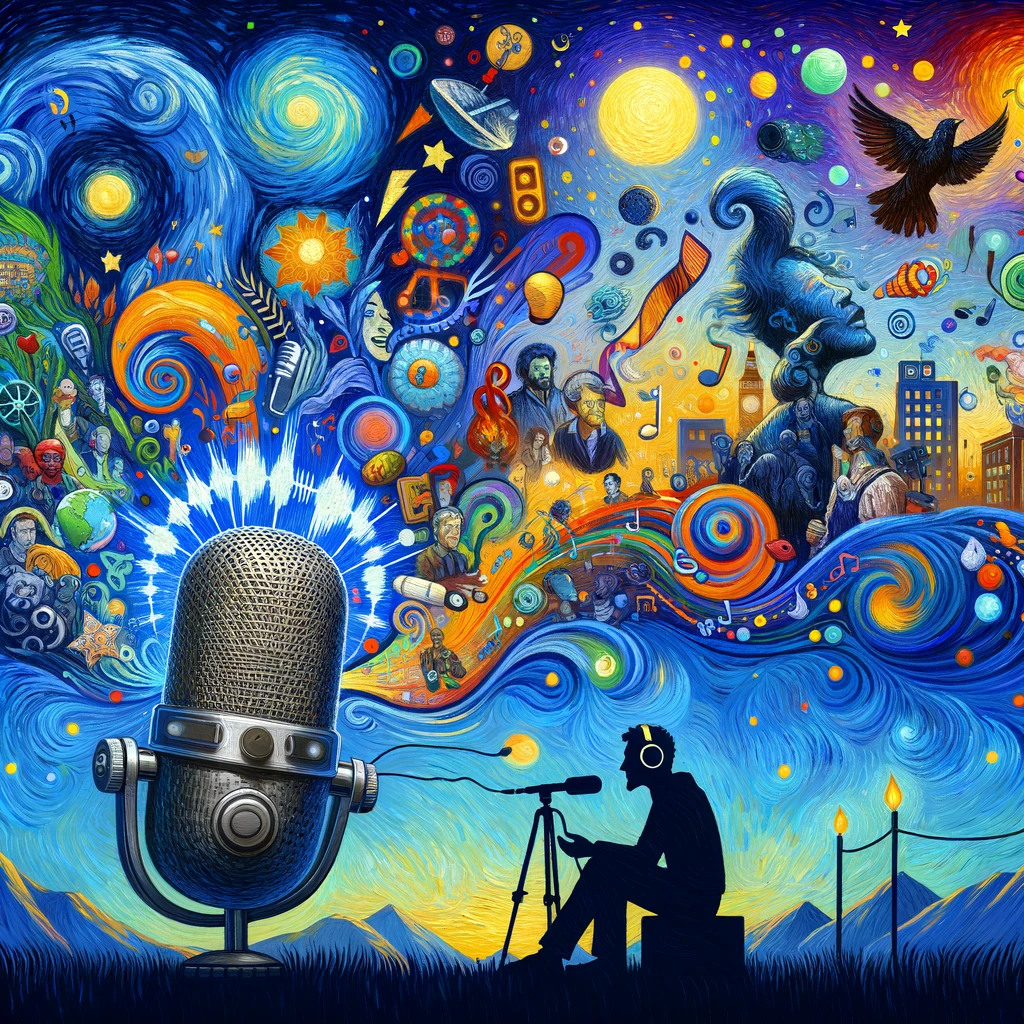
Other Resources
Here is a list of other resources you can review online to learn more:
Use This Prompt To Get More Resources With Your Favorite Online AI Tool: Please provide me with a list of online articles with their URLs in a bulleted list that I can read regarding Will Podcasting Boost Your Public Speaking Confidence?

Other Resources
Glossary Terms
Will Podcasting Boost Your Public Speaking Confidence? – Glossary Of Terms
1. Podcast: A digital audio program that is available for streaming or download, often consisting of episodes focused on specific themes or topics.
2. Public Speaking: The act of speaking in front of an audience with the goal of informing, persuading, or entertaining.
3. Confidence: A belief in one’s abilities or qualities, particularly when speaking to an audience or delivering presentations.
4. Vocal Skills: Techniques related to voice production, including tone, pitch, pace, and articulation, crucial for effective communication.
5. Content Creation: The process of generating ideas, information, and narratives that are shared through various platforms, including podcasts.
6. Audience Engagement: The methods used to capture and maintain the interest of listeners, often leading to a more interactive experience.
7. Scriptwriting: The practice of writing a structured outline or script that guides the content of a podcast episode.
8. Editing: The process of refining audio recordings by removing mistakes, improving clarity, and enhancing overall quality.
9. Delivery: The manner in which a speaker presents their content, including aspects such as body language, eye contact, and vocal emphasis.
10. Feedback: Constructive input and reactions received from listeners or peers, helping to improve and refine speaking skills.
11. Impromptu Speaking: The ability to speak on a topic without prior preparation, a skill that can be developed through podcasting practice.
12. Storytelling: The art of narrating events, experiences, and anecdotes in an engaging manner, essential for captivating an audience.
13. Nervousness: The feelings of anxiety or apprehension that can occur before or during a speaking engagement, often alleviated through practice.
14. Recording Equipment: The tools and devices, such as microphones and audio interfaces, used to capture podcast audio.
15. Podcasting Platform: A service that allows creators to publish, host, and distribute their podcast episodes to various directories.
16. Networking: The process of establishing professional relationships, which can be enhanced through collaborations on podcasts.
17. Clarity: The quality of being coherent and comprehensible, an important aspect of both speaking and podcasting.
18. Branding: The development of a personal or professional identity within the podcasting realm to attract and retain an audience.
19. Practice: The repeated exercise of skills and techniques to build proficiency, crucial for enhancing speaking confidence.
20. Vocal Variety: The use of different vocal elements, such as volume and inflection, to maintain listener interest and convey emotions.
21. Sound Design: The creative aspect of adding music, sound effects, or audio branding to enhance the podcast listening experience.
22. Preparation: The prior planning and rehearsal necessary for delivering effective public speaking or podcast episodes.
23. Spontaneity: The ability to speak or respond naturally and without premeditated script, often cultivated through experience.
24. Mindset: The attitude with which one approaches public speaking or podcasting, impacting confidence and performance.
25. Microphone Technique: The specific methods used to interact with a microphone, influencing sound quality and clarity during recording.
26. Editing Software: Software applications used to modify and refine audio recordings, enhancing the final podcast product.
27. Podcast Format: The structure of a podcast episode, which can include interviews, discussions, narrative storytelling, or solo commentary.
28. Articulation: The clarity and precision of speech sounds, important for ensuring the audience understands the message.
29. SEO (Search Engine Optimization): Techniques used to increase the visibility of podcasts in search results, attracting more listeners.
30. Consistency: The practice of regularly releasing new podcast episodes, which helps build audience trust and engagement over time.

Glossary Of Terms
Other Questions
Will Podcasting Boost Your Public Speaking Confidence? – Other Questions
If you wish to explore and discover more, consider looking for answers to these questions:
- What are the best practices for starting a podcast?
- How often should I release new podcast episodes?
- What types of equipment do I need for podcasting?
- How can I effectively promote my podcast?
- What are the most common podcasting platforms?
- How can I find my podcasting niche?
- What strategies can I use to keep my audience engaged?
- What storytelling techniques work best in podcasting?
- How can I integrate guest interviews into my podcast effectively?
- What are some tips for editing and producing high-quality podcast episodes?
- How do I handle negative feedback on my podcast?
- What are the legal considerations I need to be aware of in podcasting?
- How can I monetize my podcast?
- What role does SEO play in podcasting?
- How can I build a community around my podcast?

Other Questions
Haiku
Will Podcasting Boost Your Public Speaking Confidence? – A Haiku
Speak into the void,
Voices echo, confidence—
Fears fade with each word.

Haiku
Poem
Will Podcasting Boost Your Public Speaking Confidence? – A Poem
In a quiet room where whispers dwell,
A microphone waits, casting its spell,
No eyes to judge, no crowd to appease,
Just a voice that flows with relative ease.
With each episode, your confidence grows,
A rhythm emerges, your true voice shows.
Repetition’s magic, a song in the air,
Crafting your message, honing your care.
Topics galore, from stories to shares,
Each word a brushstroke, each laugh declares,
Connection with listeners you never see,
But their feedback shapes your ability to be.
Rehearse and refine, let nerves take flight,
Anxiety melts in the soft podcast light.
Editing grants you a chance to improve,
Polished reflections, you find your groove.
A canvas for stories, both bold and sincere,
Each tale a portal, drawing others near.
Building a network, engaging with souls,
With every conversation, your passion unfolds.
So dive into the waves, let your voice ride high,
Transforming your fears, watch the butterflies fly.
A journey through sound, a craft to embrace,
Podcasting awaits, it’s your time, take your place.
From quiet beginnings, brave steps will rise,
Embrace the mic, let your spirit surprise.
Through practice and stories, your confidence grows,
In the world of podcasting, let your true self glow.

Poem
Checklist
Will Podcasting Boost Your Public Speaking Confidence? – A Checklist
1. Choose Your Passionate Topic
_____ Identify subjects that excite you.
_____ Reflect on why these topics resonate with you.
2. Prepare Your Content
_____ Create a rough outline of key points.
_____ Rehearse your material before recording.
3. Start Small
_____ Consider recording brief episodes to build confidence.
_____ Experiment with different formats (solo, interviews).
4. Embrace Feedback
_____ Encourage listener interactions through reviews and comments.
_____ Analyze feedback to understand audience preferences and improve.
5. Record Regularly
_____ Create a consistent recording schedule (weekly, bi-weekly).
_____ Aim to release episodes on the same day to establish reliability.
6. Focus on Audio Quality
_____ Invest in a quality microphone.
_____ Ensure a quiet recording environment and check sound levels before publishing.
7. Edit Thoughtfully
_____ Listen back to recordings for self-critique.
_____ Edit out any long pauses or distractions to produce a polished episode.
8. Practice Storytelling
_____ Integrate personal anecdotes into episodes to enhance relatability.
_____ Experiment with pacing and tone to engage listeners.
9. Engage with Your Community
_____ Foster relationships with listeners through social media or live Q&A sessions.
_____ Share behind-the-scenes insights to connect deeper with your audience.
10. Build Your Podcast Portfolio
_____ Create a platform or website to showcase your episodes.
_____ Use your podcast as a portfolio piece for potential speaking engagements.
11. Stay Persistent
_____ Remember that improvement comes with time; embrace the learning process.
_____ Celebrate small milestones while building your podcast presence.
12. Avoid Common Pitfalls
_____ Don’t neglect audience engagement and feedback.
_____ Maintain audio quality standards to keep listeners interested.
_____ Stay consistent with your release schedule to build a loyal audience.
Conclusion
Ready your microphone, embrace the process, and remember: each episode is a step toward becoming a more confident public speaker!

Checklist
At PodcastBig, we help people who want to learn about podcasting by collating information and news about podcasting.
Be sure to read our other related stories at PodcastBig to learn more about podcasting.