

Monetizing Your Expertise Through Podcasting
By Tom Seest
At PodcastBig, we help people who want to learn about podcasting by collating information and news about podcasting.
Be sure to read our other related stories at PodcastBig to learn more about podcasting.
Will a Podcast Turn Your Knowledge Into a Valuable Asset?
In today’s digital landscape, sharing your expertise is no longer confined to textbooks or seminars—it’s been transformed through the medium of the podcast. But does a podcast really turn your knowledge into a valuable asset? The short answer is absolutely, but there are nuances worth considering.
Start by recognizing that a podcast is more than just a series of audio files; it’s a platform for connection and conversation. Think of it as your very own stage where you can showcase your unique insights and experiences. Whether you’re an expert in history, mechanics, or modern art, a podcast allows you to distill your wisdom into digestible segments, making it accessible to a broader audience.
Imagine the opportunity this presents. Each episode is like a small workshop, where you can deep dive into topics that matter to you. You can share stories, debate ideas, and invite guests to collaborate—everything you need to engage and nurture an active community around your passion. Listeners can develop a genuine interest in your subject matter, and before you know it, you have carved out an audience eager to hear what you have to say.
Moreover, a podcast taps into the power of authenticity. When you speak directly to your audience, you bring your personality to the forefront. It’s not just about the facts; it’s about the way you deliver them. Your passion and enthusiasm will resonate with listeners, which builds trust and coming back for more. This connection transforms your knowledge from a solitary endeavor into an ongoing dialogue.
Another crucial aspect of a podcast is its potential for monetization. As your audience grows, so do opportunities. You can explore sponsorship deals, merchandise, or even charge for premium content. Knowledge, when packaged correctly, can become an asset that generates revenue over time.
So, if you’re sitting on a wealth of knowledge and think a podcast might be the right vehicle, take the plunge. Don’t overthink it. The learning curve exists, but so does the excitement of shaping your ideas into something impactful. With each episode, you’re building a bridge to your listeners and fortifying your position as a thought leader in your field. Not only will you be sharing your expertise, but you’ll also be creating a valuable asset that benefits both you and your community.

Will a Podcast Turn Your Knowledge Into a Valuable Asset?
Will a Podcast Turn Your Knowledge Into a Valuable Asset?
- Podcasts have transformed knowledge sharing beyond traditional formats like textbooks and seminars.
- A podcast serves as a platform for connection, allowing experts to showcase their insights and experiences.
- Each episode acts as a workshop, facilitating deep dives into important topics and fostering community engagement.
- Authenticity is crucial; delivering knowledge with passion helps build trust and enhances listener connection.
- Podcasting offers monetization opportunities, including sponsorships and premium content as the audience grows.
- Creating a podcast allows you to establish yourself as a thought leader and engage with a broader audience.
- Starting a podcast is a journey that combines learning and excitement, creating a valuable asset for both the creator and the community.

Will a Podcast Turn Your Knowledge Into a Valuable Asset?
Table Of Contents
- Will a Podcast Turn Your Knowledge Into a Valuable Asset?
- What Is The Value Of Turning Knowledge Into A Podcast?
- How Can A Podcast Enhance My Expertise?
- What Topics Should I Cover In My Podcast?
- How Do I Choose The Right Format For My Podcast?
- What Equipment Do I Need To Start A Podcast?
- How Can I Effectively Market My Podcast?
- What Are The Key Steps To Podcast Production?
- Conclusion
- Other Resources
- Glossary Of Terms
- Other Questions
- Haiku
- Poem
- Checklist
What Is The Value Of Turning Knowledge Into A Podcast?
In a world overflowing with information, making sense of it all can feel like trying to sip water from a firehose. So, what’s the deal with turning your hard-earned knowledge into a podcast? It’s about more than just sharing your thoughts; it’s about carving out a space where your expertise can breathe and flourish.
First off, let’s talk accessibility. A podcast allows you to break down complex ideas for a broader audience. People are busy, and they often don’t have time to sit down with a book or research paper. But a podcast? That’s something they can listen to while commuting, exercising, or even doing household chores. It makes your insights approachable and available to anyone willing to press play.
Now consider the power of connection. Launching a podcast is like opening the door to your intellectual living room. You invite listeners into your world, sharing not just facts but stories and experiences wrapped around that knowledge. This personal touch fosters a community, binding your listeners with shared interests, challenges, and discussions. Suddenly, you’re not just a voice in their earbuds; you’re a trusted companion on their journey to understanding.
Then there’s the value of interaction. Through listener feedback and engagement, your podcast can evolve. The questions your audience asks can shape your content, ensuring it remains relevant and resonant. This kind of organic growth not only enriches your material but also fosters a genuine dialogue. It’s an exchange, not a monologue.
And let’s not overlook the professional opportunities that come with having a podcast. By establishing yourself as an expert in your niche, you increase your visibility. Brands are always on the lookout for thought leaders to collaborate with, and having a podcast can put you on their radar. It’s a way to leverage your knowledge into opportunities you may not have considered.
In essence, turning your expertise into a podcast isn’t just about broadcasting your thoughts; it’s about transforming knowledge into an experience. It’s an engaging way to connect, educate, and inspire. It’s about creating a ripple effect in your community and beyond. So, if you’ve got something to say, why not take that leap? Your insights deserve to be heard, and who knows? You might just ignite a conversation that changes someone’s perspective—or even their life.
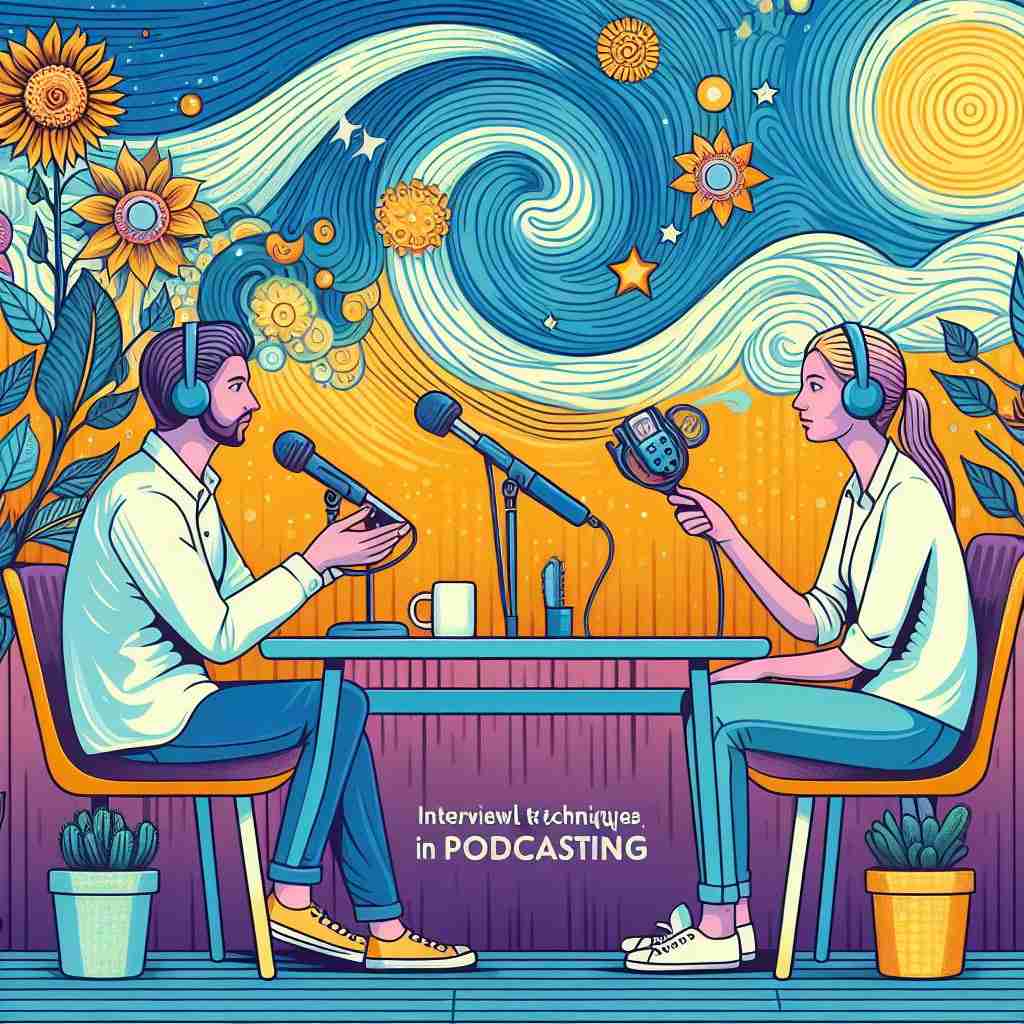
What Is The Value Of Turning Knowledge Into A Podcast?
What Is The Value Of Turning Knowledge Into A Podcast?
- Podcasts provide a platform to share expertise in a crowded information landscape.
- They make complex ideas accessible, allowing listeners to engage while multitasking.
- A podcast fosters a sense of connection, inviting listeners into the host’s world through stories and experiences.
- Listener interaction allows for content evolution, creating a dialogue rather than a one-sided conversation.
- Establishing a podcast can enhance professional visibility and attract collaboration opportunities with brands.
- Transforming knowledge into a podcast creates an engaging experience that can educate and inspire.
- Launching a podcast can ignite meaningful conversations and change perspectives in the community.

What Is The Value Of Turning Knowledge Into A Podcast?
How Can A Podcast Enhance My Expertise?
The world of expertise can often feel like a tightly guarded fortress, where knowledge is exchanged in hushed tones between the elite few. But fear not, because the emergence of the podcast has transformed this landscape. A podcast isn’t just a series of audio episodes; it’s an accessible toolkit for anyone hungry to deepen their understanding and share their unique insights.
First off, hosting or participating in a podcast is an opportunity to curate conversations that matter. As you dive into your subject of interest, you engage not only with material but also with passionate individuals. This exchange sharpens your thoughts and helps you articulate well-informed perspectives. Each episode becomes a mini masterclass—think of it as a professional development course, but way more fun and informal. Listening to the way others articulate their ideas helps expand your vocabulary and refine your delivery.
But let’s not underestimate the power of guest appearances. Inviting someone with a wealth of knowledge onto your podcast can elevate your credibility significantly. Suddenly, you’re not just a voice behind the mic; you become a bridge connecting listeners with industry titans and thought leaders. Every discussion unveils gems of wisdom that can transform your understanding of the topic while providing an invaluable resource for your audience.
Engaging with listeners through question submissions or feedback can also deepen your mastery. The real-life queries and musings of your audience expose you to different angles of your subject, sparking curiosity that might have lain dormant. The iterative nature of podcasting allows you to stay current with trends and shifts in your field, keeping your expertise fresh and relevant.
And let’s talk about consistency. By regularly producing content, you create a reliable platform for learning and growth. Over time, the themes and lessons that emerge in your episodes reflect your evolving understanding. This growth process can be intoxicating, fueling your passion for the craft and solidifying your identity as an expert.
So, whether you’re a veteran in your field or a newcomer eager to learn, a podcast is a dynamic, interactive way to enhance your expertise. It’s not just about talking into a microphone; it’s about sparking conversations, building connections, and fostering a community around shared interests. In a world saturated with information, a podcast empowers you to carve out your own niche while growing alongside peers and pioneers alike.

How Can A Podcast Enhance My Expertise?
How Can A Podcast Enhance My Expertise?
- The rise of podcasts has democratized access to expertise, turning them into tools for learning and sharing insights.
- Hosting or participating in podcasts allows for meaningful conversations that enhance understanding and articulation.
- Each podcast episode acts as a mini masterclass, providing informal and enjoyable professional development.
- Guest appearances on podcasts increase credibility and connect listeners with industry experts and thought leaders.
- Engaging with audience feedback sparks curiosity and exposes podcasters to different perspectives on their subjects.
- Consistency in producing content fosters personal growth and a reliable learning platform over time.
- Podcasts create dynamic communities, enabling novices and veterans to learn and grow together in their fields.

How Can A Podcast Enhance My Expertise?
What Topics Should I Cover In My Podcast?
When it comes to launching a podcast, the first step is a bit like staring down a barrel of ripe opportunities—it’s all about the topics you choose to cover. The beauty of a podcast is its versatility; you can dive into anything from the meaningful to the downright quirky. Your first task? Narrow down your interests. After all, your enthusiasm for a subject will naturally translate into your recordings.
Consider what you are passionate about. Your podcast is an extension of you, and genuine interest tends to resonate with listeners. This isn’t about picking a hot topic or following trends; it’s about covering what stirs your soul or piques your curiosity. If you find yourself diving into conversations late at night about your travels or the mechanics of a certain craft, that’s your cue. Make that your starting point.
Next, think about your audience. Who do you want to connect with? Maybe you’re a lover of the trades—a group often overlooked but filled with tales of grit, humor, and life lessons. Or perhaps you’re more inclined toward discussing technology’s ever-evolving impact on our way of living. Either way, appreciating your target audience will help shape your content, making it both relevant and engaging.
Don’t shy away from those niche topics, either. Sometimes the most bizarre subject matter brings about some of the most interesting discussions. For instance, exploring the intricacies of beekeeping not only educates but can also spark conversations about the environment, sustainability, and local business—none of which are dull. Mix comedy and craftsmanship, or dive into history’s uncharted territories. Your podcast can be a delightful tapestry of ideas.
Lastly, keep in mind that your podcast need not be a solitary journey. Interview guests who can lend fresh perspectives. What insights do experienced welders have about their craft? What’s the story behind a remarkable local artisan? These narratives will enrich your content and keep listeners glued to their earbuds.
The key to a successful podcast lies in combining what you love with what others want to hear. So grab the microphone, distill those ideas, and begin your adventure—because every voice deserves to be heard, and your unique stories could be just what someone out there needs to hear.

What Topics Should I Cover In My Podcast?
What Topics Should I Cover In My Podcast?
- Choosing the right podcast topic is crucial, as it determines the opportunities for content.
- Focus on your passions, as enthusiasm for a subject will resonate with listeners.
- Your podcast should reflect genuine interests rather than following trends or hot topics.
- Identify and appreciate your target audience to shape relevant and engaging content.
- Niche topics can lead to unique and compelling discussions that captivate listeners.
- Consider interviewing guests to provide fresh perspectives and enrich your content.
- A successful podcast blends your passions with audience interests, allowing your voice to be heard.

What Topics Should I Cover In My Podcast?
How Do I Choose The Right Format For My Podcast?
Choosing the right format for your podcast is like picking the right tool for a job. You wouldn’t grab a hammer for a screw, so why would you settle for a format that doesn’t suit your vision? First off, think about what you want to achieve. Are you looking to entertain, inform, or inspire your listeners? The essence of your podcast should guide your format choice.
Let’s break it down. Do you enjoy the sound of your own voice when you’re riffing on a topic? A solo podcast might be your ticket. These types of shows allow you the freedom to dive deep into your expertise and share your thoughts without interruption. Think of it as a personal conversation with your audience, where your unique perspective takes center stage.
On the other hand, if you thrive on interaction, consider an interview format. This approach invites others into the fold. It not only adds variety, but it also enriches the content. Having guests lends credibility and often sparks unexpected insights that can take your podcast to new heights. Just make sure your guest aligns with your overall theme so the conversation flows naturally—this isn’t a game of Jeopardy, after all.
Now, if you’re feeling particularly adventurous, why not mix it up? A hybrid format can give you the best of both worlds. You might lead with a monologue, then segue into an interview. This keeps your audience engaged and varies the pacing, which is crucial in the fast-paced world of audio content. Just remember, maintaining a consistent theme is key—no one likes whiplash from sudden shifts in tone.
Speaking of consistency, think about the length of your episodes. Will you keep it tight at 20 minutes, or go long for an hour of rich conversation? Find a duration that feels authentic to your content and what your audience can digest. Regular schedules—weekly, bi-weekly, or monthly—set expectations for your listeners and keep them coming back for more.
In summary, choosing the right format for your podcast is a multi-faceted decision. Consider your goals, your style, and your audience. Tackle it with intention, and you’ll find a format that not only resonates with your listeners but is also a joy for you to create. Trust me, in the grand scheme of things, that’s where the magic happens.

How Do I Choose The Right Format For My Podcast?
How Do I Choose The Right Format For My Podcast?
- Choosing the right podcast format is essential for aligning with your vision and goals.
- Determine if you want to entertain, inform, or inspire your listeners to guide your format selection.
- A solo podcast allows you to delve deep into topics and showcase your unique perspective.
- An interview format adds variety and credibility, inviting guests to enrich the content.
- A hybrid format combines elements of solo and interview styles, maintaining audience engagement.
- Consistency in episode length and scheduling helps set expectations for your listeners.
- Ultimately, approach your format choice with intention for a fulfilling and resonant podcast experience.

How Do I Choose The Right Format For My Podcast?
What Equipment Do I Need To Start A Podcast?
So, you’ve decided to take the plunge and start a podcast. Good for you! Before you hit that record button and share your thoughts with the world, let’s talk about the tools you’ll need to make sure your message shines. Picture it as a modern-day workshop—you wouldn’t try to build a barn with just a hammer, right? The same goes for podcasting.
First on your list is a microphone. Now, not just any microphone will do. If you’re serious about your craft, invest in a quality dynamic microphone. These beauties filter out ambient noise, which means your voice will be crisp and clear, turning your listeners into loyal fans instead of confused bystanders. Brands like Shure and Audio-Technica are often lauded for their durability and sound quality. A pop filter is also a smart addition, as it softens the “pops” that come from certain consonants, ensuring your audio remains smooth as a freshly paved road.
Next up, don’t forget about headphones. Those fancy earbuds won’t suffice here. Instead, opt for a pair of closed-back studio headphones. These will help you monitor your audio as you record, letting you hear any unwanted noise in real-time. Plus, they’ll keep you in the zone without leaking sound—nobody wants their podcast drowned out by the neighbor’s lawnmower.
Now that you’re set with a microphone and headphones, let’s talk about the next essential component: a digital audio workstation (DAW). This software is your playground where magic happens—editing, mixing, and mastering your podcast. Programs like Audacity or Adobe Audition offer user-friendly interfaces that won’t leave you feeling like you’ve walked into a foreign country without a map.
Lastly, you need a solid means of recording. Some savvy podcasters choose to invest in a dedicated audio interface that connects your microphone to your computer, ensuring top-notch sound quality. Others find that portable recorders can serve both as a backup and a mobile solution, ideal for capturing interviews on the go.
Your podcast equipment should feel like an extension of your voice—reliable, sturdy, and ready to tackle the stories you want to share. With the right gear in hand, you’ll be well on your way to crafting an audio masterpiece that resonates with audiences and sparks engaging conversations, one episode at a time.

What Equipment Do I Need To Start A Podcast?
What Equipment Do I Need To Start A Podcast?
- Start with a quality dynamic microphone for clear audio, such as those from Shure or Audio-Technica.
- Add a pop filter to soften harsh sounds from certain consonants and improve audio quality.
- Invest in closed-back studio headphones for monitoring audio without sound leakage.
- Use a digital audio workstation (DAW) like Audacity or Adobe Audition for editing and mixing your podcast.
- Consider a dedicated audio interface for optimal sound quality when connecting your microphone to your computer.
- Portable recorders can serve as a backup and are useful for capturing interviews on-the-go.
- Ensure your podcasting equipment feels reliable and sturdy, allowing you to share your stories effectively.

What Equipment Do I Need To Start A Podcast?
How Can I Effectively Market My Podcast?
So, you’ve put in the hours, dug deep into your creative well, and finally recorded that podcast you’ve been dreaming about. Now what? Just like you wouldn’t expect a freshly baked loaf of bread to sell itself at a farmer’s market, your podcast needs a little push to get it in front of ears that matter.
First things first—know your audience. Who’s tuning in? What do they want to hear? Understanding your listenership isn’t just a detail; it’s the backbone of your marketing strategy. Spend time getting to know your audience, whether that means diving into online forums or seeking feedback on social media. When you know who you’re talking to, your marketing will resonate, and that’s when the magic begins.
Next, harness the power of social media. Platforms like Twitter, Instagram, and TikTok are a goldmine for podcast promotion. Create engaging content that invites people to listen, whether it’s a compelling quote from your latest episode or a behind-the-scenes look at your recording process. Use your social media accounts as a launchpad. Share snippets of episodes and encourage interaction, so you foster a community around your podcast.
Another effective strategy is collaborating with other podcasters. A guest appearance on a fellow creator’s show, or inviting them to yours, can cross-pollinate your audiences. It’s a practical way to expand your listener base while also providing value to your audience. If your podcast delves into niche topics, seek out other figures in that niche and see how you can work together.
Let’s not forget about good old-fashioned networking. Attend industry events, workshops, or local meetups, even virtual ones. Meet fellow creators, share tips, and maybe even hand out some business cards or stickers. Word of mouth is as potent as ever, and genuine connections can lead to unexpected opportunities.
Finally, don’t underestimate the power of SEO. Optimize your podcast’s website, use keywords that align with your content, and craft catchy episode titles that make people curious. When someone searches for topics you cover, you’ll want your podcast to rise to the top of those search results.
In the bustling world of podcasting, standing out is paramount. So roll up your sleeves, get creative, and remember: the effort you put into marketing your podcast is the very lifeblood of its success. Cheers to filling those eardrums!

How Can I Effectively Market My Podcast?
How Can I Effectively Market My Podcast?
- Understand your audience to tailor your marketing strategy effectively.
- Utilize social media platforms like Twitter, Instagram, and TikTok for promotion.
- Create engaging content to share on social media, including quotes and behind-the-scenes snippets.
- Collaborate with other podcasters to cross-promote and grow your listener base.
- Network at industry events, workshops, and local meetups to create genuine connections.
- Optimize your podcast’s website and use SEO strategies to improve visibility.
- Consistent marketing efforts are essential for your podcast’s success.

How Can I Effectively Market My Podcast?
What Are The Key Steps To Podcast Production?
Let’s cut to the chase: if you’re gonna produce a podcast that doesn’t sound like a garage band in a windstorm, you better have a solid plan. The journey from idea to finished product can feel monumental, but breaking it down into manageable steps makes it a whole lot easier. So, grab your favorite caffeinated beverage and let’s dive into the key steps of podcast production.
First up, you’ve got to start with a concept. What’s your podcast about? It’s crucial to define your niche—your topic should be something you’re passionate about, but it also needs to resonate with an audience. Spend some time brainstorming, and don’t be afraid to let your creativity flow. Perhaps it’s a true crime deep dive or the minutiae of your favorite hobby; the sky’s the limit.
Next, outline your content. This is more than just scribbling a few thoughts on a napkin. Create a structured plan for each episode, determining the key points you want to cover. Will you have guests? How long will each episode be? Establishing a clear format keeps things organized and ensures you deliver your message effectively. Remember, people tune in not just for the content, but for the experience you create.
Once your groundwork is laid, it’s time to gather your gear. Quality audio equipment is a must. Invest in a decent microphone and headphones, and consider a room that’s conducive to recording. Soundproofing may sound like an unnecessary luxury, but trust me, your listeners will appreciate not hearing the echoes of your cat’s meow or your neighbor’s lawn mower.
After you’ve recorded your audio, it’s time for the real magic—editing. This step transforms your raw audio into something polished. Use editing software to trim unnecessary pauses, balance sound levels, and add music or sound effects. The final product should be professional and engaging, drawing listeners in instead of pushing them away.
Finally, no podcast is complete without a launch strategy. Promote your podcast on social media, engage with your audience, and don’t forget about a catchy title and cover art that reflects your content. Once your first episode is out in the wild, keep the momentum going with regular uploads and interaction with your listeners.
So, there you have it: the key steps to podcast production. It ain’t rocket science, but it does take a good amount of preparation, creativity, and dedication. Now, roll up those sleeves and let’s get producing!

What Are The Key Steps To Podcast Production?
What Are The Key Steps To Podcast Production?
- Start with a solid concept and define your podcast’s niche to resonate with your audience.
- Outline your content with a structured plan for each episode, including key points and format.
- Gather quality audio equipment, including a decent microphone and headphones.
- Consider soundproofing your recording space to minimize background noise.
- Edit your audio using software to create a polished and engaging final product.
- Develop a launch strategy, including social media promotion and eye-catching cover art.
- Maintain momentum with regular uploads and audience engagement after your podcast launches.

What Are The Key Steps To Podcast Production?
Conclusion
Alright, folks, here we are at the end of our journey into the world of podcasting. If you’ve got knowledge to share—and let’s be honest, who doesn’t?—then diving into the podcasting pool might just be your next big adventure. Think of it as your chance to plant a flag on the digital landscape. But is it worth it? You betcha!
We’ve covered a lot of ground here. First, let’s acknowledge that creating a podcast isn’t just about talking; it’s about connecting. You’re not just dealing in facts; you’re crafting an experience, engaging your audience with stories that matter. You’ve got a stage right in your home where your ideas can flourish. And let’s face it, there’s something uniquely intimate about a podcast. People are tuning in while they’re commuting, exercising, or even tackling that pile of laundry—it’s a chance for them to feel like they’re sharing the space with you.
Now, let’s talk about monetization. As your podcast grows, you’ll discover opportunities you never thought imaginable, from sponsorships to premium content. Your expertise is a goldmine, and podcasting just happens to be the shovel that digs it up. But remember, it’s not just about making money—it’s about building a community. You’re not just a voice; you’re a companion on this journey of discovery, a guide helping listeners navigate new ideas and perspectives.
Your expertise will evolve, too. With every episode, you connect with listeners, refine your message, and grow not just as a podcaster, but as an individual in your field. Engaging with your audience and discussing their questions can offer insights that may surprise you. This interaction creates a dialogue rather than a monologue, enriching the experience for everyone involved.
So, what’s holding you back? Sure, there’s a learning curve—there’s always a learning curve—but that’s part of the excitement. As you put pen to paper (or fingers to keyboard) and craft your first episode, remember that the barriers to entry have never been lower. With just a microphone and a bit of passion, you’re on your way to sharing your voice with the world.
So, take that leap—grab that microphone, let your passion spill over, and see where this adventure takes you. Your knowledge isn’t just an asset; it’s a treasure waiting to be shared. And who knows, you might just inspire someone along the way. Now go, get out there, and let that voice of yours be heard!

Conclusion
Conclusion:
- Podcasting is an opportunity to share knowledge and connect with an audience.
- Creating a podcast involves crafting experiences and telling engaging stories.
- Podcasts encourage intimate connections with listeners during their daily activities.
- As your podcast grows, monetization opportunities arise, including sponsorships and premium content.
- Building a community is essential; you serve as a guide for listeners on their journey of discovery.
- Engaging with your audience enhances your expertise and fosters dialogue.
- The barriers to entry for podcasting are minimal—just grab a microphone and share your passion.

Conclusion
Other Resources

Other Resources
Here is a list of other resources you can review online to learn more:
Use This Prompt To Get More Resources With Your Favorite Online AI Tool: Please provide me with a list of online articles with their URLs in a bulleted list that I can read regarding Will a Podcast Turn Your Knowledge Into a Valuable Asset?

Other Resources
Glossary Terms
Will a Podcast Turn Your Knowledge Into a Valuable Asset? – Glossary Of Terms
1. Podcast: A digital audio program available for streaming or download, typically episodic in nature, covering various topics.
2. Content Creation: The process of generating topics and producing audio or visual media for a specific audience.
3. Monetization: The method of generating income from a podcast through sponsorships, advertisements, merchandise, or listener contributions.
4. Branding: The practice of creating a unique identity and perception for a podcast to distinguish it from others in the market.
5. Audience Engagement: The interaction and involvement of listeners with the podcast, fostering a community and loyalty among fans.
6. Niche: A specialized segment of the market that a podcast targets, focusing on specific interests or topics.
7. Value Proposition: The fundamental benefits and unique features a podcast offers to its audience, making it compelling to listen to.
8. Distribution: The process of making a podcast accessible on various platforms, such as iTunes, Spotify, or Google Podcasts.
9. SEO (Search Engine Optimization): Strategies used to enhance the visibility of a podcast in search engine results, attracting more listeners.
10. Sponsorship: A financial arrangement where a brand or company supports a podcast in exchange for promotional mentions or advertising.
11. Editing: The process of refining and enhancing podcast audio, including cutting, rearranging, and adding effects to improve quality.
12. Scriptwriting: The practice of writing the content or structure of podcast episodes to ensure clarity and flow.
13. Hosting: The act of presenting a podcast episode, including narrating, interviewing guests, and guiding discussions.
14. Live Streaming: Broadcasting a podcast in real-time over the internet, allowing for immediate audience interaction.
15. Feedback: Responses and reactions from listeners that can inform and guide future podcast content and improvements.
16. Analytics: Data collected regarding audience size, engagement levels, and listening habits, helping creators understand their audience better.
17. Interview Format: A podcast style where a host conducts interviews with guests, often providing expert insights and diverse perspectives.
18. Serialized Content: A podcast structure where episodes are interconnected and tell a larger story over multiple releases.
19. Call to Action: A prompt within a podcast that encourages listeners to take a specific action, such as subscribing or visiting a website.
20. Social Media Integration: The incorporation of social media platforms to promote a podcast and engage with its audience.
21. Voice Modulation: The variation in pitch or tone used by a host to convey emotions and create an engaging listening experience.
22. Podcast Network: A collection of related podcasts that share resources, audiences, and advertising opportunities.
23. Cross-Promotion: The strategy of marketing another podcast within an episode to reach broader audiences and increase listenership.
24. Listener Loyalty: The commitment of audience members to consistently tune in and support a podcast over time.
25. Transcription: The written record of podcast episodes, which can enhance accessibility and improve searchability.
26. Content Repurposing: The practice of using podcast material in different forms, like blog posts or social media snippets, for added reach and value.
27. Podcasting Software: Tools and applications used for recording, editing, and producing podcasts, like Audacity or GarageBand.
28. Show Notes: Written summaries or detailed notes accompanying a podcast episode, often containing valuable resources and links.
29. Membership Model: A monetization strategy where listeners pay for exclusive content, perks, or ad-free experiences.
30. Intellectual Property: The legal rights associated with the unique content and branding of a podcast, protecting the creator’s work.
These terms and descriptions can help provide clarity and context for anyone interested in exploring how podcasts can turn knowledge into a valuable asset.

Glossary Of Terms
Other Questions
Will a Podcast Turn Your Knowledge Into a Valuable Asset? – Other Questions
If you wish to explore and discover more, consider looking for answers to these questions:
- What are the primary benefits of podcasting as a platform for experts?
- How do I start a podcast if I’m a complete beginner?
- What are some common pitfalls to avoid when launching a podcast?
- How can I evaluate the success of my podcast?
- What strategies can I use to keep my audience engaged over time?
- How do I measure audience growth and engagement?
- What legal considerations should I keep in mind when podcasting?
- How frequently should I release new episodes?
- What are the best platforms for hosting my podcast?
- How can I incorporate listener feedback into my podcast?
- What are the best practices for creating compelling podcast content?
- How do I choose the right guests for my podcast?
- How do I monetize my podcast effectively?
- What marketing strategies can help promote my podcast?
- How can I expand my reach beyond my current audience?

Other Questions
Haiku
Will a Podcast Turn Your Knowledge Into a Valuable Asset? – A Haiku
Harnessing your voice,
Podcasts turn knowledge to gold,
Connect, share, inspire.

Haiku
Poem
Will a Podcast Turn Your Knowledge Into a Valuable Asset? – A Poem
In a world where knowledge flows,
A podcast beckons—where insight grows.
No longer bound by books or halls,
Your voice now echoes, inviting all.
A stage awaits, your moment to shine,
From history’s tales to mechanics’ grind.
Each episode—your workshop vast,
Crafting stories from memories past.
Authenticity, your guiding light,
With every word, your passion ignites.
A bridge you build to listeners near,
Trust and connection, ever clear.
Monetization, a tempting dream,
As audiences gather, opportunities beam.
Sponsors, merchandise, let the revenue flow,
Transform your wisdom into gold from your glow.
Engagement flourishes as listeners engage,
An evolving dialogue—your thoughts on the page.
Feedback shapes content, enriches the theme,
A shared journey, igniting a dream.
Niche topics sparkle in the dark,
With quirky ideas, you’ll leave your mark.
Interviews weave connections bold,
Stories unfold—insight retold.
Choose your format, define your aim,
Solo riffs or chats—just play the game.
Consistency reigns in length and tone,
Your audience awaits—don’t do it alone.
The tools at hand, a microphone clear,
Headphones, software—craft without fear.
Edit and polish till perfection you’ll find,
Your podcast emerges, one of a kind.
Market your treasure, get the word out,
Social media buzz—engage, no doubt.
Collaborate, network, let the world see,
Create your community, set your ideas free.
So take a leap, let your voice resonate,
Transform your knowledge; don’t hesitate.
In the podcast realm, your dream takes flight,
Igniting conversations, sharing your light.

Poem
Checklist
Will a Podcast Turn Your Knowledge Into a Valuable Asset? – A Checklist
1. Define Your Purpose
_____ Identify the main goal of your podcast (entertain, inform, inspire).
_____ Determine the message or theme you want to convey.
2. Choose Your Topics
_____ List down your areas of expertise and passion.
_____ Consider your audience’s interests and needs.
_____ Explore niche topics that can spark engaging discussions.
3. Define Your Target Audience
_____ Analyze who your potential listeners are.
_____ Understand their preferences and listening habits.
4. Decide on Your Podcast Format
_____ Choose between solo, interview, or a hybrid format.
_____ Plan the structure of each episode.
_____ Determine the ideal length of episodes (20 minutes, 1 hour, etc. ).
5. Gather Required Equipment
_____ Invest in a quality dynamic microphone.
_____ Get closed-back studio headphones.
_____ Choose a digital audio workstation (DAW) for editing.
_____ Consider audio interfaces or portable recorders if necessary.
6. Create Engaging Content
_____ Develop outlines for each episode.
_____ Include stories, anecdotes, and relevant insights to enhance engagement.
_____ Encourage listener interaction through questions and feedback.
7. Edit Your Episodes
_____ Use editing software to polish your recordings.
_____ Trim unnecessary content and adjust audio levels.
_____ Consider adding intro/outro music or sound effects.
8. Develop a Marketing Strategy
_____ Identify effective social media platforms to reach your audience.
_____ Engage with your listeners through social media content.
_____ Collaborate with other podcasters or creators for cross-promotion.
_____ Utilize SEO techniques to increase visibility (keywords, catchy titles).
9. Plan Your Launch
_____ Create a launch strategy that includes promotions before the release.
_____ Design appealing cover art and a catchy podcast name.
_____ Prepare a schedule for regular episode releases to maintain audience interest.
10. Engage and Evolve
_____ Solicit feedback from listeners to improve future episodes.
_____ Stay updated with trends in your topic area and adapt your content.
_____ Foster a community around your podcast through listener interactions.
11. Monitor Your Progress
_____ Analyze listener statistics to understand engagement.
_____ Adjust your marketing and content strategies based on performance metrics.
_____ Celebrate milestones and achievements along your podcasting journey.
By following this checklist, you’ll be well on your way to transforming your knowledge into a valuable podcasting asset that engages and benefits both you and your audience!

Checklist
At PodcastBig, we help people who want to learn about podcasting by collating information and news about podcasting.
Be sure to read our other related stories at PodcastBig to learn more about podcasting.