

Revolutionizing Podcasts: AI’s Solution To Content Challenges
By Tom Seest
At PodcastBig, we help people who want to learn about podcasting by collating information and news about podcasting.
Be sure to read our other related stories at PodcastBig to learn more about podcasting.
Why Podcasters Struggle with No Way to Serve Content By Mood, Topic, Or Available Time (And How AI Fixes It)
Ever find yourself scrolling through endless podcast lists, searching for something that fits your mood, your current task, or even the limited time you have? You’re not alone. Every week, countless listeners embark on this digital treasure hunt, sifting through thousands of podcasts while hoping to strike gold. It’s a frustrating experience, often leaving you more overwhelmed than enlightened. The heart of the matter is simple: user experience is lagging behind the wealth of content creators are lovingly pumping out.
Imagine you’re in a moment of nostalgia, craving a story about resilience, but all you can find are technical discussions or niche topics that barely scratch the surface of what resonates with your soul. It’s a real problem that can leave anyone feeling disconnected and undervalued. The emotional toll of unmet expectations weighs heavy, that feeling of wanting more but being left on the cusp of discovery.
Rationally speaking, we know there’s an ocean of information out there—insightful, entertaining, and thought-provoking content waiting to be heard (or seen). The challenge lies not in the lack of content but rather in the lack of a thoughtful, adaptive way to navigate it. Traditional podcast directories fall short of aligning content with our emotional states, personal interests, or even our available time. We need a system that understands that sometimes a walk in the park calls for a light-hearted anecdote, while a long drive might be perfect for a deep dive into serious issues.
Enter AI—an innovation that possesses the potential to bridge this gap like never before. By leveraging intelligent algorithms, AI can sift through endless hours of audio, filtering content based on the listener’s preferences, current mood, or available time. Picture a world where, with just a few taps, you could effortlessly find the perfect podcast episode that resonates with your spirit and matches your schedule.
This is not just about technology; it’s about enhancing our experience, fostering connections, and ultimately enriching our lives. Because at the end of the day, we all crave something that reflects who we are right now, in this moment. So let’s embrace this change. By trusting AI to help us find our voice among the digital noise, we open the door to discovering the stories that truly matter to us.

Why Podcasters Struggle with No Way to Serve Content By Mood, Topic, Or Available Time (And How AI Fixes It)
Why Podcasters Struggle with No Way to Serve Content By Mood, Topic, Or Available Time (And How AI Fixes It)
- Many podcast listeners struggle to find content that matches their mood or time constraints.
- Excessive options often create frustration and overwhelm instead of enlightenment.
- There is a disconnect between user experience and the wealth of available content created by producers.
- Listeners often feel unmet expectations when searching for specific emotional or thematic content.
- Current podcast directories do not effectively align content with personal interests or emotional states.
- AI has the potential to transform podcast discovery by filtering content based on listener preferences and context.
- Embracing AI in podcast discovery can enhance connections and enrich listeners’ experiences.

Why Podcasters Struggle with No Way to Serve Content By Mood, Topic, Or Available Time (And How AI Fixes It)
Table Of Contents
- Why Podcasters Struggle with No Way to Serve Content By Mood, Topic, Or Available Time (And How AI Fixes It)
- What If Your Podcast Could Connect With Listeners’ Emotions Instantly?
- Why Do Podcasters Often Feel Overwhelmed By Content Organization?
- What Are The Ethical Implications Of AI In Content Curation?
- How Can Understanding Listener Preferences Boost Audience Loyalty?
- What Role Does Storytelling Play In Engaging Your Podcast Audience?
- How Does AI Help In Creating Targeted Content For Busy Listeners?
- What If Technology Could Transform The Way We Understand Our Audience?
- Conclusion
- Other Resources
- Glossary Of Terms
- Other Questions
- Haiku
- Poem
- Checklist
What If Your Podcast Could Connect With Listeners’ Emotions Instantly?
Imagine your podcast as more than just a transmission of sound waves—envision it as a bridge between you and your listeners’ hearts. When listeners tune in, they bring their hopes, fears, and dreams with them. It’s not merely about delivering information; it’s about touching the very core of what makes us human. Each episode has the power to speak directly to their emotions, peeling back the layers that hold people at arm’s length.
Now, think about the stories you tell. Every narrative is an opportunity to resonate on a deeper level. Share not just your successes but your struggles, your stumbles, and those raw moments that leave you breathless. When you reveal your vulnerabilities, you spark a connection that’s genuine. It’s like saying, “Hey, I’m just like you.” This isn’t just storytelling; it’s relationship-building. We all crave authenticity, and when you deliver it, people listen.
What if your podcast could ignite a spark of inspiration when listeners need it most? Picture someone driving home, weighed down by the burdens of the day, and your words bring them hope. This connection transforms passive listening into an experience that nourishes the spirit. Give them insight—gleaned from failures, triumphs, or simple reflections. Intelligence matters, but emotional resonance has a way of embedding those lessons into the fabric of who they are.
As you build this emotional landscape, don’t forget about your ethical responsibility. You hold weight in the words you choose, and people will take your message to heart. It’s vital to treat this platform with care, knowing that your voice has the power to motivate action or provoke thought. Aim not just to entertain but to elevate and encourage.
Remember that you are not alone in this journey. Each episode creates a community, a gathering of souls finding camaraderie in your insights. Foster connections that invite dialogue—empower your listeners to share their own stories in response. With each shared experience, you’re weaving a larger tapestry of human understanding, where everyone feels valued, seen, and heard.
Your podcast can illuminate paths previously untraveled, encouraging listeners to take steps they never thought possible. When you speak from the heart, engage the head, and stir the gut, your message becomes a beacon. All it takes is the courage to embrace vulnerability, to share the fullness of your experience, and create that instant emotional bond.

What If Your Podcast Could Connect With Listeners’ Emotions Instantly?
What If Your Podcast Could Connect With Listeners’ Emotions Instantly?
- Imagine your podcast as a bridge connecting with listeners’ hearts, not just a sound transmission.
- Each episode can resonate emotionally, allowing for a deeper connection through storytelling.
- Share your struggles and vulnerabilities to foster authenticity and genuine relationships.
- Transform passive listening into uplifting experiences that inspire and nourish the spirit.
- Recognize your ethical responsibility in choosing words that can motivate or provoke thought.
- Create a community through each episode, encouraging listeners to share their own stories.
- Your podcast can illuminate new paths and encourage listeners to embrace vulnerability for emotional bonding.

What If Your Podcast Could Connect With Listeners’ Emotions Instantly?
Why Do Podcasters Often Feel Overwhelmed By Content Organization?
Why do podcasters often feel overwhelmed by content organization? Let’s face it: crafting a podcast is like building a home, brick by brick. Every episode is a room filled with ideas, anecdotes, and conversations. Yet, standing in that metaphorical living room, many find themselves surrounded by chaos—notes scattered like leaves in a storm, recordings tucked away in obscure folders, and countless topics clamoring for attention. It’s no wonder the weight of it all can feel crushing.
At the heart of creating a podcast is a powerful connection—a bridge between the host’s passion and the audience’s ears. Podcasters dive into the art of storytelling, seeking to share their unique perspectives, histories, and discoveries. But beneath that exhilarating quest lies a labyrinth of decisions, deadlines, and the constant pressure to deliver. Imagine leaning into your microphone, pouring your soul into each word, only to be met with the stark reality of an unorganized mess waiting to be tamed. It’s enough to make anyone question their resolve.
Rationally speaking, the challenge often stems from the sheer volume of content. A single idea can sprout into multiple episodes, guest interviews, research materials, and promotional strategies. As the episodes pile up, so too do the intricacies of scheduling, editing, and marketing. When you’re trying to manage everything yourself, the delicate dance of creativity and organization can feel more like a wrestling match. It’s as if every voice inside your head is competing for airtime—a cacophony of thoughts that can easily drown out your own.
Ethically, there’s the question of accountability. Podcasters are not just entertainers; they’re trusted voices in their communities. Each episode carries the weight of responsibility—to inform, inspire, or entertain. When organization slips away, it’s not just the host who suffers, but the listener, too. Every moment of confusion can turn into a gap in trust, eroding the very foundation upon which the podcast is built.
Ultimately, feeling overwhelmed isn’t a sign of weakness; it’s a byproduct of passion and ambition. Every podcaster has faced this crossroad, questioning how to translate their ideas into action without losing their sanity. By acknowledging these challenges and embracing them as part of the journey, podcasters can begin to find clarity amidst the chaos. After all, each new episode deserves the same care as the first, and the path to organization is not just a means to an end—it’s a step toward nurturing the connection that makes podcasting so deeply rewarding.

Why Do Podcasters Often Feel Overwhelmed By Content Organization?
Why Do Podcasters Often Feel Overwhelmed By Content Organization?
- Podcasters often feel overwhelmed due to the complexity of content organization.
- Creating a podcast involves crafting individual episodes, akin to building rooms in a home.
- The chaos of scattered notes and recordings contributes to feelings of being overwhelmed.
- At the core of podcasting lies the connection between the host’s passion and the audience.
- The challenge is amplified by the volume of content, leading to scheduling, editing, and marketing intricacies.
- Accountability is crucial, as podcasters bear responsibility for the trust of their listeners.
- Feeling overwhelmed is a natural part of the podcasting journey, emphasizing the need for organization and clarity.

Why Do Podcasters Often Feel Overwhelmed By Content Organization?
What Are The Ethical Implications Of AI In Content Curation?
In a world where the digital landscape is constantly shifting, the ethical implications of AI in content curation demand our earnest attention. Imagine, for a moment, a cherished family gathering where stories flow like good food, enriching our lives. Now picture that gathering replaced by an algorithm feeding us drips of information curated with the cold calculation of data points instead of the warmth of human experience. Deep down, that should stir something in us—a desire for authenticity amidst the noise.
On the surface, AI promises efficiency and tailored experiences. It sifts through mountains of content at lightning speed, pinpointing what we want before we even know we want it. But let’s engage our heads for a moment: at what cost? The very heart of creativity risks being smothered when our sources of information are distilled down to mere transactions, devoid of the rich tapestry of diverse perspectives. Where’s the thrill in discovering a podcast that speaks to the nuances of the human condition if it’s reduced to a recommendation based on past clicks?
Ethically speaking, who holds the reins in this scenario? Content curated by AI often reflects the biases inherent in its training data, shaping narratives in ways we might not even recognize. It’s like having someone decide what stories are worthy of our attention, subtly guiding our thoughts and beliefs as if we’re all just marionettes on strings. This isn’t just a technological dilemma; it’s a moral one, demanding we ask ourselves if we are content to be passive consumers or if we will take a stand for the diverse voices that enrich our lives.
There’s a collective responsibility here. Society thrives on connection, not isolation. By actively engaging with curated content, we risk losing the very essence of shared knowledge, authentic discourse, and genuine empathy. We need to advocate for transparency and hold these algorithms accountable.
As we navigate this treacherous terrain, let’s foster an environment where conversation trumps cacophony and the human touch still matters. It’s time to act—not just as consumers of AI-generated content, but as champions of an ethical, inclusive approach to information curation. The stories we choose to share embody our values, shaping the world into a place where every voice can be heard. Embrace your role, become part of the dialogue, and let’s ensure our future isn’t just filtered; it’s fully human.

What Are The Ethical Implications Of AI In Content Curation?
What Are The Ethical Implications Of AI In Content Curation?
- The ethical implications of AI in content curation require urgent attention in a rapidly changing digital landscape.
- AI offers efficiency by quickly sifting through content to deliver tailored experiences, but this can come at the cost of reducing human creativity.
- AI-created recommendations may lack authenticity and depth, distilling diverse perspectives into transactional interactions.
- Content curated by AI reflects biases from training data, influencing narratives without users’ awareness.
- There is a moral responsibility to decide whether to remain passive consumers or actively support diverse voices in media.
- Society flourishes through connection, and engagement with content is essential for preserving shared knowledge and discourse.
- Advocating for transparency in AI algorithms is crucial to ensure that the content we consume remains inclusive and reflective of our values.

What Are The Ethical Implications Of AI In Content Curation?
How Can Understanding Listener Preferences Boost Audience Loyalty?
Understanding listener preferences is akin to knowing the heartbeat of your audience. When you tune in to what resonates with them, you don’t just create content; you forge connections that can last a lifetime. Imagine standing at the edge of a vast ocean, where each wave that laps at your feet represents a listener’s desire. If you’re savvy, you’ll discover that those waves are more than just water—they’re a testament to shared stories, insights, and emotions.
Think of the road less traveled. When a podcast nails the pulse of its audience, it creates a safe space for listeners, allowing them to feel heard, understood, and valued. This isn’t just about statistics or analytics; it’s about empathy and connection. We all crave that elusive “aha” moment when we realize someone out there gets us, and knows our struggles, hopes, and dreams. By understanding these preferences, you foster loyalty that runs deep and true, inviting listeners to draw closer, much like an old friend sharing a warm conversation over coffee.
But let’s also engage the rational side. Consider the data—not just numbers, but stories told through metrics. Each download, review, or social media interaction is a beacon guiding your content creation. When you listen to those insights, you can fine-tune your delivery, align your topics with what your audience craves, and establish authority in your niche. This informed approach can elevate your podcast above the fray, setting it apart as a trusted and relevant source.
Now, think about the ethical responsibility inherent in this knowledge. By valuing listener preferences, you commit to authenticity over gimmicks, creating a community built on trust. You become a curator of shared experiences rather than just a voice in the void, and that’s powerful.
As you navigate this path, remember that every listener has a story, a reason for tuning in. Draw from those tales; relate, inspire, and motivate. When you acknowledge their preferences and weave them into your narrative, you transform a fleeting moment into a lasting bond. Loyalty isn’t just earned; it’s cultivated through understanding, care, and consistent engagement. So, let’s roll up our sleeves and dive deep—because the success of your podcast isn’t just about you; it’s about all of us who share this journey together.
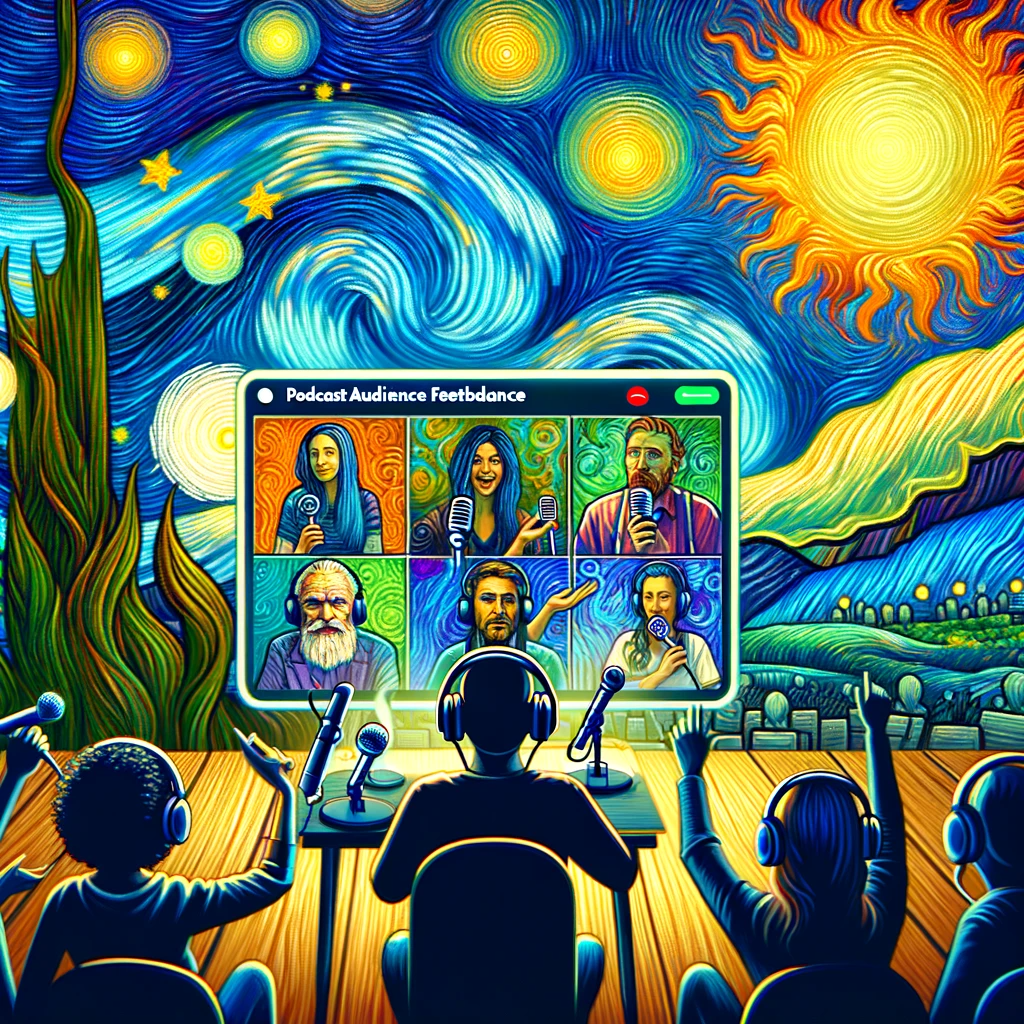
How Can Understanding Listener Preferences Boost Audience Loyalty?
How Can Understanding Listener Preferences Boost Audience Loyalty?
- Understanding listener preferences is essential for creating meaningful connections.
- Listeners’ desires symbolize shared stories and emotions, enhancing engagement.
- Empathy and connection are crucial, transcending mere statistics and analytics.
- Recognizing listener preferences fosters loyalty and makes audiences feel valued.
- Data serves as a guide for content creation, helping align topics with audience interests.
- Commitment to authenticity builds trust and a supportive community for listeners.
- Transforming listener experiences into stories nurtures lasting bonds and encourages engagement.

How Can Understanding Listener Preferences Boost Audience Loyalty?
What Role Does Storytelling Play In Engaging Your Podcast Audience?
What role does storytelling play in engaging your podcast audience? It’s not just a technique; it’s a vital thread that weaves listeners into the very fabric of your narrative. Every podcast episode presents an opportunity to breathe life into facts and figures, transforming cold statistics into compelling stories that resonate. When we share stories—real, raw, and authentically human—we don’t just inform; we connect.
Let’s visualize a listener, sitting alone in their car, earbuds in, navigating life’s chaos. They want more than just information; they crave connection. When you craft a narrative, you invite them into your world. You draw them in with relatable anecdotes, sharing struggles, failures, and triumphs that echo their own experiences. This dependency on storytelling taps directly into our emotional core. When audiences relate to your journey, they invest themselves in your message, creating an unbreakable bond between the host and the listener.
On a rational level, your podcast doesn’t just entertain; it educates. Stories simplify complex ideas and make them digestible. A well-structured narrative provides context, allowing the audience to grasp intricate concepts effortlessly. They can follow along, learn, and grow, fostering a deeper understanding of the topics you tackle. This kind of thoughtful engagement sharpens their critical thinking skills and encourages them to take a closer look at the world around them.
Ethically, sharing stories signifies trust. When you disclose your struggles or triumphs, you show vulnerability, inspiring your audience to do the same. It creates a community founded on shared experiences and mutual respect. Listeners feel validated; they see themselves reflected in your words, inspiring them to engage not just with you but with each other. Your podcast becomes a safe space—a gathering place for individuals yearning for connection and understanding.
Harnessing the power of storytelling enhances your authority, too. When you narrate your experiences, you shape your identity as an expert in your field. Audiences turn to you not just for the information you provide but for the wisdom embedded in your personal stories. This duality captures the heart, head, and gut, making your podcast not just a series of episodes, but a trusted collection of narratives that inspire action and reflection.
Ultimately, it’s not merely about what you say; it’s about how you say it. Engage your audience with stories, and you’ll ignite a spark that encourages them to tune in, take action, and rally around shared truths that matter.

What Role Does Storytelling Play In Engaging Your Podcast Audience?
What Role Does Storytelling Play In Engaging Your Podcast Audience?
- Storytelling is essential for engaging podcast audiences, weaving them into the narrative.
- Transforms cold statistics into relatable, compelling stories that resonate emotionally with listeners.
- Invites listeners into the podcaster’s world through relatable anecdotes, fostering a connection.
- Helps simplify complex ideas, making them digestible and fostering better understanding.
- Promotes community by sharing personal struggles and triumphs, inspiring vulnerability and respect among listeners.
- Enhances the host’s authority as audiences seek wisdom embedded in personal storytelling.
- Encourages action and deeper engagement through the power of storytelling, creating a trusted space for reflection.

What Role Does Storytelling Play In Engaging Your Podcast Audience?
How Does AI Help In Creating Targeted Content For Busy Listeners?
In a world spinning faster than a vinyl record, the art of listening has become a precious commodity—especially for those of us juggling work, family, and the chaos of life. Enter AI, your newfound partner in the quest for quality content that speaks to the busy listener’s heart and mind. Imagine this: You’re at the gym, on a commute, or maybe waiting in line at the coffee shop. You crave connection, inspiration, and knowledge, but the conventional route of sifting through countless hours of material is daunting, if not impossible.
AI steps in like a guiding hand, curating audio experiences that break through the noise. It analyzes your preferences, your patterns, and even your mood, crafting a podcast tailored just for you. We’re talking about more than just algorithms; it’s about understanding the very essence of your listening journey. When you hit play on that personalized podcast, it’s like a friend who truly knows you—sharing stories that resonate and insights that inspire. This is where the emotional impact lies: the rush of excitement when a favorite topic appears or the comfort found in shared narratives that mirror your own experiences.
From a rational standpoint, the efficiency offered by AI is astounding. It’s not just about filling your earbuds with sound; it’s about making every moment count. You want knowledge as much as you want entertainment, and AI makes that possible by identifying the content that brings value, filtering out the fluff, and ensuring that each minute of your precious time is well spent. You can trust it to navigate through the vast sea of information out there, delivering exactly what you need at the moment you need it.
Let’s not forget the ethical angle. In a digital landscape often plagued by misinformation, AI helps uphold standards of reliability and relevance. It can highlight trusted sources, ensuring that the content you absorb is not only engaging but also trustworthy. You can feel good about what you’re putting into your mind.
These innovations are not just advancements—they’re lifelines for the busy listener, connections forged through stories that bind us together in this fast-paced world. So, next time you tune in, remember: AI has your back, turning potentially chaotic content consumption into a journey of discovery and connection—one podcast at a time.

How Does AI Help In Creating Targeted Content For Busy Listeners?
How Does AI Help In Creating Targeted Content For Busy Listeners?
- The art of listening is increasingly valuable in a fast-paced world filled with distractions.
- AI serves as a partner in providing quality audio content tailored for busy individuals.
- It curates personalized podcasts by analyzing preferences, patterns, and mood.
- The emotional impact of AI-generated content offers connection, inspiration, and relatable stories.
- AI enhances efficiency by filtering out irrelevant content and maximizing time spent on valuable information.
- It promotes reliability and relevance, highlighting trustworthy sources in a landscape plagued by misinformation.
- AI transforms content consumption into a meaningful journey of discovery and connection.

How Does AI Help In Creating Targeted Content For Busy Listeners?
What If Technology Could Transform The Way We Understand Our Audience?
In a world where technology is racing ahead, it’s easy to overlook the very heart of what we do: understanding our audience. Imagine for a moment that we could tap into the thoughts and feelings of our listeners, unveiling not just their preferences but their passions, dreams, and struggles. A podcast, for example, has the potential to give voice to the unheard narratives that shape societies—but only if we approach our audience with genuine curiosity and empathy.
This isn’t merely about ratings or algorithms; it’s about connecting with real people who crave authenticity. Picture the moment someone hears a story that resonates deeply with them—a tale that captures the grit of everyday life, engaging their emotions and illuminating their shared experiences. When technology aids us in listening more effectively, it opens up the door to raw, gut-level understanding. It becomes less about selling products and more about crafting experiences that matter.
Let’s break it down: we have an ethical obligation to respect and honor the voices we seek to engage. That means moving beyond superficial analytics and diving into the rich tapestry of human experience. Trust is built when we demonstrate that we value our audience’s input, turning data into meaningful dialogue. Each click, each download, reflects a relationship—a relationship that thrives on feedback and authentic connection.
However, as with any powerful tool, this potential comes with responsibilities. Misusing technological insights could lead to manipulation, exploiting vulnerabilities for profit. That’s where ethical considerations take center stage. By leading with integrity, we can transform our interactions, encouraging a culture of honesty and respect in the digital landscape.
Engaging with technology in this holistic way not only empowers creators but also fosters a community where listeners feel seen and heard. We must position ourselves as storytellers and learners, ready to adapt and grow alongside our audience. If we can unlock the deeper connections fueled by smart technology, we not only enhance our own work but also uplift the individuals behind the numbers.
Let’s transform our approach, making technology a bridge rather than a barrier—a means through which we can unearth the stories that unite us and drive change in ways we never thought possible. The technological horizon is wide, but the greatest opportunities lie in our capacity to genuinely understand and embrace our audience. It’s time we rise to that challenge.

What If Technology Could Transform The Way We Understand Our Audience?
What If Technology Could Transform The Way We Understand Our Audience?
- Understanding our audience is crucial in a rapidly advancing technological landscape.
- Podcasts can amplify unheard narratives, fostering genuine curiosity and empathy.
- Authenticity, rather than just ratings, should be the focus of our connections with listeners.
- Effective listening through technology allows for deeper emotional engagement and shared experiences.
- We have an ethical responsibility to honor the voices of our audience, going beyond surface analytics.
- Misusing technological insights can lead to manipulation; integrity is essential in our digital interactions.
- We should leverage technology to create meaningful connections, unearthing stories that drive change.

What If Technology Could Transform The Way We Understand Our Audience?
Conclusion
Imagine a world where finding the perfect podcast isn’t a hunt through endless lists but a seamless experience tailored to your mood, available time, and interests. Millions of listeners have felt the frustration of scrolling through countless options only to find a disconnect between what they need and what’s available. The joy of storytelling is often overshadowed by the chaos of disorganization and the struggle to align content with authentic human emotion. Podcasts have the power to connect with our hearts; they can uplift us, challenge us, and foster community. Yet, many creators grapple with overwhelming content and a lack of tools to navigate it effectively.
This is where artificial intelligence steps in—not merely as a technical advancement, but as a catalyst for creativity and connection. Imagine algorithms that understand your specific needs, pointing you toward the true gems hidden within the vast sea of content. It goes beyond efficiency; it opens the door to discovering stories that resonate on a personal level. AI empowers podcasters to craft experiences that are not just informative but truly transformative, appealing to us emotionally, rationally, and ethically.
Furthermore, the ethical implications of AI in content curation deserve sober consideration. The convenience it offers shouldn’t come at the expense of authenticity. As creators, there’s a collective responsibility to ensure that AI is used thoughtfully, celebrating diverse voices rather than filtering them out. This leads us to foster meaningful dialogue that enriches our shared experiences rather than oversimplifying them into mere data points.
Moreover, understanding listener preferences is essential for building a loyal audience. Each individual has a story; when listeners find content that resonates, they feel valued and understood—a vital ingredient for loyalty. By engaging with them authentically and incorporating their feedback, podcasters shape a community brimming with trust and mutual respect.
Storytelling at its core is about connection. It links the listener’s journey to the host’s experiences, illuminating shared struggles and aspirations. The potency of a well-told story, infused with vulnerability and honesty, elevates the podcast to not just a source of information but a sanctuary of human experiences.
So as we navigate the ever-evolving landscape of podcasting, let’s harness the power of technology to foster connections, inspire growth, and deepen understanding. By embracing AI and empathetic storytelling, we weave together the fabric of community and authenticity that makes podcasting not just an industry, but a heartfelt journey of shared humanity. The future is bright; it’s time we step into it together.

Conclusion
Conclusion:
- Finding the perfect podcast should be a tailored experience rather than a tedious search.
- Many listeners face frustration due to a disconnect between their needs and available content.
- Podcasts can connect emotionally, uplift, and foster community, yet creators often struggle with overwhelming options.
- Artificial intelligence can enhance the podcast experience by understanding listener needs and revealing hidden gems.
- The use of AI in content curation raises ethical concerns; creators must prioritize authenticity over mere convenience.
- Understanding listener preferences helps build a loyal audience through genuine engagement and mutual respect.
- Storytelling fosters connections, transforming podcasts into safe spaces for sharing human experiences.

Conclusion
Other Resources

Other Resources
Here is a list of other resources you can review online to learn more:
- Podcast Index
- NCH Software
- Pocket Casts
- Clarity.fm
- Stitcher: Made for Podcasts
- Descript
- Turned Podcaster
- Resound
- Odnoklassniki
- Amazon Music
- WordPress
- Podcastle
- Riverside.
- r/podcasting
- CarPlay
- Apple Podcasts for Creators
- Fountain
- Mastodon
Use This Prompt To Get More Resources With Your Favorite Online AI Tool: Please provide me with a list of online articles with their URLs in a bulleted list that I can read regarding Why Podcasters Struggle with No Way to Serve Content By Mood, Topic, Or Available Time (And How AI Fixes It)

Other Resources
Glossary Terms
Why Podcasters Struggle with No Way to Serve Content By Mood, Topic, Or Available Time (And How AI Fixes It) – Glossary Of Terms
1. Podcaster: A creator who produces audio content for an online audience, often in a series format.
2. Content Curation: The process of selecting, organizing, and presenting information tailored to specific themes or audience needs.
3. Mood-Based Listening: A method of consuming audio content that matches the listener’s emotional state or desires at the moment.
4. Topic Categorization: The classification of podcast episodes based on specific subjects or themes, aiding in easy navigation.
5. Audio Indexing: The practice of creating an accessible database of podcast content, allowing listeners to find episodes by keywords or phrases.
6. listener Engagement: Strategies used to capture and maintain the attention of an audience, fostering a loyal listener base.
7. AI (Artificial Intelligence): Technology that simulates human intelligence, capable of analyzing data and making decisions to enhance user experiences.
8. Personalized Recommendations: Suggested content tailored to individual users based on their listening habits, preferences, and moods.
9. Data Analysis: The examination and interpretation of data to derive insights about listener behaviors and preferences.
10. User Experience (UX): The overall experience and satisfaction a listener has while interacting with a podcast platform or app.
11. Search Functionality: The capability of a platform to allow users to find specific content through keywords or filters.
12. Content Accessibility: The ease with which listeners can find and engage with podcast episodes regardless of their time constraints or mood.
13. Dynamic Content Delivery: A method of delivering podcast episodes in real-time based on user preferences and situational factors.
14. Recommendation Engine: A system that uses algorithms to suggest content to users based on their previous interactions and preferences.
15. Listener Demographics: Data regarding the characteristics of podcast audiences, including age, gender, and location, influencing content creation.
16. Content Discovery: The process by which users find new audio content, often hampered by poor categorization and indexing.
17. Audio Segmentation: The division of audio content into manageable, thematic sections for easier navigation and consumption.
18. Machine Learning: A subset of AI that allows systems to improve automatically through experience and data, enhancing recommendation accuracy.
19. Micro-Content: Short, bite-sized audio clips or segments designed for quick consumption, relevant to user mood or topic.
20. Streaming Platforms: Online services where podcasts are hosted and accessed, often featuring search and recommendation capabilities.
21. Subscription Model: A business approach where listeners pay for access to premium content, often leading to more focused content creation.
22. Monetization: The process of generating revenue from podcasts through advertisements, subscriptions, or sponsorships.
23. Episodic Format: A structured way of presenting content, usually in a series of episodes around a central theme or story.
24. User-Centric Design: An approach to creating platforms that prioritize the needs and preferences of the user experience.
25. Trending Topics: Current subjects that are popular and widely discussed, which can drive listenership and engagement.
26. Mood Analysis: The assessment of sentiments and emotional trends among listeners to enhance content delivery.
27. Programmatic Advertising: Automated buying and selling of advertising space in podcasts, tailored to match listener profiles.
28. Time-Constrained Listening: A challenge faced by listeners who have limited time for consuming content, necessitating more accessible audio formats.
29. Content Strategy: A plan that outlines the creation, delivery, and governance of podcast content to meet audience needs effectively.
30. User Feedback: Information provided by listeners regarding their preferences and experiences, crucial for content improvement and adaptation.

Glossary Of Terms
Other Questions
Why Podcasters Struggle with No Way to Serve Content By Mood, Topic, Or Available Time (And How AI Fixes It) – Other Questions
If you wish to explore and discover more, consider looking for answers to these questions:
- What are some specific examples of how AI can improve podcast curation?
- How does listener mood impact their engagement with podcasts?
- What tools or technologies can podcasters use to organize their content effectively?
- What are the risks of relying too heavily on AI for content curation?
- How can podcasters ensure that their storytelling remains authentic in a digital age?
- What methods can podcast creators use to gather listener feedback?
- How important is emotional connection in podcasting compared to informational content?
- What ethical guidelines should podcasters follow when using AI tools?
- How can understanding audience demographics influence podcast content strategy?
- What strategies can podcasters implement to enhance listener loyalty?

Other Questions
Haiku
Why Podcasters Struggle with No Way to Serve Content By Mood, Topic, Or Available Time (And How AI Fixes It) – A Haiku
Endless podcast maze,
Heart, head, and gut yearn for truth—
AI finds our voice.
Haiku
Poem
Why Podcasters Struggle with No Way to Serve Content By Mood, Topic, Or Available Time (And How AI Fixes It) – A Poem
In endless scrolls where choices flow,
Podcast dreams but seldom show,
Craving tales that touch our core,
Yet lost amidst the crowded roar.
A heart in search, a mind distressed,
Overwhelmed by choices, we feel suppressed;
The wealth of voices calls from afar,
Yet finding the one that fits who we are.
Imagine AI, a guiding light,
Sifting through noise to bring forth delight;
With just a touch, it hears our plea,
Crafting experiences that set us free.
Stories beckon, raw and true,
Drawing connections between me and you;
With every word, a bond is spun,
A shared humanity, two become one.
Yet, with such power comes a weighty task,
To curate content, we must often ask:
Is authenticity lost, replaced by mere trend?
As algorithms guide us, do we still comprehend?
In camaraderie, our voices rise,
Building communities that empathize;
Knowing listener hearts can spark a flame,
Transforming passive into a vibrant game.
Let’s embrace technology with mindful grace,
A bridge to stories, a sacred space;
With ethics guiding our shared intent,
We honor the journey of each soul we represent.
So, podcaster, lean in and hear the call,
Dive into passions, let connection enthrall;
For in every tale and every sound,
Lies the magic of the human found.

Poem
Checklist
Why Podcasters Struggle with No Way to Serve Content By Mood, Topic, Or Available Time (And How AI Fixes It) – A Checklist
Podcasting Content Organization Checklist
1. Emotional Engagement
_____ Identify your audience’s emotional needs: What feelings do they seek when they tune in?
_____ Craft narratives that resonate with personal experiences: Share struggles and triumphs.
_____ Incorporate testimonials or stories from listeners to add authenticity.
2. Rational Organization
_____ Utilize data analytics: Analyze listener habits, preferences, and feedback.
_____ Develop a content calendar: Map out themes and topics based on audience interest.
_____ Create a resource library: Organize episodes by categories such as mood, topic, and time required.
3. Ethical Responsibility
_____ Ensure accuracy: Verify facts and sources to build trust with your audience.
_____ Maintain transparency: Share your content curation process with listeners.
_____ Respect listener privacy: Be clear about data usage and consent.
4. Authority Building
_____ Focus on credible sources: Highlight expert opinions and guest speakers in your episodes.
_____ Share your expertise: Provide insights that showcase your knowledge in your niche.
_____ Engage in continuous learning: Stay updated on industry trends to remain relevant.
5. Narrative Techniques
_____ Use storytelling frameworks: Incorporate elements like a clear beginning, middle, and resolution.
_____ Vary your storytelling style: Balance personal anecdotes with informative content.
_____ Encourage audience participation: Invite listeners to share their own stories or thoughts.
6. Social Connection
_____ Foster community engagement: Create forums or social media groups for listener interaction.
_____ Recognize and celebrate listener milestones: Acknowledge loyal listeners and their contributions.
_____ Build relationships with other podcasters: Collaborate to expand your reach and share audiences.
7. AI Utilization
_____ Implement AI tools for content curation: Use algorithms to provide personalized episode recommendations.
_____ Monitor listener feedback through AI analytics: Adjust content based on listener response.
_____ Stay ethical with AI: Ensure your AI tools are free from bias and promote diverse content.
Actionable Steps:
_____ Review this checklist regularly to refine your podcasting strategy.
_____ Set specific goals for emotional engagement, organization, and audience connection.
_____ Continuously seek feedback from listeners to improve your approach.

Checklist
At PodcastBig, we help people who want to learn about podcasting by collating information and news about podcasting.
Be sure to read our other related stories at PodcastBig to learn more about podcasting.