

Revolutionize Your Podcast With Ai
By Tom Seest
At PodcastBig, we help people who want to learn about podcasting by collating information and news about podcasting.
Be sure to read our other related stories at PodcastBig to learn more about podcasting.
Why Podcasters Struggle with No Visual Or Interactive Layer (And How AI Fixes It)
Podcasters pour their hearts into their craft, yet many find themselves chained to an invisible barrier—a lack of visual or interactive layers. It’s a peculiar conundrum; here we have brilliant voices and compelling stories, yet the medium often feels flat, a one-dimensional experience lost in the vastness of digital noise. This isn’t just about sound waves reverberating through earbuds; it’s about connection, engagement, and the human drive to interact.
When listeners tune in to a podcast, they’re often craving more than just audio; they’re seeking a vibrant exchange of ideas, emotions, and stories. A dual-layer of interaction offers a richer experience, a chance to visualize what’s being discussed and to engage with the material in a meaningful way. Imagine a scenario where your favorite podcast comes alive—it’s not just the host’s voice you hear but a world you can see, interact with, and explore. The education and entertainment blend seamlessly, making even the most complex topics accessible and inspiring curiosity.
Herein lies the crux of the struggle: podcasting, as a medium, often lacks the dynamic visual elements that enhance understanding and retention. Yet, with advancements in AI technology, this hurdle is seeing a mighty leap forward. Imagine harnessing artificial intelligence to create real-time graphics that illustrate statistics, or to generate interactive elements that allow listeners to delve deeper into narratives. The heart craves connection and excitement, and the mind seeks clarity and engagement.
As listeners, we desire more than passive consumption; we want to be part of the journey. We yearn to ask questions, to explore ideas together, to feel like we belong to a community. It’s about more than just content—it’s about creating a tapestry of shared human experience. Here lies an opportunity for podcasters not only to connect with their audience but to empower them, to inspire their curiosity with visuals that breathe life into the conversation.
With AI stepping in to fill the gap, podcasters can transform their stories into immersive experiences. It’s time to embrace this evolution, to harness the power of technology to rekindle that lost spark of engagement, and open the door to a richer, more vibrant podcasting landscape. When voices meet visual stimulation, the result isn’t just another podcast—it’s a revolution that connects, captivates, and inspires.

Why Podcasters Struggle with No Visual Or Interactive Layer (And How AI Fixes It)
Why Podcasters Struggle with No Visual Or Interactive Layer (And How AI Fixes It)
- Podcasters often feel constrained by a lack of visual or interactive elements, resulting in a one-dimensional experience for listeners.
- Listeners seek a richer exchange of ideas and emotions beyond just audio, craving a more vibrant and interactive experience.
- Imagining podcasts that come alive enhances engagement, making complex topics accessible and sparking curiosity.
- The podcast medium currently struggles without dynamic visual elements that aid understanding and retention.
- Advancements in AI technology present opportunities to create real-time graphics and interactive content that enrich the podcasting experience.
- Listeners desire active participation, wanting to explore ideas, ask questions, and feel part of a community.
- By integrating AI, podcasters can transform their stories into immersive experiences, leading to a more engaging and captivating podcasting landscape.

Why Podcasters Struggle with No Visual Or Interactive Layer (And How AI Fixes It)
Table Of Contents
- Why Podcasters Struggle with No Visual Or Interactive Layer (And How AI Fixes It)
- How Does A Lack Of Visuals Affect Listener Engagement?
- Can AI Create Compelling Visuals For Audio Content?
- What Would A More Interactive Podcast Experience Look Like?
- How Can Visuals Transform The Way Audiences Connect With Stories?
- Is It Ethical To Rely On AI For Creative Content In Podcasts?
- What Do The Statistics Say About The Impact Of Visuals On Listening?
- How Do Successful Podcasters Integrate Visuals Into Their Episodes?
- Conclusion
- Other Resources
- Glossary Of Terms
- Other Questions
- Haiku
- Poem
- Checklist
How Does A Lack Of Visuals Affect Listener Engagement?
When you tune into a podcast, you’re engaging in a sacred ritual—an exchange of thoughts, ideas, and stories that can ignite your imagination. But what happens when the auditory experience is stripped of its visuals? This absence can leave listeners feeling lost, disengaged, and yearning for something more.
Consider the power of a great story. When combined with captivating visuals, it becomes a multi-sensory journey. Yet, without that visual component, the listener is left to paint an incomplete picture in their mind. It’s like trying to enjoy a meal blindfolded. You might catch the flavors, but the feast remains half-finished, lacking essential garnishes of understanding and connection.
Research shows that 65% of people are visual learners. This means a significant portion of your audience thrives on seeing as much as hearing. When podcasts fail to deliver any form of visual stimulation, even the most compelling narratives can fade into the background noise of life. Our minds are wired for connection; they crave compelling imagery to latch onto, to foster that bond between speaker and listener. Building that connection is crucial, especially in a world where meaningful engagement can feel scarce.
But let’s be honest: audio-only formats also invite a unique kind of intimacy. Listeners often find themselves relating deeply to the host’s voice, seeing fragments of their own lives reflected in the stories shared. Yet, without visual prompts to anchor those experiences, the listener’s mind may wander off to their own distractions—a siren call from life’s daily grind.
Ethically, we owe it to our audiences to bring them an experience that resonates. Fostering an environment where they can not only hear but also envision drives a deeper understanding. It’s about trust. When listeners feel included in the narrative through rich connections, they’re more likely to return, share, and convert to loyal fans.
Engagement isn’t just a metric; it’s a lifeline. Every voice we share carries weight, and every human connection counts. By incorporating visuals or even suggesting imagery through descriptive storytelling, we can bridge the gap, inviting listeners back into the fold. After all, we’re not just filling airwaves—we’re sharing experiences that bind us all together, voice by voice, heart to heart.
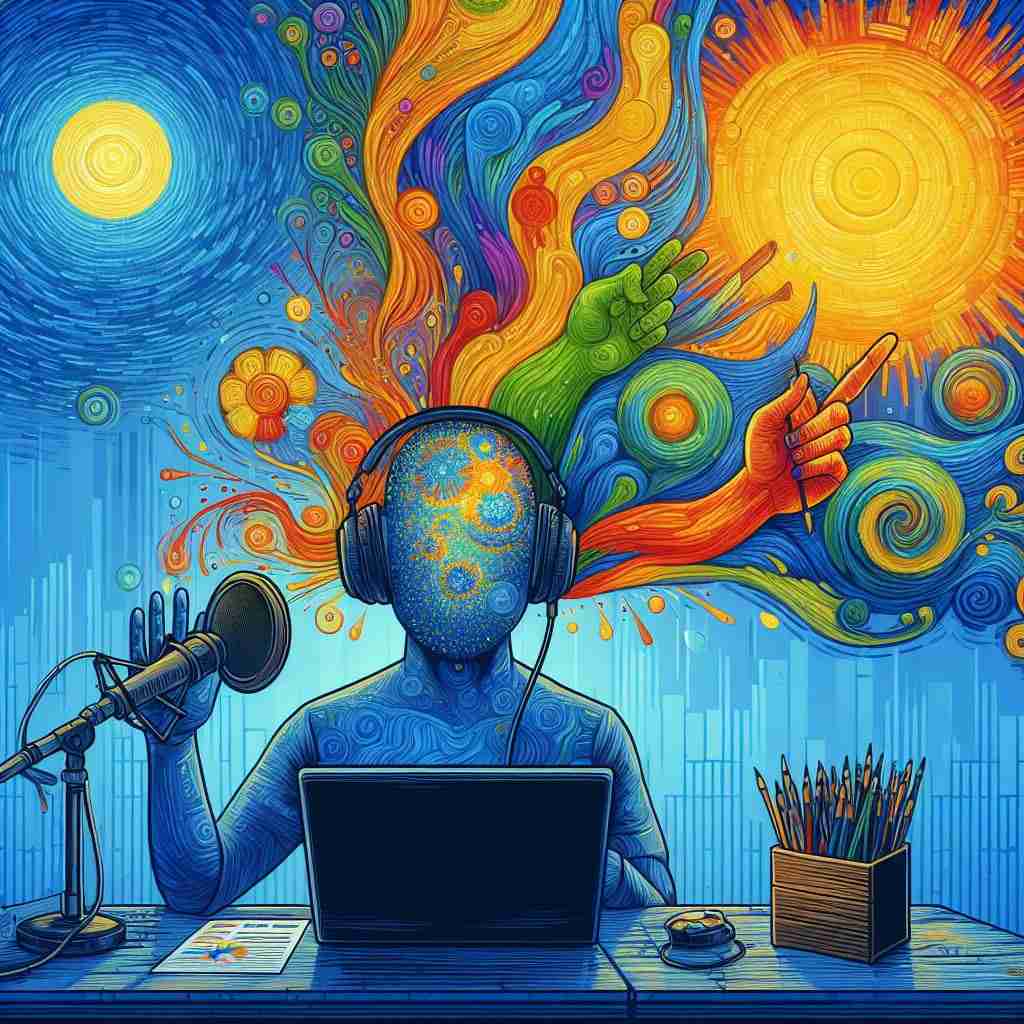
How Does A Lack Of Visuals Affect Listener Engagement?
How Does A Lack Of Visuals Affect Listener Engagement?
- Podcasts facilitate a sacred exchange of thoughts and stories that can inspire imagination.
- Absence of visuals in audio experiences can lead to listener disengagement and a sense of incompleteness.
- Research indicates that 65% of people are visual learners, highlighting the importance of visuals in engaging an audience.
- Without visual stimulation, compelling narratives can easily fade into the background of everyday life.
- While audio-only formats offer a unique intimacy, they can also lead to distractions without visual cues.
- Ethically, creators must provide an experience that fosters trust and deeper connections with their audience.
- Incorporating visuals or descriptive storytelling can enhance engagement and encourage lasting loyalty among listeners.

How Does A Lack Of Visuals Affect Listener Engagement?
Can AI Create Compelling Visuals For Audio Content?
Imagine you’re driving down a long, winding road, windows down, with the perfect podcast playing—an intimate conversation that draws you in and makes you feel like you’re part of something bigger. Now, picture that same journey accompanied by visuals that enhance the experience, pulling at your heartstrings and stimulating your mind. This is where AI steps in, equipped with the potential to transform mere audio into captivating narratives that resonate long after the last word is spoken.
We live in a world where attention is currency, and as creators of podcasts, we’re tasked with holding our audiences hostage in the best way possible. But let’s be honest: it’s not always easy to make an emotional connection through sound alone. That’s where artificial intelligence can lend a helping hand. By generating visuals that align with the content, AI provides a richer tapestry for our listeners—a feast for the eyes that complements the food for thought we offer them through audio. The ethical implications are exciting; we can make stories accessible to those who might grasp visual information better than auditory cues.
Think about it. What if the stories we tell in our podcasts were accompanied by digital artwork or dynamic graphics that not only illustrated our points but breathed life into them? Visuals can tell tales, evoke feelings, and serve as a powerful reminder of our shared humanity. When listeners see what they hear, it fosters a deeper connection, transforming what could be a fleeting moment into an unforgettable experience.
Of course, it’s important that we approach this technology thoughtfully. AI isn’t going to replace the soul of storytelling; it’s a tool that enhances it. It’s our job to channel that tool ethically, making sure the visuals serve our message rather than overshadow it. Think of the trust we build when we prioritize the integrity of our content while utilizing innovative solutions.
In a rapidly evolving world, embracing AI for your podcast means investing in your craft and your audience. The tools exist to make your stories richer, more engaging, and ultimately more impactful. So let’s step out of the shadows of conventionality and harness the power of AI to create something truly compelling. Let’s inspire, connect, and instill trust, one visual at a time.

Can AI Create Compelling Visuals For Audio Content?
Can AI Create Compelling Visuals For Audio Content?
- Driving enhances the podcast experience, making listeners feel part of something bigger.
- AI can transform audio content into captivating narratives with accompanying visuals.
- Visuals enhance emotional connections, offering a richer experience alongside audio.
- AI-generated visuals make stories more accessible to those who favor visual information.
- Digital artwork and dynamic graphics can breathe life into podcast stories.
- AI should be used ethically, enhancing storytelling without overshadowing the message.
- Embracing AI in podcasting can make stories more engaging, impactful, and trustworthy.

Can AI Create Compelling Visuals For Audio Content?
What Would A More Interactive Podcast Experience Look Like?
Imagine for a moment, a podcast experience where listeners didn’t just sit back and passively absorb content, but actively engaged in a conversation. Picture this: you’re tuning in on a Tuesday morning, and instead of simply listening to a host spin stories, you’re invited to participate in real-time discussions, instantly reacting to the topics at hand. Each episode could become a living, breathing community, where every voice is valued, and every thought has the opportunity to shape the narrative.
Now consider the emotional connection that could blossom. Instead of feeling like a lone listener, you’d be part of a vibrant dialogue, forming bonds over shared interests and experiences. Whether it’s a heated debate about a recent episode’s controversial topic or a heartfelt sharing of personal stories ignited by what you just heard, the interaction fosters a sense of belonging. This is about more than just sound waves; it’s about human connection, and the deeper the connection, the more impactful the stories become.
Let’s address the head—imagine the insights we could uncover when ideas are exchanged. When listeners can pose questions, offer counterpoints, and share diverse perspectives, we cultivate a richer tapestry of thought. Multi-dimensional conversations broaden our understanding of complex issues, allowing us to grow intellectually and emotionally. This interplay transforms passive entertainment into a dynamic learning experience.
Then there’s the gut, that instinct we all have about being genuine. A truly interactive podcast would prioritize transparency and authenticity, showcasing real people, with real problems and solutions. Ethical storytelling would reign supreme, fostering trust in the host and the content. Listeners would feel the weight of responsibility, empowered to explore their values and principles in the context of the discussions unfolding.
Picture hosts bringing on guests who aren’t just celebrities, but everyday heroes—people who’ve faced adversity and triumphed, who resonate with us on a human level. Their struggles and victories become our own, catalyzing us to act, reflect, and even contribute to the narrative.
Finally, let’s not forget the social appeal. In a world increasingly disconnected, imagine gathering with friends or family to listen together, discussing and debating right after. A podcast that encourages interaction becomes a shared experience, a treasured moment in our busy lives where community thrives.
Together, let’s rethink what a podcast can be—a symphony of voices, experiences, and ideas available to all.

What Would A More Interactive Podcast Experience Look Like?
What Would A More Interactive Podcast Experience Look Like?
- Interactive podcasts enhance listener engagement by inviting real-time participation and discussion.
- Listeners form emotional connections and bonds over shared interests, fostering a sense of belonging.
- Active dialogue encourages multi-dimensional conversations that deepen understanding of complex issues.
- Transparency and authenticity are prioritized, promoting trust in hosts and content through ethical storytelling.
- Hosts can feature everyday heroes, whose relatable stories inspire reflection and action among listeners.
- Interactive podcasts create shared experiences, allowing friends and family to gather, discuss, and debate together.
- This approach redefines podcasts as a collective exploration of voices, experiences, and ideas.

What Would A More Interactive Podcast Experience Look Like?
How Can Visuals Transform The Way Audiences Connect With Stories?
Visuals are more than just pretty pictures; they are the heartbeats of storytelling. Imagine you’re listening to a podcast about overcoming adversity. The sound waves flow through your ears, and your imagination races to fill in the blanks. Now, suddenly, there’s a striking image of a lonely figure standing atop a rugged mountain, arms raised in triumph. That single visual can shift the whole experience, pulling at your heartstrings and igniting your gut with inspiration. It’s not just a moment; it’s a connection.
When we see something, a whole new dimension opens up. Rationally, visuals help us comprehend complex ideas quickly. Your brain processes images 60,000 times faster than text, making them powerful allies in distilling stories into relatable bite-sized pieces. Think about it: when a picture speaks a thousand words, it guides the narrative, making it easier for audiences to understand and engage with the message without feeling overwhelmed.
But visuals also tap into our ethical sensibilities. A powerful image can illuminate societal issues, urging us to reflect on what matters. When we see people struggling or celebrating, we can’t help but empathize. This shared understanding creates a collective consciousness, reminding us that we’re not alone in our feelings. This is where the magic happens—our experiences intertwine, fostering a sense of community and shared values.
As much as they enlighten, visuals also hold an incredible authority. Think about the awe-inspiring footage of nature’s beauty or the haunting images of human resilience. These visuals compel us to listen, to learn, and to act. They command respect and stimulate action because they hold the power to evoke emotions we can’t ignore. Together, they inspire confidence in the stories being told and the people sharing them.
At its core, the way visuals transform storytelling is profoundly human. They invite us into a world where raw emotion meets rational understanding, creating powerful connections. As we navigate through stories, let’s remember that every image has the potential to uplift, educate, or ignite change. So the next time you tune into a podcast or encounter a story, pay attention to the visuals. They might just be the bridge that links your heart to the narrative, urging you to see, feel, and act.
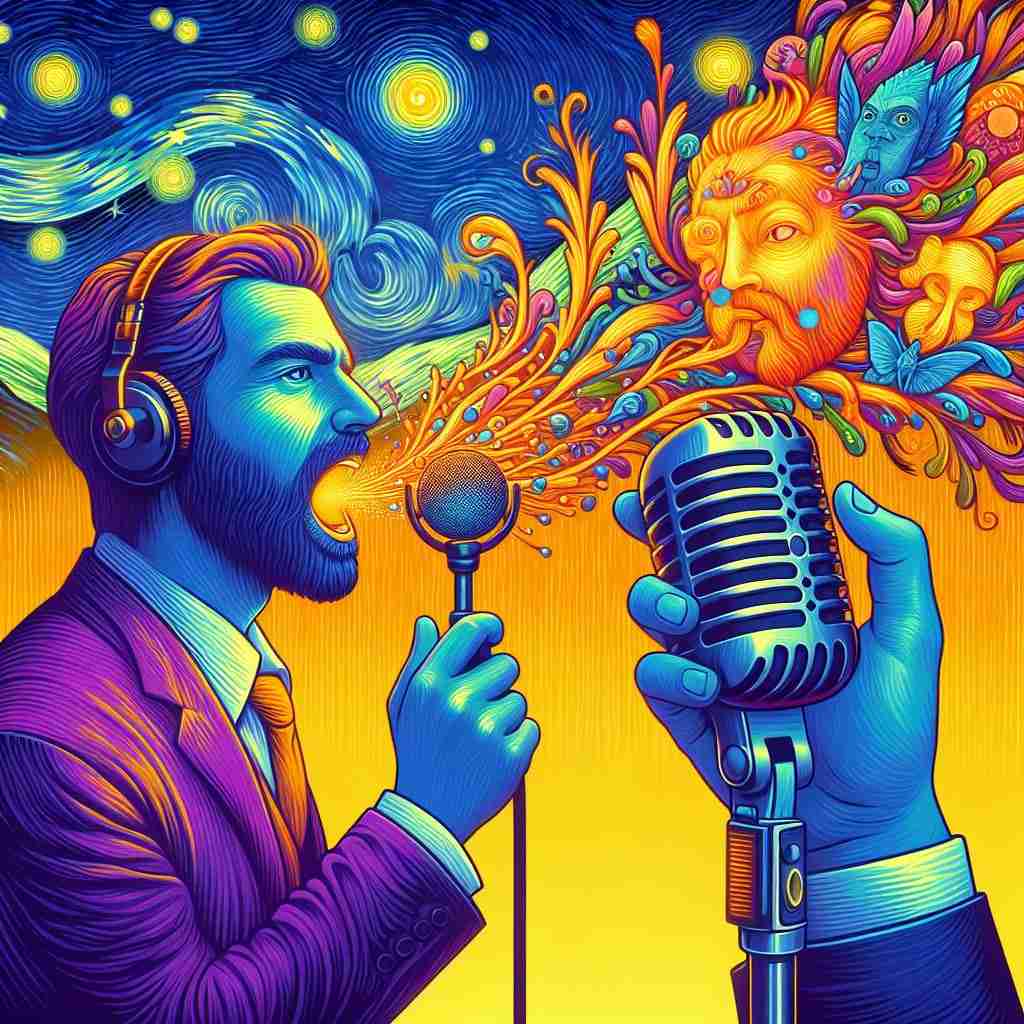
How Can Visuals Transform The Way Audiences Connect With Stories?
How Can Visuals Transform The Way Audiences Connect With Stories?
- Visuals serve as the heartbeats of storytelling, enhancing emotional connection.
- Images help convey complex ideas quickly, with the brain processing visuals 60,000 times faster than text.
- A powerful visual can guide the narrative and engage the audience without overwhelming them.
- Visuals tap into ethical sensibilities, prompting reflection on societal issues and fostering empathy.
- Sharing visuals creates a collective consciousness, reminding us of shared feelings and values.
- Visuals demand respect and stimulate action by evoking powerful emotions.
- Every image has the potential to uplift, educate, and inspire change in storytelling.

How Can Visuals Transform The Way Audiences Connect With Stories?
Is It Ethical To Rely On AI For Creative Content In Podcasts?
When we pull the microphone closer, the real question isn’t just about how to make a great podcast; it’s about what it means to be a creator in a world where AI can spin tales and churn out content at lightning speed. Now, let’s get real: is it ethical to lean on AI for creative content in our beloved podcasts? The answer isn’t black and white, and honestly, it hits the heart, head, and gut.
First, think about the heartbeat of a podcast — the connection between host and listener. The very essence of storytelling lies in its capacity to evoke emotion, resonate with human experience, and create a shared space. If we start outsourcing the essence of our narratives to algorithms, we risk losing that intimate bond, don’t we? Listeners tune in not just for facts and figures, but for the stories that ignite a spark of understanding, compassion, or even a good laugh. That raw, unfiltered connection is irreplaceable and irrefutably human.
But let’s throw some rationality into the mix because it’s not just about feelings. Examine the quality of content. AI can offer ideas, structure, and even language, but will that ever match the nuanced insight that springs from lived experience? A podcast isn’t merely an assembly line of information; it’s a crafted piece of art that invites listeners into unfolding worlds. When we rely too heavily on AI, we may risk diluting the richness that authentic voices bring.
Then there’s the ethical dimension. Using AI as a tool, like an artist might use a brush, isn’t inherently wrong. It becomes problematic when we stop using our own voice or fail to acknowledge the assistance we’ve received. Transparency fosters trust, and honesty about our creative process enhances connection. Let’s be clear: it’s not the technology that’s at fault, but how we wield it.
Lastly, look at the societal implications. As we navigate this technological landscape, we should consider the value we place on creativity. Are we defining our worth by clicks and likes, or by the authenticity we bring to our craft? It’s time for podcasters to band together, to openly discuss the ethical use of AI, to embrace it when it serves our stories but resist it where it threatens our humanity. This is our calling, our responsibility, and ultimately, our choice. And in that choice lies the future of podcasting—it’s a story worth telling.

Is It Ethical To Rely On AI For Creative Content In Podcasts?
Is It Ethical To Rely On AI For Creative Content In Podcasts?
- The rise of AI challenges traditional notions of creativity in podcasting.
- Emotional connection between host and listener is crucial in storytelling.
- AI risks diluting the intimacy and richness of human narratives.
- Quality of content is essential; AI can’t fully replicate lived experiences.
- Using AI as a creative tool can be ethical, but transparency is key.
- Societal implications of creativity demand reflection on values beyond metrics.
- Podcasters must discuss ethics of AI use and prioritize authentic storytelling.

Is It Ethical To Rely On AI For Creative Content In Podcasts?
What Do The Statistics Say About The Impact Of Visuals On Listening?
When we delve into the world of communication, it’s hard to overlook the undeniable power of visuals. Research shows that humans process images 60,000 times faster than text. This begs the question: what does this mean for our auditory experiences, particularly in an age where podcasts reign supreme?
Imagine tuning into your favorite podcast. You settle in, but let’s say it’s just a sea of words. No visuals. Nothing to grab onto. The truth is, listening alone can sometimes lead to a fleeting connection—like trying to catch smoke with your bare hands. But pair that auditory experience with visuals? Suddenly, it’s as if the fog lifts, revealing a landscape of understanding. Studies reveal that integrating visual elements can improve recall by up to 65%. That’s not just statistics; that’s your brain getting a chance to dance, to connect, to truly grasp the nuances of those spoken words.
Now, let’s hit the emotional heart of this. Picture the countless stories shared through podcasts—people’s experiences, their struggles, their triumphs. When visuals accompany those narratives, it’s as if we’re not just listeners but participants in a shared human experience. It isn’t just about being informed; it’s about feeling. When visuals amplify these stories, they resonate within us, pulling at our heartstrings, making us more likely to act, to share, or to change something in our lives.
The ethical dimension here is crucial. In a world flooded with information, we have a responsibility to convey messages effectively. Podcasts can easily become a cacophony of opinions, but by embracing visuals, we provide clarity, enhancing understanding and fostering a more informed audience.
Moreover, our social nature comes into play. Let’s face it, we’re wired to connect. When we share something visually engaging, we’re more likely to spark conversations, to engage others in meaningful dialogue. Those visuals aren’t just eye candy; they’re bridges that foster connections in an increasingly digital world.
So, as you dive into that next episode, consider the impact of what you see alongside what you hear. Embrace the power of visuals; they might just transform a simple listening experience into a profound exploration of ideas and emotions. And who knows? That combination might well inspire you to take action—whether it’s discussing a topic with a friend, sharing an episode on social media, or even just paving the way for a broader understanding of the world around us.

What Do The Statistics Say About The Impact Of Visuals On Listening?
What Do The Statistics Say About The Impact Of Visuals On Listening?
- Humans process images 60,000 times faster than text, highlighting the importance of visuals in communication.
- Listening to podcasts without visuals can create a fleeting connection, while visuals enhance understanding and recall of information.
- Integrating visual elements can improve recall by up to 65%, helping listeners grasp the nuances of spoken words.
- Visuals connected to narratives shared in podcasts deepen emotional engagement, turning listeners into participants in shared human experiences.
- Using visuals responsibly in podcasts can help convey messages clearly, fostering a more informed audience in a world overloaded with information.
- Sharing visually engaging content sparks conversations and encourages meaningful dialogue, enhancing social connections.
- Combining auditory and visual experiences can inspire action, encourage discussions, and promote broader understanding of various topics.

What Do The Statistics Say About The Impact Of Visuals On Listening?
How Do Successful Podcasters Integrate Visuals Into Their Episodes?
In the world of auditory storytelling, where sound is the primary vessel for communication, successful podcasters are increasingly embracing the world of visuals to enrich their content. A well-crafted podcast is akin to a delicious meal — it’s not just about the ingredients, but how they come together on the plate. By weaving visuals into the fabric of their episodes, podcasters elevate the listening experience from a passive activity to an interactive journey.
Consider the emotional pull of a striking image that resonates with a powerful story being told. A memorable podcast doesn’t just speak to your ears; it reaches deep into your heart, connecting you to universal truths and shared human experiences. Visuals, whether they be engaging graphics, clips of interviewees, or evocative animations, can amplify this connection. They can turn a simple moment into a visceral encounter that lingers long after the episode concludes. Think about it: when you see a face or a place, it humanizes the dialogue, forging a bond that mere words often can’t achieve.
On a rational level, leveraging visuals prepares the podcaster for our increasingly multimedia world. With attention spans shrinking faster than a winter sunset, pairing visuals with audio can captivate and hold your audience’s focus. Think of each episode as an exquisite puzzle where visuals act as the pieces that complete the picture. They guide your listeners through complex topics, breaking down intricate ideas in a way that is digestible and memorable. In turn, this thoughtful approach not only satisfies the mind but positions the podcaster as an authority in their field — someone who understands how to communicate effectively.
Ethically speaking, integrating visuals can foster inclusivity. For listeners who may find it challenging to grasp concepts through audio alone, visual aids provide accessibility that creates a welcoming environment. This commitment to the audience’s understanding fosters trust and invites them on the journey.
Lastly, there’s the social appeal; sharing these visually enhanced episodes encourages community interaction. Listeners become participants rather than passive observers, sharing clips, discussing images, and engaging in dialogue. The social networks buzz with excitement as they rally around the content, creating a sense of belonging.
So, if you’re looking to take your podcast to the next level, consider how visuals can enhance your storytelling. It’s not just a gimmick; it’s a way to weave deeper connections, stirring emotions, provoking thoughts, and inviting action — all while fostering an engaged community around your unique narrative. Dive in, because every episode deserves to be as vibrant and dynamic as the stories it tells.

How Do Successful Podcasters Integrate Visuals Into Their Episodes?
How Do Successful Podcasters Integrate Visuals Into Their Episodes?
- Successful podcasters are using visuals to enhance auditory storytelling.
- Integrating visuals transforms the listening experience into an interactive journey.
- Striking images can create emotional connections, making stories memorable.
- Visuals help to humanize dialogue and strengthen bonds with listeners.
- Pairing visuals with audio captures attention and simplifies complex topics.
- Incorporating visuals fosters inclusivity and improves accessibility for diverse audiences.
- Visually enhanced episodes encourage community interaction and engagement.

How Do Successful Podcasters Integrate Visuals Into Their Episodes?
Conclusion
Podcasters, at their core, are storytellers. They strive to weave narratives that connect with listeners on a deep level and foster a sense of belonging. Yet, many grapple with an invisible barrier—a lack of visual and interactive elements that can elevate their stories to new heights. When you tune into a podcast, you’re not just craving audio; you’re yearning for a multi-dimensional experience that engages your heart, mind, and gut. This desire for connection is fundamental to our humanity, revealing a growing frustration when rich narratives lack the visual aids that can anchor us.
Imagine for a moment transforming that flat audio experience into a vibrant tapestry, where AI technology crafts real-time graphics and interactive components that invite listeners into the narrative. With the help of AI, complex ideas can be visualized, making even the most intricate topics accessible and inspiring. This isn’t merely about bells and whistles; it’s about rekindling the spark of engagement that deepens the bond between host and listener. We’re not just looking to occupy mind space—we want to create a community where ideas are exchanged, and voices are amplified, knitting together a shared human experience.
Moreover, integrating visuals into podcasts isn’t just an opportunity to enhance storytelling; it’s an ethical imperative to present content that resonates. In a world rich with information, failing to acknowledge the power of visuals risks leaving listeners with a fragmented understanding. By fostering an environment where storytelling is complemented by visuals, podcasters honor their responsibility to their audience, cultivating trust and loyalty.
As meaningful engagement becomes scarce in our increasingly digital lives, a more interactive approach to podcasting emerges as a lifeline. Imagine episodes that invite real-time dialogue, where listeners can engage in a vibrant conversation rather than merely spectating. This participatory element not only strengthens community ties but also enriches the content, transforming passive consumption into active learning.
Statistics underline the impact of visuals too. Research shows that people remember 65% more when visuals accompany audio. This profound connection between seeing and understanding could redefine how stories are absorbed, recounted, and shared. The ethical implications of using AI and visuals in podcasts lie not in their existence but in how we wield them—balancing technological advancement with the integrity of our narratives.
Together, let’s embrace this new frontier. By weaving visuals and AI into the fabric of podcasting, we open doors to unprecedented engagement and transformation. This evolution isn’t just about enhancing a medium; it’s about redefining what it means to connect through storytelling, ensuring our voices resonate long after the final word is spoken.

Conclusion
Conclusion:
- Podcasters are primarily storytellers aiming to create deep connections with their listeners.
- Many face a challenge due to the lack of visual and interactive elements, limiting their storytelling potential.
- Listeners crave a multi-dimensional experience that engages emotional and intellectual aspects.
- AI technology could enhance storytelling by introducing real-time graphics and interactive components.
- Integrating visuals is not just a tool for enhancement, but an ethical responsibility to provide coherent narratives.
- Interactive podcasting fosters community engagement and transforms content consumption from passive to active learning.
- Statistics indicate that visuals can significantly boost retention, revealing the potential for redefining storytelling methods.

Conclusion
Other Resources

Other Resources
Here is a list of other resources you can review online to learn more:
- Podbean
- Column1
- Apple Podcasts
- Flickr
- Podcast Index
- VK
- Odnoklassniki
- Alitu
- Spotify for Podcasters
- Podcast Guru
- Spotify
- Deezer
- YouTube
- Jiosaavn
- Apple Podcasts
- Streamlabs
- BeyondPod
Use This Prompt To Get More Resources With Your Favorite Online AI Tool: Please provide me with a list of online articles with their URLs in a bulleted list that I can read regarding Why Podcasters Struggle with No Visual Or Interactive Layer (And How AI Fixes It)

Other Resources
Glossary Terms
Why Podcasters Struggle with No Visual Or Interactive Layer (And How AI Fixes It) – Glossary Of Terms
1. Audio Content: The primary medium used in podcasting, involving sound recordings shared on various platforms.
2. Engagement: The interaction and involvement of listeners with podcast content, influencing retention and loyalty.
3. Narrative Structure: The organization of a podcast’s story or content, shaping how information is presented.
4. Listener Fatigue: A decline in attention and interest from listeners due to repetitive or unengaging content.
5. Visual Layer: Elements like images or videos that enhance content but are typically absent in audio formats.
6. Interactive Layer: Features that enable audience participation, such as polls or live discussions, lacking in standard podcasts.
7. Artificial Intelligence (AI): Technology that mimics human cognitive functions, used here to enhance podcasting with visuals and interaction.
8. Content Creators: Individuals or teams producing audio content for distribution through various platforms.
9. Cognitive Load: The amount of mental effort required to process audio information without visual aids.
10. Audience Insights: Data and analytics that provide information about listener preferences and behaviors.
11. Augmented Reality (AR): Technology that overlays digital information onto the real world, potentially enhancing podcast experiences.
12. Dynamic Content: Fresh and adaptable material within podcasts that evolves based on audience feedback or preferences.
13. Multimedia Integration: Combining various forms of media, such as text, images, and audio, to create a richer listener experience.
14. Podcasting Platforms: Services like Spotify or Apple Podcasts where audio content is published and accessed.
15. Listener Feedback: Responses and suggestions from the audience that can inform content adjustments.
16. Sound Design: The process of creating aural elements to enhance storytelling and emotional impact in podcasts.
17. Monetization: Strategies used by podcasters to generate income, such as ads or subscriptions.
18. Subscription Model: A business approach where listeners pay for exclusive content or ad-free experiences.
19. User Experience (UX): The overall experience a listener has while engaging with a podcast, influenced by design and interactivity.
20. Producer: A person responsible for the technical and creative aspects of podcast production.
21. Content Distribution: The methods used to share podcasts with listeners, involving multiple channels.
22. Social Listening: The act of monitoring social media platforms to understand audience interests and trends.
23. Transcription: The process of converting audio content into written text, enhancing accessibility and SEO.
24. Voice Recognition: AI technology that transcribes spoken words into text, useful for improving searchability.
25. Chatbots: AI-driven tools that facilitate listener interaction, providing information or responding to queries.
26. Gamification: Incorporating game-like elements into podcasts to increase engagement and listener participation.
27. Visual Storytelling: The use of images and animations to tell a story visually, complementing audio narratives.
28. Remote Recording: The ability to record podcasts from different locations, often using digital tools and software.
29. Viral Marketing: Strategies aimed at creating buzz and widespread sharing of podcast content across platforms.
30. Intuitive Design: Creating user-friendly interfaces that enhance the way listeners interact with podcast content.

Glossary Of Terms
Other Questions
Why Podcasters Struggle with No Visual Or Interactive Layer (And How AI Fixes It) – Other Questions
If you wish to explore and discover more, consider looking for answers to these questions:
- What specific AI tools are available for podcasters to create visuals?
- How can podcasters measure the effectiveness of visual elements on audience engagement?
- What are some examples of successful podcasts that integrate visuals well?
- How can I implement interactive features in my podcast without overwhelming my audience?
- What challenges do podcasters face when trying to add visual elements to their content?
- Are there ethical concerns regarding content ownership when using AI-generated visuals?
- How do visuals affect the storytelling techniques in podcasting?
- What are the best practices for using visuals in podcasts effectively?
- In what ways can visuals enhance learning outcomes for educational podcasts?
- How can podcasters balance audio quality with the addition of visual components?

Other Questions
Haiku
Why Podcasters Struggle with No Visual Or Interactive Layer (And How AI Fixes It) – A Haiku
Voices in silence,
Craving color, connection—
AI brings us life.

Haiku
Poem
Why Podcasters Struggle with No Visual Or Interactive Layer (And How AI Fixes It) – A Poem
Voices echo in the silent sphere,
Creativity bound by a missing layer,
Yet within the waves, the heart beats clear,
A desire for connection, a call to share.
In a world where sound alone seems tame,
We yearn for colors that dance and play,
Where narratives can spark a vibrant flame,
Visuals to guide us through the gray.
Listeners crave more than passive roles,
They seek to feel and to be seen,
Imagery to weave through the stories told,
To bridge the void, to spark the keen.
AI emerges, a tool in hand,
Transforming tales with a dynamic touch,
Crafting worlds where dreams expand,
Breathing life into words that mean so much.
The heart awash in shared emotions,
The mind grasping truths through visuals bright,
A tapestry where thoughts create motions,
Goodness and trust take flight in the night.
But ethics linger, a whispering doubt,
Shall we let the machine grasp our soul?
Or wield it wisely, as we map out,
A path where human essence remains whole.
Statistics sing of memory’s gain,
With visuals binding ideas that flow,
In each vibrant image, connections sustain,
A communal heartbeat that continues to grow.
So let us gather, form communities wide,
Interactive spaces where voices unite,
With visuals guiding and hearts open wide,
We’ll create a podcast that dazzles the night.
Together we’ll venture, with sound and with sight,
To forge deeper bonds within the vast digital light.
Embrace the evolution, let the stories ignite,
For in our shared humanity, we’ll reach greater height.

Poem
Checklist
Why Podcasters Struggle with No Visual Or Interactive Layer (And How AI Fixes It) – A Checklist
Podcast Enhancement Checklist
Heart Appeals (Emotional Engagement)
_____ Connect Authentically: Share personal stories or anecdotes that resonate with listeners’ experiences.
_____ Incorporate Emotion-Inducing Visuals: Use imagery that evokes feelings—like challenges overcome or celebrations of success.
_____ Encourage Community Interaction: Create opportunities for listeners to share their thoughts and feelings about episodes.
Head Appeals (Rational Understanding)
_____ Leverage Visual Aids: Integrate graphics to clarify complex topics and improve listeners’ comprehension.
_____ Cite Relevant Statistics: Use data to substantiate claims, such as the impact of visuals on recall and understanding.
_____ Prioritize Quality Content: Ensure that each episode delivers well-researched points that stimulate thought and reflection.
Gut Appeals (Intuitive Trust)
_____ Utilize AI Ethically: Ensure AI-generated content enhances rather than replaces personal storytelling, maintaining the podcast’s authenticity.
_____ Build Audience Trust: Be transparent about the creative process, including how and when AI tools are used.
_____ Choose Content Wisely: Engage with credible sources and guests that align with the podcast’s values and mission.
Ethical Considerations
_____ Foster Inclusivity: Create visuals that make content accessible for all audience members, including those who are visual learners.
_____ Maintain Authenticity: Balance the use of technology with a focus on personal voice and authentic narratives.
_____ Promote Reflective Content: Encourage discussions around ethical storytelling and the role of visuals in shaping perceptions.
Authority Building
_____ Position as a Thought Leader: Share insights on how visuals enhance storytelling within your niche, catering to your audience’s needs.
_____ Engage with Expert Guests: Bring in diverse perspectives that enhance the depth and authority of the content.
_____ Educate on Visual Tools: Inform listeners about tools and techniques to create their engaging content.
Narrative Enhancements
_____ Develop a Compelling Story Arc: Use visuals to highlight key points in the narrative to deepen engagement.
_____ Utilize Multimedia Elements: Consider incorporating short video clips or animations relevant to episode themes.
_____ Foster Listener Participation: Include interactive segments where listeners can contribute to the narrative or ask questions live.
Social Engagement
_____ Encourage Sharing: Prompt listeners to share episodes on social media, especially those with engaging visuals.
_____ Create a Community Space: Provide platforms for listeners to discuss episodes, share reactions, and connect over shared interests.
_____ Host Live Events: Organize interactive listening sessions or webinars to create a sense of belonging and community.
By addressing emotional, rational, ethical, authority, narrative, and social dimensions, this checklist can guide podcasters toward creating richer, more engaging experiences that resonate deeply with their audience.

Checklist
At PodcastBig, we help people who want to learn about podcasting by collating information and news about podcasting.
Be sure to read our other related stories at PodcastBig to learn more about podcasting.