

Mastering Brand Consistency With AI: A Podcasters’ Guide
By Tom Seest
At PodcastBig, we help people who want to learn about podcasting by collating information and news about podcasting.
Be sure to read our other related stories at PodcastBig to learn more about podcasting.
Why Podcasters Struggle with Inconsistent Branding Across Platforms (And How AI Fixes It)
In the world of podcasting, we often forget that consistency isn’t just a buzzword—it’s the backbone of a memorable brand. Picture this: you’ve poured your heart into creating a podcast that speaks your truth, yet when a listener stumbles across your social media, they see a mishmash of logos, fonts, and colors that feel as piecemeal as a jigsaw puzzle with half the pieces missing. It’s frustrating, right? You want your audience to feel a connection, a gut instinct that this is the show for them. But who can blame them for clicking away, confused by the lack of cohesion?
This isn’t just about aesthetics; it’s about trust. When your branding doesn’t align across platforms, your authenticity comes into question. You’re a storyteller, and every element of your podcast should echo your narrative. Imagine a listener tuning in for the first time, only to find they’ve wandered into a disjointed world that doesn’t reflect your passion or purpose. They need to feel that spark, that impulse to hit “subscribe,” but inconsistent branding can snuff that fire out. The head may argue that branding is a technical detail—it’s just graphics, after all—but the heart knows better. It recognizes that in a crowded marketplace, where every click and listen counts, clarity is king.
Moreover, let’s talk about ethics. Your audience deserves to experience your brand in its entirety, not just a fragmented version of it. Inconsistency can come off as careless, even disrespectful. To truly honor your listeners, you must present a unified front. It’s straightforward—take pride in your identity and communicate it well. The authority you build with clear branding will foster a community that stands behind you, one that engages and shares your passion for the podcast.
Here’s where AI enters the scene as a game changer. With tools that streamline branding elements and ensure consistency, podcasters can reclaim their time, focusing more on crafting compelling content instead of fretting over designs. Imagine having algorithms at your side, reinforcing the essence of your podcast across every platform. It’s about building a legacy—one that your listeners can recognize and cherish, long after they’ve finished that last episode. This is your invitation to connect deeply, to elevate your brand, and to inspire loyalty among your audience. Embrace the tools of today, and let your podcast shine in unified brilliance.

Why Podcasters Struggle with Inconsistent Branding Across Platforms (And How AI Fixes It)
Why Podcasters Struggle with Inconsistent Branding Across Platforms (And How AI Fixes It)
- Consistency is essential for creating a memorable podcast brand.
- Your branding should be cohesive across all platforms to foster audience connection.
- Inconsistent branding can lead to confusion and distrust among potential listeners.
- Branding reflects your authenticity and storytelling narrative.
- A unified brand helps honor your audience by presenting a complete identity.
- AI tools can streamline branding elements, allowing more focus on content creation.
- Embracing modern tools builds a recognizable legacy, inspiring loyalty among listeners.

Why Podcasters Struggle with Inconsistent Branding Across Platforms (And How AI Fixes It)
Table Of Contents
- Why Podcasters Struggle with Inconsistent Branding Across Platforms (And How AI Fixes It)
- What Feelings Do You Want Your Audience To Associate With Your Brand?
- What Ethical Implications Arise From Misleading Branding Choices?
- Can AI Tools Help You Maintain A Consistent Voice Across Platforms?
- How Does Branding Consistency Impact Listener Loyalty And Trust?
- How Can You Measure The Effectiveness Of Your Branding Efforts?
- What Emotions Do Your Listeners Associate With Your Brand?
- How Does Your Current Branding Impact Audience Trust And Loyalty?
- Conclusion
- Other Resources
- Glossary Of Terms
- Other Questions
- Haiku
- Poem
- Checklist
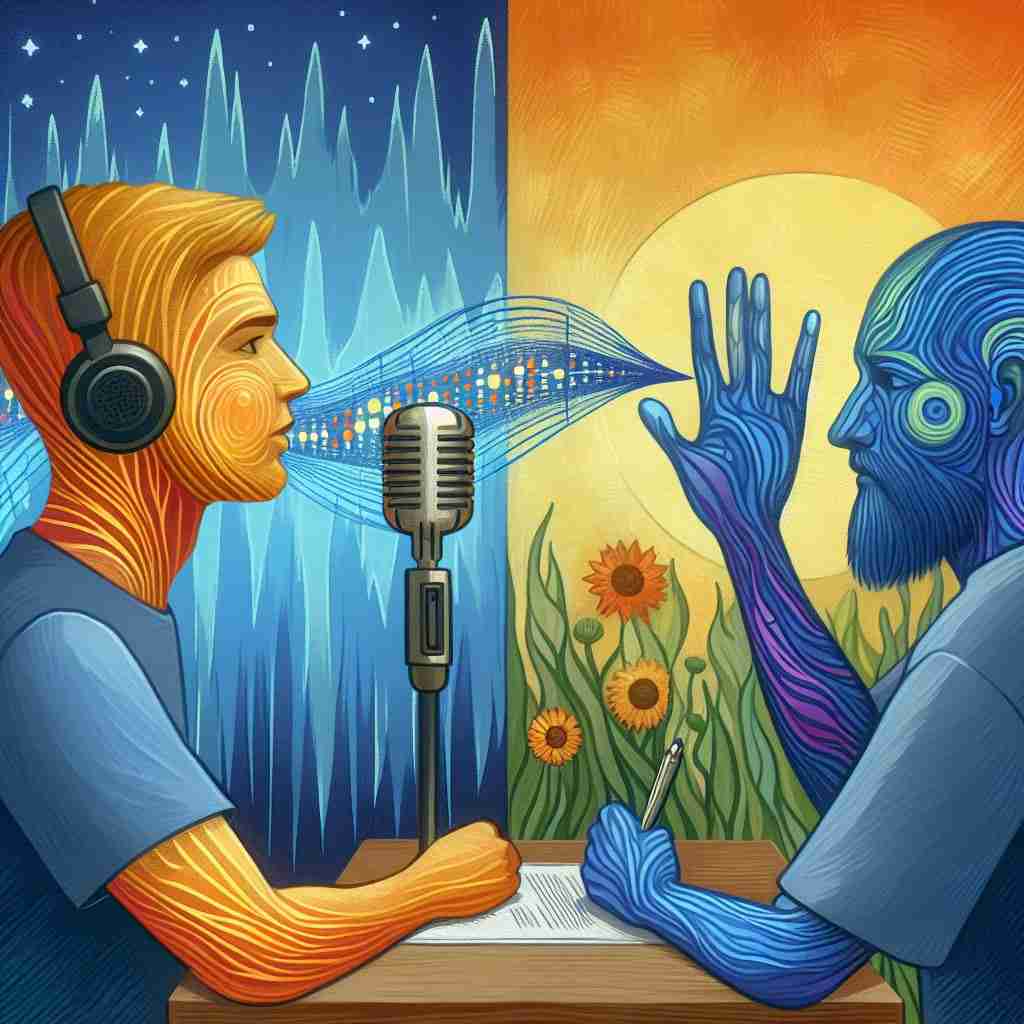
What Feelings Do You Want Your Audience To Associate With Your Brand?
When shaping your brand, consider the emotions you want to evoke in your audience. This isn’t just a checklist of feelings; it’s an invitation to connect on a human level—something that’s all too often overlooked in this fast-paced digital world. Picture your audience. What drives them? What keeps them up at night? These questions are the bedrock of building an emotional bond with them.
Feeling resonates. Think about pride—the satisfaction in a job well done, whether it’s finishing a project or spending quality time with loved ones. Instilling a sense of pride in your audience can make your brand feel like an ally in their personal journey. Recognize their sacrifices, celebrate their achievements, and be the cornerstone for their aspirations. This emotional resonance fosters loyalty, transforming casual consumers into devoted advocates.
Now, let’s talk about rational appeal. In a world overflowing with noise, clarity is key. You want your audience to perceive your brand as an authority in its field. Providing data, insights, and thoughtful content—like a captivating podcast that breaks complex topics into digestible conversations—can position your brand as a trustworthy source of knowledge. Show them the “why” behind your mission, and make it intellectually satisfying. When your audience understands the logic, they’ll be more likely to take action, knowing they’re making a well-informed choice.
Ethics also play a substantial role in how people view your brand. Social responsibility is more than just a catchy buzzword; it’s a moral compass guiding your audience’s feelings toward you. Be transparent about your practices, and highlight your contributions to the community. When consumers see you genuinely caring for societal issues, they feel empowered to support your brand, knowing their choices align with their values.
Now, let’s dig into narrative. Stories have a unique power to bridge the gap between brands and people. Share the journey of how your brand came to be. The struggles, the triumphs, and the lessons learned are what make you relatable. Pull at the heartstrings by showcasing real people, whether they’re your employees or customers. Their stories can make your brand feel like part of a greater community, one that’s woven together through shared experiences.
Finally, remember the social appeal. Encourage engagement—not just a transactional relationship but a conversation. Invite your audience to share their thoughts, experiences, and values. Create an environment where they feel heard and valued. When they see themselves in your brand, trust and confidence flourish, prompting them to champion your cause as if it were their own.
Ultimately, the feelings and associations you foster with your brand can shape its legacy, inspire loyalty, and drive action. Aim for the heart, head, and gut—and watch as your audience connects with you in ways that matter.

What Feelings Do You Want Your Audience To Associate With Your Brand?
What Feelings Do You Want Your Audience To Associate With Your Brand?
- Consider the emotions you want to evoke in your audience to create a human connection.
- Instilling pride in your audience can make your brand feel like an ally in their journeys, fostering loyalty.
- Provide clarity and rational appeal to position your brand as an authority, making the audience more likely to take action.
- Highlight social responsibility and transparency in practices to align your brand with consumers’ values.
- Use storytelling to bridge the gap between your brand and its audience, making it relatable and part of a community.
- Encourage engagement and conversations with your audience to build trust and a sense of belonging.
- Aim to connect with your audience emotionally, intellectually, and ethically to inspire loyalty and action.
What Feelings Do You Want Your Audience To Associate With Your Brand?
What Ethical Implications Arise From Misleading Branding Choices?
When we stroll down a store aisle or scroll through an online marketplace, our senses are bombarded by branding choices that seem almost too good to be true. But behind the flashy logos and catchy slogans lies a deeper question: What happens when those choices stray into the territory of misleading ethics? This isn’t just a marketing quagmire; it affects us all, on levels that cut straight to the heart, head, and gut.
Let’s start with the heart. Think about the young parents who carefully read labels, trusting that what they feed their children is safe and nourishing. When a brand skews the truth to capitalize on that trust, it cruelly undermines their intent to protect their family. It’s not merely a financial transaction; it’s a moral compact. By using deception, we erode the trust that binds consumer to producer, creating an invisible chasm that diminishes our shared humanity.
From a rational perspective, misrepresentation leads to chaos in a market that thrives on informed choices. It pollutes the ecosystem where consumers expect to make decisions based on honesty. Take that fancy podcast about sustainable living, touting eco-friendly products that are nothing but greenwashed fakes. When we realize we’ve been duped, our cognitive dissonance can spark anger and distrust—not just of that brand, but the entire industry. The ripple effects extend further, shaking consumer confidence and creating an atmosphere of skepticism that can stunt innovation and progress.
Now, let’s dive into the ethical implications. When brands choose to mislead, they’re not just bending the truth; they’re stepping into dangerous territory that can affect lives. For instance, a health product falsely advertising miraculous benefits can lead consumers to neglect proper medical care. Isn’t that a blatant betrayal of responsibility? We should hold ourselves and others accountable to ethical standards that elevate rather than exploit.
In our interconnected society, the impact of misleading branding doesn’t just vanish; it echoes through social circles, affecting conversations and beliefs. Friends share experiences, and negative stories travel faster than good ones. What might start as one Company’s slip can spiral, jeopardizing the collective trust that fuels not just commerce, but community spirit.
So, as we engage with brands, let’s sharpen our discernment and call for transparency. It’s time to demand authenticity in a world overflowing with choices. Let’s build a marketplace that not only serves our pockets but also respects our values—and collectively, our very humanity.

What Ethical Implications Arise From Misleading Branding Choices?
What Ethical Implications Arise From Misleading Branding Choices?
- Consumers encounter overwhelming branding choices that can often be misleading.
- Misleading branding can ultimately undermine parental trust, impacting family wellbeing.
- Dishonesty in marketing erodes the trust between consumers and producers, affecting our shared humanity.
- Market chaos arises from misrepresentation, hindering informed consumer choices.
- Misleading claims, such as false health product benefits, can pose risks to consumer health.
- Negative brand experiences spread quickly and can damage community trust and cooperation.
- Consumers are encouraged to demand transparency and authenticity from brands to protect shared values.

What Ethical Implications Arise From Misleading Branding Choices?
Can AI Tools Help You Maintain A Consistent Voice Across Platforms?
In a world overflowing with voices, finding your unique rhythm can seem like a daunting task. It’s like standing on a bustling street corner, shouting your message while a cacophony of sounds competes for attention. This is where the real magic of AI tools comes into play, helping you carve out your distinct voice amid the noise, whether you’re sharing insights on a blog or engaging your audience in a podcast.
Imagine waking up one morning, coffee in hand, excited to share your thoughts. Your ideas are simmering on the stove, and you want to ensure they simmer long enough to create that rich flavor. But as you sit down, uncertainty creeps in—will your audience recognize the same passion that sparked your original idea? With AI tools, you can maintain that crucial consistency, ensuring your audience feels the warmth of your voice no matter where they encounter you.
These tools act like your own personal guide, helping you navigate the vast landscape of social media, blogs, or audio platforms. They analyze your tone, predict the best kinds of content for your audience, and assist in honing your message without sacrificing authenticity. Think of it as having a silent partner who respects your individual style while providing the framework to keep your messaging cohesive. It’s about bolstering your voice with clarity and resonance, turning doubt into confidence.
Yet, there’s a deeper level to this choice. Embracing AI doesn’t mean losing your human touch; it’s about enhancing your connection with others. Every time you hit publish, you’re not just pushing content into the abyss but inviting people into your world, asking them to engage with your story. With AI’s help, you can ensure that story remains relatable and powerful.
Ethically, this partnership raises important questions—how do we use technology to uplift genuine connection rather than stifle it? The answer lies in using AI to augment what you already have: your voice, your passion. You’re the narrator of your journey, and AI can assist in keeping the plot engaging and consistent.
As you share your stories, whether through blogs or a captivating podcast episode, picture those listening—curious, eager for connection. With AI tools, you position yourself as a reliable source, one that resonates deeply and inspires action. So, embrace the technology available to you, and let it be the wind at your back as you confidently share your voice with the world.

Can AI Tools Help You Maintain A Consistent Voice Across Platforms?
Can AI Tools Help You Maintain A Consistent Voice Across Platforms?
- In a noisy world, finding your unique voice can be challenging.
- AI tools help maintain consistency in your message, ensuring your audience feels your passion.
- These tools serve as personal guides, navigating various platforms and analyzing your tone.
- AI enhances your connection with others while respecting your individual style.
- Publishing content becomes an invitation for engagement, making your story relatable and powerful.
- Using AI ethically raises questions about preserving genuine human connection.
- Embrace technology to share your unique voice confidently and inspire action.

Can AI Tools Help You Maintain A Consistent Voice Across Platforms?
How Does Branding Consistency Impact Listener Loyalty And Trust?
Branding consistency isn’t just a slick logo or a catchphrase tossed around; it’s the heartbeat of listener loyalty and trust in the world of podcasts. Picture this: you’re driving down an open road, your favorite show playing in the background. It’s like old friends catching up, each episode wrapping you in familiarity. When the branding remains consistent—be it through vibrant artwork, tone, or themes—you know exactly what to expect, and that builds a bond.
Now, let’s talk turkey. The more you recognize a brand, the more you feel inclined to return. Your brain craves predictability; it thrives on it. When a podcast nails its branding, every intro theme, every segment, every jingle becomes a comfort zone. Your gut tells you, “This is reliable.” You’re not just a listener; you’re part of a community, and in that community, trust flourishes like a 10-year-old sourdough starter.
But here’s the kicker: ethical branding keeps it real. Audiences today are savvy. They know when they’re being sold something shiny versus when they’re getting authentic content. A podcast that consistently shares genuine stories, backed by research and heartfelt narratives, earns its listeners’ respect. Listeners aren’t just looking for information; they seek connection. They resonate with the storytellers who reveal their own flaws and victories, creating a tapestry of shared human experience.
And let’s not forget the power of authority. The moment a podcast aligns its brand with knowledgeable voices—experts, authors, influential figures—listeners sit up and take notice. They trust what these voices say, imagine their journey, and picture themselves learning and growing alongside the podcasters.
Now think socially. When branding consistency permeates a podcast, listeners feel a sense of belonging. They share, they discuss, and they engage outside of the episodes. That network—friends recommending a show, social media groups forming—creates a feedback loop of loyalty. The signals are clear: a consistent brand is not only a mark of reliability; it’s an invitation to belong.
So, whether you’re crafting your next episode or rethinking your message, remember this: branding consistency isn’t just about being polished; it’s about being human. It’s about weaving trust into every story you tell, cultivating loyalty, and inspiring your community to return for more.

How Does Branding Consistency Impact Listener Loyalty And Trust?
How Does Branding Consistency Impact Listener Loyalty And Trust?
- Branding consistency is vital for listener loyalty and trust in podcasts.
- Familiar branding helps create a bond between listeners and the podcast.
- Listeners are drawn to recognizable brands, which builds predictability and comfort.
- Ethical branding and authentic content are crucial in earning respect from audiences.
- Aligning with knowledgeable voices enhances trust and authority in the podcast.
- Consistent branding fosters a sense of belonging and community among listeners.
- Successful branding is about being human, weaving trust and loyalty into storytelling.

How Does Branding Consistency Impact Listener Loyalty And Trust?
How Can You Measure The Effectiveness Of Your Branding Efforts?
When it comes to measuring the effectiveness of your branding efforts, you need more than just numbers and reports. You’re crafting a story, and that story deserves attention. Let’s face it: behind every logo, every catchy slogan, there’s a heartbeat. Your branding is not just about selling a product; it’s about selling an experience, a feeling. So how do you capture that pulse?
First, tune into the emotions of your audience. Conduct surveys or focus groups that delve into what your brand means to them. Are customers feeling empowered by your message, or do they just view you as another faceless company? Stories stick in the mind far longer than statistics, so connect with real experiences. Invite them to share; their narratives will illuminate the strengths and weaknesses of your branding.
Next, take a step back and evaluate the rational side. Are people engaging with your brand? Use analytics to measure website traffic, social media interactions, and conversion rates. But don’t let those figures dictate your strategy entirely. Instead, see them as a nuanced map guiding your journey. They identify trends, but they’re just part of the equation; you need to understand the ‘why’ behind those trends to truly connect.
Ethically, you must ask yourself if your brand stands for something worthy. Does it align with the values your customers hold dear? A brand that’s rooted in strong principles garners loyalty and trust. This isn’t just a business; it’s a communal bond.
Let’s not forget the power of authority. Look at industry benchmarks and competitors. While you don’t have to mimic their methods, understanding where you stand within your market can provide insights that will fuel your own brand’s evolution.
Lastly, the social aspect cannot be ignored. Encourage your customers to share their experiences and become ambassadors for your brand. Facilitate conversations through social media platforms or even a podcast, where listeners feel heard and valued.
By weaving together emotional depths, rational insights, ethical considerations, and authentic engagement, you’ll not only measure effectiveness but build a brand that resonates. It’s about fostering connections, creating a legacy, and inspiring action. So go ahead, measure those efforts—and get ready for some compelling stories to emerge.

How Can You Measure The Effectiveness Of Your Branding Efforts?
How Can You Measure The Effectiveness Of Your Branding Efforts?
- Branding effectiveness extends beyond numbers; it involves storytelling and emotional connection.
- Engage your audience by conducting surveys or focus groups to understand their perception of your brand.
- Connect with customer experiences, as stories resonate more than statistics.
- Utilize analytics to gauge engagement, but treat data as a guide, not a definitive strategy.
- Ensure your brand aligns with the values that matter to your customers for increased loyalty and trust.
- Analyze industry benchmarks and competitors to gain insights without blindly copying their methods.
- Encourage customers to share their experiences and foster community through social media platforms.
How Can You Measure The Effectiveness Of Your Branding Efforts?
What Emotions Do Your Listeners Associate With Your Brand?
In the world of podcasts, emotions run deeper than the content itself. Imagine tuning in to your favorite show, only to be swept away by the host’s passion or the warmth of their voice. It’s not just audio; it’s a connection that resonates with the heart. The laughter, the stories, the moments of vulnerability—they all weave a tapestry of feelings that your listeners associate with you and your brand. It’s this emotional bond that can turn a casual listener into a loyal fan, someone who tunes in week after week, hoping to feel that same connection.
But let’s not forget the importance of the head. People crave reason and rationale. When your listeners engage with your podcast, they want to know they’re receiving something valuable. They seek insightful discussions, thought-provoking interviews, and a narrative that makes sense. This intellectual engagement builds trust; they see you not just as a voice but as a reliable source of information, guiding them through the noise of everyday life. A podcast that informs as much as it entertains can spark a desire to act—whether it’s to learn more, share the episode, or even reach out to the host.
Then there’s the gut. Your brand must resonate on an instinctual level. Ethical storytelling matters here. When you share experiences that reflect honesty and integrity, you build credibility. Your audience is quick to sense when a brand is genuine. They can tell if you’re speaking from the heart or if it’s just scripted fluff. The stories you tell, the ways you connect with your guests—these are the threads that bind you to your audience. If they see you as authentic and committed to your values, they will embrace your brand with open arms.
Finally, consider the social aspect. Every listener brings their own experiences and emotions to the table. Your podcast can foster community, a place where people feel understood and accepted. When your listeners share their thoughts or experiences in conversations about your brand, they amplify your message, creating a ripple that extends beyond your episodes. This shared journey deepens the relationship, making them more than just an audience; they become advocates for your brand, spreading the word and inviting others into your world.
Engage with your listeners on all these levels, and you’ll find a community that trusts you, believes in your message, and most importantly, feels every word you say.

What Emotions Do Your Listeners Associate With Your Brand?
What Emotions Do Your Listeners Associate With Your Brand?
- Podcasts create a deep emotional connection through the host’s passion and warmth.
- Laughter, stories, and vulnerability help turn casual listeners into loyal fans.
- Intellectual engagement is crucial; listeners seek valuable content and insightful discussions.
- Building trust involves presenting yourself as a reliable source of information.
- Ethical storytelling enhances credibility by reflecting honesty and integrity.
- Podcasts foster community, allowing listeners to share experiences and amplify the brand’s message.
- Engaging with listeners on multiple levels creates a trusting community of brand advocates.

What Emotions Do Your Listeners Associate With Your Brand?
How Does Your Current Branding Impact Audience Trust And Loyalty?
When you think about branding, it’s easy to get lost in the shiny logos and clever taglines. Sure, these elements catch the eye, but what about the heart? Your branding isn’t just a few colorful graphics splashed across social media; it’s a promise, a story, and—most importantly—a reflection of trust.
Think of your audience as a community rather than just customers. When they engage with your brand, they’re not just buying a product; they’re choosing to invest in a relationship. When that branding resonates, it sparks a connection that draws people in. Emotionally, it creates a sense of belonging. People want to be part of something authentic, something that feels real. They want to believe that when they’re purchasing a service or product, there’s an ethical framework that supports it. Trust isn’t just built; it’s nurtured and cultivated, often through shared values and narratives that reflect the lives of the audience.
Let’s talk logic. Your branding should also speak to the head. It must convey competence and authority, giving potential customers confidence in their choices. When they see consistency in your messaging and experience—whether it’s through a podcast that educates and entertains or a website that offers clear and concise information—they are more likely to trust you. Yes, solid research and thoughtful strategy play a role, but remember, it’s just as vital to frame those facts in a way that resonates emotionally.
Now, consider the gut instinct. We often know who to trust based on our feelings. Branding should evoke a sense of comfort and security, engaging the senses in a way that feels familiar. The stories you tell, the values you espouse—these should align so seamlessly that your audience feels like an integral part of your journey.
In a world overflowing with choices, audience loyalty hinges on much more than a catchy slogan. People will stick around for a brand that feels genuine and relatable, one that doesn’t just want to make a sale but strives to make a difference. Invite them into your story, connect on a human level, and you’ll see that trust and loyalty flourish over time. It’s not just about being seen; it’s about being understood. That’s where the magic happens.

How Does Your Current Branding Impact Audience Trust And Loyalty?
How Does Your Current Branding Impact Audience Trust And Loyalty?
- Branding goes beyond logos and taglines; it’s a promise and a story that reflects trust.
- View your audience as a community; engaging with your brand means investing in a relationship.
- Resonant branding can create emotional connections and foster a sense of belonging.
- Trust is nurtured through shared values and narratives that resonate with your audience’s lives.
- Your branding must convey competence and authority to instill confidence in potential customers.
- Effective branding engages the senses, creating feelings of comfort and security.
- Audience loyalty relies on authenticity and the desire to feel understood, not just sold to.

How Does Your Current Branding Impact Audience Trust And Loyalty?
Conclusion
In the fast-paced world of podcasting, maintaining consistent branding is not merely a strategic choice; it’s an emotional imperative. Picture yourself as a podcaster. You’ve poured countless hours into creating a show, sharing your truth, and crafting compelling narratives. Yet, when potential listeners encounter your mismatched social media profiles, unaligned logos, or jarring colors, the flicker of interest quickly dims. They perceive disarray, questioning your authenticity and, ultimately, your trustworthiness. It’s akin to a jigsaw puzzle that’s missing pieces—how can anyone be expected to feel a connection with a brand that doesn’t seem cohesive?
Branding is about building rapport; it’s about fostering trust through clarity and consistency. Inside every detail lies an invitation for a deeper relationship—a relationship that grows from emotional resonance. Invoking feelings of pride or connection can transform casual listeners into dedicated advocates. This journey isn’t just about projecting an image; it’s about honoring your audience. They deserve a seamless experience that mirrors the passion you pour into every episode.
Beyond the emotional layer, consider the rational perspective. Clear, consistent branding positions you as an authority in your field. In a digital landscape saturated with content, clarity cuts through the noise and invites engagement. When listeners perceive your brand as trustworthy, they’re more inclined to share your message, fostering a loyal community driven not just by entertainment, but by shared values.
Ethics also come into play. Misleading branding choices can create a rift between you and your audience. Honesty in your branding affirms your integrity and cultivates trust. It’s essential to reflect your values in everything you do, from the stories you tell to the products you endorse.
Enter AI tools, erasing the friction in maintaining this consistency. Imagine having the technology that’s both your ally and guide, allowing you to focus on what truly matters: your content and connection with listeners. AI provides a framework that amplifies your voice across platforms, ensuring an inherent coherence that reinforces the essence of your storytelling.
Ultimately, branding consistency is a heartfelt journey toward establishing a legacy—a promise to your audience that resonates through each interaction. Empowered with the right tools, you can weave a narrative that inspires loyalty, engages hearts, and creates a community that amplifies your message. It’s your time to shine in unified brilliance, ensuring every listener feels the warmth of your story, wherever they find you.

Conclusion
Conclusion:
- Consistent branding in podcasting is essential for creating emotional connections with listeners.
- Mismatched social media profiles and logos may lead potential listeners to question your authenticity.
- Effective branding builds rapport and fosters trust through clarity and consistency.
- Engaging branding can turn casual listeners into dedicated advocates by invoking feelings of connection.
- Clear and consistent branding positions you as an authority, inviting engagement in a crowded digital landscape.
- Honest branding choices reflect your values and integrity, crucial for maintaining audience trust.
- AI tools can enhance branding consistency, allowing podcasters to focus on content and audience connection.

Conclusion
Other Resources
Other Resources
Here is a list of other resources you can review online to learn more:
- Telegram
- Audacity
- Podcast Republic
- Clarity.fm
- Bob Woods
- Amazon Music
- Podbean
- MailChimp
- Podcast Index
- SquadCast
- Column1
- NCH Software
- Google My Business
- YouTube
- Pandora For Podcasters
- AI to Human Copywriting System
Use This Prompt To Get More Resources With Your Favorite Online AI Tool: Please provide me with a list of online articles with their URLs in a bulleted list that I can read regarding Why Podcasters Struggle with Inconsistent Branding Across Platforms (And How AI Fixes It)

Other Resources
Glossary Terms
Why Podcasters Struggle with Inconsistent Branding Across Platforms (And How AI Fixes It) – Glossary Of Terms
1. Branding: The process of creating a unique identity for a podcast, including elements like name, logo, and voice.
2. Inconsistency: Variability in branding elements across different platforms that can confuse the audience.
3. Podcast: A digital audio program available for streaming or download, often consisting of episodes focused on specific topics.
4. Platform: A service or medium where podcasts are distributed or streamed, such as Apple Podcasts, Spotify, or YouTube.
5. Visual Identity: The visual elements of branding, including colors, fonts, and logos, that represent a podcast visually.
6. Audio Branding: The use of sound, including theme music and voice tone, to convey a podcast’s identity.
7. Target Audience: The specific group of listeners that a podcast aims to engage, often defined by demographics and interests.
8. Messaging: The core messages and themes communicated through a podcast, contributing to its branding.
9. Content Strategy: A plan for the creation and distribution of podcast episodes that aligns with branding goals.
10. Consistency: The practice of maintaining uniform branding across various platforms to build recognition and trust.
11. AI Tools: Artificial intelligence applications designed to assist in creating, managing, and analyzing podcast branding.
12. Brand Recognition: The ability of an audience to identify a brand through visual or auditory cues.
13. Voice: The distinct tone and style of communication in a podcast that reflects its brand identity.
14. Engagement: Interaction between the podcast and its audience, crucial for building a loyal listener base.
15. Cross-Promotion: Marketing a podcast on multiple platforms or through different channels to increase visibility.
16. Audience Feedback: Responses and opinions from listeners that help shape and refine a podcast’s branding.
17. Social Media: Platforms like Instagram, Facebook, and Twitter where podcasts engage and grow their audience.
18. Analytics: Data collection and analysis used to understand listener behavior and preferences.
19. Content Curation: Selecting and organizing content that matches the podcast’s branding and appeal.
20. Design Consistency: Maintaining uniform aesthetic elements across all branding materials and platforms.
21. Listener Experience: The overall interaction and satisfaction of an audience with a podcast.
22. SEO: Search Engine Optimization strategies to improve a podcast’s discoverability on platforms.
23. Marketing: Efforts to promote a podcast through various channels, ensuring branding remains uniform.
24. Brand Story: The narrative that defines what the podcast stands for and connects with its audience.
25. Tech Tools: Software solutions that streamline the branding and production processes for podcasters.
26. Visual Assets: Graphics and images used in branding that represent the podcast visually.
27. User Experience (UX): The overall experience of a listener when interacting with the podcast and its branding.
28. Adaptability: The ability to modify branding strategies to suit different platforms while maintaining core identity.
29. Content Repurposing: Using existing podcast material in various forms (e. g. , blog posts, social media) to enhance brand reach.
30. Brand Loyalty: The commitment of listeners to consistently choose a particular podcast due to its strong branding.

Glossary Of Terms
Other Questions
Why Podcasters Struggle with Inconsistent Branding Across Platforms (And How AI Fixes It) – Other Questions
If you wish to explore and discover more, consider looking for answers to these questions:
- What are the key elements of branding consistency for podcasters?
- How can podcasters identify their unique brand voice?
- What specific AI tools can help podcasters achieve branding consistency?
- What common mistakes do podcasters make in their branding efforts?
- How can podcasters evaluate their audience’s emotional response to their brand?
- What strategies can podcasters implement to improve audience engagement?
- How important is visual branding compared to audio branding for podcasts?
- What role does feedback play in maintaining branding consistency?
- How can storytelling enhance a podcast’s branding efforts?
- What ethical guidelines should podcasters follow in their branding practices?
- How do cultural differences affect branding perceptions among podcast audiences?
- What metrics should podcasters track to measure branding effectiveness?
- How can podcasters foster a community around their brand?
- What are some examples of successful podcast brands and what can we learn from them?
- How can podcasters adapt their branding as their content evolves?

Other Questions
Haiku
Why Podcasters Struggle with Inconsistent Branding Across Platforms (And How AI Fixes It) – A Haiku
Branding weaves trust tight,
Echoing heart, voice, and truth—
Unity ignites.

Haiku
Poem
Why Podcasters Struggle with Inconsistent Branding Across Platforms (And How AI Fixes It) – A Poem
In the podcasting realm where voices rise and fall,
Branding’s more than colors; it’s the soul of it all.
A patchwork of visuals, disjointed and scattered,
Leaves listeners confused; connection is shattered.
Pour your heart into stories, let them shine bright,
Yet when branding is fractured, trust takes flight.
Each note, each logo, a thread in the weave,
Craft a cohesive tale that your audience can believe.
The heart craves authenticity, the gut seeks connection,
While the head demands logic in every direction.
When values align, your audience feels whole,
They’ll rally behind you, embracing your role.
With AI at your side, consistency’s key,
Streamlining your message, setting your brand free.
It’s not just about tech; it’s about finding your voice,
A partner in story, helping you make the choice.
Build a legacy strong, where emotions intertwine,
Invite them to share, let community align.
For in every podcast, a journey unfolds,
Fostering loyalty that forever holds.
Measure engagement, listen to their tales,
In a world of noise, let authenticity prevail.
Craft a narrative anchored in trust and respect,
And watch as your brand earns the love it reflects.
So let your voice resonate, true and clear,
Inspire connection, banish doubt and fear.
For when branding is whole, your story rings true,
A chorus united—podcasters, it’s time to breakthrough.

Poem
Checklist
Why Podcasters Struggle with Inconsistent Branding Across Platforms (And How AI Fixes It) – A Checklist
Checklist for Mastering Brand Consistency in Podcasting
Emotional Engagement
_____ Define the core feelings you want your audience to associate with your brand (e. g. , trust, pride, belonging).
_____ Develop narratives that resonate emotionally with your listeners and reflect their values and experiences.
_____ Share behind-the-scenes stories that humanize your brand and create emotional connections.
Rational Appeal
_____ Establish clear branding guidelines (logos, colors, fonts) and ensure consistency across all platforms.
_____ Use metrics to track audience engagement and gather feedback on branding effectiveness.
_____ Communicate your brand’s value proposition clearly—what do you offer that others don’t?
Ethical Considerations
_____ Ensure your branding practices are transparent and authentic—avoid misleading representations.
_____ Engage with your audience about your values and commit to ethical storytelling.
_____ Regularly assess whether your branding aligns with social responsibility and audience expectations.
Authority Building
_____ Collaborate with experts in your field to reinforce your brand’s authority and credibility.
_____ Offer valuable insights and data that position your podcast as a reliable source of information.
_____ Showcase testimonials and experiences from your audience to build trust and authority.
Narrative Structure
_____ Create a consistent narrative framework for your episodes that aligns with your branding.
_____ Craft compelling introductions and conclusions that enhance emotional engagement.
_____ Use story arcs that reflect your brand’s journey and resonate with listener experiences.
Social Connectivity
_____ Foster a community by encouraging audience interaction through social media and feedback.
_____ Create opportunities for listeners to share their own stories related to your brand.
_____ Develop engagement strategies that invite your audience to participate in your brand’s narrative.
Implementation and Review
_____ Regularly analyze the impact of your branding efforts through surveys and listener feedback.
_____ Adjust your branding tactics based on audience insights and engagement metrics.
_____ Ensure that any new branding initiatives still align with your established brand identity.
AI Utilization
_____ Explore AI tools that can help maintain consistency in tone and messaging across platforms.
_____ Use AI analytics to understand audience preferences and tailor your content accordingly.
_____ Leverage AI for efficient branding management without losing your unique voice.
Final Thoughts
_____ Remember that branding is more than visuals; it encompasses the entire listener experience.
_____ Stay committed to evolving your brand while preserving its core values and connections with the audience.
_____ Keep your audience at the heart of every branding decision to inspire loyalty and trust.

Checklist
At PodcastBig, we help people who want to learn about podcasting by collating information and news about podcasting.
Be sure to read our other related stories at PodcastBig to learn more about podcasting.