

Unveiling The Secrets To Successful Audience Engagement
By Tom Seest
At PodcastBig, we help people who want to learn about podcasting by collating information and news about podcasting.
Be sure to read our other related stories at PodcastBig to learn more about podcasting.
What’s The Best Way to Address Audience Needs with Podcasts?
Let’s face it: crafting a podcast that resonates with your audience is about more than just hitting record and letting the mic run. It’s akin to an artist standing in front of a blank canvas. It requires insight. It necessitates an understanding of what your listeners genuinely crave.
First off, take a moment to listen. That’s right. Before you even think about creating that podcast that’s been rattling around in your head, you need to engage with potential listeners. Dive into conversations. Scan social media. What are the burning questions your audience has? What keeps them up at night? Identify those needs, and you’re already on your way to building trust and credibility.
Next, let’s talk about storytelling. More than just a flashy opening and some catchy sound bites, storytelling is about connection. Your podcast should feel like a dialogue, not a monologue. Share personal anecdotes and create a relatable thread that listeners can latch onto. Whether it’s a humorous tale from your life or a serious moment of reflection, authenticity draws people in. They want to feel like they’re part of something bigger, something real—like a chat with a friend over coffee.
Now, keep your finger on the pulse of industry trends and audience feedback. After each episode, invite listener reactions. Ask them for their thoughts, their ideas, and their struggles. This ongoing dialogue doesn’t just inform your next podcast; it builds community, strengthens relationships, and enhances loyalty. When your audience feels heard, they’re more likely to stick around. They’ll trust you—after all, you’re taking their challenges to heart and addressing them head-on.
And don’t shy away from a little experimentation! If your listeners mention a subject they’d love to hear about, don’t just nod in agreement—dive into it! Create episodes that provide solutions. Offer actionable insights that empower them to face their challenges. You want your podcast to become an invaluable resource, like a trusty toolbox they can turn to at any given moment.
In essence, addressing audience needs through your podcast is a journey. It’s about crafting a shared experience that goes beyond just audio waves. So, roll up your sleeves, listen, share, invite feedback, and help uplift your listeners. When you do that, your podcast becomes more than just a show; it turns into a community—a space where voices matter.
It’s not just about what you say; it’s about how it makes them feel. And that, my friends, is where the magic lies.

What’s The Best Way to Address Audience Needs with Podcasts?
What’s The Best Way to Address Audience Needs with Podcasts?
- Creating a successful podcast requires understanding your audience’s needs and desires.
- Engage with potential listeners by scanning social media and participating in conversations.
- Storytelling is essential; aim for a connection and relatability rather than a one-sided presentation.
- Encourage listener feedback after each episode to build community and strengthen relationships.
- Be open to experimentation by addressing topics your audience suggests and providing actionable insights.
- Focus on crafting a shared experience that fosters trust and loyalty among listeners.
- Remember, the emotional impact of your podcast is crucial; it’s about how it resonates with your audience.

What’s The Best Way to Address Audience Needs with Podcasts?
Table Of Contents
- What’s The Best Way to Address Audience Needs with Podcasts?
- What Are The Key Audience Needs For Podcast Listeners?
- How Can I Identify My Target Audience For Podcasts?
- What Strategies Can I Use To Create Engaging Podcast Content?
- How Can I Gather Feedback From My Podcast Audience?
- What Role Does Audience Research Play In Podcast Development?
- How Often Should I Release New Episodes To Meet Audience Needs?
- What Are Effective Ways To Promote My Podcast To The Right Audience?
- Conclusion
- Other Resources
- Glossary Of Terms
- Other Questions
- Haiku
- Poem
- Checklist
What Are The Key Audience Needs For Podcast Listeners?
When it comes down to the heart of podcasting, it’s all about understanding the folks plugged in, ready to soak up stories, ideas, and insights. You see, podcast listeners come from all walks of life, each tuning in for their own reasons. But if there’s one thing we can agree on, it’s this: they’re looking for connection.
The podcasting world is like a massive, auditory campfire where people gather to share tales, learn new things, and find camaraderie in the most unusual topics. One key need of listeners is authenticity. They want to hear real voices sharing genuine experiences, not just polished narratives churned out by marketing teams. They crave wit, wisdom, and a sprinkle of vulnerability—something they can relate to and believe in. When hosts speak from the heart, the listener feels it; they become more than just an audience; they become part of the journey.
Now, let’s talk about variety, shall we? Audiences are hungry for diverse content. They want the option to hop from true crime to self-development to science fiction—all with a few swipes on their devices. This desire for a buffet of topics allows listeners to expand their horizons and find inspiration in places they’d never expect. When podcasts reflect a wide range of interests, they create communities that celebrate individuality and spark curiosity.
Another essential need is accessibility. Life is busy, and let’s be honest, time is often a luxury. Listeners appreciate podcasts that are easy to access and digest—whether during their commute, while cooking, or even during a workout. The beauty of a podcast is that it fits seamlessly into daily life, catering to a listener’s pace. This flexibility is a huge draw, and shows that the creators understand their audience’s rhythms and routines.
Lastly, let’s not forget the thirst for knowledge. Podcast fans are often lifelong learners, eager to expand their understanding of the world around them. They trust hosts to guide them on adventures that educate, provoke thought, and challenge their perspectives. It’s a beautiful relationship where both parties grow together.
So, if you’re crafting that next podcast, remember these key audience needs. Authenticity, variety, accessibility, and knowledge are the cornerstones that pave the way to a trusted, engaging show. The more you resonate with your audience, the deeper the connection you’ll create, transforming casual listeners into devoted fans.
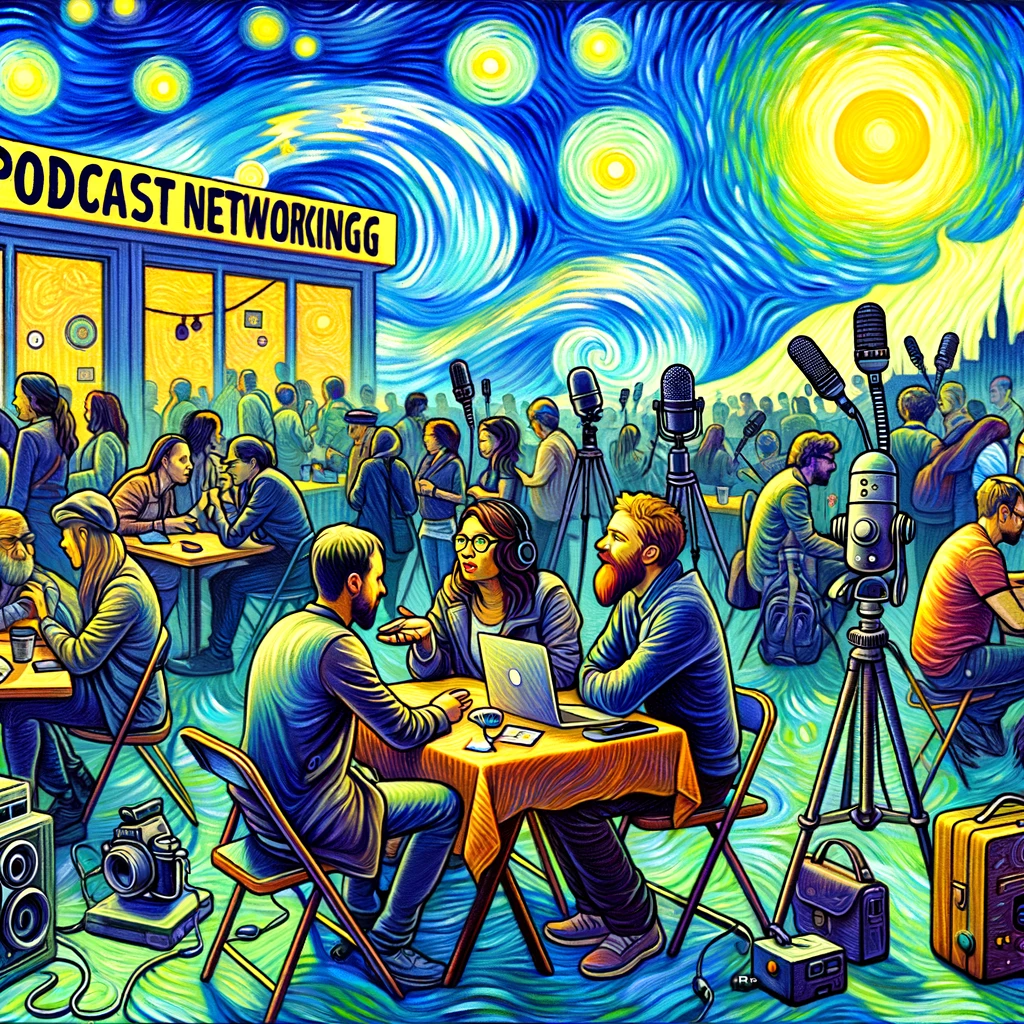
What Are The Key Audience Needs For Podcast Listeners?
What Are The Key Audience Needs For Podcast Listeners?
- Podcast listeners seek connection and come from diverse backgrounds.
- They value authenticity, preferring real voices and genuine experiences over polished narratives.
- Variety in content is crucial; audiences enjoy jumping between topics like true crime, self-development, and science fiction.
- Accessibility is essential, as listeners appreciate podcasts that fit easily into their busy lives.
- Podcasts cater to various daily activities, offering flexibility for consumption.
- Listeners are often lifelong learners, eager for knowledge and new perspectives.
- By focusing on authenticity, variety, accessibility, and knowledge, creators can foster deeper connections with their audience.

What Are The Key Audience Needs For Podcast Listeners?
How Can I Identify My Target Audience For Podcasts?
So, you’ve got this brilliant idea for a podcast rattling around in your noggin, and you can’t wait to share it with the world. But hold your horses for a second! Before you hit that record button and unleash your inner storyteller, it’s time to roll up your sleeves and dig into the nitty-gritty of identifying your target audience. This isn’t just busywork; it’s the secret sauce that will make your podcast resonate with the folks you want to reach.
First things first, think about who would genuinely benefit from what you have to say. Are there specific topics you’re passionate about? Dive deep into that ocean of ideas and fish out the themes that spark some enthusiasm. Once you’ve landed on a few, consider the people who might want to listen in. Do you imagine your podcast appealing to budding entrepreneurs, seasoned professionals, or maybe the curious souls who want to learn a thing or two during their daily commute? Knowing the demographic—age, profession, interests—will allow you to tailor your content in a way that feels like a personal conversation rather than a one-sided lecture.
Next, it’s time to get hands-on. Engage with potential listeners through social media, forums, or even local meetups. Ask them what they’re interested in, what challenges they face, and what could help them in their everyday lives. This is where you start building those connections, turning strangers into loyal supporters. When people feel you understand their struggles, they’ll be much more inclined to tune in.
Consider not just what you want to say, but how your podcast can serve your audience. Make a list of their pain points and establish yourself as a resource. What knowledge do you have that can help them tackle these issues? By positioning your podcast as a solution-provider, you’re establishing trust that goes a long way.
And let’s not overlook the importance of feedback. As you start publishing episodes, encourage your listeners to share their thoughts. Use that feedback to hone in on your content further. What worked well? What missed the mark? By being adaptable and responsive, you create a community that feels seen and heard.
At the end of the day, your podcast is a conversation. So start listening, learning, and connecting because that is how you’ll truly identify your target audience and, ultimately, create something that matters.

How Can I Identify My Target Audience For Podcasts?
How Can I Identify My Target Audience For Podcasts?
- Identify your target audience before launching your podcast to ensure it resonates with listeners.
- Reflect on topics you are passionate about and consider their relevance to potential listeners.
- Understand the demographics of your audience, such as age, profession, and interests.
- Engage with potential listeners through social media, forums, or local meetups to learn about their interests and challenges.
- Position your podcast as a resource by addressing the audience’s pain points and providing solutions.
- Encourage listener feedback on your episodes to refine your content and build a responsive community.
- Remember that your podcast should foster a conversation, enhancing connections with your audience.

How Can I Identify My Target Audience For Podcasts?
What Strategies Can I Use To Create Engaging Podcast Content?
Creating a podcast can feel like inviting people into your living room—only this time, you’re speaking to a diverse crowd listening through headphones or smart speakers. To capture their attention and keep them coming back, the goal is to establish a genuine connection, and there are a few strategies that can help you do just that.
First and foremost, be authentic. Your audience can spot a phony from a mile away. Share your personal experiences, your unique perspective, and the quirks that make you, well, you. When you let your true self shine through, your podcast becomes a space where listeners feel they’re not just tuning in, but joining a conversation they want to be part of.
Next, tell stories. Humans are wired for storytelling; we’ve been doing it for millennia. Whether it’s an inspiring success story, a humorous mishap, or a moment of vulnerability, weaving narratives into your podcast engages your listeners emotionally. It gives them something to latch onto, making your content more memorable. And remember, it’s not just what you say, but how you say it. Craft a narrative arc that keeps your audience on the edge of their seats, wondering what happens next.
Incorporate diverse perspectives. Interviews can add a rich layer of depth to your podcast. Invite guests who bring different backgrounds, skills, or viewpoints to the table. Not only does this enrich your content, but it also cultivates a sense of community. Listeners will appreciate the varied voices and ideas presented. This approach fosters connection and encourages interaction, as your audience feels their own opinions valued within the broader discussion.
Also, engage directly with your audience. Encourage feedback, questions, and comments. This doesn’t just create a sense of community; it ensures your content evolves to meet the needs of those tuning in. Consider adding segments that address listener concerns or highlight their contributions. Making them a part of the journey keeps that connection strong.
Finally, stay consistent. Whether it’s your release schedule or your tone, delivering your podcast with reliability builds trust. People want to know when to expect their next dose of your perspective, so find a rhythm that works for you and stick to it. Your audience will appreciate the predictability amidst life’s chaos and will grow to rely on your unique take on the world. So grab that mic, share your stories, and let the conversation flow—it’s time to make your podcast a welcoming haven for listeners!

What Strategies Can I Use To Create Engaging Podcast Content?
What Strategies Can I Use To Create Engaging Podcast Content?
- Creating a podcast is like inviting listeners into your living space, aiming to establish a genuine connection.
- Be authentic by sharing personal experiences, unique perspectives, and quirks to engage your audience.
- Utilize storytelling to emotionally engage listeners, creating memorable content through narrative arcs.
- Incorporate diverse perspectives by inviting guests from different backgrounds to enrich discussions and foster community.
- Engage directly with your audience by encouraging feedback and addressing listener contributions.
- Maintain consistency in your release schedule and tone to build trust and reliability with your audience.
- Focus on creating a welcoming space that encourages listeners to feel part of the conversation.

What Strategies Can I Use To Create Engaging Podcast Content?
How Can I Gather Feedback From My Podcast Audience?
Gathering feedback from your podcast audience isn’t just a matter of collecting data; it’s about fostering a genuine connection with the people who tune in week after week. Think of it this way: every listener has their own story, their own experiences, and when they choose to spend time with your podcast, they’re inviting you into their world. So how do you reciprocate that invitation? You ask.
First up, make it easy for your audience to share their thoughts. Create accessible channels where feedback can flow freely. This can be as simple as setting up an email address dedicated to listener comments, or utilizing social media platforms where your audience already hangs out. A post on Instagram or a tweet asking listeners for their favorite episode can not only bring in valuable insights but also make them feel valued and involved in the process. Remember, you’re not just a voice in their headphones; you’re part of a community.
Next, consider incorporating dedicated feedback segments into your podcast. Invite listeners to call in with their thoughts or share their experiences related to your topics. When you hit the airwaves, emphasize that their voices matter. This not only enhances engagement but demonstrates that you’re not afraid to evolve based on your audience’s needs. Whether they love what you’re doing or think you could improve, every piece of feedback is a stepping stone toward creating the podcast they want to hear.
Don’t underestimate the power of surveys. These can be crafted as short, simple questionnaires sent out to your mailing list or shared via social media. Ask direct questions that provoke thoughtful responses: What topics do they enjoy? What do they want more of? How can you better serve them? You’d be surprised at how much your listeners are willing to share when they know you’re genuinely interested in their opinions.
Lastly, don’t forget to acknowledge the feedback you receive. Take the time to respond to individual comments, even if it’s just a simple thank you. Show your listeners that you see them, you hear them, and you appreciate their input. Ultimately, the relationship you build with your podcast audience is a two-way street. With a little effort, you can create an environment where every listener feels invested and connected, making your podcast not just a show, but a shared experience that resonates deeply with the people behind the downloads. Remember, you’re in this together!

How Can I Gather Feedback From My Podcast Audience?
How Can I Gather Feedback From My Podcast Audience?
- Gathering audience feedback fosters a genuine connection with listeners.
- Make feedback easy by creating accessible channels like dedicated email or social media posts.
- Incorporate feedback segments in your podcast to invite listener participation and enhance engagement.
- Use surveys to gather specific insights about listener preferences and topics of interest.
- Ask direct questions that encourage thoughtful responses from your audience.
- Acknowledge feedback by responding to comments and showing appreciation for listener input.
- Build a two-way relationship with your audience, creating a shared experience beyond just a podcast.

How Can I Gather Feedback From My Podcast Audience?
What Role Does Audience Research Play In Podcast Development?
Let’s face it: when you dive into the world of podcasting, you’re stepping into a bustling arena teeming with diverse voices, experiences, and stories. It’s exciting, exhilarating, and—depending on your approach—potentially overwhelming. But before you press record, there’s one crucial step that often gets skipped in the race to launch: audience research.
Think of your podcast as a bridge. On one side, you have your ideas—your passion, your stories, your voice. On the other side stands your audience, waiting to listen and engage. Without knowing who they are or what they want, that bridge can feel unstable, right? Audience research acts as the blueprint, the map guiding you through the construction of this essential connection.
So, how do you figure it out? It starts with understanding your potential listeners—what makes them tick, what keeps them up at night. Are they looking for inspiration, a good laugh, or perhaps a deep dive into a topic they can’t get enough of? Engaging with your audience directly through surveys, social media polls, or even conversing at live events can yield invaluable insights. Don’t be shy about asking for feedback; you’ll be surprised at how much people are willing to share if they feel their opinions will influence what you create.
Once you know who you’re talking to, you can tailor your content, format, and even the tone of your podcast. This not only boosts your chances of standing out in a crowded marketplace but also fosters a more intimate connection with your audience. They’re more likely to stick around, subscribe, and engage when they feel like you’re speaking directly to them. Authenticity is key, and your audience will recognize it when you tune into their preferences and experiences.
Now, let’s be real: podcasting is hard work. From scripting to editing, it requires dedication and creativity. But trust me, investing time in audience research pays off. It brings clarity to your development process and empowers you with the confidence to craft episodes that truly resonate. As you embark on this journey, remember—you’re not just creating content; you’re forging connections. Let audience research be your compass as you navigate this exciting landscape. So go ahead, dig in, and start building that bridge!

What Role Does Audience Research Play In Podcast Development?
What Role Does Audience Research Play In Podcast Development?
- Podcasting is an exciting yet potentially overwhelming medium filled with diverse voices and stories.
- Audience research is a crucial step often skipped before launching a podcast.
- Your podcast serves as a bridge connecting your ideas to your audience.
- Understanding potential listeners is key to creating relevant content that engages them.
- Gather insights through surveys, social media, and direct conversations with your audience.
- Tailoring your content based on audience research enhances engagement and authenticity.
- Investing time in audience research brings clarity to the podcasting process and helps forge connections.

What Role Does Audience Research Play In Podcast Development?
How Often Should I Release New Episodes To Meet Audience Needs?
When it comes to the world of podcasting, consistency is your best friend. Imagine landing on your favorite podcast’s page only to find the last episode released six months ago. Disappointment settles in, and you move on. Your audience is no different. They’re out there, hungry for fresh content, eager to hear your voice and reconnect with the stories and ideas you bring to the table. So, how often should you feed that appetite?
First and foremost, listen to your own rhythm. You’re not a machine, and neither is your creativity. For many podcasters, a release schedule of weekly episodes hits the sweet spot. This frequency keeps your pod on the radar without overwhelming you or your listeners. Just think about it: a week gives you ample time to gather your thoughts, curate great content, and prepare that golden audio nugget that keeps your audience coming back for more.
But let’s face it—life gets messy. You may hit a rough patch where balancing sound quality and quantity feels like trying to juggle flaming swords on a tightrope. That’s where flexibility comes into play. If weekly seems too ambitious, consider bi-weekly or even a monthly schedule. It’s better to deliver quality episodes less frequently than a slew of subpar ones. Trust me, your audience will appreciate the effort you put into each episode, and they’ll feel as if they’re part of a special journey rather than just another person on a list.
Engagement is crucial, so pay attention to your audience’s cues. They’re going to give you hints—maybe they reach out on social media or mention your name in a review. Ask them! A simple poll can do wonders. “Hey, folks, do you want more content, or would you prefer a little space between episodes?” This not only builds a bridge of trust but also shows that you value their input and want to meet their needs.
It’s about creating a relationship with your listeners. Whether you’re dishing out weekly tales or monthly deep dives, make each episode an experience that enriches their lives. Now, go out there and make your podcasting venture a journey worth taking!
How Often Should I Release New Episodes To Meet Audience Needs?
How Often Should I Release New Episodes To Meet Audience Needs?
- Consistency is key in podcasting to keep the audience engaged.
- Many podcasters find a weekly release schedule to be effective.
- Weekly episodes provide time for preparation and quality content.
- Flexibility is important; consider bi-weekly or monthly schedules if needed.
- Prioritize quality over quantity to maintain audience interest.
- Engage with your audience to understand their preferences and needs.
- Create a relationship with listeners, making each episode a valuable experience.

How Often Should I Release New Episodes To Meet Audience Needs?
What Are Effective Ways To Promote My Podcast To The Right Audience?
Alright, folks, let’s get real for a moment. You’ve poured your heart, your soul, and undoubtedly countless hours into that podcast of yours—your pride and joy. But, as anyone who’s taken up the mic knows, creating the content is just part of the journey. Now comes the tricky part: finding the right audience that will appreciate your hard work.
First off, let’s talk about authenticity. In a world flooded with options, listeners crave genuine connections. Share your story. Talk about what inspired you to start your podcast, why the topics matter to you, and the journey you’ve taken to get here. When people sense your passion and vulnerability, they’re more likely to hit that subscribe button and stick around for the long haul.
Next, let’s step into the social media realm. Platforms like Instagram, Twitter, and Facebook aren’t just for sharing what you had for breakfast; they’re powerful tools for building your community. Use these platforms to promote your latest episodes, but don’t just stick to the promo posts. Share behind-the-scenes glimpses, engage with followers, ask questions, and create polls. This kind of interaction will make your audience feel involved and valued—not just another listener, but part of your podcast family.
Now, consider partnerships. This is where the fun really begins! Reach out to fellow podcasters or content creators who share a similar audience. You can do guest swaps, cross-promotions, or even collaborative episodes. It’s like throwing a block party—everyone brings their friends, and suddenly, your audience is getting bigger by the minute.
Don’t forget about email marketing either. If you have a website, encourage visitors to sign up for a newsletter. Deliver relevant content, sneak peeks of future episodes, or even exclusive material just for subscribers. Building a mailing list is like having a direct line to your podcast enthusiasts. It’s intimate, personal, and so very effective.
Finally, tap into analytics. Knowing where your listeners are coming from and what episodes resonate can guide your promotional strategies. Listen to the data; it’s your secret weapon.
So go ahead—get out there, share your passion, and connect with your audience. Your podcast deserves to be heard by those who will cherish it just as much as you do. Remember, every great podcaster started where you are—so take that first step with confidence!

What Are Effective Ways To Promote My Podcast To The Right Audience?
What Are Effective Ways To Promote My Podcast To The Right Audience?
- Creating a podcast involves more than just content creation; finding the right audience is essential.
- Authenticity is key; share your personal story and passion to connect with listeners.
- Utilize social media platforms like Instagram, Twitter, and Facebook to build a community around your podcast.
- Engage with your audience through behind-the-scenes glimpses, questions, and polls.
- Consider partnerships with fellow podcasters for guest swaps and cross-promotions to expand your reach.
- Email marketing is crucial; build a mailing list to share exclusive content and updates with your audience.
- Use analytics to understand your listener demographics and optimize your promotional strategies.

What Are Effective Ways To Promote My Podcast To The Right Audience?
Conclusion
Alright, folks, let’s wrap this up with a little heart-to-heart about connecting with your audience through the power of podcasts. If there’s one thing we’ve learned here today, it’s that creating an engaging podcast isn’t just about hitting record and talking into a microphone—it’s about understanding the very people who will tune in, laugh, cry, and learn alongside you.
Think about it: your podcast is a relationship, not just a performance. And like any relationship, it requires a solid foundation built on listening and understanding. Engage with your audience before you even press that record button. What are they curious about? What challenges do they face? By diving into this exploration, you’re not just gathering data; you’re building trust and setting the stage for a dialogue that matters.
Once you’re ready to roll, remember that storytelling is your bread and butter. Listeners crave authenticity and connection. Don’t be afraid to let your personality shine through. Share your triumphs and your stumbles; share the messy, human bits. They want to feel like they’re right there with you, getting a front-row seat to the journey, not just a lecture from the stage.
And don’t forget to stay responsive. After each episode, open the floor for feedback like it’s an invitation to a potluck. Encourage your listeners to share their thoughts and experiences. This ongoing conversation will help you tweak your content and build a community that feels valued and heard. When your audience sees you genuinely care, they’ll keep coming back for more.
Stay flexible, too. Don’t just churn out episodes at the expense of quality. Listen to your audience’s needs and adjust your release schedule if it makes sense. Whether it’s weekly, bi-weekly, or monthly, make sure every episode feels intentional and engaging, making your audience anticipate your next installment like a trusted friend dropping in for a chat.
Finally, take a step back and recognize the power of promotion. Share your story and involve your listeners through social media, partnerships, and newsletters. Use every tool at your disposal to widen your reach while keeping authenticity at the forefront.
So, roll up your sleeves and get to work. Dive deep into understanding your listeners, share your true self, and be adaptable. When you do that, your podcast transforms from mere audio waves to a vibrant community where everyone has a voice. And that, my friends, is where the real magic happens. Happy podcasting!

Conclusion
Conclusion:
- Creating an engaging podcast requires understanding your audience, not just recording.
- Your podcast is a relationship that needs a foundation built on listening and understanding.
- Engage with your audience before recording to build trust and set the stage for dialogue.
- Storytelling is essential; share authentic experiences and let your personality shine.
- Encourage feedback and interaction after episodes to build a valued community.
- Stay flexible with your release schedule, prioritizing quality and engagement.
- Use promotion effectively through social media and partnerships while maintaining authenticity.

Conclusion
Other Resources

Other Resources
Here is a list of other resources you can review online to learn more:
Use This Prompt To Get More Resources With Your Favorite Online AI Tool: Please provide me with a list of online articles with their URLs in a bulleted list that I can read regarding What’s The Best Way to Address Audience Needs with Podcasts?

Other Resources
Glossary Terms
What’s The Best Way to Address Audience Needs with Podcasts? – Glossary Of Terms
1. Audience: The group of listeners who engage with a podcast, whose preferences and needs should shape content.
2. Content Strategy: A plan that outlines how podcast episodes will be developed to meet audience interests and needs.
3. Engagement: The interaction between the podcast and its audience, often measured by feedback, comments, and listener loyalty.
4. Target Audience: A specific segment of listeners identified as the primary group that the podcast aims to reach.
5. Feedback Loop: A process where audience responses are collected and analyzed to improve future episodes.
6. Niche: A specialized area of interest within a broader category that allows podcasts to appeal to specific listener groups.
7. Value Proposition: The unique benefits and features offered by the podcast that distinguish it from competitors and attract listeners.
8. Listener Personas: Semi-fictional representations of ideal listeners based on research and data to better understand audience needs.
9. Content Calendar: A schedule that outlines when episodes will be released, ensuring timely topics that resonate with audience interests.
10. Distribution Channels: Platforms where podcasts are made available to listeners, such as Spotify, Apple Podcasts, and social media.
11. Editing: The process of refining recorded content to enhance clarity, flow, and engagement, critical for listener retention.
12. Call to Action (CTA): A statement prompting listeners to take specific actions, such as subscribing, sharing, or providing feedback.
13. Promotion: The methods used to market a podcast, engaging potential listeners and building an audience.
14. Storytelling: The art of narrating content in a compelling way, enhancing listener connection and interest.
15. Audience Research: The process of gathering data about listeners’ preferences and behaviors to inform content decisions.
16. Segments: Divisions within an episode that explore different topics or themes, making content more digestible.
17. Interactivity: Elements that allow listeners to participate actively, such as polls, Q&A segments, or social media engagement.
18. Sponsorship: Collaborations with brands for financial support, which can enhance content or reach but must align with audience values.
19. Monetization: Strategies for generating revenue from a podcast through ads, sponsorships, subscriptions, or merchandise.
20. SEO (Search Engine Optimization): Techniques used to improve podcast visibility on search engines, helping attract more listeners.
21. Transcripts: Written versions of podcast episodes that improve accessibility and cater to different audience preferences.
22. Networking: Building relationships with other podcasters and industry professionals to share insights and grow audience reach.
23. Visual Branding: The visual elements, like podcast artwork and logo, that create a recognizable identity appealing to target listeners.
24. Episode Length: The duration of each podcast episode, which should consider audience preferences for optimal engagement.
25. Tone: The attitude or style conveyed in the podcast, which should reflect both the subject matter and audience expectations.
26. Authenticity: Being genuine and transparent in content delivery to build trust and connection with listeners.
27. Audience Analytics: Data collected on listener behavior, demographics, and engagement metrics to tailor content better.
28. Cross-Promotions: Collaborative efforts with other podcasts to introduce new audiences and expand reach.
29. Topic Relevance: Ensuring that the themes discussed in episodes resonate with current trends and audience interests.
30. Community Building: Fostering a sense of belonging among listeners through social media groups, forums, or live events, enhancing loyalty.

Glossary Of Terms
Other Questions
What’s The Best Way to Address Audience Needs with Podcasts? – Other Questions
If you wish to explore and discover more, consider looking for answers to these questions:
- What are the most common mistakes to avoid when creating podcasts for an audience?
- How can I measure the success of my podcast in terms of audience engagement?
- What tools and software can help me in podcast production and promotion?
- How do I know if my podcast format is appealing to my audience?
- What are some effective ways to monetize my podcast while meeting audience needs?
- How can I use audience feedback to improve my podcast content?
- What are some examples of successful podcasts that meet audience needs?
- How can I stay updated on trends and topics that interest my audience?
- What role does SEO play in promoting my podcast and reaching my target audience?
- How can I create a strong brand identity for my podcast that resonates with listeners?

Other Questions
Haiku
What’s The Best Way to Address Audience Needs with Podcasts? – A Haiku
Listeners’ hearts crave,
Authentic tales and insights,
Podcasts weave connection.

Haiku
Poem
What’s The Best Way to Address Audience Needs with Podcasts? – A Poem
In the realm where stories intertwine,
Through airwaves, voices blend and shine,
A quest to connect, to share, to know,
The pulse of the audience, where wonders grow.
Before the mic hums a vibrant tone,
First, listen close, don’t stand alone.
Dive into chatter, scan the alive,
What stirs their hearts? What makes them thrive?
Storytelling weaves its enchanting lace,
A dance of authenticity, a warm embrace.
With laughter and lessons, tales come alive,
Creating a bond where all can thrive.
Seek their feedback, each voice holds weight,
In the echoing silence, don’t hesitate.
Invite them in, let their thoughts arise,
For a podcast blooms where engagement lies.
Explore the trends, hold your pulse tight,
Craft content that shares, uplifts, and excites.
From humor to wisdom, a rich, varied feast,
Strike the balance—bring your listeners peace.
A schedule that’s steady, yet flexible, too,
For life’s a wild ride; adapt as you do.
Be they commuters or seekers of light,
In each little episode, let your truth ignite.
Promote with passion, let your heart speak free,
For connections are forged in true authenticity.
With social media, partnerships, your flair,
Build a community that’s vibrant and rare.
So roll up your sleeves, embrace the craft,
In the tapestry of voices, find your path.
For a podcast is more than a story you tell,
It’s a space where connections and dreams dwell.

Poem
Checklist
What’s The Best Way to Address Audience Needs with Podcasts? – A Checklist
1. Understand Your Audience
_____ Listen to potential listeners (social media, conversations).
_____ Identify their burning questions and needs.
2. Tell Authentic Stories
_____ Share personal anecdotes that resonate.
_____ Make your podcast feel like a dialogue, not a monologue.
3. Encourage Feedback and Interaction
_____ Invite listener reactions post-episode.
_____ Ask for thoughts, ideas, and struggles.
4. Experiment with Content Topics
_____ Dive into subjects suggested by listeners.
_____ Provide solutions and actionable insights.
5. Create a Community Feel
_____ Use listener contributions in episodes.
_____ Acknowledge and respond to feedback.
6. Identify Core Audience Needs
_____ Focus on authenticity, variety, accessibility, and thirst for knowledge.
_____ Cater to diverse interests and perspectives.
7. Research Your Target Audience
_____ Define demographics (age, profession, interests).
_____ Engage with potential listeners to understand their challenges.
8. Develop Engaging Content Strategies
_____ Maintain authenticity and share unique perspectives.
_____ Incorporate diverse viewpoints through guest appearances.
_____ Stay consistent in schedule and messaging.
9. Gather Constructive Feedback
_____ Utilize surveys and polls for listener input.
_____ Create accessible channels for comments (email, social media).
10. Prioritize Audience Research
_____ Understand your audience’s preferences before launching.
_____ Tailor the content and format based on insights.
11. Choose an Appropriate Release Schedule
_____ Opt for a release frequency that suits your rhythm (weekly, bi-weekly, monthly).
_____ Remain adaptable based on audience cues and engagement.
12. Promote Your Podcast Effectively
_____ Share your journey and authenticity on social media.
_____ Engage with followers through interactive content.
_____ Collaborate with other podcasters for cross-promotion.
_____ Build an email list for direct updates and insights.
13. Utilize Analytics for Improvement
_____ Monitor where your audience is coming from.
_____ Analyze popular episodes and tailor future content accordingly.
14. Foster a Shared Experience
_____ Make your podcast more than just a show; cultivate a community.
_____ Ensure listeners feel invested and valued in the journey.
Use this checklist to enhance your podcasting efforts and build a loyal listener community!

Checklist
At PodcastBig, we help people who want to learn about podcasting by collating information and news about podcasting.
Be sure to read our other related stories at PodcastBig to learn more about podcasting.