

The Untold Stories: Older Adults’ Podcasting Perceptions
By Tom Seest
At PodcastBig, we help people who want to learn about podcasting by collating information and news about podcasting.
Be sure to read our other related stories at PodcastBig to learn more about podcasting.
What Unique Perspectives Can Older Adults Offer In Podcasting?
What Unique Perspectives Can Older Adults Offer in Podcasting?
When you think about podcasting, the first images that might pop into your mind are of hip young voices dissecting the latest trends, or maybe that one guy who can’t stop telling dad jokes. But let’s take a moment to pull back the curtain and consider the untapped goldmine of wisdom that resides in our older adults. After all, life experience can’t be bought or streamed; it can only be lived, and it’s a rich source for compelling content.
Older adults bring to the podcasting table a lifetime of stories that can evoke laughter, provoke thought, and inspire change. They’ve weathered storms and celebrated victories that can illuminate even the murkiest of contemporary issues. Picture this: a seasoned veteran of the civil rights movement sharing intimate stories of struggle and triumph, or a retired teacher reflecting on the changing landscape of education with a blend of nostalgia and candor. The narratives they hold aren’t just archives; they’re blueprints for understanding the past and navigating the present.
Then there’s the authenticity factor. With years often comes a refined perspective that cuts through the noise. As we navigate an increasingly polarized world, the seasoned voices of older adults can offer nuanced viewpoints steeped in context. They’re less likely to parrot talking points or fall into social media rabbit holes. Instead, they present opinions grounded in lived experience, fostering meaningful dialogue that’s often sorely lacking in today’s discourse.
Moreover, older adults excel at the art of storytelling. Their backgrounds in various professions—from nursing to engineering—provide a wealth of diverse experiences that can enrich podcast content. Imagine a retired scientist explaining climate change in digestible terms for the everyday listener, or an elderly chef sharing recipes that span generations, bridging cultures and experiences. Their ability to connect personal anecdotes with broader themes gives listeners not just entertainment, but understanding.
Finally, let’s not overlook the impact of mentorship. Younger generations tuning into podcasts are often searching for guidance. Who better to deliver insight than someone who’s walked the path before them? Whether it’s career advice or relationship guidance, older individuals can serve as role models, offering pearls of wisdom that are often as relevant today as they were decades ago.
In a world where youth is often glorified, it’s vital to remember the depth and richness older adults can bring to podcasting. Their voices deserve to be heard, and their stories deserve to be told. So, if you’re a podcaster, don’t shy away from including these perspectives; embrace them. Your audience will thank you.

What Unique Perspectives Can Older Adults Offer In Podcasting?
What Unique Perspectives Can Older Adults Offer In Podcasting?
- Older adults possess a wealth of life experiences that enrich podcast content.
- Their stories can evoke emotions, provoke discussions, and inspire change.
- They offer authentic and nuanced viewpoints absent in today’s polarized discourse.
- Older individuals have diverse professional backgrounds that enhance storytelling.
- They excel in connecting personal anecdotes to broader themes, making content relatable.
- Older adults provide valuable mentorship to younger generations seeking guidance.
- Embracing the voices of older adults in podcasting can lead to deeper, more meaningful content.

What Unique Perspectives Can Older Adults Offer In Podcasting?
Table Of Contents
- What Unique Perspectives Can Older Adults Offer In Podcasting?
- What Insights Can Older Adults Bring To Podcast Content Creation?
- How Do Life Experiences Enhance Storytelling In Podcasts?
- What Are The Challenges Older Adults Face In Podcasting?
- How Can Older Podcasters Connect With Younger Audiences?
- What Unique Themes Resonate With Older Listeners?
- How Do Older Adults Approach Technology In Podcasting?
- Why Is Authentic Voice Important In Older Podcasters?
- Conclusion
- Other Resources
- Glossary Of Terms
- Other Questions
- Haiku
- Poem
- Checklist
What Insights Can Older Adults Bring To Podcast Content Creation?
In the world of podcasting, it’s easy to assume that the voice of the Millennials or Gen Z defines the landscape. But let’s take a moment to consider another demographic that has a treasure trove of stories and experiences to share: older adults. They’re not just seasoned professionals; they’re walking archives of culture, history, and invaluable life lessons. Podcasting needs them, and here’s why.
First and foremost, older adults possess a wealth of life experience that can lend authenticity and depth to any podcast narrative. They’ve lived through eras of change, witnessed shocking advancements in technology, and navigated the complexities of human experience in ways many of us still have yet to learn. Their stories resonate not just because of their content but because of the emotional truth that accompanies them. For instance, when discussing topics like love, loss, or career pivots, the insights from someone who has weathered those storms are irreplaceable.
Think about it: a podcast featuring older adults can dive into the grit and glory of different life stages, exploring themes like resilience and adaptability. Imagine the rich conversations around social issues from a firsthand perspective. How refreshing would it be to hear a candid dialogue between generations, bridging the gap through storytelling? Older adults are adept at contextualizing past events in ways that can illuminate present challenges.
Moreover, they also bring a fresh lens to the ever-evolving conversations around topics like digital literacy and technology. Many older adults have adapted to the rapid pace of change, learning to navigate tools that younger generations have taken for granted. Their insights can bust myths and offer practical advice for listeners grappling with their own digital journeys.
In the realm of podcast content, older voices can elevate the importance of tradition and values, reminding us of the threads that connect our society. A podcast anchored in generational wisdom can inspire the younger audience to reflect on their own life choices and foster a greater sense of community.
Ultimately, when older adults participate in podcast content creation, they enrich the dialogue, illustrating that age is not a limitation but rather a unique lens through which we can explore our shared humanity. By embracing their insights, podcast hosts can craft thoughtful, engaging content that genuinely resonates across generations. So, if you’re looking to create compelling audio narratives, don’t overlook the profound contributions that older adults can offer. They’re more than just a voice; they’re a vital part of the chorus.

What Insights Can Older Adults Bring To Podcast Content Creation?
What Insights Can Older Adults Bring To Podcast Content Creation?
- Older adults offer a treasure trove of stories and experiences beyond Millennials and Gen Z.
- They bring authenticity and depth to podcast narratives through their wealth of life experience.
- Insights from older adults on themes like love and loss provide invaluable emotional truth.
- Podcasts featuring older adults can explore resilience, adaptability, and social issues from a firsthand perspective.
- They can demystify digital literacy and technology, offering practical advice for younger generations.
- Content highlighting generational wisdom can inspire younger audiences to reflect on their life choices.
- Including older adults in podcast creation enriches dialogue and showcases age as a unique lens for exploring shared humanity.
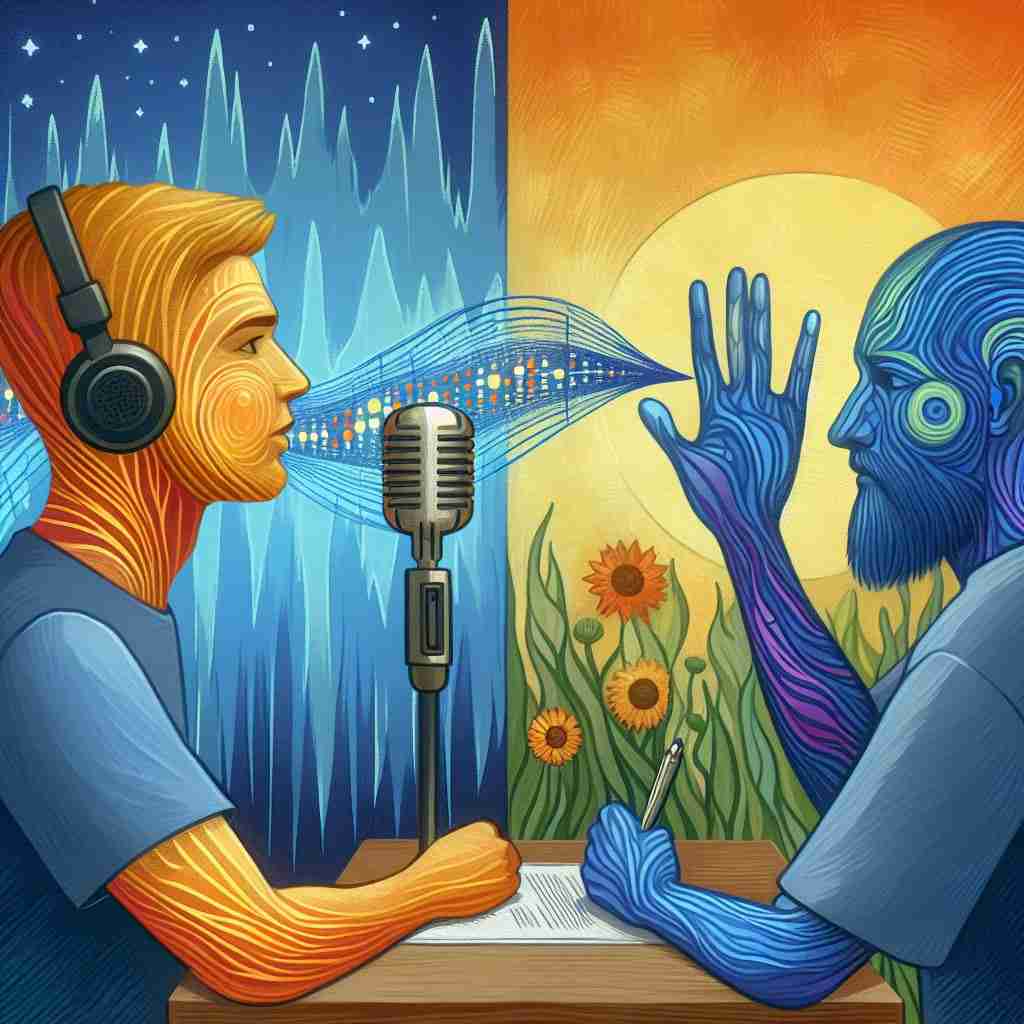
What Insights Can Older Adults Bring To Podcast Content Creation?
How Do Life Experiences Enhance Storytelling In Podcasts?
In a world buzzing with noise and distractions, a well-told story has the power to cut through the chaos. Podcasts thrive on this principle, transforming everyday experiences into captivating narratives that resonate deeply with audiences. But what gives those stories their weight? It’s often the life experiences of the storytellers that breathe life into the narrative.
Consider this: each host carries a unique tapestry of experiences—some have risen from humble beginnings, others have traversed the globe, while many have faced personal tragedies or triumphs. When they share these moments through the medium of a podcast, listeners feel an authentic connection. It’s akin to sitting around a campfire, where the storyteller’s voice commands attention simply by drawing on the raw essence of lived moments. This intimate sharing invites listeners to reflect on their own life journeys, stirring emotions and evoking empathy.
The beauty of podcasts lies in their accessibility. They allow for a deep dive into the anecdotes and insights gleaned from the myriad of paths taken by different individuals. Each podcast episode unfolds like a chapter in a book, where life experiences serve as the foundation for the narrative arc. A moment of triumph or defeat can serve as the crux of a profound lesson, allowing listeners to latch onto the idea that they’re not alone in their struggles.
Moreover, life experiences automatically dial up the stakes in storytelling. When a host recounts a moment that was hard-fought or an obstacle that seemed insurmountable, it adds depth to their words. It’s not merely an anecdote; it’s a testament to resilience. This resonance makes the story more relatable and engaging, capturing the essence of what it means to be human.
Podcasts encourage vulnerability, offering a space where raw truths are revealed and life lessons are distilled. As hosts weave their experiences into the fabric of their episodes, they create a rich audio tapestry that invites listeners to ponder their own lives even as they are entertained.
In this arena, life experiences do more than enhance storytelling; they elevate it. They transform a simple podcast into a reflection of the human condition, reminding us that behind every microphone, there’s a narrative waiting to be heard, a lesson waiting to be learned, and a connection waiting to be forged.

How Do Life Experiences Enhance Storytelling In Podcasts?
How Do Life Experiences Enhance Storytelling In Podcasts?
- Podcasts cut through noise and distractions, providing captivating narratives that resonate with audiences.
- The life experiences of storytellers enrich their narratives, allowing for authentic connections with listeners.
- Hosts share unique backgrounds, from humble beginnings to global travels and personal challenges, creating relatable content.
- Each podcast episode acts like a chapter, with life experiences forming the basis of the narrative arc.
- Life experiences increase the emotional stakes in storytelling, making them more engaging and relatable.
- Podcasts promote vulnerability, revealing raw truths and distilled life lessons through the hosts’ experiences.
- Life experiences elevate storytelling, transforming podcasts into reflections of the human condition and fostering connections.

How Do Life Experiences Enhance Storytelling In Podcasts?
What Are The Challenges Older Adults Face In Podcasting?
Navigating the world of podcasting can feel like learning an entirely new language, especially for older adults. The appeal of sharing stories, wisdom, and experiences through audio platforms is undeniable, yet the journey to get there can be riddled with obstacles that might make even the most tenacious individual hesitate.
One monumental challenge is technology. For many older adults, the intricacies of modern devices can be daunting. Podcast hosts need to understand how to record, edit, and publish episodes, often making sense of gear and software that seem to have been designed for a completely different generation. The microphone isn’t just a shiny object; it’s a gateway to sharing your voice, and figuring out how to use it can feel like a Herculean task.
Next on the list is the learning curve associated with audio editing software and platforms. Many programs offer powerful tools but come with interfaces that could confuse the most seasoned user. Just imagine staring at a screen filled with buttons, bars, and menus while trying to wrap your head around terms like “bitrate” and “compression.” It’s overwhelming, and for many, the frustration may outweigh the desire to podcast.
Another significant challenge lies in understanding the audience. Older adults usually possess a lifetime of fascinating stories and insights, but translating those narratives into a format that appeals to younger listeners can be tricky. The sense of disconnect can be stifling, as they grapple with what topics to cover and how to engage a demographic that often seems worlds away.
Then, there’s the issue of confidence. Many seasoned individuals have plenty to say, but expressing those thoughts into a microphone can induce self-doubt. It’s one thing to share stories around a dinner table and another to broadcast them to a digital audience. The fear of judgment or irrelevance can be a looming specter, causing many to second-guess their ability to produce meaningful content.
Lastly, let’s not forget the marketing aspect of podcasting. Creating a show is just the tip of the iceberg; older adults may find themselves at a loss when it comes to promoting their podcast and building a community around it. Social media can feel like an uncharted territory, full of jargon and trends that shift faster than the seasons.
In short, while podcasting offers an exciting avenue for creative expression among older adults, the hurdles—technology, audience engagement, confidence, and marketing—can be steep. But when they do leap those barriers, the payoff is often a voice that resonates, connecting years of experience to eager ears waiting to listen.

What Are The Challenges Older Adults Face In Podcasting?
What Are The Challenges Older Adults Face In Podcasting?
- Navigating podcasting can be challenging for older adults, often feeling like learning a new language.
- Technology poses a significant barrier, with recording and editing gear daunting to many.
- The complexity of audio editing software can overwhelm users, filled with confusing terms and interfaces.
- Understanding and engaging a younger audience may be difficult, despite older adults’ rich life experiences.
- Lack of confidence can hinder expression, as broadcasting feels riskier than casual storytelling.
- Marketing their podcast and building a community can be challenging; social media often feels foreign.
- Overcoming these hurdles can lead to rewarding experiences and connections through storytelling.

What Are The Challenges Older Adults Face In Podcasting?
How Can Older Podcasters Connect With Younger Audiences?
Connecting with younger audiences can feel like trying to navigate a maze blindfolded, especially for older podcasters who have been in the game a while. But fear not—there are pathways that lead straight to the hearts and ears of the next generation, and these pathways are paved with authenticity, adaptability, and, of course, a little bit of fun.
Start with what you know and weave in what you want to learn. A podcast is a platform that thrives on authenticity. Share your experiences, insights, and stories, but don’t shy away from embracing new ideas that resonate with younger listeners. Remember, they’re not looking for a lecture; they want to engage, to connect, and to feel part of a dialogue. Incorporate relevant topics that stick with them, like technology, social issues, or the latest trends, in a way that feels natural. This blending of old wisdom and new perspectives creates an attractive listening experience that can draw younger audiences in.
Next, keep your content fresh and varied. The digital landscape moves at lightning speed, and staying current is essential. This doesn’t mean you need to throw out everything you know—rather, it’s about adapting your approach. Consider inviting younger guests to your podcast who can bring fresh perspective and insights. Their experiences might provide a unique lens through which you can discuss familiar topics. Also, don’t hesitate to experiment with different formats, whether it’s storytelling, interviews, or roundtable discussions. This keeps your podcast dynamic and engaging.
Interactive elements are another powerful tool. Tap into social media to create conversations and community around your podcast. Engage with your audience—not just as a host, but as a participant. Host Q&A sessions, solicit feedback, and encourage listeners to suggest topics. This interaction fosters a sense of belonging and shows that you value their input, making them more likely to stick around.
Finally, remember this isn’t just about the content you’re creating; it’s also about the tone you take. A little humor, humility, and a willingness to learn can go a long way. Young audiences have a nose for authenticity and can sniff out pretentiousness from a mile away. Be relatable, be real, and don’t be afraid to show some vulnerability.
At the end of the day, it’s all about connections. If you approach your podcast as an opportunity to share, learn, and grow alongside your listeners, the age gap becomes irrelevant. Your podcast can become a space where wisdom meets youth, creating something truly valuable for everyone involved.

How Can Older Podcasters Connect With Younger Audiences?
How Can Older Podcasters Connect With Younger Audiences?
- Connecting with younger audiences requires authenticity, adaptability, and fun.
- Blend personal experiences with new ideas to engage younger listeners.
- Incorporate relevant topics like technology, social issues, and trends to attract younger audiences.
- Keep content fresh by inviting younger guests and experimenting with different formats.
- Utilize social media for interactive elements to foster community and engagement.
- Maintain a relatable tone with humor and humility to resonate with young audiences.
- Focus on building connections that bridge the age gap and create valuable experiences for listeners.

How Can Older Podcasters Connect With Younger Audiences?
What Unique Themes Resonate With Older Listeners?
When it comes to connecting with older listeners, it’s all about themes that resonate on a deeper level. Let’s face it: as we age, our perspectives change, and so do our interests. That’s why a thoughtful podcast can become a sanctuary for reflection, relatability, and revelation.
Older listeners often have a wealth of life experiences to draw from, so themes of nostalgia resonate powerfully. Think about it: stories that evoke memories of bygone eras—music from their youth, historical events, or classic films—tend to create an instant connection. A podcast that weaves these themes into its narrative can transport listeners back to simpler times, stirring emotions and sparking conversation. It’s less about the numbers and more about the stories behind them.
Then there’s the theme of legacy and purpose. Many older adults start to ponder what they’ll leave behind. Podcasts that explore intergenerational topics, such as the wisdom passed down from parents or the challenges faced by today’s youth, can create a bridge between generations. These conversations uncover rich insights, remind listeners of their own journeys, and emphasize the importance of contributing to the world around them.
Health and wellness also come to the forefront. As we age, the conversations about managing health, both physical and mental, become vital. A podcast that offers practical advice, shares personal anecdotes, or interviews experts can empower older listeners to take charge of their well-being. It’s not just about the struggle; it’s about sharing strategies and celebrating victories that foster resilience and community.
Another powerful theme is transformation and reinvention. Life is full of changes, and older listeners often find themselves navigating new chapters—be it retirement, the loss of a loved one, or changing family dynamics. A podcast that embraces these transitions, highlighting stories of resilience and adaptation, can inspire listeners to embrace their own journeys. By focusing on the beauty of transformation, these narratives remind us all that change, while daunting, can lead to new opportunities.
Ultimately, what resonates with older listeners isn’t just the information presented; it’s how it speaks to their lives and experiences. When a podcast taps into these unique themes—nostalgia, legacy, health, and transformation—it doesn’t just entertain; it enriches. It invites older listeners to engage, reflect, and, most importantly, share their own stories. In a world full of noise, those genuine connections are what truly stand the test of time.

What Unique Themes Resonate With Older Listeners?
What Unique Themes Resonate With Older Listeners?
- Connecting with older listeners relies on themes that resonate deeply with their experiences.
- Nostalgic themes, such as music, historical events, and classic films, create strong emotional connections.
- Exploring legacy and purpose encourages conversations between generations, highlighting shared wisdom and challenges.
- Health and wellness discussions are essential, providing practical advice and fostering resilience among older adults.
- Themes of transformation and reinvention inspire older listeners as they navigate life’s changes.
- A podcast that engages with nostalgia, legacy, health, and transformation enriches the lives of older listeners.
- Genuine connections through storytelling allow older listeners to engage, reflect, and share their experiences.

What Unique Themes Resonate With Older Listeners?
How Do Older Adults Approach Technology In Podcasting?
In today’s digital age, where technology can feel like a high-speed train chugging along, older adults often find themselves standing on the platform, watching it go by. But here’s the kicker: when it comes to podcasting, many of them are more than willing to hop on board.
It starts with curiosity. For a generation that remembers the crackle of AM radio and the joy of gathering around the TV for a favorite program, the world of podcasts opens up a new frontier. They’re intrigued by the idea of accessing a virtually limitless library of content at their fingertips. Whether it’s a gripping true crime story or a thoughtful discussion about gardening, the beauty of podcasts lies in their versatility. It turns the act of consuming information into a rich, personal experience.
However, the journey isn’t always straightforward. Technology can be daunting. The buttons, the settings, the endless options—it’s enough to make anyone’s head spin. Many older adults approach this new medium with a mix of excitement and apprehension. They might need a little guidance in figuring out how to navigate the streaming services or download an episode. Yet, once they get the hang of it, there’s a certain pride that comes with mastering new skills. Learning the ropes of listening to their favorite podcast, coupled with the simple satisfaction of doing it themselves, can be empowering.
Community plays a vital role here. Friends and family often step in as guides, showing older adults how to find and subscribe to podcasts they’d enjoy. This social interaction not only helps bridge the technology gap but also fosters connections. Discussing a podcast episode after listening can spark conversations that cut across age barriers, allowing experiences and insights to flow seamlessly.
Retention is another piece of the puzzle. As they engage with more podcasts, older adults tend to develop their preferences. They start gravitating toward hosts whose voices they find comforting, or content that resonates with their life experiences. It becomes a regular part of their routine—a source of joy, education, or even a bit of escapism.
Older adults prove that adapting to new technology, especially something as engaging as a podcast, isn’t just about age. It’s about embracing change with open arms, and sometimes, a determined spirit. With a few nudges, they jump into the world of podcasting, ready to learn, listen, and share their newfound treasures with others.

How Do Older Adults Approach Technology In Podcasting?
How Do Older Adults Approach Technology In Podcasting?
- Older adults are increasingly interested in podcasts, despite technology challenges.
- Podcasts provide access to an extensive range of content, sparking curiosity and engagement.
- The process of learning to navigate technology can be intimidating but empowering.
- Community support from friends and family is crucial in helping older adults access podcasts.
- Listening to podcasts fosters social interaction and conversation across age groups.
- As older adults engage with podcasts, they develop preferences for specific hosts and topics.
- Adapting to new technology like podcasts demonstrates that age is not a barrier to learning and change.

How Do Older Adults Approach Technology In Podcasting?
Why Is Authentic Voice Important In Older Podcasters?
In the ever-evolving realm of podcasting, authenticity stands tall as the bedrock of connection. For older podcasters, the importance of maintaining an authentic voice cannot be overstated. With years of experience behind them, these seasoned voices bring a unique perspective that resonates with listeners, carving out a space where wisdom meets relatability. You see, podcasting isn’t just about having something to say; it’s about how you say it.
Let’s face it: people can sniff out insincerity faster than a hound on a trail. When older podcasters speak from the heart, drawing on their life experiences, listeners can feel it. They appreciate stories punctuated with laughter and laced with hard-earned lessons. Each tale serves as a bridge connecting those with less experience to the rich tapestry of life that only comes from years lived fully. This kinship draws in an audience eager to learn, engage, and relate, making genuine connection essential.
Moreover, older podcasters often find themselves in a vibrant dichotomy. They represent both tradition and innovation. With their vast knowledge, they can tackle new subjects in a way that’s fresh and engaging. They’re not just on a quest to share information; they’re there to facilitate discussions that stir thought and reflection. Authenticity allows them to navigate these modern waters with the grace of someone who has seen the old ways and is now fully embracing the new.
Contrast this with younger podcasters, who may often rely on trendy catchphrases or the latest fads in storytelling. While there’s merit in their excitement, older podcasters balance that enthusiasm with depth. The wise sharing of lessons learned helps build a podcast that’s not just informative but transformational.
Moreover, the age of a podcaster often enriches their narratives. They weave in humor, hardships, and triumphs that remind listeners of shared humanity. Such authenticity invites conversations, questions, and connections that extend beyond the microphone.
So, why is an authentic voice crucial for older podcasters? Because in a digital landscape where authenticity often feels hard to come by, it’s those genuine voices that rise above the noise. They anchor their listeners, reminding them that every story shared holds the power to inspire, amuse, and ultimately unite us all. In a world craving realness, age only amplifies the call to be true to oneself.

Why Is Authentic Voice Important In Older Podcasters?
Why Is Authentic Voice Important In Older Podcasters?
- Authenticity is essential in podcasting, particularly for older podcasters.
- Experienced voices offer unique perspectives that combine wisdom and relatability.
- Listeners connect with genuine stories that reflect life experiences, humor, and lessons learned.
- Older podcasters bridge tradition and innovation by discussing new topics with engaging insights.
- They balance youthful enthusiasm with depth, creating content that is both informative and transformational.
- The narratives of older podcasters often include humor and shared hardships, fostering connections with audiences.
- In a crowded digital space, authentic voices stand out, inspiring and uniting listeners through shared stories.

Why Is Authentic Voice Important In Older Podcasters?
Conclusion
As we wrap up this exploration of why older adults matter in the podcasting landscape, it’s clear we’re sitting on a goldmine of experience, perspective, and pure storytelling magic. When you think about it, podcasting can sometimes feel like a flashy new car powered by a younger generation’s fuel. But let’s not ignore the seasoned engines that have navigated these roads before. Older adults bring with them the lived experiences that many younger creators can only dream of. They’ve been through the wringer, overcome challenges, and celebrated triumphs, all of which can paint a vibrant picture for listeners seeking depth in their digital audio adventures.
So what do older adults have to offer? For starters, they tell stories that breathe life into our history—the kind you won’t find in textbooks but rather in the rich fabric of conversations around the dinner table. These narratives aren’t just relics of the past; they hold lessons for navigating today’s complexities, sparking vital discourse in an age that could use a pinch of wisdom and nuance. Their authenticity cuts through the noise like a hot knife through butter, offering perspectives grounded in genuine experience rather than trending hashtags.
Let’s not forget the beauty of connection. Picture your podcast as a bridge between generations, where young listeners tune in not only for the entertainment but for the mentorship that comes from someone who’s already walked a mile (or two) in their shoes. With storytelling as their craft, older podcasters can grasp valuable themes—like legacy, adaptation, and health—that resonate deeply with the audience.
Nevertheless, we must acknowledge the barriers that older adults face in this digital dance. Technological hurdles can feel like climbing a mountain, but those who make the leap not only enrich themselves but also contribute to the cultural tapestry of podcasting. With every story told, every laugh shared, and every lesson imparted, they foster community, bridging the seemingly vast gap created by age.
So let this be your call to action. If you’re crafting a podcast, don’t overlook the transformative power of those seasoned voices. They might just hold the key to creating a more inclusive, engaging, and enlightening auditory experience—one where every voice counts, and every story matters. In a world teeming with noise, let’s ensure it’s the authentic echoes of wisdom, laughter, and lived experience that rise to the forefront. Your audience will not only be grateful; they’ll be inspired. And that, my friends, is what podcasting is all about.

Conclusion
Conclusion:
- Older adults bring invaluable experience and storytelling magic to the podcasting landscape.
- They offer authentic narratives that enrich historical understanding beyond textbooks.
- Their stories hold lessons that can help navigate today’s complexities and encourage vital discourse.
- Older podcasters can foster connections across generations, providing mentorship and wisdom.
- Despite technological barriers, older adults contribute richly to the cultural tapestry of podcasting.
- Engaging older voices creates a more inclusive and enlightening podcasting experience.
- Highlighting their perspectives ensures that authentic stories of wisdom and life experiences are prioritized.

Conclusion
Other Resources

Other Resources
Here is a list of other resources you can review online to learn more:
Use This Prompt To Get More Resources With Your Favorite Online AI Tool: Please provide me with a list of online articles with their URLs in a bulleted list that I can read regarding What Unique Perspectives Can Older Adults Offer In Podcasting?

Other Resources
Glossary Terms
What Unique Perspectives Can Older Adults Offer In Podcasting? – Glossary Of Terms
1. Aging: The process of growing older, which can influence personal experiences, insights, and storytelling.
2. Wisdom: The ability to make sound judgments based on experience, often associated with older adults contributing valuable perspectives.
3. Life Experience: The accumulation of events and personal narratives over a lifetime, providing depth to podcast discussions.
4. Generational Perspective: The viewpoint shaped by the specific social, cultural, and historical context of an individual’s time, which can enrich podcast content.
5. Storytelling: The art of sharing personal stories, a skill often refined with age, allowing older adults to connect with audiences.
6. Mentorship: Guidance offered by older adults drawing from their accumulated knowledge and experience, often discussed in podcasts.
7. Intergenerational Dialogue: Conversations between different age groups, where older adults share insights to bridge generational gaps.
8. Cultural Heritage: Traditions, values, and histories passed down through generations, providing unique content for podcasts.
9. Resilience: The ability to recover from difficulties; older adults often have stories of resilience that can inspire listeners.
10. Humor: The use of wit or comedy to engage audiences; older adults can bring a seasoned perspective on life’s humorous aspects.
11. Historical Context: Understanding past events and their implications; older adults often provide context that younger listeners may lack.
12. Nostalgia: A sentimental longing for the past, which older adults can evoke through stories and experiences.
13. Lifestyle Changes: The adaptation older adults make over time, offering insights into personal growth and transformation.
14. Advocacy: Older adults can champion causes informed by their life experiences, offering passionate discussions in podcasts.
15. Mental Health: The psychological well-being of older adults, including discussions about aging and mental health challenges.
16. Technology Adaptation: The ways in which older adults engage with and adapt to new technologies, often discussed in terms of podcasting platforms.
17. Social Connection: The importance of relationships and community in older adults’ lives, providing rich content for discussions about connection.
18. Aging in Place: The ability of older adults to remain in their homes while receiving necessary care, a topic with many perspectives.
19. Legacy: What older adults wish to leave behind for future generations, often a central theme in personal storytelling.
20. Empathy: The capacity to understand and share the feelings of others, often more acute in older adults due to life experiences.
21. Inclusivity: The practice of including diverse voices and perspectives, particularly from older generations in modern conversations.
22. Self-Reflection: The process of looking back on life’s choices and lessons, providing rich content for personal growth discussions.
23. Cognitive Diversity: The variety of ways of thinking and problem-solving, with older adults contributing unique viewpoints honed over decades.
24. Personal Journeys: The individual paths taken through life that shape perspectives, often shared in podcasts to inspire others.
25. Social Justice: Older adults’ advocacy and experiences related to social equality, which can offer rich discussions in contemporary issues.
26. Boomeranger: A person who has returned to live with their parents or older relatives; frequently discussed in contexts of shifting family dynamics.
27. Holistic Health: An approach that considers the whole person; older adults can provide insights into the integration of mental, physical, and emotional health.
28. Purposeful Aging: Finding meaning and purpose at any age; older adults can inspire discussions on living fulfilling lives in later years.
29. Transition: Significant changes that older adults undergo, such as retirement or relocation, often bringing unique insights to the conversation.
30. Community Engagement: Involvement in local or online communities; older adults can demonstrate the impact of active participation through their experiences.
Glossary Of Terms
Other Questions
What Unique Perspectives Can Older Adults Offer In Podcasting? – Other Questions
If you wish to explore and discover more, consider looking for answers to these questions:
- What specific stories have older adults shared in popular podcasts?
- How can older adults learn the technical skills required for podcasting?
- What strategies do successful older podcasters use to engage younger audiences?
- Are there resources or communities that support older adults in podcasting?
- What are some successful podcast examples led by older adults?
- How can older podcasters gain confidence in their message delivery?
- What topics do younger audiences find appealing when discussed by older adults?
- How do cultural or historical contexts impact the narratives shared by older podcasters?
- What role does mentorship play in podcasting for older adults?
- How can older adults adapt their storytelling techniques for a podcast format?

Other Questions
Haiku
What Unique Perspectives Can Older Adults Offer In Podcasting? – A Haiku
Voices rich with grace,
Wisdom woven into tales,
Bridging years with heart.

Haiku
Poem
What Unique Perspectives Can Older Adults Offer In Podcasting? – A Poem
In a world where youth holds sway,
Podcasting blooms, a vibrant array.
Yet hidden in time’s embrace,
Are stories of depth and grace.
Older voices, rich and clear,
Echo laughter, wisdom near.
Life’s storms they’ve bravely weathered,
In every word, a truth is tethered.
From civil rights to teaching days,
Their tales illuminate myriad ways.
With each anecdote, a lesson shared,
A bridge to the past, where hearts are bared.
Authentic thoughts cut through the noise,
Resilient echoes of seasoned joys.
As mentors they stand, steadfast and wise,
Guiding the youth with compassionate eyes.
Yet hurdles loom in this podcast quest,
Tech can baffle, leaving minds pressed.
Confidence falters, as fears arise,
But with community’s help, the spirit flies.
New themes emerge, nostalgia reigns,
Legacy, health, and the growth of pains.
Transformations in life, an inspiring dance,
Invite all to share in a thoughtful expanse.
So let’s embrace the wisdom they bring,
For age is not silence, but a vibrant spring.
In every story, a lesson unfolds—
In the chorus of laughter, the kinship it holds.
Older adults, share your voice,
In the tapestry of life, let us rejoice.
For in shared tales of trials and might,
We weave connections, igniting the light.

Poem
Checklist
What Unique Perspectives Can Older Adults Offer In Podcasting? – A Checklist
1. Identify and Emphasize Authenticity
_____ Share personal stories that reflect genuine experiences.
_____ Incorporate humor and depth to create relatability.
_____ Avoid trendy language that may detract from your authentic voice.
2. Leverage Life Experiences for Content
_____ Incorporate themes of nostalgia to connect with older audiences.
_____ Discuss legacy and purpose, encouraging conversations across generations.
_____ Share insights on health and wellness that resonate with older listeners.
_____ Highlight stories of transformation and reinvention.
3. Address and Overcome Technological Challenges
_____ Provide step-by-step guides for using podcasting tools and platforms.
_____ Offer workshops or tutorials focused specifically on technology for older adults.
_____ Encourage community support among peers for technology navigation.
4. Engage with Younger Audiences
_____ Find common ground by blending timeless wisdom with contemporary topics.
_____ Invite younger guests to foster intergenerational dialogue.
_____ Experiment with various podcast formats to keep content fresh and engaging.
5. Facilitate Community Connection
_____ Use social media to create a sense of community around your podcast.
_____ Conduct Q&A sessions or polls to solicit feedback and encourage interaction.
_____ Encourage discussions post-episode to bridge the generational gap.
6. Incorporate Diverse Perspectives
_____ Include guests from varied backgrounds to enrich discussions and themes.
_____ Discuss contemporary issues through the lens of lived experiences from older adults.
_____ Promote mentoring opportunities through podcasts, allowing older voices to guide younger generations.
7. Encourage Vulnerability in Storytelling
_____ Share challenges along with successes to highlight resilience.
_____ Create a safe space where listeners feel comfortable sharing their own stories.
_____ Address common fears and misconceptions about aging and technology.
8. Celebrate the Learning Process
_____ Emphasize that podcasting is a journey, and growth comes from experience.
_____ Share personal development stories that highlight continuous learning.
_____ Recognize small achievements and progress in podcasting skills.
9. Focus on Impactful Themes for Podcasting
_____ Feature topics that resonate with older adults, such as legacy-building and health management.
_____ Create episodes that allow listeners to reflect on their own life choices.
_____ Encourage exploration of cultural memories and shared histories that can inform present-day discussions.
10. Maintain an Openness to Change
_____ Be adaptable in your approach to topics and formats based on audience feedback.
_____ Stay current with trends and technology to enhance the podcasting experience.
_____ Foster a growth mindset, welcoming new ideas while honoring traditional wisdom.
Feel free to share this checklist alongside your article to help readers not only understand the value of older adults in podcasting but also how to effectively engage with this unique perspective!

Checklist
At PodcastBig, we help people who want to learn about podcasting by collating information and news about podcasting.
Be sure to read our other related stories at PodcastBig to learn more about podcasting.