

Kickstart Your Podcasting Path Today
By Tom Seest
At PodcastBig, we help people who want to learn about podcasting by collating information and news about podcasting.
Be sure to read our other related stories at PodcastBig to learn more about podcasting.
What Steps Can You Take Today to Launch Your Podcast Journey?
Alright, folks, let’s cut through the fluff. If you’ve got an itch to start a podcast, it’s time to roll up those sleeves and get to work. The beauty of this medium is that you can create your own audio universe, and I’m here to tell you how to take those first strides today, without needing a Ph.D. in sound engineering.
First up, find your niche. This isn’t just about picking a topic you like; it’s about identifying something you’re genuinely passionate about—or something you can’t stop talking about at dinner parties. Whether it’s the ins and outs of birdwatching, the latest in tech developments, or lockpicking techniques, hone in on what makes you tick. Trust me, your enthusiasm will shine through the microphone.
Once you’ve zeroed in on your theme, it’s time to sketch out a plan. You don’t need a full-blown script, but having a rough outline will keep you grounded. Think of the main points you want to cover and consider the flow of the conversation. A little forethought goes a long way, and prevent the dreaded “umm” and “uhh” moments.
Next, get your gear squared away. You don’t need to break the bank on high-end equipment. A good quality USB microphone, some headphones, and audio editing software are more than enough to get started. Don’t let fancy gear intimidate you; it’s the content that counts, after all. Start simple and upgrade as you evolve.
When it comes to recording, find a space that’s quiet and free of distractions. Even your laundry room could become a sound booth if you get creative with blankets and pillows. Record a few practice episodes and listen to them critically. Not to be nitpicky, but you need to train your ear to catch what works and what doesn’t.
Now, don’t shy away from the editing phase. It’s where you refine your audio gold. There are numerous software options out there—some free and user-friendly. Slice out the pauses, stutters, and any “bloopers”—unless they’re the funny kind that keeps listeners glued to their seats.
Finally, share your podcast with the world. Use social media platforms, engage with potential listeners, and don’t be afraid to discuss your journey. Launching a podcast isn’t just about recording; it’s about building a community.
So, there you have it! Don’t sit around waiting for perfect conditions to hit. Take these steps, and get that podcast of yours out into the universe. The only thing left to do is dive in and enjoy the ride.

What Steps Can You Take Today to Launch Your Podcast Journey?
What Steps Can You Take Today to Launch Your Podcast Journey?
- Identify your niche by focusing on a topic you are passionate about.
- Sketch out a rough outline of your podcast to stay organized.
- Invest in basic recording gear like a USB microphone and headphones.
- Choose a quiet recording space to minimize distractions.
- Practice recording and critically evaluate your episodes.
- Edit your recordings to refine content and remove mistakes.
- Share your podcast on social media and build a community around it.

What Steps Can You Take Today to Launch Your Podcast Journey?
Table Of Contents
- What Steps Can You Take Today to Launch Your Podcast Journey?
- What Topics Should I Consider For My First Podcast Episode?
- How Can I Find My Target Audience For My Podcast?
- What Equipment Do I Need To Start A Podcast?
- How Can I Create A Podcasting Schedule That Works For Me?
- What Software Should I Use To Record And Edit My Podcast?
- How Can I Make My Podcast Stand Out In A Crowded Market?
- What Are Some Effective Ways To Promote My Podcast?
- Conclusion
- Other Resources
- Glossary Of Terms
- Other Questions
- Haiku
- Poem
- Checklist
What Topics Should I Consider For My First Podcast Episode?
So, you’ve decided to take the plunge into the world of podcasting. That’s fantastic! You have a chance to share your voice, connect with an audience, and possibly create something that could resonate with listeners far and wide. But hold on just a second—before you pull out the mic and hit that record button, let’s talk about the all-important first episode. What topics should you consider?
First off, think about your passions and expertise. What gets you excited? Is there something you’ve spent an inordinate amount of time thinking about or discussing with friends? That’s gold! Your enthusiasm will shine through in your delivery, and it’ll help you build a foundation for your podcast. It doesn’t have to be a groundbreaking idea; sometimes, the most relatable topics are the ones based on personal experiences or quirky hobbies.
Next, consider your audience. Who are you hoping to reach? Is your podcast aimed at tech enthusiasts, bookworms, or folks just trying to get through the daily grind? Knowing your audience can help you tailor your content. For instance, if your target group is having trouble with time management, a discussion about productivity hacks could hit home.
Now, think about relevance. What’s happening in the world that can serve as a compelling backdrop for your discussion? Tying in current events with your personal tales or expertise can create a rich tapestry of engagement. If you’re an avid gardener and there’s a conversation about sustainable practices going on, that’s your springboard!
Storytelling is your best friend. You might have an interesting perspective on a common issue, or perhaps you can share a funny anecdote that offers wisdom wrapped in humor. Aim for a topic that allows you to weave in stories, philosophies, or even a bit of history. Engaging narratives can transport listeners and keep them coming back for more.
Last but not least, don’t be afraid to embrace your quirks. Maybe you’re obsessed with vintage toys or the ins and outs of crafting the perfect breakfast burrito. Whatever it is, there’s likely an audience out there as curious about your niche as you are.
So, as you sit down to brainstorm, remember these pillars: passion, audience, relevance, storytelling, and your unique flair. Your first podcast episode should feel less like a chore and more like a conversation—a chance to invite listeners into your world. Keep it genuine, and the rest will follow. Now, go ahead and get to work!

What Topics Should I Consider For My First Podcast Episode?
What Topics Should I Consider For My First Podcast Episode?
- Podcasting allows you to share your voice and connect with an audience.
- Choose topics based on your passions and expertise to ensure enthusiasm in your delivery.
- Know your audience to tailor content specifically for them.
- Consider relevance by connecting discussions to current events or trending topics.
- Utilize storytelling to create engaging narratives that keep listeners interested.
- Embrace your unique quirks, as niche topics can attract curious audiences.
- Focus on making your first episode feel like a conversation rather than a chore.

What Topics Should I Consider For My First Podcast Episode?
How Can I Find My Target Audience For My Podcast?
Finding your target audience for your podcast might seem like trying to assemble IKEA furniture without the instructions—there are a lot of pieces, and you’re not quite sure how they fit together. But don’t worry; with a little grit and some clever strategies, you can carve out your niche in the vast podcasting landscape.
First and foremost, you’ve got to identify what makes your podcast unique. What stories do you have to tell, or what experiences can you share that others can’t? Narrowing down your niche will not only help define your content but also attract listeners who resonate with what you’re offering. Think about your passions, expertise, and life experiences—these elements can shape your podcast into something authentic and relatable.
Next, roll up your sleeves and do some research. Ask yourself: Who would want to listen to this content? Conduct surveys and interviews with potential listeners. Reach out! Utilize social media platforms to engage with communities that align with your interests. Join forums or groups where your potential audience congregates, and dive headfirst into understanding their needs and preferences. This isn’t just detective work; it’s an opportunity to interact and build genuine relationships.
You’ve probably heard of podcasts that skyrocket to fame overnight. But if you think it all comes down to luck, think again. It’s about finding that sweet spot where your passion intersects with listeners’ interests. Examine existing podcasts in your niche. What do they do well? Where do they fall short? By studying your competitors, you can pinpoint gaps in the market and tailor your podcast to meet the desires of a specific demographic.
Next, leverage analytics tools to track and interpret data about your listener’s behaviors. Where do they come from? What episodes do they gravitate toward? These metrics can offer valuable insights, helping you fine-tune your content and outreach strategies effectively.
Finally, don’t despair if it takes time to find your audience. Building a community around your podcast is a marathon, not a sprint. Stay consistent, keep engaging, and adapt when necessary. Remember, each listener is a stepping stone toward creating something truly special.
So, roll up those sleeves and get to work! Your audience is out there, and with persistence, you’ll not only find them—you’ll build a vibrant community that’s eager to hear every word of what you have to say.

How Can I Find My Target Audience For My Podcast?
How Can I Find My Target Audience For My Podcast?
- Identify what makes your podcast unique by reflecting on your passions, expertise, and life experiences.
- Conduct research including surveys and interviews to understand who would want to listen to your content.
- Engage with communities on social media and join relevant forums to connect with potential listeners.
- Analyze existing podcasts in your niche to identify what works well and where there are opportunities for improvement.
- Use analytics tools to track listener behaviors and preferences for better content and outreach strategies.
- Understand that building an audience takes time; stay consistent and adaptable in your approach.
- With persistence and engagement, you can cultivate a vibrant community eager to listen to your podcast.

How Can I Find My Target Audience For My Podcast?
What Equipment Do I Need To Start A Podcast?
So, you want to dive into the world of podcasting, huh? That’s great! But before you grab your favorite beverage and hit the record button, let’s talk about the nitty-gritty: the equipment you’ll need to get started. Contrary to popular belief, you don’t need a studio filled with flashing lights and intricate controls to launch your podcast. With a few essential tools, you’ll be well on your way to sharing your voice and stories with the world.
First and foremost, the heart of your podcast is your microphone. A quality microphone can make all the difference between sounding like you’re sitting in a sparkly studio or a damp basement. Look for a good dynamic microphone—something that captures your voice crystal clear while minimizing background noise. Brands like Shure or Audio-Technica have fantastic options that won’t break the bank. Pair it up with a pop filter if you want to avoid those pesky “P” sounds that explode like confetti into the mic.
Next up is your recording device. You don’t need a digital audio workstation straight from Hollywood; your computer or even your smartphone will work just fine, especially when you couple it with solid recording software. Programs like Audacity or GarageBand offer you the tools you need to edit your recordings with finesse. If you prefer an all-in-one solution, consider a portable audio recorder. These little gadgets are handy and can capture high-quality audio with ease.
Now, let’s not forget about headphones. A good pair will help you monitor your audio as you record, ensuring you catch any hiccups or distractions before they make it into the final cut. Opt for closed-back headphones, as they’ll keep the sound in and outside noise out.
Finally, if you plan to have multiple speakers or guests on your podcast, you’ll need an audio interface or mixer to connect everything together. This equipment lets you control the levels of each microphone, ensuring a seamless listening experience. Plus, it gives you the flexibility to add in other audio elements, like sound effects or music.
Starting a podcast doesn’t require a fortune or a team of experts. With a quality microphone, recording device, headphones, and perhaps a mixer for good measure, you’re ready to hit the airwaves and share your unique perspective. So, grab your gear and let your voice be heard!

What Equipment Do I Need To Start A Podcast?
What Equipment Do I Need To Start A Podcast?
- Podcasting can be started without a professional studio.
- A quality microphone is essential for clear sound; consider brands like Shure or Audio-Technica.
- A dynamic microphone helps minimize background noise and enhances voice clarity.
- Recording can be done on a computer or smartphone with software like Audacity or GarageBand.
- Headphones are important for monitoring audio during recording; closed-back models are recommended.
- An audio interface or mixer is necessary for podcasts with multiple speakers or guests.
- Starting a podcast requires basic gear, not a large investment or team; just your voice and passion!

What Equipment Do I Need To Start A Podcast?
How Can I Create A Podcasting Schedule That Works For Me?
Creating a podcasting schedule that suits your lifestyle is a bit like crafting a good story: it requires thought, flexibility, and a pinch of grit. First things first, let’s talk about the foundation. Your podcast is a reflection of you, which means it should fit seamlessly into your life rather than consume it. Start by determining how much time you can realistically dedicate to podcasting each week. Remember, consistency is key, but so is authenticity; if you’re stretching yourself too thin, the quality of your podcast will suffer.
Next, plot out your recording and editing sessions. If you’re working a full-time job, perhaps you reserve Saturday mornings for recording and Sunday afternoons for editing. Choose times when you feel most energized and inspired—this will help keep your content fresh. It’s essential to build a rhythm that feels natural, not forced. You want to create a podcast that resonates, and that requires genuine enthusiasm.
Now, let’s weave in your topics. Think ahead, and plan your episodes several weeks in advance. This calendar doesn’t have to be set in stone; it’s more like a guide that gives you direction without suffocating creativity. Jot down ideas as they come to you, but also schedule brainstorming sessions where you can explore fresh concepts. You might find gold in the moments when you’re most relaxed, maybe over a cup of coffee or during a walk in your neighborhood.
Don’t forget to incorporate your audience into your schedule. They are, after all, the lifeblood of your podcast. Engage with them, ask for feedback, and be open to suggestions. Maybe even carve out a time in your week to respond to listener comments or to create content based on their interests. This not only strengthens your connection but also provides valuable insight into what your audience wants to hear.
Lastly, don’t hesitate to adjust that schedule. Life is unpredictable. Kids get sick, work demands shift, and sometimes, you just need a break. Give yourself permission to pivot as necessary. The most successful podcasters are the ones who adapt, not the ones who rigidly adhere to a plan. Just remember, crafting a podcasting schedule is an ongoing process; it should evolve along with you.

How Can I Create A Podcasting Schedule That Works For Me?
How Can I Create A Podcasting Schedule That Works For Me?
- Creating a podcasting schedule requires thought, flexibility, and perseverance.
- Your podcast should fit into your life without overwhelming you; prioritize time management.
- Identify when you can realistically record and edit your episodes, choosing times when you’re most inspired.
- Plan topics several weeks in advance, using a flexible calendar as a guide to foster creativity.
- Engage with your audience for feedback and insights, incorporating their interests into your content.
- Be willing to adjust your schedule to adapt to life’s unpredictability and maintain quality.
- Remember that creating a podcasting schedule is an ongoing process that should evolve over time.
How Can I Create A Podcasting Schedule That Works For Me?
What Software Should I Use To Record And Edit My Podcast?
When diving headfirst into the world of podcasting, the first question that pops into your mind might be, “What software should I use?” Well, my friend, that depends on a few factors. Each piece of software has its unique flair and function, much like different tools in a toolbox, waiting for you to pick the right one for the job at hand.
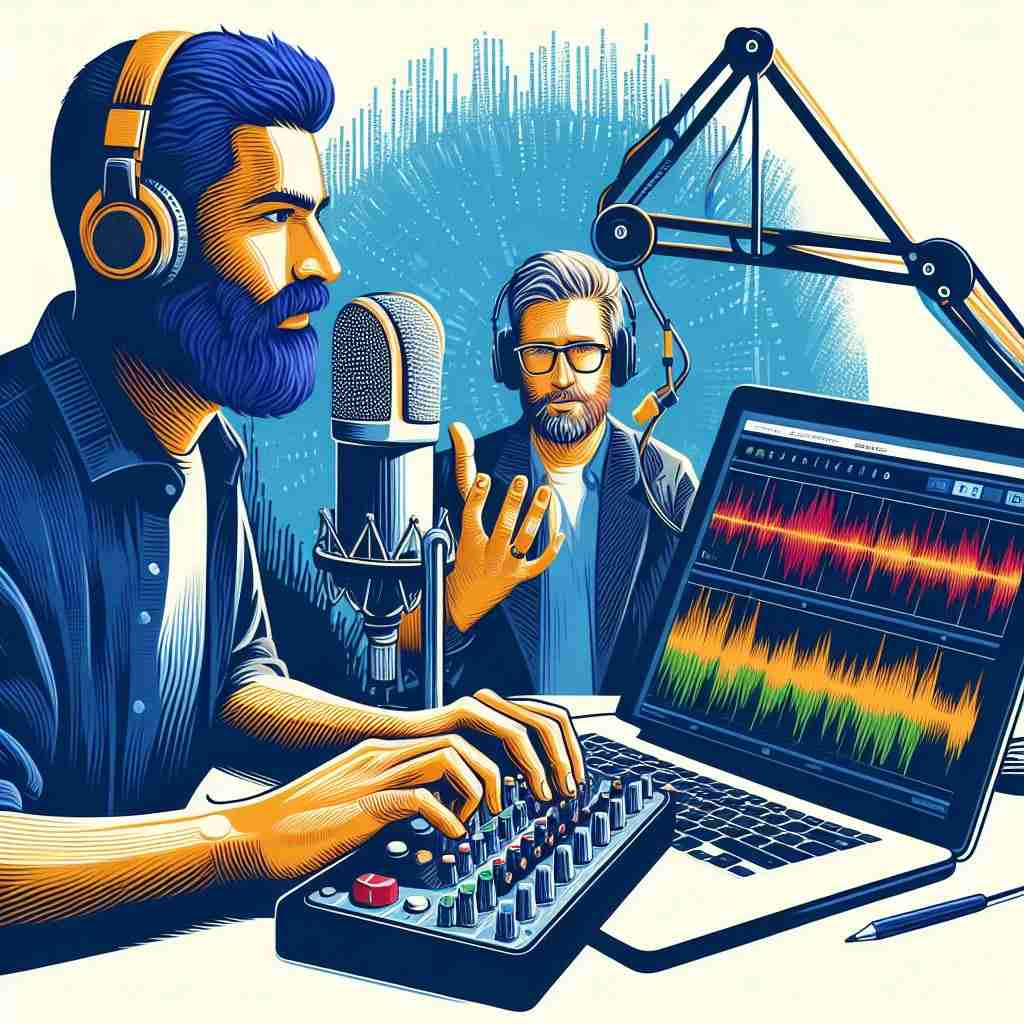
For those just starting out, the prospect of recording and editing a podcast can seem like staring down the barrel of a cannon. But fear not! There are plenty of user-friendly options out there that won’t leave you pulling your hair out. Audacity is a heavyweight champion in the realm of free software. It’s open source, incredibly versatile, and offers a simple interface that won’t intimidate even the most tech-averse among us. You can edit your audio tracks, eliminate background noise, and add effects with just a few clicks. It’s the kind of software that lets your creativity flow without drowning you in complexity.
Now, if you’re willing to spend a little coin, Adobe Audition could be worth your while. This beauty is a powerhouse for those who want more advanced features. It’s like upgrading from a bicycle to a motorcycle; you still get to where you’re going, but the ride is a whole lot more thrilling. With its multi-track editing capabilities and robust sound processing tools, this software gives serious podcasters a professional edge.
On the other end of the spectrum lies GarageBand, a perfect option for those in the Apple ecosystem. This intuitive software is designed for musicians but offers plenty of features for budding podcasters too. It’s straightforward, includes ready-made templates for easy setup, and even has a cheeky little selection of sound effects to spice up your narrative.
Whichever tool you choose, consider what you value most—simplicity, features, or even price. Remember, the goal is to create compelling content that resonates with your listeners. It’s not about having the fanciest software; it’s about conveying your passion for the subject matter. So, fire up your chosen program, embrace the learning curve, and before you know it, you’ll have created a podcast that others will want to tune into time and again. It’s time to get recording and let your voice be heard!

What Software Should I Use To Record And Edit My Podcast?
What Software Should I Use To Record And Edit My Podcast?
- Choosing podcasting software depends on various factors similar to selecting tools from a toolbox.
- Beginner-friendly options are available to ease the learning curve, such as Audacity.
- Audacity is free, open-source, versatile, and user-friendly for editing audio tracks.
- Adobe Audition offers advanced features suitable for more serious podcasters willing to invest.
- GarageBand is ideal for Apple users, providing an intuitive interface and features beneficial for podcasters.
- Consider simplicity, features, and price when selecting the right software for your needs.
- The focus should be on creating compelling content and expressing passion, rather than using the fanciest tools.
What Software Should I Use To Record And Edit My Podcast?
How Can I Make My Podcast Stand Out In A Crowded Market?
In an age where the digital landscape is more saturated than a wet sponge, creating a podcast that cuts through the noise is no small feat. But don’t let that discourage you; it’s all about authenticity and a touch of grit. If you want your podcast to grab attention, you need to remember a few key principles.
First and foremost, embrace your unique voice. The market is chock-full of voices vying for the same audience, and many sound eerily similar. Dig deep into your experiences, opinions, and passions. What do you bring to the table that no one else does? Whether it’s an insightful perspective on a niche topic or a storytelling style that can paint stories in vibrant colors, using your individuality in your podcast will give it that particular flavor that can’t be replicated.
Next, focus on quality—both in content and production. Yes, I know, “content is king” is a tired adage, but it holds water. The conversations, the topics, the guests—all must be crafted with care. Dive into subjects that spark your curiosity, and that you believe listeners will find riveting. This is where your preparation comes into play; research your subjects and guests thoroughly. Be the host who knows his stuff but also has a penchant for humor or storytelling. This combination will help create a connection that keeps listeners coming back.
Now, let’s talk about engagement. The beauty of a podcast lies not just in the monologues we deliver but in the connection we forge with our audience. Encourage feedback, ask questions, and invite listeners to participate in shaping the content. Creating a sense of community around your podcast can transform it from just audio content into a shared experience.
Lastly, don’t shy away from promoting your podcast, but do so with humility. Share your episodes on social media, collaborate with other podcasters, and utilize grassroots marketing techniques that resonate with your audience. Authentic outreach, rather than hot air that sounds like a sales pitch, can engage potential listeners in a meaningful way.
Remember, standing out in a crowded market isn’t about shouting the loudest; it’s about resonating deeply and creating a space where people feel valued. So strap in, get ready to put in the work, and let your passion shine through. The world needs more original voices—yours could be next.

How Can I Make My Podcast Stand Out In A Crowded Market?
How Can I Make My Podcast Stand Out In A Crowded Market?
- Creating a distinctive podcast requires authenticity and effort.
- Embrace your unique voice by sharing your experiences, opinions, and passions.
- Focus on quality content and production, ensuring topics spark curiosity.
- Thoroughly research subjects and guests to enhance engagement and storytelling.
- Encourage audience participation and feedback to foster community.
- Promote your podcast effectively but humbly, using authentic outreach strategies.
- Strive to resonate with listeners rather than simply shouting to be heard.

How Can I Make My Podcast Stand Out In A Crowded Market?
What Are Some Effective Ways To Promote My Podcast?
So you’ve got a podcast, and it’s brilliant—at least in your view. But how do you get those gems of insight and comedy out into the wild where they can be heard? Promoting a podcast isn’t just about shouting into the void; it’s about crafting a strategic approach that connects you to your audience.
First off, leverage social media. Sounds cliché, right? But consider it your digital megaphone. You’ve got platforms like Instagram, Twitter, and Facebook—each offering unique avenues to engage with potential listeners. Craft eye-catching posts that showcase your episode highlights or behind-the-scenes moments. Think of it as a sneak preview, a trailer to your audio blockbuster. Use appropriate hashtags and tag relevant individuals or brands when you can; you just might catch a bigger fish this way.
Next, tap into the power of cross-promotion. Find other podcasters within your niche and strike a deal. You help each other out by guest appearances, shout-outs, or even dedicated episodes. When your voices resonate together, your audiences broaden. Collaboration not only exposes your podcast to new listeners but also builds a community around shared interests.
Don’t ignore traditional methods—yes, I’m talking about good old word-of-mouth. Start by sharing your podcast with friends, family, and professional networks. Encourage them to do the same. You’d be amazed at how quickly news can travel when people are genuinely enthusiastic about what you’ve created. A personal recommendation can be the most influential sales tool you have.
Then there’s the magic of email marketing. Establish a mailing list where you can share episode updates, special content, or exclusive behind-the-scenes insights. Craft attention-grabbing subject lines and content that gets your audience engaged. Remember, your aim is to create anticipation and keep them coming back for more.
Lastly, never underestimate the power of creating compelling visuals. Design captivating cover art, and use video snippets or audiograms as promotional tools. A well-placed clip can give potential listeners a taste of the fun or knowledge they’ll experience.
In a world overflowing with content, it’s imperative to be resourceful. Use every tool at your disposal, from digital platforms to personal connections, and watch your podcast grow wings. Embrace the journey, and let your voice be heard loud and clear!

What Are Some Effective Ways To Promote My Podcast?
What Are Some Effective Ways To Promote My Podcast?
- Promoting a podcast requires a strategic approach to connect with the audience.
- Utilize social media platforms (Instagram, Twitter, Facebook) to promote episodes and engage with potential listeners.
- Engage in cross-promotion with other podcasters in your niche through collaborations like guest appearances and shout-outs.
- Leverage word-of-mouth marketing by sharing your podcast with friends, family, and professional networks.
- Create an email marketing strategy by establishing a mailing list to share updates and exclusive content.
- Develop compelling visuals, such as captivating cover art and promotional video snippets or audiograms.
- Be resourceful and use various tools and connections to enhance visibility and grow your podcast audience.

What Are Some Effective Ways To Promote My Podcast?
Conclusion
Alright, folks, here we are at the finish line—a place where your podcasting journey can begin in earnest. If you’ve been sitting on the idea of starting a podcast, now’s the time to gear up and take action. This isn’t about complex setups or waiting for the perfect conditions; this is about taking those leap-of-faith strides today, guided by your passion for a subject that keeps you up at night, bubbling over with excitement.
First things first: find your niche. What’s that one topic that gets your heart racing or makes you light up when discussing it over dinner? From birdwatching to tech trends, honing in on what makes you tick is crucial. People are drawn to genuine enthusiasm, and it’s your unique flair that will set you apart in a crowded audio landscape.
Next, sketch out a plan. You don’t need to write a novel; an outline can keep you on track while allowing your creativity to flow. Think about the main points you want to cover. And let’s not overlook gear. Start with the essentials—a decent USB microphone, some headphones, and reliable recording software like Audacity or GarageBand. You’d be surprised at how far you can go without spending half your paycheck on fancy equipment.
As you set out to record, find a quiet corner in your home—be it a laundry room or cozy nook. Record a few practice episodes to get a feel for the process. Don’t skip the editing phase; it’s where you sculpt your raw audio into something polished and engaging. This part is essential—tighten up those gaps and stumbles and don’t shy away from cutting out anything that detracts from your story—unless it’s a good, laugh-out-loud blooper.
Finally, cast your line into the vast sea of potential listeners! Use social media to share your journey, connect with your audience, and promote your episodes. And remember, this isn’t just about adding voices to the universe—it’s about crafting a community. Take the plunge, engage, and see who swims along with you.
So, roll up those sleeves and dive into podcasting. You don’t have to be perfect; you just have to be you. Get out there, share your passion, and enjoy the ride. The world is waiting for your voice.

Conclusion
Conclusion:
- Start your podcasting journey now by acting on your passion, regardless of perfection.
- Identify your niche by focusing on the topic that excites you the most.
- Create a simple outline to guide your episodes while allowing creative flow.
- Invest in basic recording gear, such as a USB microphone and recording software (e.g., Audacity or GarageBand).
- Record practice episodes in a quiet space and edit to enhance audio quality.
- Engage with listeners on social media to build a community around your podcast.
- Embrace the journey of podcasting by being authentic and sharing your voice.

Conclusion
Other Resources

Other Resources
Here is a list of other resources you can review online to learn more:
- Social Sales Link
- WordPress
- Discord
- Alitu
- Pocket Casts
- Adobe Audition
- Patreon
- Deezer
- AntennaPod
- Google Business Profile
Use This Prompt To Get More Resources With Your Favorite Online AI Tool: Please provide me with a list of online articles with their URLs in a bulleted list that I can read regarding What Steps Can You Take Today to Launch Your Podcast Journey?

Other Resources
Glossary Terms
What Steps Can You Take Today to Launch Your Podcast Journey? – Glossary Of Terms
1. Podcast: A digital audio program available for streaming or download, often focused on specific topics or themes.
2. Host: The individual or group that presents and produces the podcast content, guiding discussions and interactions.
3. Format: The structure or style of the podcast, which could include interviews, narratives, roundtable discussions, or solo presentations.
4. Episode: An individual installment of a podcast, typically focusing on a specific topic or guest.
5. Editing: The process of refining audio content, removing mistakes, improving sound quality, and adding elements like music or sound effects.
6. Microphone: A crucial piece of equipment used to capture the host’s and guests’ voices clearly and professionally.
7. Hosting Platform: A service that stores and distributes podcast episodes to various platforms and directories (e. g. , Apple Podcasts, Spotify).
8. RSS Feed: A web feed that allows podcast hosting platforms to distribute episodes automatically to subscribers.
9. Sound Quality: The clarity and richness of audio recordings, essential for listener engagement and enjoyment.
10. Artwork: The visual representation of the podcast, often displayed on platforms and in directories, creating the first impression for potential listeners.
11. Niche: A specific topic or audience that the podcast targets, helping differentiate it from others.
12. Launch: The act of officially making a podcast available to the public, often marked by the release of initial episodes.
13. Promo: A promotional segment or advertisement for another podcast or product, often included within episodes.
14. Sponsorship: An agreement where brands provide financial support in exchange for advertising within the podcast.
15. Interview: A podcast format where the host converses with guests to share insights and stories related to the podcast’s theme.
16. Script: A written outline or detailed text used to guide discussions, ensuring coverage of key points during recording.
17. Transcription: The written version of the podcast episode, making content accessible and improving SEO for discoverability.
18. Audience Engagement: Efforts to connect with listeners through social media, emails, and interactive content to build a loyal community.
19. Social Media: Platforms such as Twitter, Instagram, and Facebook that can promote the podcast and engage with listeners.
20. Release Schedule: The planned timeline for releasing new episodes, which can create anticipation and regularity for listeners.
21. Listener Feedback: Comments and suggestions provided by the audience, helping to shape future content and improve the show.
22. Monetization: The process of generating revenue from the podcast through methods like sponsorships, merchandise sales, or crowdfunding.
23. Networking: Building relationships with other podcasters and professionals in the industry to share resources and gain exposure.
24. Audio Editing Software: Programs like Audacity or Adobe Audition used to edit and enhance audio recordings.
25. Launch Strategy: A plan outlining how to promote the podcast lead-up to its launch, including marketing and outreach efforts.
26. Podcast Directory: Online platforms that aggregate and list podcasts for users to discover, such as Apple Podcasts or Spotify.
27. Call to Action (CTA): A prompt encouraging listeners to take a specific action, like subscribing, leaving a review, or sharing the podcast.
28. Bumper: Short audio segments that introduce or transition between different parts of the podcast, enhancing flow.
29. Audio Branding: Unique sound elements, such as theme music or jingles, that give the podcast a distinct auditory identity.
30. Podcast Analytics: Metrics and data that track listener behavior and engagement, helping creators understand their audience and improve content.

Glossary Of Terms
Other Questions
What Steps Can You Take Today to Launch Your Podcast Journey? – Other Questions
If you wish to explore and discover more, consider looking for answers to these questions:
- What should I consider when choosing a podcast hosting platform?
- How do I handle potential legal issues or copyright concerns with my podcast?
- What strategies can I use to keep my audience engaged over time?
- How can I monetize my podcast effectively?
- What types of promotional materials should I create for my podcast?
- How can I improve my podcasting skills over time?
- What are the best practices for interviewing guests on my podcast?
- How do I create an interesting podcast intro and outro?
- What metrics should I track to understand my podcast’s performance?
- How can I gather listener feedback to improve my podcast?

Other Questions
Haiku
What Steps Can You Take Today to Launch Your Podcast Journey? – A Haiku
Launch your podcast,
Find your voice and share your truth,
Connect, grow—enjoy!

Haiku
Poem
What Steps Can You Take Today to Launch Your Podcast Journey? – A Poem
In the world of sound, with a voice to share,
A podcast awaits, let’s prepare with care.
First, find your niche, that spark in your soul,
A passion to ignite, a story to unroll.
Sketch out a plan, with points to discuss,
Keep it grounded, avoid the “umm” and fuss.
Gear up with basics, no need to spend vast,
Just a USB mic, and your dreams can amass.
Seek a quiet space, where thoughts can flow,
Practice a few times, let your confidence grow.
Edit with finesse, refine your audio art,
Slice out the stumbles, let the magic start.
Now share with the world, engage and connect,
Build a community, give your voice respect.
Create your first episode from passion you wield,
Invite listeners in, let curiosity yield.
To find your audience, be astute, be sly,
Research, engage, let connections fly.
Gaps in the market, let them be your guide,
With tailored content, let your uniqueness shine.
Craft a schedule that suits your own pace,
Flexibility reigns in this creative space.
Think weeks ahead, but stay open and free,
A balance of planning and spontaneity.
Choose your software, let the choice be wise,
From Audacity’s ease to Adobe’s surprise.
With quality in mind, let your story unfold,
In a sea of the same, let your voice be bold.
Promote your endeavor, let the world take note,
Social media’s power, let your message float.
Cross-promote, share, and embrace the word,
In the vast podcasting sky, let your vision be heard.
So, roll up your sleeves, let the journey commence,
With passion, authenticity, and a touch of suspense.
Your podcast is waiting, a canvas to fill,
Dive into the sound, let your dreams fulfill.

Poem
Checklist
What Steps Can You Take Today to Launch Your Podcast Journey? – A Checklist
1. Identify Your Niche
_____ Reflect on your passions and interests.
_____ Consider topics you can talk about for hours.
_____ Research existing podcasts in the niche to find your unique angle.
2. Plan Your Content
_____ Create a rough outline of your first few episodes.
_____ Identify key points to cover in each episode.
_____ Allow room for spontaneity within your outline.
3. Gather Your Equipment
_____ Purchase a quality USB microphone.
_____ Get closed-back headphones for monitoring audio.
_____ Choose recording software (e. g. , Audacity, GarageBand).
_____ Optional: Get an audio interface or mixer for multiple speakers.
4. Create a Recording Space
_____ Find a quiet area to record (consider using blankets and pillows).
_____ Test for background noise and distractions.
_____ Record a few practice episodes to assess sound quality.
5. Edit Your Episodes
_____ Get familiar with your chosen editing software.
_____ Remove awkward pauses, stutters, and unwanted noises.
_____ Add music or sound effects if desired.
6. Develop a Promotion Strategy
_____ Utilize social media platforms to share your episodes.
_____ Network with other podcasters for cross-promotional opportunities.
_____ Create a mailing list for updates and exclusive content.
_____ Design eye-catching promotional materials (cover art, audiograms).
7. Engage with Your Audience
_____ Identify your target audience.
_____ Gather feedback and suggestions from listeners.
_____ Incorporate audience interests into your episodes when possible.
8. Establish a Podcasting Schedule
_____ Determine how much time you can dedicate each week to podcasting.
_____ Plot out recording and editing sessions in your calendar.
_____ Adjust your schedule as necessary to accommodate life changes.
9. Launch Your Podcast
_____ Choose a podcast hosting platform.
_____ Upload your episodes and set up your podcast feed.
_____ Announce your launch date on social media and to your mailing list.
10. Monitor and Adapt
_____ Gather analytics on your podcast’s performance (downloads, listener demographics).
_____ Adjust your content and promotion strategies based on listener feedback.
_____ Stay flexible and keep evolving your podcast.
Bonus Tips
_____ Stay Authentic: Let your personality shine through—listeners love genuine content!
_____ Keep Learning: Continuously seek resources to improve your podcasting skills.
Take these actionable steps to kickstart your podcasting journey and let your voice be heard! Happy podcasting!

Checklist
At PodcastBig, we help people who want to learn about podcasting by collating information and news about podcasting.
Be sure to read our other related stories at PodcastBig to learn more about podcasting.