

Podcasting 101: Avoiding Senior Slip-Ups
By Tom Seest
At PodcastBig, we help people who want to learn about podcasting by collating information and news about podcasting.
Be sure to read our other related stories at PodcastBig to learn more about podcasting.
What Mistakes Should Seniors Avoid When Starting a Podcast?
Starting a podcast can be an exciting venture, especially for seniors eager to share their stories, expertise, or hobbies with the world. However, as thrilling as the idea might be, there are a few common pitfalls that should be avoided to ensure your journey starts off on the right foot.
First and foremost, don’t underestimate the power of planning. Too many aspiring podcasters jump in headfirst, eager to hit that record button without a clear idea of what they want to achieve. It’s crucial to define your niche and establish a goal for your podcast from the get-go. Failing to do so can lead to a directionless show that may confuse your listeners more than it engages them.
Next, let’s talk about equipment. While today’s technology makes it tempting to start with whatever you have on hand, don’t use that old Windows computer as an excuse. Invest in a decent microphone. Trust me, a good-quality audio experience enhances the listener’s enjoyment and reflects your commitment to producing a professional podcast. Shoddy audio can turn off listeners faster than you can say “hobbyist.”
Another mistake seniors often make is underestimating the importance of editing. Sure, podcasts are crafted in the spirit of authenticity, but that doesn’t mean you should post every “um” and “ah.” The beauty of editing is in the polish it adds—cutting out unnecessary fluff can make your podcast much more engaging. Don’t consider editing a chore; think of it as an essential step in the crafting process.
Moreover, don’t overlook the significance of promotion. Just because you’ve uploaded your podcast doesn’t mean people will listen. Utilize social media platforms to get the word out about your new show. Share clips, brainstorm eye-catching promotional materials, and engage with potential listeners. The more you promote, the wider your reach will be, and the more rewarding your efforts will be.
Lastly, avoid the temptation to compare your podcast to others. Each show has its unique flavor and audience. Instead of fixating on the success of popular podcasts, focus on building a community that resonates with your content.
Starting a podcast should be a joyful process. By steering clear of these common mistakes, not only will you prevent unnecessary headaches, but you’ll also set the stage for what could become a cherished outlet for sharing your voice. Embrace the journey and remember—your stories matter!

What Mistakes Should Seniors Avoid When Starting a Podcast?
What Mistakes Should Seniors Avoid When Starting a Podcast?
- Starting a podcast can be a fulfilling experience for seniors wanting to share their stories and hobbies.
- Planning is essential; define your niche and goals to avoid a directionless podcast.
- Invest in quality equipment, particularly a good microphone, to enhance the listening experience.
- Edit your content to remove unnecessary filler; editing adds polish and engagement to your podcast.
- Promote your podcast actively on social media to expand your audience and reach more listeners.
- Avoid comparing your podcast to others; focus on creating unique content for your community.
- Enjoy the process of podcasting and remember that your stories are valuable.

What Mistakes Should Seniors Avoid When Starting a Podcast?
Table Of Contents
- What Mistakes Should Seniors Avoid When Starting a Podcast?
- What Common Technical Issues Do Seniors Face In Podcasting?
- How Can Seniors Choose The Right Equipment For Podcasting?
- What Are The Biggest Content Mistakes Seniors Make In Podcasts?
- How Can Seniors Improve Their Speaking And Storytelling Skills?
- What Are Effective Ways For Seniors To Market Their Podcast?
- How Can Seniors Stay Consistent With Their Podcast Episodes?
- What Legal Issues Should Seniors Be Aware Of When Podcasting?
- Conclusion
- Other Resources
- Glossary Of Terms
- Other Questions
- Haiku
- Poem
- Checklist
What Common Technical Issues Do Seniors Face In Podcasting?
In the vibrant world of podcasting, where voices come alive and stories are spun, there’s a critical demographic that often finds themselves on the sidelines: seniors. With a growing passion for sharing their experiences and insights, many older adults are eager to step into the podcast arena. However, they frequently encounter a roadblock or two along the way. Let’s unravel some of the common technical issues that seniors may face in podcasting, emphasizing the importance of patience and a willingness to learn.
First off, let’s talk about the hardware. Many seniors are unaccustomed to the gadgets that make podcasting possible. USB microphones, sound mixers, and audio interfaces can look like space-age contraptions to those who’ve spent the majority of their lives revving up tape decks. Even deciphering the difference between a mixer and an interface requires a level of tech-savviness that some might lack. The learning curve is steep, and navigating through manuals can feel like deciphering ancient hieroglyphics.
Next, there’s the all-important question of software. Podcasting usually involves a variety of applications for recording and editing audio. Programs like Audacity or GarageBand are essential, but for seniors not well-versed in technology, these can be as daunting as climbing Mount Everest. The interface may be filled with buttons and features that seem nebular, leading to frustration and confusion. Without the right guidance, many might find themselves staring at the screen, overwhelmed and unsure of where to click next.
Additionally, a common hurdle lies in managing file formats and upload processes. Seniors often run into complications when saving their recordings in the correct format for their preferred podcast platforms. Whether it’s MP3, WAV, or something else, the technical jargon can be intimidating and lead to wasted hours of hard work ending up unused.
Last but not least, let’s not forget about connectivity issues. Just when they’ve finally figured out how to record their first episode, they may encounter buffering or dropping connections which can derail the entire production. It’s enough to make anyone want to throw in the towel.
These technical issues may sound daunting, but with the right support and encouragement, seniors can tackle them head-on. Just like any worthwhile endeavor, podcasting requires a dose of perseverance. They have stories to tell, and with a little help, they’ll be echoing through our headphones in no time. Embrace the challenge, and let those voices ring out!

What Common Technical Issues Do Seniors Face In Podcasting?
What Common Technical Issues Do Seniors Face In Podcasting?
- Many seniors are eager to share their experiences through podcasting.
- Seniors often struggle with unfamiliar podcasting hardware, such as USB microphones and sound mixers.
- The steep learning curve for understanding podcasting gear can be overwhelming for older adults.
- Podcasting software like Audacity and GarageBand presents challenges for seniors not familiar with technology.
- Managing file formats and upload processes can lead to confusion and wasted efforts for seniors.
- Connectivity issues, such as buffering, can disrupt the podcasting experience for older adults.
- With support and encouragement, seniors can overcome these challenges and successfully share their stories.

What Common Technical Issues Do Seniors Face In Podcasting?
How Can Seniors Choose The Right Equipment For Podcasting?
So, you’ve decided to dive into the world of podcasting. Congratulations! Whether you’re sharing stories from a long-lived life or discussing topics that matter to you, this can be a gratifying venture. But before you find yourself knee-deep in audio gear, let’s break down the essentials and navigate through the sometimes-confusing landscape of podcasting equipment designed especially for you—our fabulous seniors!
First things first, let’s clarify what kind of podcast you want to create. Are you interested in interviews, storytelling, or just good old-fashioned ramblings about your favorite hobbies? The format will dictate the type of gear you need. For instance, if you’re planning on having guests, investing in multiple microphones is a must. But if it’s just you, a solid USB microphone will be your best friend.
Now, when we talk microphones, don’t let the tech jargon scare you off. Look for something user-friendly, preferably a dynamic mic, which will help focus on your voice and minimize background noise. A popular choice is a USB mic that connects directly to your computer—perfect for those who prefer a straightforward setup that doesn’t involve a degree in audio engineering just to get going.
Next on the list is something a bit more involved: audio interfaces and mixers. These aren’t always necessary for beginners, but they can offer flexibility down the road if you find yourself needing more control over your sound. If you’re feeling adventurous, a USB audio interface allows you to hook up professional-grade mics while giving you the option to adjust levels.
Let’s not forget about headphones! A good pair will ensure you hear yourself clearly without any distracting feedback. Look for over-ear headphones with good sound isolation; they don’t need to cost a fortune, but you’ll appreciate the comfort during those longer recording sessions.
Lastly, recording software can either make or break your podcasting journey. Look into programs like Audacity or GarageBand; both are user-friendly and packed with everything you need to produce a stellar podcast without needing to become a tech whiz overnight.
So there you have it: a straightforward guide to getting started with podcasting gear. Just remember, the most important equipment is your passion and your voice. Happy podcasting!

How Can Seniors Choose The Right Equipment For Podcasting?
How Can Seniors Choose The Right Equipment For Podcasting?
- Congratulations on deciding to start podcasting, a gratifying venture for sharing stories or discussing topics that matter to you.
- Clarify your podcast format (interviews, storytelling, or hobby discussions) to determine the necessary equipment.
- Invest in multiple microphones for guest interviews; a solid USB microphone is ideal for solo podcasts.
- Choose user-friendly microphones like dynamic mics that minimize background noise and are easy to set up.
- Consider audio interfaces and mixers for more control over sound as you gain experience in podcasting.
- A good pair of over-ear headphones with sound isolation is essential for hearing yourself clearly during recordings.
- Use beginner-friendly recording software like Audacity or GarageBand to produce your podcast without needing extensive technical skills.

How Can Seniors Choose The Right Equipment For Podcasting?
What Are The Biggest Content Mistakes Seniors Make In Podcasts?
When it comes to crafting a podcast that resonates, seniors often face unique challenges that can lead to some common missteps. Despite their wealth of life experience, many older podcasters fall into traps that can dilute their message, alienate their audience, and dampen their passion for the medium. Let’s break down some of those pitfalls.
First up, there’s the tendency to overprepare. Sure, preparation is essential, but there’s a fine line between being informed and sounding like a textbook. When you load your podcast with too much information, it can feel stilted and dry—more of a lecture than a conversation. Remember, folks tune in to podcasts for the personal touch, not to feel like they’re back in a stuffy classroom.
Next, let’s consider the topic choice. Seniors have a treasure trove of experiences, yet many struggle to find a niche that feels genuine to them. Too often, they try to replicate what they think will sell rather than what they’re genuinely passionate about. Authenticity is key in the podcasting world, and audiences can sniff out insincerity quicker than a cat can lick its paws. Focus on what you love, what moves you, and your listeners will naturally be drawn in.
Another area of concern is the format and structure of the podcast. Many seniors tend to create episodes that are too long, thinking more content equals more value. In reality, most folks are short on time and attention. A 20-minute episode packed with insightful commentary is far more engaging than an hour-long ramble that meanders through unrelated topics.
Then there’s the issue of technology. While embracing new tools is essential, some seniors can get overwhelmed by the array of podcasting tech available today. Trying to master every piece of equipment can lead to a situation where the technical side overshadows the content. Remember, your voice and story are what matters most. Prioritize clarity and good audio quality, and don’t let the equipment take center stage.
Finally, you can’t ignore the importance of promotion. Many seniors assume if they build it, listeners will come. But in reality, sharing your podcast and engaging with your audience is what builds your listener base. Use social media, engage in community discussions, and don’t hesitate to reach out to fellow podcasters. Connecting with others is vital.
While podcasting presents a fantastic outlet for seniors, avoiding these common mistakes can mean the difference between merely recording your thoughts and creating a truly impactful listening experience. So, hit that record button with confidence and share your unique voice!

What Are The Biggest Content Mistakes Seniors Make In Podcasts?
What Are The Biggest Content Mistakes Seniors Make In Podcasts?
- Seniors face unique challenges in podcasting that can dilute their message and alienate audiences.
- Overpreparing is a common misstep; aim for a conversational tone rather than a lecture-like delivery.
- Finding a genuine topic is crucial; focus on personal passion instead of trying to replicate popular trends.
- Aim for concise episodes; shorter, insightful content is often more engaging than longer, unfocused talks.
- Don’t let technology overwhelm you; prioritize clarity and audio quality over mastering every tool available.
- Promotion is essential; engage with your audience and connect through social media and community discussions.
- Successfully navigating these pitfalls can enhance the impact of podcasts for seniors, making their voices heard.

What Are The Biggest Content Mistakes Seniors Make In Podcasts?
How Can Seniors Improve Their Speaking And Storytelling Skills?
Let’s face it: the art of storytelling is in our DNA. From the time we were kids, we’ve gathered around campfires and kitchen tables, spinning yarns that made us laugh, cry, and think. But as the years roll on, some folks may find their voices fading into the background. Fear not! There are plenty of ways for seniors to polish those speaking and storytelling skills. Let’s dive in.
First off, one of the simplest ways to get started is by practicing in informal settings. Grab a friend or family member and share a few of your favorite stories. Don’t limit yourself to what you think everyone wants to hear; talk about your triumphs, failures, and those quirky moments that leave people scratching their heads. A listener’s laughter is the best affirmation, and these sessions provide a comfortable atmosphere to hone your delivery.
Next, consider utilizing technology. Podcasts have exploded in popularity, and they offer a fantastic opportunity for seniors to share their experiences and expertise. If you’ve got tales to tell, why not create a podcast? The beauty of podcasts lies in their spontaneity—a platform for you to reach audiences far and wide, all while refining your speaking skills. Don’t hesitate to record yourself; listen back, and learn. You’ll quickly discover which stories resonate and how to enhance their impact.
Moreover, taking a public speaking class can be tremendously beneficial. These courses often foster a supportive environment where seniors can practice speaking in front of an audience without judgment. They teach essential techniques, like managing anxiety and engaging listeners. Remember, even seasoned speakers can be a bit nervous. It’s all part of the process!
Another valuable tip is to immerse yourself in well-crafted narratives. Read books, listen to audiobooks, or even attend live storytelling events. Pay attention to what makes those stories effective. Is it the pacing? The emotional hook? Recognizing these elements will enable you to integrate them into your own style.
Lastly, don’t shy away from feedback. Whether it’s from friends, family, or even your burgeoning podcast audience, constructive criticism can be a keystone for improvement. Embrace it, learn from it, and watch your storytelling prowess soar.
So there you have it. Speaking and storytelling are skills that can only get better with practice, patience, and a willingness to share your unique experiences. With a little effort, the stage is yours. Go on, captivate an audience!

How Can Seniors Improve Their Speaking And Storytelling Skills?
How Can Seniors Improve Their Speaking And Storytelling Skills?
- Storytelling is an innate part of human culture, enjoyed since childhood.
- Practice storytelling in informal settings with friends or family to build confidence.
- Utilize technology, like podcasts, to share experiences and refine speaking skills.
- Consider taking public speaking classes for techniques and a supportive environment.
- Immerse yourself in well-crafted narratives through reading, audiobooks, or live events.
- Seek constructive feedback from others to improve your storytelling abilities.
- With practice and patience, anyone can enhance their speaking and storytelling skills.

How Can Seniors Improve Their Speaking And Storytelling Skills?
What Are Effective Ways For Seniors To Market Their Podcast?
Alright, let’s talk doughnuts. No, not the tasty kind, but the sweet kind of opportunity that comes with having your own podcast. Now, if you’re a senior trying to get your voice out there in the vast ocean of the internet, you’re going to need more than just a cool mic and an engaging topic. You need a strategy! So, strap in, folks. Here are some effective ways for seniors to market their podcast.
First up, leverage the power of social media. It’s not just for the youngsters anymore. Platforms like Facebook and Twitter are perfect for sharing snippets, behind-the-scenes content, and even showcasing highlights from your podcast. Consider joining groups specific to your interests. Maybe you’re discussing gardening or classic movies; find those communities and engage. They’re like ripe apples dangling from a tree, just waiting for you to grab them!
Next, don’t shy away from collaborating. Reach out to fellow podcasters, especially those who cater to the same audience. Whether it’s a friendly chat where you guest on each other’s shows or a simple promotional shout-out, collaboration can bring in fresh listeners who might just become your new biggest fans. It’s like getting a key to someone else’s house—suddenly, you have access to a whole new set of ears.
If you’ve got a knack for writing, consider starting a blog or contributing articles to other platforms. Share insights from your podcast episodes, offer tips, or pen down personal stories. A well-placed article can pique interest and direct readers back to your show. After all, who wouldn’t want to hear the voice behind the words they just read?
Another effective way to market your podcast is by utilizing email newsletters. If you don’t have a website yet, consider creating a simple sign-up sheet to build a mailing list. Regular updates, episode announcements, and personal anecdotes can help establish a more personal connection with your audience. It’s like inviting them into your living room for a cup of coffee, sharing a good chat about the things that matter most.
Lastly, remember to ask for feedback. Encourage your listeners to leave reviews and ratings. This not only boosts your podcast’s visibility in crowded platforms but creates a community. When people feel heard, they’re more likely to stick around and spread the word.
So there you have it! With a sprinkle of creativity and a dash of determination, seniors can carve out their place in the podcasting world. Now, get out there and start sharing your stories!

What Are Effective Ways For Seniors To Market Their Podcast?
What Are Effective Ways For Seniors To Market Their Podcast?
- Podcasting presents a unique opportunity for seniors seeking to share their voice online.
- Utilize social media platforms like Facebook and Twitter to share content and engage with niche communities.
- Collaborate with fellow podcasters to reach new audiences through guest appearances and promotional crossovers.
- Consider starting a blog or contributing articles to build interest and direct readers to your podcast.
- Create an email newsletter to keep your audience informed and foster personal connections.
- Encourage listeners to provide feedback through reviews and ratings to enhance visibility and build a community.
- A blend of creativity and determination can help seniors successfully establish themselves in the podcasting space.

What Are Effective Ways For Seniors To Market Their Podcast?
How Can Seniors Stay Consistent With Their Podcast Episodes?
When it comes to staying consistent with podcast episodes, especially for seniors who are navigating the wild world of digital media, it’s all about strategy, discipline, and a sprinkle of good old-fashioned common sense. Now, producing a podcast can be as thrilling as it is daunting, but there are some tried-and-true methods that can ease the journey.
First off, let’s talk about planning. The backbone of any successful podcast is a solid content calendar. This isn’t just a fancy calendar—it’s your roadmap. Sit down and decide how often you want to release episodes. Weekly? Bi-weekly? Monthly? Choose a frequency that feels manageable, and stick with it. Consistency breeds familiarity, and familiarity breeds listeners. Remember, podcasting is not just about scattered thoughts; it’s about creating an expectation. Your audience will come to count on those episodes, so give them something to look forward to.
Next, embrace the power of batching. Recording multiple episodes in one go can save a heap of time and reduce the stress of scrambling last minute. Pick a day or two each month to sit down, script out your material, and hit record. This approach not only provides a buffer against unexpected life events but also allows for a deeper dive into topics when the creative juices are flowing. You might even find that you build momentum this way, making it easier to stay focused on your podcasting journey.
Don’t let technology intimidate you. Many seniors feel overwhelmed by the gears and gadgets of podcasting. But here’s a little secret: you don’t need top-of-the-line equipment to produce quality content. A simple setup with a decent microphone and user-friendly recording software can do the trick. Sometimes, the content matters more than the sound quality, especially in the early stages of your podcasting adventure.
Finally, engage with your audience. Ask for feedback, respond to comments, and build a community around your podcast. Feeling connected and responding to your listeners can serve as powerful motivation to stay consistent. It reminds you that your voice matters, and that’s the real reason we dive into podcasting in the first place.
So, take a deep breath, embrace your unique perspective, and let your voice shine. With some planning, batching, thoughtful use of technology, and audience engagement, you can turn your podcast into a reliable beacon of knowledge and entertainment—one episode at a time.

How Can Seniors Stay Consistent With Their Podcast Episodes?
How Can Seniors Stay Consistent With Their Podcast Episodes?
- Develop a solid content calendar to plan and schedule podcast episodes.
- Choose a release frequency that is manageable (weekly, bi-weekly, monthly).
- Batch record multiple episodes in one session to save time and reduce stress.
- Don’t be intimidated by technology; a simple setup can produce quality content.
- Focus on the content rather than high-end equipment in the early stages.
- Engage with your audience for feedback and build a community around your podcast.
- Embrace your unique perspective to create a compelling podcast experience.

How Can Seniors Stay Consistent With Their Podcast Episodes?
What Legal Issues Should Seniors Be Aware Of When Podcasting?
Diving into the world of podcasting can be as exhilarating as it is daunting, especially for seniors who might be navigating this digital frontier for the first time. Sure, you’ve got the voice, the stories, and possibly a wealth of life experience to share. But before you hit that record button, you need to familiarize yourself with some legal issues that could pop up faster than a pop quiz in a high school history class.
First off, let’s talk about copyright. Just because you love a catchy tune or an iconic sound effect doesn’t mean you can slap it on your podcast without permission. Music, images, and even certain scripts are protected by copyright laws. Infringing on these rights can land you in a heap of trouble, so it’s crucial to use royalty-free music or obtain licenses for anything you want to include in your podcast.
Next up, there’s the issue of privacy. If you’re planning to interview friends, family, or anyone else — maybe that neighbor down the street who just has the best stories — you need to be clear about what you’ll do with their voices and stories. Always get their consent before you hit the airwaves. Otherwise, you might find yourself on the receiving end of a rather uncomfortable conversation (or worse!).
Then there’s the question of defamation. If you’re going to dish on current events, politics, or even personal anecdotes involving others, be cautious. Making a statement that could harm someone’s reputation, even unintentionally, can lead to legal issues. Just remember: a healthy dose of truth and a pinch of respect can save you from a potential lawsuit.
Also, consider the potential for liability if you’re discussing sensitive topics like health, finance, or legal advice. Your opinions can influence listeners, and while sharing experiences can be enlightening, it’s wise to include disclaimers that your podcast isn’t a substitute for professional guidance. After all, nobody wants to be responsible for someone’s poorly thought-out investment because they took your musings too seriously.
Finally, keep your listener’s data secure. With the digital age comes the responsibility of protecting personal information. If you collect any data—like email addresses for a newsletter—ensure you’re compliant with privacy laws. Nobody wants to be the person who inadvertently exposes their audience to identity theft!
In short, while podcasting opens the door to creativity and connection, staying grounded in the legal landscape will ensure you can keep sharing those great tales for years to come. Keep your eyes wide open, and your legal ducks in a row, and you’ll be ready to hit those airwaves with confidence.
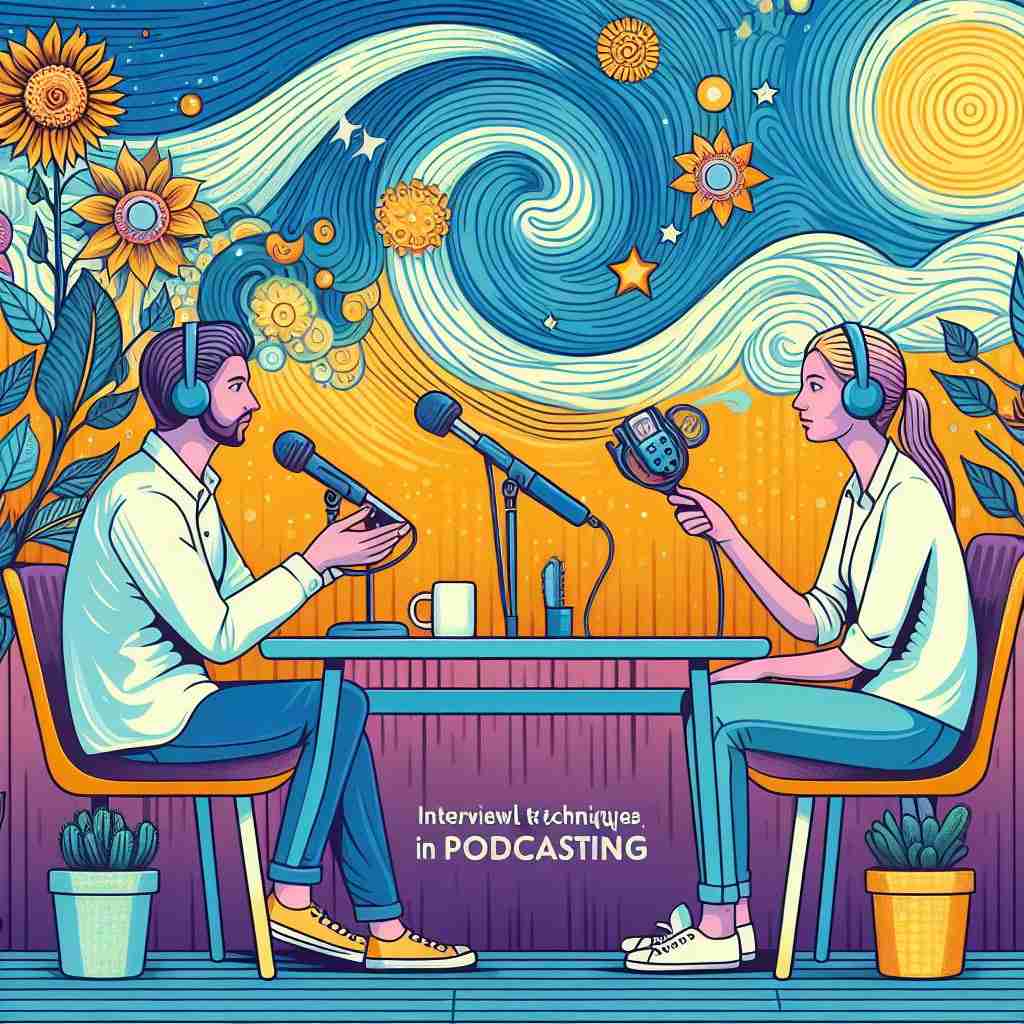
What Legal Issues Should Seniors Be Aware Of When Podcasting?
What Legal Issues Should Seniors Be Aware Of When Podcasting?
- Diving into podcasting can be exciting but daunting for seniors new to the digital space.
- Understanding copyright is essential; use royalty-free music or secure licenses for any media included.
- Obtain consent from individuals before featuring their stories or voices to respect their privacy.
- Be cautious about defamation; avoid making statements that could harm someone’s reputation.
- Include disclaimers for episodes discussing sensitive topics to avoid liability for professional advice.
- Protect listener data by complying with privacy laws when collecting personal information.
- Staying informed about legal issues is crucial for a successful and lasting podcasting experience.

What Legal Issues Should Seniors Be Aware Of When Podcasting?
Conclusion
Wrapping up our deep dive into the world of podcasting for seniors, let’s take a moment to reflect on the key insights we’ve gathered. Starting a podcast isn’t just about hitting that record button; it’s about embarking on a journey filled with potential pitfalls and exhilarating opportunities. Think of it as setting out on a road trip—without a map, you may find yourself lost in a sea of technical jargon and content missteps. First, channel the power of planning. Define your podcast’s niche and goals, because it’s easy to veer off course without a clear destination. Crafting a podcast with purpose will engage and retain listeners, transforming confused wanderers into loyal fans.
Let’s talk tech—invest in good equipment that enhances your audio quality. A decent microphone goes a long way, because poor sound can send listeners packing faster than you can say “unplugged.” And when it comes to content, it’s essential to strike the right balance. Keep things authentic and engaging, but don’t forget the magic of editing. Trim the “ums” and “ahs” to keep your audience hooked—polishing is not just for jewelry, folks; it’s essential for crafting captivating episodes!
Promotion is king, too! Don’t just upload and hope for the best. Leverage social media as if it were a trusty steed on this podcasting quest. Share snippets, connect with fellow podcasters, and don’t shy away from collaboration. Everyone loves a good shout-out, and teaming up can bring fresh eyes and ears to your work.
As you navigate issues with technology or learn how to refine your speaking skills, remember that practice makes perfect. Learn, adapt, and don’t discount the power of community feedback. Your stories are valuable, and sharing them will cultivate an audience that resonates with your voice.
Finally, stay aware of the legal landscape. Copyright, privacy, and liability are not just legal jargon—they’re the groundwork for a secure and successful podcasting experience. By understanding these elements, you can focus on what truly matters: sharing your unique voice with the world. So, whether you’re recounting tales of yesteryear or discussing your passions, remember this journey is about connection, growth, and expression. Grab that mic and let your voice ring out—you’ve got stories to tell, and there’s a world eager to listen!

Conclusion
Conclusion:
- Starting a podcast involves more than just recording; it’s a journey with potential challenges and opportunities.
- Planning is crucial; define your podcast’s niche and goals to engage and retain listeners.
- Invest in quality equipment, especially a good microphone, to ensure high audio quality.
- Maintain an authentic and engaging content balance, while utilizing editing to enhance episodes.
- Promote your podcast actively on social media and consider collaborating with other podcasters.
- Practice is essential; adapt, learn, and seek community feedback to improve your skills.
- Be aware of the legal aspects, such as copyright and privacy, to ensure a secure podcasting experience.

Conclusion
Other Resources

Other Resources
Here is a list of other resources you can review online to learn more:
Use This Prompt To Get More Resources With Your Favorite Online AI Tool: Please provide me with a list of online articles with their URLs in a bulleted list that I can read regarding What Mistakes Should Seniors Avoid When Starting a Podcast?

Other Resources
Glossary Terms
What Mistakes Should Seniors Avoid When Starting a Podcast? – Glossary Of Terms
1. Content Planning: The process of outlining the topics, episodes, and structure of your podcast to ensure consistency and relevance.
2. Editing: The process of refining audio recordings by cutting unwanted parts, enhancing sound quality, and adding music or effects.
3. Hosting Platform: A service that stores your podcast files and distributes them to listening platforms like Apple Podcasts and Spotify.
4. Audience: The group of people who listen to your podcast; understanding your audience is crucial for creating relevant content.
5. Technical Issues: Problems that arise with recording equipment, software, or internet connection that can interrupt or degrade podcast quality.
6. Schedule Consistency: Maintaining a regular release schedule (e. g. , weekly, bi-weekly) to build listener expectations and loyalty.
7. Overthinking Content: Becoming overly focused on perfection, which can delay or prevent completion of episodes; aims for progress over perfection.
8. Promotion: The act of marketing your podcast to attract listeners through social media, networks, and other platforms.
9. Microphone Quality: The importance of using a good quality microphone to ensure clear audio; poor audio can drive listeners away.
10. Niche: A specific topic or area of interest in your podcast; choosing a niche can help you attract a targeted audience.
11. Scripted vs. Unscripted: Deciding whether to follow a script for your episodes or speak spontaneously; each has its pros and cons.
12. Feedback: Comments and suggestions from listeners that can help you improve your podcast, relevant for growth and engagement.
13. Branding: Creating a recognizable image, logo, and style for your podcast that reflects its content and appeals to your audience.
14. Social Media Engagement: Interacting with listeners on platforms like Facebook, Twitter, or Instagram to build a community around your podcast.
15. Podcast Length: The duration of each episode; finding the right length is crucial for maintaining listener interest.
16. Episode Structure: The organization of each episode, including segments, introductions, main content, and conclusions.
17. Intro/Outro: The opening and closing segments of your podcast that establish tone and provide additional information about the show.
18. Cross-Promotion: Collaborating with other podcasters to promote each other’s shows; a great way to tap into new audiences.
19. Equipment Setup: The arrangement and configuration of recording tools, computers, and software necessary for producing a podcast.
20. Confusion with Terms: Being overwhelmed by podcasting jargon; familiarize yourself with common terms to navigate the process smoothly.
21. Post-Production: The phase after recording where editing, sound enhancement, and final touches are added to the episode.
22. Authenticity: Staying true to yourself and your message; genuine content resonates better with listeners.
23. DNP (Do Not Publish): Episodes or segments that are recorded but deemed unsuitable for publication due to quality or content issues.
24. Networking: Building professional relationships with other podcasters, interviewees, and industry professionals for mutual growth.
25. Call to Action (CTA): An encouragement for listeners to engage with your podcast, such as subscribing, leaving reviews, or sharing it with others.
26. Episode Titles: Crafting engaging and informative titles for episodes that pique listener interest and accurately reflect content.
27. Compression: Adjusting audio levels to ensure consistent volume and to eliminate sudden loud sounds or quiet parts.
28. Copyright Issues: Being aware of legal considerations regarding the use of music, clips, or third-party content in your podcast.
29. Isolation: The trap of running a podcast alone without seeking help from others; collaboration can enhance quality and reduce burnout.
30. Listening Analytics: Metrics that track how many people listen to your episodes, providing insight into what content is most popular and effective.

Glossary Of Terms
Other Questions
What Mistakes Should Seniors Avoid When Starting a Podcast? – Other Questions
If you wish to explore and discover more, consider looking for answers to these questions:
- What are the essential steps to begin a podcast for seniors?
- How can seniors effectively engage with their podcast audience?
- What are some tips for improving audio quality in podcasts?
- What resources are available for seniors to learn about podcasting?
- How can seniors monetize their podcasts?
- What are the best platforms for hosting a podcast?
- How can seniors choose the right podcasting software?
- What are common mistakes seniors make in podcast scripting?
- How can seniors overcome anxiety when recording their podcast?
- What should seniors know about podcast SEO?
- How can seniors collaborate with other podcasters effectively?
- What legal considerations should seniors keep in mind for content ownership?
- Are there specific podcast genres that are particularly popular among seniors?
- How can seniors track their podcast’s performance and audience growth?

Other Questions
Haiku
What Mistakes Should Seniors Avoid When Starting a Podcast? – A Haiku
Podcasting for seniors,
Plan, invest, and share your voice—
Avoid common blunders.

Haiku
Poem
What Mistakes Should Seniors Avoid When Starting a Podcast? – A Poem
In the twilight of our years, a voice begins to swell,
With stories rich in wisdom, like a treasured, timeless shell.
To podcast is to share, to connect, to narrate,
But heed these words of caution before you celebrate.
First, plan with great intention; define your chosen thread,
A niche can guide your journey, lest your audience be misled.
Invest in sound that’s steady, a mic that sings with grace,
For shoddy audio can turn your cherished dreams to waste.
Don’t shy away from editing, let your tales find their gleam,
A polished piece is worthy—this should be your dream.
Promotion is essential; shout your news from the white caps,
Share clips, engage the curious, bridge the silent gaps.
As you embark upon this, avoid the trap of strife,
Each voice is a unique note in the symphony of life.
Don’t overburden with knowledge, nor try to mimic the fame,
Your passion is your anchor; let authenticity reign.
With gadgets that bewilder, don’t let them cause despair,
Patience and some practice can lighten your burdens there.
If tech feels like a mountain, find a guide to help you climb,
You’ll conquer those hurdles; your stories will shine in time.
Craft your episodes with heart, maintain a steady flow,
Batch a few recordings; let your expertise grow.
Connect with your listeners; engagement is the key,
For in building community, your voice will fly free.
But watch for legal shadows that lurk just out of sight,
Copyrights and privacy hold potent, veiled might.
A disclaimer for the prudent, protecting your intent,
In this world of podcasting, it’s with guidance that you’re sent.
So open up your heart, dear seniors, take the leap,
Your stories matter greatly—bring forth what you keep!
Embrace this vibrant journey; share laughter, love, and strife,
The world is wide and waiting—podcast your rich life!

Poem
Checklist
What Mistakes Should Seniors Avoid When Starting a Podcast? – A Checklist
Planning and Preparation
_____ Define Your Niche: Determine the main focus or theme of your podcast.
_____ Set Clear Goals: Establish what you want to achieve with your podcast.
_____ Create a Content Calendar: Decide on a release schedule (weekly, bi-weekly, monthly).
Equipment
_____ Invest in Quality Gear:
_____ Purchase a user-friendly USB microphone.
_____ Consider headphones for better sound monitoring.
_____ If needed, explore USB audio interfaces or mixers.
_____ Research Recording Software: Get familiar with user-friendly applications like Audacity or GarageBand.
Recording and Editing
_____ Practice Before Recording: Share your stories with family or friends to refine your delivery.
_____ Aim for High Audio Quality: Avoid shoddy audio by ensuring your recording environment is quiet.
_____ Edit Thoughtfully: Remove unnecessary “ums” and “ahs” to polish your episodes.
Promotion
_____ Utilize Social Media: Share snippets and highlights of your podcast.
_____ Engage with Communities: Join groups or forums related to your podcast topics.
_____ Collaborate with Other Podcasters: Participate in guest spots or mutual promotions.
_____ Start a Blog or Write Articles: Share insights that lead listeners back to your podcast.
Engagement and Consistency
_____ Encourage Feedback: Ask listeners for reviews and suggestions.
_____ Stay Connected: Build a community through newsletters or social media.
_____ Batch Record Episodes: Record several in one session to ease scheduling pressures.
Legal Considerations
_____ Understand Copyright Laws: Use royalty-free music and obtain necessary licenses.
_____ Get Consent for Interviews: Ensure all guests are aware of how their contributions will be used.
_____ Avoid Defamatory Statements: Be cautious when discussing sensitive topics.
_____ Include Disclaimers: Clarify if your podcast isn’t a substitute for professional advice.
Skill Improvement
_____ Take Public Speaking Courses: Enhance your speaking skills in a supportive environment.
_____ Learn from Others: Listen to well-crafted podcasts and pay attention to storytelling techniques.
Stay Positive
_____ Focus on Authenticity: Create content that is true to your passions and experiences.
_____ Don’t Compare Yourself to Others: Every podcast journey is unique.
By following this checklist, you’ll be well-prepared to embark on your podcasting adventure! Happy podcasting, and remember—your stories matter!

Checklist
At PodcastBig, we help people who want to learn about podcasting by collating information and news about podcasting.
Be sure to read our other related stories at PodcastBig to learn more about podcasting.