

Navigating The Copyright Minefield: Essential Insights For Podcasters
By Tom Seest
At PodcastBig, we help people who want to learn about podcasting by collating information and news about podcasting.
Be sure to read our other related stories at PodcastBig to learn more about podcasting.
What Every Podcaster Should Know About Unintentional Copyright Use
Every podcaster sits down with a microphone and a dream, ready to share their unique voice with the world. But in the midst of that passion lies a minefield of copyright laws that can blow up when you least expect it. Let’s face it: creating a podcast is like crafting a beautiful sculpture out of marble. It takes time, dedication, and an awareness of the medium you’re working in. The last thing you want is a trip to the legal doctor because you unknowingly used someone else’s copyright-protected material.
Imagine pouring your heart into an episode, only to receive an unexpected email. “Cease and desist.” What a gut punch! It’s a moment that can shatter enthusiasm faster than a glass on a tile floor. This isn’t just about rules; it’s about protecting your creative spirit and ensuring that you respect the hard work of others. Think of the countless hours musicians, writers, and artists dedicate to their craft. They deserve to be recognized for their contributions, just as you seek acknowledgment for your podcast.
But it’s not solely a fear-based narrative. Engaging with copyright law is, in many ways, an opportunity for growth and connection. By understanding your rights and responsibilities, you become part of a community that values creativity and ethical expression. This isn’t just legal jargon; it’s about establishing trust among creators. When you play by the rules, you elevate the whole industry. You signal that you’re serious and that you respect your fellow podcasters and artists.
Rationally speaking, the analysis is straightforward: educate yourself about the fair use doctrine, seek permission when necessary, and consider creative commons licenses. This knowledge acts like armor, protecting your podcast from potential pitfalls and lending credibility to your work. You’re not just avoiding legal trouble; you’re cultivating a culture of respect and integrity.
Consider this: your podcast is your canvas, and while it’s tempting to borrow colors from the palette of others, think about the masterpiece you can create on your own. The sounds, the stories, the insights—they’re uniquely yours to share. By honoring the boundaries of copyright, you’re not just safeguarding your passion; you’re honoring the entire ecosystem of creative expression that makes podcasting so vibrant. So, grab your mic, but do so with respect and intention. Let’s build a podcasting community that stands tall, together.

What Every Podcaster Should Know About Unintentional Copyright Use
What Every Podcaster Should Know About Unintentional Copyright Use
- Podcasters are passionate about sharing their unique voices but face complex copyright laws.
- Creating a podcast requires time, dedication, and an awareness of copyright to avoid legal issues.
- Receiving a “cease and desist” can be a shocking and discouraging experience for creators.
- Respecting copyright protects the hard work of artists and acknowledges their contributions.
- Understanding copyright law can foster growth, connection, and trust among creators in the podcasting community.
- Educating oneself about fair use and seeking permissions can help avoid legal troubles and build credibility.
- Honoring copyright boundaries contributes to a vibrant podcasting ecosystem and respects creative expression.

What Every Podcaster Should Know About Unintentional Copyright Use
Table Of Contents
- What Every Podcaster Should Know About Unintentional Copyright Use
- What Risks Are You Taking By Using Copyrighted Content Unknowingly?
- How Can You Ensure Your Podcast Remains Compliant With Copyright Laws?
- What Tools Exist To Help You Navigate Copyright Issues Effectively?
- What Risks Are You Taking With Your Podcast Content?
- How Does Copyright Affect Your Creativity?
- What Stories Can Inspire Ethical Podcast Practices?
- Are You Aware Of The Consequences Of Copyright Infringement?
- Conclusion
- Other Resources
- Glossary Of Terms
- Other Questions
- Haiku
- Poem
- Checklist
What Risks Are You Taking By Using Copyrighted Content Unknowingly?
When you dive into the digital world, it can feel like a treasure trove of creativity, bursting with ideas just waiting to be shared. But what happens when those gems aren’t actually yours to keep? Using copyrighted content unknowingly is more than just a faux pas—it’s a gamble that could cost you dearly. In the reality of our interconnected lives, those risks aren’t as distant as you might think.
Picture this: You’re crafting a heartfelt podcast episode, pouring your soul into each word and melody. You find the perfect clip or image to complement your message, only to realize later that it belongs to someone else—a fellow creator grappling with their own struggles. The moment you hit ‘publish,’ you open yourself up to a world of consequences. You could face legal action, hefty fines, or even take a hit to your reputation. A small oversight can morph into a colossal regret, and the road back to credibility can be a long and winding one.
Now, let’s put on our rational thinking caps. The statistics are staggering. An estimated 80% of creators unknowingly infringe copyright at some point. This isn’t just an innocent mistake; it’s a silent epidemic in the creator community. And while ignorance may be bliss, when it comes to copyright, it’s a risky bliss. We’re not only talking about money here; we’re talking about the core of your ethical standing within your community. Are you really honoring the hard work and passion of others if you cut corners? This isn’t just about you—it’s about the legacy we build together as creators.
Moreover, consider the authority you wield as a content creator. You position yourself as a beacon of trust and knowledge; however, one misstep could dull that shining light. Your audience looks to you for authenticity. If they find out you’ve used stolen content, that trust is shattered.
So, what can you do? Educate yourself. Engage with copyright laws and best practices in content creation. Share your missteps, and invite others into the conversation. By fostering a culture of respect for original work, you build not just a safer space for yourself but a connected community that celebrates creativity. Embrace this challenge, and inspire others to treat every piece of content with the respect it deserves. Your journey is your story—let it unfold with integrity and heart.

What Risks Are You Taking By Using Copyrighted Content Unknowingly?
What Risks Are You Taking By Using Copyrighted Content Unknowingly?
- The digital world is a creative haven, but using copyrighted content without permission can lead to serious consequences.
- Infringing copyright can result in legal action, fines, or damage to your reputation.
- About 80% of creators unknowingly infringe on copyright, highlighting the prevalence of this issue.
- Using someone else’s work raises ethical questions about respecting the hard work of fellow creators.
- A single misstep can damage your authority and trust with your audience, undermining your reputation.
- To avoid these pitfalls, educate yourself on copyright laws and share knowledge with others.
- Fostering a culture of respect for original work promotes a safer and more connected creative community.

What Risks Are You Taking By Using Copyrighted Content Unknowingly?
How Can You Ensure Your Podcast Remains Compliant With Copyright Laws?
Creating a podcast is a thrilling endeavor; it’s a voice in the wilderness waiting to be heard. Yet, while you’re busy capturing stories, insights, and conversations, there’s an invisible but very real shadow looming overhead—the ever-present obstacle of copyright laws. With the thrill of sharing your unique perspective comes a heavy responsibility: making sure you respect the intellectual property of others. Ignoring this can land you in a heap of trouble, but getting it right can boost your credibility, attract partnerships, and foster a community built on mutual respect.
First, let’s talk about the emotional connection you form with your audience. When you share original content, whether it’s interviews, music, or sound clips, you’re building a bond based on authenticity. On the flip side, using someone else’s work without permission can break that trust faster than a poorly timed joke. Imagine your loyal listeners hearing a legal notice instead of your latest episode. It not only disrupts your podcast but can also dampen the spirit of creativity within your community.
Now, let’s engage the brain. Understanding copyright law might seem daunting, but it doesn’t have to be. Many resources are available that simplify these complex regulations. Familiarize yourself with terms like fair use, Creative Commons licenses, and public domain. Learn the importance of properly attributing sources and seeking permission when necessary. This knowledge not only empowers you as a creator but also strengthens your podcast’s reputation. You’ll become an authority in your niche, admired not just for what you say but for how you operate.
On an ethical level, think about the creators whose work enriches our lives. Wouldn’t you want the same respect for your hard work? A podcast isn’t just a collection of audio clips; it reflects the values and integrity you stand for. By adhering to copyright laws, you show respect for the creators who have paved the way, encouraging a culture where everyone thrives.
Finally, there’s the social aspect. Be transparent with your audience about how you source your content. Engage them in conversations about copyright, inviting them to share their experiences. This fosters a sense of community and shared responsibility. Together, you can celebrate creativity while protecting the roots of artistic expression. So, listen closely, think critically, and act ethically. Your podcast can be a powerful voice—but it’s vital to ensure that voice is both unique and respectful.

How Can You Ensure Your Podcast Remains Compliant With Copyright Laws?
How Can You Ensure Your Podcast Remains Compliant With Copyright Laws?
- Creating a podcast is exciting but comes with the responsibility of respecting copyright laws.
- Sharing original content builds emotional connections with your audience, while using others’ work without permission can break trust.
- Understanding copyright law is essential; familiarize yourself with fair use, Creative Commons, and public domain.
- Properly attributing sources and seeking permission strengthens your podcast’s reputation and authority.
- Respecting copyright reflects your values and integrity, fostering a supportive creative community.
- Engage your audience in discussions about copyright to promote transparency and shared responsibility.
- Your podcast can be a powerful voice when it is both unique and respectful of others’ intellectual property.

How Can You Ensure Your Podcast Remains Compliant With Copyright Laws?
What Tools Exist To Help You Navigate Copyright Issues Effectively?
Navigating the tangled web of copyright issues can feel like trying to find your way out of a labyrinth blindfolded. Whether you’re a budding artist, a seasoned creator, or just someone who has stumbled upon a piece of art that resonates deeply, knowing what tools exist to help you steer clear of copyright pitfalls is crucial.
First, let’s talk about copyright guides and resources. The U.S. Copyright Office offers a treasure chest of information, like a podcast filled with expert advice. These resources empower you with the knowledge to protect your creations while respecting the rights of others. Think of it as a blueprint—one that gives you the confidence to make informed decisions about your work and those who inspire you.
Now, if you want to get a little more hands-on, consider copyright management services that cater to individual creators and larger entities alike. Platforms like Creative Commons provide a spectrum of licenses that help you communicate what others can (and can’t) do with your work. This isn’t just about rules; it’s about fostering a community of creativity, where collaboration thrives and respect for ownership is part of the fabric. By using these licenses, you tap into a network of like-minded individuals, nurturing a culture of artistic integrity and ethical sharing.
But let’s not forget the power of technology. Tools like TinEye and Google Reverse Image Search can be your allies, helping you identify where and how your work is being used online. This not only bolsters your confidence but also connects you with a broader narrative—one that isn’t just about ownership, but about honoring the stories woven into every creation.
The heart of the matter is this: understanding copyright is about more than legal jargon; it’s about respect. It’s a way to acknowledge the countless hours, emotions, and dreams that artisans pour into their work. When you equip yourself with the right tools, you’re not just protecting yourself; you’re championing a collaborative environment where creativity can flourish without fear.
Empower yourself with these resources, and you’ll navigate the complex waters of copyright with your head held high, your heart full, and your gut ready to take on whatever challenges arise. Trust the process, utilize the tools available, and cherish the stories—your journey will inspire others to do the same.
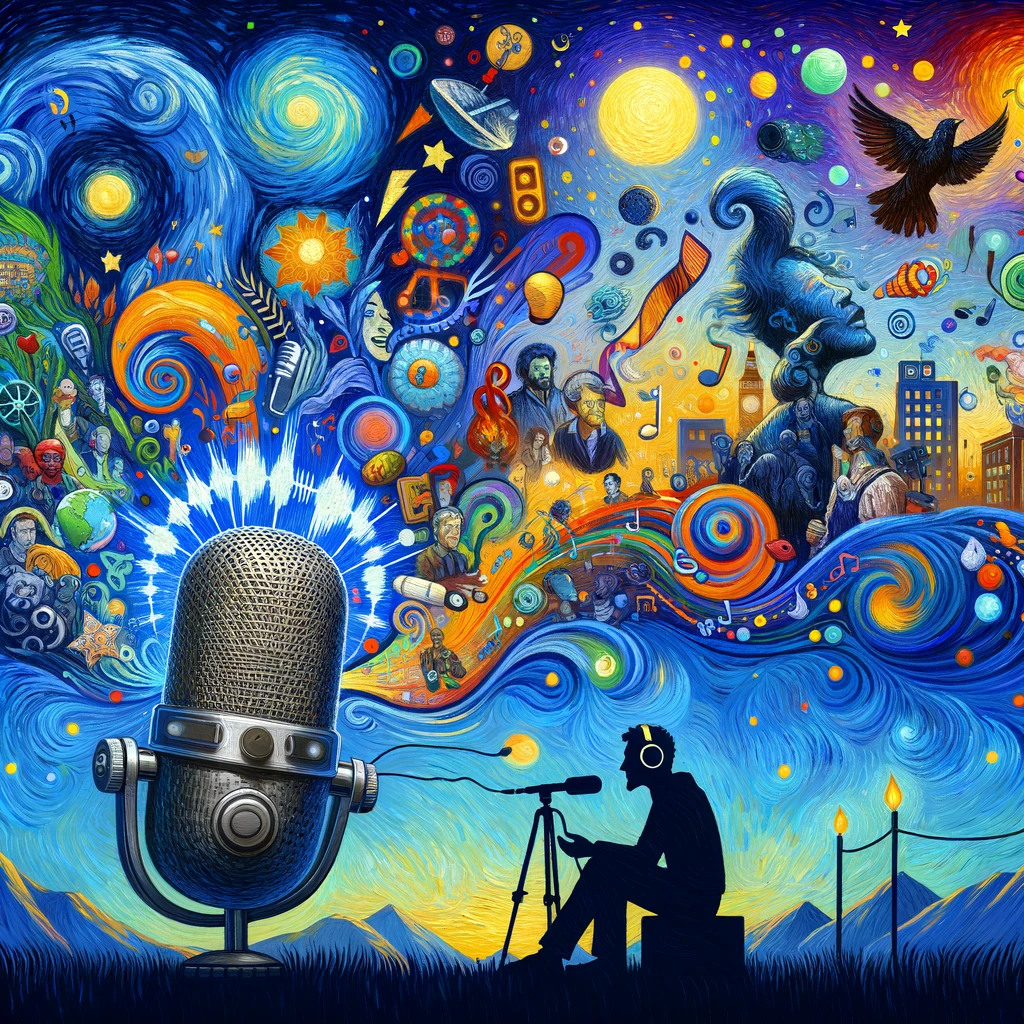
What Tools Exist To Help You Navigate Copyright Issues Effectively?
What Tools Exist To Help You Navigate Copyright Issues Effectively?
- Navigating copyright issues can be challenging for artists and creators.
- The U.S. Copyright Office provides comprehensive resources to help protect creative works.
- Copyright management services, like Creative Commons, offer licenses to clarify use and sharing of works.
- Technology tools, such as TinEye and Google Reverse Image Search, help identify the use of your work online.
- Understanding copyright is rooted in respect for the effort and emotion behind artistic creations.
- Equipping yourself with the right resources fosters a collaborative and supportive creative environment.
- Embrace these tools to navigate copyright confidently and inspire others in the process.

What Tools Exist To Help You Navigate Copyright Issues Effectively?
What Risks Are You Taking With Your Podcast Content?
When you hit that record button on your podcast, you’re stepping into a world of opportunity—and a minefield of risks. Each episode is a gamble, a chance to reach a listener hungry for connection or a moment that could risk their trust. It’s vital to understand what’s at stake. In a crowded digital landscape, your voice matters, but so does the message you broadcast.
Think about it: each time you share a story, a perspective, or an experience, you have the chance to inspire, inform, or even provoke. You’re not just painting on a canvas; you’re engaging with hearts and minds. But let’s face it—content creation isn’t just an art; it’s a responsibility. The narratives you choose to highlight, the guests you invite to share their truths, they all shape the world your listeners inhabit. You wield that power, for better or worse.
Imagine a listener tuning in, seeking solace in your words, only to find insensitivity, misinformation, or a lack of authenticity. The disappointment can cut deeper than any critique. You’re building a relationship with each episode, and like any relationship, trust is fragile. One misstep, and that trust can shatter.
From a rational perspective, understanding your audience is crucial. What are their needs, desires, and fears? Are you merely entertaining, or are you enlightening? Being aware of those dynamics helps you avoid ethical pitfalls that could haunt you and create unwanted division within your listener base. Your authority lies in authenticity. If you can navigate these waters with honesty and integrity, you’re well on your way to not just being a podcast but a beacon in an often murky sea of media content.
Moreover, your community is watching. Podcasting is inherently social; those who tune into your content will discuss, share, and engage with others. They will shape your reputation—how are they going to paint your portrait? Are they going to depict you as a trustworthy guide, or a reckless joker? Remember, the connections you foster shape the very fabric of your podcast’s legacy.
So, as you craft each episode, think about the risks. Will your content lift someone up or let them down? Hold tight to that question, for within it lies the heart of what you’re creating and the impact you hold.

What Risks Are You Taking With Your Podcast Content?
What Risks Are You Taking With Your Podcast Content?
- Recording a podcast opens doors to opportunities and risks.
- Each episode offers a chance to connect with listeners or jeopardize their trust.
- Content creation is both an art and a responsibility; the messages shared can influence audiences significantly.
- Missteps in content, such as insensitivity or misinformation, can damage trust and relationships with listeners.
- Understanding your audience’s needs and desires is essential for avoiding ethical pitfalls in podcasting.
- Authenticity and integrity in your message will enhance your authority and listener connection.
- Community engagement shapes your reputation; consider how listeners will perceive and discuss your podcast.

What Risks Are You Taking With Your Podcast Content?
How Does Copyright Affect Your Creativity?
Creativity is the lifeblood of innovation, and yet, it often feels shackled by the chains of copyright. Picture this: you’re sitting at your kitchen table, ideas swirling in your head like the steam from your morning coffee. You’ve got a notion that could change the world—a catchy tune, a gripping story, or perhaps a stunning piece of art. The thrill of creation nudges at your gut. But wait, as you take that first step, the shadow of copyright looms overhead, whispering doubts into your ear.
Now, let’s unpack that anxiety. On one hand, copyright serves as a protective cloak, safeguarding your original work against those who might usurp your hard-earned ideas. The satisfaction of seeing your creation respected feels just as powerful as that spark of inspiration that ignited it. To have your voice amplified and valued in this noisy world is no small feat. The system is designed not just for creators but for society as a whole. When we protect creativity, we promote diversity—each unique story, song, and scribble enriches our collective experience.
But here’s the kicker: navigating the labyrinth of copyright laws can feel like trying to read a novel in a language you barely understand. The resistance to creativity often comes not from maliciousness, but from misunderstanding and an overzealous focus on legality. You might find yourself hesitating to put pen to paper, worrying whether you’ll inadvertently tread on someone else’s rights. That’s a struggle that many in the creative community share, sparking a dialogue about what it really means to create freely.
This is where discussion becomes crucial. Podcasts have emerged as a powerful tool for demystifying these concepts, allowing artists, storytellers, and musicians to share their experiences and struggles with copyright openly. Listening to others’ journeys fosters empathy, makes the daunting legalese more digestible, and ignites passion in those hesitant to share their work. Creative minds often flourish best when they’re connected, so dive in, ask questions, and learn from fellow creators.
Remember, while copyright is a necessary guardian, it should never hinder the sparks of creativity. Instead, let it empower you, inspire trust in your own voice, and encourage you to share your story. There is a magic that happens when we collectively embrace our creativity—each contribution, big or small, helps to craft the vibrant tapestry of human experience. So go ahead, make a little noise!
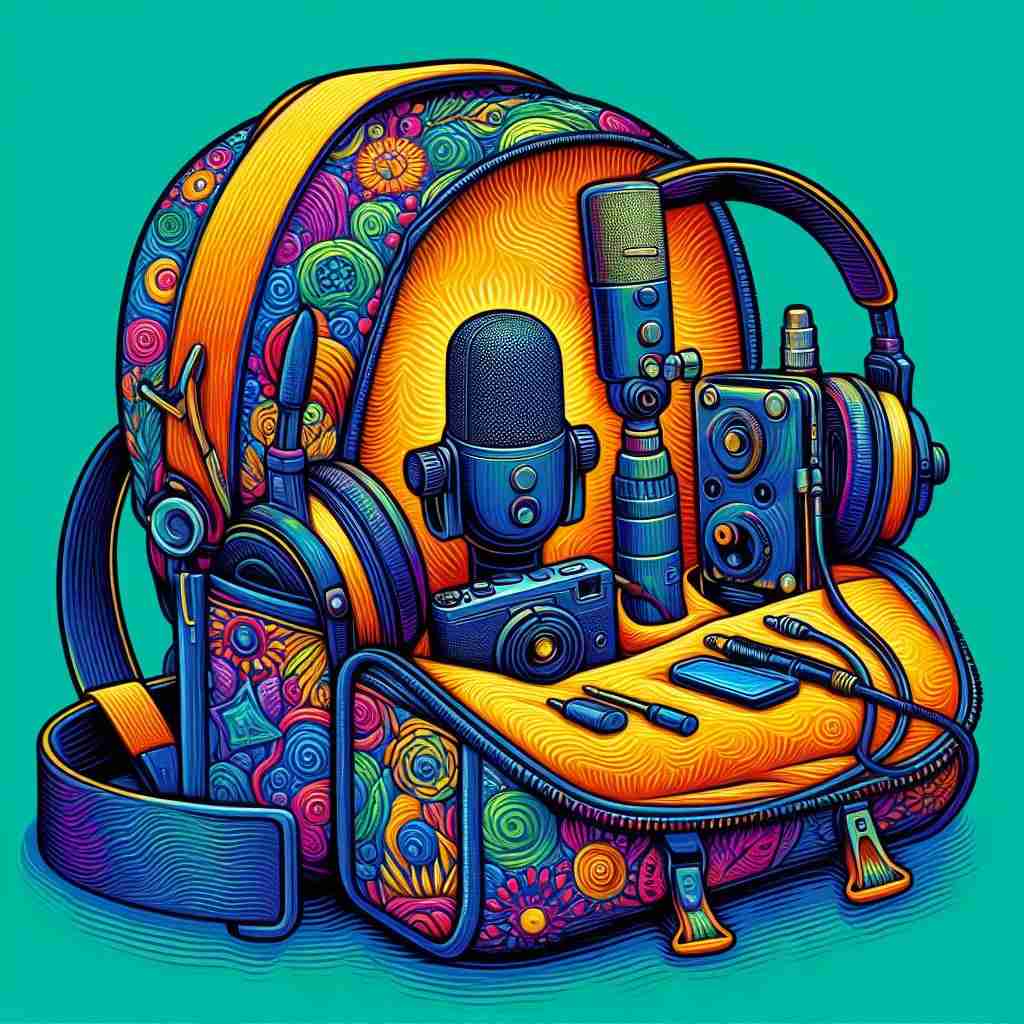
How Does Copyright Affect Your Creativity?
How Does Copyright Affect Your Creativity?
- Creativity drives innovation but is often constrained by copyright regulations.
- Copyright serves to protect original work, empowering creators and promoting respect for their ideas.
- Protecting creativity enhances diversity, enriching the collective cultural experience.
- Navigating copyright laws can be challenging and may instill anxiety about unintentionally infringing on others’ rights.
- Open discussions and sharing experiences about copyright can demystify the legal complexities for creators.
- Podcasts are valuable tools for encouraging dialogue and fostering empathy among creators facing similar challenges.
- Copyright should empower creativity rather than hinder it, promoting a rich tapestry of human experience through shared stories.

How Does Copyright Affect Your Creativity?
What Stories Can Inspire Ethical Podcast Practices?
When it comes to the realm of podcasting, the stories we tell hold power—a power that can uplift, inform, or even mislead. Take, for example, the tale of a small-town journalist who, after years of reporting, finds themselves shielded by the heartbreak and hope of their community. They embark on a podcasting journey, narrating the lives of everyday figures who deserve to be heard. This isn’t just storytelling; it’s a profound ethical commitment to giving a voice to those often overlooked. Here, the heart of podcasting beats strongest, echoing with the humanity that exists in every corner of the globe.
Let’s pivot for a moment and examine the responsibility that comes with this power. In an age where misinformation can spread like wildfire, ethical podcast practices become not just a guideline but a necessity. Each episode should be crafted with care, ensuring that the content is not only engaging but also grounded in truth. Think of the devastating impact that a single misrepresented fact can have. As podcasters, let’s strive to be the gatekeepers of accuracy, not just for our listeners, but for the integrity of our craft and the communities we aim to serve.
Now, consider the gut-wrenching story of a host who, after analyzing the consequences of their choices, decides to retract an episode that caused harm. You see, ethical podcasting isn’t just about what we produce—it’s about how we respond when things go wrong. It’s about honesty, humility, and the courage to admit mistakes. This commitment to doing what’s right not only builds trust but unites our audience with a shared word: integrity.
Finally, let’s remember the social threads that bind us. Every podcast is a conversation, a tapestry woven from the diverse narratives of our listeners. We all share the desire for connection, for understanding, for stories that resonate. When we prioritize ethical practices, we not only honor our own responsibilities but create a sanctuary for our audience—one where they feel safe, valued, and inspired to engage.
Ultimately, the stories we choose to tell can shape perceptions and influence lives. By committing to ethical podcast practices, we cultivate trust, foster connection, and have the potential to effect real change. In this digital age, let us harness that capability with integrity and heart—together, we can turn the act of listening into a powerful force for good.

What Stories Can Inspire Ethical Podcast Practices?
What Stories Can Inspire Ethical Podcast Practices?
- Podcasting stories have the power to uplift, inform, or mislead audiences.
- A small-town journalist embarks on a podcasting journey to narrate the lives of overlooked individuals.
- Ethical podcasting is essential in an age of misinformation, requiring accuracy and care in content creation.
- Hosts must be willing to retract episodes when harm is done, showcasing honesty and humility.
- Integrity builds trust and unites the audience, emphasizing the importance of ethical practices.
- Every podcast fosters a conversation and connection among diverse narratives, creating a sanctuary for listeners.
- Committing to ethical practices in podcasting can shape perceptions and facilitate real change.

What Stories Can Inspire Ethical Podcast Practices?
Are You Aware Of The Consequences Of Copyright Infringement?
Copyright infringement might seem like just another dry legal term tossed around in the podcast world, but it holds a weight that can crush dreams and ruin livelihoods. Imagine pouring your heart and soul into a creative work—a book, a song, a film—only to see someone else take it and pass it off as their own. It feels like a gut punch. All that passion, all those late nights, snatched from under you!
But it’s not just about the emotional fallout. On a rational level, consider the consequences. Copyright infringement can lead to hefty fines and legal battles that consume time and resources. Those who think they can get away with it often end up in a tangled web of lawsuits. It’s not just the artists who suffer; it’s also the ripple effect on industries that thrive on originality. By infringing on someone’s rights, you’re undermining the very foundation of creativity that fuels our culture.
Ethically, we stand on common ground. Respect for intellectual property is a fundamental tenet of a fair society. When we disregard copyright, we’re not just cheating the creator; we’re cheating ourselves out of the innovation and inspiration that comes from hard work. It’s a race to the bottom—a loss for everyone involved.
Sharing personal stories can really drive this point home. Think of a young musician who finally gets their big break, only to find their music pirated and their talent underappreciated. It’s easy to dismiss these stories as distant, but they represent countless voices yearning to be heard. Each infringement diminishes the value of genuine creativity, creating an environment where mediocrity can thrive.
Socially, we have a responsibility to foster a community that values originality. When we support creators—whether by listening to their podcast, buying their products, or simply spreading the word—we contribute to an ecosystem that recognizes effort and innovation. It’s about building trust, nurturing confidence, and taking action.
So the next time you’re tempted to take a shortcut, remember the consequences. Stand up for creativity and originality. Advocate for a world that celebrates the unique voices shaping our culture, and lead by example. Get involved, get educated, and make a conscious effort to respect the boundaries of copyright. The artistic flame that fuels our society deserves it.

Are You Aware Of The Consequences Of Copyright Infringement?
Are You Aware Of The Consequences Of Copyright Infringement?
- Copyright infringement can have serious emotional and financial consequences, impacting creators’ livelihoods.
- Legal battles and hefty fines often arise from acts of copyright infringement.
- The ripple effects of infringement affect entire industries that depend on originality and creativity.
- Respecting intellectual property is crucial for a fair society and fosters innovation.
- Real-life stories, such as those of young musicians, highlight the personal toll of piracy and infringement.
- Supporting creators helps build a community that values originality and nurtures trust and confidence.
- Advocating for creativity and understanding copyright can positively influence the cultural landscape.

Are You Aware Of The Consequences Of Copyright Infringement?
Conclusion
Creating a podcast is an exhilarating journey, an outward expression of your imagination, but it’s also a realm fraught with risks, especially when it comes to copyright. Picture this: you’ve poured your heart into a series of episodes, each crafted with a unique flair that captures the essence of your voice. Yet, lurking in the shadows are the complexities of copyright law, which can feel as daunting as running a marathon. Ignorance is not bliss here; it can lead to serious repercussions like legal troubles that put your dreams on ice.
The reality is that around 80% of creators unknowingly infringe on copyright at some point, exposing themselves to reclaimable losses—financial, reputational, and ethical. It’s a sobering thought: that the passion we have for our craft can be jeopardized by a moment of oversight. That’s where understanding and respect come into play. Engaging with the intricacies of copyright law is not merely about avoiding consequences; it’s about embracing a culture that values creativity and respect among peers. It’s a way of saying that you honor the hard work of fellow creators and, by doing so, cultivate a more trustworthy environment for everyone.
In your podcasting journey, consider your content as a tree growing in a forest rich with diverse life. Do you want your podcast to thrive by borrowing from the resources around you without consideration? Instead, why not be the gardener who cultivates an original narrative? Utilize tools and resources—such as fair use guidelines and Creative Commons licenses—to protect your work while honoring others. This not only secures your creative output but elevates your credibility as a content creator.
Let’s talk ethics. Your podcast isn’t just an audio file; it’s a reflection of your values and integrity. Sharing stories responsibly fosters trust, drawing listeners into a community grounded in authenticity. When things go wrong—and they sometimes will—it’s about how you respond. Admitting mistakes and being transparent can transform missteps into growth opportunities, reinforcing your role as a trusted guide.
Finally, reflect on the stories that inspire you, those that celebrate originality and elevate the collective narrative. By committing to ethical practices in your podcasting, you don’t just protect yourself; you contribute to a thriving ecosystem of creativity. Keep your heart in the right place, your understanding sharp, and your interactions respectful, and together, we can shape a podcasting landscape that values integrity and respect for all. Your voice matters—let it resonate authentically.

Conclusion
Conclusion:
- Creating a podcast is a journey of imagination but involves significant risks related to copyright.
- About 80% of creators unknowingly infringe on copyright, risking financial, reputational, and ethical losses.
- Understanding copyright law is essential to foster a culture of creativity and respect among creators.
- Utilizing tools like fair use guidelines and Creative Commons licenses can help protect your work while honoring others.
- Your podcast reflects your values; sharing stories responsibly builds trust and authenticity in your community.
- Being transparent about mistakes can turn challenges into opportunities for growth and reinforce your credibility.
- Committing to ethical podcasting practices contributes to a thriving ecosystem of creativity and integrity.

Conclusion
Other Resources

Other Resources
Here is a list of other resources you can review online to learn more:
- Resound
- Spotify
- Minnect
- Social Sales Link
- Flickr
- YouTube
- Podbean
- Libsyn
- Castro
- Podcastle
- Blogger
- iHeartRadio
- Podkicker
- Instapaper
- Google Podcasts
- RØDECaster Pro
- Threads
- Odnoklassniki
Use This Prompt To Get More Resources With Your Favorite Online AI Tool: Please provide me with a list of online articles with their URLs in a bulleted list that I can read regarding What Every Podcaster Should Know About Unintentional Copyright Use

Other Resources
Glossary Terms
What Every Podcaster Should Know About Unintentional Copyright Use – Glossary Of Terms
1. Copyright: Legal protection for original works of authorship, granting the creator exclusive rights to use and distribute their work.
2. Podcast: A digital medium, typically a series of spoken-word content, audio, or visual files that users can download or stream.
3. Fair Use: A legal doctrine allowing limited use of copyrighted material without permission for purposes such as criticism, comment, news reporting, teaching, scholarship, or research.
4. Public Domain: Works that are free from copyright restrictions, either because their copyright has expired or they were never eligible for copyright protection.
5. Creative Commons: A licensing system allowing creators to grant permission for others to use their works under specified conditions.
6. Originator: The creator or owner of an original work, such as music, imagery, or text, who holds the copyright.
7. Derivative Work: A new creation that is based on or derived from an existing copyrighted work, requiring permission from the original copyright holder.
8. Sampling: The act of taking a portion of a sound recording and reusing it in a different song or piece of media.
9. Exclusivity: A term referring to the singular rights to use, reproduce, or distribute a copyrighted work that is granted to an individual or organization.
10. Licensing: The process of obtaining permission from the copyright holder to use their work, usually through a written agreement.
11. Infringement: The unauthorized use of copyrighted material, violating the copyright holder’s exclusive rights.
12. Attribution: Crediting the original creator of a work, which is often required under certain licensing agreements, such as Creative Commons.
13. Moral Rights: Rights that protect the personal and reputational value of a creator’s work, typically recognized in many jurisdictions outside the United States.
14. Synchronization Rights: Permissions needed to use music in conjunction with audio-visual works like podcasts.
15. Work for Hire: A creation made by an employee or contractor that is owned by the employer or person who commissioned the work.
16. Rights Management: The process of overseeing and managing the rights associated with copyrighted materials, including permissions and licenses.
17. Intellectual Property: A category of property that includes intangible creations of the human intellect, such as copyrights, trademarks, and patents.
18. Streaming: The act of downloading and playing digital media simultaneously, often subject to copyright regulations.
19. Distribution: The process of disseminating content to the public through various mediums, which may require copyright consideration.
20. Podsafe: Music or audio content that is free to use in podcasts without worrying about copyright infringement.
21. Trademark: A recognizable sign, design, or expression that distinguishes products or services of a particular source from others, typically protected under intellectual property law.
22. Audio Clip: A short segment of audio content, which may be subject to copyright laws depending on its source.
23. Script: The written text of a podcast episode, which may be protected by copyright if original and creative.
24. Parody: A humorous or satirical imitation of an original work, often considered fair use, but still subject to legal scrutiny.
25. Licensing Agreement: A contract outlining the terms under which a creator allows another party to use their copyrighted work.
26. Copyright Notice: A statement that indicates the owner of the copyright and provides information on the year of publication, used to assert copyright rights.
27. Music Library: A collection of pre-licensed audio tracks available for filmmakers, podcasters, and creators to utilize without the need for individual licensing.
28. Exemption: Certain uses of copyrighted material that may be exempt from licensing requirements under specific legal provisions.
29. Negotiate: The process of discussing terms with a copyright holder to reach an agreement on the use of their work.
30. Image Rights: Legal rights that allow individuals or organizations to control the use of their likeness, image, or brand in various media, including podcasts.

Glossary Of Terms
Other Questions
What Every Podcaster Should Know About Unintentional Copyright Use – Other Questions
If you wish to explore and discover more, consider looking for answers to these questions:
- What are the key components of copyright law that every podcaster should understand?
- How can I determine if a piece of content is copyrighted or in the public domain?
- What is the fair use doctrine, and how does it apply to podcasting?
- What steps should I take if I receive a cease and desist letter?
- How can I effectively communicate with other creators about copyright permissions?
- What are the best practices for citing sources used in my podcast?
- How can I protect my own podcast content from being used without permission?
- What are the potential financial costs of copyright infringement?
- Are there any educational resources or workshops on copyright for podcasters?
- How can I stay updated on changes in copyright law that may affect my podcast?

Other Questions
Haiku
What Every Podcaster Should Know About Unintentional Copyright Use – A Haiku
Speak your truth with care,
Copyright’s shadow looms near—
Honor, create, share.

Haiku
Poem
What Every Podcaster Should Know About Unintentional Copyright Use – A Poem
In the realm where voices rise and dreams take flight,
A microphone awaits, a beacon in the night.
Yet hidden dangers lurk, like shadows, they creep,
Copyright laws whisper, the promises we keep.
Every podcaster seeks their unique sound,
Crafting tales with passion, where hearts can be found.
But tread carefully, dear creator, in this vast domain,
For unknowing steps can lead to heartache and pain.
Imagine your story, your spirit laid bare,
Only to find, others’ treasures you share.
An email arrives, a cease and desist,
What once was your dream, now crumbles in mist.
Respect the artisans—musicians, writers, too,
Each word and note echoes the labor they do.
With knowledge as armor, embrace it with care,
Educate yourself, let integrity be there.
Dive into fair use, seek rights with intent,
Explore licenses that invite, rather than resent.
Let your creativity flourish, under the sun’s light,
While honoring others—don’t dim their bright night.
Behind the thrill of expression lies a heavy weight,
Each choice bears a consequence, a twist of fate.
Imagine the trust forged with each honest line,
Break it once, and the bond may never align.
Connect with your listeners, invite them to see,
The stories that bind us, the art that sets free.
Transcend mere content; be the change that you seek,
Unshackle your creativity, let your voice speak.
For here lies a truth that transcends every call:
To create is to share, yet to respect is to stall.
Navigating these waters, let’s rise as a team,
Building a podcasting world, where all can dream.
So grab your mic, with respect and with grace,
Together we’ll foster a vibrant, safe space.
In this tapestry woven, let’s honor the art,
For in every podcast, beats a collective heart.

Poem
Checklist
What Every Podcaster Should Know About Unintentional Copyright Use – A Checklist
Checklist for Ethical Podcasting and Copyright Compliance
Heart (Emotional Appeals)
_____ Reflect on your creative journey and the passion behind your podcast.
_____ Acknowledge the emotions and dedication of fellow creators and artists.
_____ Build authentic connections with your audience by sharing original content.
_____ Embody a spirit of respect and integrity within the podcasting community.
Head (Rational Appeals)
_____ Educate yourself on copyright laws, focusing on terms like fair use and Creative Commons.
_____ Be informed about copyright management resources and their applications.
_____ Develop clear guidelines for sourcing and attributing content.
_____ Evaluate the potential legal and financial risks associated with unintentional copyright infringement.
Gut (Sensory/Instinctive Appeals)
_____ Trust your instincts when it comes to authentic content creation; avoid shortcuts.
_____ Consider the long-term impact of your podcasting choices on your reputation.
_____ Assess the palpable sense of responsibility you have towards your audience and other creators.
_____ Generate genuine excitement for your original work by focusing on your unique voice.
Ethical Appeals
_____ Commit to honoring the hard work and creativity of other artists.
_____ Practice transparency about your content sourcing with your audience.
_____ Reflect on your ethical responsibility to avoid misinformation and misrepresentation.
_____ Embrace humility and be prepared to rectify mistakes when they occur.
Authority Appeals
_____ Seek expert advice from resources such as the U. S. Copyright Office.
_____ Utilize copyright management tools to stay compliant and informed.
_____ Engage with community discussions on copyright and ethical practices in podcasting.
_____ Position yourself as a trusted authority by maintaining ethical standards in your work.
Narrative Appeals
_____ Share stories of both successes and failures in copyright adherence to foster transparency.
_____ Highlight the journey of creators who respect copyright and thrive in their field.
_____ Encourage discussions with your audience about their experiences and thoughts on creative integrity.
_____ Frame your podcast as part of a broader narrative that celebrates originality while respecting boundaries.
Social Appeals
_____ Foster a sense of community among podcasters by advocating for shared responsibility.
_____ Encourage collaboration and dialogue about copyright issues within the creator community.
_____ Promote the idea of valuing and supporting original content among your listener base.
_____ Lead by example in cultivating a culture of ethical practices in podcasting.
By following this checklist, you can position your podcast as a responsible and respectful member of the creative community, paving the way for a vibrant and ethical podcasting landscape.

Checklist
At PodcastBig, we help people who want to learn about podcasting by collating information and news about podcasting.
Be sure to read our other related stories at PodcastBig to learn more about podcasting.