

Mastering The Art Of Consistent Audio Mixing For Podcasters
By Tom Seest
At PodcastBig, we help people who want to learn about podcasting by collating information and news about podcasting.
Be sure to read our other related stories at PodcastBig to learn more about podcasting.
What Every Podcaster Should Know About Mixing Audio Levels Inconsistently
When you launch a podcast, you’re stepping into a world where stories and voices meld into an experience that can captivate, educate, and entertain. But, let’s get real. If your audio levels are all over the place, it can feel like a rollercoaster ride gone wrong. One minute you’re in the thick of a gripping tale, and the next, the listener is cranking up the volume or squinting at their device, grappling to catch the next breath of wisdom or hilarity. That’s not just frustrating; it’s a disservice to your audience.
Think of it this way: Every time someone tunes in to your podcast, they’re investing their precious time and attention—two commodities that don’t come back to you once spent. When audio levels fluctuate wildly, it’s not just an annoyance; it’s a fundamental breach of that trust. You’re not just a voice in their ears; you’re a companion in their lives, and you owe it to them to deliver quality they can rely on, episode after episode.
Let’s break it down rationally. If your audio peaks are too high, you risk clipping, distorting, and ultimately alienating your listeners. On the flip side, too much quiet makes your podcast a battle against ambient noise and slurred words. Strike a balance, and you create a smooth, engaging flow that keeps them hanging on every word. It’s about crafting an experience that feels intentional and inviting.
There’s also an ethical layer to consider; how can you call yourself a storyteller if you neglect the very medium that carries your tales? Quality audio isn’t just a technical necessity—it’s about respect for your audience. By ensuring your sound levels are consistent, you’re validating the experiences of your listeners, demonstrating that their engagement matters.
And let’s not forget the community aspect. Podcasting isn’t a solo endeavor. It’s a collective journey where guests, co-hosts, and audiences all play a part. When audio levels are in harmony, the conversation flows freely, allowing real connections to flourish. That’s where the magic happens.
So take the time to learn the basics of mixing audio levels. Invest in good equipment, get familiar with your editing software, and don’t shy away from seeking help. Because in the podcasting world, consistency in audio levels is the heartbeat of your show, and every beat counts. Embrace the journey, and your listeners will thank you.

What Every Podcaster Should Know About Mixing Audio Levels Inconsistently
What Every Podcaster Should Know About Mixing Audio Levels Inconsistently
- Launching a podcast combines storytelling and voice for a captivating experience.
- Inconsistent audio levels can frustrate listeners and diminish their experience.
- Listeners invest their time and attention, making consistent quality audio essential.
- High audio peaks can lead to clipping and distortion, while low levels can create background noise issues.
- Quality audio reflects respect for the audience and validates their engagement.
- Podcasting is a collaborative effort; consistent audio fosters connections among hosts and listeners.
- Investing in good equipment and learning audio mixing basics is crucial for a successful podcast.

What Every Podcaster Should Know About Mixing Audio Levels Inconsistently
Table Of Contents
- What Every Podcaster Should Know About Mixing Audio Levels Inconsistently
- What Strategies Can You Implement To Improve Audio Level Consistency?
- How Do Experienced Podcasters Tackle The Challenge Of Audio Mixing?
- How Does Your Audience Perceive You If Your Audio Levels Fluctuate?
- What Story Does Your Podcast Tell Through Its Audio Quality?
- Are Your Listeners Struggling To Engage With Uneven Sound Levels?
- Can A Well-Mixed Podcast Enhance Your Credibility And Authority?
- What Technical Skills Do You Need To Master For Consistent Mixing?
- Conclusion
- Other Resources
- Glossary Of Terms
- Other Questions
- Haiku
- Poem
- Checklist
What Strategies Can You Implement To Improve Audio Level Consistency?
When it comes to creating a podcast that captivates audiences, one thing stands out like a fine-tuned machine: audio level consistency. Over the years, I’ve met countless hosts with brilliant ideas that got lost in the shuffle simply because their audio wasn’t up to snuff. You want your listeners to focus on your message, not struggle to catch every word or adjust the volume incessantly. So, let’s dive into some strategies that can give your audio the polish it deserves.
First, invest in quality equipment. This doesn’t mean you need the priciest gear on the market. A decent microphone and headphones can work wonders. Think of this as laying the foundation of a house—without solid ground, everything else might crumble. A good recording environment is essential too. Aim for a space with minimal echo and noise. You wouldn’t build a palace in a swamp, right?
Next, software tools can be your biggest ally. Audio editing programs allow you to standardize levels effectively. Use compression strategies to even out those volume spikes and dips. It’s like crafting a fine whiskey—takes patience, but the result will please those who savor your content. The tools won’t do the work for you; it’s your creativity and hard work that will turn an average podcast into a remarkable one.
And let’s talk about consistency in your output. Schedule your episodes, and strive for a similar tone and energy. Consistency fosters trust; when listeners know what to expect, they’re more likely to stick around. This relationship is built on sincerity—being authentic in your delivery nurtures that bond.
Furthermore, engage with your audience. After all, they are the heartbeat of your podcast. Solicit their feedback on audio quality; their insights can lead you to unexpected improvements. Utilize social media to create a community where listeners feel they’re part of something bigger.
Ultimately, think of your podcast as a conversation you’re having with a friend. Would you yell at them across a crowded room? No. You’d lean in, adjust your volume, and make sure they understand every important detail. So raise your standards, put in the effort, and your listeners will recognize the value you bring—because they deserve nothing less than audio that resonates at every level.

What Strategies Can You Implement To Improve Audio Level Consistency?
What Strategies Can You Implement To Improve Audio Level Consistency?
- Audio level consistency is crucial for captivating podcast audiences.
- Invest in quality equipment such as microphones and headphones to enhance sound quality.
- Choose a good recording environment to minimize echo and background noise.
- Utilize audio editing software to standardize levels and manage volume spikes.
- Maintain consistency in episode scheduling, tone, and energy to build listener trust.
- Engage with your audience for feedback on audio quality and foster a sense of community.
- Think of your podcast as a conversation; adjust your approach to ensure clarity and connection.

What Strategies Can You Implement To Improve Audio Level Consistency?
How Do Experienced Podcasters Tackle The Challenge Of Audio Mixing?
When you dive into the world of podcasting, the challenge of audio mixing looms like a mountain. It’s a daunting task that can turn even the most passionate storyteller into a bundle of nerves. Yet, experienced podcasters tackle this mountain not just with skill, but with a philosophy that transforms anxiety into artistry. Here’s how they navigate the labyrinth of sound.
Emotions run high when you pour your heart into content. Each episode is a piece of your soul, and when it sounds bad, it feels personal. But seasoned podcasters understand that every glitch, every crackle, is an opportunity to learn. They approach audio mixing as a craft—an evolving art form where persistence meets passion. They emphasize that no one gets it perfectly right the first time; it’s a journey paved with trial and error, and a willingness to adapt.
Rationally, they invest time in understanding the tools at their disposal. The latest software can be dizzying, but these experts don’t shy away. They read, they watch tutorials, they experiment at all hours, turning frustration into familiarity. This intellectual approach not only refines their skills but builds a sturdy foundation of confidence. With every click and adjustment, they gain a clearer grasp of what works for their voice and message.
Ethically, many seasoned podcasters feel a deep responsibility to their audience. They know that a poor audio experience can detract from meaningful conversations. This drives them to refine their craft, ensuring every listener feels included, valued, and respected. They craft soundscapes that invite the audience in, allowing them to lose themselves in the stories shared, bridging gaps and stirring hearts.
These podcasters weave narratives that resonate. They understand the power of sound; it’s the heartbeat of their content. As they share tips or behind-the-scenes stories, they create a sense of community. Listeners see the faces behind the voices, fostering a connection that goes beyond simple entertainment. They invite others to join this journey, encouraging budding podcasters to embrace the chaos of audio mixing for the sake of storytelling.
When you listen to a polished podcast, it’s not just the talent that captivates; it’s the sweat, tears, and triumphs of those who dared to conquer the challenges of audio mixing. Their stories inspire trust, prompting newcomers to dive into this rewarding world with confidence and a commitment to craft. So, ready your gear and tune in—it’s time to let your voice be heard.

How Do Experienced Podcasters Tackle The Challenge Of Audio Mixing?
How Do Experienced Podcasters Tackle The Challenge Of Audio Mixing?
- Audio mixing in podcasting can be intimidating, but experienced podcasters see it as an opportunity for growth.
- Passionate storytellers turn anxiety into artistry, embracing the learning opportunities presented by mistakes.
- Success in audio mixing is achieved through persistence, trial and error, and adapting techniques.
- Podcasters invest time in understanding the latest tools, enhancing their skills through tutorials and experimentation.
- Ethical considerations drive podcasters to refine their audio quality, ensuring an inclusive and respectful experience for listeners.
- They create soundscapes that resonate, building a strong connection with their audience and fostering community.
- The journey of mastering audio mixing inspires newcomers to embrace the craft and share their own unique stories.

How Do Experienced Podcasters Tackle The Challenge Of Audio Mixing?
How Does Your Audience Perceive You If Your Audio Levels Fluctuate?
When you sit down to record your Podcast, it’s easy to focus on the content—the clever insights, the engaging guests, the stories just waiting to burst forth. But let me tell you something that often gets overlooked: your audio levels matter. A lot. Imagine for a moment a dear friend reaching out, eager to share their latest experience, but their voice keeps rising and falling, leaving you straining to catch every word. Frustrating, right? Suddenly, the connection fades, and those heartfelt stories get lost in a barrage of unpredictable sound.
People want to feel the warmth of your voice, the conviction behind your words. When audio levels fluctuate, listeners start to feel uncomfortable—like they’ve been invited to a party where the music is too loud one minute and too quiet the next. It’s that cognitive dissonance that can leave them feeling detached, even when they’re eager to engage. Think about how you feel when someone raises their voice to emphasize a point, only to drop to a whisper moments later. It can invoke confusion, and perhaps even irritation, leading listeners to question not just what you say but your credibility as a host.
This isn’t just technical savvy we’re talking about. It speaks to a deeper responsibility you hold as a creator. It’s about showing respect for your audience’s time and attention. You become the trusted guide in their earbuds, and when audio levels fluctuate, you risk losing that trust. Listeners feel the emotional weight of your struggle; they want clarity, consistency, and a genuine connection. They want to know that you care enough to present your ideas in a way that keeps them engaged from start to finish.
Think about it—your voice is an extension of yourself. It carries your stories, your knowledge, and your passions. When you master your audio levels, you invite your listeners into your world, creating a social bond grounded in trust and camaraderie. It’s not just about the sound quality; it’s about crafting an experience that resonates with the heart, engages the mind, and stirs the gut. So before you hit record, take a moment to consider how you can make every syllable count—after all, your audience deserves your best.

How Does Your Audience Perceive You If Your Audio Levels Fluctuate?
How Does Your Audience Perceive You If Your Audio Levels Fluctuate?
- Audio levels are crucial for engaging podcast content; they shouldn’t be overlooked.
- Fluctuating audio can make listeners feel uncomfortable and detached.
- Listeners desire clarity and consistency in audio to foster connection.
- Inconsistent audio can lead to confusion and can impact the host’s credibility.
- Creators have a responsibility to respect their audience’s time and attention.
- Mastering audio levels helps build trust and a social bond with listeners.
- Quality audio enhances the overall podcast experience, making every word count.

How Does Your Audience Perceive You If Your Audio Levels Fluctuate?
What Story Does Your Podcast Tell Through Its Audio Quality?
When you hit that record button for your podcast, you’re not just launching words into the ether; you’re weaving a narrative thread that unfolds through sound. It’s not just about what you say; it’s how you say it. Imagine listening to a story that’s rich and nuanced, or conversely, one that sounds like it’s trapped inside a tin can—both will leave very different impressions on your listeners. Quality audio isn’t just a technical choice; it’s an emotional one that sparks connection and credibility.
Let’s get one thing clear: every pop, crackle, and murmur of background noise tells its own story. If your audio quality sends listeners scrambling for the nearest exit, you’ve not only lost their attention but also their trust. They might think twice before engaging again. You want your audience to feel welcome, to lean in and listen closely. With crisp, clear sound, they are invited into your world, a place where ideas and experiences flow freely, unhindered by distractions.
Of course, we live in an age where anyone with a microphone and a dream can start a podcast. But with that proliferation comes responsibility. Strive for clarity and consistency; it’s an ethical duty to your audience. Those listeners invest their time and perhaps their trust in you—one poorly produced episode could tarnish your reputation and undermine their loyalty. You hold the reins, and with each clear sentence, you reaffirm your authority on your chosen subject, compelling them to listen, learn, and grow alongside you.
Think about the social dynamic at play here. Quality audio allows for rich conversation, an engaging experience that encourages discussion and connection. It’s one sound wave racquetball, bouncing back and forth, creating a vibrant community where ideas thrive. When your listeners hear your voice with clarity, they are reminded that they are part of something bigger than themselves.
So take the time to invest in good equipment and editing. Treat your podcast with the reverence it deserves. It’s not just a hobby; it’s a vehicle for your passion, knowledge, and ideas. What story do you want your audience to hear? Make sure it’s one worth listening to. Because in the world of podcasts, audio quality isn’t just a backdrop—it’s the heartbeat of your narrative.

What Story Does Your Podcast Tell Through Its Audio Quality?
What Story Does Your Podcast Tell Through Its Audio Quality?
- Podcasting involves crafting a narrative through sound, emphasizing both content and delivery.
- Quality audio creates emotional connections and enhances listener credibility.
- Poor audio quality can lead to audience disengagement and loss of trust.
- Listeners deserve clear and crisp sound to immerse themselves in the content.
- Podcasters have a responsibility to maintain clarity and consistency for their audience.
- Quality audio fosters vibrant conversations and builds a sense of community among listeners.
- Investing in good equipment and editing enhances the overall storytelling experience.

What Story Does Your Podcast Tell Through Its Audio Quality?
Are Your Listeners Struggling To Engage With Uneven Sound Levels?
Let’s face it: in a world overflowing with podcasts, capturing your audience’s attention is sometimes harder than a two-dollar steak. Picture this: your voice is smooth, lively—every word carefully crafted. Yet, your listeners are squinting, craning their necks, struggling to adjust their volume just to hear you. Frustrated, they click away or worse—they stop listening altogether. That’s the sound of wasted effort, and we can’t let that happen.
Think about why people tune in to podcasts in the first place: they crave connection. They want to feel like they’re sitting across the table from a friend, sharing stories and laughs. But when sound levels fluctuate like a rollercoaster, that connection weakens, leaving your audience disengaged, frustrated, and ultimately, gone.
Now let’s get rational for a moment. Good audio quality isn’t just a “nice-to-have.” It’s an absolute necessity. Studies repeatedly show that listeners are far more likely to stick around when they’re comfortable with the sound. Think of it as an investment in trust and credibility. If your audio is polished and consistent, your audience feels valued; and when they feel valued, you build loyalty. That’s an ethical commitment you owe your listeners.
There’s a psychological layer in all of this, too. Uneven sound can evoke feelings of irritation, even anger. That’s a gut punch for any podcaster who pours their heart into their content. Don’t let technology derail your passion. Take the reins, invest in the right equipment, or learn some simple editing tricks to keep the volume steady. This isn’t just about technology—it’s about honoring your work and your audience.
Imagine the difference you can make. Picture your listeners recommending your podcast, sharing it with friends, eagerly awaiting every new episode. They’ll feel as though they’re part of your journey, invested in what you have to say. Suddenly, it’s not just a podcast; it’s a community.
So, roll up your sleeves, tackle those sound issues head-on, and turn that quiet struggle into a symphony of engagement. Your voice deserves to be heard—in crystal clarity. Empower your message. Invite your listeners in. Make that connection, and watch your community flourish.

Are Your Listeners Struggling To Engage With Uneven Sound Levels?
Are Your Listeners Struggling To Engage With Uneven Sound Levels?
- Capturing audience attention in a crowded podcast space is increasingly challenging.
- Listeners crave connection and want to feel engaged, akin to sharing stories with a friend.
- Fluctuating audio levels can weaken this connection, leading to disengagement and loss of listeners.
- Good audio quality is essential to maintaining listener comfort and building trust.
- Investing in quality audio reflects respect for your audience and fosters loyalty.
- Poor sound quality can evoke irritation, threatening the passion behind podcasting.
- Addressing sound issues transforms your podcast into a valued community experience.

Are Your Listeners Struggling To Engage With Uneven Sound Levels?
Can A Well-Mixed Podcast Enhance Your Credibility And Authority?
In today’s crowded landscape of voices, a well-mixed podcast acts not just as a medium of information, but as a vessel for authenticity and connection. When you tune into a podcast that flows seamlessly, with crisp audio and engaging transitions, it says something profound: you care. You care enough to invest time in creating something that resonates. This attention to detail fosters trust. It’s the difference between a conversation that feels flat and one that draws in listeners, cradling them in a rich tapestry of sound and narrative.
Think about it—when you hear a podcast with polished production, it speaks to the creator’s commitment and expertise. Your mind instinctively weighs that quality against the message being delivered. It’s not just what you’re hearing; it’s how you feel about the person behind the mic. When hosts invest in their craft, they elevate their credibility. This isn’t just about sounding good; it’s about the ethics behind that effort. Audiences can sense when someone genuinely pours their heart into a project, and that sincerity reverberates through the airwaves.
Now, consider the stories we tell ourselves and each other. A well-told narrative can ignite inspiration and provoke thought. People are hungry for connection, for someone who understands their struggles, triumphs, and aspirations. A podcast that balances personal anecdotes with relatable content builds a bridge across disparate experiences. It reflects the shared humanity that binds us all. The more relatable the host, the stronger the bond formed. Their trials become our lessons, their victories spark our drive.
Moreover, in our digital age, social proof holds immense power. Your audience isn’t just passively consuming content; they’re engaging, sharing, and advocating. A well-mixed podcast invites listeners to become part of a community. The likes, shares, and recommendations flourish when the audio experience captivates them. Each episode has the potential to transform a solitary moment into a collective experience, enhancing your robustness as an authority in your field.
Ultimately, a well-mixed podcast is more than just sound waves; it’s a lifeline to your audience’s heart and mind. So grab that mic, infuse your passion, invest in quality, and watch as you cultivate not only a devoted following but also a profound sense of trust and connection. Your voice deserves to be heard, and when it’s done right, it has the power to uplift and inspire.
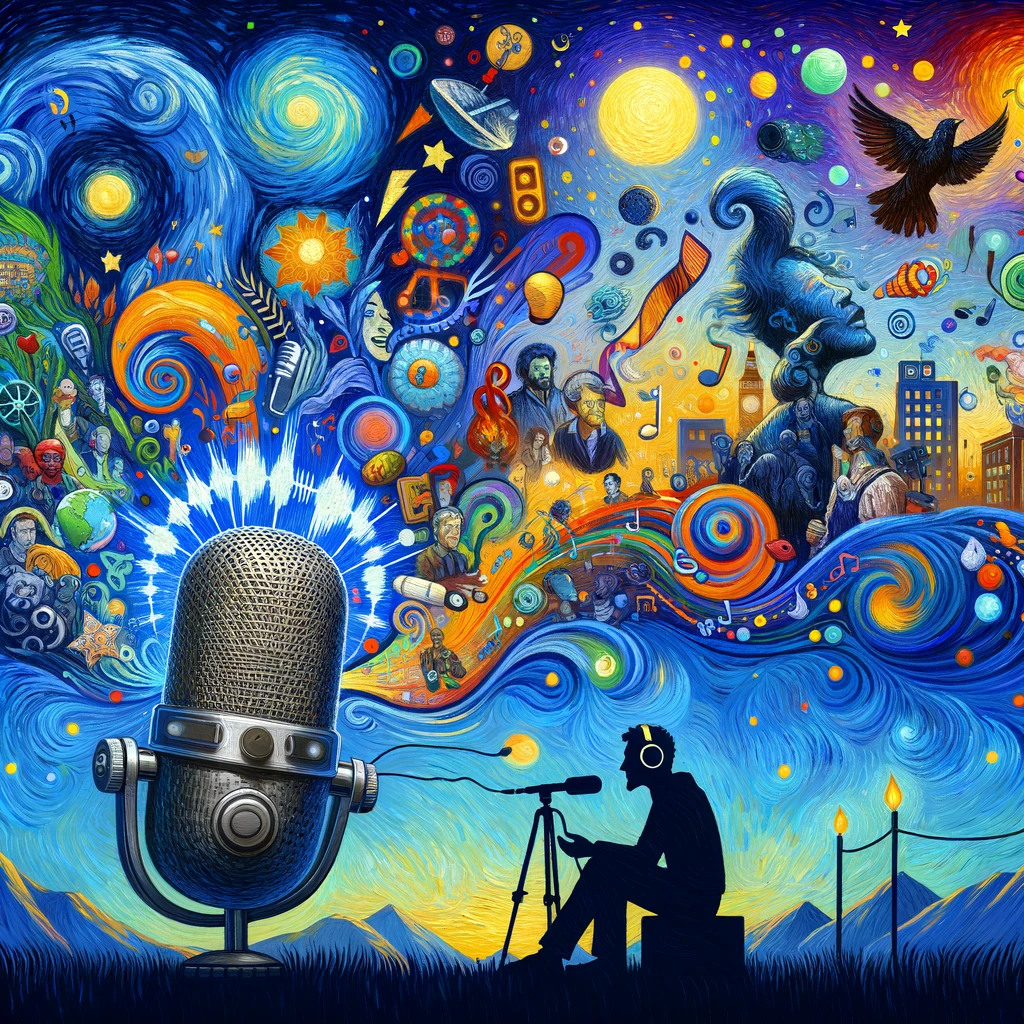
Can A Well-Mixed Podcast Enhance Your Credibility And Authority?
Can A Well-Mixed Podcast Enhance Your Credibility And Authority?
- A well-mixed podcast serves as a medium for authenticity and connection, fostering trust.
- Polished production reflects the creator’s commitment and expertise, influencing audience perception.
- Hosts who invest in their craft elevate their credibility, as sincerity resonates with audiences.
- A well-told narrative can inspire and provoke thought, reflecting shared human experiences.
- Relatable hosts strengthen connections by sharing personal anecdotes that resonate with listeners.
- In the digital age, social proof enhances engagement, turning listeners into an active community.
- A quality podcast cultivates trust and connection, empowering creators to inspire their audience.

Can A Well-Mixed Podcast Enhance Your Credibility And Authority?
What Technical Skills Do You Need To Master For Consistent Mixing?
When it comes to mixing audio, the technical skills required can feel overwhelming. But let’s pause and reflect: mixing isn’t just some mechanical process; it’s an art form. Just like a painter must master their brush and palette, a mixer must get hands-on with their tools to create a masterpiece. It’s about tuning into the emotions of the sounds, understanding their nuances, and sculpting them into a cohesive whole.
First, let’s talk about the heart of mixing—your ear. Developing a keen sense of hearing is paramount. It’s not merely about knowing the difference between a high or a low frequency; it’s about identifying the texture of each sound, what it brings to the table, and how it interacts with other elements. Think of your favorite Podcast: every episode is a carefully crafted journey, where every note and every pause matters. Your ability to discern these subtleties lays the foundation for impactful mixing.
Rationality plays a pivotal role, too. Familiarizing yourself with digital audio workstations (DAWs), understanding signal flow, and mastering equalization are not just technical tasks; these are the lifeblood of mixing. It’s about knowing how to manipulate these tools to tell your story in the most effective way possible. These skills equip you with the power to create a compelling audio tapestry that resonates with listeners.
Now, let’s touch on ethics. When you’re mixing, you are in a position to influence how a message is perceived. This responsibility calls for integrity. You must ensure that every sound serves its purpose, enhancing rather than overpowering the narrative. By doing this, you respect the artist’s intention while delivering a product that honors the listening experience.
Speaking of narratives, think about your own journey. Everyone starts somewhere, often stumbling through trial and error. Reaching out to others for guidance is not just wise; it’s essential. Joining a community of mixers fosters connection, opens doors, and ignites inspiration. Collaborating or simply sharing insights can accelerate your growth while ensuring you never feel alone in this formidable journey.
So, step up. Embrace the blend of heart, head, and soul in your mixing craft. Dive into the technical aspects, learn them, master them, but remember that it’s the emotional connection to the sounds that makes the difference. This isn’t just about mixing tracks; it’s about sharing experiences. The world deserves to hear what you can create—because your voice matters, and your skills can change the conversations happening around us.

What Technical Skills Do You Need To Master For Consistent Mixing?
What Technical Skills Do You Need To Master For Consistent Mixing?
- Mixing audio is an art form that involves not just technical skills, but also emotional connection.
- Developing a keen sense of hearing is essential for identifying the nuances and textures of sounds.
- Understanding digital audio workstations (DAWs), signal flow, and equalization is critical for effective mixing.
- Mixer’s responsibility includes ensuring sounds enhance the narrative while respecting the artist’s intention.
- Trial and error is part of the journey, and seeking guidance from others is crucial for growth.
- Joining a community of mixers fosters connection, inspiration, and collaboration.
- Embrace the blend of technical skills and emotional connection to create impactful audio experiences.

What Technical Skills Do You Need To Master For Consistent Mixing?
Conclusion
Launching a podcast is much more than hitting the record button; it’s about crafting an auditory experience that resonates deeply with your audience. Picture this: a gripping story meets impeccable audio quality—listeners are not just tuning in; they’re leaning in, eager to absorb every word. But when the audio levels bounce unpredictably, it turns that connection into a cumbersome struggle. Imagine your listeners wrestling with volume controls, feeling detached, and risking the very trust they place in you with their precious time. This isn’t merely a technical misstep; it’s an ethical lapse in respect for your audience’s investment.
Consistency in audio levels is paramount—it’s the backbone that supports your narrative. High peaks can distort your message, while soft audio makes listeners battle surrounding noise. Striking the right balance creates an inviting environment where storytelling thrives. Every episode is a chance to reinforce a relationship built on reliability. Think about this: when listeners know they can count on you for clarity and quality, they stick around. You cultivate loyalty, turning casual listeners into advocates for your show.
Navigating the technical landscape—gaining familiarity with your tools, investing in decent equipment, and learning editing software—is crucial. It’s not just about having the latest gear; it’s about understanding how those tools enhance your voice. Skilled podcasters view mixing as an art form, one that evolves through trial, error, and continuous learning. They embrace feedback not as criticism but as insight into how they can refine their craft and serve their audience better.
The social dynamics of podcasting come into play here, too. Audio quality encourages engagement and nurtures community. Clear, consistent sound allows for vibrant discussions and connections that extend beyond the podcast. A well-mixed episode transforms your listeners from passive consumers into active participants, fostering a sense of belonging.
As you embark on your podcasting journey, take a moment to reflect on the experience you want to create. Infuse passion into your production, and respect your audience by delivering quality. Every word, every sound, and every silence contributes to the story you tell. So elevate your audio game. Your listeners want to be part of something meaningful, and when your audio resonates at every level, you become a trusted companion in their journey of discovery. Your voice matters—make sure the world hears it clearly.

Conclusion
Conclusion:
- Launching a podcast involves creating an engaging auditory experience beyond just recording.
- Impeccable audio quality is essential to maintain listener connection and trust.
- Inconsistent audio levels can alienate listeners and undermine their investment of time.
- Consistency in audio quality reinforces reliability, fostering listener loyalty.
- Tech proficiency and quality equipment are important, but understanding their impact is crucial.
- Good mixing is seen as an evolving art form that benefits from feedback and continuous improvement.
- Quality audio nurtures community engagement, transforming listeners into active participants.

Conclusion
Other Resources

Other Resources
Here is a list of other resources you can review online to learn more:
- AI Success Club
- YouTube Music
- MailChimp
- Podchaser
- Instapaper
- Podcastle
- Libsyn
- Podbean
- Spotify
- Resound
- Expertise.tv
- CastBox
- Podcast Guru
- Amazon Music
- Social Sales Link
- Player FM
- Telegram
Use This Prompt To Get More Resources With Your Favorite Online AI Tool: Please provide me with a list of online articles with their URLs in a bulleted list that I can read regarding What Every Podcaster Should Know About Mixing Audio Levels Inconsistently

Other Resources
Glossary Terms
What Every Podcaster Should Know About Mixing Audio Levels Inconsistently – Glossary Of Terms
1. Audio Levels: The volume of sound in a recording, measured in decibels (dB), impacting the clarity and balance of a podcast.
2. Mixing: The process of combining multiple audio tracks into one, ensuring that all sounds are balanced and coherent.
3. Clipping: A distortion that occurs when audio levels exceed the maximum limit, leading to a harsh sound.
4. Dynamic Range: The difference between the quietest and loudest parts of an audio recording, crucial for maintaining clarity.
5. Headroom: The amount of space between the average audio level and the maximum level to prevent clipping and distortion.
6. Normalization: The process of adjusting audio levels to a standard level for consistent listening across episodes or segments.
7. Compression: A technique that reduces the dynamic range of audio, making soft sounds louder and loud sounds softer for better balance.
8. Equalization (EQ): The adjustment of individual frequency ranges within the audio to improve clarity and reduce muddiness.
9. Panning: The distribution of sound across the stereo field, creating a sense of space and direction in the mix.
10. Fader: A control used to adjust the volume of an audio track or channel in a mixing console.
11. Bass: Low-frequency sounds, often requiring careful mixing to prevent overpowering other elements.
12. Treble: High-frequency sounds that add brightness to a mix but can become harsh if overemphasized.
13. Mono: A single audio channel, often used for podcasts to ensure compatibility with various playback systems.
14. Stereo: Two audio channels, allowing for a more immersive listening experience by simulating spatial sound.
15. Loudness Meter: A tool used to measure perceived loudness levels, helping podcasters avoid inconsistent levels.
16. Fade In/Out: Gradual increase or decrease in volume at the beginning or end of a track, providing smoother transitions.
17. Recording Levels: The levels at which audio is recorded, which should be monitored to avoid distortion.
18. Dither: A process applied to audio when converting bit depth, preventing distortion and artifacts.
19. Format: The type of audio file (such as MP3, WAV, or AAC) that affects quality and compatibility.
20. Audio Interface: A device that connects microphones and instruments to a computer, affecting recording quality.
21. Room Acoustics: The characteristics of a room that influence how sound is recorded, often requiring sound treatment for optimal results.
22. Reference Track: A professionally mixed audio piece used as a benchmark for achieving desired audio levels and quality.
23. Plugin: Software that adds effects or processing to audio tracks, enhancing sound quality or creating specific audio effects.
24. Limiting: A form of compression that prevents audio from exceeding a certain level, crucial for maintaining consistent loudness.
25. Background Noise: Unwanted ambient sounds that can interfere with the clarity of the primary audio.
26. Voiceover: A recorded voice used in podcasts, often requiring specific mixing considerations for clarity and presence.
27. Sound Design: The art of creating audio elements that enhance storytelling and listener engagement in a podcast.
28. Latency: The delay between input and output in audio systems, which can affect recording and editing efficiency.
29. Frequency Response: The measure of an audio system’s ability to reproduce sound over different frequencies accurately.
30. Listening Environment: The physical space where audio is mixed or monitored, affecting decision-making during the mixing process.

Glossary Of Terms
Other Questions
What Every Podcaster Should Know About Mixing Audio Levels Inconsistently – Other Questions
If you wish to explore and discover more, consider looking for answers to these questions:
- What are the common mistakes podcasters make when mixing audio levels?
- How can I find the right equipment for my podcasting needs?
- What are some reliable audio editing software options for beginners?
- How do I create an ideal recording environment for my podcast?
- What compression techniques can enhance my podcast’s audio quality?
- How often should I seek feedback from my listeners regarding audio quality?
- What are some advanced mixing techniques used by professional podcasters?
- How can I maintain audio consistency across different episodes and guests?
- Are there specific audio standards or guidelines I should follow?
- What resources are available for learning audio mixing skills?
- How does audio quality impact listener retention and engagement rates?
- What role does music and sound design play in podcast audio mixing?
- How can I troubleshoot common audio issues during recording or mixing?
- What are the ethical considerations regarding audio modification in storytelling?
- How can community engagement enhance my podcast’s growth and audio quality?

Other Questions
Haiku
What Every Podcaster Should Know About Mixing Audio Levels Inconsistently – A Haiku
Audio waves embrace,
Crafting trust with every word—
Hearts and minds converge.

Haiku
Poem
What Every Podcaster Should Know About Mixing Audio Levels Inconsistently – A Poem
In the world where voices blend,
Podcasts spin their tales to send,
A dance of sound, a rhythm true,
Yet, dear creator, the burden’s on you.
Rollercoaster highs, the erratic lows,
Listeners seek what steady flows.
Turn up the volume, then fade away,
Frustration blooms as stories decay.
Each episode, a promise made,
To honor the moments, the trust conveyed.
Invest in your craft, let clarity reign,
For a well-mixed sound is a bond to sustain.
Quality gear, a welcoming space,
Build the foundation where stories embrace.
For every echo, every stray sound,
Respect for your audience must be profound.
Mixing’s not just a technical chore,
It’s the heartbeat of stories, the pulse at the core.
With every crackle, with every tone,
Your essence pours into the shared zone.
Embrace the art, the journey, the grind,
Craft the experience that binds heart and mind.
A community thrives when clarity’s sought,
Let your listeners connect with each lesson, each thought.
So approach the mic with a heart open wide,
For every episode holds the power inside.
In the tapestry woven, let your voice ring clear,
For when audio flows right, your message is dear.

Poem
Checklist
What Every Podcaster Should Know About Mixing Audio Levels Inconsistently – A Checklist
Checklist for Consistent Audio Mixing in Podcasts
Heart
_____ Invest in Your Audience: Consider the emotional journey your listeners take. Treat your audio quality as a means to enhance their experience.
_____ Respect Their Time: Acknowledge that your audience is giving you their time and attention—deliver audio they can rely on.
_____ Build Connections: Foster a sense of community; engage with listeners and let them be part of your podcasting journey.
Head
_____ Quality Equipment: Research and invest in a good microphone and headphones to establish a solid audio foundation.
_____ Learn Editing Software: Familiarize yourself with digital audio workstations (DAWs) and the tools available for compressing and equalizing sound.
_____ Understand Audio Levels: Regularly check and monitor your audio levels to prevent issues with peaks and quiet spots.
Gut
_____ Stay Authentic: Ensure that your audio reflects your personality and style to create a genuine connection with your listeners.
_____ Accept Imperfection: Embrace mistakes as learning opportunities; persistence leads to improvement.
_____ Commit to Consistency: Regularly deliver episodes with similar tone and energy to build trust and loyalty.
Ethical
_____ Honor Your Craft: Recognize the responsibility that comes with producing content; create with intention and respect for your audience.
_____ Seek Feedback: Encourage audience input on audio quality and be willing to make adjustments based on their insights.
Authority
_____ Educate Yourself: Continuously improve your skills and knowledge about audio mixing and production techniques.
_____ Showcase Expertise: Let the quality of your audio reflect your expertise in the subject matter you cover.
Narrative
_____ Tell Your Story: Use audio elements to enhance the storytelling aspect of your podcast, inviting listeners into your narrative.
_____ Share Your Journey: Offer behind-the-scenes insights into your mixing process as a way to connect with your audience.
Social
_____ Build a Community: Use social media platforms to foster discussions around your podcast, encouraging listener engagement and participation.
_____ Invite Collaboration: Connect with other podcasters or audio mixers for shared experiences and insights; collaboration strengthens the podcasting community.
Regularly refer to this checklist to ensure you’re consistently improving your audio mixing skills and delivering the best possible experience to your listeners.

Checklist
At PodcastBig, we help people who want to learn about podcasting by collating information and news about podcasting.
Be sure to read our other related stories at PodcastBig to learn more about podcasting.