

The Power Of Audio: A Guide For Podcasters And Aspiring Creators
By Tom Seest
At PodcastBig, we help people who want to learn about podcasting by collating information and news about podcasting.
Be sure to read our other related stories at PodcastBig to learn more about podcasting.
What Every Podcaster Should Know About Creators Want to Try Audio Fiction, Roleplay, Or Sound Art
For those creators itching to dip a toe into the world of audio fiction, roleplay, or sound art, here’s what you need to know. Picture this: an intimate gathering around a crackling fire, stories being spun with the kind of warmth that feels almost tangible. That’s the magic of crafting audio experiences—immersive narratives that resonate. If you’re thinking about launching a podcast in one of these genres, prepare yourself for a journey that’s as rewarding as it is challenging.
Start with the heart. Your stories should pulse with authenticity. Whether you’re roleplaying a fantasy adventure or painting a sonic landscape, the emotions you convey must be visceral. Listeners crave connection, a taste of what it feels like to live within the worlds you create. Dive into your own experiences, your own triumphs and failures, and translate those into your narratives. This raw honesty invites audiences to lean in, hear every word, and feel every moment.
Then there’s the head aspect—strategic planning. Before you hit record, understand your audience. Research the existing podcasts in your genre, noting what works, what doesn’t, and what gaps you can fill. This isn’t just a creative endeavor; it’s a business one as well. Develop a plan that outlines your themes, episode structure, and promotional strategies. Ground yourself in the mechanics of sound design, editing, and storytelling techniques. Knowledge isn’t just power; it’s your first step toward building trust with your listeners.
Ethics matter. In a landscape filled with diverse voices, ensure that the stories you tell are respectful and inclusive. Be mindful of representation, acknowledging the perspectives and experiences of others. This approach not only expands your audience but fosters a sense of community—a crucial element in the podcasting realm.
Finally, remember the power of narrative. Every podcast has a story behind it, and sharing your personal journey—what inspired you to embark on this audio adventure—can foster connection. Stand tall as a creator and invite your listeners to walk beside you. Let them into your world, your aspirations, and the challenges you face.
The right blend of passion, strategy, and ethics will empower you to create something truly special. Your voice can be a catalyst for change, connection, and creativity—so go out there, amplify it, and let the stories unfold.

What Every Podcaster Should Know About Creators Want to Try Audio Fiction, Roleplay, Or Sound Art
What Every Podcaster Should Know About Creators Want to Try Audio Fiction, Roleplay, Or Sound Art
- Audio fiction, roleplay, and sound art create immersive narratives that resonate with audiences.
- Craft stories with authenticity, drawing from personal experiences to establish a strong emotional connection.
- Conduct research on your audience and existing podcasts to define your themes and episode structure strategically.
- Familiarize yourself with sound design, editing, and storytelling techniques to enhance your podcast’s quality.
- Prioritize ethics by ensuring respectful and inclusive representation of diverse voices in your narratives.
- Share your personal journey and inspirations to foster a deeper connection with your listeners.
- Combine passion, strategy, and ethics to empower your creative endeavors and amplify your voice in the podcasting space.

What Every Podcaster Should Know About Creators Want to Try Audio Fiction, Roleplay, Or Sound Art
Table Of Contents
- What Every Podcaster Should Know About Creators Want to Try Audio Fiction, Roleplay, Or Sound Art
- What Drives You To Explore Audio Fiction And Sound Art?
- How Can Storytelling Through Audio Transform Your Creative Process?
- What Ethical Considerations Should You Keep In Mind While Creating?
- How Do You Balance Artistic Expression With Audience Expectations?
- What Resources Can Help You Improve Your Audio Production Skills?
- How Can Immersive Soundscapes Enhance Listener Engagement?
- How Can Collaboration With Other Creators Elevate Your Work?
- Conclusion
- Other Resources
- Glossary Of Terms
- Other Questions
- Haiku
- Poem
- Checklist
What Drives You To Explore Audio Fiction And Sound Art?
What drives you to explore audio fiction and sound art? It’s an invitation to engage with the world through a unique lens—a place where stories burgeon not just in the mind, but pulse in the very air we breathe. Close your eyes for a moment and let the sounds wash over you. Each whisper, every echo, is a chance to connect with emotions that may otherwise remain dormant in our everyday lives.
Consider the allure of a well-crafted podcast. It’s not just about the story—it’s about the community it cultivates. Listeners find themselves bonding over shared narratives, discussing characters as if they were friends or family. This collective experience fosters a sense of belonging, reminding us that we are never truly alone. When we tune in, we step into a realm that celebrates diversity, painting vivid tapestries of experiences from voices around the globe.
Now, let’s switch gears and engage our rational side. Sound art challenges our perceptions of reality. That’s more than just entertainment; it’s a means of exploring the complexities of modern life. We face an increasingly chaotic world, and audio fiction has the power to distill that chaos into immersive stories that provoke thought. These narratives often offer a deeper understanding of our struggles, triumphs, and the human experience itself. Sound art, too, pushes boundaries, merging auditory elements to construct experiences that engage our intellect and senses alike.
Ethically, exploring these forms of expression nurtures empathy. In the realm of audio fiction and sound art, creators share stories from diverse perspectives that uplift unheard voices. By participating in these experiences, you are not just a passive recipient—you are an active participant in a movement towards inclusivity and understanding. You become part of a larger conversation about humanity and voice, championing art that makes a difference.
Finally, there’s a visceral thrill to the unexpected. Picture yourself curled up with headphones, lost in a world of sound, where each moment holds a surprise that ignites your gut instinct. That compelling rush connects us to both the craft of storytelling and to ourselves. It’s an opportunity to explore what truly resonates, and perhaps discover a new facet of your own being you didn’t know existed.
So, let the sounds guide you. Explore audio fiction and sound art, and prepare to embark on a journey that enriches the heart, challenges the mind, and stirs the spirit.
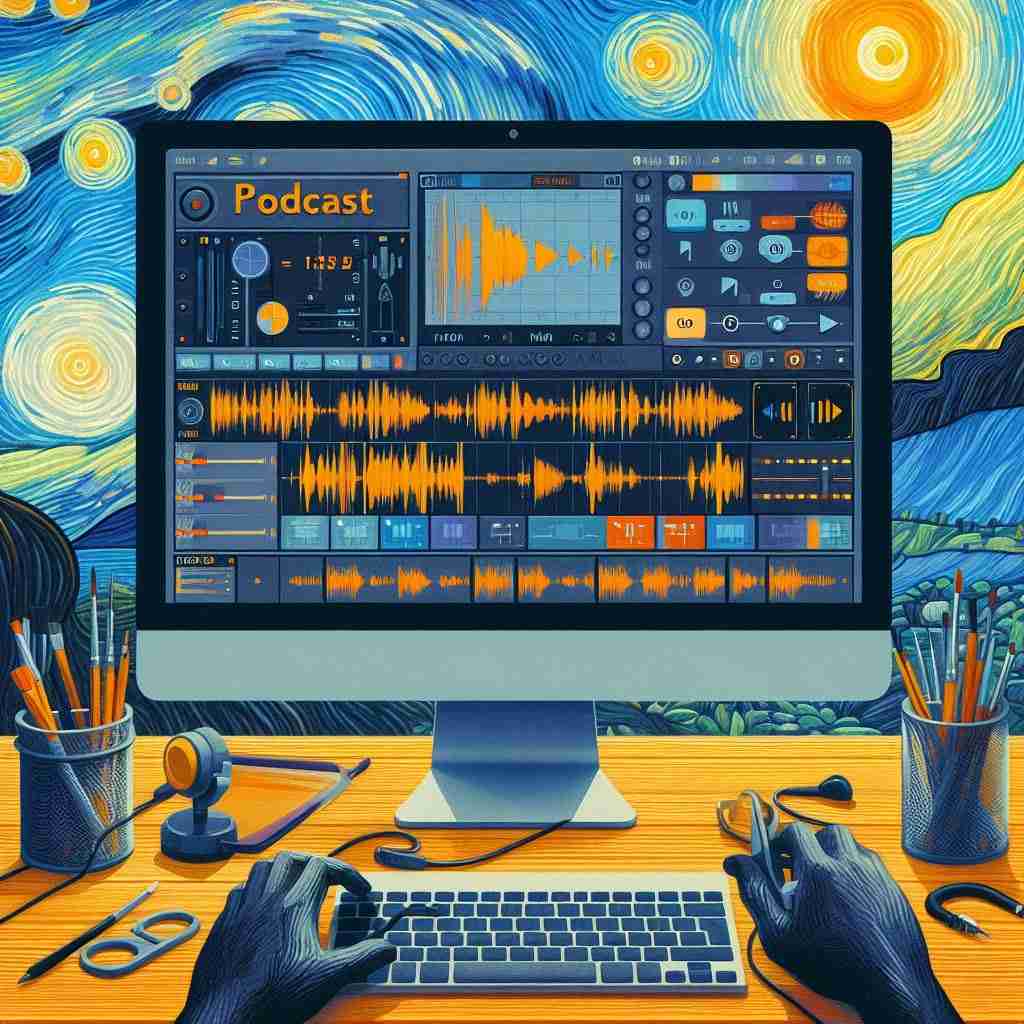
What Drives You To Explore Audio Fiction And Sound Art?
What Drives You To Explore Audio Fiction And Sound Art?
- Audio fiction and sound art invite engagement with the world through unique storytelling.
- They foster community by creating bonds among listeners who share and discuss narratives.
- These forms of audio storytelling celebrate diversity and offer wide-ranging experiences from global voices.
- Sound art challenges perceptions and explores the complexities of modern life, provoking thought.
- Both mediums nurture empathy by uplifting unheard voices and encouraging inclusivity.
- There’s a thrilling element of surprise that deepens connection to storytelling and self-discovery.
- Exploring audio fiction and sound art enriches the heart, challenges the mind, and stirs the spirit.

What Drives You To Explore Audio Fiction And Sound Art?
How Can Storytelling Through Audio Transform Your Creative Process?
When you think about creativity, you might picture a blank canvas or a writer hunched over a notepad. But let me tell you, there’s another frontier that can unlock dimensions in your creative process: storytelling through audio. A podcast has the power to reach deep into our hearts and minds, weaving narratives that can stir emotions and spark innovation. Imagine sitting back with a set of headphones, letting the smooth tones of a skilled storyteller transport you to places you’ve never been or times you’ve never lived. That immediacy connects with your gut, resonating with truths often tucked away in the corners of our lives.
In the world of audio storytelling, you don’t just hear—it’s as if you’re living right through the tales being told. This isn’t mere entertainment; this is the kind of engagement that matches the heartbeat of a deeply inspiring conversation. Think about a time when a story changed your perspective. Was it a friend sharing an experience over coffee? Or maybe it was a podcast that posed the question you’d been avoiding? These moments make us reflect, challenge our assumptions, and give us the courage to explore new ideas.
From a rational standpoint, audio storytelling cuts through the chaos of our visual-heavy world, allowing thoughts to slow down and giving room for introspection. It’s a medium that enables multitasking, allowing you to absorb wisdom while washing dishes or driving to work, magnifying productivity without sacrificing those “aha” moments that come from engaging narratives.
Ethically, there’s a power in shared stories. They remind us of our common humanity and the diverse experiences that shape our lives. Listening to others reveals truths about our own trials and triumphs, fostering connections that bridge gaps and elevate understanding.
Just as crucial is the social aspect of audio storytelling. By sharing your podcast or engaging with others who make their voices heard, you create a community of like-minded creators, all hungry for insight and inspiration.
So, if you’re ready to transform your creative process, dive into the world of audio storytelling. Let those voices echo through your mind, challenge your creativity, and remind you that every story holds a piece of your own. Embrace it; allow the narrative to guide you. Your next big idea isn’t just a thought; it’s waiting to be heard.

How Can Storytelling Through Audio Transform Your Creative Process?
How Can Storytelling Through Audio Transform Your Creative Process?
- Audio storytelling offers a unique medium for creativity, distinct from traditional forms like writing or painting.
- Podcasts can evoke deep emotions and inspire innovative thinking through immersive narratives.
- Listeners engage with audio stories on a personal level, experiencing the tales rather than just hearing them.
- Stories can challenge perspectives and encourage exploration of new ideas through reflective engagement.
- Audio storytelling allows for multitasking, enabling wisdom absorption during everyday activities without losing impactful insights.
- Shared stories promote a sense of common humanity and foster connections through shared experiences.
- Engaging with audio storytelling can create a community of creators and inspire new ideas in your own creative process.

How Can Storytelling Through Audio Transform Your Creative Process?
What Ethical Considerations Should You Keep In Mind While Creating?
Creating content—or anything, really—comes with a responsibility that goes beyond just scratching your own creative itch. When you sit down to muster a piece, whether it’s an article, a podcast, or even a simple social media post, it’s worth taking a moment to reflect on the ethical implications of what you’re putting out into the world. Engaging ethically isn’t just about avoiding faux pas; it’s about understanding the impact you can have on individuals and communities alike.
Now, take a second to consider the narratives you’re weaving. They’re powerful. The stories you tell can either uplift, empower, or damage perceptions. When crafting your message, check in with your gut. Ask yourself: “Is this contributing to the well-being of others?” Use that inner compass to guide your choices. We’re not just voices in the void; we’re part of a social fabric, and every thread matters. It’s a responsibility we carry every time we hit ‘publish’ or ‘record.’ We need to be mindful of how our words land. Will they inspire someone to take action, or will they perpetuate harmful stereotypes?
From a rational perspective, ethical considerations also enhance the credibility of your work. When audiences know you’ve done your homework, that you’ve considered various viewpoints and approached sensitive topics with care, trust often follows. It’s not just about being right; it’s about being fair and balanced. Citing sources, acknowledging biases, and fostering critical thinking allow you to build authority and respect in your domain.
Let’s not overlook the emotional aspect. Passion and purpose resonate with listeners, but so does sincerity. Creating with empathy can forge connections that transcend the screen or the airwaves. When people feel understood, they are more likely to engage and share your message, transforming a casual listener into a loyal supporter.
Take a moment to reflect before you share. Think of the families, individuals, and communities who may be affected by your words. Your influence can extend far beyond what you might initially perceive. By embracing these ethical considerations, you’re not merely creating content; you’re participating in a meaningful dialogue that values trust, respect, and shared human experience. So, as you prepare to launch your next project, remember: this is not just your work; it’s your legacy. Aim to make it count.

What Ethical Considerations Should You Keep In Mind While Creating?
What Ethical Considerations Should You Keep In Mind While Creating?
- Creating content carries a responsibility that extends beyond personal creativity.
- Consider the ethical implications of your work and its impact on individuals and communities.
- The narratives you create can uplift or damage perceptions, so reflect on their potential outcomes.
- Engage with a mindset of empathy and mindfulness when crafting your message.
- Ethical considerations enhance credibility and build trust with your audience.
- Creating with sincerity and empathy fosters connections and encourages audience engagement.
- Your work is part of a meaningful dialogue that shapes your legacy—strive to make a positive impact.

What Ethical Considerations Should You Keep In Mind While Creating?
How Do You Balance Artistic Expression With Audience Expectations?
Artistic expression is a dance, a delicate waltz between the creator’s inner voice and the yearning gaze of the audience. Many artists find themselves at a crucial crossroads — one path leads to sincere self-expression, while the other beckons with the tantalizing allure of popularity. It’s a dilemma as old as art itself: how do you remain authentic without losing touch with the very people you wish to move?
Let’s dive into the emotional side first. There’s a raw beauty in pouring your heart onto a canvas or into a song. Remember those moments when the world seemed to fade away, and it was just you and your art? When you’re drenched in creativity and passion, it can feel liberating, almost transcendent. But what happens when your voice resonates with silence instead of applause? That silence can be deafening. The fear of rejection looms large, but rejecting your own truth can feel even larger.
Now, let’s engage the rational mind. Consider the nature of art itself: it reflects society, challenges norms, and sparks dialogues. While it’s tempting to follow trends that promise immediate satisfaction, wise creators recognize that timelessness resides in authenticity. Those classics you admire? They weren’t crafted for popularity; rather, they broke the mold and demanded attention through genuine expression. Yes, audience expectations matter, but great art has a knack for reshaping those expectations.
This is where ethical considerations come into play. As artists, we carry a responsibility to uplift, challenge, and provoke thought. Isn’t it a more profound victory to leave your mark on the world, even if it means courting discomfort? The narrative of your journey becomes a testament to resilience. Every brushstroke, every note, tells a story — yours, our shared humanity, and the world around you.
Finally, think about the social aspect. Engaging in dialogue with your audience can illuminate roads you never considered. Feedback can refine your voice rather than dilute it. When you share your process, vulnerabilities, and inspirations, you create connections that transcends traditional barriers. The relationships forged through your work can foster trust and invite collaboration.
The balance between artistic expression and audience expectations doesn’t have to be a tightrope walk. Embrace who you are and share that journey, inviting others along for the ride. Keep the dialogue alive, and remember — art is a conversation, not a monologue. Let’s keep the conversation going; after all, we’re all in this together.

How Do You Balance Artistic Expression With Audience Expectations?
How Do You Balance Artistic Expression With Audience Expectations?
- Artistic expression represents a balance between the creator’s inner voice and the audience’s expectations.
- Artists face a dilemma: stay authentic to themselves or pursue popularity.
- True creativity offers liberation, but fear of rejection can lead to silence.
- Authenticity in art is timeless and often challenges societal norms, unlike trend-driven creations.
- Artists have a responsibility to provoke thought and uplift through their work, even if it is uncomfortable.
- Engaging with the audience fosters connections and enhances artistic expression through dialogue and feedback.
- Art should be viewed as a conversation, inviting collaboration and shared experiences with others.

How Do You Balance Artistic Expression With Audience Expectations?
What Resources Can Help You Improve Your Audio Production Skills?
Improving your audio production skills is less about the gear you own and more about the community you build around your passion. When you’re on this journey, consider reaching out to fellow enthusiasts—whether through forums, workshops, or local meetups. These gatherings can feel like family reunions where everyone speaks the same language; a place where the seasoned pros share their war stories and tips, paving the way for newcomers eager to learn.
Online resources are an incredible treasure trove. Dive into some podcasts that focus on the nitty-gritty of sound design, storytelling, and production techniques. You’ll find voices that resonate with your own experiences, authors who are as passionate about the art as you are. Many of these podcasters have been where you are now, struggling to get their first project off the ground. Their hurdles become your lessons, offering a map to navigate the choppy waters of audio production.
Books and courses can provide the structure and clarity you need. There’s nothing quite like a well-written guide that leads you through the complexities of mixing or mastering. You’ll bond with the pages as they unfold new possibilities, inspiring you to push your creative boundaries. Credentialed experts often share their insights through online workshops or classes—an ethical investment in your skills that pays off when you hear your work resonate with listeners.
YouTube is another goldmine, bursting at the seams with tutorials and real-life demonstrations. Watching an industry veteran break down a process step-by-step can awaken your inner creator. The visceral thrill of bringing sound to life is contagious, and as you absorb these lessons, you’ll feel that nagging urge to pick up your gear and try it yourself.
Lastly, don’t forget the importance of practicing alongside your peers. Collaborate with fellow audio engineers or musicians. Be part of their creative processes, and let them be part of yours. This camaraderie can ignite inspiration and generate new ideas that may just be the spark you need to take your skills to the next level.
Audio production isn’t just about refinement; it’s about connection—understanding the heart of sound and sharing it with the world. So, grab your headphones, turn up the volume, and jump in. The community is waiting, and your next great sound is just around the corner.

What Resources Can Help You Improve Your Audio Production Skills?
What Resources Can Help You Improve Your Audio Production Skills?
- Improving audio production skills relies more on community than on gear.
- Engage with fellow enthusiasts through forums, workshops, and local meetups.
- Online resources, such as podcasts, provide valuable insights from experienced creators.
- Books and courses offer structured guidance for mixing and mastering techniques.
- YouTube features a variety of tutorials that can invigorate your creative process.
- Collaborating with peers can inspire new ideas and enhance learning experiences.
- Audio production is about connection and sharing the art of sound with the world.

What Resources Can Help You Improve Your Audio Production Skills?
How Can Immersive Soundscapes Enhance Listener Engagement?
When we talk about the power of immersive soundscapes, we’re venturing into territory that digs deep into what it means to connect—both as individuals and as a community. Imagine tuning into your favorite podcast and suddenly being transported to a bustling market, the air thick with the scent of spices, the chatter of shoppers, the playful bickering of merchants. That’s not just background noise; it’s a bridge, connecting you to a world beyond your own.
When a soundscape is crafted with care and intention, it can tap into our emotional core. Think about it: as listeners, we crave experiences that resonate with our feelings. A well-designed audio environment can evoke nostalgia or inspire joy, transporting us to moments from our past. It’s like a gentle nudge that makes you remember walking through your hometown on a crisp autumn day or the laughter shared around a dinner table. These experiences are what shape us, and when a podcast dives into these immersive soundscapes, it can turn ordinary stories into extraordinary experiences.
Rationally, let’s consider how our brains process sound. Research shows that immersive audio enhances focus and retention. It engages multiple parts of our brain, creating a more robust connection with the content we consume. In a world filled with distractions, that’s no small feat. A captivating soundscape holds our attention, making us lean in, ready to absorb every word, every nuance. We’re wired to engage with narrative, and every chirp, whisper, or swell of music draws us deeper into the unfolding story.
From an ethical standpoint, creating immersive soundscapes fosters inclusivity, enabling diverse voices and experiences to shine through. When a podcast includes natural sounds from various cultures or locales, it broadens our understanding of the world, building empathy and awareness. It encourages us to walk in someone else’s shoes, to truly hear their story.
By weaving rich, immersive soundscapes into the fabric of storytelling, we’re not just keeping listeners engaged; we’re building a community that matters. The stories we share are not just ours; they belong to all of us. So next time you press play on a podcast, allow yourself to be enveloped in the soundscape. Embrace the journey, and remember that every sound tells a story—a story that connects us all.

How Can Immersive Soundscapes Enhance Listener Engagement?
How Can Immersive Soundscapes Enhance Listener Engagement?
- Immersive soundscapes enhance the connection between individuals and communities.
- Soundscapes can transport listeners to vivid environments, enriching their experience.
- Well-crafted audio environments evoke emotions, such as nostalgia and joy.
- Research indicates immersive audio improves focus and retention by engaging multiple brain areas.
- Immersive soundscapes foster inclusivity and showcase diverse cultures and voices.
- Creating rich audio experiences not only engages listeners but also builds a stronger sense of community.
- Each sound contributes to storytelling, connecting us through shared narratives.

How Can Immersive Soundscapes Enhance Listener Engagement?
How Can Collaboration With Other Creators Elevate Your Work?
In the grand tapestry of creation, collaboration isn’t just a thread; it’s the loom itself. When creators come together, something magical happens. You see, sharing ideas isn’t merely an exchange; it’s an invitation to elevate our craft and broaden our perspective. Imagine a podcast where multiple voices—not just your own—coalesce into a symphony of thoughts, experiences, and insights. That’s where the real magic lies.
You might think you’re forging your path alone, but every artist knows the weight of isolation. Each brushstroke, each note, each word can feel heavy when carried solo. However, when you invite others into your process, that burden lightens. Collaboration ignites the spark of creativity, pushing you beyond your limits. It’s a reminder that innovation often comes from diversity. Different backgrounds foster different viewpoints, revealing blind spots you didn’t even know existed. This isn’t just touchy-feely jargon; it’s rational. Teams with varied experiences produce work that resonates more deeply with broader audiences.
But let’s be clear—it’s not just about the end product. There’s an ethical imperative in collaboration as well. Sharing credits, acknowledging contributions, and fostering an inclusive environment builds trust not just with your collaborators, but with your audience. It says, “I value others as much as I value my own work.” When people see genuine partnerships, they’re inclined to root for you, feel connected, and want to engage with your projects.
We’ve all been in a situation where our ideas felt like they were spinning around in our heads—great, but confined. But when you cultivate a relationship with other creators, you create a community. Social appeal comes into play here. You don’t just build a portfolio; you build a network. This network becomes a reservoir of resources, support, and motivation. When one of you rises, you all do. And in an industry that often feels like a grind, there’s nothing more powerful than knowing that there are others who share your struggles and triumphs.
So, reach out and explore those uncharted territories with fellow artists. Listen to their stories, share your struggles, and witness the alchemy that unfolds. Your work isn’t just a solo journey; it’s a collaborative expedition waiting to happen. Embrace that, and you might just find yourself crafting something you never thought possible.

How Can Collaboration With Other Creators Elevate Your Work?
How Can Collaboration With Other Creators Elevate Your Work?
- Collaboration is essential, acting as the loom that weaves together creators’ ideas.
- Sharing ideas elevates craft and expands perspectives, creating a richer creative experience.
- Isolation can weigh heavily on artists; collaboration lightens that burden and ignites creativity.
- Diverse teams produce more resonant work by revealing blind spots and fostering innovation.
- Ethical collaboration involves sharing credits and acknowledging contributions, building trust with collaborators and audiences.
- Creating a community with fellow artists leads to networking, support, and shared motivation.
- Engaging with others opens up new creative possibilities, transforming solo journeys into collaborative expeditions.

How Can Collaboration With Other Creators Elevate Your Work?
Conclusion
Navigating the world of audio fiction, roleplay, and sound art is more than just setting up a microphone and hitting record. It’s a profound exploration of storytelling that taps into our collective consciousness, urging us to connect, create, and challenge our perceptions. Picture yourself around a glowing campfire, sharing tales that meld our realities with the realms of imagination. That’s the essence of audio—where authentic experiences foster deep bonds between creators and listeners. Your journey begins with the heart—crafting narratives infused with raw, honest emotion. If you want your audience to lean in, share pieces of your life, turning your struggles and victories into rich tapestries of sound. This vulnerability resonates, creating a space where listeners feel at home, almost like family.
Yet, don’t forget the head—the strategic thinking behind your craft. Understanding your audience is crucial; it’s not just about telling stories, but about delivering narratives that engage and resonate. Immerse yourself in the existing landscape of podcasts to find what’s been done, and discover the gaps that your unique voice can fill. This approach isn’t solely artistic; it’s about establishing trust and building a community through mutual respect and inclusivity. Be ethical in your storytelling. Acknowledge diverse perspectives; let your platform amplify voices that are often unheard. This commitment not only enriches your content but also cultivates a supportive community—one that thrives on shared experiences.
As you embark on this creative journey, don’t underestimate the power of collaboration. In joining forces with fellow creators, you create a vibrant dialogue that propels your work to new heights. Each collaborative project becomes an opportunity for growth, blending diverse backgrounds and insights into a unified vision. Just like a well-crafted audio landscape, where every sound adds depth and nuance, your collective efforts can breathe life into the stories you tell.
So, as you prepare to dive into the soundscapes of your imagination, remember this: every story you share isn’t just your own; it’s a reflection of our shared humanity. Your voice has the potential to uplift, inspire, and connect with others. Embrace the journey, and let your stories unfold. Together, let’s build a community that champions creativity, empathy, and the art of connection.

Conclusion
Conclusion:
- Navigating audio fiction requires more than just recording; it’s an exploration of storytelling that connects with collective consciousness.
- Authentic storytelling fosters deep bonds between creators and listeners, evoking emotions and shared experiences.
- Strategic understanding of your audience is essential for crafting narratives that engage and resonate.
- Research the podcast landscape to identify gaps your unique voice can fill, fostering trust and community.
- Recognize diverse perspectives in storytelling to enrich content and cultivate a supportive community.
- Collaboration with fellow creators enhances growth and unifies diverse insights into a cohesive narrative.
- Every story shared reflects our shared humanity and has the potential to inspire and connect with others.

Conclusion
Other Resources

Other Resources
Here is a list of other resources you can review online to learn more:
- AI Success Cast
- Spreaker
- Column1
- Podcast Studio
- Google Podcasts Manager
- Blogger
- Deezer
- Podcast Republic
- Spotify
- Podcast Addict
- Fountain
- Patreon
- RSS
- Apple Podcasts for Creators
- YouTube Music
- Podchaser
- Threads
- Planly
- Scoop.It
- Diigo
Use This Prompt To Get More Resources With Your Favorite Online AI Tool: Please provide me with a list of online articles with their URLs in a bulleted list that I can read regarding What Every Podcaster Should Know About Creators Want to Try Audio Fiction, Roleplay, Or Sound Art

Other Resources
Glossary Terms
What Every Podcaster Should Know About Creators Want to Try Audio Fiction, Roleplay, Or Sound Art – Glossary Of Terms
1. Audio Fiction: A genre of storytelling using sound elements, including dialogue, narration, and sound effects, to create immersive narratives.
2. Roleplay: A creative activity where individuals act out characters and scenarios, often used in audio fiction to enhance storytelling.
3. Sound Art: An artistic medium that focuses on creating sound as a form of expression, often using unconventional audio techniques and formats.
4. Narration: The act of telling a story, which can be performed by a voice actor or author to guide listeners through the audio content.
5. Sound Design: The process of creating and manipulating audio elements to enhance the narrative, including background sounds, effects, and music.
6. Editing: The technical process of refining audio content, including cutting, mixing, and arranging pieces to create a polished final product.
7. Scriptwriting: The craft of writing scripts for audio fiction, including dialogue, scene descriptions, and sound cues.
8. Podcasting: The digital distribution of audio files, usually in a series format, allowing listeners to subscribe and receive new episodes regularly.
9. Voice Acting: The art of performing voice-over work, where actors provide the voices of characters in audio productions to bring stories to life.
10. Foley: The reproduction of everyday sound effects that are added to films, videos, and other media in post-production to enhance audio quality and realism.
11. Pacing: The rhythm and speed of audio delivery; essential for maintaining listener engagement and enhancing dramatic effect in storytelling.
12. Atmospheric Sound: Background audio that creates a sense of place or mood, often used to immerse listeners in a fictional world.
13. Podcast Network: A collective of content creators who collaborate to produce and promote multiple podcasts under one brand or platform.
14. Scripting: The process of writing out audio content in a structured manner, often following specific formats and guidelines for clarity and flow.
15. Production: The overall process of creating audio content, from pre-production planning to recording to post-production editing.
16. Genre: A category of storytelling that defines the style or narrative framework, such as drama, comedy, fantasy, and horror, often influencing audience expectations.
17. Audience Engagement: Techniques and strategies to involve listeners actively, fostering a community around the podcast and encouraging interaction.
18. Transcription: The process of converting spoken audio into written text, useful for accessibility and content promotion.
19. Narrative Arc: The structure of a story, typically including exposition, rising action, climax, falling action, and resolution.
20. Collaborative Storytelling: A method where multiple creators contribute to a single story, combining various perspectives and styles to enrich the narrative.
21. Live Recording: Capturing audio content in real time, often in front of an audience or during live events, adding spontaneity and energy to the performance.
22. Promotion: The marketing efforts to increase awareness and listenership of a podcast, using social media, advertising, and partnerships.
23. Analytics: Data analysis tools used to measure podcast performance, listener demographics, and engagement metrics, guiding content strategy.
24. Feedback: Insights and responses from listeners regarding content, style, and delivery, critical for growth and improvement in podcasting.
25. Streaming: The delivery of audio content over the internet in real time, allowing listeners to enjoy content without downloading files.
26. Microphone Techniques: Methods and practices for using microphones effectively to capture clear audio, including positioning and acoustic considerations.
27. Genre Blending: The practice of combining elements from different genres in audio storytelling to create unique and innovative narratives.
28. Voice Modulation: The variation in tone, pitch, and volume while speaking to convey emotion and character depth effectively.
29. Soundscape: The auditory environment created by various sound elements, establishing the setting and mood within audio fiction.
30. Indie Podcaster: A podcaster who operates independently, often producing content without corporate backing, focusing on niche topics and personal stories.

Glossary Of Terms
Other Questions
What Every Podcaster Should Know About Creators Want to Try Audio Fiction, Roleplay, Or Sound Art – Other Questions
If you wish to explore and discover more, consider looking for answers to these questions:
- What are the basic steps to start a podcast focused on audio fiction or sound art?
- How can one effectively connect emotionally with listeners through audio storytelling?
- What equipment is necessary for producing high-quality audio for podcasts?
- Are there specific genres within audio fiction and sound art that are more popular or successful?
- How do different audio editing software options compare in terms of features and user-friendliness?
- What are some common challenges new podcasters face and how can they overcome them?
- How can social media be leveraged to promote podcasts and engage with audiences?
- What ethical guidelines should podcasters follow to ensure inclusive storytelling?
- What are some successful case studies of collaborative projects between podcasters?
- How can immersiveness in soundscapes influence storytelling in podcasts?

Other Questions
Haiku
What Every Podcaster Should Know About Creators Want to Try Audio Fiction, Roleplay, Or Sound Art – A Haiku
Voices intertwine,
Soundscapes cradle our stories,
Hearts and minds unite.

Haiku
Poem
What Every Podcaster Should Know About Creators Want to Try Audio Fiction, Roleplay, Or Sound Art – A Poem
In the realm of sound, where stories weave,
Creators gather, their hearts on their sleeves,
With whispers of journeys and tales yet untold,
An intimacy blooms, and connections unfold.
From the crackling fire to the buzzing crowd,
Immersive soundscapes speak fierce and loud.
Each echo, each whisper, each laugh in between,
Crafts a tapestry rich, where none are unseen.
Authenticity beckons, let truth be your guide,
Pour out your passions, let fears subside.
For every listener craves to feel, to connect,
In the depths of your struggles, they seek to reflect.
But a map is essential, both head and heart steer,
Research your audience, keep their needs near.
Balance art with the voices that long for their say,
Embrace diverse stories, let empathy sway.
As creators unite, a community thrives,
Through dialogue and trust, our spirit survives.
Each collaboration, a spark that ignites,
Elevating our craft to new heights and new sights.
So, dive into audio, let the waves carry you,
Craft soundscapes that shimmer, that resonate true.
In the dance of creative minds, a gift we bestow,
For every story shared is a seed we can sow.
Listen, engage, let each moment unfold,
Every sound tells a story, a treasure to hold.
Together, we journey, creating and growing,
In the heart of audio, our passion keeps flowing.

Poem
Checklist
What Every Podcaster Should Know About Creators Want to Try Audio Fiction, Roleplay, Or Sound Art – A Checklist
Checklist for Aspiring Podcasters: Enhancing Your Audio Journey
Heart Appeals: Emotional Connection & Authenticity
_____ Reflect on personal experiences to infuse authenticity into your stories.
_____ Aim to evoke emotions that resonate with listeners, creating a sense of intimacy.
_____ Craft narratives that invite your audience to connect deeply with the content.
Head Appeals: Strategic Planning & Knowledge
_____ Conduct thorough research on existing podcasts within your genre.
_____ Identify gaps in the market and define your unique voice.
_____ Develop a detailed podcast plan, outlining themes, episode structure, and promotional strategies.
_____ Invest time in learning sound design, editing techniques, and storytelling methods.
Gut Appeals: Instinct & Engagement
_____ Trust your instincts when evaluating the authenticity and ethical implications of your stories.
_____ Create immersive soundscapes that enhance listener engagement and evoke visceral responses.
_____ Test and adapt your content based on listener feedback to improve engagement.
Ethical Appeals: Responsibility & Inclusivity
_____ Ensure respectful representation of diverse voices and perspectives in your storytelling.
_____ Reflect on the impact of your content on individuals and communities before sharing.
_____ Build trust by acknowledging biases and promoting balanced narratives.
Authority Appeals: Credibility & Expertise
_____ Seek out and learn from established experts in audio production through on-line resources and workshops.
_____ Reference credible sources and engage in thoughtful discourse to enhance your own authority as a creator.
Narrative Appeals: Storytelling & Connection
_____ Share your journey and motivations for creating your podcast to foster connection with your audience.
_____ Emphasize storytelling that reflects universal themes and emotions, encouraging listener reflection.
Social Appeals: Community & Collaboration
_____ Engage with fellow creators through community forums, workshops, or local meetups to share insights.
_____ Foster collaborations that bring diverse ideas and perspectives into your work.
_____ Build a loyal listener community by nurturing relationships and encouraging discussions surrounding your content.
Practical Resources: Continuous Improvement
_____ Utilize online tutorials, podcasts, and courses focused on audio production and storytelling.
_____ Practice audio production skills with peers to foster inspiration and innovation.
_____ Stay connected with the evolving landscape of audio content, adjusting your approach as needed.
Utilize this checklist to guide your journey into the world of audio fiction, roleplay, and sound art, enhancing both your craft and connection with your audience.
Checklist
At PodcastBig, we help people who want to learn about podcasting by collating information and news about podcasting.
Be sure to read our other related stories at PodcastBig to learn more about podcasting.