

Mastering The Basics: Essential Skills For Podcasting Success
By Tom Seest
At PodcastBig, we help people who want to learn about podcasting by collating information and news about podcasting.
Be sure to read our other related stories at PodcastBig to learn more about podcasting.
What Essential Skills Solve Common Podcasting Problems?
Let’s face it, diving into the world of podcasting can feel a lot like stepping off the shore into uncharted waters. You’re excited, but the waves of technology, editing, and audience engagement can make anyone’s head spin. But rest assured, you’re not adrift. There are essential skills that, once mastered, can transform the chaos of podcasting into a smooth sailing experience.
First up is storytelling. Every podcast is ultimately a collection of stories—yours, your guests, or the topics you explore. The ability to weave a compelling narrative catches ears and opens hearts. Think of storytelling as the rudder of your podcasting vessel. It guides you through the turbulent waters of content creation, making even the most technical subjects relatable and engaging. Don’t worry if you don’t have a background in creative writing; practice makes perfect. Start with personal anecdotes and build from there.
Next, let’s talk about technical know-how. Tech can feel daunting, but familiarizing yourself with the essentials can save you from a myriad of headaches. Knowing your way around recording equipment, editing software, and hosting platforms is akin to having a trusted toolbox by your side. There are plenty of resources out there—from online tutorials to community forums—so don’t be afraid to tinker around. Remember, even the pros started somewhere.
Now, what about the art of interviewing? This one might just be the secret ingredient that sets your podcast apart. A great interview can turn a good podcast into a great one. Cultivating active listening skills and the ability to ask powerful questions fosters deeper connections with your guests and your audience. When people feel valued and heard, they’re more likely to share in the conversation—and that’s the real magic of podcasting.
Finally, there’s self-promotion and marketing—the wind in the sails of your podcasting journey. In an ocean of content, how do you make your voice heard? Harnessing social media, engaging with your audience, and crafting compelling promotions will help not only grow your listener base but also create a loyal community. Think of it as gathering a crew; the more engaged they are, the further your podcast can go.
So, whether you’re battling the waves of technology or charting the course of your next story, remember that developing these essential skills will not only enrich your podcasting experience but will also make it an enjoyable ride for your audience. With time and practice, you’ll find yourself navigating these waters with confidence. So grab that mic and get going—the world of podcasting awaits!

What Essential Skills Solve Common Podcasting Problems?
What Essential Skills Solve Common Podcasting Problems?
- Diving into podcasting can be overwhelming, but essential skills can help navigate the challenges.
- Storytelling is crucial; it makes your content relatable and engaging, guiding your podcast’s narrative.
- Technical know-how is important; familiarize yourself with recording equipment, editing software, and hosting platforms.
- Effective interviewing skills can elevate your podcast; active listening and powerful questions foster connections.
- Self-promotion and marketing are vital for growing your audience and creating a loyal community through social media.
- Developing these skills enriches the podcasting experience for both the creator and the audience.
- With practice and perseverance, you can confidently navigate the world of podcasting.

What Essential Skills Solve Common Podcasting Problems?
Table Of Contents
- What Essential Skills Solve Common Podcasting Problems?
- What Are The Key Skills Needed For Effective Audio Editing?
- What Techniques Help In Conducting Effective Interviews?
- What Role Does Marketing Play In Podcast Success?
- How Can I Enhance My Public Speaking Skills For Better Delivery?
- What Are Effective Ways To Build A Podcast Audience?
- How Can I Create Compelling Content That Resonates With Listeners?
- What Technical Skills Are Necessary For Podcast Production?
- Conclusion
- Other Resources
- Glossary Of Terms
- Other Questions
- Haiku
- Poem
- Checklist
What Are The Key Skills Needed For Effective Audio Editing?
Let’s face it: audio editing might not sound like the most invigorating of tasks. But the truth is, it’s a vital skill that can elevate your storytelling and captivate your audience, especially if you’re diving into the world of podcasts. So, what skills do you need to become an audio editing whiz? Well, let’s roll up our sleeves and dig in!
First up is keen listening skills. Think about it: if you can’t hear the subtleties in your audio, how can you fix them? Whether it’s a stray pop from a microphone or an awkward pause that interrupts the flow of your podcast, honing your ability to listen closely is crucial. It’s like tuning a musical instrument; you need to recognize when something sounds off to put it right.
Next, you’ll want to develop a solid understanding of audio software. There’s a whole array of programs out there, from beginner-friendly tools to professional-grade software. Get familiar with editing basics—trimming, fading, and layering audio. The more you practice, the more comfortable you’ll feel, and soon you’ll be navigating those digital soundwaves like a pro.
Then comes attention to detail, and let me tell you, this one is a game-changer. In the world of audio, even the smallest hiccup can derail an entire project. As you edit your podcast, you’ll want to develop a laser-like focus. That means going back multiple times to ensure every syllable is clear and every background noise has been handled. It’s about polishing those rough edges until your audio shines.
Let’s not forget the importance of storytelling. Yes, this may sound like it belongs in a writer’s toolkit, but think about it: every podcast is, at its core, a narrative. Your job as an editor is to enhance that story, guiding listeners through a journey they won’t forget. Knowing how to balance pacing and tone can transform a good episode into a great one.
Lastly, embrace creativity. Audio editings isn’t just about cutting and splicing; sometimes it’s about experimenting. Play with sound effects, background noise, and music to create an atmosphere that enhances your message. Your podcast is your canvas—don’t be afraid to let your creativity flow.
So, whether you’re just starting out or looking to refine your skills, remember that effective audio editing is all about practice, patience, and a bit of passion. Dive in, embrace the learning curve, and who knows? You just might find your voice—and the voice of your podcast—truly resonates with the world!

What Are The Key Skills Needed For Effective Audio Editing?
What Are The Key Skills Needed For Effective Audio Editing?
- Audio editing is essential for storytelling, particularly in podcasts.
- Keen listening skills are crucial for identifying and fixing audio issues.
- A solid understanding of various audio software is necessary for effective editing.
- Attention to detail is vital to ensure clarity and smoothness in audio.
- Storytelling is an integral part of audio editing, enhancing the narrative and listener experience.
- Embrace creativity by experimenting with sound effects and music to enhance your podcast.
- Improvement in audio editing comes with practice, patience, and passion.

What Are The Key Skills Needed For Effective Audio Editing?
What Techniques Help In Conducting Effective Interviews?
Ah, the good old interview—a moment that can feel as daunting as riding a bull while reciting Shakespeare. But fear not! Just like any craft, mastering the interview is all about techniques and a dash of finesse. Let’s dig deep and take this journey together.
First off, preparation is your secret weapon. Picture this: you’re gearing up for a big game, right? You wouldn’t head in without studying your opponent. Same goes for interviews. Do your homework on the guest—know their story, their failings, their triumphs—they’re not just a name; they’re a universe of experiences waiting to be explored. Create a list of open-ended questions that not only cover the basics but also invite deeper conversation. Think of it like setting out on a hike: the path ahead can be winding, but with the right map, you’ll uncover hidden gems along the way.
Next, let’s talk about the power of listening. It might sound basic, but in an age where distractions are as common as iced lattes, listening has become a rare art. When you ask a question, be present. Let your guest feel that their words are landing, that their feelings matter. This establishes a connection. And trust me, when people sense that they’re being genuinely heard, they open up like a book on a sunny afternoon.
Now, don’t underestimate the importance of body language. A warm smile or a simple nod can do wonders. It says, “Hey, I’m with you!” Engaging non-verbal cues can turn a stilted conversation into an animated dialogue. And let’s not forget the magic of silence. Yep, you heard me right! Sometimes, allowing silence to linger after a question invites the participant to delve deeper.
Furthermore, embrace the unexpected. Interviews often go off-script, and that’s where the gold lies. Embrace the tangents; they might lead you to something profound. Remember, every conversation is a chance to explore uncharted waters, and sometimes it’s the rough waves that bring the best stories to the surface.
So, whether you’re stepping into a high-stakes boardroom or recording your latest podcast, arm yourself with these techniques. The goal here is clear: create an environment where connection thrives, trust blooms, and the conversation flows like a well-cooked broth. Get out there and start those conversations. You never know what treasures lay hidden beneath the surface!

What Techniques Help In Conducting Effective Interviews?
What Techniques Help In Conducting Effective Interviews?
- Preparation is key; know the guest’s background and experiences.
- Create open-ended questions to encourage deeper conversation.
- Listening is essential; be present and show genuine interest.
- Use positive body language, like smiles and nods, to enhance connection.
- Allow for silence after questions to encourage deeper reflection from the guest.
- Be open to unexpected tangents during interviews; they may lead to valuable insights.
- Focus on creating an environment of trust and connection for flowing conversation.

What Techniques Help In Conducting Effective Interviews?
What Role Does Marketing Play In Podcast Success?
Picture this: You pour your heart and soul into creating a podcast, meticulously crafting each episode, shaping your voice until it dances just right between informative and entertaining. Yet, as you hit that publish button, a chilling thought might flicker through your mind—what happens next? The sad truth is, a masterpiece can gather dust on an invisible shelf of the internet without the right marketing strategy to guide eager listeners straight to your virtual door.
Let’s unpack this. In the world of podcasting, where millions of voices compete for ears, marketing serves as your trusted compass, steering audiences toward the treasures you’ve created. You wouldn’t set sail without a map, right? Marketing isn’t just a fancy add-on; it’s the lifeblood that transforms your podcast from an exciting concept into a riveting conversation that people can’t wait to join.
Imagine your podcast as a hidden gem buried deep in the mountains. It’s beautiful and full of potential, but folks need a solid path to uncover it. Good marketing illuminates that trail, attracting listeners who might otherwise miss out. Through effective strategies like social media engagement, email newsletters, and collaborations, you can amplify your reach, creating buzz and building anticipation for each new episode.
Now, let’s talk about consistency and connection. One of the biggest missteps many podcasters make is viewing marketing efforts as a chore. That’s a surefire way to fumble the ball. Instead, embrace the idea that marketing is about forging relationships—engaging with your audience, understanding their needs, and creating a community. After all, if you’re not talking to your listeners, how will you know what keeps them coming back for more?
And let’s not forget the power of storytelling. In a world overflowing with noise, marketing your podcast through authentic and relatable narratives can significantly enhance its appeal. You’re not just sharing facts; you’re weaving stories that resonate. Whether it’s catchy teasers on social media or heartfelt messages in your newsletters, every touchpoint should reflect the essence of your podcast, inviting listeners to be a part of your journey.
So, as you chart your course in the podcasting realm, remember: marketing isn’t just about numbers or algorithms. It’s about connection, community, and making sure your voice is heard amid the cacophony. Your podcast deserves to shine—now, go muster up the marketing magic to make that happen!
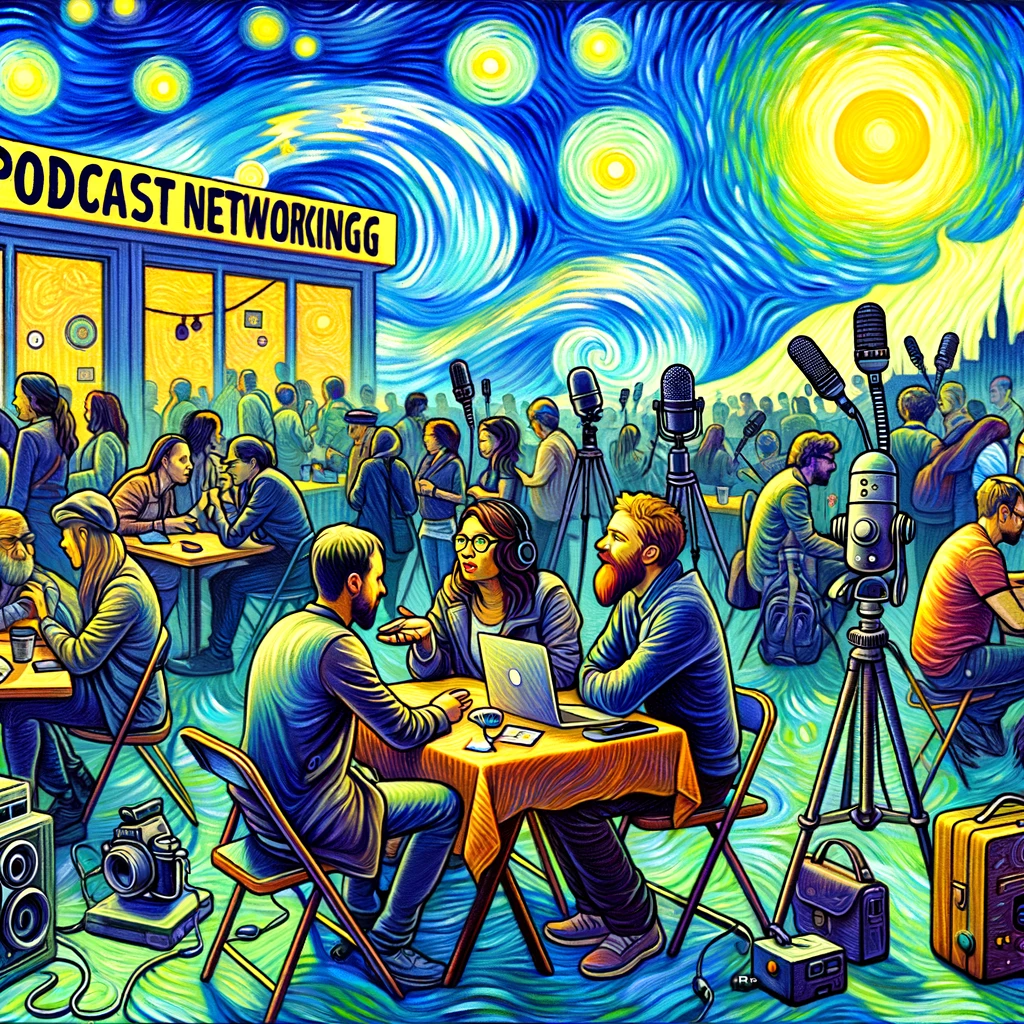
What Role Does Marketing Play In Podcast Success?
What Role Does Marketing Play In Podcast Success?
- Creating a podcast requires heart and skill, but proper marketing is essential for visibility.
- Marketing acts as a compass, guiding audiences to your podcast amidst millions of competing voices.
- Without effective marketing, your podcast may remain undiscovered, like a hidden gem.
- Utilize strategies such as social media, email newsletters, and collaborations to expand your reach.
- View marketing as a way to build relationships with your audience, not just a task to complete.
- Storytelling enhances your marketing efforts, making your podcast more relatable and engaging.
- Ultimately, marketing is about connection and community, ensuring your podcast is heard and appreciated.

What Role Does Marketing Play In Podcast Success?
How Can I Enhance My Public Speaking Skills For Better Delivery?
Public speaking. Just the phrase can strike fear into the hearts of even the most seasoned communicators. But if you’re willing to roll up your sleeves and dive into the nitty-gritty, you might just find that it’s not as daunting as you once thought. Let’s break it down and make it relatable, one step at a time.
First, consider the idea of storytelling. Everyone loves a good story, right? Take a moment to think back on your favorite book, movie, or podcast. What captivated you? It was likely the narrative, the characters, and the emotions woven into it. Now, think about your own experiences. We all have a treasure trove of stories tucked away in our memories. Dust them off and incorporate them into your speeches. Not only does this add authenticity, but it also creates a connection with your audience. They may not remember every fact you share, but they’ll remember how you made them feel.
Now let’s address the elephant in the room: anxiety. Many of us experience those pesky butterflies the minute we stand in front of an audience. But here’s a little secret—those butterflies can work for you if you let them. Channel that energy into enthusiasm. Instead of suppressing those nerves, harness them. Your audience can sense your passion, and they’ll be more inclined to listen and engage when they see you’re genuinely excited about what you have to say.
Next, practice, practice, practice. It’s not just a cliché; it’s a cornerstone of becoming a better speaker. Rehearsing your material not only helps you memorize it, but it allows you to refine your delivery. Try recording yourself, or better yet, gather a small group of friends to act as your audience. Their feedback can be invaluable, and you might even stumble upon a new technique or perspective that you hadn’t considered.
And don’t forget the power of body language. It speaks volumes. Stand tall, make eye contact, and use hand gestures to emphasize your points. Remember, your physical presence complements your words. A confident stance can often bolster your confidence from the inside out.
Lastly, remember that improving is a journey. Embrace the process and celebrate your victories, big or small. Every time you step up to speak, you’re building your skills. With consistent effort and a genuine desire to connect, you’ll find that public speaking can transform from a source of fear into a platform for meaningful exchanges. So, take that first step, and watch yourself soar!

How Can I Enhance My Public Speaking Skills For Better Delivery?
How Can I Enhance My Public Speaking Skills For Better Delivery?
- Public speaking can be intimidating, even for experienced communicators.
- Incorporate storytelling into your speeches to create authenticity and connection with your audience.
- Use anxiety to your advantage by channeling it into enthusiasm for your topic.
- Practice is essential for improving public speaking skills; rehearse your material regularly.
- Gather feedback from friends or record yourself to refine your delivery and technique.
- Utilize strong body language, including eye contact and gestures, to enhance your message.
- Understand that improving as a speaker is a journey; celebrate your progress along the way.

How Can I Enhance My Public Speaking Skills For Better Delivery?
What Are Effective Ways To Build A Podcast Audience?
Alright, so you’ve poured your heart and soul into your podcast. You’ve got the passion, the stories, and maybe a coffee mug with a catchy tagline to boot. But let’s talk turkey—how do you get those listeners to tune in? Building an audience isn’t as simple as hitting “record” and hoping for the best. It’s an art, a craft, and yes, sometimes even a bit of a grind. But don’t worry; you’re not alone on this journey.
First things first, connect with your audience. This isn’t just about talking at people; it’s about engaging them. Encourage feedback and foster a dialogue. Ask questions, invite stories, and make it personal. Remember, your podcast is more than just audio—it’s a community waiting to form. When listeners feel valued and heard, they’re far more likely to stick around and spread the word.
Next up, consistency is your best friend. You wouldn’t skip a meal, so don’t skip your podcasting schedule. Whether it’s weekly, bi-weekly, or whatever rhythm suits your style, keep your content flowing. This builds anticipation and routine among your listeners. They’ll know when to expect the next episode, and that reliability breeds loyalty. Celebrate your milestones, and let your audience feel like they’re part of your journey.
Then, tap into the power of social media. This isn’t just a place to shout into the void. Use it to share snippets, behind-the-scenes moments, or even to engage in light-hearted banter with your audience. Create shareable content that resonates. Whether it’s a funny outtake or a thought-provoking quote, share it in a way that sparks conversation. You’d be surprised how quickly a single post can resonate if it’s relatable and authentic.
Don’t forget about collaboration! Partner with other podcasters or influencers in your niche. Cross-promotion is a powerful tool, and it allows you to tap into existing audiences. Listen to their podcasts, engage with them, and find a way to feature each other. It’s not just about growing your numbers; it’s about building relationships that matter.
So, roll up your sleeves, get ready to hustle, and remember to enjoy the process. Building an audience takes time, patience, and a good dose of authenticity. But with passion and persistence, your podcast can flourish and connect with those who truly resonate with your message. After all, there’s a world out there waiting for your voice—so let’s make some noise!

What Are Effective Ways To Build A Podcast Audience?
What Are Effective Ways To Build A Podcast Audience?
- Engage your audience by encouraging feedback and fostering dialogue.
- Make your podcast a community where listeners feel valued and heard.
- Maintain consistency in your podcasting schedule to build anticipation and loyalty.
- Utilize social media to share engaging content and behind-the-scenes moments.
- Create shareable and relatable social media posts that spark conversation.
- Collaborate with other podcasters or influencers for cross-promotion and relationship building.
- Stay authentic and patient while building your audience, enjoying the process along the way.

What Are Effective Ways To Build A Podcast Audience?
How Can I Create Compelling Content That Resonates With Listeners?
Creating compelling content for your podcast isn’t just about the subject matter; it’s about forging a connection with your listeners. Think of it this way: every time you hit that record button, you’re inviting someone into your world. You want them to feel like they’re not just tuning in, but actually hanging out with you in a cozy living room or a bustling café. So how do you cultivate that atmosphere?
First and foremost, be authentic. When you share your experiences and insights, don’t be afraid to let your personality shine through. Your unique voice is your best asset. It helps create a sense of trust with your listeners. People want to feel they know you, not just the topics you discuss. Sincerity resonates deeply; the audience can often tell if you’re putting on a show. Dare to be vulnerable at times—share your missteps along the journey. You’d be surprised how much your audience will appreciate the raw, real side of who you are.
Next, engage your audience in the conversation. Ask questions, and encourage feedback. Make your podcast feel like a dialogue rather than a monologue. Your listeners should feel like they have a seat at the table. Incorporate their stories, questions, or even dilemmas into your episodes. It not only strengthens their connection to your content but also makes them feel valued.
Storytelling is your secret weapon. No matter what topic you tackle, weave in stories that evoke emotions. They don’t have to be grand tales; even the smallest, most relatable anecdotes can illustrate a point and resonate with listeners. You want to captivate your audience from the first word to the last and leave them with something to ponder long after the episode is over.
Don’t forget about the power of pacing and tone. The way you deliver your content can make all the difference. Speak with passion, energy, and authenticity—your enthusiasm is infectious! Those little nuances can keep listeners engaged and eager for more.
Lastly, stay committed. Compelling content doesn’t happen overnight. It takes time, effort, and a willingness to grow. Learn from feedback, adapt, and push your creative boundaries. With each episode, you get closer to creating something that resonates—not just with listeners, but with the part of you that loves sharing stories. So get out there, share your story, and let your voice be heard. The world is waiting for it!

How Can I Create Compelling Content That Resonates With Listeners?
How Can I Create Compelling Content That Resonates With Listeners?
- Creating connection with listeners is essential for compelling podcast content.
- Be authentic and let your personality shine through to foster trust.
- Dare to be vulnerable by sharing personal experiences and missteps.
- Engage your audience by asking questions and incorporating their stories and feedback.
- Utilize storytelling to evoke emotions and captivate listeners, no matter the topic.
- Pay attention to pacing and tone; deliver content with passion and energy.
- Stay committed to improving and growing your content over time through feedback and creativity.

How Can I Create Compelling Content That Resonates With Listeners?
What Technical Skills Are Necessary For Podcast Production?
What Technical Skills Are Necessary for Podcast Production?
So, you’ve got a fire in your belly and a story to tell. That’s how every great podcast begins: a spark of inspiration paired with a burning desire to share it with the world. But before you hit record, let’s take a moment to explore the essential technical skills that form the backbone of podcast production. Think of these skills as your trusty toolkit—a collection of tools that can elevate your passion project into a polished and professional podcast.
First up, audio editing is your bread and butter. You want your listeners to hear every nuance of your voice and every note of those smooth transitions. Familiarizing yourself with software options like Audacity or GarageBand will give you the ability to trim, splice, and enhance your recordings. It might seem daunting at first, but remember, even the most seasoned pros started with a couple of clunky edits and a lot of trial and error.
Next on the checklist is microphone technique. You wouldn’t believe how much a good mic can enhance your sound quality. Investing in a decent USB or XLR microphone can make a world of difference. And don’t forget about pop filters—they’re like the unsung heroes of speech clarity. Learning to position your mic just right will help ensure that every word is heard without all the unsightly pops and cracks that can derail an otherwise solid show.
Let’s talk about sound mixing, a skill that transforms raw recordings into a harmonious blend of voices, music, and effects. It’s an art and a science, and the great thing is—you don’t need to be a graduate of audio engineering school to master it. Experimenting with levels and controls will sharpen your instincts, allowing your unique voice to shine through while keeping your audience engaged.
And then there’s hosting platforms and distribution. This is where your podcast takes flight, reaching eager ears across the globe. Familiarize yourself with sites like Libsyn, Podbean, or Anchor, which help you upload and distribute your episodes seamlessly. Think of it as opening a gateway—your podcast is the key that lets listeners in.
Finally, developing a bit of marketing savvy can amplify your reach. Building a social media presence, creating eye-catching cover art, and learning about SEO can help draw in an audience interested in what you have to say.
Remember, every great podcaster was once a beginner. Embrace the learning curve, roll up your sleeves, and don’t shy away from mistakes. They’re all part of the journey. Your voice deserves to be heard; all it takes is a little grit and the right technical know-how. Go ahead, tell your story. The world is ready to listen.

What Technical Skills Are Necessary For Podcast Production?
What Technical Skills Are Necessary For Podcast Production?
- Podcast production begins with a heartfelt desire to share your story.
- Essential technical skills include audio editing, crucial for clear sound quality.
- Familiarity with software like Audacity or GarageBand helps in enhancing recordings.
- Proper microphone technique and investment in quality mics significantly improve sound clarity.
- Sound mixing is vital for blending voices, music, and effects seamlessly.
- Understanding hosting platforms (e.g., Libsyn, Podbean, Anchor) is necessary for distribution.
- Marketing skills, such as social media usage and SEO knowledge, can help grow your audience.

What Technical Skills Are Necessary For Podcast Production?
Conclusion
In the vast, choppy seas of podcasting, it’s easy to feel like you’re just floundering around without a lifebuoy. But here’s the good news: with the right skills in your arsenal, you can turn that chaotic plunge into a successful voyage. Just like a well-tuned engine keeps a boat gliding over waves, mastering essential skills ensures your podcast doesn’t stall or sink.
First off, let’s talk storytelling. Every podcast is fundamentally a story, whether it’s your own journey, your guest’s anecdotes, or the topics you dive into. By honing your storytelling abilities, you create a captivating narrative that invites listeners to join you—think of it as the compass guiding your audience through uncharted waters. You don’t need a degree in creative writing; just tap into your own life experiences and let them weave into your episodes.
Then, there’s the nitty-gritty of tech know-how. Now, I get it—the whole realm of recording devices and editing software can be intimidating. But consider it a toolkit that, once you familiarize yourself with, will save you a hefty amount of headaches down the line. Take the plunge into tutorials and try out different platforms—you might just find a gem that elevates your podcasting skills to the next level.
When it comes to interviewing, that’s where the magic truly happens. Learning to listen actively and ask profound questions not only strengthens your connection with guests but also builds a rapport with your audience. It’s that human connection, my friends, that pulls listeners into the conversation and keeps them hanging on your every word.
But what is a great podcast without a solid marketing approach? Without promoting your show, even the best episodes might fall on deaf ears. Embrace social media, engage your audience, and create buzz—like a well-kept secret bubbling to the surface, an effective marketing strategy gets your voice heard over the noise.
And let’s not forget about public speaking. The delivery of your content is just as crucial as the content itself. Channel your nerves into enthusiasm, lace your talks with stories, and remember that every stumble is a step toward growth.
So here’s the bottom line: master these essential skills, and you’ll turn the stormy waters of podcasting into a smooth ride. Your voice deserves to echo far and wide, so grab that mic, put in the work, and set sail into the vibrant world of podcasting. Trust me, the adventure is well worth the trip!

Conclusion
Conclusion:
- Podcasting can feel overwhelming, but with the right skills, you can succeed.
- Storytelling is key; it captivates listeners and guides them through your content.
- Familiarizing yourself with recording and editing technology is essential.
- Interviewing skills enhance connections with guests and engage the audience.
- A solid marketing strategy is necessary to promote your podcast effectively.
- Public speaking skills improve content delivery and keep listener interest.
- By mastering these skills, you can navigate the podcasting landscape successfully.

Conclusion
Other Resources

Other Resources
Here is a list of other resources you can review online to learn more:
Use This Prompt To Get More Resources With Your Favorite Online AI Tool: Please provide me with a list of online articles with their URLs in a bulleted list that I can read regarding What Essential Skills Solve Common Podcasting Problems?

Other Resources
Glossary Terms
What Essential Skills Solve Common Podcasting Problems? – Glossary Of Terms
1. Audio Editing: The process of manipulating and improving audio recordings to enhance sound quality or eliminate mistakes.
2. Content Planning: The strategy of organizing topics, episode formats, and schedules to ensure a consistent and coherent podcast.
3. Scriptwriting: The creation of a written outline or full script to guide the conversation and maintain focus during recording.
4. Voice Modulation: The use of pitch, tone, and volume changes in speech to keep listeners engaged and convey emotion.
5. Interviewing Skills: The ability to ask insightful questions and facilitate a conversation that draws out valuable information from guests.
6. Audience Engagement: Techniques used to connect with listeners, such as incorporating listener feedback and creating interactive segments.
7. Branding: The development of a unique identity for the podcast, including visuals, tone, and themes that resonate with the target audience.
8. Technical Proficiency: Familiarity with recording equipment, software, and platforms necessary for podcast production and distribution.
9. Storytelling: The art of crafting compelling narratives that captivate audiences and convey messages effectively through episodes.
10. Marketing Strategies: Techniques for promoting the podcast to reach a larger audience, including social media, SEO, and networking.
11. Audio Quality: The clarity and fidelity of sound in a podcast, crucial for listener retention and enjoyment.
12. Equipment Selection: The process of choosing microphones, headphones, and recording devices appropriate for the podcasting needs.
13. Editing Software: Tools used to cut, mix, and enhance audio recordings, such as Audacity or Adobe Audition.
14. Hosting: The platform where the podcast’s audio files are stored and distributed to various podcast directories.
15. Show Format: The structure of the podcast, such as interviews, panel discussions, or narrative storytelling, which influences flow and style.
16. Transcription: The process of converting audio content into written text, enhancing accessibility and SEO.
17. Feedback Loops: Mechanisms for gathering listener opinions and suggestions, enabling continual improvement of content and delivery.
18. Niche Identification: The process of defining a specific target audience or theme for the podcast to differentiate from competitors.
19. Call to Action (CTA): A prompt encouraging listeners to engage further, such as subscribing, visiting a website, or leaving a review.
20. Cross-Promotion: Partnering with other podcasters or media creators to share audiences and increase reach.
21. Remote Recording: The practice of recording interviews or discussions with participants in different locations, often using software solutions.
22. Consistency: The importance of regular episode releases to build an audience and maintain engagement over time.
23. Analytics: The collection and analysis of data regarding audience engagement, download numbers, and demographic information to inform strategies.
24. Creative Commons: A licensing system that allows podcasters to use music or content, provided they follow the terms of the license.
25. Patreon/Funding: Platforms that allow listeners to support the podcast financially, enabling creators to invest in better equipment and content.
26. Podcaster Community: A network of fellow podcasters who share tips, resources, and support, crucial for networking and collaboration.
27. Episode Teasers: Short promotional content used to generate interest and excitement about upcoming episodes.
28. Crisis Management: Strategies for handling negative feedback or controversies that arise in relation to podcast content.
29. Listener Loyalty: Building a devoted audience that consistently engages with the podcast through subscriptions, reviews, and word-of-mouth.
30. Survey Tools: Resources used to gather information from the audience regarding their preferences and interests to inform future episodes.

Glossary Of Terms
Other Questions
What Essential Skills Solve Common Podcasting Problems? – Other Questions
If you wish to explore and discover more, consider looking for answers to these questions:
- What are the best storytelling techniques for podcasts?
- How can I improve my technical know-how for podcasting?
- What tools should I use for audio editing?
- Which recording equipment is essential for beginners?
- How can I find and connect with great guests for interviews?
- What are some common mistakes to avoid in podcast interviews?
- How can I measure the success of my podcast marketing efforts?
- What platforms are best for promoting my podcast?
- How do I handle negative feedback from listeners?
- What are some effective ways to engage with my podcast audience?
- How can I enhance my podcast’s overall production quality?
- What marketing strategies are most effective for podcasts in 2024?
- How often should I publish new episodes?
- What is the role of SEO in podcasting?
- How do I create a podcast website?

Other Questions
Haiku
What Essential Skills Solve Common Podcasting Problems? – A Haiku
Crafting captivating
Podcasts demands skill and heart—
Navigate with zest.

Haiku
Poem
What Essential Skills Solve Common Podcasting Problems? – A Poem
Navigating Waves of Sound
Into the depths of podcasting, we set our sail,
A venture of stories where voices prevail.
With storytelling as our guiding rudder,
We craft our narratives, creating a flutter.
Technical skills form the sturdy hull,
Editing, mixing, making our creations full.
Hands-on the tools, we learn and refine,
Tuning the audio, making each moment shine.
In interviews, a dance of questions we weave,
Preparation and listening, the art to achieve.
With body language warm and silences kind,
We forge connections, leaving doubt behind.
Marketing swells like a gust on the sea,
Helping our treasures reach those eager to be.
Social echoes amplify the call,
Building a crew, let’s engage them all.
Compelling content flows like a river in flight,
Authenticity’s glow makes episodes bright.
Engaging our crowd, inviting the chat,
Crafting our tales, where realness is at.
With practice and passion, we hone our craft’s heart,
Each chance to speak, a fresh work of art.
So grab that mic, let your spirit take flight,
In the podcasting world, your voice will ignite.

Poem
Checklist
What Essential Skills Solve Common Podcasting Problems? – A Checklist
Essential Podcasting Skills Checklist
Use this checklist as a guide to help you develop the essential skills needed to successfully navigate the world of podcasting.
1. Storytelling
_____ Master the Art of Narrative: Start weaving relatable and engaging narratives in your episodes.
_____ Use Personal Anecdotes: Share your own experiences to create connections with listeners.
2. Technical Know-how
_____ Familiarize with Recording Equipment: Learn how to use microphones, mixers, and other essential tools.
_____ Explore Editing Software: Practice using software like Audacity or GarageBand for audio editing.
_____ Understand Hosting Platforms: Get to know how to upload and distribute your episodes using platforms like Libsyn or Anchor.
3. Interviewing Skills
_____ Prepare Thoroughly: Research your guests and prepare open-ended questions beforehand.
_____ Practice Active Listening: Cultivate listening skills to make your guests feel valued during conversations.
_____ Enhance Non-Verbal Communication: Use body language and expressions to engage your guests.
4. Audio Editing Skills
_____ Develop Keen Listening Skills: Train your ears to identify and rectify audio issues like background noise or awkward pauses.
_____ Focus on Detail: Pay attention to the minutiae—ensure clarity and quality in every edit.
_____ Embrace Creativity: Experiment with sound effects and music to enrich your audio storytelling.
5. Marketing & Self-Promotion
_____ Create a Marketing Strategy: Develop a plan to promote your podcast through social media and other platforms.
_____ Engage with Your Audience: Foster a community through social media interactions and feedback.
_____ Consistent Branding: Ensure a recognizable and appealing visual identity for your podcast (e. g. , cover art).
6. Building an Audience
_____ Encourage Feedback: Always seek and incorporate audience feedback to create a dialogue.
_____ Consistency: Stick to a regular release schedule to build listener anticipation.
_____ Collaborate with Others: Partner with other podcasters or influencers for cross-promotional opportunities.
7. Public Speaking Skills
_____ Practice Delivery: Rehearse speeches regularly to boost your confidence and refine your delivery.
_____ Harness Anxiety: Learn to channel nervous energy into enthusiasm during recordings.
_____ Use Storytelling Techniques: Infuse your public speaking with personal stories to connect with audiences emotionally.
8. Content Creation
_____ Authenticity Matters: Be yourself—let your personality shine through every episode.
_____ Engage Listeners’ Stories: Invite audience participation by incorporating their stories and questions.
_____ Control Pacing and Tone: Pay attention to how you deliver your content to keep listeners engaged throughout.
Use this checklist to ensure that you’re developing the necessary skills to create a successful and engaging podcast. Happy podcasting!
Checklist
At PodcastBig, we help people who want to learn about podcasting by collating information and news about podcasting.
Be sure to read our other related stories at PodcastBig to learn more about podcasting.