

Mastering Podcasting As A Senior: Key Skills For Success
By Tom Seest
At PodcastBig, we help people who want to learn about podcasting by collating information and news about podcasting.
Be sure to read our other related stories at PodcastBig to learn more about podcasting.
What Essential Skills Do Seniors Need to Start a Podcast?
Starting a podcast can be an exhilarating journey, especially for seniors eager to share their wisdom or delve into topics close to their hearts. However, diving into this creative endeavor requires a few essential skills that can make the difference between a whisper in the void and a voice that resonates.
First and foremost, let’s talk about communication. This may seem simplistic, but the heart of any podcast lies in the ability to articulate thoughts clearly. It’s not just about what you say; it’s about how you say it. Seniors often possess a wealth of life experience that provides a unique perspective. Channeling those experiences into engaging narratives can transform an ordinary episode into something that captivates listeners.
Next up is technology. In today’s digital age, a baseline understanding of audio equipment and editing software is essential. Don’t shy away from this part of podcasting; embrace it. Familiarize yourself with a microphone, learn the ins and outs of editing software, and consider investing in a decent recording setup. While it might feel daunting at first, every click, adjustment, and download brings you that much closer to producing a polished final product.
Another critical skill is storytelling. Podcasts thrive on narratives. Structuring content so that it unfolds in a way that hooks listeners is vital. This means knowing when to inject humor, how to build suspense, and where to add depth. Draw from personal anecdotes or historical events—whatever stirs the pot of your creativity. Remember, a well-told story can turn mundane topics into riveting episodes.
Moreover, great research skills can set your podcast apart. Whether you’re sharing personal insights or interviewing guests, being well-informed elevates your credibility. Dive into the subject matter and pull from credible sources. Your audience will respect the effort, and it will show in the quality of discussions on your podcast.
Finally, don’t underestimate the power of consistency. Establishing a routine for your episodes builds audience trust and encourages listener loyalty. Decide on a schedule—be it weekly, bi-weekly, or monthly—and stick to it as best as you can.
Starting a podcast is about more than just recording your voice; it’s about connecting, sharing, and thriving in an ever-changing landscape. With a sprinkle of passion and these essential skills, seniors can carve out a niche in the audio world, one episode at a time.

What Essential Skills Do Seniors Need to Start a Podcast?
What Essential Skills Do Seniors Need to Start a Podcast?
- Starting a podcast can be a fulfilling experience for seniors wanting to share their insights.
- Effective communication is key; clarity and expression enhance the engagement of the podcast.
- Understanding basic technology and audio equipment is essential for producing quality content.
- Storytelling skills are crucial; structuring episodes to captivate listeners can transform the narrative.
- Strong research skills enhance credibility and improve the quality of discussions in the podcast.
- Establishing a consistent episode schedule fosters audience trust and loyalty.
- Combining passion with these skills allows seniors to thrive in the podcasting landscape.

What Essential Skills Do Seniors Need to Start a Podcast?
Table Of Contents
- What Essential Skills Do Seniors Need to Start a Podcast?
- What Are The Basic Technical Skills Required For Podcasting?
- How Can Seniors Choose The Right Podcasting Equipment?
- What Software Is Best For Editing Podcasts For Beginners?
- How Do Seniors Develop Engaging Podcast Content?
- What Are Effective Strategies For Public Speaking In Podcasts?
- How Can Seniors Navigate Copyright Issues For Podcast Music?
- What Platforms Are Ideal For Hosting A Podcast?
- Conclusion
- Other Resources
- Glossary Of Terms
- Other Questions
- Haiku
- Poem
- Checklist
What Are The Basic Technical Skills Required For Podcasting?
Podcasting is an amazing medium, a blend of storytelling and technology that allows us to connect with audiences across the globe. But before you dive headfirst into the world of podcasts, there are some basic technical skills you’ll need to get the job done right. Don’t worry; you don’t have to be a tech whiz to get started, but a solid foundation will serve you well.
First and foremost, you’ll need to become familiar with audio recording equipment. A quality microphone is your best friend; more often than not, the built-in mic on your device won’t cut it. Look for one that suits your needs, whether you opt for a simple USB microphone or a more advanced XLR setup. Remember, clear audio is the cornerstone of any successful podcast. People tune in for content, but they won’t stick around if they can’t hear you.
Next, get to know your recording software. There are a plethora of options out there—some free and some that carry a price tag. Familiarize yourself with programs like Audacity or GarageBand, which are user-friendly and great for beginners. Understanding how to edit your audio will make a huge difference in your final product. You want your podcast to flow seamlessly, eliminating any awkward pauses or background noise without losing the essence of your conversation.
Beyond recording, you’ll want to understand audio formats and how to export your episodes. The most common format for podcasts is MP3, which strikes a balance between sound quality and file size. Knowing the basics of bit rate and how these settings can affect your sound can elevate your podcast from mediocre to remarkable.
Once your episodes are polished, it’s essential to know how to host and distribute your podcast. Familiarize yourself with podcast hosting platforms that make it easy to share your work with a broader audience. RSS feeds play a crucial role here; they allow your podcast to get listed on directories like Apple Podcasts and Spotify.
Finally, don’t underestimate the importance of a simple yet effective website or social media presence for promoting your podcast. These platforms can provide a place to connect with your listeners and foster a community around your content.
In summary, the basic technical skills required for podcasting revolve around recording, editing, exporting, hosting, and promoting your content. With some practice and patience, you’ll be well on your way to creating a podcast that resonates with your audience. So, grab that mic, and let your voice be heard!

What Are The Basic Technical Skills Required For Podcasting?
What Are The Basic Technical Skills Required For Podcasting?
- Podcasting combines storytelling and technology to connect with global audiences.
- Familiarity with audio recording equipment is essential; a quality microphone is crucial.
- Learn to use recording software like Audacity or GarageBand for effective audio editing.
- Understand audio formats, particularly MP3, and their impact on quality and file size.
- Know how to host and distribute your podcast using podcast hosting platforms and RSS feeds.
- Establish a website or social media presence to promote your podcast and engage with listeners.
- Basic technical skills in recording, editing, exporting, hosting, and promoting are fundamental for successful podcasting.

What Are The Basic Technical Skills Required For Podcasting?
How Can Seniors Choose The Right Podcasting Equipment?
Podcasting isn’t just for the young and tech-savvy; it’s a powerful medium for people of all ages to share their stories, ideas, and wisdom. For seniors looking to dive into the world of podcasting, the choice of equipment can feel as daunting as a high school calculus exam. But fear not—let’s break it down in simple, straightforward terms.
First off, you need to consider what you’ll be podcasting about. Whether it’s a passion project, a family history series, or even commentary on current events, the subject matter will guide your equipment choices. If you’ve got something to say, it’s time to find the right tools to ensure your voice is heard loud and clear.
Starting with microphones, you’ll encounter a spectrum of options. A USB microphone is often an excellent choice for beginners. It plugs directly into your computer, requires no extra equipment, and captures quality sound without breaking the bank. Look for user-friendly models with a simple plug-and-play mechanism—after all, the goal is to focus on your podcast, not get overwhelmed by technical jargon.
Next, consider your recording environment. If you’re planning to podcast from home, find a quiet space with minimal background noise. Soft furnishings, like curtains and cushions, can muffle sound and improve audio quality. After all, nobody wants to tune in to hear the neighbor’s lawnmower!
Then there’s the question of editing. If the idea of editing your podcast intimidates you, you might want to look into software that’s user-friendly and tailored to beginners. Programs like Audacity or GarageBand can make the process smoother, and there are tons of free tutorials online to help you navigate through the basics. Remember, it’s perfectly acceptable to start simple.
Finally, think about your hosting platform. Once you’ve recorded and edited your episode, where will you upload it? Look for a service that’s easy to use and provides good support. This way, you won’t feel like you’re sailing into uncharted waters alone.
In short, choosing the right podcasting equipment doesn’t have to feel like climbing Mount Everest. With a little bit of research and a focus on quality and ease of use, seniors can easily find the tools they need to amplify their voices. So grab that mic, hit record, and let the world hear what you have to say. After all, every story deserves an audience!

How Can Seniors Choose The Right Podcasting Equipment?
How Can Seniors Choose The Right Podcasting Equipment?
- Podcasting is a valuable medium for individuals of all ages to share their stories and ideas.
- Seniors may find the selection of podcasting equipment overwhelming, but it can be broken down into simple terms.
- Identify your podcast topic, as it will guide your equipment choices.
- A USB microphone is a great beginner option, offering ease of use and quality sound.
- Your recording environment should be quiet, with soft furnishings to enhance audio quality.
- User-friendly editing software, like Audacity or GarageBand, can make the editing process easier for beginners.
- Choose a reliable and supportive hosting platform for uploading your episodes.

How Can Seniors Choose The Right Podcasting Equipment?
What Software Is Best For Editing Podcasts For Beginners?
When it comes to stepping into the world of podcasting, selecting the right software is akin to picking the right tool for the job. You wouldn’t use a hammer to sew a shirt, right? Similarly, you’ll want a podcast editing software that matches your level of experience, your budget, and, of course, your creative vision.
For beginners, it’s essential to lean towards intuitive and user-friendly options. One standout is Audacity. Free to download and compatible with both Windows and Mac, it’s like finding that well-worn toolbox in your uncle’s garage—familiar, dependable, and ready to get down to business. With its simple interface, you can easily record your voice, trim audio clips, and add effects. Sure, you might not be crafting a world-class symphony overnight, but Audacity gives you the foundation to polish your podcast beyond your wildest dreams.
If you want a step up in usability and a few more bells and whistles, consider GarageBand. This Mac-exclusive software comes pre-installed on Apple machines, making it a great option for those not wanting to spend a dime. It offers a sleek interface that feels at home for newcomers yet provides enough power for more complex projects. You can mix multiple audio tracks, add music, and even experiment with pre-set sounds to capture that perfect podcast vibe.
Now, let’s talk about Descript. This software is a game changer for those who might feel a bit intimidated by traditional audio editing. It stands out because it lets you edit your podcast as easily as you would a text document. You can cut out filler words and rearrange dialogue by simply deleting and dragging text around. Imagine turning your rambling thoughts into polished, concise content without wading through confusing waveforms. It makes you feel like you’re sculpting a masterpiece without needing a chisel!
Those looking for something integrated and hands-off might find allure in Anchor. It’s not only a hosting platform but also a solid editing tool. You can create and edit your podcast episodes directly in the app, record segments on the fly, and distribute your work without any hassle. It’s a beginner’s friendly companion in a world that can feel overwhelming.
The best software for editing podcasts boils down to your personal needs and style. Whether you opt for simplicity with Audacity, expressiveness with GarageBand, innovative editing with Descript, or all-in-one solutions like Anchor, there’s a tool out there that’ll help you capture and share your unique voice with the world. Happy editing!

What Software Is Best For Editing Podcasts For Beginners?
What Software Is Best For Editing Podcasts For Beginners?
- Selecting the right podcast editing software is crucial and should align with experience, budget, and creative vision.
- Beginners should choose intuitive and user-friendly options like Audacity, which is free and compatible with Windows and Mac.
- Audacity offers a simple interface for recording, trimming audio clips, and adding effects, making it a solid foundation for editing.
- GarageBand, available exclusively for Mac, is pre-installed and provides a user-friendly experience with features for mixing tracks and adding music.
- Descript allows users to edit podcasts as easily as text documents, making audio editing more accessible and less intimidating.
- Anchor serves as both a hosting platform and an editing tool, enabling easy recording, editing, and distribution for beginners.
- The best editing software will depend on personal needs and style, with various options catering to different preferences.

What Software Is Best For Editing Podcasts For Beginners?
How Do Seniors Develop Engaging Podcast Content?
Creating engaging podcast content as a senior is a journey steeped in experience, wisdom, and a touch of humor. The beauty of podcasting lies not just in what you say, but in how you connect with others through shared stories and lessons learned over the years. Let’s explore how seniors can forge compelling narratives that captivate listeners and foster community.
First things first: find your niche. Whether it’s cooking, travel, personal finance, or simply reflecting on the good old days, tap into the experiences that make your life uniquely yours. This is your podcast, and your voice is what will make it stand out. Remember, authenticity is king! Listeners resonate with genuine passion, so choose a topic that ignites that spark within you.
Next, structure your episodes. While some might think that a free-form chat is the way to go, a little organization goes a long way. Consider outlining your main points or creating segments to keep things lively. Perhaps you can kick off with a personal anecdote that ties into the theme of the episode, followed by interviews with interesting guests, or even snippets of advice borne from your years of wisdom. This approach provides a balanced mix of storytelling and insight, keeping the audience engaged from start to finish.
Don’t forget about the power of collaboration. Connecting with other seniors can lead to fruitful discussions and broaden your podcast’s appeal. Invite friends or fellow enthusiasts to join your episodes. This not only adds variety but instills an element of camaraderie that listeners will appreciate. After all, who doesn’t enjoy a good chat with a delightful character?
Technical hurdles may seem daunting, but fear not! There are user-friendly tools designed to facilitate recording and editing. A decent microphone and some basic editing software will go a long way in producing quality content. And if you’re still feeling intimidated, many community centers or local colleges offer workshops tailored to seniors interested in podcasting. Embrace the learning curve, and don’t shy away from asking for guidance.
Finally, promote your podcast. Social media might seem foreign to some, but it’s a powerful tool for reaching a wider audience. Share snippets of your episodes, engage in relevant groups, and encourage listeners to provide feedback. This interaction not only expands your reach but builds a community around your podcast.
Creating engaging podcast content as a senior isn’t just about the stories you tell—it’s about connection, collaboration, and the joy of sharing your unique perspective with the world. Get out there, share your voice, and let your stories resonate!

How Do Seniors Develop Engaging Podcast Content?
How Do Seniors Develop Engaging Podcast Content?
- Engaging podcasting for seniors involves sharing experiences, wisdom, and humor.
- Finding your niche is crucial; choose topics that reflect your unique experiences and ignite your passion.
- Structure episodes with outlines or segments to maintain audience engagement.
- Collaborate with other seniors to add variety and camaraderie to your podcast.
- Utilize user-friendly recording and editing tools to overcome technical challenges.
- Promote your podcast through social media to reach a broader audience and build community.
- Overall, podcasting is about connection and sharing your unique perspective with the world.
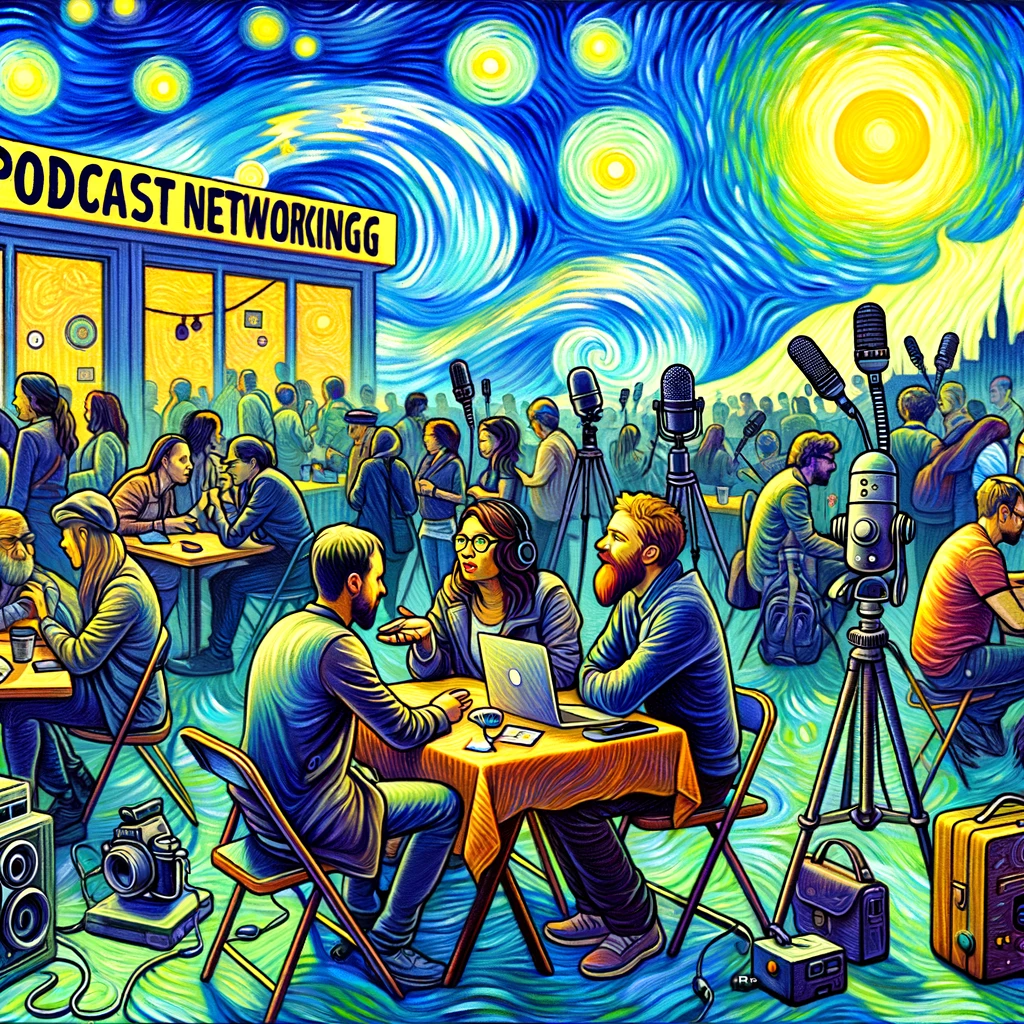
How Do Seniors Develop Engaging Podcast Content?
What Are Effective Strategies For Public Speaking In Podcasts?
Let’s face it, podcasting is more than just sitting in a room and talking to a microphone. It’s an intricate dance of storytelling, clarity, and perhaps a dash of good old-fashioned charisma—elements that can transform an ordinary conversation into an engaging podcast experience. So, how do you pull it off without sounding like you’ve overdosed on caffeine or completely lost your way? Here are some strategies to elevate your public speaking game.
First off, know your audience. Understanding who’s tuning in can make or break your approach. Are you speaking to seasoned pros, curious newbies, or perhaps some backyard enthusiasts? Tuning your tone, language, and pacing to suit your listeners creates a connection that resonates beyond the airwaves. Just like any good trade, it’s vital to know what tools you have at your disposal.
Next, let’s talk about clarity. It’s essential to articulate your thoughts clearly—without going all over the place like a chicken with its head cut off. Prepare your thoughts and structure them in a way that’s easy to follow. Whether you’re sharing a wild anecdote or discussing complex ideas, weave in some relatable examples. It’s this personal touch that makes your podcast not just informative but downright enjoyable.
And hey, storytelling is your buddy here. Every good podcast thrives on narratives that pull listeners in. We’re all wired to appreciate a good story, so don’t be afraid to draw from your own experiences. Paint a vivid picture with your words and incorporate elements that bring your listeners along for the ride. A compelling hook at the beginning can set the stage for a journey that keeps them glued to their earbuds.
Let’s not forget about pacing and control. Silence can be an underestimated friend. Pausing for emphasis gives your audience a chance not just to digest what you’ve said but also to feel the weight of it. A well-timed pause during crucial moments lets your message sink in, making it more memorable.
Lastly, practice. It might sound cliché, but rehearsing your delivery helps smooth out the rough edges. Record yourself, listen back, and make tweaks along the way. The more comfortable you are with your content, the more authentic you’ll sound when the red light goes on.
Effective public speaking in podcasts boils down to a combination of understanding your audience, crafting engaging narratives, and honing your delivery. Embrace the art of conversation, and you just might find that your podcast becomes a beacon for those hungry for good stories.

What Are Effective Strategies For Public Speaking In Podcasts?
What Are Effective Strategies For Public Speaking In Podcasts?
- Podcasting involves storytelling, clarity, and charisma to engage listeners.
- Understand your audience to tailor your tone, language, and pacing effectively.
- Articulate thoughts clearly and structure them for easy comprehension.
- Use relatable examples to enhance the enjoyment and informativeness of your podcast.
- Storytelling is key; draw from personal experiences to captivate your audience.
- Pacing and the use of silence are important for emphasis and message retention.
- Practice your delivery by recording and refining your content for authenticity.

What Are Effective Strategies For Public Speaking In Podcasts?
How Can Seniors Navigate Copyright Issues For Podcast Music?
Navigating the world of podcasting can feel like stepping into a wild frontier, especially for seniors who may not be as tech-savvy. One of the trickiest hurdles to clear is the labyrinth of copyright issues, particularly when it comes to choosing music for your podcast. Since music sets the tone, enhances storytelling, and engages listeners, understanding the copyright landscape is essential. Let’s break it down and arm you with the knowledge you need.
First off, it’s vital to grasp what copyright is. Essentially, it’s the law that protects the creative works of individuals. When you think of podcast music—those catchy jingles or mood-setting soundtracks—most of the time, they’re under the protection of copyright. Use them without permission, and you could find yourself in hot water, facing fines or your podcast being pulled altogether, which nobody wants.
So, what’s a well-meaning senior to do? One option is to create original music. Perhaps you’ve dabbled in playing an instrument or have some musical friends. Why not collaborate? Unique sounds not only reflect your personality but also keep you firmly in the clear of copyright issues.
If composing music isn’t your forte, don’t fret. There’s a treasure trove of royalty-free or Creative Commons music available online. Websites like Free Music Archive or Incompetech offer tunes that are free to use, provided you adhere to certain guidelines. These tunes can give your podcast a professional touch without ever stepping on a copyright toe. Just read the licensing terms; some may require attribution, so keep a notepad handy.
Another smart move is to invest in a music licensing service. Companies like Epidemic Sound or Artlist offer vast libraries of music for a flat fee, which can save you from the complexities of copyright laws. This is especially useful for seniors who want to handle other podcasting intricacies without the legal headaches.
Lastly, don’t hesitate to seek guidance from professionals. If you’re uncertain about what’s permissible, a quick consultation with a copyright expert can save you from future regrets.
Podcasting is an incredible platform for sharing stories and opinions. With the right understanding of copyright, you can ensure that your voice—and the music that accompanies it—stays bright and clear. Remember, the only thing you should face in this journey is the mic, not a copyright notice!

How Can Seniors Navigate Copyright Issues For Podcast Music?
How Can Seniors Navigate Copyright Issues For Podcast Music?
- Navigating podcasting can be challenging for seniors, especially regarding copyright issues related to music.
- Copyright protects creative works, including music often used in podcasts; using unlicensed music can lead to fines or removal of content.
- Creating original music can be a solution; collaboration with musician friends can help reflect personal style.
- Royalty-free and Creative Commons music is available online, providing options that comply with copyright laws.
- Music licensing services like Epidemic Sound and Artlist offer extensive libraries for a flat fee, simplifying the process.
- Consultation with copyright experts can offer clarity and prevent potential legal issues.
- Understanding copyright allows podcasters to focus on sharing their stories without legal complications.

How Can Seniors Navigate Copyright Issues For Podcast Music?
What Platforms Are Ideal For Hosting A Podcast?
In the vast and ever-evolving world of digital media, creating a podcast is akin to building your own brand around your voice and ideas. But before you dive headfirst into recording your next great episode, you need to consider the platforms available for hosting that podcast. After all, your compelling content deserves a worthy stage—a place where it can reach eager ears and engage curious minds.
First off, let’s talk about some of the big players in the podcast hosting game. Platforms like Libsyn and Podbean have been around for ages. They offer a user-friendly experience that allows even the least tech-savvy among us to upload and manage our shows easily. These platforms also provide robust analytics, making it possible to track how many listeners are tuning in and where they’re coming from—valuable information for any podcaster looking to grow their audience.
Then there’s Anchor, a newer name that’s quickly become a favorite. Why? Because it’s absolutely free and ridiculously straightforward. You can record right from your phone or computer, edit your episodes on the fly, and publish them without any upfront costs. Plus, it automatically distributes your podcast to major platforms like Spotify and Apple Podcasts. It’s the kind of convenience that can hook a newbie or even a seasoned pro looking to simplify their workflow.
For those seeking a more tailored solution, consider a hosting service like Transistor or Buzzsprout. These platforms cater to serious podcasters who want more control over their branding, marketing, and distribution strategies. They provide advanced features like customizable podcast websites and the ability to create separate podcasts under the same account. If you plan on making podcasting a serious endeavor, investing in a service like this could pay off in spades.
Now, let’s not overlook community-driven platforms like Podchaser. Here, you can engage with other podcasters, discover new shows, and receive feedback on your episodes. It’s a bit like a social network for podcasts, fostering relationships that can lead to collaborations and growth in your listenership.
Finally, consider your budget and your goals when choosing a host. Some platforms offer premium services that can elevate your podcast to new heights, while others cover the essentials without emptying your pockets. The choice, dear friends, is yours. Find the right platform, and you’ll be well on your way to sharing your voice with the world.

What Platforms Are Ideal For Hosting A Podcast?
What Platforms Are Ideal For Hosting A Podcast?
- Creating a podcast builds your brand around your voice and ideas.
- Choose a suitable platform to host your podcast for better reach and engagement.
- Libsyn and Podbean are established platforms offering user-friendly experiences and robust analytics.
- Anchor is a free, straightforward option that allows recording, editing, and publishing from your phone or computer.
- Transistor and Buzzsprout provide tailored solutions for serious podcasters with advanced features and marketing control.
- Podchaser is a community-driven platform ideal for engaging with other podcasters and discovering new shows.
- Consider your budget and goals when selecting a hosting platform to ensure it meets your needs.

What Platforms Are Ideal For Hosting A Podcast?
Conclusion
Alright folks, let’s wrap this up with a reality check about podcasting for seniors. It’s not just a young person’s game; in fact, it’s a golden opportunity for those with a wealth of life experience to share. Think of your podcast as a digital campfire where stories come to life and wisdom is passed down.
First, let’s acknowledge the foundational skills you’ll need to thrive in this audio adventure. Yes, communication is key. It’s about how you express your thoughts, turning your unique life viewpoints into captivating narratives. Speak clearly and authentically—your audience hungers for genuine connection, which is where personal anecdotes shine. Remember, you’re not only sharing facts; you’re telling stories that can spark laughter, tears, and meaningful conversations.
Then we tackle technology, that necessary evil for the podcasting world. Don’t let it scare you off! Familiarize yourself with a decent microphone and user-friendly editing software—programs like Audacity or GarageBand are your comrades here. Sure, there’s a learning curve, but approach it with curiosity and patience. With every adjustment you make, you’re crafting a polished product that embodies your unique voice.
Storytelling reigns supreme in podcasting. Structure your content in an engaging way to hold your audience’s attention. Plan your episodes around a central theme, mixing in anecdotes, interviews, or even humor as seasoning. Indeed, a well-told story can transform mundane topics into riveting audio that keeps your listeners glued to their speakers.
Let’s not forget research! Facts are your friends; they lend credibility to your podcast. Do your homework, know your subject, and dive into topics that excite you. This diligence pays off, bringing depth to your conversations and showing respect for your audience’s time.
Lastly, consistency can’t be overlooked. Establish a routine—it builds trust among your listeners. Determine how often you’ll release episodes and stay committed. It’s like tending to a garden; nurturing it regularly will yield a bountiful crop of dedicated fans.
In conclusion, podcasting is about sharing, connecting, and thriving in a world that sometimes feels overwhelming. With a blend of passion, essential skills, and a bit of tech savvy, seniors can create engaging content that resonates far and wide. So grab that microphone, find your niche, and let your voice echo in the podcasting universe! Remember, every story deserves an audience. Now, go out there and make yours heard!

Conclusion
Conclusion:
- Podcasting is a golden opportunity for seniors to share their life experiences.
- Effective communication is essential; express thoughts clearly and authentically.
- Familiarize yourself with simple technology, like microphones and editing software.
- Engaging storytelling structures are key; mix anecdotes, interviews, and humor.
- Conduct thorough research to provide credibility and depth to your content.
- Establish a consistent routine to build listener trust and commitment.
- Podcasting allows seniors to connect and share their unique voices with an audience.

Conclusion
Other Resources

Other Resources
Here is a list of other resources you can review online to learn more:
Use This Prompt To Get More Resources With Your Favorite Online AI Tool: Please provide me with a list of online articles with their URLs in a bulleted list that I can read regarding What Essential Skills Do Seniors Need to Start a Podcast?

Other Resources
Glossary Terms
What Essential Skills Do Seniors Need to Start a Podcast? – Glossary Of Terms
1. Podcast: A digital audio or video file series that users can download or stream online, often centered around a specific theme or topic.
2. Audio Editing: The process of manipulating and rearranging audio files to improve quality or create a polished final product.
3. Scriptwriting: The art of drafting written content that will be spoken during the podcast, ensuring clarity and engagement.
4. Microphone: A device that captures audio; essential for high-quality sound production in a podcast.
5. Hosting: The service or platform used to store and distribute podcast episodes to various directories for listeners to access.
6. Streaming: The process of transmitting or receiving audio or video content over the internet in real-time.
7. Recording Software: Programs used to capture and edit audio files for podcasting, such as Audacity or GarageBand.
8. Content Planning: The strategic organization of podcast episodes, including topics, guests, and release schedules.
9. Branding: Creating a unique identity for the podcast, including the name, logo, and overall theme to attract the target audience.
10. Target Audience: The specific group of people a podcast aims to reach, determined by demographics, interests, or behavior.
11. Interviewing: A skill used to engage guests in conversation to extract interesting insights and stories for the podcast.
12. Promotion: The activities undertaken to market the podcast to potential listeners, including social media and email campaigns.
13. Social Media: Platforms such as Facebook, Twitter, and Instagram used to share podcast content and engage with listeners.
14. Editing: The practice of refining recorded audio by removing mistakes, adding effects, and stitching segments together to enhance flow.
15. Feedback: Listener comments and suggestions that can be used to improve podcast content and delivery.
16. Analytics: The collection and analysis of data regarding podcast performance, including downloads, listener demographics, and episode popularity.
17. Web Hosting: Online storage for podcast files and a website for providing information and links to episodes.
18. Transcription: The written record of spoken audio, useful for accessibility and reaching a wider audience.
19. Episode: An individual installment of a podcast series, usually focused on a specific topic or theme.
20. RSS Feed: A web feed that allows users to access updates to online content in a standardized format, essential for podcast distribution.
21. Voice Modulation: The ability to vary one’s voice pitch and tone for more engaging audio delivery during recording.
22. Listening Skills: The ability to attentively hear and understand guests or audience feedback, enhancing engagement and connection.
23. Networking: Building relationships with other podcasters, potential guests, and industry professionals to expand reach and opportunities.
24. Technical Skills: Knowledge of the equipment and software used in podcasting, enabling smooth recording and production processes.
25. Time Management: The practice of efficiently organizing and allocating time for planning, recording, editing, and promoting podcast episodes.
26. Interview Techniques: Strategies for conducting effective interviews, such as asking open-ended questions and actively listening.
27. Creative Thinking: The ability to generate new ideas for content and formats that make the podcast unique and engaging.
28. Organization: Keeping track of episode outlines, guest information, and production schedules to maintain consistency.
29. Public Speaking: The skill of delivering information clearly and confidently to an audience, which translates well into podcast delivery.
30. Adaptability: The willingness to learn and adjust to new technologies, trends, or feedback to continuously improve the podcast.

Glossary Of Terms
Other Questions
What Essential Skills Do Seniors Need to Start a Podcast? – Other Questions
If you wish to explore and discover more, consider looking for answers to these questions:
- What are the best podcast topics for seniors?
- How can seniors effectively market their podcasts?
- What are some common mistakes seniors make when starting a podcast?
- How can seniors find and interview guests for their podcasts?
- What are the benefits of starting a podcast as a senior?
- How can seniors maintain their engagement with listeners over time?
- What resources are available for seniors to learn more about podcasting?
- How can seniors assess the success of their podcasts?
- What are the legal considerations seniors should be aware of when podcasting?
- How can seniors create a podcast community around their show?

Other Questions
Haiku
What Essential Skills Do Seniors Need to Start a Podcast? – A Haiku
Seniors, share your voice,
With stories and tech, unite,
Podcasts bloom with grace.

Haiku
Poem
What Essential Skills Do Seniors Need to Start a Podcast? – A Poem
In the realm where stories are spun,
Seniors gather, their voices begun,
With wisdom rich, they venture to share,
Podcasting calls, an inviting affair.
First, the art of communication’s key,
To express oneself with clarity—
Crafting narratives from life’s tapestry,
Captivating hearts with each memory.
Technology may seem a daunting wall,
But hands-on practice will help you stand tall.
With a microphone as your trusted friend,
And editing tools, your skills will ascend.
A good story told, with humor and flair,
Weaving threads of insight into the air.
Research shines bright, lending credibility,
Building respect and fostering community.
Consistency’s the rhythm, a beat you will find,
Establish a schedule, keep your listeners aligned.
For every episode, let passion ignite,
As you paint your journey with sound and light.
Choosing the right gear, a microphone clear,
In a space that nurtures, where no distractions appear.
Friendly software awaits, like Audacity’s grace,
Unlocking the treasure of your unique space.
Gather your tales, structure them well,
Invite fellow souls; let stories compel.
Use social media to widen your sphere,
Engage and connect, let the world draw near.
With every new topic, let authenticity reign,
In this audio landscape, wisdom will gain.
So grab your device, let your voice take flight,
For in sharing our stories, we bask in the light.

Poem
Checklist
What Essential Skills Do Seniors Need to Start a Podcast? – A Checklist
Essential Skills
_____ Communication:
_____ Clearly articulate thoughts and ideas.
_____ Practice vocal techniques for clarity and engagement.
_____ Technology:
_____ Familiarize with audio recording equipment (microphones, headphones).
_____ Learn to use editing software (e. g. , Audacity, GarageBand).
_____ Storytelling:
_____ Develop a narrative style that captivates listeners.
_____ Use personal anecdotes and structured content to enhance engagement.
_____ Research Skills:
_____ Gather credible information to support topics discussed.
_____ Plan and prepare questions if interviewing guests.
_____ Consistency:
_____ Establish a recording schedule (weekly, bi-weekly, or monthly).
_____ Stick to the schedule to build listener trust and loyalty.
Technical Skills
_____ Audio Recording Equipment:
_____ Invest in a quality microphone (USB or XLR options).
_____ Ensure a quiet recording environment to minimize background noise.
_____ Editing Software Familiarization:
_____ Explore user-friendly editing tools (e. g. , Audacity, GarageBand).
_____ Learn basic editing techniques to enhance audio quality.
_____ Understanding Audio Formats:
_____ Save episodes in MP3 format for optimal sound quality and size.
_____ Familiarize with bit rate settings for better audio clarity.
_____ Hosting and Distribution:
_____ Research podcast hosting platforms (e. g. , Libsyn, Anchor).
_____ Utilize RSS feeds to list your podcast on directories (Apple Podcasts, Spotify).
Content Development
_____ Choosing a Niche:
_____ Identify personal interests and experiences to create unique podcast topics.
_____ Select subjects that inspire passion and authenticity.
_____ Structuring Episodes:
_____ Outline episode topics and main points beforehand for clear delivery.
_____ Include segments to maintain listener interest (e. g. , anecdotes, guest interviews).
_____ Collaboration:
_____ Invite co-hosts or guests to diversify content and perspectives.
_____ Foster connections within the podcasting community.
_____ Promotion:
_____ Utilize social media for podcast promotional strategies.
_____ Engage with listeners and encourage feedback to build a community.
Public Speaking Strategies
_____ Know Your Audience:
_____ Tailor your tone and content to the interests of your listeners.
_____ Clarity and Structure:
_____ Organize thoughts before speaking to avoid losing coherence.
_____ Use engaging anecdotes and relatable examples.
_____ Pacing and Control:
_____ Use pauses effectively to emphasize key points and allow listeners to reflect.
_____ Practice Regularly:
_____ Record practice sessions to refine delivery and content.
Copyright Awareness
_____ Understanding Copyright Law:
_____ Know what copyright protects and ensure compliance when using music/audio.
_____ Using Original or Royalty-Free Music:
_____ Create original compositions or source music from licensed websites.
_____ Read and adhere to licensing terms for any chosen music.
_____ Consider Professional Help:
_____ Consult a copyright expert if uncertainties arise regarding music usage.
Hosting Options
_____ Research Hosting Platforms:
_____ Explore various podcast hosting services (Libsyn, Podbean, Anchor).
_____ Consider user-friendliness and necessary features (analytics, distribution).
_____ Assess Your Budget and Goals:
_____ Find a hosting service that meets your needs without exceeding your budget.
By following this checklist, seniors can equip themselves with the necessary skills and knowledge to confidently embark on their podcasting journey, sharing their unique voices and stories with the world. Happy podcasting!

Checklist
At PodcastBig, we help people who want to learn about podcasting by collating information and news about podcasting.
Be sure to read our other related stories at PodcastBig to learn more about podcasting.