

Unlock Your Story: Craft A Compelling Script In Just 10 Minutes
By Tom Seest
At PodcastBig, we help people who want to learn about podcasting by collating information and news about podcasting.
Be sure to read our other related stories at PodcastBig to learn more about podcasting.
Turn One Idea Into a Complete Script In Under 10 Minutes
Turning one idea into a complete script in less than ten minutes is a challenge that many creatives face. Picture this: you’re sitting at your kitchen table, perhaps with a cup of coffee steaming beside you, and a lightning bolt of inspiration strikes. That flicker of an idea could be the gem you’ve been waiting for, but how do you transform it into something tangible, something that resonates?
First, embrace the beauty of simplicity. It’s easy to get lost in the labyrinth of complicated narratives and characters, but the most powerful stories often stem from the simplest concepts. Think of your own life experiences. Have you ever faced an unexpected failure that turned into a life lesson? There’s power in transforming those raw moments into relatable content that speaks not just to the intellect, but also to the heart.
Start with your podcast idea. What emotion do you want to convey? Is it humor, inspiration, or perhaps the quest for understanding? Channel that feeling as you draft your script. Use your first minute to outline the emotional journey you want your audience to take. Just as a good podcast draws listeners in, your script should create an emotional connection, inviting them to share in your experience.
The next step is to build a narrative hook. Think of it like a conversation with a friend. Begin with a story that illustrates your idea. If you’re writing about persistence, recount that time you tried, failed, and then succeeded in a personal project. This not only establishes authority but fosters a sense of trust with your audience. When they see vulnerability in your storytelling, it pulls them closer.
Now, assess your audience’s rational side. Be clear about the message: what is the takeaway? Why does it matter? People want to leave with actionable insights. The idea here isn’t just to entertain; it’s about leaving them with tools they can apply in their own lives.
Finally, don’t underestimate the social aspect of storytelling. Engage your listeners with language that resonates on a collective level. Remind them that we all grapple with similar struggles and triumphs. They’re not alone in this journey; you’re just a guide, sharing a map that’s taken you to valuable destinations.
In under ten minutes, you can weave together an engaging narrative that captivates, uplifts, and guides your audience, turning that fleeting spark of inspiration into something lasting and impactful.

Turn One Idea Into a Complete Script In Under 10 Minutes
Turn One Idea Into a Complete Script In Under 10 Minutes
- Transforming a fleeting idea into a complete script can be challenging for creatives.
- Embrace simplicity; powerful stories often arise from simple concepts.
- Identify the emotion you want to convey in your script, like humor or inspiration.
- Begin with a narrative hook to engage your audience, using personal stories to build trust.
- Ensure clarity in your message and provide actionable insights for the audience.
- Engage listeners with relatable language, highlighting shared struggles and triumphs.
- In under ten minutes, create an impactful narrative that captivates and guides your audience.

Turn One Idea Into a Complete Script In Under 10 Minutes
Table Of Contents
- Turn One Idea Into a Complete Script In Under 10 Minutes
- What If You Could Transform a Single Thought Into a Story?
- How Does a Powerful Idea Inspire Creativity and Clarity?
- Can Your Passion Fuel an Engaging Script In Minutes?
- What Techniques Spark Your Imagination for Quick Writing Sessions?
- How Can Storytelling Capture Attention and Convey Your Message?
- Is It Possible to Structure an Entire Narrative From One Concept?
- What Motivates You to Turn Ideas Into Tangible Scripts?
- Conclusion
- Other Resources
- Glossary Of Terms
- Other Questions
- Haiku
- Poem
- Checklist
What If You Could Transform a Single Thought Into a Story?
Imagine a moment in time when a simple thought sparked something extraordinary. You sit quietly, the weight of the world bearing down on you, and suddenly you have an idea. It’s fleeting but powerful—a glimmer, a whisper that beckons you to explore its depths. What if you allowed that thought to evolve into a story? Stories have been the heartbeat of human connection for centuries; they shape who we are and how we relate to one another.
Think of a time when a podcast episode changed your perspective. A voice on the other side of the airwaves shared a story about resilience, about confronting the inevitable stumbles along life’s path. That personal narrative, infused with vulnerability and grit, resonated with you, igniting a palpable sense of shared experience. The power of storytelling isn’t just in the telling; it’s in the listening, too. When we transform a thought into a narrative, we extend an invitation to others, fostering a sense of belonging.
Yet, we often hold back, stifled by self-doubt or the fear of how our stories may be received. But consider the stories behind your thoughts. They come from lived experiences—moments of triumph, loss, joy, and sorrow. When crafted thoughtfully, they resonate on multiple levels: intellectually, emotionally, and ethically. They connect us to our own humanity and the humanity of others. By taking that single thought—whether it’s a fleeting reminder, a philosophical ponder, or a whimsical daydream—and weaving it into a narrative, we transcend mere existence and engage in a dialogue with everyone around us.
We are not just passive recipients of the stories told; we are authors of our own lives. Every thought has the potential to become a chapter, and with each chapter, we invite our audience to laugh, cry, and reflect. It’s not just about the art of storytelling; it’s about the urgency to share our truths with the world. They may inspire someone in an unexpected way, spark change, or provoke action.
Take that step. Harness the energy of a solitary thought. Pour it into a story, and watch as it transforms not just your world, but the worlds of those fortunate enough to hear it. It begins with a single thought; let it unfold into something remarkable.

What If You Could Transform a Single Thought Into a Story?
What If You Could Transform a Single Thought Into a Story?
- A simple thought can ignite extraordinary ideas.
- Stories have been crucial for human connection throughout history.
- A podcast episode can reshape perceptions and share experiences.
- Storytelling is powerful both in its creation and its reception.
- Self-doubt can hinder sharing personal narratives derived from life experiences.
- Every thought can be developed into a narrative that resonates on multiple levels.
- Sharing stories has the potential to inspire change and foster connections.

What If You Could Transform a Single Thought Into a Story?
How Does a Powerful Idea Inspire Creativity and Clarity?
A powerful idea is like a lighthouse in a stormy sea, guiding us through the fog of uncertainty and inspiring creativity and clarity. It’s in those moments of doubt, when we stumble upon a concept that resonates deeply, that we can harness not just our intellect but our emotions and instincts. These ideas have a way of opening doors we didn’t even know existed, igniting passions and leading us down paths filled with possibility.
Think about it: when you hear a story—a simple podcast where someone shares their struggle and triumph—you’re not merely listening; you’re experiencing. It touches the heart, pulls at your gut, and pushes you to think differently. Last summer, I found myself on a long drive as a friend shared a narrative about his unexpected journey into entrepreneurship. His words rolled like thunder, striking a chord about failure and resilience. In that shared moment, I felt a surge of inspiration, a belief that if he could overcome such odds, perhaps I could too. That connection ignited creativity in me, pushing me to explore ideas I had shelved long ago.
At the head level, we analyze why certain ideas resonate more than others. A powerful idea often challenges conventional thinking, urging us to question the status quo. It creates a framework for innovation, encouraging collaboration and exploration. It’s where the rational mind meets creativity, where structure gives birth to free-flowing inspiration. This blend is essential; it shows us that creativity isn’t chaos—it’s a well-crafted response to complex problems, informed by authority and experience.
From an ethical standpoint, such ideas often call us to action. They stir within us a sense of responsibility, urging us to contribute to something larger than ourselves. In sharing our journeys—be it in a podcast or a personal conversation—we foster a community built on trust and shared experiences. We realize that clarity doesn’t just emerge in isolation; it thrives in connection with others.
The uniqueness of a powerful idea lies in its ability to transcend individual experience, inviting a collective journey. When you express your thoughts, rooted in authenticity and emotion, you inspire others to share theirs. The ripple effect of such engagement can lead to profound change, sparking creativity not just within ourselves but within our communities. Thus, a powerful idea isn’t merely an abstract thought; it’s a living force that encourages us to move forward, pushing boundaries and expanding horizons, reminding us that when clarity and creativity converge, anything is possible.

How Does a Powerful Idea Inspire Creativity and Clarity?
How Does a Powerful Idea Inspire Creativity and Clarity?
- A powerful idea serves as a guiding force in times of uncertainty, inspiring creativity and clarity.
- Resonant concepts tap into our emotions and instincts, opening doors to new possibilities.
- Stories of struggle and triumph can ignite inspiration and motivate personal exploration.
- Effective ideas challenge conventional thinking, fostering innovation and collaboration.
- Creativity is a structured response to complex problems and not merely chaos.
- Powerful ideas evoke a sense of ethical responsibility and community connection.
- The expression of authentic thoughts inspires shared experiences, leading to societal change and expanded horizons.

How Does a Powerful Idea Inspire Creativity and Clarity?
Can Your Passion Fuel an Engaging Script In Minutes?
Can Your Passion Fuel an Engaging Script in Minutes?
Imagine standing on the edge of a stage, the lights dimmed, an audience waiting in silence for the first words to spill forth. This moment can be electrifying, yet it often feels daunting. The magic lies not in the script itself but in the passion that fuels it. We often underestimate the power of our own stories—the moments that shaped us, the passions that drive us. It’s these experiences that can transform mundane words into a narrative that resonates deeply.
Passion is like a spark; it’s that gut feeling that fires you up and urges you to share. Take a moment and think about what ignites that fire within you. Perhaps you have a hobby that keeps you up late at night, or a cause that pulls at your heartstrings. Consider a podcast you love—what makes it compelling? More often than not, it’s the host’s genuine enthusiasm, their personal anecdotes that draw you in and create an emotional connection. This same principle applies when crafting a script.
Crafting engaging content is not merely about structure or technique—it’s about authenticity. An engaging script emerges when your words echo your true self, when your passion shines through the narrative. Picture telling a story about a muddy, long-forgotten job that taught you more than any formal education ever could. Relaying your experience with the camaraderie of colleagues, the thrill of solving a problem, or even the moments of failure can create a vivid tapestry that others relate to on an instinctive level. The laughter, the struggle, and the lessons learned resonate universally.
Furthermore, think about your audience. They too possess stories and passions. By sharing yours, you create a bridge—a connection formed through shared experiences. It’s a reminder that we are all navigating our unique paths, facing challenges and celebrating victories. When you speak from a place of authenticity, you build trust. Listeners feel your sincerity, making them more likely to engage with what you’re saying.
In just minutes, your passion can turn into a captivating script by embracing your journey, allowing vulnerability to shine through. This is not just about words; it’s about human connection. So as you sit down to write, remember: let your passion lead the way, and watch as your script transforms into something that not only informs, but also inspires.

Can Your Passion Fuel an Engaging Script In Minutes?
Can Your Passion Fuel an Engaging Script In Minutes?
- Standing on stage before an audience can be both electrifying and daunting.
- Passion, not just the script, is what creates engaging narratives.
- Personal stories and experiences can transform ordinary words into relatable narratives.
- Authenticity is key; an engaging script reflects the writer’s true self and passion.
- Sharing personal anecdotes creates an emotional connection with the audience.
- Building trust through sincerity encourages audience engagement.
- Letting passion guide the writing process leads to scripts that inform and inspire.

Can Your Passion Fuel an Engaging Script In Minutes?
What Techniques Spark Your Imagination for Quick Writing Sessions?
In the world of writing, inspiration doesn’t always take its sweet time. Sometimes, it flickers like a candle in a storm, and it’s up to us to grab hold of that flame before it’s snuffed out. Think back to your last moment of clarity—a flash of brilliance that led to your best work. Was it a fleeting image, a line overheard in a café, or perhaps a deep-seated emotion bubbling to the surface? Those moments come uninvited, but they can be harnessed with the right techniques during quick writing sessions.
One technique that resonates deeply is the “brain dump.” Imagine pouring all the thoughts rattling around in your mind onto a page, much like dumping the contents of a stuffed backpack onto the floor. It’s messy, chaotic, and utterly freeing. The key here is to silence the inner critic—the one that tells you to polish those sentences before they see the light of day. Instead, allow the words to tumble out. This raw, unfiltered approach can unearth hidden gems, the gems that are often buried beneath the layers of our self-doubt. As you write, picturing this unleashing of thoughts as a Podcast of your inner dialogue can help you shape your narrative, similar to how ideas flow freely in a conversation.
Next, consider the role of emotion in your writing. Crafting stories rooted in personal experience lends authenticity to your words. Remember that time you faced a daunting challenge? The feelings during that moment—fear, excitement, determination—are universal. Tap into these emotions. Write about them as if you’re sharing a heartfelt story with a friend. This emotional connection not only engages your readers but enriches your writing.
Lastly, explore storytelling techniques to weave your narratives in a way that builds a bridge between you and your audience. A well-placed analogy can transform an abstract idea into something relatable. For instance, think of your writing process as cooking a meal; you can’t just throw ingredients together and expect a five-star dish. It takes preparation, experimentation, and passion. Likewise, your writing shouldn’t be treated as a chore but as a delightful exploration of ideas.
Ultimately, the connection forged through these techniques invites trust and confidence, leading to more profound and impactful writing. Embrace the chaos, celebrate your emotions, and harness the power of narrative. Each quick session can become a step on a greater journey, transforming fleeting thoughts into lasting impressions. So, roll up your sleeves, dive into your writing, and let the sparks of imagination guide you.

What Techniques Spark Your Imagination for Quick Writing Sessions?
What Techniques Spark Your Imagination for Quick Writing Sessions?
- Inspiration can be fleeting and must be captured quickly during writing sessions.
- The “brain dump” technique allows for chaotic, unfiltered thought expression, helping to bypass self-doubt.
- Emotion plays a crucial role; writing from personal experiences adds authenticity and engages readers.
- Sharing emotions resembles storytelling, enhancing connections with the audience.
- Utilizing storytelling techniques, like analogies, can make abstract ideas relatable.
- Writing should be seen as an exploration rather than a chore, promoting creativity and passion.
- Embracing chaos and emotions fosters trust and leads to impactful writing.

What Techniques Spark Your Imagination for Quick Writing Sessions?
How Can Storytelling Capture Attention and Convey Your Message?
How can storytelling capture attention and convey your message? It’s all about connecting the dots between the heart, head, and gut. A well-told story goes beyond mere facts or figures; it resonates, creating an emotional bond that lingers long after the last word is spoken. Imagine you’re sitting around the kitchen table, sharing a moment with friends. This is where storytelling takes root. It’s not just about the message; it’s about the journey that leads you there, much like the winding path my grandfather took to get to his first job, a journey laden with risks but rich in lessons.
Stories can spark curiosity, drawing an audience in like a great podcast episode that keeps you hooked, eager for what comes next. The right tale stirs the imagination, transforming abstract ideas into tangible images, ones that invite listeners to step into someone else’s shoes. Think of the time you heard about a firefighter saving a family from a burning building. The quickening of your pulse, the tightening in your chest—these feelings illustrate how powerful a narrative can be. Storytelling pulls at your heartstrings.
But it’s not just emotion that matters. The rational mind craves coherence and clarity. A story provides context, linking your message to a bigger narrative that people can understand. For instance, when someone discusses environmental conservation, sharing a personal encounter—like watching a polluted river transform back into a thriving ecosystem—grounds the argument in reality, giving it a moral weight that pure statistics can’t convey. It’s a reminder that our choices matter, not just for us but for generations to come.
The ethical appeal also plays a significant role. Sharing anecdotes about real people facing real challenges fosters connection and inspires trust. When a charity leader recounts the success of a single program through the eyes of someone it helped, it becomes more than just an appeal for funds—it becomes a shared vision of hope, inviting others to partake in that mission.
Lastly, storytelling sparks social engagement. It encourages community and conversation, drawing people in and inviting them to share their own narratives. When you create a space for dialogue, you not only convey your message but also forge bonds and foster a deeper understanding.
Ultimately, the art of storytelling transforms mere words into a compelling call to action, one that resonates across heart, head, and gut. If done right, it’s not just about capturing attention; it’s about making a lasting impact.

How Can Storytelling Capture Attention and Convey Your Message?
How Can Storytelling Capture Attention and Convey Your Message?
- Storytelling connects the heart, head, and gut, creating an emotional bond that endures.
- A well-crafted narrative transforms experiences into relatable journeys, enhancing engagement.
- Stories stimulate curiosity and imagination, encouraging audiences to envision scenarios vividly.
- Effective storytelling provides coherence and clarity, linking messages to broader narratives.
- Personal anecdotes lend moral weight to arguments, illustrating the impact of individual choices.
- Sharing real-life experiences fosters trust and connection, inspiring participation in shared visions.
- Storytelling promotes social engagement, facilitating dialogue and deeper understanding among communities.

How Can Storytelling Capture Attention and Convey Your Message?
Is It Possible to Structure an Entire Narrative From One Concept?
Is it Possible to Structure an Entire Narrative From One Concept?
Every story begins with a flicker of an idea, a concept that sparks the imagination and lights the path to something greater. Take, for instance, the humble yet profound notion of “community.” Picture a small town, its people linked by shared experiences, struggles, and triumphs. It’s the lifeblood of narratives; community can transform the mundane into the extraordinary, serving as the scaffolding around which an entire story can be built.
Let’s dive into the heartbeat of this idea. A narrative structured around the concept of community doesn’t just tell us who these characters are; it sparks a visceral connection. Each character embodies a facet of collective identity, capturing the essence of struggles we all face: loss, joy, resilience. They are our neighbors, our friends, and, at times, even ourselves. Unpacking this concept invites listeners or readers to not only invest in the storyline but also reflect on their own connections. Think about the last time you felt part of something bigger. That moment encapsulates what makes us human, and that’s the narrative goldmine.
Rationally, consider the impact of storytelling on societal change. Stories grounded in a single concept, such as community, can elevate conversations, fostering understanding toward social issues. They provide a lens through which we can examine ourselves and society at large. For example, in podcasts where participants share their tales of overcoming adversity within their communities, listeners feel compelled to empathize and perhaps take action. By shaping a narrative around a universal theme, the walls between us begin to crumble, inviting dialogue and change.
Ethically, it’s essential to acknowledge the responsibility of storytelling. We wield an incredible power to shape perceptions and incite action. When one concept forms the foundation, it becomes not just a framework of understanding but a call to wield that concept with integrity. Take the story of a local hero who, against all odds, rallied their town to support a cause through sheer determination. That’s not merely a feel-good tale; it’s an invitation for each of us to step up and become the heroes in our narratives.
Engaging with this singular idea also fosters connection, drawing in people from various walks of life. It’s a reminder that, no matter the differences, the essence of a story resonates within us all. So, yes, it’s not just possible; it’s profoundly powerful to structure an entire narrative around one compelling concept. Each of us has a story, an idea waiting to be told—our simple concepts have the power to inspire trust, ignite change, and build the very fabric of our shared existence.
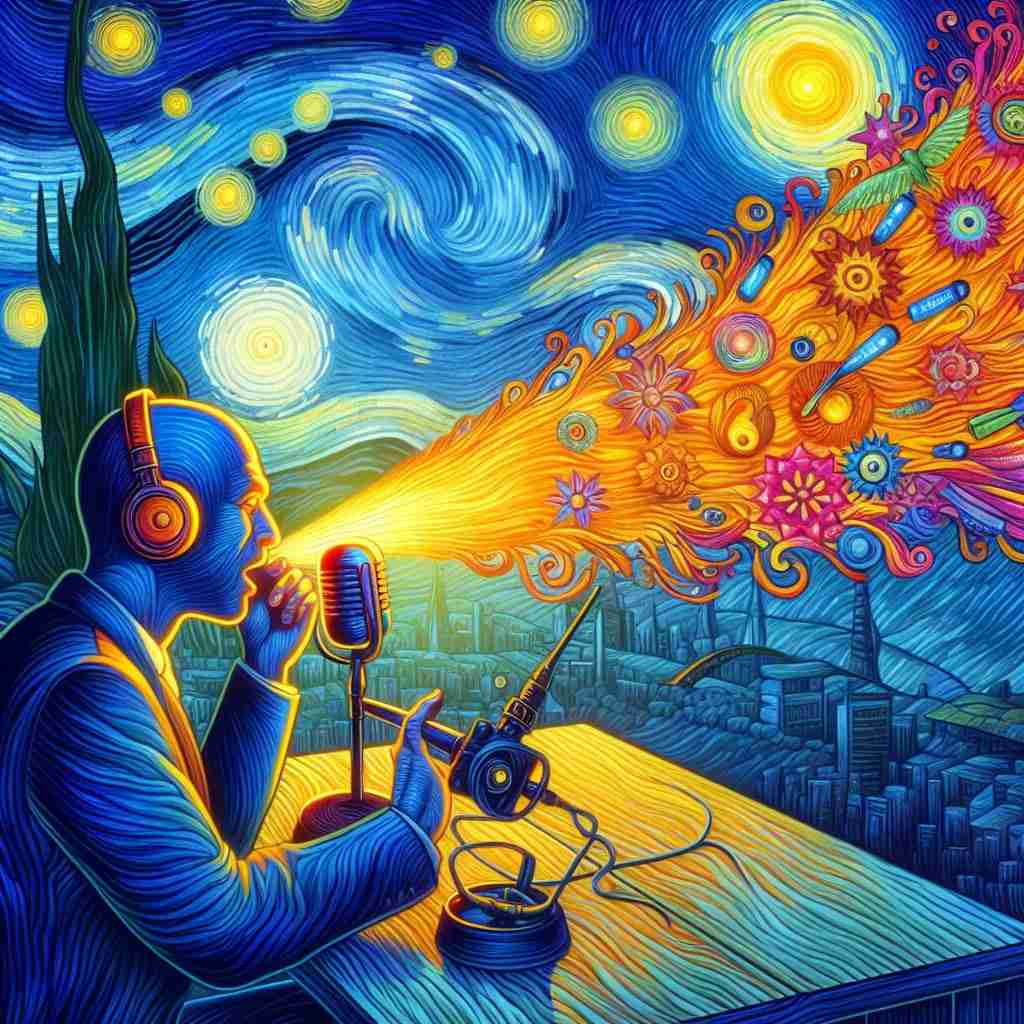
Is It Possible to Structure an Entire Narrative From One Concept?
Is It Possible to Structure an Entire Narrative From One Concept?
- Every story originates from a single idea, such as the concept of “community.”.
- A narrative centered on community fosters a visceral connection among characters and readers.
- Each character reflects collective identity, highlighting shared struggles like loss and resilience.
- Storytelling grounded in community can facilitate societal change and foster empathy.
- Stories serve as a lens for examining social issues, inviting dialogue and understanding.
- Ethical storytelling requires responsibility, shaping perceptions and inspiring action.
- Engaging with a singular concept creates universal connections and highlights our shared human experience.

Is It Possible to Structure an Entire Narrative From One Concept?
What Motivates You to Turn Ideas Into Tangible Scripts?
Turning ideas into tangible scripts is a journey fueled by an insatiable drive that resonates in the heart, mind, and gut. It’s not just about crafting words on a page; it’s about encapsulating experiences that reflect our shared humanity. You see, every great script starts as an idea — a whisper of creativity that demands to be heard. It’s like the moment you hear a captivating podcast, where the host’s voice pulls you in, making the mundane feel extraordinary.
Consider this: when you take a leap to put your thoughts down, you’re not merely creating a script; you’re sharing a piece of your soul. Each word is a stepping stone toward a connection. People don’t just crave stories; they crave understanding. When you commit to turning your ideas into scripts, you’re opening a door for others to walk through. You invite them into your world, creating space for empathy and connection. There’s power in this act. It’s about bringing clarity to the chaos of life, and illuminating the paths we all tread but seldom discuss.
Emotionally, the fear of judgment can weigh heavy, but the satisfaction of sharing something genuine overcomes that fear. Let’s be honest: every storyteller has faced that moment of self-doubt. Remember the first time you shared an idea with a friend? The nervous excitement of wondering if they would get it or see the heart behind your words? That’s the gut feeling that pushes you forward — the motivation to chase after something meaningful.
Rationally, when you transform ideas into scripts, you build authority within a specific voice or topic. You become a conduit for change, a vessel for the stories that need to be told. Think about the most successful podcasts out there; they don’t just serve content; they echo the values and beliefs of their audience. The more you pour yourself into your creations, the more others will trust your perspective.
But let’s not forget, while we often seek validation externally, the real drive comes from within. Every time you hit “publish” on a script, it’s a declaration of intent. It’s not merely work; it’s a contribution to the collective narrative of our society. Your voice matters. It’s time to harness that motivation, to turn those ideas into scripts that resonate, inspire, and ignite change. That’s the call to action, the testament to why we write.

What Motivates You to Turn Ideas Into Tangible Scripts?
What Motivates You to Turn Ideas Into Tangible Scripts?
- Turning ideas into scripts is a journey driven by an internal need for expression.
- Scripts encapsulate experiences that reflect shared humanity.
- Every script begins as an idea, demanding to be expressed.
- Writing is not just an act of creation but sharing a piece of oneself.
- Transforming ideas into scripts fosters connection and empathy among audiences.
- Overcoming fear of judgment leads to genuine storytelling.
- Publishing work is a declaration of intent and a contribution to society’s narrative.

What Motivates You to Turn Ideas Into Tangible Scripts?
Conclusion
Turning a singular idea into a well-crafted script within minutes is a transformative journey that taps into our deepest experiences and emotions. It begins with that electrifying spark—an idea that hurls itself at you, demanding to be shaped into something substantial. Picture yourself with your morning coffee, that lightbulb moment igniting the possibilities. The key? Simplicity. The most compelling narratives often spring from the simplest concepts—those raw moments of life that we’ve all faced. The beauty of storytelling lies not just in sharing our successes but in embracing vulnerabilities, failures, and the lessons learned.
Crafting this script requires you to channel emotions effectively. What are you aiming to convey? Is it humor, inspiration, or perhaps a story of resilience? This emotional underpinning is crucial in making connections with your audience. Think of your personal experiences—these narratives knit a bond of trust and relatability. The process isn’t just intellectual; it’s a visceral journey that beckons listeners to engage and reflect.
Moreover, effective storytelling goes beyond personal anecdotes. It’s about compelling narratives that create broader connections. Assess your audience’s needs—what do they seek to learn or understand? Remind them of their shared struggles, framing your story as a collective journey rather than an isolated experience. A relatable narrative not only captivates the mind but touches the heart, creating a community of listeners who feel seen and heard.
Storytelling is more than an art—it’s a social act that fosters connections. Engage with your audience on multiple levels—emotionally, rationally, and ethically. When a message resonates on these fronts, it becomes a call to action. Whether you’re sharing tales of resilience in the face of adversity or recounting moments of joy and community, your stories have the power to inspire change and ignite hope.
In just a short period, you can structure your thoughts into a narrative that inspires, educates, and uplifts. Turning fleeting ideas into powerful stories is not only possible—it’s a vital skill that can shape your world and influence those around you. Embrace your passions, harness that burst of inspiration, and transform mere thoughts into impactful narratives that echo long after your words fade away. Each story, beginning with one idea, is a testament to the profound connections we can forge through the art of storytelling.

Conclusion
Conclusion:
- Transforming an idea into a script is a journey that evokes deep emotions and experiences.
- The process starts with a spark of inspiration that demands expression.
- Simplicity is key; compelling narratives often arise from simple, relatable concepts.
- Effective storytelling channels emotions, fostering connections with the audience.
- Stories should address audience needs and reflect shared struggles, creating a collective experience.
- Storytelling fosters connections on emotional, rational, and ethical levels, inspiring action.
- Harness your inspiration to craft impactful narratives that resonate with others and create lasting connections.

Conclusion
Other Resources

Other Resources
Here is a list of other resources you can review online to learn more:
- Bob Woods
- YouTube
- Overcast
- CarPlay
- Instapaper
- Patreon
- Libsyn
- Threads
- Discord
- Audacity
- Podcastle
- PodUp
- Telegram
- Column1
- Resound
- LiveJournal
- Alitu
- Switcher Studio
Use This Prompt To Get More Resources With Your Favorite Online AI Tool: Please provide me with a list of online articles with their URLs in a bulleted list that I can read regarding Turn One Idea Into a Complete Script In Under 10 Minutes

Other Resources
Glossary Terms
Turn One Idea Into a Complete Script In Under 10 Minutes – Glossary Of Terms
1. Idea: A concept or mental impression that serves as the foundation for a script.
2. Script: A written document that outlines dialogue, action, and instructions for a film, play, or presentation.
3. Outline: A structured summary that organizes the main points and flow of a script.
4. Treatment: A detailed summary of the script that includes characters, settings, and a brief overview of the plot.
5. Dialogue: The spoken words of characters in a script that convey their thoughts and emotions.
6. Character: A fictional personality created for a script, often with distinct traits and motivations.
7. Setting: The time and place in which a story unfolds, providing context for the characters’ actions.
8. Plot: The sequence of events and conflicts in a script that drives the story forward.
9. Conflict: A struggle between opposing forces that creates tension and interest in the script.
10. Theme: The underlying message or central idea explored through the script.
11. Tone: The style or attitude of the script, influencing how the audience perceives the narrative.
12. Genre: A category defining the style and subject matter of the script, such as comedy, drama, or horror.
13. Storyboard: A visual representation of scenes, illustrating the sequence of events in the script.
14. Voiceover: Narration added to the script, usually recorded separately, to provide additional context or insight.
15. Scene: A division within a script that indicates a specific location and time where action occurs.
16. Act: A major section of a script typically composed of multiple scenes that develop the plot.
17. Beat: A moment or unit of action in a script, often marking a change in tone or direction.
18. Subtext: The underlying meaning or implied message in dialogue or actions that is not explicitly stated.
19. Premise: The foundational idea or concept that a script is built upon.
20. Hook: An engaging opening line or moment designed to capture the audience’s interest.
21. Climax: The turning point in the script where the main conflict reaches its peak.
22. Resolution: The conclusion of the script where conflicts are resolved and the story comes to an end.
23. Fade In/Out: Instructions in a script indicating the transition between scenes, often denoting changes in time or location.
24. Dramatic Arc: The structure of rising action, climax, and falling action that shapes the narrative flow.
25. Character Arc: The transformation or growth of a character throughout the script.
26. Logline: A concise summary of the script’s plot, capturing its essence in one or two sentences.
27. Pitch: A brief presentation of the script idea aimed at generating interest from producers or stakeholders.
28. Draft: A preliminary version of a script that undergoes revisions and edits.
29. Editing: The process of refining the script, focusing on dialogue, pacing, and coherence.
30. Rehearsal: Practice sessions where actors read through the script and develop performances before filming or staging.

Glossary Of Terms
Other Questions
Turn One Idea Into a Complete Script In Under 10 Minutes – Other Questions
If you wish to explore and discover more, consider looking for answers to these questions:
- How do I choose which single idea is strong enough to become a full script?
- What are the essential components of a script I can realistically write in under ten minutes?
- Can you provide a minute-by-minute template or checklist for a 10-minute scripting session?
- How long should the finished script be (word count or runtime) for different formats like podcast, short film, or video?
- How do I craft a compelling hook in the first 15–30 seconds?
- What’s the best way to outline the emotional arc quickly?
- Which storytelling structures work best when you only have one idea to build from?
- How can I balance emotional storytelling with clear, actionable takeaways?
- What techniques help silence the inner critic during a rapid writing session?
- How do I adapt this quick-script method for different genres (comedy, drama, educational, narrative nonfiction)?
- What examples of successful short scripts started from a single idea and how were they structured?
- How much revision is typically required after a ten-minute draft?
- What are simple editing steps to polish a quick draft without losing authenticity?
- Which phrases, transitions, or beats reliably maintain listener engagement?
- How do I tailor the tone and language for a specific target audience?
- How can I incorporate research or facts into a rapid script without slowing down the process?
- What tools or apps speed up drafting, outlining, and formatting scripts?
- How can AI help with generating a first draft, and how should I edit AI output to keep my voice?
- What are common pitfalls when rushing a script and how can I avoid them?
- How should I plan scenes, beats, or segments when writing for audio versus video?
- How can I write a call-to-action that feels natural and not forced?
- What are best practices for including vulnerability and personal anecdotes without oversharing?
- How do I test or preview a quick script to know if it resonates before recording/publishing?
- How can I repurpose a short script into other formats (blog post, social clips, newsletter)?
- What legal or ethical considerations should I keep in mind when using real people or events?
- How do I add sound design, music cues, or pacing directions when the draft time is limited?
- How can I measure the success of a script and use listener feedback to improve future drafts?
- What habits or routines help me consistently turn ideas into scripts quickly over time?

Other Questions
Haiku
Turn One Idea Into a Complete Script In Under 10 Minutes – A Haiku
Flicker of a thought,
Transforms into heartfelt tale;
Connect, share, inspire.

Haiku
Poem
Turn One Idea Into a Complete Script In Under 10 Minutes – A Poem
In a quiet space where thoughts ignite,
An idea whispers, calling to the light.
Transform it swiftly, let it flow,
Into a script where passions grow.
Embrace simplicity, find the heart,
Craft a journey, play your part.
Turn life’s lessons into shared tales,
Where laughter echoes, hope prevails.
With every word, build a bridge anew,
Connecting souls, both me and you.
Spark creativity from the depths of pain,
In vulnerability, let the truth remain.
Engage the mind, provoke the thought,
What message matters, what battles fought?
Each story is a living thread,
Weaving connections, where all have tread.
Stir the emotions, ignite that spark,
From every struggle, and every mark.
Be the authority, share your fight,
In shared narratives, find the light.
So take that idea, let it rise,
Transform it boldly, watch it surprise.
Each script you craft, a lasting gift,
In the world of words, let your spirit uplift.

Poem
Checklist
Turn One Idea Into a Complete Script In Under 10 Minutes – A Checklist
Checklist for Crafting a Script from One Idea
✅______ Reflect on personal experience Identify a moment of triumph or struggle that can be woven into your narrative.
✅______ Establish emotional connection What feeling do you want to evoke in your audience? Consider joy, inspiration, or empathy.
Rational Appeals
✅______ Clear takeaway Define the main message of your script. What insights or actionable steps do you want your audience to walk away with?
✅______ Logical structure Outline the script with a beginning, middle, and end to create coherence and flow.
Ethical Appeals
✅______ Authenticity Share your truth and be vulnerable in your storytelling to foster trust with your audience.
✅______ Consider impact Reflect on how your story may inspire or provoke thought in your listeners.
Authority Appeals
✅______ Establish credibility Include personal anecdotes or examples that enhance your authority on the subject.
✅______ Draw from expertise Use your knowledge or experience to lend weight to your message.
Narrative Techniques
✅______ Create a hook Start with a captivating anecdote or question that draws your audience in.
✅______ Use vivid imagery Paint a picture with your words to make abstract ideas more relatable and engaging.
Social Appeals
✅______ Foster a sense of community Remind your audience that they share similar struggles and experiences.
✅______ Encourage dialogue Invite your listeners to reflect on their own stories and share them.
Passionate Delivery
✅______ Infuse passion into your writing Let your enthusiasm shine through every word.
✅______ Engage your audience Use relatable language and anecdotes to build rapport with listeners.

Checklist
At PodcastBig, we help people who want to learn about podcasting by collating information and news about podcasting.
Be sure to read our other related stories at PodcastBig to learn more about podcasting.