

An Overview Of Translate and Dub Podcasts While Keeping Original Emotion
By Tom Seest
At PodcastBig, we help people who want to learn about podcasting by collating information and news about podcasting.
Be sure to read our other related stories at PodcastBig to learn more about podcasting.
Translate and Dub Podcasts While Keeping Original Emotion
In a world brimming with voices, podcasts have emerged as a powerful conduit for storytelling, education, and connection. Every podcast carries the essence of its creator—the nuances of tone, the cadence of each word, the very heart of the narrative. When a podcast is translated and dubbed, the challenge lies not just in the accuracy of translation, but in preserving that original spark of emotion that compels listeners to lean in, to relate, and to engage.
Imagine for a moment a small-town storyteller, his voice rich with life experiences, inviting listeners to share in his retrospective journey. Let’s say his podcast, filled with laughter, pain, and resilience, is suddenly rendered into another language. A strict, word-for-word translation may result in a lifeless echo of his original intent, like taking the richness of homemade soup and diluting it into mere broth. The challenge becomes a noble art form: how do we honor that heartfelt narrative in a way that still resonates, evokes tears, or sparks laughter in an entirely different culture?
This is where the magic of dubbing comes into play. It requires not just linguistic precision, but also an understanding of the emotional depth behind each phrase. It’s about embodying the raw feelings—capturing the warmth of a chuckle or the heaviness of a sigh. Take a personal story, like the time I tackled an overwhelming challenge, only to discover that sharing that struggle helped others find their own voices. Translating and dubbing hinges upon this type of connection—the realization that when we share our stories authentically, they transcend language barriers.
Moreover, consider the ethical implications of such work. It’s a responsibility to ensure that the new version reflects the original spirit. The authority of a voice comes from authenticity; when listeners from diverse backgrounds tune in, they should sense that same pulse, that same heartbeat as they did in the original version. They should feel they are part of a larger conversation, a global community built on shared stories.
In embracing this artistry, we cultivate trust and inspire action. Think of the potential when a powerful podcast crosses borders—not just translating words, but translating emotional experiences. This endeavor can inspire change, foster understanding, and create a tapestry of shared human experience, one podcast at a time. So let’s invite the world to listen, not just translate, but truly connect in every syllable.

Translate and Dub Podcasts While Keeping Original Emotion
Translate and Dub Podcasts While Keeping Original Emotion
- Podcasts serve as a vital medium for storytelling, education, and connection, embodying the creator’s essence.
- The process of translating and dubbing podcasts involves preserving the emotional impact of the original content.
- Strict word-for-word translations can dilute the original message, losing its richness and intent.
- Dubbing requires linguistic precision and an understanding of emotional depth to connect with diverse audiences.
- The ethical responsibility lies in ensuring the new version reflects the authenticity of the original spirit.
- Successful translations can foster understanding and create a shared global community through storytelling.
- The potential of podcasts to cross cultural borders lies in their ability to translate not just words, but emotional experiences.
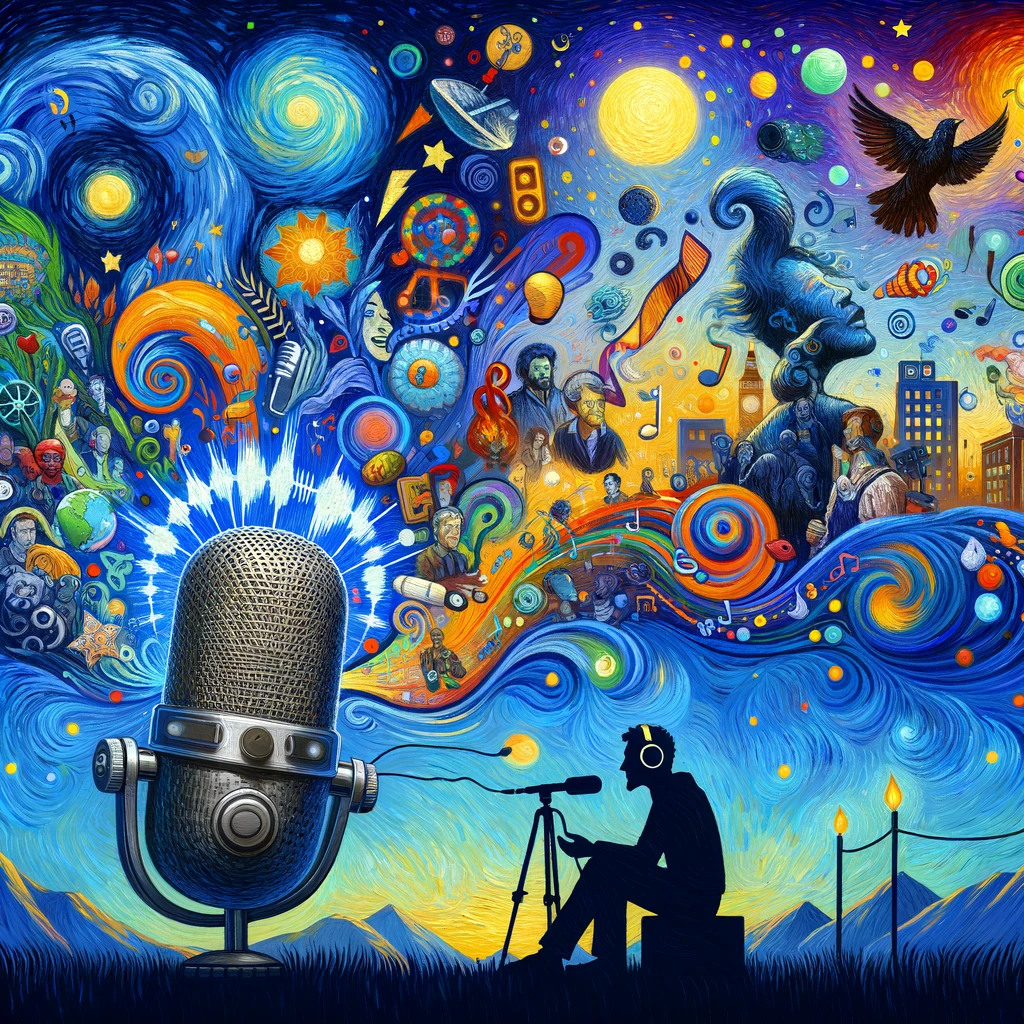
Translate and Dub Podcasts While Keeping Original Emotion
Table Of Contents
- Translate and Dub Podcasts While Keeping Original Emotion
- What Emotions Do You Want to Convey In This Podcast?
- How Can Translation Maintain the Original Message?
- What Challenges Arise When Dubbing Emotional Content?
- How Do Listeners Perceive Translated Vs. Original Podcasts?
- What Role Does Cultural Context Play In Translation?
- How Can Voice Acting Capture the Essence Of the Original?
- What Ethical Considerations Exist In Translating Narratives?
- Conclusion
- Other Resources
- Glossary Of Terms
- Other Questions
- Haiku
- Poem
- Checklist
What Emotions Do You Want to Convey In This Podcast?
When you step behind that microphone, the potential of your podcast is immense. You have a unique opportunity to tap into the full spectrum of human emotion—laughter, nostalgia, compassion, and even heartache. But let’s be real: it’s not just about sharing feelings; it’s about creating connections. Think about why people tune in each week. It isn’t solely to hear facts; it’s about feeling something that resonates within their lives.
Consider the power of storytelling. When you weave a personal tale into your podcast, you draw in your audience, allowing them to see parts of themselves in your experiences. Imagine sharing the moment you realized something had changed in your life—maybe it was a small victory or a crashing disappointment. That vulnerability can inspire trust, turning casual listeners into loyal supporters. You create a common ground where everyone can relate; after all, we’ve all faced moments that have made us question our choices.
Next, appeal to the heart. What emotions do you want to stir? Courage? Empathy? Create the atmosphere that invites listeners to feel comfortable sharing their own stories. Share challenges you’ve faced alongside your hopes. Picture a chilly evening, sharing a comforting meal with a friend and recounting a time when you both felt lost. That warmth radiates through your words, inviting your audience to become part of that intimate circle.
As you explore ideas, engage the rational side. Present facts or insights that highlight an ethical dilemma or current issue. These conversations make people think, drive action, and compel them to be part of something larger than themselves. Your podcast is a platform—a way to elevate important discussions while fostering a sense of community.
Lastly, don’t forget the gut. Give your audience something to chew on, provoking thought while offering solutions that empower action. Stirring the imagination by comparing life’s challenges to thriving in a storm might just inspire your listeners to embrace their struggles, reminding them they can navigate through anything.
On this journey of conveying emotion through your podcast, it’s essential to balance personal narratives, call to action, and a sense of collective resilience. Listeners seek transformation. So, dive deep; share your heart, tap into the intellect, and challenge the spirit. With each episode, you can ignite the passion within others, encouraging them to embrace their own stories and face the world with renewed courage.

What Emotions Do You Want to Convey In This Podcast?
What Emotions Do You Want to Convey In This Podcast?
- Podcasts create immense potential to evoke human emotions like laughter, nostalgia, compassion, and heartache.
- Listeners tune in not just for facts but to feel a connection that resonates with their lives.
- Storytelling draws in the audience, fostering trust and turning casual listeners into loyal supporters.
- Appeal to emotions like courage and empathy to create an inviting atmosphere for sharing personal stories.
- Engage the rational side with facts and insights to provoke thought and encourage community discussions.
- Encourage listeners to embrace their struggles by offering solutions and inspiring metaphors.
- Balance personal narratives, calls to action, and collective resilience to help listeners seek transformation.

What Emotions Do You Want to Convey In This Podcast?
How Can Translation Maintain the Original Message?
Translation is more than mere words swapped between languages; it’s about preserving the essence of a message, navigating the labyrinth of culture and context, and ensuring that the heart behind the words remains intact. Imagine a podcast where stories flow from one voice to another, each echoing the experiences and struggles of real people. When a translator steps in, they aren’t just changing text; they are becoming a vessel for those experiences, ensuring that the laughter, pain, and triumphs resonate no matter the language spoken.
Consider a personal story: I once attended a gathering where individuals from various backgrounds shared their life stories. One woman recited a touching account of her childhood, filled with hardship but also the unyielding spirit of her grandmother. When the translator took her words and seamlessly transformed them for the audience, it was as if her grandmother was in the room, clapping her hands in approval. That’s the magic of translation—it can take tears and laughter and wrap them in the beautiful fabric of language, ensuring that no one feels disconnected from the narrative.
The challenge, however, lies in the nuances. Each language carries its own weight, layered with idioms and cultural references that can often be lost in translation. A good translator doesn’t just render the words; they engage the gut, making choices that respect the original message while sparking a connection with the new audience. They become cultural stewards, holding authority within their craft to convey not just what’s said, but what’s deeply felt.
Ethically, it’s vital that translators remain faithful to the original intent, ensuring every voice is honored and every story told. They hold the power to bridge gaps between societies, fostering understanding in an increasingly divided world. Through their work, they can inspire connection amidst diversity, uniting listeners who find commonality in shared experiences.
As we dive into the realm of translation, let’s contemplate the role of recognition and ownership. It’s not just the act of translating words but actively engaging with the audience, sparking reflection on how we all relate to one another’s journeys. Each translated piece can be a story shared—a podcast episode reaching ears eager for understanding. In this work, we don’t merely translate; we transform, revive, and elevate the original message, carrying it forth with grace and respect.

How Can Translation Maintain the Original Message?
How Can Translation Maintain the Original Message?
- Translation goes beyond swapping words; it preserves the essence of messages and cultural context.
- A translator serves as a vessel for the experiences conveyed, ensuring emotional resonance across languages.
- Nuances in language pose challenges as idioms and cultural references can be lost in translation.
- A good translator respects the original message while fostering a connection with the new audience.
- Ethical translation honors every voice and story, bridging societal gaps and fostering understanding.
- Translation is an engagement with the audience that encourages reflection on shared human journeys.
- Through translation, original messages are transformed and elevated, conveying grace and respect.

How Can Translation Maintain the Original Message?
What Challenges Arise When Dubbing Emotional Content?
Dubbing emotional content is like trying to recapture a moment that was raw, real, and alive with feelings. Imagine sitting around the dinner table with family, sharing stories that evoke laughter and tears. That’s the essence of what dubbing aims to achieve, but the challenge lies in the intricacy of those emotions. You’re not just translating words; you’re translating hearts.
Take the iconic scene where a character is at their breaking point, voice quivering with pain. The subtleties of their performance are not merely the words spoken; it’s in the inflection, the pauses, and the silences that scream louder than dialogue. When dubbing this scene into another language, the voice actor must grasp not just the language but the passion behind it. If they miss the mark, what was once a powerful moment can become flat, a disservice to both the original creators and the audience. It’s the kind of misstep that, like a podcast gone awry, can leave listeners feeling disconnected, unsure of the narrative’s emotional core.
Consider the ethics involved. A dubbed performance that fails to encapsulate the original sentiment can alter the essence of a story. One may ask: Is it ethical to alter the depth of a character’s struggle because the words don’t flow perfectly? It’s a delicate balance of staying true to the source material while making it accessible and relatable to a new audience. When we watch a dubbed film, we crave authenticity. We want that emotional hook that makes our hearts leap or break, connecting us to the characters as we navigate our own lives.
Another challenge that emerges is the societal expectation of emotional resonance. Audiences have grown more discerning, equipped with a diverse array of media experiences. They seek more than just entertainment; they yearn for genuine connection. If a dubbed version does not deliver the same emotional highs and lows as its original, it risks alienating viewers. It’s reminiscent of the way we bond over shared struggles—if a story doesn’t resonate, it’s like missing out on the best tales shared in a podcast about life’s lessons.
But amidst these challenges lies an opportunity: to breathe new life into storytelling. A successful dub can turn a poignant moment into a universal experience, touching hearts across the globe. When voices meld seamlessly with emotions, the power of the narrative transcends language, creating communities united by shared feelings and experiences. This is not just about words; it’s about crafting an emotional journey that every listener can embark upon, making the challenges of dubbing worthwhile.

What Challenges Arise When Dubbing Emotional Content?
What Challenges Arise When Dubbing Emotional Content?
- Dubbing emotional content aims to recapture raw and genuine feelings through storytelling.
- Challenges arise in conveying not just words, but the emotional nuances of performances.
- Voice actors must understand the passion behind the original language to maintain its impact.
- Failure to encapsulate original sentiment can change the essence of the story, raising ethical concerns.
- Audiences expect authentic connections and emotional resonance in dubbed content.
- Successful dubbing can foster universal experiences and community through shared emotions.
- The process is about crafting an emotional journey that engages listeners across cultures.

What Challenges Arise When Dubbing Emotional Content?
How Do Listeners Perceive Translated Vs. Original Podcasts?
Listeners often find themselves caught in an intriguing dilemma when weighing original podcasts against their translated counterparts. Each version tells a story, but the nuances can shift dramatically, just like the flavors in a family recipe passed down through generations. While the original may evoke the rustic charm of a wise grandmother’s kitchen, the translation can feel like a new dish altogether—different yet familiar.
When audiences tune into a podcast, they seek a connection. That connection is rooted not just in the content, but in the way it’s presented. An original podcast captures the creator’s voice—their intention, their passion. It resonates with listeners on a gut level, igniting emotions and creating a bond. In contrast, a translated podcast can offer the same insights, but often with a layer of separation. The listener might appreciate the information but find it difficult to feel the warmth of the original storyteller’s enthusiasm.
Consider the ethical angle. Is translation merely a convenience, or does it risk diluting the core message? When a podcast is translated, it raises questions about trust. Is the translator a mere conduit, or do they infuse their own biases? Listeners often subconsciously reflect on the authority behind the voice. They want to know that the essence remains intact. This is where translation becomes a dance—a balancing act of retaining the original flavor while making it accessible.
Through personal experiences, imagine walking through a bustling market where the air is rich with spices—each vendor eager to share their story. Now, imagine a friend recounting that experience years later, hoping to capture every detail. Their version may be accurate but will inevitably miss the visceral experience—the laughter, the chaos, the warmth of connection. A translated podcast can evoke this sensation. It invites audiences into a new landscape but often falls short of that lived experience.
Ultimately, the impact of a podcast hinges on more than just words—it’s about the stories behind them. In our increasingly global world, ensuring that these narratives are shared authentically matters. When listeners come together, whether through original or translated content, they’re not just consuming media; they’re engaging in a shared human experience—one that can inspire action, bridge divides, and build understanding. It’s an invitation to embrace the richness of diverse voices, transcending language while still honoring the roots from which they sprout.

How Do Listeners Perceive Translated Vs. Original Podcasts?
How Do Listeners Perceive Translated Vs. Original Podcasts?
- Listeners face a dilemma between original podcasts and their translations, with each offering a distinct narrative experience.
- Original podcasts convey the creator’s voice and passion, fostering a deeper emotional connection with audiences.
- Translated podcasts may share insights but often lack the warmth and enthusiasm of the original content.
- Ethical considerations arise regarding the potential dilution of the core message during translation.
- Trust in the translator’s authority and ability to maintain the original essence is crucial for listeners.
- A translated podcast can capture experiences but may fall short in conveying the visceral essence of the original.
- The true impact of podcasts lies in the stories behind the words, emphasizing the importance of authentic narratives in a global context.

How Do Listeners Perceive Translated Vs. Original Podcasts?
What Role Does Cultural Context Play In Translation?
Cultural context is the unseen thread that weaves through language, shaping meaning in remarkable ways. Imagine tuning in to a podcast that promises to share the wisdom of the ages, only to find that the essence of the message has been diluted or lost in translation. What happened? The nuances, the rich tapestry of cultural clues—those are the missing ingredients. Translation isn’t just about swapping words; it’s an art that requires a deep understanding of the phrases that carry emotional weight, social norms, and the historical backdrop of a language.
Take, for example, the word “home.” In one culture, it might evoke notions of familial warmth and belonging, while in another, it may be deeply intertwined with social status or tradition. If a translator merely replaces the word without considering its emotional resonance, the final message may ring hollow. When we fail to honor that context, we risk losing those heartstrings that evoke empathy and connection. Words aren’t just words; they carry stories, hopes, and the essence of humanity.
A personal tale drives this point home. I recall a time when a colleague passionately described their grandmother’s recipe for a traditional dish. It wasn’t just food; it represented love, sacrifice, and generations of family lore. When that story made its way into another language, did the translator merely convey the recipe? Or did they transmit the heartwarming emotion, the laughter, and even the tears that came with it? The difference is monumental. The same weight of tradition might not translate directly into a new context, and when that happens, the soul of the story can be lost.
This is where ethical responsibility comes into play. The translator has the duty to preserve not just the language but the intent. They must harness their abilities as cultural ambassadors, bridging gaps and forging connections—one carefully selected word at a time. People relate to stories, histories, and shared experiences, and interpretative insight becomes crucial when navigating these waters.
In an age where globalization connects us all, we must acknowledge that translation is not simply a task; it’s a commitment to understanding one another. If we view translators as guardians of culture rather than mere linguists, we create a landscape where stories flourish across borders, languages, and hearts. Let’s strive for communication that transcends words, fostering genuine connections that resonate—where every culture’s voice is heard, and every story told.

What Role Does Cultural Context Play In Translation?
What Role Does Cultural Context Play In Translation?
- Cultural context intricately shapes language and its meanings.
- Translation is an art that requires understanding of emotional weight and historical backgrounds.
- The meaning of “home” can vary significantly across cultures, affecting its translation.
- Failure to honor cultural context can lead to loss of emotional connection in translation.
- Translators have an ethical responsibility to preserve intent and cultural nuances.
- Translators should act as cultural ambassadors, facilitating connections through carefully chosen words.
- Viewing translators as guardians of culture fosters communication that transcends mere words.

What Role Does Cultural Context Play In Translation?
How Can Voice Acting Capture the Essence Of the Original?
Voice acting isn’t just about reading lines; it’s about breathing life into characters that can resonate deeply with us. When a skilled voice actor steps into the shoes of a beloved character, they wield an incredible power to evoke emotion and shape how we experience stories. It’s like joining a conversation around a podcast, where each voice adds color and depth, offering insights that might be missed otherwise.
Consider the way voices can transport us. Picture a childhood favorite, perhaps an animated film where a hero’s struggle mirrors our own. The actor’s profound understanding of that character’s journey is essential. They don’t just deliver lines; they channel vulnerability, strength, and humor in ways that resonate universally. It’s through this lens that we grasp our shared humanity. A heart-wrenching performance can ignite empathy, making us feel seen and understood, linking us to our own experiences.
Rationally, it’s critical to understand the effort that goes into this craft. Voice actors immerse themselves in extensive character research, dissect scripts, and often embody the spirit of the character long before we hear them. This commitment translates to authenticity; they work tirelessly to replicate and respect the essence of the original creation while making it uniquely theirs. This dedication builds trust—trust that these artists respect the legacy of the original work and aim to honor it.
Ethically, it’s important to recognize cultural nuances. When voice actors step up to represent characters of diverse backgrounds, they bear the responsibility of bringing authenticity to that portrayal. This calls for a profound respect for the communities they represent, fostering a sense of social responsibility in their craft. A great voice actor not only entertains but also educates listeners about the richness of different perspectives, inviting connection and dialogue about our diverse world.
Take, for example, a moment from your favorite animated movie. Remember how a particular line delivered with just the right inflection made you burst out laughing or brought a tear to your eye? This is no accident. It’s the result of a deliberate interplay between script and performance. Like a well-crafted podcast where the host meticulously curates stories to engage their audience, voice actors sculpt every syllable to ensure the emotional heart of the character beats strong.
Ultimately, the key to capturing the essence of the original lies in the voice actor’s ability to create a bond—an invisible thread that ties them to the audience. This art form invites us all to not only hear, but to truly listen, experience, and connect with something greater than ourselves.

How Can Voice Acting Capture the Essence Of the Original?
How Can Voice Acting Capture the Essence Of the Original?
- Voice acting involves bringing characters to life, not just reading lines.
- Skilled voice actors evoke emotions, shaping the audience’s experience of stories.
- Effective performances channel vulnerability, strength, and humor, resonating universally.
- Voice actors conduct extensive research and embody characters before the audience hears them.
- Authenticity in portrayal builds trust and respects the legacy of the original work.
- Voice actors have a social responsibility to authentically represent diverse backgrounds.
- The bond created between voice actors and audiences invites deeper listening and connection.

How Can Voice Acting Capture the Essence Of the Original?
What Ethical Considerations Exist In Translating Narratives?
Translating narratives is more than merely converting words from one language to another; it’s about preserving the heartbeat of a story, which often pulses with cultural significance. Imagine for a moment sitting by a crackling fire, listening to your grandmother recount tales from her childhood—a blend of laughter, sorrow, and hope woven together. Now, imagine if those stories were suddenly stripped of their essence, altered by someone unfamiliar with the nuances of your family’s history. This is where the ethical landscape of translation comes into view.
At its core, translating narratives demands a robust connection to the original text’s emotional weight and the cultural context tied to it. When translating, we must tread carefully; each word carries the weight of its own journey. I recall a moment while working on a translation project involving a podcast series about immigrant experiences. One particular narrative struck a chord—a story about a mother’s sacrifice to provide her children a better life. The raw emotions that spilled from those words had to be treated like delicate glass, not to shatter under the pressure of direct equivalence.
There’s a moral compass that guides us, reminding us of our responsibility to honor the voices we translate. Failure to do so can lead to misrepresentation, where stories are distorted and their impacts diluted. Think of it this way: if a translator shortchanges a powerful moment in a narrative, it’s akin to a chef altering a family recipe, cutting corners and missing the soul of the dish. The flavors may be there, but the dish loses its authenticity, leaving diners unsatisfied.
Ethically, translators must also consider the authority they hold within this delicate process. They are not just conduits but stewards of meaning. By adopting the role of an authority on the culture and language at hand, they have the power to create bridges or wide chasms. Each choice, whether it’s word selection or tone, shapes how audiences receive these vital narratives. When we approach translation with empathy and diligence, we inspire trust and foster connection, allowing stories to resonate across different cultures.
In essence, ethical translation means embracing narrative integrity while making it accessible to new audiences. It invites introspection on how we connect to one another through shared stories and experiences, reminding us of the importance of understanding before we translate. By valuing context and emotion, we don’t just translate words; we translate lives, creating a shared tapestry that binds us all together.

What Ethical Considerations Exist In Translating Narratives?
What Ethical Considerations Exist In Translating Narratives?
- Translating narratives involves preserving the cultural significance and emotional depth of a story, not just word-for-word conversion.
- A deep understanding of the original text’s emotional weight and cultural context is essential in translation.
- Translators must handle narratives with care, as each word has its own journey and importance.
- There’s a responsibility to honor the voices of the original storytellers to avoid misrepresentation and dilution of stories.
- Translators serve as stewards of meaning, influencing how stories are perceived and connecting cultures.
- Empathy and diligence in translation foster trust and allow stories to resonate across diverse audiences.
- Ethical translation emphasizes narrative integrity and the importance of understanding context and emotion in connecting shared experiences.

What Ethical Considerations Exist In Translating Narratives?
Conclusion
Podcasts serve as vessels of storytelling, inviting listeners into diverse realms through the shared human experience. The act of translating and dubbing these audio narratives poses a unique challenge: how to convey not just words, but the vibrant emotional tapestry that underpins them. Imagine a storyteller, rooted in their small-town experiences, speaking with the familiarity of laughter and sorrow, only to find their poignant podcast transformed into another language. If the translation merely echoes words without capturing that emotional resonance, it risks becoming a hollow imitation—like flavorless broth when a sumptuous soup is called for.
At the heart of successful dubbing is a dedicated craft that prioritizes emotional nuance, striving to encapsulate the original vibrancy while staying true to the intent of the storyteller. This process is not just about linguistic accuracy; it demands a deep understanding of the emotions entwined within each phrase and the cultural context from which they spring. Each laugh, sigh, and heartfelt pause needs to be deftly handled, as if managing delicate glass. This level of care ensures that audiences connect with the emotional core of the story, regardless of language.
We must also consider the ethical responsibility that comes with translation. Translators hold a sacred duty to maintain the integrity of the original narrative, expertly navigating cultural nuances and ensuring the original spirit remains intact across borders. As stewards of culture, they bridge gaps, fostering deeper understanding among audiences who may find themselves walking different paths but sharing the same struggles. It’s essential for listeners, especially those in global communities, to sense the authenticity and heartbeat behind each translated podcast, reinforcing the idea that their stories—despite linguistic differences—are universally relatable.
By intertwining personal narratives with broader themes, podcasters can create spaces of engagement that resonate on multiple levels. The emotional weight of a story is amplified when listeners see themselves reflected in the experiences shared. This shared vulnerability can transform casual listeners into dedicated supporters, nurturing a sense of community within the podcasting world. When every episode successfully marries emotion, insight, and authenticity, we cultivate connections that transcend barriers and inspire action—encouraging others to share their own stories and face challenges with renewed courage.
In this quest for heartfelt storytelling across languages, we reveal the incredible potential of podcasts: to not only inform but to unite us in our shared humanity, one compelling episode at a time.

Conclusion
Conclusion:
- Podcasts are vehicles for storytelling, showcasing shared human experiences.
- Translating and dubbing narratives requires conveying emotional depth, not just words.
- Effective dubbing prioritizes emotional nuance and aims to retain the original vibrancy.
- Translators must navigate cultural contexts to preserve the integrity of the original narrative.
- Listeners should sense the authenticity behind each translated podcast, recognizing universal relatability.
- Personal narratives intertwined with broader themes foster community and engagement among listeners.
- Podcasts have the power to unite us in our shared humanity through emotionally resonant storytelling.
Conclusion
Other Resources

Other Resources
Here is a list of other resources you can review online to learn more:
- Planly
- Overcast
- Clarity.fm
- Expertise.tv
- VK
- RØDECaster Pro
- r/podcasting
- Threads
- Jiosaavn
- NCH Software
- Discord
- Descript
- SquadCast
- Spotify for Podcasters
- Apple Podcasts
- YouTube
- Stitcher: Made for Podcasts
- Apple Podcasts
Use This Prompt To Get More Resources With Your Favorite Online AI Tool: Please provide me with a list of online articles with their URLs in a bulleted list that I can read regarding Translate and Dub Podcasts While Keeping Original Emotion

Other Resources
Glossary Terms
Translate and Dub Podcasts While Keeping Original Emotion – Glossary Of Terms
1. Translation: The process of converting spoken or written content from one language to another while retaining the original meaning and context.
2. Dubbing: The addition of a new audio track in a different language to a video or audio content, synchronizing voices with the original speech.
3. Podcasts: Digital audio programs available for streaming or download, focusing on various topics and often featuring interviews, stories, or discussions.
4. Localization: Adapting content to meet the linguistic, cultural, and contextual requirements of a specific audience or region.
5. Voiceover: The recording of spoken words that are added to multimedia content, often used to narrate or provide commentary.
6. Emotion Retention: The practice of maintaining the original emotional tone and nuance of the content during translation and dubbing.
7. Script Adaptation: Modifying the original script for cultural relevance while ensuring the essence remains intact for the target audience.
8. Synchronization: The precise timing of dubbed audio with the original speech and visuals to create a seamless viewing experience.
9. Narrative Structure: The organized framework of a podcast that guides the storytelling and thematic development.
10. Audience Engagement: Techniques used to connect with listeners emotionally or intellectually, enhancing the overall experience.
11. Intonation: The variation of pitch in speech that conveys emotions and meaning, important for voice actors during dubbing.
12. Cultural Nuance: Subtle cultural differences and meanings that must be considered in translation to preserve context.
13. Dialect: A form of language specific to a region or social group, which may affect word choice and pronunciation.
14. Audio Quality: Fidelity of sound that impacts the clarity and listener experience, crucial for both original and dubbed content.
15. Pacing: The speed at which dialogue is delivered, affecting the narrative’s emotional impact and listener comprehension.
16. Sound Design: The creative aspect of audio production, including background sounds and effects that enhance storytelling.
17. Subtext: The underlying meaning or themes within dialogue or narrative that contribute to the emotional depth.
18. Casting: The selection of voice actors who can effectively convey the intended emotions and character traits.
19. Editing: The process of refining audio content, ensuring clarity, removing errors, and ensuring smooth delivery.
20. Multilingualism: The ability to speak multiple languages, facilitating the translation and dubbing process across different languages.
21. Actor Emotion: The ability of voice actors to convey feelings through their tone and delivery, essential in dubbing.
22. Transcription: The written text version of spoken audio, often used as a basis for translation and dubbing scripts.
23. Contextualization: Providing additional background information or context to ensure the translated content is understood by the target audience.
24. Prosody: The rhythm and pattern of sounds in speech that contribute to its emotional expression and meaning.
25. Technical Integration: The incorporation of technology and software tools for sound mixing, editing, and publishing podcasts.
26. Genre Adaptation: Modifying content to fit different genres or styles while maintaining emotional resonance and engagement.
27. Feedback Loop: The process of gathering listener reactions and using them to improve translation and dubbing practices.
28. Quality Control: Procedures in place to ensure the accuracy and emotional fidelity of the translated and dubbed content.
29. Intellectual Property: Legal rights related to the ownership of original content, which must be respected during translation and dubbing.
30. Audience Differentiation: Recognizing and addressing the distinct needs and preferences of various listener demographics during translation and dubbing efforts.

Glossary Of Terms
Other Questions
Translate and Dub Podcasts While Keeping Original Emotion – Other Questions
If you wish to explore and discover more, consider looking for answers to these questions:
- What is the difference between dubbing, voice‑over, and subtitling for podcasts?
- When should you choose dubbing over providing translated transcripts or transcripts with summaries?
- How do you measure whether a translation or dub preserves the original emotion?
- What objective and subjective metrics indicate successful emotional fidelity (e.g., retention, sentiment, listener feedback)?
- How do translators handle idioms, metaphors, and culturally specific references without losing emotional impact?
- How can humor and wordplay be adapted so they still land in another language?
- How much creative freedom should a translator or adaptor have when preserving tone versus literal meaning?
- What is the ethical line between faithful translation and necessary adaptation for cultural comprehension?
- Who owns the translated or dubbed version and how are rights and royalties managed?
- How do you obtain consent from original guests and creators for translation and dubbing?
- What is a typical workflow for translating and dubbing a podcast episode from script to release?
- Which roles are essential in the process (translator, adaptor, dialogue director, voice actor, audio engineer)?
- What are typical cost ranges and budgeting considerations for professional translation and dubbing?
- What is a realistic turnaround time per episode for high‑quality dubbing?
- Can AI translation and synthetic voices be used safely, and what are their limitations compared to humans?
- How do you combine AI tools with human oversight to preserve emotional nuance?
- What quality‑control steps (proofing, listening panels, test audiences) ensure emotional accuracy?
- How do you cast voice actors who match the original speaker’s age, energy, and emotional timbre?
- How should accents and dialects be handled respectfully and accurately?
- How do you preserve paralinguistic cues—pauses, breaths, sighs, laughter—during adaptation and performance?
- How should music, ambient sound, and sound design be treated during translation and dubbing?
- Should translated scripts match original timing and pacing exactly, or be adapted for natural flow?
- How do technical requirements differ for audio‑only podcasts vs video podcasts that require lip‑sync?
- What file formats, sample rates, loudness standards (e.g., LUFS), and delivery specs are recommended?
- How do you maintain consistency of voice, tone, and terminology across episodes and seasons?
- What tools (glossaries, style guides, translation memory) help ensure consistency and emotional fidelity?
- How do you test translated episodes with target audiences before a full rollout?
- Which cultural topics may need adaptation, contextual framing, or content warnings in other markets?
- How can translators avoid cultural appropriation or misrepresentation of marginalized voices?
- How should translators and voice actors be credited and compensated fairly?
- Can translation change the ethical implications of a narrative, and how should that be handled?
- How do you translate and dub sensitive or traumatic stories without retraumatizing subjects or audiences?
- What legal issues (defamation, privacy, licensing of music or clips) arise in translated versions?
- How can independent or small podcasters afford quality translation/dubbing on a limited budget?
- What are best practices for remote collaboration between creators, translators, directors, and actors?
- How should listener feedback be gathered and used to refine translations and future episodes?
- Are there notable case studies or examples of podcasts that successfully preserved emotion through dubbing?
- How does translation and dubbing affect monetization, sponsorship agreements, and ad localization?
- How should calls‑to‑action, sponsor messages, and culturally specific appeals be adapted for new audiences?
- What training and resources should translators and voice actors pursue to specialize in emotionally driven content?
- How do you reconcile differences between the original creator’s intent and local audience expectations?
- How do you preserve unique vocal characteristics (rasp, tremor, accent) that are central to a speaker’s identity?
- What contingency plans exist for disputes over translation choices or alterations to emotional content?

Other Questions
Haiku
Translate and Dub Podcasts While Keeping Original Emotion – A Haiku
Voices cross the sea,
Stories breathe in each heartbeat,
Bridging worlds with truth.

Haiku
Poem
Translate and Dub Podcasts While Keeping Original Emotion – A Poem
In a world alive with diverse tales,
Podcasts echo through valleys and trails,
Voices weave stories of joy and of strife,
Inviting connection, reflecting our life.
Yet when translated, these words must endure,
The heart of each tale, the essence thats pure.
A voice from the past, rich in warmth and woe,
Can fade into echoes, a mere whispers glow.
The art lies in dubbing—each laugh, every tear,
Capturing feelings, keeping memories near.
To honor the spirit, a cultural bridge,
Where laughter can flutter, and hearts can still grieve.
What of the ethics? A translators call,
To weave cultural threads, not shatter at all.
For every story shared, each voice must find light,
Creating a community, diverse and bright.
When voice actors breathe life, emotions take flight,
Connecting each listener, igniting the night.
They hold the power; their craft shines so clear,
To echo the pain, the laughter, the cheer.
Integration of context, a storys true art,
Ensuring its journey reaches deep to the heart.
So let us embrace this vast worldwide sea,
Where every podcast, each tale, sets us free.

Poem
Checklist
Translate and Dub Podcasts While Keeping Original Emotion – A Checklist
Heart Appeals
✅______ Identify core emotions. What emotions (e.g., joy, sadness, nostalgia) do you want to evoke in your audience?
✅______ Integrate personal anecdotes that resonate on an emotional level with listeners.
✅______ Share challenges and triumphs to foster trust and connection.
✅______ Ensure narratives contain culturally specific references that touch on universal human experiences.
Head Appeals
✅______ Verify that translations retain the original message and nuanced meanings.
✅______ Research and include cultural references or idioms that maintain the original emotional weight.
✅______ Consider the ethical implications of translating narratives to accurately represent the original intent.
✅______ Discuss relevant social issues or ethical dilemmas tied to the podcast topic to engage the intellect.
Gut Appeals
✅______ Ensure voice actors embody the characters authentically, capturing their emotional essence.
✅______ Pay attention to voice modulation, inflection, and pauses that convey deep feelings.
✅______ Encourage listeners to reflect on their own life experiences that parallel the narratives shared.
✅______ Empower listeners with actionable ideas or solutions that provoke thought and inspire change.
Ethical Appeals
✅______ Respect the author’s original voice and intent throughout the translation process.
✅______ Acknowledge the responsibility of translating diverse voices accurately.
✅______ Strive to represent various cultural backgrounds authentically within the translated content.
Authority Appeals
✅______ Collaborate with knowledgeable translators who possess a deep understanding of both languages and cultures involved.
✅______ Implement a review process to ensure that translations reflect high standards of emotional and narrative fidelity.
✅______ Utilize specialists in the podcast’s topic area to lend authority to the translated content.
Narrative Appeals
✅______ Use compelling storytelling methods to draw listeners in and create emotional arcs.
✅______ Foster a sense of belonging for listeners of all backgrounds by highlighting universal themes in stories.
✅______ Encourage listeners to feel part of a larger conversation and global community through shared narratives.

Checklist
At PodcastBig, we help people who want to learn about podcasting by collating information and news about podcasting.
Be sure to read our other related stories at PodcastBig to learn more about podcasting.