

Transform Your Audio Editing With AI: Empower Your Creativity And Streamline Your Workflow
By Tom Seest
At PodcastBig, we help people who want to learn about podcasting by collating information and news about podcasting.
Be sure to read our other related stories at PodcastBig to learn more about podcasting.
The Ultimate Guide to Solving Time-Consuming Audio Editing with AI
When you sit down to edit a podcast, what you’re really doing is crafting a narrative, a connection, a slice of life that can resonate with others. It’s more than just cutting and trimming—it’s about breath, rhythm, and emotion. Yet, as you dive into hours of raw audio, how often do you find yourself battling frustration instead of weaving a compelling story? Let’s face it: the tasks can be as daunting as they are time-consuming.
But here’s the kicker—technology has evolved at lightning speed, and artificial intelligence is stepping in to lighten that load. Imagine a world where the tedious background noise, the awkward pauses, and the endless adjustments are taken care of by an intelligent assistant dedicated to ensuring your voice shines through. AI doesn’t just streamline the process; it invites creativity back into the room—your room, where ideas simmer and brew.
The rational side of us understands this calls for efficiency, but let’s keep it real: there’s an emotional weight when you hit publish on a podcast. Each episode is a piece of your heart, shared with the world. When you can allocate more time to storytelling rather than data entry, it doesn’t just enhance the content; it honors your audience. They deserve the best from you, and AI is a tool that amplifies that promise.
And let’s talk ethics. Adopting AI doesn’t mean you’re handing over your art; it’s about empowering yourself. With AI, tedious work is taken off your plate, allowing you to focus on authenticity and resonance. You’re not replacing creativity; you’re enhancing it. That’s a responsible choice for any content creator who values integrity in their craft.
Community matters, too. By embracing this technology, you’re not only improving your workflow but also inspiring fellow creators to do the same. You become part of a growing movement that recognizes the beauty of blending human touch with technological innovation, and that’s a powerful narrative in itself.
Let’s turn that sensation of being buried under audio files into something transformative. Allow AI to be the innovation that brings your voice to life, so you can connect with your audience more deeply. Trust in this ally to help you not just make a podcast but craft an experience that resonates long after the last note fades.

The Ultimate Guide to Solving Time-Consuming Audio Editing with AI
The Ultimate Guide to Solving Time-Consuming Audio Editing with AI
- Editing a podcast involves crafting a narrative that resonates with listeners, focusing on breath, rhythm, and emotion.
- The editing process can be daunting and time-consuming, often leading to frustration.
- Advancements in technology, particularly artificial intelligence, can alleviate the burdens of editing tasks such as noise reduction and adjustments.
- AI enhances creativity by allowing more focus on storytelling rather than technical details, honoring the audience’s expectations.
- Adopting AI tools empowers content creators without compromising authenticity or creativity.
- Embracing AI not only improves individual workflows but also inspires a community of creators to blend human creativity with technology.
- Utilizing AI can transform the podcasting experience, enhancing connections with audiences and crafting lasting narratives.

The Ultimate Guide to Solving Time-Consuming Audio Editing with AI
Table Of Contents
- The Ultimate Guide to Solving Time-Consuming Audio Editing with AI
- What If AI Could Transform Your Audio Editing Experience?
- How Much Time Could You Save By Automating Tedious Tasks?
- What Are The Emotional Benefits Of Quicker Audio Workflows?
- Can AI Help Elevate Your Content To New Creative Heights?
- What Ethical Considerations Should You Keep In Mind Using AI Tools?
- Have You Thought About The Hidden Costs Of Manual Editing?
- How Can Success Stories Inspire Your Audio Editing Journey?
- Conclusion
- Other Resources
- Glossary Of Terms
- Other Questions
- Haiku
- Poem
- Checklist
What If AI Could Transform Your Audio Editing Experience?
Imagine you’re knee-deep in the audio editing process for your latest podcast. You’ve spent hours sifting through your recordings, searching for that golden moment that captures the essence of your passion. But let’s face it: editing can feel like an uphill battle. You’re wrestling with waveforms, untangling audio chaos, and questioning if your voice ever really sounded that good. It’s a grind, and it can wear you down.
Now, picture this: what if AI stepped in, turning that laborious slog into an empowered experience? Just consider how much smoother your workflow could become. AI algorithms, trained to recognize quality sound, could automatically filter out background noise, enhance vocal clarity, and even suggest optimal sound levels, freeing you to focus on what truly matters—telling your story.
It’s not just about technology; it’s about connection. With AI on your side, you’ll find more time to engage with your audience, dive into meaningful conversations, and share stories that resonate. Suddenly, those painstaking hours spent perfecting audio transform into moments spent sparking conversations that inspire others. You can restore what was lost in the editing process—the raw, unfiltered authenticity of your voice, vibrant and ready to be heard.
But let’s think this through. Is it ethical to allow a machine to do what we humans often take pride in? As we embrace AI, we must ensure it enhances our creativity rather than replacing our passion. In the hands of a dedicated creator, AI becomes a partner—a tool that helps you refine your vision while still allowing your unique voice to shine through.
When you see your favorite podcast taking on a polished, professional sound due to the seamless assistance of AI, remember that behind it lies the charm of human storytelling. The trust in AI lies not in the technology itself, but in how you wield it. You become the captain of this ship, navigating the choppy waters of creativity with a compass that points toward innovation.
Embrace this potential. Take a leap. Let AI be a bridge between your ambitions and your artistry. After all, in the ever-evolving landscape of audio editing, it’s not about the tools you use—it’s how you use them that counts. Your voice, your journey, and your audience are waiting.

What If AI Could Transform Your Audio Editing Experience?
What If AI Could Transform Your Audio Editing Experience?
- Editing a podcast can be a challenging and time-consuming process involving audio chaos.
- AI can streamline audio editing by filtering noise, enhancing clarity, and suggesting sound levels.
- With AI assistance, creators can focus more on storytelling and audience engagement.
- AI offers the potential to restore authenticity and the unique voice of the creator.
- Ethical considerations arise about allowing machines to handle tasks that humans often pride themselves on.
- When used wisely, AI can enhance creativity without replacing the human touch in storytelling.
- Embracing AI can bridge the gap between artistic ambitions and execution in audio editing.

What If AI Could Transform Your Audio Editing Experience?
How Much Time Could You Save By Automating Tedious Tasks?
In our fast-paced world, it can feel like we’re being pulled in a hundred different directions at once. When was the last time you looked at your to-do list and wondered how on earth you could squeeze even one more thing into an already jam-packed day? You know what I’m talking about—the endless emails, data entry, scheduling conflicts, and all those little tasks that sap our energy and divert our focus from what truly matters.
But take a moment to imagine a different reality. Picture yourself stepping into the office—or your home office—knowing that those mind-numbing tasks are taken care of. Automating tedious tasks isn’t just a tech solution; it’s a pathway to reclaiming your time, your creativity, and ultimately, your peace of mind. Think of it as leveling the playing field, letting you direct your energy toward projects that ignite your passion and add real value to your life.
Let’s get real: these tedious tasks are like leeches, quietly siphoning off your most precious resource—time. The average person spends a staggering amount of hours each week on these mundane activities. When you automate those processes, you not only free up the clock but also create a ripple effect in your work and personal life. With that extra time, you can dive into that side project you’ve been putting off, reconnect with loved ones, or simply take a breather. And that’s not just good for you—it’s good for everyone around you. When you thrive, your work improves, and the people in your orbit feel that positive energy.
We’ve all had those moments of vulnerability where we wonder if we’re doing enough. Whether it’s a coffee chat with a friend or a heartfelt conversation on a podcast, the reality is we want to connect more, not less. By leveraging automation, you’re making a choice that aligns with your values—valuing time, your relationships, and your well-being.
So, let’s lean into this possibility together. The tools and resources at our fingertips are nothing short of incredible, and we owe it to ourselves to utilize them wisely. Let’s not just survive the day-to-day grind—let’s thrive, engage, and ultimately, make every moment count. The clock is ticking. How will you choose to spend it?

How Much Time Could You Save By Automating Tedious Tasks?
How Much Time Could You Save By Automating Tedious Tasks?
- In a fast-paced world, it’s easy to feel overwhelmed by a long to-do list and myriad tasks.
- Imagine a scenario where tedious tasks are automated, allowing you to reclaim time and creativity.
- Automating tasks helps you focus on what truly matters, enhancing your peace of mind.
- Many individuals spend excessive hours on mundane tasks, which can be reduced through automation.
- Freeing up time enables you to pursue personal projects and strengthen relationships.
- Automation aligns with values of valuing time, relationships, and well-being.
- Embracing available tools allows us to thrive and make the most of our time.

How Much Time Could You Save By Automating Tedious Tasks?
What Are The Emotional Benefits Of Quicker Audio Workflows?
When it comes to creating a podcast, the emotional benefits of quicker audio workflows cannot be overstated. Imagine the rush of excitement as new ideas bubble to the surface, sparked by the thrill of seeing them transformed into polished episodes in record time. By streamlining the audio process, you don’t just save time; you cultivate a space where creativity flourishes. The result? A heart-pounding sense of accomplishment that fuels future endeavors and deepens your passion for storytelling.
Let’s face it—the world is a busy place. We juggle responsibilities, dreams, and a million distractions. In those moments of chaos, having an efficient audio workflow is like finding solid ground in a storm. It allows you to focus on the message you want to share, reducing the mental clutter that often weighs us down. This clarity provides a sense of purpose, etching a calm in the midst of life’s noise. You will not only connect with your audience but also with yourself, empowering you to articulate ideas that matter.
Ethically, quicker workflows prompt authenticity. The faster you can capture and share your thoughts, the more genuine your content becomes. You’ll engage listeners who crave real stories, resonating with struggles and triumphs that echo their own experiences. By being true to your journey, you invite your audience to reflect on theirs, forging a bond that transcends the audio waves. This kind of connection fosters community, reminding us that sharing our narratives can heal and inspire others.
Moreover, streamlining your audio production can bolster your authority as a podcaster. Consistency is key in building trust, and when you deliver your content promptly, you position yourself as a reliable source of insight or entertainment. Your audience will look forward to what’s next, eager to engage with your voice and perspective. In turn, this trust encourages a reciprocal relationship where listeners feel valued and integral to your storytelling journey.
Perhaps the most profound aspect of an efficient audio workflow is the simple joy it brings. When passion meets efficiency, every episode becomes a celebration rather than a chore. You’ll find yourself energized with the knowledge that you’re creating something meaningful—and that, in itself, is an invitation to the world. So, embrace quicker audio workflows; they don’t just change how you produce your podcast—they transform how you feel about the stories you choose to share.

What Are The Emotional Benefits Of Quicker Audio Workflows?
What Are The Emotional Benefits Of Quicker Audio Workflows?
- Quicker audio workflows enhance emotional benefits, sparking excitement and creativity.
- Streamlining the production process cultivates a sense of accomplishment and passion for storytelling.
- Efficient workflows provide clarity and focus amidst life’s distractions, allowing for better message articulation.
- Authenticity is promoted as faster workflows enable genuine content creation that resonates with listeners.
- Building authority as a podcaster is facilitated by consistent and prompt content delivery, enhancing audience trust.
- The joy of creating with efficiency turns podcasting into a celebration, energizing the creator.
- Embracing quicker workflows transforms not only podcast production but also the emotional experience of storytelling.
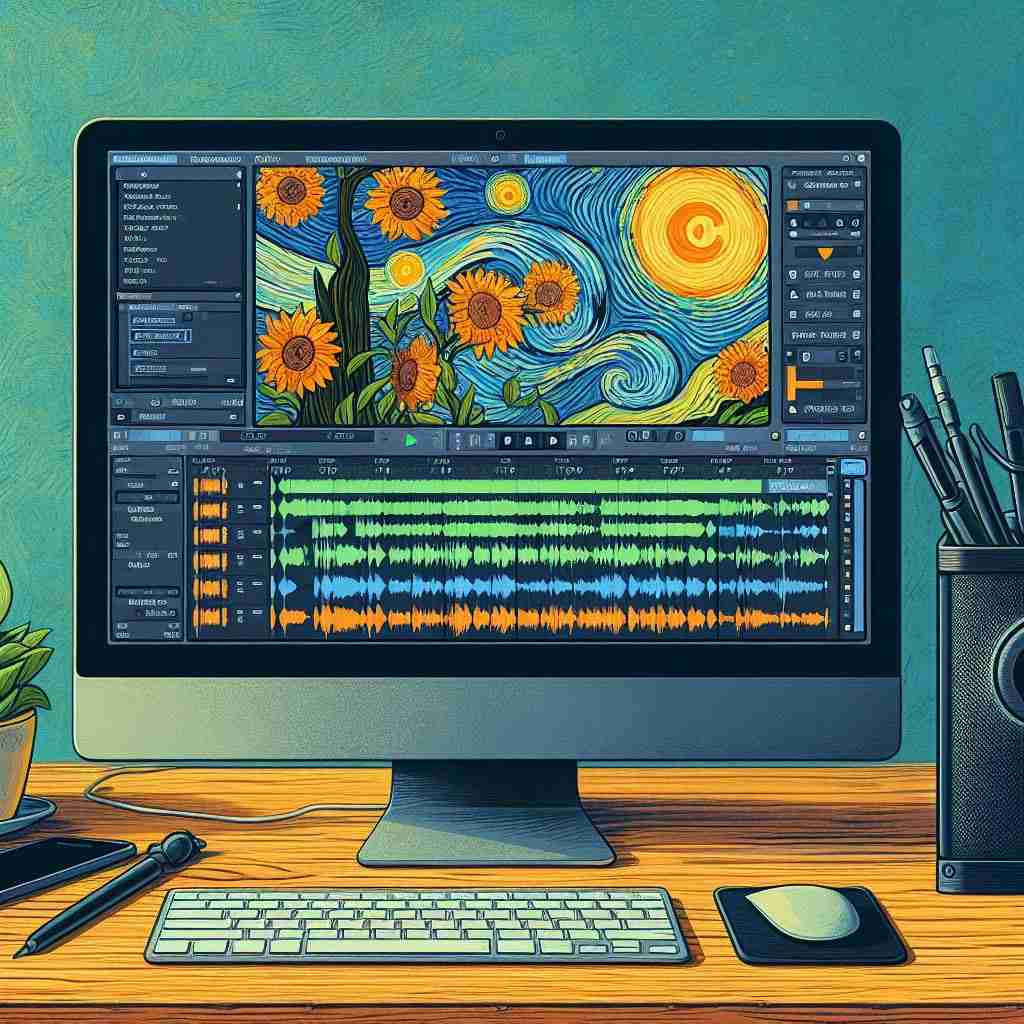
What Are The Emotional Benefits Of Quicker Audio Workflows?
Can AI Help Elevate Your Content To New Creative Heights?
When you think about content creation, it often feels like standing at the edge of a vast canyon—exciting yet daunting. You have ideas swirling in your mind, but how do you transform those thoughts into something that resonates? Enter AI—a tool that, with the right mindset, can help you leap over that chasm and tap into creative realms you never thought possible.
Imagine sitting in your favorite spot, perhaps with a cup of coffee in hand, and brainstorming ideas for your next podcast. The struggle is real; the blank page almost taunts you. Now, envision AI as your trusty sidekick, eager to assist you in weaving a narrative that is not just captivating but profoundly authentic. It picks up on the nuances of your voice, your passions, and transforms them into suggestions that not only inspire you but elevate the conversation. Suddenly, that daunting task of content creation feels less like a solitary endeavor and more like a collaborative dance.
But let’s dig deeper. AI does more than help structure a script; it offers insights into what resonates with your audience. You gain access to data-driven trends and preferences that inform your content decisions—melding creativity with strategy. Think of it this way: you’re not just throwing spaghetti at the wall; you’re crafting an experience that speaks to the heart of your listeners. By understanding what they crave, your content becomes a bridge, connecting ideas to individuals, sparking conversations in living rooms and coffee shops across the nation.
Ethically, it’s essential to engage responsibly with AI. You’re in the driver’s seat, ensuring that your core values shine through every word. This technology doesn’t replace your authenticity; it amplifies it. So, whether you’re narrating a compelling story or tackling complex topics, your unique perspective remains unblemished.
When you embrace AI’s capabilities, you’re fostering not just innovation but a community. Your podcast becomes a celebration of shared experiences, where listeners feel they are part of an intimate dialogue. This sense of belonging is powerful—it’s what keeps us coming back to our favorite shows and creators, reminding us we’re not alone in our struggles and triumphs.
So, let go of the fear of that empty page. Embrace the tools at your disposal, and let AI help you soar to new creative heights. Your voice matters, and with the right support, who knows how far you’ll fly?
Can AI Help Elevate Your Content To New Creative Heights?
Can AI Help Elevate Your Content To New Creative Heights?
- Content creation can feel overwhelming, akin to standing at the edge of a vast canyon.
- AI can transform your swirling ideas into captivating and authentic narratives.
- This tool serves as a collaborative partner, alleviating the loneliness of content creation.
- AI provides insights into audience preferences, merging creativity with data-driven strategy.
- Engaging with AI ethically ensures your core values and authenticity shine through.
- Embracing AI fosters community, allowing listeners to feel part of a shared dialogue.
- Let go of the fear of the blank page and utilize AI to unlock your creative potential.

Can AI Help Elevate Your Content To New Creative Heights?
What Ethical Considerations Should You Keep In Mind Using AI Tools?
When we sit down at the crossroads of innovation, the tools we choose to wield can leave profound marks on the landscape of our lives — and the lives of others. AI tools, while dazzling in their potential, come with a hefty set of ethical considerations that merit our attention. We’re not just talking about codes and algorithms; we’re delving into the very fabric of how we interact with one another and the world around us.
Let’s consider the heart. Think about the stories of people — real individuals whose joys and struggles echo our own. When using AI tools, what impact will our choices have on them? From employment to privacy, the echoes of our decisions can ripple far beyond the initial click of a button. If we’re not careful, we risk allowing a cold program to dictate the warmth of human connection.
Now, engage the head. AI isn’t just a black box; it’s a product of design and intent. We must ask ourselves critical questions: Who created these tools? What biases might they carry? Just as we wouldn’t blindly trust a recipe from a cookbook without due diligence, we shouldn’t blindly trust the outputs generated by AI. The responsibility lies with us to interrogate these systems, to ensure they are serving rather than straying from an ethical compass.
And let’s not forget the gut — the instinct that tells us when something feels off. If using AI makes us uneasy about privacy, authenticity, or fairness, that discomfort is worth honoring. We owe it to ourselves and to each other to listen to that instinct. These tools should make life easier, not complicate the already nuanced web of human relationships.
Picture a family gathered around a table, sharing stories and laughter while a device in the corner silently analyzes their every word. It’s that scene that should keep us awake at night. Are we sacrificing intimacy for convenience? Is our pursuit of efficiency undermining our shared humanity?
Trust is the cornerstone of any technology we embrace. When we acknowledge these ethical considerations, we’re not just guardians of technology; we become stewards of human dignity. In navigating this brave new world, let’s err on the side of compassion and integrity, ensuring that every tool we use enriches rather than diminishes the human experience. So, let’s keep the conversation going. Join a podcast, engage your neighbors, and share your thoughts. Together, we can forge a future where technology and humanity walk hand in hand, guided by a shared commitment to what’s right.

What Ethical Considerations Should You Keep In Mind Using AI Tools?
What Ethical Considerations Should You Keep In Mind Using AI Tools?
- The tools of innovation, especially AI, significantly impact our lives and those of others.
- AI comes with ethical considerations that affect human interaction and relationships.
- Choices made using AI can have widespread implications on employment and privacy.
- It’s essential to critically assess the design and intent behind AI tools to understand potential biases.
- Listening to our instincts about privacy, authenticity, and fairness in AI usage is important.
- Trust is fundamental in adopting technology, and we must ensure it upholds human dignity.
- We should foster ongoing conversations about the ethical use of technology to create a compassionate future.

What Ethical Considerations Should You Keep In Mind Using AI Tools?
Have You Thought About The Hidden Costs Of Manual Editing?
Editing a podcast is often treated like a minor task—a box to check off on a long to-do list. But let’s pause for a moment and think about the hidden costs of manual editing. Picture this: hours spent in front of a screen, sifting through audio, cutting awkward silences, fixing those pesky “umms” and “uhhs,” and balancing sound levels. It’s tedious work, a labor of love that, while noble, often comes with a hefty price tag—not just in time but in passion and creativity.
Imagine what comes to mind when you think of your favorite podcasts. They resonate with authenticity, the hosts speaking directly to you, capturing your imagination, stirring something deep within. Now, what if I told you that the hours lost to manual editing could turn into creative gold? Each minute you spend scrubbing through audio is a minute you could use to connect with your audience, create engaging content, or even nurture relationships that keep the wheels of your podcast turning.
Let’s get real for a moment. The heart of podcasting lies in connection—the ability to tell stories that matter, share insights, and spark discussions. When you’re bogged down with editing, you’re not just losing time; you’re losing the heart that should be pumping life into your creation. Those who listen to your podcast aren’t just passive consumers; they’re part of an audience drawn in by authenticity, by the relationships you build with them through your voice. Can you really afford to trade that connection for the minutiae of manual edits?
And it gets even deeper. By tirelessly combing through every soundbyte, you risk burnout. The joy of sharing ideas can turn into a chore, an obligation. This is where the hidden costs lurk—dissatisfaction, fatigue, and eventually, the creeping feeling of futility.
What if there was a different way? Investing in efficient editing tools can free you from the weights that drag you down. Tech doesn’t just cut time; it revitalizes your enthusiasm. Channel your energies into creating meaningful episodes, connecting more deeply with listeners, and, yes, maybe even lifting the burden of perfectionism.
Trust your instincts. Organizations and individuals who embrace smart solutions tackle their hidden costs head-on and emerge stronger. Are you ready to reclaim your passion for podcasting? Embrace the potential for creativity, and let the heart of your show shine brighter than ever before.

Have You Thought About The Hidden Costs Of Manual Editing?
Have You Thought About The Hidden Costs Of Manual Editing?
- Podcast editing is often seen as a minor, tedious task, leading to hidden costs in time and creativity.
- Manual editing takes away time that could be spent connecting with the audience and creating engaging content.
- The essence of podcasting is storytelling and connection, which suffers when one is bogged down by editing.
- Listeners are drawn to authenticity and relationships built through the podcast host’s voice.
- Excessive focus on manual edits can lead to burnout and diminish the joy of sharing ideas.
- Investing in efficient editing tools can boost creativity and enthusiasm by minimizing tedious tasks.
- Embracing smart solutions can help reclaim passion for podcasting and enhance the quality of the show.

Have You Thought About The Hidden Costs Of Manual Editing?
How Can Success Stories Inspire Your Audio Editing Journey?
Success stories in audio editing aren’t just anecdotes; they’re the blueprints of possibility. Think about it: every podcast you listen to comes from someone who dared to dream, stumbled through technical missteps, and finally landed on a groove that resonated. Those who’ve navigated the tightrope of audio editing have crafted captivating narratives not only through their content but through the sheer act of perseverance. Each click of the mouse and every tweak of the soundboard is a testament to their commitment.
Let’s consider the journeys of various podcasters. One may have started in a cramped studio, improvising with a basic microphone, pouring every ounce of passion into creating a space where others could share their stories. Another may have faced criticism during their early days, yet they pushed through the noise, ultimately turning their struggles into a relatable series that connects with millions. It’s not just about achieving a polished product; it’s about the heart behind it. These are stories of resilience and community, teaching us that behind every microphone is a person, an experience, an evolution.
Emotionally, you can feel the weight of every hurdle overcome. The late nights, the missed opportunities, the moments of doubt—these are threads in a rich tapestry that, when woven together, form a beautiful picture of triumph. Rationally, they remind us that the road to success is seldom a straight line. It’s filled with detours and bumps, but each misstep can feed creativity. Listening to these narratives can ignite a spark within you, stirring up the desire to design your own sonic journey, however daunting it may seem.
On an ethical level, it’s crucial to recognize that success in audio editing isn’t a zero-sum game. An inspiring story can lift not only the individual creator but can nurture an entire community. When someone sees their struggle mirrored in another’s journey, it pulls the threads of a shared experience even tighter, fostering a culture of support in the editing sphere.
Finally, these tales resonate socially—reaching across all demographics. No matter your age or background, there’s a journey out there that echoes your own. So, as you embark on your audio editing adventure, let the success stories of others bolster your resolve. Let them remind you that there’s a place for your voice in the symphony of sounds just waiting to be edited, polished, and heard. A world of possibility awaits; it’s time to unmute your potential.

How Can Success Stories Inspire Your Audio Editing Journey?
How Can Success Stories Inspire Your Audio Editing Journey?
- Success stories in audio editing serve as blueprints of possibility, showcasing the journey from dreams to reality.
- Podcasters often begin from humble beginnings, such as cramped studios with basic equipment, driven by passion.
- Criticism and early challenges are common, yet perseverance leads to relatable content that resonates with audiences.
- Success is defined not just by the final product, but by the emotional commitment and resilience behind the work.
- Difficult experiences and hurdles are integral, transforming setbacks into inspiration for creativity and growth.
- Success in audio editing nurtures community, with shared experiences fostering support among creators.
- These narratives transcend demographics, encouraging all individuals to find their voice and potential in audio editing.

How Can Success Stories Inspire Your Audio Editing Journey?
Conclusion
Editing a podcast is more than just tweaking audio; it’s about weaving together stories that can resonate deeply with listeners. With each episode, you’re inviting your audience into your world, sharing a slice of life infused with your authentic voice. But let’s keep it real—editing can often feel more like slogging through a swamp of frustration than a creative endeavor. Long hours spent trimming audio and adjusting sound levels can strip away the joy of storytelling, leaving you drained and overwhelmed.
Enter artificial intelligence, a game-changer in the audio editing landscape. Imagine having a smart, intuitive assistant that can sift through the noise, erasing awkward pauses and enhancing clarity. The arrival of AI doesn’t just promise a more efficient process; it offers you back your creative spark. With AI handling the technical grunt work, you’re liberated to focus on what matters most—crafting a narrative that connects with your audience. You’re not just saving time; you’re honoring your commitment to deliver the best version of your story.
Embracing AI in your editing workflow is not merely a tech upgrade; it’s an ethical choice. By freeing yourself from mundane tasks, you’re able to lean into your authenticity and creativity. This isn’t about replacing the human touch; it’s about empowering yourself to tell stories that matter. When you maximize your potential, you inspire others in the community to explore the intersection of technology and creativity. Together, you’re part of a movement that celebrates the human experience, utilizing innovation while nurturing emotional connections.
The benefits extend beyond individual creators too. Quicker workflows foster a sense of clarity and purpose, allowing you to focus on building relationships with your audience—relationships that deepen their connection to the stories you tell. Each episode becomes not just content but an opportunity to share something meaningful, an enrichment to the lives of your listeners that reverberates long after your voice fades.
Success stories abound in the podcasting world, demonstrating the resilience and creativity that thrives even amidst challenges. These narratives remind us that while the road may be winding, perseverance leads to rewards far greater than polished audio tracks. By leveraging AI, you’re not just streamlining your process; you’re contributing to a larger tapestry of storytelling that strengthens our shared experiences.
So, as you sit down to edit that next episode, think of AI as your ally, granting you the freedom to explore the depths of your creativity. Let technology amplify your voice, empowering you to connect more authentically with your audience. The future of podcasting is bright, and your unique perspective is a vital part of it. Trust yourself and the tools at your disposal, and embark on this journey of audio storytelling that celebrates not just your voice but the human spirit.

Conclusion
Conclusion:
- Editing a podcast involves creating compelling stories that resonate with listeners.
- Audio editing can be frustrating and time-consuming, often overshadowing the joy of storytelling.
- Artificial intelligence (AI) is transforming the podcast editing process by handling technical tasks.
- Utilizing AI allows creators to focus on crafting narratives that connect with their audience.
- Embracing AI in editing is an ethical choice that empowers authenticity and creativity.
- Efficient workflows enable deeper relationships with listeners and enrich their experience.
- AI is seen as an ally in storytelling, enhancing creativity and celebrating the human experience.

Conclusion
Other Resources

Other Resources
Here is a list of other resources you can review online to learn more:
- AntennaPod
- Instapaper
- Diigo
- Overcast
- SquadCast
- Descript
- Blubrry
- Flickr
- AI Success Club
- CastBox
- Bob Woods
- Breaker
- Patreon
- NCH Software
- Pandora For Podcasters
- Threads
- Column1
- Tumblr
Use This Prompt To Get More Resources With Your Favorite Online AI Tool: Please provide me with a list of online articles with their URLs in a bulleted list that I can read regarding The Ultimate Guide to Solving Time-Consuming Audio Editing with AI

Other Resources
Glossary Terms
The Ultimate Guide to Solving Time-Consuming Audio Editing with AI – Glossary Of Terms
1. AI (Artificial Intelligence): Technology that simulates human intelligence processes via algorithms to perform tasks that typically require human reasoning.
2. Audio Editing: The process of manipulating and rearranging audio recordings to improve sound quality or create a new composition.
3. Algorithm: A set of rules or calculations used by computers to solve problems or perform specific functions, essential in AI applications.
4. Noise Reduction: A technique used in audio editing to minimize unwanted ambient sounds or electronic sounds in a recording.
5. Waveform: A visual representation of an audio signal, showcasing the amplitude of sound waves over time, used for editing decisions.
6. Sound Synthesis: The creation of sound through electronic means, often used in music production to generate new audio textures.
7. Digital Audio Workstation (DAW): Software designed for recording, editing, and producing audio files, providing tools for mixing and effects application.
8. Sample Rate: The number of samples of audio carried per second, affecting the quality and fidelity of digital audio recordings.
9. Bit Depth: The number of bits used to represent each audio sample, influencing the dynamic range and overall sound quality.
10. Automated Editing: Utilizing AI to streamline audio editing processes, reducing the time involved in tasks such as cutting, mixing, and formatting.
11. Transcription: The conversion of spoken word audio into written text, often used for captions or creating written records of speeches.
12. Pitch Correction: The process of adjusting the pitch of recorded audio to ensure it is in tune or to achieve a desired sound effect.
13. Cutting: The act of removing segments from an audio track, often performed to eliminate errors or unwanted sections of a recording.
14. Fades: Gradual increases or decreases in audio volume applied to the start or end of a track to create smooth transitions.
15. EQ (Equalization): The adjustment of frequency levels in an audio signal to enhance sound quality or correct tonal imbalances.
16. Compression: A process that reduces the dynamic range of audio signals, making the loud parts quieter and the quiet parts louder for better balance.
17. Reverb: An audio effect that simulates the sound of a space or environment, adding depth and richness to recordings.
18. Noise Gate: A device or software that allows audio signals above a certain threshold to pass while reducing the volume of signals below that threshold.
19. Sampling: The process of capturing audio snippets for use in new compositions or sound design, often employed in music production.
20. VST (Virtual Studio Technology): A software interface that allows for the integration of virtual instruments and effects within a DAW.
21. Bouncing: The process of exporting multiple audio tracks into a single track to consolidate the mix and simplify further editing.
22. Multi-track Recording: Recording multiple audio sources simultaneously onto separate tracks for individual manipulation during the editing process.
23. Mastering: The final stage of audio post-production that involves preparing and transferring recorded audio from a source for distribution.
24. Latency: The delay between the input of audio and the output you hear, an essential factor in recording and playback settings.
25. Cut List: A list of specific edits or changes to be made within an audio project, streamlining the editing process for efficiency.
26. Sound Library: A collection of pre-recorded sound effects or musical samples that can be used in various audio projects.
27. Signature Sound: A unique style or quality of sound that characterizes an artist or production, often shaped through specific editing techniques.
28. AI Training Data: The datasets used to teach AI algorithms, consisting of various audio samples to enhance their editing capabilities.
29. Cloud-Based Editing: Audio editing services hosted online, allowing for remote access and collaborative work through a web interface.
30. Plugin: Additional software modules that add specific features or effects to a DAW, expanding its functionality in audio processing.

Glossary Of Terms
Other Questions
The Ultimate Guide to Solving Time-Consuming Audio Editing with AI – Other Questions
If you wish to explore and discover more, consider looking for answers to these questions:
- What are the best AI tools available for audio editing?
- How can beginners get started with AI in audio editing?
- What specific tasks can AI automate in the audio editing process?
- How does AI improve the quality of audio editing?
- Are there risks associated with using AI for audio editing?
- What are some success stories of podcasters who have used AI?
- How does AI impact the final creative output of a podcast?
- What training or skills are necessary to effectively use AI tools?
- How can I maintain my unique voice while using AI in my projects?
- What are the implications of using AI on privacy and data security?

Other Questions
Haiku
The Ultimate Guide to Solving Time-Consuming Audio Editing with AI – A Haiku
Editing audio’s grind,
AI lifts the weight, ignites,
Voices, resonant.

Haiku
Poem
The Ultimate Guide to Solving Time-Consuming Audio Editing with AI – A Poem
In the quiet hum of wires and sound,
A story stirs, waiting to be found.
Hours lost in a tedious maze,
Editing dreams, both bright and haze.
Yet, behold! A beacon shines bright,
AI steps forth, embracing the fight.
No longer must creators toil in despair,
For technology whispers, “Let’s craft with care.”
Imagine the weight of a burden set free,
As background noise fades, just you and your plea,
A dance of connection, where voices unite,
With time reclaimed, ideas take flight.
Let the heart lead you, the audience to please,
For every episode shares a piece of your ease.
With AI as ally, your voice shall transcend,
Empowering storytellers, for they’re not at an end.
But heed the call of ethics and grace,
In this journey of art, let compassion embrace.
For it’s not just a tool that helps you create,
It’s a bridge to their souls, a shared fate.
Behind every click, there lies a tale,
Of struggle and triumph, of voices that sail.
In a world filled with stories, you hold the key,
To craft an experience that sets spirits free.
So, rise from the shadows, let your passion unfold,
For the future is bright, and it’s yours to behold.
With AI as partner in this creative spree,
Together, let’s weave a rich legacy.

Poem
Checklist
The Ultimate Guide to Solving Time-Consuming Audio Editing with AI – A Checklist
Checklist for Transforming Your Audio Editing Experience with AI
Emotional Appeal
_____ Visualize your ideal editing process: What would it feel like to spend less time on tedious tasks and more time being creative?
_____ Reflect on your podcast’s impact: Consider how connecting deeply with your audience can elevate your content.
_____ Identify moments of joy in storytelling: List episodes where your passion shone through and how that felt.
Rational Appeal
_____ Assess your current workflow: List the tedious tasks that consume your time.
_____ Estimate the time saved by automating repetitive tasks: Calculate hours you could reclaim for creative endeavors.
_____ Research AI tools: Compile a list of AI audio editing tools that could help streamline your process.
Ethical Appeal
_____ Consider the ethical implications of AI: Reflect on how using these tools can enhance your creativity without replacing it.
_____ Identify your core values as a content creator: Ensure that your use of AI aligns with fostering authenticity and connection.
_____ Think about the impact of your content: How can you ensure that your podcast respects the audience and the stories shared?
Authority Appeal
_____ Follow industry leaders: Identify podcasters or creators who successfully use AI tools and study their approaches.
_____ Seek professional advice: List trusted resources or mentors who can guide you through the AI integration process.
_____ Join online communities: Engage with platforms where content creators share their experiences with audio editing and AI.
Narrative Appeal
_____ Collect success stories: Gather inspiring tales from podcasters who have transformed their workflow with AI.
_____ Write your audio editing journey: Draft a narrative outline of your goals and aspirations in podcasting.
_____ Interview fellow creators: Share stories of challenges and triumphs to foster community support and encouragement.
Social Appeal
_____ Build a community: Initiate a discussion group or online forum about audio editing and the use of AI.
_____ Share your progress: Regularly update your audience on your journey to integrate AI into your editing process.
_____ Encourage others: Inspire fellow content creators to explore AI tools by sharing your tips and experiences.
By following this checklist, you can empower your creativity, streamline your audio editing workflow, and connect with your audience in more meaningful ways.

Checklist
At PodcastBig, we help people who want to learn about podcasting by collating information and news about podcasting.
Be sure to read our other related stories at PodcastBig to learn more about podcasting.