

Craft Compelling Content With AI: The Art Of Engaging Show Notes
By Tom Seest
At PodcastBig, we help people who want to learn about podcasting by collating information and news about podcasting.
Be sure to read our other related stories at PodcastBig to learn more about podcasting.
The Ultimate Guide to Solving Difficulty Writing Engaging Show Notes and Titles with AI
Creating compelling show notes and titles for your podcast can feel like trying to nail Jell-O to a wall. You want to capture your audience’s curiosity, spark a connection, and draw them in, all while staying true to the heart of your message. But where do you begin?
Imagine sitting at your desk, pondering over a fresh episode—an engaging conversation packed with insights, laughter, and truth. You know that once the mic goes silent, it’s time to invite your listeners in, and that starts with crafting show notes that resonate. This is not just a list of topics covered; it’s your opportunity to forge a bond, to evoke emotions, and to inspire action. Here’s where the magic of AI can come into play.
Let’s get practical. While it may seem daunting to condense rich dialogue into bite-sized pieces, AI can help you weave together the narratives that make your podcast sing. Think about it: by analyzing past episodes, AI can suggest themes or phrases that have engaged your audience before. It’s like having a wise friend by your side, nudging you to keep it relatable and authentic, connecting with your listeners on a personal level.
Now, let’s touch on ethics. Your podcast deserves representation that reflects its core. Using AI doesn’t mean sacrificing your voice; rather, it enhances it. Embrace it as a partner that respects your integrity and understands the heart of what you create. Consider how this collaboration can alleviate the pressure of creativity while maintaining the essence of your show.
And let’s not forget about social proof. Tune into what resonates with your community. Check the feedback from previous episodes, observe what sparked conversation, and let that guide your show notes and titles. AI can rapidly sift through listener responses to find those golden nuggets that echo your audience’s desires.
So, take a deep breath and lean into the partnership with AI. Harness its capabilities to capture the spirit of your podcast, elevate your titles, and write show notes that not only entice your listeners but also capture the heart of your storytelling. Allow yourself to be inspired, knowing that with each episode, you are inviting your audience to be a part of something meaningful. Think of the conversations waiting to happen, the connections to be nurtured, and the inspiration to be sparked with every beautifully crafted word.
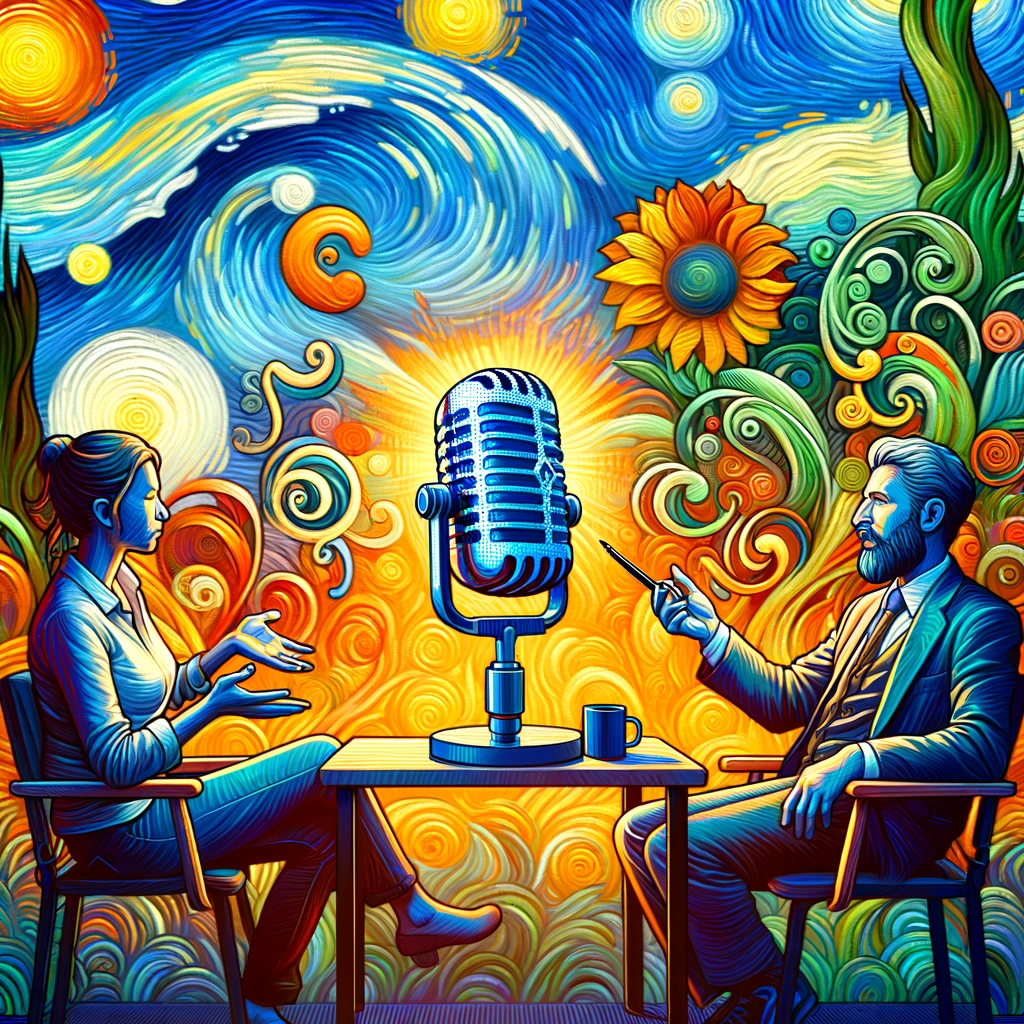
The Ultimate Guide to Solving Difficulty Writing Engaging Show Notes and Titles with AI
The Ultimate Guide to Solving Difficulty Writing Engaging Show Notes and Titles with AI
- Creating captivating show notes and titles is essential to draw in podcast listeners.
- Show notes should resonate emotionally with the audience, offering more than just a list of topics.
- AI can assist in condensing rich dialogues into engaging narratives by analyzing past episodes.
- Using AI enhances, rather than diminishes, the creator’s voice and integrity.
- Social proof from listener feedback can guide the crafting of show notes and titles.
- Collaborating with AI can reduce creative pressure while capturing the podcast’s essence.
- Every episode is an opportunity to foster meaningful connections through thoughtful storytelling.

The Ultimate Guide to Solving Difficulty Writing Engaging Show Notes and Titles with AI
Table Of Contents
- The Ultimate Guide to Solving Difficulty Writing Engaging Show Notes and Titles with AI
- What Are The Key Elements Of A Captivating Show Note?
- How Can AI Enhance Creativity In Writing Titles?
- What Emotional Triggers Can Draw Listeners To Your Show Notes?
- How Can Storytelling Improve The Effectiveness Of Your Show Notes?
- What Common Mistakes Do Writers Make In Crafting Show Notes?
- How Can AI Help You Discover Trending Topics For Titles?
- What Ethical Considerations Should You Keep In Mind When Using AI?
- Conclusion
- Other Resources
- Glossary Of Terms
- Other Questions
- Haiku
- Poem
- Checklist
What Are The Key Elements Of A Captivating Show Note?
When it comes to crafting show notes for your podcast, you’re not just throwing down a few bullet points. You’re inviting listeners into a conversation, extending a hand into the vast and sometimes lonely universe of audio storytelling. The right show notes aren’t just informative; they resonate. They tug at the heart, tickle the mind, and even stir something deep in the gut.
Start with an engaging narrative. Your listeners want a taste of the journey they’re about to embark on. Paint a vivid picture of what’s to come—who’s speaking, what stories will unfold, and why it matters. This is where emotional appeal shines. Make them care. Share anecdotes that showcase vulnerability or triumph. After all, it’s these shared experiences that foster a sense of community, as if you’re sitting around a campfire swapping tales with friends.
Next, incorporate rational elements. Lay out the practical aspects clearly: who’s featured, the topics covered, and perhaps even the time stamps for key discussions. This ensures that your audience can navigate the content with ease. Give them a reason to stay engaged—highlight intriguing facts or figures that spark curiosity and invite deeper exploration of the subject matter.
Ethical appeal comes into play when you align your content with the values that resonate with your audience. Address societal issues, promote authenticity, and champion transparency. Show that you’re not just another voice in the ether but a credible source they can rely on. This fosters trust, inviting them to return for more.
Don’t overlook authority—mention guest expertise or your own experience in the field. This is where you establish the backbone of your podcast, presenting yourself as a guide. When listeners feel that you know what you’re talking about, they’re far more likely to sit up and take notice.
Finally, create a connection through social proof. Share testimonials, or metrics that illustrate your show’s impact. Remind your audience they’re part of something bigger—a community of like-minded individuals navigating the intricate tapestry of life.
Every word in those show notes should beckon your audience, inviting them not only to listen but to become an active part of the conversation. Captivating show notes are not just a summary—they are a warm, welcoming embrace that speaks directly to the heart, head, and gut.

What Are The Key Elements Of A Captivating Show Note?
What Are The Key Elements Of A Captivating Show Note?
- Show notes for podcasts should invite listeners into a conversation, going beyond basic information.
- Start with an engaging narrative that paints a vivid picture of upcoming content, including who is speaking and why it matters.
- Incorporate emotional appeal through anecdotes that showcase vulnerability and triumph to foster a sense of community.
- Include practical elements such as featured guests, topics covered, and time stamps for easy navigation.
- Align content with audience values through ethical appeals that address societal issues and promote authenticity.
- Establish authority by mentioning guest expertise or personal experience to position yourself as a credible guide.
- Create a connection through social proof by sharing testimonials or metrics to illustrate the show’s impact and sense of community.

What Are The Key Elements Of A Captivating Show Note?
How Can AI Enhance Creativity In Writing Titles?
When we talk about creativity in writing titles, it’s easy to get lost in the hustle and bustle of algorithms and data. But here’s the heart of the matter: creating compelling titles isn’t just about catchy phrases; it’s about connection. Think of your favorite story—what drew you in? It’s likely the title whispered promises of adventure, emotion, or intrigue. Now imagine a tool that captures that flair and sparks inspiration right when you need it. This is where AI steps in, not as a replacement, but as a partner in your creative journey.
Picture a podcast where voices intertwine, sharing wisdom, inspiration, and laughter. Each episode has a title that pulls listeners in, compelling them to hit that “play” button. With AI, you can brainstorm titles that resonate not just with you but with your audience. It helps you sift through the noise, offering options that reflect the essence of the message you’re trying to convey, ensuring every word counts.
Now, let’s engage the intellect. We know that impact matters. Great titles can elevate your writing to new heights, drawing in readers who might otherwise scroll on by. By leveraging AI’s ability to analyze trends and language patterns, you gain a powerful ally in crafting titles that are not only engaging but also relevant. You’re armed with insights that help you tap into what people are currently yearning to read about, giving your work a fighting chance in the crowded landscape of digital content.
Let’s not overlook the ethical dimension. Using AI responsibly means enhancing your unique voice rather than sacrificing it. You’re still the captain of your ship, directing where the creativity flows. It’s about collaboration, not automation. Trusting AI means trusting yourself to curate the best ideas it offers, aligned with your values and the message you want to spread.
And here’s where we get to the gut. Every title is an opportunity. It’s a bridge to your audience, a chance to touch lives and foster conversations. Imagine the joy in knowing your work can inspire someone on the other side of the screen. Embrace this technology as a tool that amplifies your creativity, laying the foundation for authentic connections. With AI by your side, writing captivating titles can transform from a daunting task into an exhilarating adventure, one where innovation meets emotional resonance. So go ahead, dive in! Let the possibilities unfold.

How Can AI Enhance Creativity In Writing Titles?
How Can AI Enhance Creativity In Writing Titles?
- Creating compelling titles is about connection, not just catchy phrases.
- Great titles whisper promises of adventure, emotion, or intrigue.
- AI serves as a partner in the creative journey, sparking inspiration.
- Using AI helps brainstorm titles that resonate with both the writer and the audience.
- AI analyzes trends and language patterns to craft engaging and relevant titles.
- Responsible AI use enhances the unique voice of the writer, promoting collaboration.
- Every title is an opportunity to connect with the audience and inspire conversations.

How Can AI Enhance Creativity In Writing Titles?
What Emotional Triggers Can Draw Listeners To Your Show Notes?
Your show notes can be the gateway to a deeper connection with your audience—an opportunity to resonate with their emotions, ignite their curiosity, and draw them into your narrative. When crafting these notes for your podcast, think of the emotional triggers that can captivate your listeners and keep them coming back for more.
Consider the stories behind your topics. Share heartfelt anecdotes that illustrate struggles, triumphs, or moments of deep reflection. This is where you appeal to the heart. When listeners can empathize with your journey, they feel less like outsiders and more like companions on this ride. Use vivid language to paint pictures of experiences that stir the soul—whether it’s a lesson learned in the trenches or a moment of vulnerability that made you human. Such relatability fosters trust because it tells your audience, “Hey, I’ve been there too.”
Next, engage the head with rational insights. Your notes should include statistics, expert opinions, or applicable advice relevant to your podcast’s theme. This rational framework builds authority, allowing listeners to see not just the emotion but the valid reasons behind your talk. When you back up your experiences with logical support, it gives listeners the confidence that they are not just being entertained; they are learning something worthwhile that they can apply to their own lives.
Moreover, don’t forget the ethical appeal. Share the values that motivate you—whether it’s integrity, kindness, or resilience. Establishing an ethical stance adds layers to your connection. Listeners want to know they are supporting a cause or a message they can believe in. This further deepens the commitment they feel to your podcast.
Finally, tap into the social aspect. Create an inviting community through your show notes by encouraging dialogue. Ask questions, prompt discussions, or invite feedback. This interaction fosters a sense of belonging and engagement; it’s not just about you and your subjects, but about your listeners being part of something greater.
When your show notes embrace this spectrum of emotional triggers—heart, head, and gut—you create an inviting atmosphere that resonates. It’s not just about sharing information; it’s about nurturing a relationship built on trust, authority, and shared experiences. This is what transforms mere listeners into passionate fans. So step out, dig deep, and make those emotional connections count.

What Emotional Triggers Can Draw Listeners To Your Show Notes?
What Emotional Triggers Can Draw Listeners To Your Show Notes?
- Your show notes can deepen connections with your audience and resonate with their emotions.
- Share heartfelt anecdotes and personal stories to enhance relatability and empathy.
- Use vivid language to evoke emotions and create relatable experiences for listeners.
- Include statistics and expert opinions to engage the audience’s rational side and build authority.
- Articulate your ethical stance and values to foster listener commitment and support.
- Encourage dialogue and feedback to create a sense of community and belonging.
- Embrace emotional triggers to transform listeners into passionate fans through trust and shared experiences.

What Emotional Triggers Can Draw Listeners To Your Show Notes?
How Can Storytelling Improve The Effectiveness Of Your Show Notes?
Storytelling has a remarkable way of transforming mere information into something profoundly engaging—like turning the mundane into magic. When you craft your show notes, think of them as the handrails guiding your audience through the steep cliffs of your podcast. Not just a summary, but a narrative that resonates with their lives. We all yearn for connection; we want to feel seen and heard. By weaving emotional threads into your notes, you make the listener’s experience feel personal. Share anecdotes or relatable experiences that echo the core themes of your episode, tapping into that universal human experience that binds us all.
Now, let’s get rational for a moment. Consider this: an average listener skims through countless show notes each week. What sets yours apart? Strong storytelling doesn’t just grab attention—it keeps it. By presenting valuable insights within a narrative framework, you increase the likelihood that your audience will remember key points and, more importantly, take action based on what they’ve heard. It’s not just about providing information; it’s about fostering understanding and promoting engagement. Transform facts and figures into stories that compel listeners to think, feel, and—yes—act.
Additionally, let’s talk about ethics. In a world where misinformation runs rampant, establishing yourself as a credible authority is essential. Good storytelling incorporates ethical considerations; it invites trust. When your audience sees that you’re not just throwing together a list of topics, but rather crafting an authentic narrative, they’re more likely to return, more likely to share your work, and more likely to believe in your mission. This builds a community that values not just what you say, but how you say it.
Lastly, let’s not overlook the social aspect. Stories have a way of sparking conversations. By crafting your show notes with narrative flair, you invite your audience to join a larger dialogue. They will resonate with the themes you present, eager to share their own stories in response. This creates a feedback loop of engagement that can turn listeners into loyal advocates.
So, if you want to improve the effectiveness of your show notes, remember: don’t just inform. Inspire. Share a story that elevates your content and ignites passion. That’s where the real connection lies.

How Can Storytelling Improve The Effectiveness Of Your Show Notes?
How Can Storytelling Improve The Effectiveness Of Your Show Notes?
- Storytelling transforms information into engaging narratives, making content feel magical.
- Show notes should guide the audience, providing a narrative that resonates with their lives.
- Incorporate emotional threads and relatable anecdotes to make listeners feel seen and heard.
- Strong storytelling captures attention and increases the retention of key points and calls to action.
- Establish credibility and trust by weaving ethical considerations into your storytelling approach.
- Crafted narratives spark conversations and invite listener participation, creating a feedback loop of engagement.
- To enhance show notes, focus on inspiring and sharing stories that connect deeply with your audience.

How Can Storytelling Improve The Effectiveness Of Your Show Notes?
What Common Mistakes Do Writers Make In Crafting Show Notes?
When it comes to crafting show notes for a podcast, it’s easy for writers to stumble over the very basics while trying to impress their audience. One of the most common mistakes is overlooking the power of clarity and brevity. Picture this: a listener, ready to dive into your episode, clicks on the show notes only to be met with a wall of text that’s more daunting than an old-timey novel. Instantly, their excitement fades.
Instead, think of your show notes as a handshake—firm, clear, and inviting. It’s not about showcasing your vocabulary or crafting a literary masterpiece. Simple, straightforward language should reign supreme. If your notes are more cryptic than enlightening, you’re losing potential listeners who just want to know what they’ll get out of tuning in. Stick to the essentials: key takeaways, guest highlights, and any must-know context that sets the stage for the episode.
Another pitfall is neglecting to include links and references that enrich the listener’s experience. Imagine the delight if, as they read, they discovered a book mentioned or resources related to the topic. This is about enabling engagement—prompting curiosity and encouraging exploration. Your audience should feel that you’ve not only delivered great content but also handed them the tools to delve deeper.
Let’s not forget about the ethical responsibility you have to your audience. When you promote a guest or a message in your podcast, your show notes should accurately reflect that. Misrepresentation breeds distrust, and that’s the last thing you want—not just for your credibility, but for the respect you owe to your guests and listeners alike.
Finally, the emotional connection matters. Your show notes should be more than mere functional content. They should reflect the heart of your podcast. Infuse them with your voice, your passion, and the narrative that brought your episode to life. Use stories or anecdotes to draw readers in—make them feel like they’re part of your conversation.
By dodging these common pitfalls, writers can create show notes that aren’t just an afterthought. They become a springboard for connection, engagement, and trust—turning casual listeners into dedicated fans who can’t wait to tune in. Embrace the power of thoughtful show notes, and the impact will echo through every episode.

What Common Mistakes Do Writers Make In Crafting Show Notes?
What Common Mistakes Do Writers Make In Crafting Show Notes?
- Clarity and brevity are essential in crafting podcast show notes; avoid overwhelming walls of text.
- Show notes should be simple and straightforward, focusing on key takeaways and important context.
- Include links and references to enrich the listener’s experience and foster engagement.
- Ensure accurate representation of guests and their messages to maintain trust and credibility.
- Infuse show notes with your voice and passion to reflect the emotional connection of your podcast.
- Use stories or anecdotes to engage readers and make them feel part of the conversation.
- Thoughtfully crafted show notes can turn casual listeners into dedicated fans.

What Common Mistakes Do Writers Make In Crafting Show Notes?
How Can AI Help You Discover Trending Topics For Titles?
When you’re staring at a blank screen, racking your brain for that perfect title that will grab the world’s attention, it can feel like standing at the edge of a very deep cliff. You know there’s greatness waiting on the other side, yet fear, uncertainty, and that nagging self-doubt can threaten to hold you back. Enter artificial intelligence—a tool that could transform your creative process from daunting to downright exhilarating.
Picture this: you’re hosting a podcast and your mission is to engage, educate, or entertain. You want to resonate with your audience on a profound level, yet finding topics that not only matter but also spark curiosity can be a tall order. This is where AI steps in, acting like a reliable guide through the vast wilderness of information. By analyzing online conversations, trends, and even social media buzz, AI can help you zero in on what’s hot right now, identifying topics that resonate with your listeners’ hearts and minds.
Let’s say you want to explore the nuances of mental health. Instead of pulling titles from thin air, AI can pinpoint exactly what discussions are circulating in your niche. You’ll receive data-driven insights that make perfect sense, laying out the ethical obligations we have to inform and uplift each other. Perhaps you discover that people are particularly drawn to stories of resilience or that they’re searching for actionable tips on self-care. You’re not just fishing in the dark; you’re cultivating content that speaks directly to the needs and thoughts of your audience.
Moreover, there’s a sense of community inherent in this process. When your podcast dives into topics that resonate with the collective consciousness, you’re not just producing content—instead, you’re creating a shared experience. This is how connections are forged, turning casual listeners into avid followers. You’re not just a voice in their ears; you’re a companion on their journey, reflecting their struggles, hopes, and dreams.
So, why navigate these creative waters alone? Embrace the potential of AI to become a more profound storyteller, a thought leader. Trust in the technology that can refine your journey, inspire your content, and lead to meaningful conversations. In doing so, you step beyond mere titles, crafting an engaging narrative that could ultimately change lives. It’s about finding your voice and sharing it boldly, knowing the world is waiting to listen.

How Can AI Help You Discover Trending Topics For Titles?
How Can AI Help You Discover Trending Topics For Titles?
- Creating compelling titles can be daunting, causing fear and self-doubt.
- Artificial intelligence (AI) can transform the creative process, making it more exciting and manageable.
- AI analyzes online conversations and trends to help identify engaging topics for podcasts.
- With AI, content creators can discover popular discussions, such as mental health, that resonate with their audience.
- AI provides data-driven insights that guide content towards meaningful discussions and ethical storytelling.
- Engaging with relevant topics fosters community, turning casual listeners into dedicated followers.
- Embracing AI can enhance storytelling, leading to impactful narratives and profound connections with audiences.

How Can AI Help You Discover Trending Topics For Titles?
What Ethical Considerations Should You Keep In Mind When Using AI?
When wading into the murky waters of artificial intelligence, it’s crucial to keep a few ethical considerations at the forefront of your mind. Imagine this: you’re sitting in your living room, earbuds in, listening to a podcast that stirs not only your curiosity but also your conscience. You can do the same with AI—it should enlighten and empower, not diminish human value.
At the core of AI lies the delicate balance between innovation and responsibility. Each line of code you write or algorithm you design carries the potential for both good and harm. As AI systems grow smarter, we must consider who benefits and who gets left behind. Think about the delivery drivers, factory workers, and store clerks whose livelihoods depend on their jobs. If technology leaves them in the dust, what do we gain?
Your head knows that ethical AI design means incorporating transparency and fairness from the start. Are biases creeping into your algorithms? If so, they can perpetuate stereotypes and inequalities like an endless echo in a canyon. Addressing these biases not only shows integrity but also fosters trust. The gut feeling that tells you something isn’t right when you bypass these concerns should be your guide.
Real-life stories carry weight, shaping our understanding far more than abstract concepts ever could. Picture a small-town teacher struggling to help her students in a state plagued by educational inequity. If AI could help tailor educational resources to individual needs but inadvertently reinforced systemic biases, the stakes aren’t just theoretical; they’re real lives affected. That’s a narrative worth exploring and addressing.
Moreover, social obligations weigh heavily on those who wield the power of AI. We are all part of an interconnected web—one decision can ripple through communities. Striving for human-centric design means reaching out, connecting with varied voices, and ensuring diverse perspectives are prioritized. That way, everyone gets a seat at the table, making the collective impact of AI more equitable.
In essence, as you dive deeper into using AI, summon the courage to ask the tough questions. Challenge assumptions, advocate for ethical practices, and take ownership of the consequences of your decisions. After all, technology should serve humanity, not undermine it. Let’s build the future together, where our collective values and aspirations shine through every line of code.

What Ethical Considerations Should You Keep In Mind When Using AI?
What Ethical Considerations Should You Keep In Mind When Using AI?
- Prioritize ethical considerations when developing artificial intelligence.
- AI should enlighten and empower individuals rather than diminish human value.
- Balance innovation with responsibility while recognizing the potential for both good and harm in AI systems.
- Consider the impacts of AI on workers in various professions, ensuring technology does not displace them.
- Incorporate transparency and fairness in AI design to address and prevent biases that perpetuate inequalities.
- Emphasize the importance of real-life stories and diverse perspectives in shaping ethical AI applications.
- Challenge assumptions and advocate for responsible practices to ensure technology serves humanity effectively.

What Ethical Considerations Should You Keep In Mind When Using AI?
Conclusion
Creating compelling show notes and podcast titles is as much an art as it is a science—a blend of creativity, empathy, and a dash of technology. You pour your heart and soul into every episode, hoping to touch your listeners in a genuine way. But how do you go beyond just listing topics covered? You give your audience an invitation—a heartfelt beckoning that draws them into your narrative.
At the end of the day, show notes aren’t merely a summary; they’re a connection point. They evoke emotion and invite reflection. Think of them as the bridge between your spoken words and your audience’s hearts. They help listeners feel less alone in the vast world outside, allowing them a seat at the fire, sharing in insights and experiences drawn from genuine stories. Engaging narratives foster community, turning listeners into active participants rather than passive recipients.
This is where AI becomes a game changer. Imagine AI as your creative co-pilot—an ally that does the heavy lifting, sifting through data and trends to reveal what resonates most with your audience. It helps generate titles and themes with impact, ensuring that each word serves a purpose. This partnership doesn’t overshadow your unique voice but amplifies it, enabling you to maintain authenticity while alleviating the creative burden.
But the conversation doesn’t end there. Ethical considerations must guide our use of technology. It’s crucial to maintain integrity and transparency, ensuring that your powerful platform doesn’t inadvertently propagate biases. Each time you click “publish,” you hold a responsibility to convey trustworthiness and fairness, giving your community the substance they crave. Those show notes should echo your values and invite deeper discussions on those pertinent social issues.
Ultimately, it’s about building relationships and fostering conversations. The connection you foster through well-crafted show notes and engaging titles can illuminate paths for others—making them feel accompanied in their journey. As you embrace this technology and wield it wisely, let it serve as the vessel to capture those passionate, valuable stories worth telling. Remember, each title, each note is more than just text; it’s an invitation into a bigger conversation. So, write them with heart, clarity, and purpose, because that’s where your true connection lies. Each episode becomes not just a broadcast, but a shared experience, and that’s the magic of what you’re crafting.

Conclusion
Conclusion:
- Creating show notes and podcast titles blends creativity, empathy, and technology.
- Show notes serve as a connection point, inviting listeners into the narrative.
- They evoke emotion and help listeners feel less alone by sharing genuine insights.
- AI can assist in generating impactful titles and themes while maintaining unique voice.
- Ethical considerations are vital to ensure integrity and transparency in content.
- Well-crafted show notes foster relationships and conversations, illuminating paths for listeners.
- Each title and note is an invitation to a broader discussion and shared experience.

Conclusion
Other Resources

Other Resources
Here is a list of other resources you can review online to learn more:
- Riverside.
- MailChimp
- SquadCast
- Apple Podcasts for Creators
- Podcast Guru
- Podchaser
- Adobe Audition
- Castro
- Podcast Index
- Bob Woods
- Medium
- VK
- AI Success Club
- Deezer
- iHeartRadio
- deviantART
- Telegram
Use This Prompt To Get More Resources With Your Favorite Online AI Tool: Please provide me with a list of online articles with their URLs in a bulleted list that I can read regarding The Ultimate Guide to Solving Difficulty Writing Engaging Show Notes and Titles with AI

Other Resources
Glossary Terms
The Ultimate Guide to Solving Difficulty Writing Engaging Show Notes and Titles with AI – Glossary Of Terms
1. AI (Artificial Intelligence): Technology that simulates human intelligence processes, including learning and problem-solving.
2. Show Notes: Written summaries or outlines accompanying a podcast or video that provide key points, links, and additional resources.
3. Engagement: The level of interaction and involvement that audiences have with content.
4. Title: The name given to a piece of content, serving to attract attention and convey the main theme.
5. Content Strategy: A plan that outlines the creation, delivery, and governance of content to achieve specific goals.
6. Keyword: A specific word or phrase used to enhance searchability and improve visibility in content.
7. Audience Persona: A semi-fictional character that represents the characteristics of a target audience, guiding content creation.
8. SEO (Search Engine Optimization): The practice of optimizing content to improve its visibility on search engine results pages.
9. Call to Action (CTA): A prompt designed to encourage an immediate response or action from the audience.
10. Tone: The attitude or emotional quality expressed in writing, influencing how the message is perceived.
11. Brevity: The quality of expressing information concisely without unnecessary details.
12. Hook: An engaging opening line or concept that grabs the audience’s attention.
13. Clarity: The quality of being easily understood, eliminating confusion in communication.
14. Format: The overall structure or layout of show notes, affecting readability and presentation.
15. Editing: The process of revising content to improve clarity, coherence, and accuracy.
16. Brainstorming: A method for generating ideas creatively and collaboratively.
17. Voice: The distinct personality or style of writing that reflects the creator’s character.
18. Consistency: The practice of maintaining a uniform tone and style across content and episodes.
19. Analytics: Data and metrics that provide insights into audience behavior and content effectiveness.
20. Niche: A specialized segment of the market that focuses on a particular interest or audience type.
21. Script: A written document outlining spoken content for podcasts or videos.
22. Proofreading: The final review process that checks for grammar, punctuation, and spelling errors.
23. Subject Matter Expert (SME): An individual with deep knowledge in a specific area, enhancing content credibility.
24. Visuals: Images, graphics, or videos that complement written content to enhance engagement.
25. Editing Tools: Software or applications used to refine and enhance written content.
26. Promotional Content: Material designed to market and raise awareness of a podcast or episode.
27. Audience Feedback: Responses and opinions from listeners that guide future content development.
28. Transcription: The written conversion of spoken content, aiding in accessibility and content creation.
29. Iteration: The process of repeatedly refining content based on feedback and performance.
30. Collaborative Tools: Software or platforms that facilitate teamwork and content creation among multiple contributors.

Glossary Of Terms
Other Questions
The Ultimate Guide to Solving Difficulty Writing Engaging Show Notes and Titles with AI – Other Questions
If you wish to explore and discover more, consider looking for answers to these questions:
- What are some effective strategies for brainstorming show notes?
- How can I measure the effectiveness of my show notes?
- What tools can assist in writing engaging show notes and titles?
- How do I maintain my unique voice while utilizing AI for show notes?
- What examples of strong show notes can I look to for inspiration?
- How can I ensure my show notes are SEO-friendly?
- What role can audience feedback play in crafting future show notes?
- How often should I update or revise show notes for my episodes?
- Are there particular formats that work best for show notes?
- How do cultural differences affect the writing of show notes and titles?
- What are some common pitfalls in title writing for podcasts?
- How can I encourage listener interaction through my show notes?
- What guidelines should I follow to respect copyright when creating show notes?
- How can I tailor my show notes for different platforms (like websites vs. social media)?
- What metrics should I track to improve my show notes over time?

Other Questions
Haiku
The Ultimate Guide to Solving Difficulty Writing Engaging Show Notes and Titles with AI – A Haiku
Crafting your show notes,
AI whispers, stories share;
Hearts and heads connect.

Haiku
Poem
The Ultimate Guide to Solving Difficulty Writing Engaging Show Notes and Titles with AI – A Poem
In the realm of sound, where stories flow,
Crafting show notes, a vital art to know,
Not mere bullet points, a map to explore,
An invitation to converse, to connect, to soar.
With each episode, a journey begins,
Laughter and insights, where true life spins.
Engage the heart, let emotions swell,
Share tales of triumph, let vulnerability tell.
AI stands by, a partner, not a foe,
A wise guiding hand, helping your message grow.
Explore past episodes, dig through the gold,
Capture themes and phrases, let stories unfold.
Brevity matters, clarity reigns supreme,
A wall of text kills the most eager dream.
Embed links and references, enrich their quest,
Invite them to linger, to dive deep, to invest.
Promote with integrity, uphold trust with pride,
For your words are a bridge, to the other side.
Invite conversations, spark dialogues bright,
Transform listeners to fans, with each crafted light.
Every title a promise, an open door,
To topics that resonate, to hearts that implore.
Harnessing AI, discover what’s trending,
Breathe life into titles, keep connections mending.
Stand firm in ethics, let values lead the way,
For technology should brighten, not lead us astray.
Craft your notes with passion, let your voice be heard,
Build a community, united in every word.
So embrace the challenge, let creativity run free,
Capture the essence, let every note be a decree.
For in the tapestry of voices, let your story shine bright,
With each engaging show note, invite the world to unite.

Poem
Checklist
The Ultimate Guide to Solving Difficulty Writing Engaging Show Notes and Titles with AI – A Checklist
Checklist for Crafting Engaging Show Notes and Titles
Emotional Appeals
_____ Use storytelling techniques: Share personal anecdotes or relatable experiences.
_____ Evoke empathy: Make your audience feel seen and heard by illustrating shared struggles and triumphs.
_____ Create a warm tone: Ensure your language is inviting, reflecting your passion and connection with the audience.
Rational Appeals
_____ Provide clarity and brevity: Keep show notes straightforward with key takeaways and essential information.
_____ Include statistics and expert opinions: Ground your content in credible data to build authority.
_____ Use engaging language: Make key facts and figures compelling to maintain listener interest.
Ethical Appeals
_____ Align with core values: Ensure your content reflects authenticity, transparency, and responsibility.
_____ Accurately represent guests and topics: Avoid misrepresentation; support your claims with reliable sources.
_____ Foster trust: Establish yourself as a credible source by maintaining integrity throughout your content.
Authority
_____ Highlight expertise: Mention guest credentials or your own experience in the subject matter.
_____ Share success metrics: Include testimonials or audience feedback to illustrate the impact of your podcast.
Narrative Structure
_____ Frame your notes as a journey: Guide your audience through the episode’s narrative arc to enhance engagement.
_____ Infuse storytelling within insights: Transform facts into relatable stories that prompt connection and action.
Social Engagement
_____ Encourage community conversations: Invite feedback and interactions through your show notes.
_____ Highlight listener contributions: Recognize audience input to foster a sense of belonging.
_____ Promote shared experiences: Craft content that resonates with collective struggles or achievements, enhancing community ties.
Utilizing AI effectively
_____ Leverage AI for inspiration: Use technology to analyze trends and generate relevant titles or topics.
_____ Ensure human oversight: Maintain your unique voice while allowing AI to support creativity.
_____ Address potential biases: Be aware of ethical concerns in AI usage and strive for fairness in your content.

Checklist
At PodcastBig, we help people who want to learn about podcasting by collating information and news about podcasting.
Be sure to read our other related stories at PodcastBig to learn more about podcasting.