

Transform Your Voice: Crafting Authentic Connections Through Technology
By Tom Seest
At PodcastBig, we help people who want to learn about podcasting by collating information and news about podcasting.
Be sure to read our other related stories at PodcastBig to learn more about podcasting.
The Podcaster’s Guide to High-Quality Voice Cloning
The Podcaster’s Guide to High-Quality Voice Cloning
In the world of podcasting, your voice is your calling card. It carries your stories, your passion, and your authenticity. But what if you could not only preserve that unique sound but also enhance it? Enter voice cloning—a transformative tool that blends technology with artistry, allowing podcasters to amplify their voices in ways we never thought possible.
Imagine standing in front of a microphone, the air thick with anticipation, knowing that every word you speak resonates with listeners. Yet, life happens. Maybe you’re strapped for time or your voice doesn’t quite capture the emotion of a moment. High-quality voice cloning can step in as a reliable companion, allowing you to produce content that feels natural and compelling, reminiscent of a conversation with an old friend over coffee rather than a scripted performance.
Consider how many voices we encounter daily, their unique timbres weaving a rich tapestry of sound. Voice cloning doesn’t just impersonate; it grows from understanding the nuances of human speech, mirroring our emotions and inflections. This technology doesn’t replace your voice; it enriches your storytelling, bringing forth the heart of your podcast. It can turn a fleeting thought into a lingering echo, giving your audience something to hold onto long after the episode ends.
Growing up, I often heard my grandfather’s tales of hard work and grit. His voice—it wasn’t perfect, but that imperfection was part of its charm. The cracks and pauses created an intimacy that made me lean in closer. Voice cloning, when executed with care, has the potential to capture that essence, allowing your listeners to feel that same kinship with your words.
Ethics play a crucial role here. As we navigate this new frontier, it’s vital to wield this power responsibly. The authority of your voice should never be taken for granted; transparency must govern its use. People trust their podcasters as friends, and maintaining that trust requires honesty about the tools we employ.
Utilizing voice cloning opens doors for collaboration, giving you the ability to intertwine narratives from various voices, enhancing the cultural fabric of your podcast. Picture featuring diverse perspectives that resonate deeply with your audience, creating a collective experience that binds them together.
At its core, voice cloning is an invitation—to innovate, to connect, and to inspire. So, as you plot your path in the podcasting world, ask yourself: How might this tool transform not just your voice, but the very stories you strive to share? Embrace this journey with an open heart and mind, and watch the magic unfold.

The Podcaster’s Guide to High-Quality Voice Cloning
The Podcaster’s Guide to High-Quality Voice Cloning
- Voice is essential in podcasting, reflecting stories, passion, and authenticity.
- Voice cloning enhances and preserves unique vocal qualities, offering a new creative tool.
- This technology allows for natural, compelling content, simulating intimate conversations.
- Voice cloning captures the nuances of human speech, enriching storytelling without replacing the original voice.
- Ethics are crucial; the use of voice cloning must be transparent and responsible to maintain audience trust.
- Voice cloning fosters collaboration, integrating diverse narratives to enhance cultural richness in podcasts.
- It invites podcasters to innovate and inspire, transforming the way stories are shared.
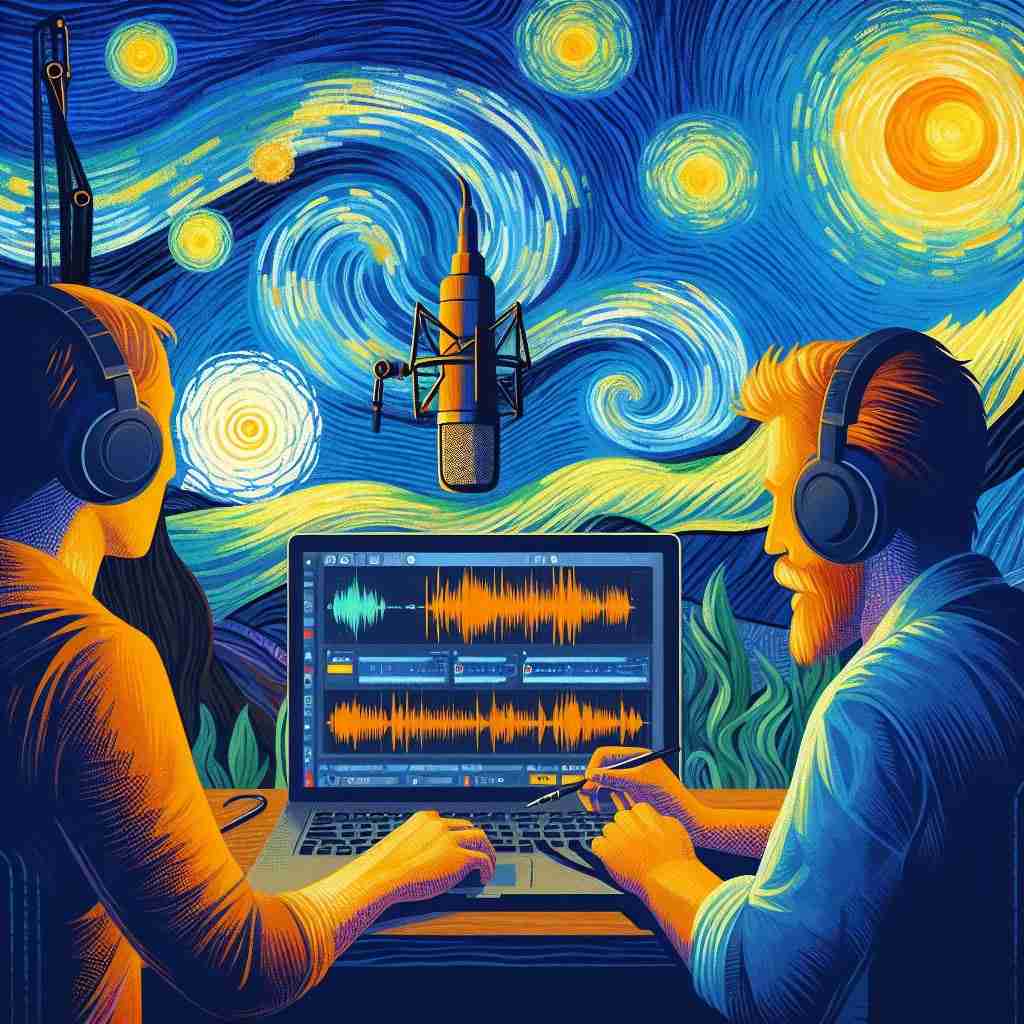
The Podcaster’s Guide to High-Quality Voice Cloning
Table Of Contents
- The Podcaster’s Guide to High-Quality Voice Cloning
- What Emotions Does Your Voice Truly Convey?
- How Does Voice Cloning Impact Authenticity?
- Can Voice Cloning Revolutionize Podcasting?
- What Ethical Concerns Arise with Voice Cloning?
- How Do Listeners Perceive Cloned Voices?
- What Role Does Authority Play In Voice Cloning?
- How Can Voice Cloning Enhance Storytelling In Podcasts?
- Conclusion
- Other Resources
- Glossary Of Terms
- Other Questions
- Haiku
- Poem
- Checklist
What Emotions Does Your Voice Truly Convey?
Listening to someone speak is like watching a skilled artist paint a canvas. Each word, inflection, and tone is a brushstroke, telling a story that goes far beyond the surface. The voice can express joy, sorrow, anger, and hope, often communicating emotions more powerfully than words alone ever could. It’s a phenomenon we experience daily, yet rarely pause to dissect.
Consider the soothing tone of a mother comforting her child. That warm timbre wraps around the listener like a cozy blanket, invoking feelings of safety and love. Conversely, think of a stern manager delivering critical feedback. The sharpness of their voice may cut through the air, evoking anxiety or dread. Each carries weight, nudging us to react with our gut feelings long before we engage our logic.
Have you ever pondered how much power lies in a simple podcast? A skilled host can draw you in with a well-placed pause or a shift in pitch, making the listener feel as if they’re sharing a personal story, rather than just consuming content. When I hear someone share a raw, authentic experience, it resonates on a level that logic alone cannot touch. It sparks empathy and connection; it makes voices become windows into their lives.
Take a moment to recall the last time you felt moved by someone’s voice. Maybe it was a friend sharing their struggles or a public figure unveiling a message that touched your heart. The importance of vocal inflection can’t be understated—each moment these voices resonate with us becomes a shared human experience, woven into the fabric of our lives.
It’s not merely a one-way street. When you speak, how do your own emotions color your tones and cadences? A voice imbued with sincerity invites trust, while a monotone delivery risks alienation. This is the ethical weight we carry with each utterance. Our voices can inspire loyalty, but they can also fracture relationships if not wielded carefully.
Imagine an age where our voices become integral in fostering understanding rather than division. The key lies in the mindful approach of combining heart, head, and gut, drawing on stories—both joyous and painful. Listening through this lens transforms a conversation into a narrative, broadening perspectives and enhancing our communal fabric.
Your voice is more than just sound; it’s an emotional vessel, a megaphone for your truth. Embrace its potential and consider how you can harness it to foster genuine connection, not just in conversations but in the world around you.

What Emotions Does Your Voice Truly Convey?
What Emotions Does Your Voice Truly Convey?
- Listening to speech is akin to observing an artist painting, where each word and tone tells a deeper story.
- A voice can convey various emotions, often more powerfully than words alone.
- The tone of a speaker, such as a mother or a manager, invokes immediate emotional responses.
- Skilled podcast hosts engage listeners through pauses and pitch shifts, fostering personal connections.
- Vocal inflection is crucial, as it shapes shared human experiences and emotional resonance.
- Our own emotions affect how we communicate, and delivery can inspire trust or alienate others.
- Mindful communication can foster understanding and connection, transforming conversations into narratives.

What Emotions Does Your Voice Truly Convey?
How Does Voice Cloning Impact Authenticity?
Voice cloning has taken massive strides, bringing forth a blend of innovation and ethical dilemmas that shape the way we perceive authenticity. Picture this: you’re at home, the warmth of a favorite podcast wrapping around you, the familiar voice of a beloved figure filling the room. Now, imagine that voice isn’t their own but a synthetic imitation, crafted from algorithms that learn and replicate. This burgeoning technology raises questions not just about what is real, but about who we are and what connects us.
When we hear a loved one’s voice, it invokes feelings of nostalgia, comfort, and connection. It’s the hallmark of shared stories and moments—the laughter around the campfire, the bedtime tales that lull us to sleep. The power of voice lies in its ability to convey emotions, paint vivid pictures, and transport us back in time. Yet, with voice cloning, that emotional resonance can be both a bridge and a barrier. For instance, what does it mean when a cloned voice delivers a heartfelt message? Is it the message that touches our heart, or is it the voice itself that we trust?
As we navigate this landscape, we must consider the rational implications. Brands, public figures, and even our own memories are at stake. There’s a fine line between using voice cloning for creativity and exploiting it for deceit. It becomes a question of ethical responsibility—should we allow such technology to mimic the humans we hold dear? The narratives we build around their identities need safeguarding.
Socially, the impact of voice cloning ripples through our interactions. Imagine a future where a politician’s voice can be perfectly duplicated to sway opinions, or a family member’s comforting words can be artificially recreated during hard times. It’s a poignant reminder that with each technological advancement comes a responsibility to wield it ethically, ensuring the essence of what makes us human isn’t overshadowed by the capabilities of machines.
Voice cloning challenges us to reflect on authenticity. It’s a call to honor the real voices—the imperfections and the unique quirks—that breathe life into our conversations. We must navigate this evolving terrain with care, aiming to preserve genuine connections while embracing innovation. After all, it’s not just about the voice; it’s about the stories they tell and the hearts they touch.

How Does Voice Cloning Impact Authenticity?
How Does Voice Cloning Impact Authenticity?
- Voice cloning technology raises questions about authenticity and our connections with others.
- Hearing a loved one’s voice evokes nostalgia, comfort, and shared memories.
- Cloned voices can evoke emotional responses, challenging the nature of trust in communication.
- The ethical implications of voice cloning involve potential for creativity versus deceit.
- Individuals’ identities and narratives require protection against misuse of voice cloning technology.
- Social repercussions include manipulation of public opinion and emotional support through synthetic voices.
- Preserving genuine connections is essential while embracing technological innovations in voice cloning.

How Does Voice Cloning Impact Authenticity?
Can Voice Cloning Revolutionize Podcasting?
Imagine tuning in to your favorite podcast, only to hear your host’s voice effortlessly morphing into a familiar figure from your childhood. That’s the magic and potential of voice cloning, a technology that could reshape the landscape of podcasting. It promises to rekindle the connections we forge through stories, creating a captivating avenue for engagement and nostalgia that resonates deeply within us.
Take, for instance, the way a well-told story lingers in your memory, similar to the delightful aroma of a home-cooked meal wafting through the air. Voice cloning could enable podcasters to revisit their best episodes, allowing them to effectively narrate new stories in dead-on impersonations of icons we love or even voices we’ve lost. “If only I could hear their take on this!” we often say. With this technology, we may no longer just dream; we can listen to their insights, sparking joy and a sense of continuity in our lives.
However, it’s not just about nostalgia. The rational mind quickly acknowledges the practical advantages of voice cloning in podcasting. Content creators could maintain a consistent voice across varied projects, expand their reach by creating multilingual versions, or even tailor episodes to different demographics with effortless ease. Think of it as being able to multiply your storytelling without losing the essence of what makes it authentic. This opens pathways for voices that may have been silenced by circumstance, giving a platform to stories that otherwise might remain untold.
Yet, with every innovation, we must tread thoughtfully. The ethical implications surrounding voice cloning beckon us to consider authenticity and ownership. Just as we wouldn’t tolerate a counterfeit dollar, how should we respond to counterfeit voices? It’s essential to foster a community of trust and transparency among creators and listeners, ensuring that each podcaster retains their unique narrative voice—even when technology plays a role.
Imagine a future where your favorite podcasters could bring in guest voices—friends, family, or even historical figures—enhancing the richness of their storytelling. This isn’t just an evolution; it’s an invitation to dig deeper into our collective experiences. If we engage with this technology mindfully, we hold the potential to create a tapestry of sounds and stories that could span generations, nurturing connections that remind us we’re never alone on our journeys.

Can Voice Cloning Revolutionize Podcasting?
Can Voice Cloning Revolutionize Podcasting?
- Voice cloning technology has the potential to transform podcasting by creating nostalgic connections through storytelling.
- Podcasters could use voice cloning to revisit past episodes and narrate new stories using impersonations of beloved figures.
- This innovation allows listeners to engage with insights from voices they miss, enhancing their emotional connection to content.
- Practical benefits include maintaining consistent voices across projects, creating multilingual content, and tailoring episodes for specific demographics.
- Voice cloning can amplify diverse narratives, giving a voice to stories that may otherwise remain untold.
- Ethical considerations around authenticity and ownership are crucial, requiring trust and transparency in the podcasting community.
- Future possibilities include incorporating guest voices, enriching storytelling and fostering deeper communal experiences.

Can Voice Cloning Revolutionize Podcasting?
What Ethical Concerns Arise with Voice Cloning?
Voice cloning technology, while impressive, brings a mix of excitement and ethical unease. Picture this: you’re listening to a heartfelt podcast, the kind that pulls you in with every syllable, where the voice feels familiar, like an old friend sharing stories. Now, imagine realizing that what you’re hearing isn’t a genuine voice, but a meticulously crafted imitation. This raises fundamental questions about authenticity and trust in our digital age.
At first glance, voice cloning appears revolutionary. It has the potential to enhance creativity, making it easier for content creators to produce engaging material without the usual constraints. Yet, lurking beneath this shiny surface lies a deeper issue—what happens when that cloned voice is misused? The possibilities for manipulation are chilling. We’ve already seen instances where technology has been applied to create fake news, or worse, to generate fraudulent calls that exploit vulnerable individuals. This isn’t just a technical concern; it strikes at the core of our social fabric.
Think of your favorite aunt sharing stories at family gatherings. You can hear her genuine laughter, her unique inflections, and those little quirks that only she possesses. If her voice were cloned, it would be hard to replicate that intangible essence. This calls into question the ethical implications surrounding consent. Can a voice be owned, or does it belong to the person who lived and breathed those words? Shouldn’t we respect the individuality that each voice offers, embodying a lifetime of experiences, emotions, and connections?
Consider the story of a grieving daughter who listened to a voice-cloned message from her deceased mother, crafted for a special occasion. While it brought tears of joy, the realization that this was merely a sophisticated rendering of her mother’s voice left her feeling hollow. It was a reminder that, while technology can mimic reality, it can never replace it.
As we navigate this brave new world, we must engage in conversations that prioritize ethics over mere fascination. Our reliance on technology shouldn’t overshadow our responsibility to protect the dignity and voice of human experience. We must ask ourselves: what do we risk losing in the pursuit of innovation? Each voice carries with it a story—cherishing that is essential as we embrace the future of technology.

What Ethical Concerns Arise with Voice Cloning?
What Ethical Concerns Arise with Voice Cloning?
- Voice cloning technology evokes excitement and ethical dilemmas concerning authenticity and trust.
- It has potential benefits for creativity and content creation, allowing for engaging material production.
- Risks include manipulation through fake news and fraudulent communications targeting vulnerable individuals.
- Cloned voices may lack the unique essence and individuality of genuine voices, raising ethical concerns about consent.
- The emotional impact of cloned voices can be profound, as illustrated by a story of a daughter receiving a message from her deceased mother.
- Discussions about voice cloning technology must prioritize ethics over fascination, maintaining respect for human dignity.
- It is crucial to consider what is at stake in the pursuit of innovation and to value the stories carried by each voice.

What Ethical Concerns Arise with Voice Cloning?
How Do Listeners Perceive Cloned Voices?
In a world where technology often feels like it’s speeding ahead, there’s something profoundly human about the listening experience. Imagine the comforting timbre of a loved one’s voice, one that can calm the storm of your busy mind, resonating through your headphones during a moment of solitude. Now, envision that sound—cloned, synthesized—but still striking a familiar chord. This is where we find ourselves at the intersection of innovation and intimacy, exploring how listeners relate to these cloned voices.
Take, for example, the story of a grieving friend who turned to a podcast series featuring the AI-generated voice of her late father. The emotional journey was as complex as the sound itself; the voice didn’t just fill the void—it began to bridge the gap between memory and the present. While on one hand, the cloned voice tapped into nostalgia, providing comfort, on the other, it raised ethical questions about authenticity. Is it right to let technology replicate the voices we hold dear? The heart screams yes for the solace found in those cherished echoes, while the head wonders about the implications of commodifying human connection.
This dynamic pulls at our gut. Cloned voices have the potential to serenade us through learning experiences and personalized storytelling, turning mundane lessons into engaging sessions. Think of an interactive learning podcast where the cloned voice of a beloved teacher guides students through challenging subjects. This fusion of authority and accessibility creates trust that’s hard to shake off. Yet wouldn’t it be better if the stories we hear come from real individuals, unfiltered and unprocessed? There’s an undeniable allure to authentic stories that resonate with our humanity, making us laugh, cry, and introspect.
When we listen, we’re not just absorbing sound; we’re embracing a connection, however intangible. In this age of advanced technology, one crucial aspect remains—relatability. If a cloned voice can evoke emotional responses similar to that of a real human voice, it fosters a new level of engagement. This emerging dynamic invites us to examine the relationships we build through sound. Are we ready to embrace these innovations wholeheartedly, using them to enhance our lives while retaining the integrity of our human experiences? Here lies an opportunity—not just for listeners, but for creators to win trust, inspire connection, and actively shape the narratives that resonate deeply within us all.

How Do Listeners Perceive Cloned Voices?
How Do Listeners Perceive Cloned Voices?
- Listening to voices, whether real or cloned, creates profound human connections.
- An example includes a grieving friend using an AI-generated voice of her late father, highlighting the emotional complexity involved.
- Cloned voices can evoke nostalgia and comfort but also raise ethical questions about authenticity and commodification of human connection.
- Cloned voices present opportunities for personalized storytelling, enhancing learning experiences through familiar guidance.
- Authentic voices have a unique allure that resonates with humanity, fostering genuine emotional responses.
- Relatability of cloned voices can lead to new forms of engagement, challenging our perspectives on sound relationships.
- The intersection of technology and human experience invites creators to inspire connection and shape meaningful narratives.

How Do Listeners Perceive Cloned Voices?
What Role Does Authority Play In Voice Cloning?
Authority in voice cloning isn’t just about who has the license to speak; it’s about who gets to shape the narrative. Imagine a podcast where the host’s voice resonates with familiarity, a trusted friend sharing stories that weave the fabric of our lives. That voice carries weight, carries authority, transforming mere words into belief, emotion, and connection. When we consider voice cloning, we unearth a deeper truth: authority must be handled with care, lest it become a mere imitation devoid of spirit.
Take, for instance, the voice of a beloved public figure, someone whose anecdotes about grit and perseverance speak to the heart of the American experience. When that voice is cloned, what binds the new creation to the original? It’s not just the sound; it’s the authenticity behind it. Authority plays a pivotal role here, as it commands respect and trust. It’s this trust that often gives us the freedom to engage in transformative conversations—whether about the latest tech trends or life’s pressing dilemmas.
But we must tread carefully. As we stand on this precipice of ambition and innovation, we face a moral responsibility. Do we respect the gravity of that cloned voice? We ought to ask ourselves: Are we uplifting the stories that voice represents, or are we distorting them for our gain? For every inspiring narrative that can emerge from voice cloning, there lurks a risk of manipulation, risk of eroding the trust that comes with genuine authority. It’s our duty to ensure that the authority we wield is used to empower rather than deceive.
The personal stories that emerge through voice not only humanize the technology but also build bridges. Imagine a grandmother’s soft, soothing tones recounting tales of yesteryear, comforting a new generation craving connection in an increasingly sterile world. Through authentic voice cloning, we protect and proliferate these narratives. We evoke emotions that touch our gut, reminding us of our own journeys and shared experiences.
In a society yearning for authenticity, voice cloning might seem to jeopardize “the real.” However, when wielded with purpose, it can amplify voices that champion truth and connection. It can turn mere echoes into calls to action, compelling us to listen, reflect, and engage fully in the human experience. Ultimately, authority in voice cloning holds immense potential, not just for entertainment, but for cultivating deep, meaningful conversations that resonate well beyond the airwaves.

What Role Does Authority Play In Voice Cloning?
What Role Does Authority Play In Voice Cloning?
- Authority in voice cloning shapes narratives, influencing belief and connection.
- Cloning a beloved public figure’s voice requires preserving its authenticity and trust.
- Voice cloning carries a moral responsibility to uplift stories rather than distort them.
- There are risks of manipulation and eroding trust associated with cloned voices.
- Authentic voice cloning can humanize technology and foster meaningful connections.
- When used purposefully, voice cloning amplifies voices of truth and promotes reflection.
- Potential exists for voice cloning to facilitate deep conversations beyond mere entertainment.

What Role Does Authority Play In Voice Cloning?
How Can Voice Cloning Enhance Storytelling In Podcasts?
Voice cloning technology is revolutionizing storytelling in podcasts, bridging the gap between listeners and the tales they crave. Imagine immersing yourself in a riveting narrative where the voice guiding you feels as familiar as an old friend. That’s the promise of voice cloning: it personalizes the listening experience, wrapping audiences in a warm embrace of authenticity that resonates deeply.
At its core, a podcast is more than a collection of stories—it’s a community. Picture sitting around a fire, sharing experiences. The storyteller’s voice carries weight—it evokes laughter, tears, and thought. Voice cloning enhances this essential element by enabling creators to adopt the tones and inflections that best suit the narrative. Have you ever listened to a podcast where the host’s voice transported you to a different time or place? With voice cloning, that transportive quality can be magnified. It’s not merely about replicating sounds; it’s about echoing emotions, tapping into our innate desire for connection as if the voice is your neighbor sharing their life over coffee.
Rationally, this technology democratizes storytelling. It allows diverse voices, including those from marginalized communities, to be shared. The flexibility of voice cloning gives creators a toolkit to amplify these stories without the barriers of traditional voice recording. When the comfort and authenticity of a voice match the richness of the story, it invites listeners to not just hear but to feel. By enriching the listener’s journey, voice cloning cultivates a raw honesty that invites engagement.
Consider the ethical implications as well. Providing access to tools that can give anyone a voice fosters a sense of responsibility among podcasters. The stories that emerge from these voices represent realities often overlooked, broadening the spectrum of shared human experiences. This fosters not only a greater understanding of each other but also strengthens the fabric of our communities, reminding us that we are all connected through our stories.
Ultimately, voice cloning in podcasts is not just a technological advancement; it’s the evolution of storytelling itself. When a voice resonates with the truth of a story, it nourishes the soul. Whether you are the creator or a casual listener, the journey is enhanced when the narratives feel personal, relatable, and authentic. In this new golden age of audio storytelling, let’s embrace the innovation that invites us all to speak, share, and connect in ways we never thought possible. With every listen, we’re reminded that we’re part of something bigger, a shared narrative that celebrates us all.

How Can Voice Cloning Enhance Storytelling In Podcasts?
How Can Voice Cloning Enhance Storytelling In Podcasts?
- Voice cloning technology enhances storytelling in podcasts, creating a familiar and personal listening experience.
- Podcasts serve as a community where the storyteller’s voice evokes deep emotions and connections.
- Voice cloning allows creators to adopt suitable tones, enhancing the narrative’s transportive quality.
- This technology democratizes storytelling, enabling diverse voices, including marginalized communities, to be shared.
- Provides a toolkit for amplifying stories without traditional recording barriers, inviting emotional engagement.
- Ethical implications include fostering responsibility among podcasters and broadening shared human experiences.
- Ultimately, voice cloning signifies the evolution of storytelling, enhancing the connection between creators, listeners, and narratives.

How Can Voice Cloning Enhance Storytelling In Podcasts?
Conclusion
In the dynamic realm of podcasting, where authenticity is paramount, the emergence of high-quality voice cloning presents both opportunities and challenges. Imagine your voice—a unique blend of timbre and emotion—capturing stories and connecting with listeners. Now, envision that voice enhanced, not replaced, by technology. Voice cloning enables podcasters to preserve their essence while enriching their narratives. This technology becomes a trusted companion, stepping in when time is tight or emotion needs amplifying, crafting content that flows naturally, like a conversation between friends.
As voices intertwine through voice cloning, listeners experience a symphony of emotions, recollections, and insights. This isn’t about imitation; it’s an artful reflection of the complexities of human speech, enabling the sharing of diverse perspectives. The authenticity of this technology hinges on ethical responsibility. Trust is the bedrock of the podcaster-listener relationship. It’s essential to remain transparent regarding the tools we utilize, ensuring that the human touch is never overshadowed by synthetic sound.
Voice cloning extends beyond mere nostalgia. It empowers a continuum of stories, allowing creators to expand their reach and engage audiences meaningfully. Imagine capturing the stories of diverse voices in a seamless blend that enriches the narrative tapestry of a podcast, fostering community and understanding. Each cloned voice carries the weight of its stories, and if we navigate this landscape with intention, we can create profound connections that resonate across generations.
However, with this power comes immense ethical consideration. What does it mean when a cloned voice delivers heartfelt messages? It prompts us to reflect on authenticity and ownership. The potential for misuse looms large, with cloned voices capable of manipulation. As podcasters, we are entrusted with the care of narratives that deserve protection. Embracing voice cloning means not just innovating but responsibly wielding a tool designed to bridge voices and stories while preserving the integrity of human connection.
Ultimately, the potential of voice cloning in podcasting lies in its ability to resonate. It carries the weight of our stories, inviting listeners to engage deeply with the content. As you forge your path in the podcasting world, consider how this transformative technology can amplify not just your voice but the collective narratives we share. Embrace the journey, and let your stories, elevated by authentic connections, shine brightly in the ever-evolving audio landscape.

Conclusion
Conclusion:
- Voice cloning in podcasting enhances authenticity while preserving the uniqueness of individual voices.
- This technology enriches narratives, allowing podcasters to connect more deeply with their audience.
- Listeners benefit from a diverse range of perspectives and emotions through the artful reflection of human speech.
- Ethical considerations are crucial, emphasizing the importance of transparency and trust with listeners.
- Voice cloning empowers creators to expand their reach and engage audiences with a continuum of stories.
- The potential for misuse requires podcasters to be responsible stewards of their narratives.
- Overall, voice cloning serves to amplify stories and foster authentic connections in the podcasting landscape.
Conclusion
Other Resources

Other Resources
Here is a list of other resources you can review online to learn more:
- Deezer
- Patreon for Podcasters
- Resound
- Odnoklassniki
- Player FM
- Column1
- Podcast Addict
- AI to Human Copywriting System
- Spotify
- Discord
- AI Success Club
- Scoop.It
- CarPlay
- YouTube Music
- Libsyn
- Switcher Studio
- iHeartRadio
- Plurk
Use This Prompt To Get More Resources With Your Favorite Online AI Tool: Please provide me with a list of online articles with their URLs in a bulleted list that I can read regarding The Podcaster’s Guide to High-Quality Voice Cloning

Other Resources
Glossary Terms
The Podcaster’s Guide to High-Quality Voice Cloning – Glossary Of Terms
1. Voice Cloning: The process of creating a synthetic voice that replicates a person’s vocal characteristics using AI technology.
2. Speech Synthesis: The technique employed to convert text into spoken words, often utilizing machine learning models.
3. Deep Learning: A subset of machine learning that uses neural networks to analyze various data inputs for high-quality outputs.
4. Neural Networks: Computational models inspired by the human brain, used in voice cloning to learn and mimic vocal patterns.
5. Sampling Rate: The number of samples of audio recorded per second, affecting the overall quality of the cloned voice.
6. Bit Depth: The number of bits of information in each sample of audio, which influences the dynamic range and depth of sound.
7. Overfitting: A modeling error that occurs when a model learns noise rather than the underlying pattern, leading to poor performance on new data.
8. Text-to-Speech (TTS): A technology that converts written text into spoken language, often utilizing voice cloning for more natural results.
9. Acoustic Model: A component of speech recognition and synthesis that represents the relationship between linguistic units and audio signals.
10. Phoneme: The smallest unit of sound in speech that can distinguish words, essential in replicating voice closely.
11. Intonation: The variation in pitch while speaking, crucial for a lifelike delivery in voice cloning.
12. Prosody: The rhythm, stress, and intonation of speech that contributes to the expressiveness of a cloned voice.
13. Database: A collection of audio recordings used to train models for voice cloning, containing diverse samples of the voice being imitated.
14. Training Data: The data used to train machine learning models, particularly recordings of a voice for cloning purposes.
15. Inference: The process of generating new speech from a trained model, applying learned characteristics to produce synthetic voice outputs.
16. Synthesis: The creation of a new audio output from a model, transforming input text into spoken language using voice characteristics.
17. Voice Quality: Attributes such as clarity, warmth, and naturalness in a cloned voice that contribute to listener experience.
18. Emotion Recognition: The ability of AI to identify and replicate emotional tones in speech, enhancing the authenticity of voice cloning.
19. Custom Voice Model: A personalized voice clone created based on an individual’s unique vocal attributes and speech patterns.
20. Latency: The delay between input and output in voice synthesis, impacting the real-time application of voice cloning.
21. API (Application Programming Interface): A set of protocols that allows different software applications to communicate, facilitating integrations for voice cloning tools.
22. Voice Biometrics: The use of voice patterns for identification and verification, leveraging features unique to individual speakers.
23. Digital Signal Processing (DSP): Techniques used to manipulate audio signals for improving the quality of synthesized speech.
24. Natural Language Processing (NLP): The branch of AI that focuses on the interaction between computers and human language, crucial in understanding context for voice synthesis.
25. Hyperparameter Tuning: The process of adjusting the settings in a machine learning model to improve performance and output quality in voice cloning.
26. User Interface (UI): The means through which users interact with voice cloning applications, critical for usability and accessibility.
27. Synthetic Voice: A voice generated by computer algorithms rather than recorded from a human speaker, used in voice cloning technologies.
28. Adversarial Training: A machine learning approach where models are trained with competing inputs to enhance robustness and quality of generated voice.
29. Voice Conversion: The transformation of a source voice into a target voice while retaining the original speech content.
30. Ethical Considerations: The moral implications and responsibilities associated with the use of voice cloning technology, including privacy and consent.

Glossary Of Terms
Other Questions
The Podcaster’s Guide to High-Quality Voice Cloning – Other Questions
If you wish to explore and discover more, consider looking for answers to these questions:
- What is voice cloning and how does it technically work?
- How much and what quality of recorded audio is required to create a high‑quality clone?
- What recording equipment, environment, and file formats produce the best cloning results?
- How long does it take to train a voice model and to generate speech?
- Which commercial and open‑source voice cloning tools are recommended for podcasters?
- How do pricing models differ across providers (subscription, per‑minute, licensing)?
- What are the differences in quality between low‑cost and premium providers?
- Can cloned voices convey natural emotion, inflection, pauses, and breathing?
- How much manual editing is needed after synthesis to achieve a natural sound?
- How customizable are prosody, pitch, pacing, and emotional tone in cloned voices?
- Can voice clones accurately reproduce accents, dialects, or multilingual speech?
- How do you handle pronunciation of names, jargon, or invented words?
- Can cloned voices be blended or mixed with the original human voice in post‑production?
- What are best practices for integrating voice clones into an existing podcast workflow?
- How should podcasters disclose use of voice cloning to their audience?
- What legal permissions, release forms, or licenses are required to clone someone’s voice?
- Who owns the cloned voice model and the audio generated from it?
- What are the intellectual property and copyright implications of cloning public figures or deceased persons?
- What regulatory or industry standards currently apply to voice cloning?
- What ethical guidelines should podcasters follow when using cloned voices?
- How do listeners generally perceive cloned voices versus original voices?
- What are the risks of misuse (deepfakes, fraud, impersonation) and how common are incidents?
- What technical or procedural measures exist to prevent unauthorized cloning of a voice?
- Can cloned voices be watermarked or fingerprinted to prove authenticity?
- How can podcasters secure and store voice models and training data safely?
- Is it possible to revoke, delete, or expire a cloned voice model once created?
- How does voice cloning intersect with privacy laws like GDPR or CCPA?
- How does voice cloning affect monetization, sponsorship deals, and royalty arrangements?
- Can voice cloning improve accessibility or help creators with speech disabilities?
- What quality control and testing protocols should creators use before publishing cloned audio?
- How are artifacts, synthetic sounding phonemes, or robotic tones identified and corrected?
- What are recommended sample scripts and durations for capturing a high‑quality training dataset?
- How do model size and on‑device vs cloud processing affect latency, cost, and privacy?
- Can voice cloning be used for live or near‑real‑time applications, and what are the limitations?
- How well do voice clones handle emotional or improvised ad‑libs versus scripted lines?
- What backup and versioning strategies should creators use for evolving voice models?
- How do you responsibly manage cloned voices for guests, collaborators, or archived interviewees?

Other Questions
Haiku
The Podcaster’s Guide to High-Quality Voice Cloning – A Haiku
Voices intertwine,
Echoes of heart and stories,
Crafted truths unite.

Haiku
Poem
The Podcaster’s Guide to High-Quality Voice Cloning – A Poem
In the realm of sound, a voice takes flight,
A calling card, a beacon of light.
With heart and head, we weave a thread,
Stories emerge, where words are led.
Imagine the warmth of a cherished tone,
A cloned echo of the familiar, the known.
Crafting connections, technologys embrace,
Transforming our voices, enhancing our space.
Yet in this dance of artificial grace,
Lies an ethical challenge we must face.
Do we trust the warmth of a synthesized sound,
Or seek the raw truth that in memory is found?
Voices can heal, can stir the souls core,
Yet cloning may blur what’s authentic, what’s sure.
Authority in speech is a delicate art,
Guarding the essence that lives in the heart.
Let voices unite, diverse and profound,
Transcending each barrier, together were bound.
As storytellers rise with gifts to bestow,
Let us cherish the truth in the stories they sow.
From the comfort of laughter to the weight of despair,
Our voices connect in the stories we share.
With caution and care, let this journey unfold,
Embracing the echoes of stories retold.

Poem
Checklist
The Podcaster’s Guide to High-Quality Voice Cloning – A Checklist
Heart (Emotional Appeals)
✅______ Reflect on your emotional connection to your voice; how do you want your audience to feel?
✅______ Consider the stories that resonate with you personally. How can voice cloning enhance the emotional depth of these narratives?
✅______ Think about moments that evoke nostalgia; which voices do you associate with those memories?
Head (Rational Appeals)
✅______ Research various voice cloning technologies and their capabilities; which options best suit your podcasting needs?
✅______ Evaluate the potential to create multilingual versions or tailored content for different demographics using voice cloning.
✅______ Analyze the ethical implications of using cloned voices; ensure transparency and consent are prioritized.
Gut (Ethical and Social Appeals)
✅______ Assess the authenticity of cloned voices; does the voice maintain the original essence and storytelling character?
✅______ Contemplate the responsibility of using voice cloning; how can you ensure it enhances rather than exploits human connection?
✅______ Engage with your audience on their perceptions of voice cloning; gather feedback on their trust and comfort levels with this technology.
Authority (Expert Appeals)
✅______ Leverage expert opinions or case studies on successful voice cloning implementations in podcasting.
✅______ Build trust by clearly explaining your approach to voice cloning and its ethical considerations to your audience.
Narrative (Storytelling Appeals)
✅______ Craft compelling narratives that incorporate the unique characteristics of both your authentic and cloned voices.
✅______ Explore diverse perspectives by featuring voices that represent a variety of backgrounds and stories.
Social (Community Appeals)
✅______ Foster a sense of community by inviting listeners to share their thoughts and experiences regarding voice cloning.
✅______ Promote collaboration with other podcasters to highlight the collective benefits and creative possibilities of voice cloning technology.

Checklist
At PodcastBig, we help people who want to learn about podcasting by collating information and news about podcasting.
Be sure to read our other related stories at PodcastBig to learn more about podcasting.