

Empowering Stories: Navigating Ai Voice Clones With Integrity
By Tom Seest
At PodcastBig, we help people who want to learn about podcasting by collating information and news about podcasting.
Be sure to read our other related stories at PodcastBig to learn more about podcasting.
The Ethical Guide to Using AI Voice Clones In Podcasts
In the world of podcasts, where voices can captivate, inform, and build communities, the introduction of AI voice clones raises a compelling conundrum that engages the heart, head, and gut. Imagine tuning in to a podcast where the host sounds remarkably familiar, not because you’ve heard their voice before, but because it resonates deeply within you. This emotional connection is what draws listeners in; it’s not just about the content—it’s about the intimacy of shared experiences, the struggles, and the triumphs woven into each story.
Yet, with this powerful tool comes responsibility. Utilization of AI voice clones in podcasts can spark amazing creativity but tread carefully on ethical grounds. Consider the tale of a beloved host, known for their unique storytelling style, who unexpectedly steps away from their microphone. A podcast could, in theory, use an AI voice clone to continue the show, but does that truly honor the legacy they’ve created? This isn’t just a technical decision; it’s a moral one, a reflection of how we value authenticity in storytelling.
When approaching this emerging technology, creators must ask themselves: Are we fostering connection or undermining it? The truth is, with great power comes great responsibility. An AI voice clone can mimic tones and inflections, but it cannot replicate personal experience, heart, or the human touch that breathes life into dialogue. The gut feeling here is that listeners know when something is genuine or artificial; they crave authenticity and can sense the difference.
Engage with your audience by considering the implications of using AI voice cloning. Ensure transparency about its use—let your listeners in on the mechanics behind your content. This relationship fosters trust and creates a dialogue within the community. Embrace the opportunity to enhance your podcast with AI, but do so with respect for the voices that paved the way and the audience that follows.
Moreover, think of the storytelling legacy we inherit. Each podcast is a chapter in a shared narrative, one that we’re all writing together. When bringing in AI voice clones, infuse them with the intention to connect and share, not just to automate. Like adding a pinch of spice to a classic recipe, the goal is to elevate, not overshadow the essence of what made your podcast special in the first place. The heart of podcasting lies in the voices we share—let’s ensure they remain true to the spirit of connection that brings us all together.

The Ethical Guide to Using AI Voice Clones In Podcasts
The Ethical Guide to Using AI Voice Clones In Podcasts
- The emergence of AI voice clones in podcasts presents a complex ethical dilemma regarding authenticity and emotional connection.
- Listeners are drawn to podcasts not only for content but also for the intimacy of shared experiences and storytelling.
- Creators face a moral choice when using AI voice clones, especially after beloved hosts retire or leave.
- AI can mimic sound but lacks personal experience and the human touch essential for genuine dialogue.
- Transparency about the use of AI voice cloning fosters trust and community engagement among listeners.
- Podcasts should enhance storytelling using AI without overshadowing their original essence and connection.
- The core of podcasting is the genuine voices that foster community and shared narratives.

The Ethical Guide to Using AI Voice Clones In Podcasts
Table Of Contents
- The Ethical Guide to Using AI Voice Clones In Podcasts
- What Ethical Considerations Arise with AI Voice Clones?
- How Do Voice Clones Impact Authenticity In Podcasts?
- Can AI Voice Clones Mislead Listeners About Content Creators?
- How Can Transparency Foster Trust In AI-Generated Content?
- What Role Does the Audience Play In Accepting AI Voice Technology?
- Are AI Voice Clones Undermining the Integrity Of Podcasting?
- How Do We Ensure Accountability In AI Voice Clone Usage?
- Conclusion
- Other Resources
- Glossary Of Terms
- Other Questions
- Haiku
- Poem
- Checklist
What Ethical Considerations Arise with AI Voice Clones?
Imagine the sound of a loved one’s voice echoing in your perfect memory—comforting, familiar, and unmistakably theirs. Now picture that voice being replicated by an AI, a digital ghost conjured by algorithms and data. It raises more than a few eyebrows; it compels us to grapple with the ethics of voice cloning. The implications aren’t just technical; they touch the very heart of our humanity, our relationships, and our vulnerabilities.
On one hand, the marvel of technology offers opportunities—it can help those who’ve lost their ability to speak regain their voice or allow parents to read bedtime stories to their children long after they’re gone. But with great power comes great responsibility, and herein lies the dilemma. When is it appropriate to use someone’s voice? Without proper consent, voice cloning dances on the fine line between remembrance and exploitation. We’ve seen this play out in the podcasting world, where creators often wrestle with the morality of using sounds without explicit permission. The consequences can ripple through relationships and reputations, creating distrust where there was once affection.
It’s essential to consider the emotional fallout. A voice can be the last thread tying us to our past. When technology deploys that voice in an unintended context—say, advertising a product or making political statements—it not only misleads but also violates the personal sanctity we associate with our beloved ones. This isn’t just a hypothetical; imagine hearing your late grandmother promoting a product you know she’d never support. It’s heart-wrenching, isn’t it?
Rationally, we must establish frameworks and guidelines for ethical use. Societal norms will dictate how we navigate these waters, but we need each other to establish a culture of respect. If we treat voice clones as mere commodities, we erase the deeply human connections those voices represent. Think of it as protecting a sacred artifact; we honor the narratives attached to those commodities, whether they’re told around a dinner table or broadcast through a podcast.
Ultimately, voice cloning offers us a powerful tool, but it also demands our moral compass. Striking that balance requires a conversation rooted in empathy and ethics. We, too, create our narratives, and protecting the integrity of those stories ensures the echoes of our voices remain genuine, resonating with the truth of who we are. Embrace technology, but remember to safeguard the heart behind the voice.
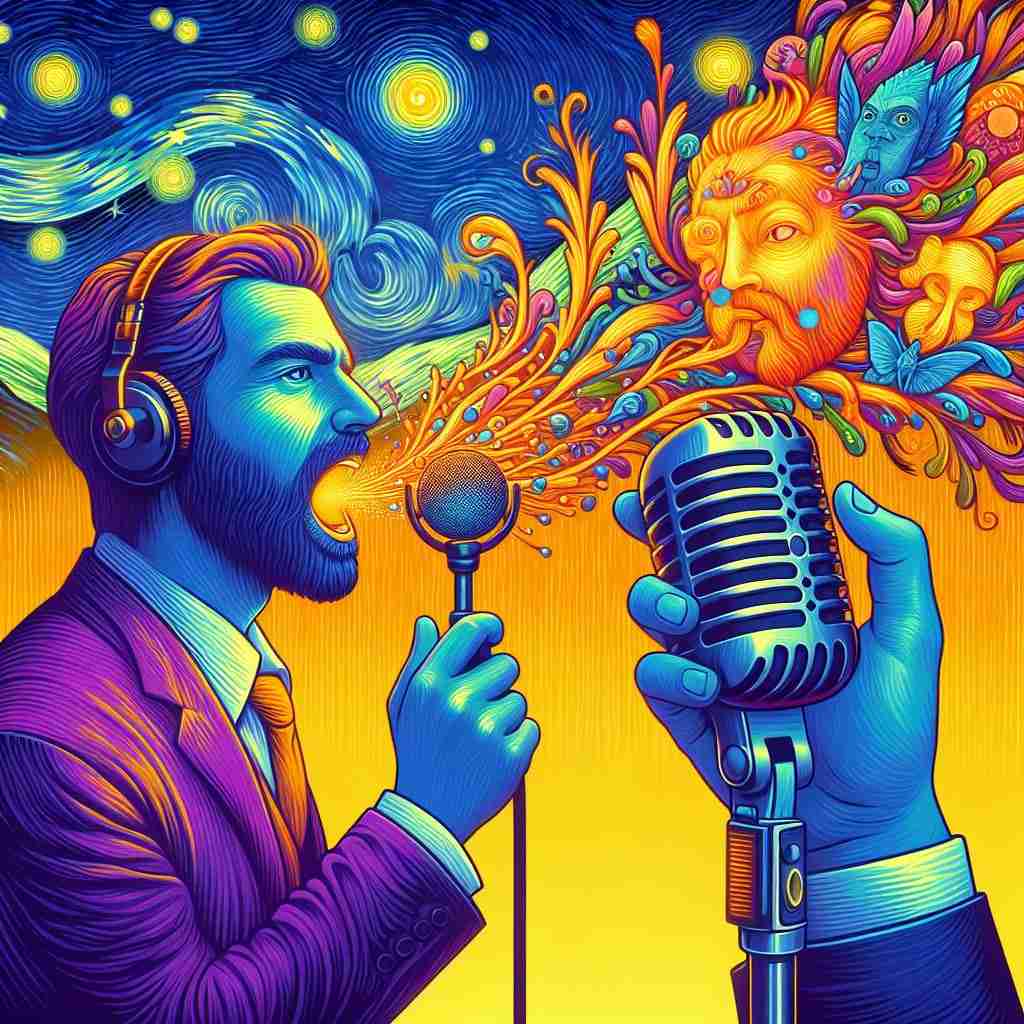
What Ethical Considerations Arise with AI Voice Clones?
What Ethical Considerations Arise with AI Voice Clones?
- Voice cloning evokes emotional and ethical concerns regarding the replication of loved ones’ voices.
- Technology can aid individuals who have lost their ability to speak or maintain connections with deceased loved ones.
- Issues arise around consent and the appropriate use of someone’s voice, straddling the line between remembrance and exploitation.
- Misuse of voice cloning can damage relationships and trust, especially in contexts like advertising without permission.
- Emotional fallout can occur when beloved voices are used in misleading contexts, violating personal sanctity.
- Establishing ethical frameworks and societal norms is crucial to respect and protect the narratives associated with voices.
- Balancing the benefits of voice cloning with moral responsibility requires empathy and a commitment to preserving authenticity.

What Ethical Considerations Arise with AI Voice Clones?
How Do Voice Clones Impact Authenticity In Podcasts?
In the world of podcasts, where storytelling wields the power to connect minds and hearts, authenticity becomes a double-edged sword, especially with the advent of voice cloning technology. Imagine, for a moment, the soothing baritone of your favorite podcaster, sharing tales from the heart. Now, consider that voice might not be the person you believe it to be. The emergence of voice clones blurs the line between genuine narrative and synthetic replication, raising profound questions about what it truly means to listen and trust.
When we press play on a podcast, we’re not just tuning in for the information; we’re signing up for a journey. We relate to the host’s struggles, their triumphs, and even their occasional moments of vulnerability. That human touch—inflected laughter, the pause before a poignant point—is what we crave. When a voice clone steps in, it may replicate the sound but often misses the soul, leaving the listener grappling with a dissonance that’s hard to shake. This disconnection raises an important ethical dilemma: Can a clone replicate authenticity, or does it undermine the very foundation of trust that a podcast builds with its audience?
Let me share a story. A friend of mine once felt elated after discovering a podcast that resonated with his own life experiences. He found solace in the host’s journey, feeling a kinship that transcended the audio waves. But one day, a new episode featured an unmistakable voice yet felt strangely hollow—like hearing an old friend speak through a poorly crafted imitation. The narrative fell flat, the emotional weight diminished, and in that moment, my friend realized that authenticity isn’t just about the voice; it’s about the story and the emotions behind it.
What’s ultimately intriguing about this conversation is the social contract between the host and the audience. We assume transparency and honesty when we engage with a podcast. When that expectation is undermined by cloned voices, we face the risk of eroding trust in the medium itself. Listeners deserve a space where they can safely explore thoughts and feelings, not feel deceived by a digital mimicry.
The challenge lies not only in technological innovation but also in preserving the integrity of the narrative. Instead of allowing voice cloning to become a cold, detached tool, we can harness it thoughtfully, ensuring it serves the story, rather than overshadowing it. If the goal is to enhance the listening experience, we must navigate this brave new world with a steadfast commitment to authenticity. Let’s strive to keep the heart in our podcasts, protecting that fragile bond between storyteller and listener, lest we risk losing what makes us human.

How Do Voice Clones Impact Authenticity In Podcasts?
How Do Voice Clones Impact Authenticity In Podcasts?
- Podcasts rely on storytelling to connect with listeners, making authenticity crucial.
- Voice cloning technology raises questions about the genuineness of narratives and trust.
- Listeners engage with hosts through shared struggles, triumphs, and vulnerability.
- Voice clones may replicate sounds but often lack the emotional depth of the original host.
- There is an ethical dilemma regarding whether clones can replicate authenticity.
- Listeners expect transparency and honesty, which could be undermined by cloned voices.
- It is important to use voice cloning technology thoughtfully, enhancing narratives while maintaining authenticity.

How Do Voice Clones Impact Authenticity In Podcasts?
Can AI Voice Clones Mislead Listeners About Content Creators?
In an era where authenticity is paramount, the rise of AI voice clones presents a curious paradox. Imagine sipping your morning coffee, earbuds in, listening to your favorite podcast. The voice feels familiar—warm, engaging, and trustworthy. Yet, what if that voice isn’t real? What if the person you think you’re connecting with is simply a digital imitation, designed to replicate the nuances of a human voice so seamlessly that it tugs at your heartstrings and ignites your passions?
This is the realm where AI voice technology dances on a fine line. Sure, it can amplify creativity and innovation, making content more accessible than ever. But it also runs the risk of blurring the lines of authenticity. Picture this: a voice clone of a beloved local storyteller, regaling tales that shaped your childhood. You lean in, captivated, yet the disheartening reality is that those tales are now curated by algorithms, lacking the spontaneity and genuine emotion that come from lived experience. This disconnect can not only mislead listeners but create a profound sense of loss—an erosion of the human connections that make these stories resonate.
As we navigate this landscape, we must reflect on the ethical implications. How do we ensure listeners can discern between the real and the replicated? It’s not just a matter of technological capability; it’s a question of trust. Our relationship with content creators—those who share their journeys, struggles, and triumphs—rests on the foundation of authenticity. If we lose sight of who is behind the mic, what does it mean for the communities built around these voices?
Moreover, consider storytelling as a form of social connection. Think back to your last meaningful conversation, the raw honesty exchanged in a moment of vulnerability. That’s the essence that AI struggles to replicate. No algorithm can conjure the warmth of a genuine laugh or the crack in a voice when emotions run high.
In a world increasingly punctuated by digital facsimiles, we must champion the importance of supporting real voices. Seek out storytellers, share your experiences, and prioritize narratives that remind us of our shared humanity. Engage in content that not only entertains but enriches, fostering community and connection in a landscape that desperately needs it. This is our call to action, to embrace the authentic amidst the artificial, ensuring that the voices we cherish remain rooted in the very fabric of our humanity.

Can AI Voice Clones Mislead Listeners About Content Creators?
Can AI Voice Clones Mislead Listeners About Content Creators?
- The rise of AI voice clones creates a paradox regarding authenticity.
- AI technology can enhance creativity but risks blurring authentic connections.
- Voice clones can mislead listeners by replicating emotion without genuine experience.
- Trust is essential in distinguishing real voices from digital imitations.
- Storytelling offers social connection, which AI struggles to replicate effectively.
- Supporting real voices fosters community and reminds us of shared humanity.
- The call to action is to prioritize authentic narratives over artificial ones.

Can AI Voice Clones Mislead Listeners About Content Creators?
How Can Transparency Foster Trust In AI-Generated Content?
How Can Transparency Foster Trust in AI-Generated Content?
In a digital age where misinformation spreads faster than ever, the call for transparency in AI-generated content is not just a whisper; it’s a rallying cry. Imagine sitting around a dinner table, sharing stories, where each tale is laid bare, each truth exposed. This is the kind of openness we crave in technology—especially when we rely on machines to shape our perceptions and the information we consume.
In every podcast we listen to, there’s a craft in storytelling that hinges on authenticity. Whether it’s a tale of a small-town hero or the struggles of a big-city entrepreneur, listeners feel a deep connection when the narrator lays their cards on the table. When AI-generated content is clear about its origins and methodologies, it fosters a similar bond. We don’t just want to know what the algorithm produces; we want to understand how it decides. Transparency fulfills that need, bridging the gap between technology and humanity.
Consider a time you bought a product after hearing an honest review from a friend. That recommendation was rooted in trust, built over years of shared experiences. Now, think about that same trust applied to AI. When we see the underpinnings of AI—how it learns, where its data comes from, who’s behind the scenes—it legitimizes what might otherwise feel like magic. This clarity allows us to critically engage with the content rather than passively absorb it.
Ethical considerations also come into play. As creators and consumers, we must ask: Who benefits from this content? What biases might linger in the algorithms? Transparent AI opens the door to accountability, enabling conversations about ethics similar to those sparked by our favorite podcasts—conversations that shape our society.
In this journey, vulnerability plays a key role. When AI developers share their challenges and missteps, it humanizes the technology. It tells us they’re not untouchable experts in sterile labs, but people who, like us, are learning. This relatability invites faith in their work.
Through transparency, we transform AI from a cold, distant entity into a trusted ally. The more we know, the more empowered we feel. We learn to navigate this landscape not as mere consumers but as informed participants in a dialogue, fostering a sense of community that enriches our experience. As we pull together to harness AI’s potential, let’s remember: trust grows not from perfection, but from honesty.

How Can Transparency Foster Trust In AI-Generated Content?
How Can Transparency Foster Trust In AI-Generated Content?
- The demand for transparency in AI-generated content is becoming increasingly urgent in an era of rapid misinformation.
- Authenticity in storytelling fosters connections, making clear AI origins and methodologies essential for user trust.
- Understanding how AI learns and processes data legitimizes its output, encouraging critical engagement with content.
- Accountability in AI prompts discussions on ethics, addressing biases and societal impacts.
- Vulnerability from AI developers by sharing challenges and missteps humanizes the technology and builds trust.
- Transparency transforms AI into a trusted ally, empowering users to engage as informed participants.
- Trust in AI stems from honesty and openness rather than perfection.

How Can Transparency Foster Trust In AI-Generated Content?
What Role Does the Audience Play In Accepting AI Voice Technology?
Imagine this: You’re sitting in your car, podcast on, and your voice assistant springs to life. The familiar, friendly tone cuts through the noise, guiding you seamlessly with just a few words. This isn’t just technology; it’s an evolution of how we communicate—an intimate dance between machine and human. Yet, what truly makes AI voice technology resonate? It’s the audience—us—who shape its acceptance, making our voices crucial in this narrative.
At the heart of this adoption lies emotion. The first time you hear your voice on a recording, it’s jarring. But when a machine mimics that—makes it sound like you’re talking to a friend—it stirs something deep within. It taps into our primal need for connection. Humans, for all their technological advancements, crave a personal touch. This inherent desire gives AI its human-like qualities a fighting chance in our daily lives.
Consider the rational aspect. Embracing AI voice technology isn’t just about convenience; it’s about efficiency. Imagine being able to multitask, having your smart speaker help you organize your day, or manage your to-do list as you cook dinner or clean up. The audience must connect the dots—between the technology’s capabilities and real-world applications—before the leap of acceptance can occur.
Then there’s the ethical dimension. As we integrate this technology into our lives, we must ask: who’s behind the curtain? Trust is paramount. When respected figures in technology and ethics speak out—highlighting responsible use and transparency—hesitance melts away. Transparency breeds connection, allowing the audience to feel at ease while navigating their interaction with AI.
Now, let’s get personal. Picture your grandmother, hesitant to embrace this voice technology. On one hand, she’s wary of change, but on the other, the potential to stay connected with her grandchildren through a simple voice command might spark a light in her eyes. Her story becomes ours, as we learn that acceptance is often birthed from understanding and shared experiences.
Finally, as a society, we have the power to drive the conversation. Through podcasts, social media, and everyday discussions, we shape how this technology is perceived. The audience holds the reins, deciding not only whether we embrace AI voice technology but how we innovate and improve it. The more relatable and transparent the technology becomes, the more trust we foster, guiding us into a future where we coexist with our creations, not as spectators, but as active participants in a grand narrative that is just beginning to unfold.

What Role Does the Audience Play In Accepting AI Voice Technology?
What Role Does the Audience Play In Accepting AI Voice Technology?
- AI voice technology represents an evolution in communication, enhancing interaction between humans and machines.
- Emotional connection is critical for adoption; familiarity with one’s voice through technology can evoke deep feelings.
- Efficiency in managing tasks is a key benefit of AI voice technology, allowing users to multitask effectively.
- Trust and transparency are essential; ethical considerations influence acceptance and comfort in using AI.
- Personal stories, such as that of a hesitant grandparent, highlight the potential impact of AI on maintaining relationships.
- Societal influence through media and discussions shapes perceptions and innovations surrounding AI technology.
- The relationship with AI is evolving, with audiences becoming active participants in the narrative rather than passive observers.

What Role Does the Audience Play In Accepting AI Voice Technology?
Are AI Voice Clones Undermining the Integrity Of Podcasting?
Are AI Voice Clones Undermining the Integrity of Podcasting?
Podcasts have become a vital part of our daily lives, a source of entertainment, education, and connection. They are where real voices share real stories—sometimes raw, sometimes polished, but always grounded in authenticity. Yet, as we stand at the crossroads where technology meets creativity, we need to ask: Are AI voice clones compromising the integrity of this cherished medium?
Imagine tuning into a podcast that transports you, perhaps a gripping tale of adventure or a heartfelt discussion on life’s challenges. You connect with the speaker, not just through their words, but through their unique voice, the inflection, the chuckle, the sigh. These elements are what make a podcast feel like a live conversation with an old friend. Now, envision that this personal connection is replicated by an artificial voice, meticulously engineered to mimic the speaker without their presence or consent. It’s unsettling, isn’t it?
Podcasts thrive on originality and trust. If an AI can clone voices and produce content indistinguishable from the real thing, we wander into treacherous territory. The gut-wrenching truth is that listeners may unwittingly embrace a counterfeit, investing time and emotion into a relationship built on deceit. This isn’t just about a lost nuance; it’s about the potential erasure of the very essence of what makes podcasting powerful—the personal connection.
Let’s think about the ethical implications. Every time a voice is cloned, the person behind it loses some ownership of their identity. There’s a fine line between innovation and exploitation, and creating artificial representations without consent crosses it. Moreover, when AI-generated narratives flood the podcasting space, how do we differentiate between authentic storytelling and manufactured content? The allure of shortcuts can lead us astray, undermining the credibility that podcasters have worked tirelessly to build.
Now, look around at the vibrant podcast community. It’s made up of passionate individuals who share their truths and struggles. They speak for themselves and for those who can’t. By embracing AI voice clones, we risk diluting this authentic representation, creating a landscape where the human touch is replaced by synthetic sounds. Imagine a future where the stories we love are not told by the ones who lived them but by machines designed to mimic them. This isn’t just an industry issue; it’s a loss for all of us.
As listeners, we must demand authenticity and embrace the power of real voices sharing real lives, for it is in our shared humanity that true connection flourishes within podcasting. Let’s keep the heart of the medium beating strong.

Are AI Voice Clones Undermining the Integrity Of Podcasting?
Are AI Voice Clones Undermining the Integrity Of Podcasting?
- Podcasts are crucial for entertainment, education, and connection, rooted in authenticity.
- AI voice clones threaten the personal connection integral to podcasting by mimicking speakers without consent.
- Listeners risk engaging with counterfeit content, undermining trust and emotional investment.
- The cloning of voices raises ethical concerns about identity ownership and exploitation.
- AI-generated content blurs the line between authentic storytelling and manufactured narratives.
- Embracing AI voice clones risks diluting authentic representation in the podcast community.
- Listeners should prioritize authenticity to preserve the human connection in podcasting.

Are AI Voice Clones Undermining the Integrity Of Podcasting?
How Do We Ensure Accountability In AI Voice Clone Usage?
In this age of innovation, where technology can mimic the human voice with astonishing accuracy, we find ourselves standing at a crossroads. Think of AI voice cloning as a powerful tool, akin to a sharp knife. In the hands of a skilled chef, it prepares a delectable meal; in the hands of someone less scrupulous, it can cause harm. So, how do we wield this power responsibly, ensuring that accountability is at the forefront of AI voice clone usage?
First, let’s consider the emotional impact of voice cloning. Imagine listening to a nostalgic podcast, where a long-lost relative shares cherished memories, only to discover it was an AI fabrication. The warmth of connection transforms into a chill of betrayal. This scenario pulls at the heartstrings and emphasizes our need for empathy in establishing accountability. If we don’t outline clear ethical boundaries, the authenticity of our cherished bonds might be compromised.
From a rational standpoint, accountability can start with transparency. If creators and users of AI voice technology openly disclose when they are using a voice clone versus a real person, it empowers the audience to navigate with confidence. Informed consumers are less likely to be misled. Standards must be set—much like the guidelines established for medical procedures or financial practices—providing a clear framework for ethical usage. Regulatory bodies could emerge, shaping a landscape where accountability trails behind every application of this technology.
Let’s not forget the authority of voices we trust. Experts—those who genuinely understand the nuances of AI and its implications—must be part of the conversation. Their insights can guide the development of industry standards, ensuring that ethical considerations aren’t an afterthought but a core principle.
On a personal note, I once witnessed a neighbor use a voice synthesizer to send humorous messages to friends, which brought laughter and connection. But the moment he replicated a friend’s voice to play a prank, that same tool became a weapon. It’s a reminder that, while technology can bring us together, it can also tear us apart if misused.
Community collaboration is crucial, too. Engaging users in discussions about the ethical implications fosters a sense of belonging and accountability. It’s about recognizing that we share the landscape; our actions resonate both locally and globally.
Ultimately, ensuring accountability in AI voice clone usage hinges on balance—between innovation and ethics, empowerment and caution. Let’s act now, shaping a future where technology not only serves us but respects the integrity of our human connections.

How Do We Ensure Accountability In AI Voice Clone Usage?
How Do We Ensure Accountability In AI Voice Clone Usage?
- AI voice cloning technology is powerful, comparable to a sharp knife, requiring responsible use.
- Emotional impact is significant; AI voice cloning can create feelings of betrayal if users are deceived by fabrications.
- Accountability begins with transparency; disclosing the use of voice clones promotes informed consumer choices.
- Establishing ethical guidelines is essential, similar to standards in medical and financial practices.
- Experts should guide discussions and development of industry standards to prioritize ethical considerations.
- Community engagement is necessary to foster accountability and highlight shared responsibilities.
- Balancing innovation with ethical considerations is crucial for a future that respects human connections.

How Do We Ensure Accountability In AI Voice Clone Usage?
Conclusion
The rise of AI voice clones in podcasts invites us to reflect deeply on our ethical standards, balancing innovation with authenticity. Podcasts are more than just audio files; they are intimate connections built on the unique voices and experiences of their hosts. This technology brings the potential for tremendous creativity and continuity, but it also challenges our morals and societal norms. As we navigate this new landscape, we must ask ourselves: are we honoring the legacy of storytellers, or are we exploiting their likeness?
When a beloved host’s voice is replicated without their consent through AI, we skirt perilously close to undermining the trust that builds the fabric of podcasting. Listeners are intuitively drawn to authenticity; they crave the genuine warmth of a real story told by a real person. An AI clone may replicate speech patterns but lacks the essence of lived experience. This disconnection not only erodes emotional bonds but poses an ethical dilemma—what happens when digital replicas mislead communities, creating a façade where honesty should reside?
As creators, transparency is paramount. Let your audience understand when they engage with an AI-driven voice. This open dialogue promotes trust and reinforces relationships. Imagine a podcast where listeners feel betrayed upon discovering that their favorite episodes were not delivered by their cherished host, but by a digital mimicry. The joy of connection morphs into feelings of deception. By maintaining transparency, we foster a community rooted in respect and understanding, vital for the evolution of storytelling.
Moreover, the audience plays a critical role in shaping the future of this technology. Their feedback dictates how AI voice cloning will be integrated and accepted in the podcasting realm. Acceptance stems from a desire for connection, urging podcasters to innovate responsibly while honoring the rich tapestry of genuine narratives.
In pursuing the stories we share, let’s ensure that authenticity remains at the forefront, keeping alive the human touch that defines our connection to each other. As we embrace this powerful tool, we must commit to preserving the integrity of the medium we love. By advocating for ethical practices and engaging in conversations about responsibility, we can harness the benefits of AI voice technology without compromising the very heart of podcasting. After all, it’s our shared humanity that keeps the spirit of storytelling alive—so let’s make sure it stays true, resonating in every voice that fills our ears.

Conclusion
Conclusion:
- The emergence of AI voice clones in podcasts raises ethical questions about authenticity versus innovation.
- Podcasts rely on unique voices and experiences, creating emotional connections with listeners.
- Unauthorized replication of a host’s voice risks undermining listener trust.
- AI clones can mimic speech but lack the essence and emotional depth of genuine experiences.
- Transparency about AI usage is essential to maintain trust and community relationships.
- The audience’s feedback is crucial in guiding the responsible integration of AI voice technology in podcasts.
- Preserving authenticity and human connection should be prioritized as the podcasting landscape evolves.

Conclusion
Other Resources

Other Resources
Here is a list of other resources you can review online to learn more:
- Podcast Guru
- Spreaker
- Breaker
- Bob Woods
- Blubrry
- Resound
- iHeartRadio
- Podchaser
- YouTube
- Apple Podcasts
- Podcastle
- Odnoklassniki
- Adobe Audition
- Streamlabs
- Column1
- Apple Podcasts for Creators
- Podcast Studio
- Deezer
Use This Prompt To Get More Resources With Your Favorite Online AI Tool: Please provide me with a list of online articles with their URLs in a bulleted list that I can read regarding The Ethical Guide to Using AI Voice Clones In Podcasts

Other Resources
Glossary Terms
The Ethical Guide to Using AI Voice Clones In Podcasts – Glossary Of Terms
1. AI Voice Clone: A digital representation of a person’s voice created using artificial intelligence technologies.
2. Podcasts: Digital audio files available for streaming or download, often episodic in nature, covering various topics.
3. Ethics: A set of moral principles guiding decisions and actions, particularly in relation to fairness and integrity.
4. Consent: Permission obtained from individuals, particularly voice owners, before using their voice for cloning.
5. Intellectual Property: Legal rights concerning creations of the mind, such as voice and content, which may impact AI voice cloning.
6. Transparency: The practice of openly sharing information about AI use, including how voice clones are generated and used in podcasts.
7. Authenticity: The degree to which the AI voice clone accurately represents the original speaker’s voice and personality.
8. Misrepresentation: A ethical concern where the AI voice clone may not accurately present the views or intentions of the original speaker.
9. Accountability: The responsibility for the use and impact of AI voice clones, ensuring that creators are answerable for their actions.
10. User Trust: The reliance on the ethical use of AI voice clones to maintain the audience’s confidence in the podcast.
11. Fair Use: A legal doctrine that allows limited use of copyrighted material without permission under certain conditions.
12. Voice Licensing: The process of obtaining legal rights to use someone’s voice for specific purposes, ensuring ethical compliance.
13. Bias: Prejudice that may be unintentionally incorporated into AI voice clones, influencing representation and accuracy.
14. Data Privacy: Protecting personal information, including voice data, from unauthorized access during AI voice cloning.
15. User Experience: How listeners receive and interact with podcasts, potentially influenced by the use of AI voice clones.
16. Disclosure: The act of informing audiences when AI voice clones are used in a podcast, promoting ethical transparency.
17. Diffusion of Responsibility: A phenomenon where individuals feel less accountable in group settings, relevant in AI development decisions.
18. Deepfake Technology: Advanced AI systems that create hyper-realistic audio or visual content, raising ethical concerns in voice cloning.
19. Cultural Sensitivity: Acknowledging and respecting cultural differences when using voice clones, ensuring appropriate representation.
20. Content Authenticity Initiative: A movement to combat misinformation and ensure the authenticity of digital content, including voice clones.
21. Audience Engagement: The level of interaction and connection listeners feel with the podcast, potentially affected by AI voices.
22. Quality Control: Measures taken to ensure the fidelity and clarity of AI voice clones used in podcasts.
23. Replicability: The ability of AI systems to reproduce voice clones consistently, crucial for maintaining quality in podcasts.
24. Feedback Mechanism: Channels for audiences to provide input on ethical concerns regarding AI voice clones.
25. Responsible AI: The practice of designing and deploying AI technologies with ethical considerations at the forefront.
26. Representation: The inclusion of diverse voices and perspectives in podcasting, particularly when using AI-generated content.
27. Emotional Intelligence: The ability of AI voice clones to convey emotion and nuance similarly to human voices, enhancing listener experience.
28. Narrative Voice: The distinct tone and style of storytelling utilized in podcasts, which can be influenced by the choice of voice clone.
29. Regulatory Compliance: Adhering to laws and guidelines governing the use of AI technology, including voice cloning in media.
30. Collaborative Creation: Partnerships between content creators and voice owners for ethical podcast production using AI voice clones.

Glossary Of Terms
Other Questions
The Ethical Guide to Using AI Voice Clones In Podcasts – Other Questions
If you wish to explore and discover more, consider looking for answers to these questions:
- Who legally owns a person’s voice and the rights to reproduce it?
- What constitutes informed consent for creating and using a voice clone?
- How should podcasters obtain, document, and store consent for voice cloning?
- Can family members or estates authorize posthumous use of a deceased person’s voice?
- How long does consent last and can it be revoked after given?
- What compensation or revenue-sharing models are fair for people whose voices are cloned?
- Which laws or regulations govern voice cloning in different countries or jurisdictions?
- Are there existing industry standards, codes of conduct, or certification programs for voice cloning?
- How should creators disclose AI-generated voices to their listeners (phrasing, placement, frequency)?
- What labeling practices are legally or ethically required when publishing AI-voiced content?
- How can listeners reliably detect whether a voice is AI-generated or human?
- What technical methods (watermarks, metadata, forensics) can mark or detect AI-generated audio?
- How do training data sources and consent affect the ethical status of a voice clone?
- Can AI clones reproduce authenticity, spontaneity, and emotional nuance, and how should limitations be communicated?
- When is it ethically acceptable to use a voice clone (e.g., accessibility, preservation, creative works)?
- How should creators balance creative enhancement with preserving the original speaker’s integrity?
- What safeguards prevent misuse of cloned voices for misinformation, political manipulation, or scams?
- What recourse do individuals have if their voice is cloned without permission?
- What liabilities or penalties do creators and platforms face for unauthorized or deceptive use?
- How should platforms (Spotify, Apple, etc.) regulate or moderate AI-voiced content?
- What privacy and data-protection measures should govern storage and processing of voice recordings?
- How can podcasters ensure accountability—audits, logs, third‑party oversight—for voice-clone usage?
- What role should independent verification services or registries play in confirming consent and provenance?
- How should archives, re‑runs, and posthumous releases be labeled when AI voice tech is used?
- What are best-practice workflows (script approval, human oversight, quality checks) for producing AI-voiced episodes?
- How should creators handle mistakes, misattributions, or listener backlash after publishing AI-voiced content?
- What ethical guidelines apply when voice cloning is used for accessibility (e.g., restoring speech for the disabled)?
- How do cultural differences influence what is considered respectful or exploitative use of someone’s voice?
- What technical limitations or failure modes (glitches, uncanny valley) should producers anticipate?
- How do voice-cloning practices intersect with copyright, moral rights, and personality rights?
- What standards should govern the transparency of the AI models and datasets used to create voice clones?
- How to manage cross-border disputes when consent, laws, and platform rules conflict internationally?
- Are there insurance or indemnity products available to cover harms arising from voice-clone misuse?
- What educational resources should podcasters provide to their audience about AI voice technology?
- What are documented case studies of responsible — and irresponsible — uses of voice cloning in podcasts?

Other Questions
Haiku
The Ethical Guide to Using AI Voice Clones In Podcasts – A Haiku
Voices can connect,
Authentic tales from the heart,
Clone with care and grace.

Haiku
Poem
The Ethical Guide to Using AI Voice Clones In Podcasts – A Poem
In a world where voices weave the tale,
AI whispers, but does authenticity pale?
When echoes of the past are softly cloned,
Do they honor stories, or leave hearts disowned?
Picture a podcast, rich and warm,
A storytellers charm, a community’s norm.
Yet what if a clone crafts the verse,
Stripping away context, lending it a curse?
Is comfort found in familiar tones,
When the soul’s absent, leaving cold drones?
The moral compass spins in the air,
As creators gaze into the ethical glare.
With power comes duty, a cautious embrace,
To uplift the true voice, to honor its grace.
Transparency fosters trust, a bridge to connect,
Let listeners discern, let respect circumspect.
With laughter and pain, our narratives share,
No algorithm can fathom the love in the care.
So let us remember as technology thrives,
The heartbeat of storytelling keeps humanity alive.
Together we forge the path ahead,
Where genuine voices, not echoes, are fed.
In this digital dance, may truth be our song,
Embracing our stories—where we all belong.

Poem
Checklist
The Ethical Guide to Using AI Voice Clones In Podcasts – A Checklist
Heart Appeals (Emotional)
✅______ Reflect on the emotional connections your audience has with voices in your podcast.
✅______ Share personal stories that highlight the importance of authenticity in voice and storytelling.
✅______ Foster intimacy in your podcast by nurturing genuine emotional expressions and experiences.
Head Appeals (Rational)
✅______ Establish clear guidelines for when and how AI voice clones will be used in your content.
✅______ Conduct a risk assessment regarding potential misinformation or misrepresentation with AI-generated voices.
✅______ Incorporate educational content about AI voice technology to help listeners understand its implications.
Gut Appeals (Ethical)
✅______ Obtain explicit consent from individuals before using their voice clones.
✅______ Consider the potential emotional fallout for listeners if a voice clone misrepresents the original speaker.
✅______ Commit to maintaining a culture of accountability and transparency around AI-generated content.
Authority Appeals
✅______ Cite industry experts and ethical guidelines during discussions about AI voice cloning.
✅______ Seek partnerships with organizations focused on ethical AI usage to strengthen your credibility.
✅______ Stay informed on current legal and ethical standards regarding voice cloning technology.
Narrative Appeals
✅______ Craft compelling stories that emphasize the human experiences behind the voices being cloned.
✅______ Share listener feedback and personal anecdotes that highlight the impact of using authentic voices.
✅______ Create a narrative around the legacy of storytelling that respects the origins of the voices used.
Social Appeals
✅______ Encourage community discussions about AI voice cloning to foster collective understanding and engagement.
✅______ Promote a culture of transparency within the podcasting community regarding voice cloning practices.
✅______ Utilize social media platforms to engage with your audience about their feelings and concerns related to AI-generated content.

Checklist
At PodcastBig, we help people who want to learn about podcasting by collating information and news about podcasting.
Be sure to read our other related stories at PodcastBig to learn more about podcasting.