

Exploring The Ethics, Innovation, And Impact Of Voice Cloning
By Tom Seest
At PodcastBig, we help people who want to learn about podcasting by collating information and news about podcasting.
Be sure to read our other related stories at PodcastBig to learn more about podcasting.
The Dark Side and Bright Side Of Podcast Voice Cloning
The Dark Side and Bright Side of Podcast Voice Cloning
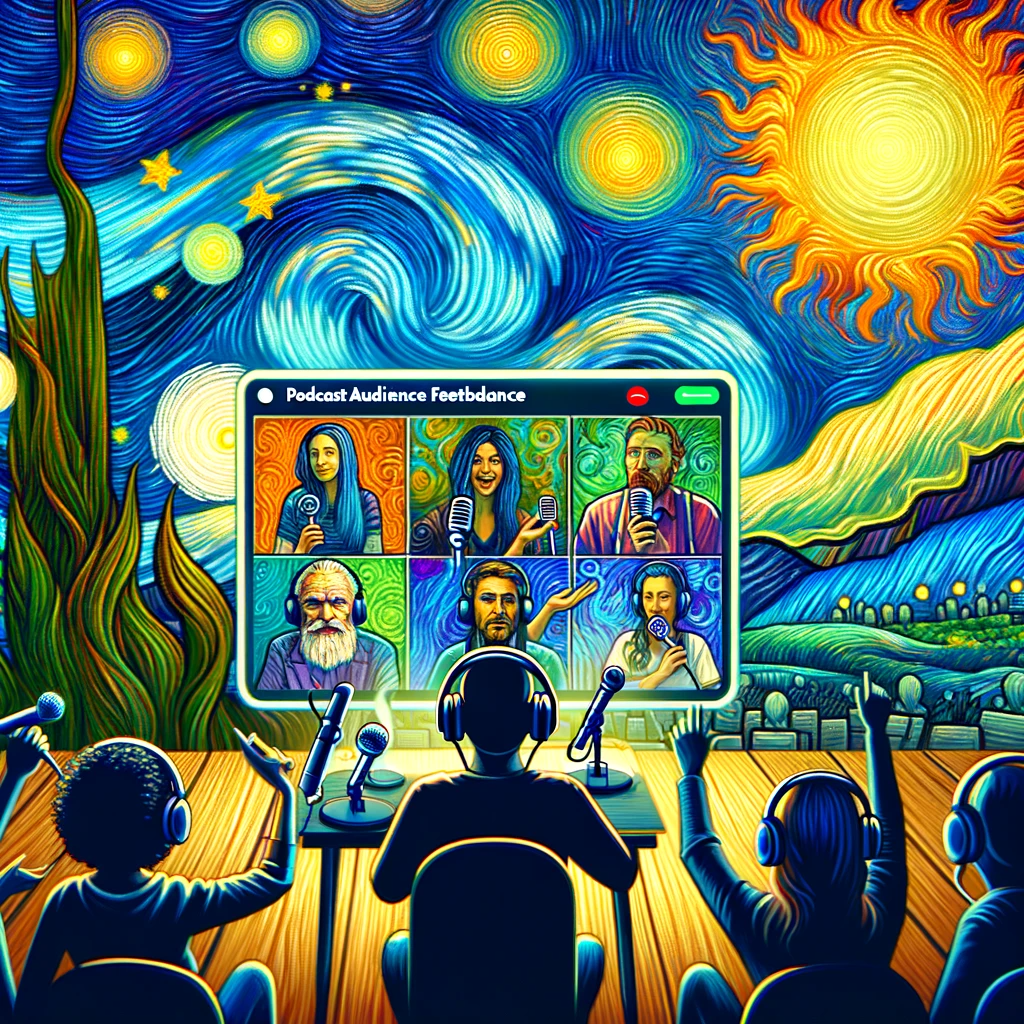
In the swirling world of innovation, we find ourselves at the intersection of creativity and technology, a place where the sound of a familiar voice can be both a comfort and a cause for concern. Podcast voice cloning, a marvel in audio engineering, is reshaping the way we experience stories, ideas, and opinions. Yet, like all powerful tools, it carries a spectrum of implications that stir our emotions, provoke our thoughts, and tug at our ethical strings.
On one hand, voice cloning breathes new life into storytelling. Imagine a podcaster’s voice stepping into the shoes of historical figures, narrating their untold tales with authenticity that resonates deeply. This technology can revive lost voices, giving audiences a poignant glimpse into the past or offering fresh insights through the lens of a beloved speaker. Picture listening to a podcast where your late grandfather recounts his life lessons. It’s an emotional balm, filling a void that nothing else could.
However, here lies the dark side: the potential for exploitation. Voice cloning raises serious ethical questions. What happens when someone uses a cloned voice without consent? It’s one thing to relish in the voices we know and love; it’s another when those voices are manipulated for disinformation or deceit. The gut-wrenching reality is that trust, an essential currency in our interpersonal communications, may erode as deepfakes blur the lines of authenticity. The heart sinks at the thought of a beloved public figure’s essence being exploited, their voice harnessed for malicious intent, all while we, the listeners, remain unsuspecting.
Drawing from personal experience, I’ve marveled at how a single voice can encapsulate a lifetime of wisdom or ignite a fire within the listener. A friend of mine launched a podcast with his family’s storytelling woven throughout, capturing generations in a vibrant tapestry of shared experiences. The authenticity of his voice drew listeners in because it conveyed not just stories but emotions, a connection that voice cloning must strive to emulate responsibly.
As we navigate this technological frontier, let’s focus on creating a culture of integrity in podcasting. We have the power to define how we wield this tool. It’s our shared responsibility to ensure that while we embrace the wondrous capabilities of voice cloning, we do so ethically, safeguarding the warmth and authenticity that make us human. Balancing innovation with respect for the voices that tell our stories isn’t just a goal; it’s a necessity for preserving the heart and soul of podcasting in an age where every sound can echo into eternity.

The Dark Side and Bright Side Of Podcast Voice Cloning
The Dark Side and Bright Side Of Podcast Voice Cloning
- Podcast voice cloning merges creativity and technology, reshaping storytelling.
- It allows for historical figures to narrate stories, offering emotional connections and insights.
- Voice cloning can revive lost voices, providing unique experiences to listeners.
- There are ethical concerns regarding exploitation and consent in using cloned voices.
- Trust may erode as deepfakes blur lines of authenticity, posing risks to public figures.
- Creating a culture of integrity in podcasting is essential to responsibly use voice cloning.
- Balancing innovation with respect for personal voices is crucial for preserving podcasting’s essence.

The Dark Side and Bright Side Of Podcast Voice Cloning
Table Of Contents
- The Dark Side and Bright Side Of Podcast Voice Cloning
- What Ethical Dilemmas Arise with Voice Cloning?
- How Do Listeners Feel About Clones?
- Can Cloned Voices Maintain Authenticity?
- What Responsibilities Do Podcasters Have with Cloning?
- How Might Voice Cloning Change Storytelling?
- Is There a Risk Of Misinformation with Clones?
- How Does Voice Cloning Impact Creator Revenue?
- Conclusion
- Other Resources
- Glossary Of Terms
- Other Questions
- Haiku
- Poem
- Checklist
What Ethical Dilemmas Arise with Voice Cloning?
In a world where technology can replicate not just our faces but our voices, we find ourselves at a crossroads of convenience and ethical quandary. Imagine you’re listening to a podcast, and suddenly, you hear a familiar voice—one you thought was lost. It’s a chilling possibility, evoking the warmth of memories while simultaneously unsettling the very foundation of trust. This duality illustrates the heart of the voice cloning dilemma: while these advancements can bring comfort, they also expose raw nerves in our understanding of authenticity.
The head wrestles with the implications. Voice cloning isn’t merely about mimicking sounds; it’s about owning an identity that may not belong to us. When technology allows us to create utterly convincing imitations of people’s voices, we flirt dangerously with deception. Picture a scenario where a digital twin uses a loved one’s voice to manipulate or deceive, invoking feelings of betrayal. How do we safeguard our narratives when every word can be fabricated, and who stands accountable for the manipulation that might arise? The answers are unclear, and that uncertainty gnaws at our rational minds.
Ethically, this creates a modern frontier where boundaries that once seemed firm now blur. Consider this: if someone creates a voice clone of a public figure for satire or criticism, whose responsibility is it to draw the line? A laugh that echoes through the halls of a podcast studio could just as easily become a weapon, wielding both power and peril. We face the question of consent head-on. In the age of voice cloning, is it enough to ask for permission after the deed is done? The gut instinct screams for vigilance, yet so many of us crave the simplicity of innovation without pausing to ponder the implications.
On a personal note, my late grandfather had a voice that could mesmerize even the most restless child. If someone were to clone that voice, speaking words he never uttered—whether in a heartfelt podcast reminiscence or a humorous imitation—who would that really be? It would feel like an invasion, a misunderstanding of intimacy and a violation of memory.
In essence, voice cloning challenges us to confront the delicate interplay of memory, identity, and ethics. It compels us to have conversations that are often uncomfortable but necessary. As technology propels us forward, let’s ensure we carry our humanity with us, safeguarding what makes our voices distinct and precious.

What Ethical Dilemmas Arise with Voice Cloning?
What Ethical Dilemmas Arise with Voice Cloning?
- Technology can replicate faces and voices, leading to ethical dilemmas.
- Voice cloning evokes nostalgia but challenges trust and authenticity.
- It raises issues of identity ownership and potential deception.
- Manipulation of voices can cause feelings of betrayal and uncertainty.
- Ethically blurring boundaries complicate public figure representations.
- Consent in voice cloning presents challenges and necessitates careful consideration.
- Voice cloning provokes essential conversations about memory, identity, and ethics.

What Ethical Dilemmas Arise with Voice Cloning?
How Do Listeners Feel About Clones?
When it comes to understanding how listeners feel about clones, we’re diving deep into a complex blend of emotions, ethics, and social connections. Imagine tuning into a podcast where someone shares their experience with a clone—a version of themselves that mirrors their quirks, habits, and even their fears. For many, this thought is both fascinating and frightening. There’s a pull in our hearts, a tug in our gut; is that clone a sibling or a stranger?
Listeners often find themselves wrestling with the idea of identity. A clone isn’t just a copy; it’s a reflection of what makes us uniquely human. Every laugh, tear, and moment of joy captured and replicated raises questions about authenticity. Are we more than the sum of our experiences, or are we just biographical data waiting to be replicated? These discussions are not just theoretical; they’re intimate narratives that resonate deeply. For instance, think about a loved one you recently lost. If you could have a clone of their finest traits—perhaps their laughter—wouldn’t it feel like holding on to a piece of their spirit? Yet, are we diluting their essence by creating a mere imitation?
The ethical implications push us to reflect on what it means to truly know someone. A clone may possess all the knowledge and memories, but can they replicate the soul—the very core of who we are? Herein lies an original perspective: instead of viewing clones as merely duplicates, we should consider them as mirrors reflecting our desires, fears, and hopes. They can challenge us to confront our notions of connection and morality.
Listeners in this dialogue find comfort in shared uncertainties, fostering a community where thoughts are exchanged freely. Think of the person you chat with on your favorite podcast—the way their voice resonates with your experiences, drawing you closer to them, even if you’ve never met. In a world grappling with technology, the moral fabric of our society is tested. Clones, thus, become a crucial point of discussion, encouraging the audience to deep dive into their values and beliefs.
As these narratives unfold on our favorite platforms, listeners are not just passive recipients; they become active participants, challenged to engage with complex ideas that mirror their reality. This exploration isn’t just an intellectual pursuit; it’s an emotional journey—one that brings us closer to understanding what it truly means to be human, clone or not.

How Do Listeners Feel About Clones?
How Do Listeners Feel About Clones?
- Exploration of emotions, ethics, and social connections related to clones.
- Clones raise questions about identity—are they siblings or strangers?
- Clones reflect our unique humanity, capturing our experiences and authenticity.
- Ethical considerations arise regarding knowledge versus the essence of a person.
- Clones can be seen as mirrors of our desires, fears, and hopes, challenging connections and morality.
- Listeners engage in communal dialogue, sharing uncertainties and thoughts.
- This emotional journey deepens understanding of humanity, regardless of cloning technology.

How Do Listeners Feel About Clones?
Can Cloned Voices Maintain Authenticity?
In a world where technology is advancing at breakneck speed, the emergence of cloned voices raises an essential question: can these synthetic sounds ever truly capture the essence of human authenticity? Imagine sitting down with your favorite podcast, relishing the familiar timbre of a beloved host’s voice. It wraps around you like a warm blanket, evoking memories of laughter, connection, and shared experiences. But what happens if, instead of the genuine article, you hear a perfect imitation, a virtual echo of someone you trust?
Take a moment to consider the emotional weight that our voices carry. They convey not just words, but intent and emotion, the nuances of who we are. When we hear a loved one’s voice, it can spark joy, comfort us in times of need, or even provoke a wave of nostalgia that brings back cherished memories. A cloned voice may sound almost identical, but can it deliver the same emotional punch?
Let’s bring this into the realm of personal experience. Imagine you’re listening to a podcast where the host tells a story about overcoming hardship. Their voice is rich with experience and sincerity, drawing you in. If that same story were told by an algorithm, no matter how phonetically perfect, would it resonate the same way? The heart craves authenticity, a truth we can only express through our lived experiences.
Rationally speaking, advances in technology have given us tools we never dreamed possible. Cloned voices can enhance accessibility in education and bring awareness to important issues, allowing more people to share their stories. However, there lies an ethical consideration: the potential for misuse or manipulation. If we allow technology to dictate our relationships and communications, we risk losing the very core of what makes us human.
Socially, we thrive on connection and realness. The voices we cherish represent trust, friendship, and reliability. Technology should amplify those connections, not replace them. As we navigate this complex landscape, we must engage in a conversation about the boundaries between innovation and authenticity.
Ultimately, the challenge is clear: while cloned voices may offer convenience and novelty, they must strive to uphold the spirit that comes with genuine human interaction. Authenticity can’t be programmed; it must be felt. By acknowledging this, we can ensure our technological advances bolster, rather than undermine, our inherent humanity, creating a space where every voice—cloned or not—resonates with sincerity and connection.
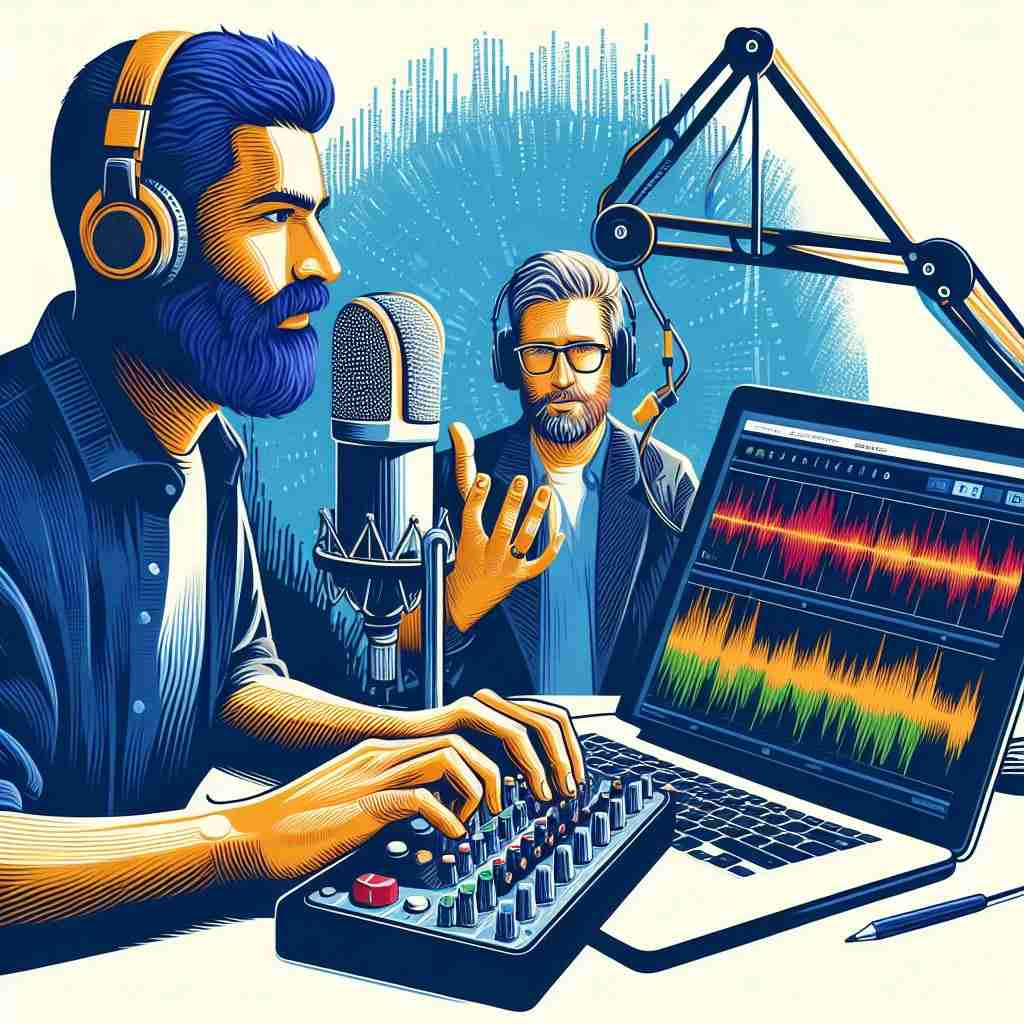
Can Cloned Voices Maintain Authenticity?
Can Cloned Voices Maintain Authenticity?
- The rise of cloned voices poses the question of whether synthetic sounds can capture human authenticity.
- Voices carry emotional weight, evoking memories, joy, and connection through shared experiences.
- A cloned voice may sound similar but lacks the emotional depth of a genuine human voice.
- Technological advancements allow for improved accessibility and storytelling through cloned voices.
- There are ethical considerations regarding the misuse of cloned voices in communication and relationships.
- Real connections are based on trust and authenticity, which technology should enhance, not replace.
- Cloned voices must strive to uphold the spirit of human interaction, as authenticity cannot be programmed.

Can Cloned Voices Maintain Authenticity?
What Responsibilities Do Podcasters Have with Cloning?
In the ever-evolving landscape of podcasting, where voices can echo across vast digital canyons, the responsibility of those behind the mic extends far beyond mere entertainment. It’s a dance of ideas, a sharing of stories, and increasingly, a conversation about the ethics of cloning—both in technology and in our narratives. When we discuss cloning in this context, it’s not just about replicating a voice; it’s about the essence of what it means to share our stories authentically.
Imagine this: You’re listening to a podcast that resonates with you deeply, perhaps it recounts a struggle with loss or celebrates a small victory. That’s the magic of the medium. It connects hearts and minds, creating an intimate bond between the host and the audience. But what happens when a cloned voice, an imitation, steps in? The trust cultivated over countless episodes could dissolve in an instant. Podcasters are entrusted with a unique power—the power to influence, to inspire, and to lead through their words and authenticity. If that voice is faked, the connection falters.
Ethically, podcasters must consider the implications of cloning not just as a technological marvel but as a social contract. Each narrative is imbued with the individual’s spirit; duplicating that essence without consent borders on violation. It’s akin to an artist’s brushstroke being reproduced without recognition. When podcasters clone their content or their storytelling style, they risk diluting the very thing that makes their podcast special. The heart of a podcast resides in originality, emotion, and personal touch, not just in the replication of sound.
Let’s bring this to the everyday listener. Picture a family gathering around a table, laughter mingling with shared stories sparked by a favorite podcast. What would it mean if those stories became mere echoes of someone else’s experience, devoid of the authenticity that made them impactful? Podcasters have a responsibility not only to their audience but also to themselves—to ensure their voices are genuine and reflect their true narratives.
In essence, this responsibility transcends legality; it speaks to the core of who we are as communicators. As much as technology can offer shortcuts, the richest rewards will always lie in the unfiltered tales we share and the lives we touch. As custodians of our narratives, podcasters must embrace their roles with integrity, crafting stories that invite trust and foster genuine connections. In doing so, they remind us that our true voice is irreplaceable.
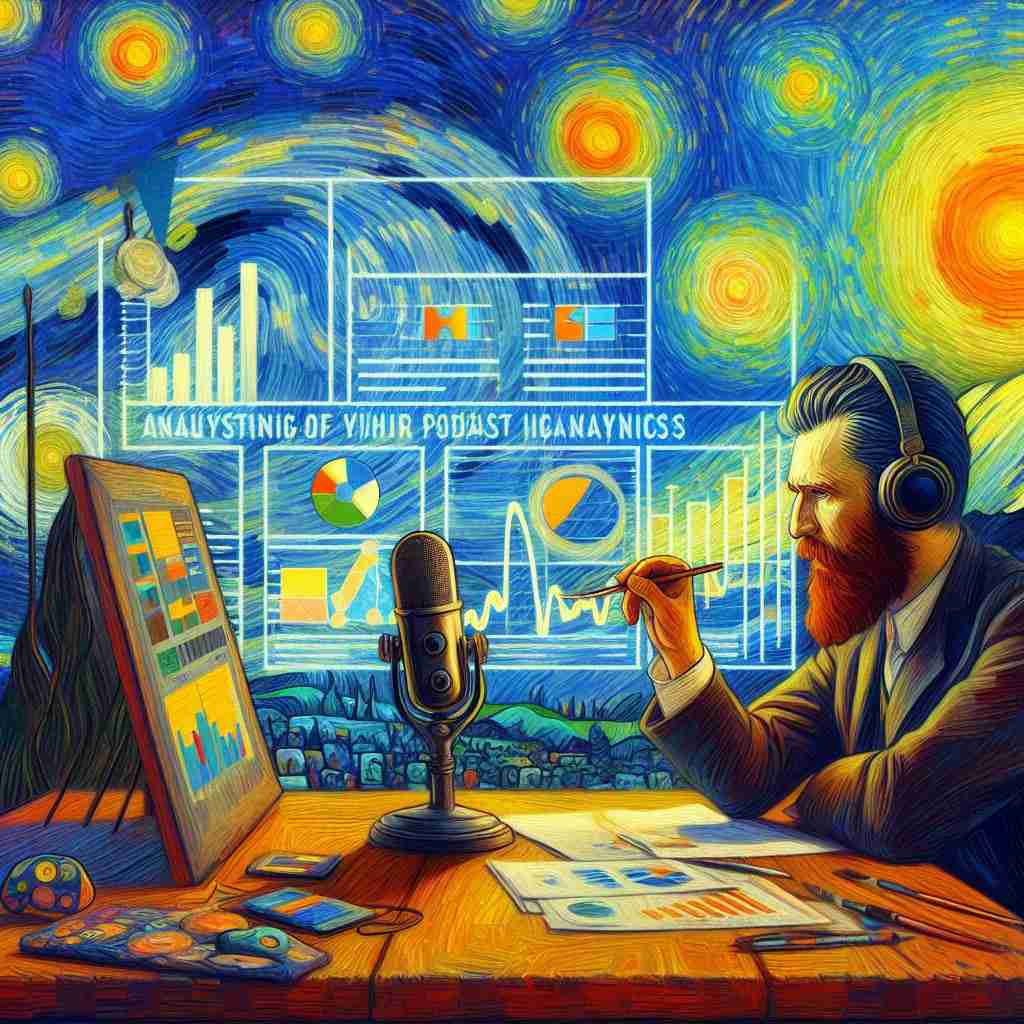
What Responsibilities Do Podcasters Have with Cloning?
What Responsibilities Do Podcasters Have with Cloning?
- Podcasting extends beyond entertainment, serving as a platform for sharing ideas and ethics.
- Cloning in podcasting raises concerns about authenticity and the essence of storytelling.
- Listeners develop trust with podcasters, which can be undermined by imitation or cloned voices.
- Ethical implications of cloning involve the violation of personal narratives without consent.
- Originality and personal touch are essential to a podcast’s heart, rather than mere sound replication.
- Podcasters must ensure their content reflects true narratives to maintain genuine connections.
- Embracing their roles with integrity is crucial for podcasters to foster trust and authenticity.

What Responsibilities Do Podcasters Have with Cloning?
How Might Voice Cloning Change Storytelling?
Imagine a world where the characters in your favorite stories speak with the exact nuances of your beloved storyteller’s voice, blurring the lines between reality and imagination. Voice cloning technology not only elevates storytelling but reshapes our connection to the tales we cherish. With a simple click, a well-loved podcast can transform into a vibrant narrative experience, complete with the familiar timbre of a voice that feels like home. This innovation offers a profound opportunity to breathe life into stories, giving every listener a unique and personal encounter.
The heart of storytelling lies in its capacity to evoke emotions. When a beloved voice narrates a poignant tale, it stirs something deep within. Consider a grandparent’s stories told around a crackling fire, the warmth of their voice enveloping you like a well-worn blanket. Voice cloning holds the potential to replicate that intimacy, allowing us to revisit those cherished narratives even after the storyteller is gone. It’s both a blessing and an ethical conundrum, raising questions about ownership and authenticity. Should the essence of a loved one’s voice be preserved for eternity, even in the realm of fiction?
On a rational level, creating virtual storytellers tailored to individual preferences and backgrounds can enhance comprehension and engagement. Whether it’s a child struggling with their reading or an adult looking to connect with cultural tales, these cloned voices can bridge gaps, making stories more accessible and relatable. The cognitive ease provided by hearing a familiar voice can facilitate a deeper understanding, enabling listeners to internalize messages that resonate with their own lives.
Socially, this technology opens avenues for inclusivity, as voices can be tailored to represent diverse backgrounds and experiences. Imagine hearing a history story narrated in a dialect that speaks to your culture, drawing you into a narrative that feels authentically yours. It’s a step toward a more equitable storytelling landscape, where everyone’s voice can be heard and valued.
Yet, as we marvel at this technological advancement, let’s not forget the human connection that underpins storytelling. It’s the shared laughter, the tears, the moments of silence that bind us together. In harnessing voice cloning, we must tread carefully, ensuring that we honor the original storytellers and the vibrant tapestry of narratives that connect us all. As we stand at this intersection of technology and humanity, it’s crucial to forge a path that uplifts the art of storytelling, inviting us to share our stories with the world in the most authentic ways possible.

How Might Voice Cloning Change Storytelling?
How Might Voice Cloning Change Storytelling?
- Voice cloning technology enhances storytelling by allowing characters to speak in beloved storytellers’ voices.
- This innovation creates personal and immersive narrative experiences for listeners.
- It replicates emotional intimacy, enabling revisits to cherished tales even after the original storyteller is gone.
- Raises ethical questions about voice ownership and authenticity in fiction.
- Custom virtual storytellers improve comprehension and engagement for diverse audiences.
- Promotes inclusivity by tailoring voices to represent various backgrounds and experiences.
- Emphasizes the need to honor original storytellers and preserve the human connection in storytelling.

How Might Voice Cloning Change Storytelling?
Is There a Risk Of Misinformation with Clones?
In today’s digital landscape, the emergence of clones isn’t just a technological marvel; it’s a double-edged sword. As we delve into the question, “Is there a risk of misinformation with clones?” it’s essential to recognize that this innovation invites both wonder and worry. Imagine turning on your smartphone, only to encounter a message supposedly from your best friend, crafted seamlessly by artificial intelligence. At first glance, it may feel legitimate, but it could lead us down a rabbit hole of confusion.
Let’s take a moment to reflect. Picture the last time you listened to a podcast that touched your heart. An engrossing episode about family, trust, or resilience resonates deeply. Now consider that every emotional connection you forged can be manipulated by clones, creating facades that can erode the foundation of trust in our relationships. We find ourselves in a world where voices can be mirrored, but their authenticity is lost, leaving us navigating a minefield of misinformation. The gut reaction is to tighten the reins on technologies that blur the lines between truth and illusion.
From a rational standpoint, the risk of misinformation with clones isn’t just a theoretical concern; it’s already unfolding. Consider public figures whose opinions can be distorted, leading to widespread misconceptions. Just as an example, think back to the electoral misinformation that plagued recent elections. The potential for clones to amplify this chaos is staggering. When a voice can be replicated, the implications for authority and credibility are profound. Who do you trust when every digital presence could have been manufactured?
On the ethical front, as we embrace this technology, we must also shoulder the responsibility to use it wisely. The call to action lies in fostering a community that values truth in an era of replication. Instead of shunning the technology as a threat, let’s embrace the opportunity to educate ourselves and each other. There’s power in collective vigilance—an opportunity to validate emotions while honing our critical thinking skills.
The social fabric of our lives, interconnected yet fragile, demands our attention. We need to rally around transparency and accountability. Awareness and dialogue, perhaps sparked by a lively podcast conversation or community gathering, can help us code our digital future with ethical considerations. As we traverse this new terrain, let’s champion authenticity and safeguard our narratives, ensuring that the voices we hear are true, not just mere echoes.

Is There a Risk Of Misinformation with Clones?
Is There a Risk Of Misinformation with Clones?
- The emergence of clones presents both opportunities and risks in the digital landscape.
- Clones can create confusion by generating messages that appear legitimate, potentially leading to misinformation.
- Emotional connections can be manipulated by clones, eroding trust in relationships.
- The risk of misinformation is not theoretical; it is already affecting public figures and public perceptions.
- Clones could distort opinions and amplify electoral misinformation, challenging authority and credibility.
- Ethical responsibility is crucial; fostering a community that values truth is imperative in an era of replication.
- Promoting awareness, transparency, and dialogue can help navigate the challenges posed by cloning technology.

Is There a Risk Of Misinformation with Clones?
How Does Voice Cloning Impact Creator Revenue?
In an era where technology reshapes our very lives, voice cloning stands at the forefront of innovation, and it’s altering the landscape for creators in unprecedented ways. Imagine a heartfelt podcast episode, crafted with care, where the speaker’s unique tone resonates like a well-loved melody. That same voice, now cloned, can be produced in various languages, voices, or even styles, opening an array of revenue streams for creators that were once unimaginable.
When you hear your favorite podcaster delivering a captivating story in your native tongue, it feels personal, doesn’t it? Voice cloning amplifies that intimacy. Creators can reach global audiences, expanding their impact without losing the essence of their original sound. Beyond that, voice cloning technology can drive nostalgia, invoking memories of late-night conversations, reminiscent of family gatherings where tales were spun late into the evening. Suddenly, voices we thought lost to time can be revived, creating a bridge between generations. Here, the emotional appeal is evident—lost connections are rekindled with the resonance of familiar voices, driving listeners to engage and invest in creators’ content like never before.
Yet, one must grapple with the rational implications. The economics of voice cloning suggest a double-edged sword. While it can exponentially increase revenue, it also raises ethical questions. How do creators ensure they control their intellectual property in a landscape that could easily misappropriate their likeness? For every soothing narration or compelling ad read, a creator needs to consider contracts and rights management, guarding their work as fiercely as a lion protects its pride.
Engagement extends beyond dollars and cents; it intertwines with trust. Acknowledging the anxiety surrounding voice cloning, creators need to offer transparency. Sharing experiences, perhaps recounting struggles with the technology or tales of misuse, fosters a communal atmosphere, reassuring fans that they’re in a space where diligence prevails.
Moreover, voice cloning invites collaboration, reminding us that outstanding content often stems from shared experiences. Imagine a podcast episode where various creators use cloned voices to unify their narratives, illustrating interconnectedness in compelling ways. A tapestry of stories that blend together not only elevates individual creators but enriches the broader community.
As we navigate this complex terrain, one thing is clear: voice cloning is more than mere technology; it’s a movement, a call for creators to adapt, thrive, and connect. The potential for rekindled voices, global reach, and shared stories beckons us to embrace this change—after all, every voice has a story worth telling.
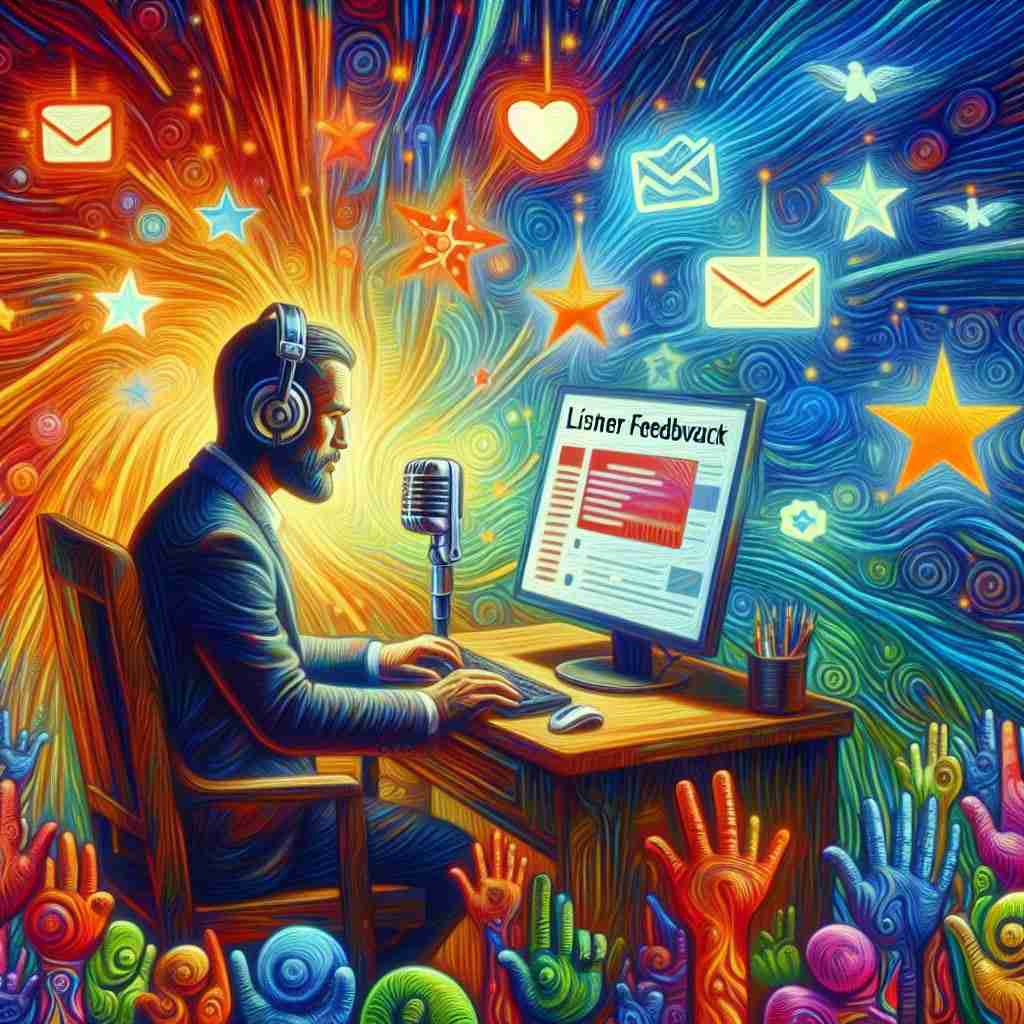
How Does Voice Cloning Impact Creator Revenue?
How Does Voice Cloning Impact Creator Revenue?
- Voice cloning is a significant innovation in technology, transforming the creative landscape.
- Allows creators to produce voices in multiple languages and styles, creating new revenue opportunities.
- Enhances personal connection and intimacy between creators and global audiences.
- Revives nostalgic voices, bridging generational gaps and rekindling lost connections.
- Raises ethical concerns regarding intellectual property and rights management for creators.
- Transparency and sharing experiences are vital to build trust amid anxiety surrounding voice cloning.
- Encourages collaboration among creators, fostering a richer community through shared narratives.

How Does Voice Cloning Impact Creator Revenue?
Conclusion
The exploration of podcast voice cloning reveals a complex landscape where innovation and ethics collide. At its core, voice cloning embodies the duality of technology, offering both the thrill of unprecedented creativity and the specter of exploitation. It invites listeners to experience the familiar comfort of loved ones’ voices, conjuring memories that can bring warmth or, conversely, stir unease. Imagine hearing a beloved relative’s voice recounting stories—a deeply emotional experience that breathes life into past connections. Yet, this marvel raises pressing concerns about consent, manipulation, and trust.
The heart of the matter lies in the ethical implications of using someone’s voice without permission. Voice cloning poses a significant threat: what happens when identities are impersonated for deceit? As deepfakes seep into our media landscape, the trust that underpins human connection is at jeopardy. The narrative encourages us to reflect on how voice cloning could blur the line between authenticity and imitation, urging us to approach this innovation with caution and responsibility.
Podcasters wield significant influence through their narratives, and with that comes a duty to safeguard the integrity of their content. Audiences tune in not just for the information but for the unique essence of the storyteller—an identity that cannot be replaced with a replication. Cloned voices might enhance accessibility and cultural representation, but at what cost to authenticity and emotional resonance? This opens a dialogue about the true nature of storytelling—are we sharing genuine experiences or merely echoing someone else’s?
Listeners, like a cautious community, wrestle with their feelings about clones. The emotional connection tied to a voice is profound, yet the risk of dilution raises questions about what it means to know someone. Clones can serve as mirrors of our desires and fears, challenging the very foundation of our relationships.
In navigating this technological frontier, the onus is on creators to cultivate a culture of integrity, ensuring that voice cloning enriches rather than detracts from the human experience. As we stride forward, let’s prioritize authenticity and connection, striving to keep the heart of podcasting alive in an era where every sound reverberates into the ether. The journey through voice cloning must be one of ethical consideration, creativity, and respect for the voices that shape our stories—reminding us that while technology evolves, the essence of our humanity endures.

Conclusion
Conclusion:
- Podcast voice cloning presents a blend of innovation and ethical dilemmas.
- It evokes emotional responses by allowing listeners to hear familiar voices, stirring memories.
- Concerns arise regarding consent, manipulation, and the potential for identity impersonation.
- Trust is jeopardized as voice cloning blurs the line between authenticity and imitation.
- Podcasters have a responsibility to protect content integrity and authenticity.
- Cloned voices raise questions about emotional resonance and true storytelling.
- Creators must prioritize ethical considerations to ensure technology enriches human connection.
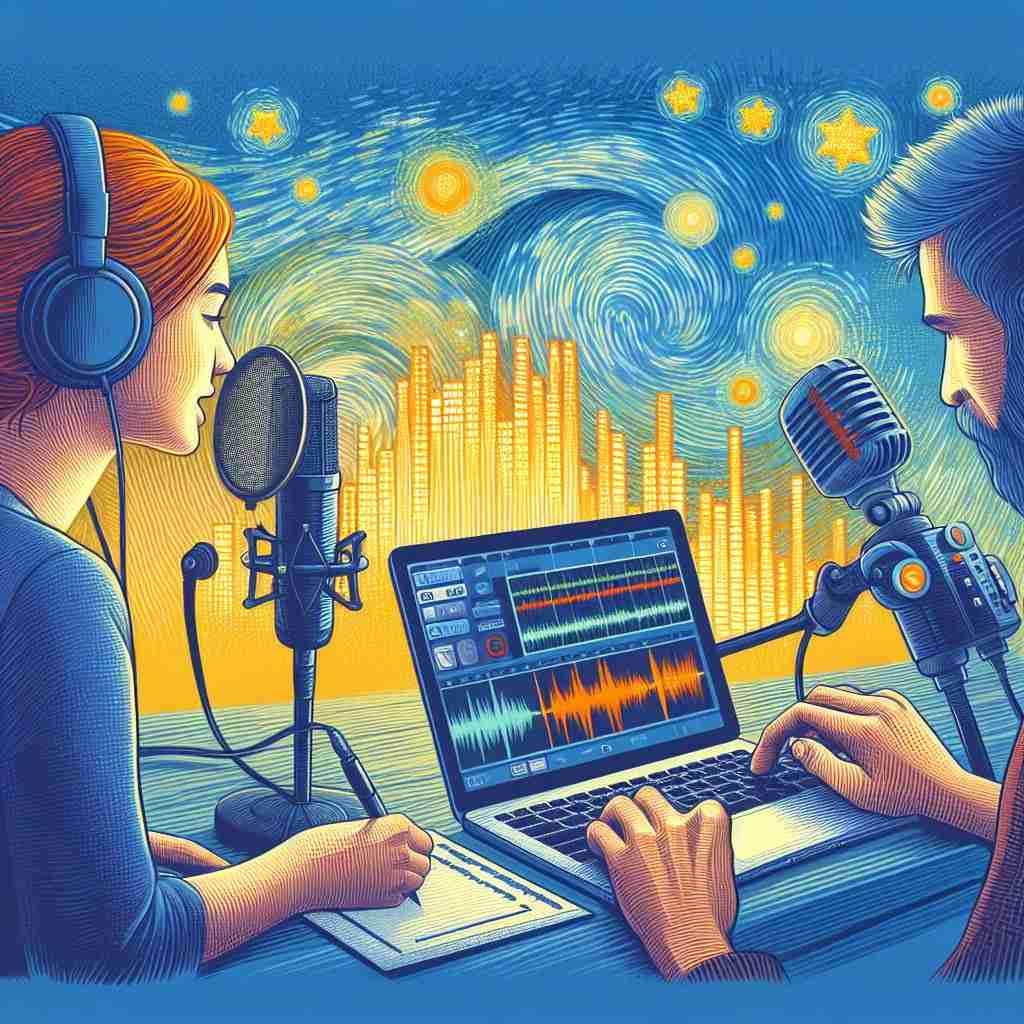
Conclusion
Other Resources

Other Resources
Here is a list of other resources you can review online to learn more:
- Fountain
- Alitu
- Instapaper
- Castro
- Adobe Audition
- Overcast
- CarPlay
- LiveJournal
- Spotify
- r/podcasting
- Pandora For Podcasters
- Planly
- AI Success Club
- Pandora
- Odnoklassniki
- Podkicker
- Plurk
Use This Prompt To Get More Resources With Your Favorite Online AI Tool: Please provide me with a list of online articles with their URLs in a bulleted list that I can read regarding The Dark Side and Bright Side Of Podcast Voice Cloning

Other Resources
Glossary Terms
The Dark Side and Bright Side Of Podcast Voice Cloning – Glossary Of Terms
1. Voice Cloning: The process of using artificial intelligence to replicate an individual’s voice.
2. Synthetic Voice: A computer-generated voice that mimics human speech, often produced through voice cloning technology.
3. Deep Learning: A subset of machine learning that uses neural networks to analyze and synthesize voices.
4. Audio Sample: A recording of a person’s voice used as the basis for voice cloning.
5. Timbre: The unique quality or color of a voice that distinguishes it from others.
6. Phoneme: The smallest unit of sound in a language, crucial for accurate voice replication.
7. Text-to-Speech (TTS): Technology that converts written text into spoken word, often using synthesized voices.
8. Ethical Considerations: Moral issues surrounding the use and implications of voice cloning, including consent.
9. Copyright: Legal rights granted to creators of original content, relevant to voice cloning and ownership of a voice.
10. Impersonation: The act of replicating someone’s voice or characteristics, which can raise ethical concerns in voice cloning.
11. Accessibility: The use of voice cloning to improve communication for those with speech impairments.
12. Brand Voice: The unique tone and style of voice that represents a brand, which can be replicated through cloning.
13. Audio Quality: The clarity and fidelity of a recorded voice, significant in the effectiveness of voice cloning.
14. Deepfake: A type of synthetic media where a person’s likeness is digitally altered, often associated with voice cloning.
15. Voice Actor: A performer who provides the voices for characters in various media, potentially impacted by voice cloning.
16. Personalization: Customizing synthesized voices to reflect individual preferences or traits.
17. Privacy: Concerns regarding the unauthorized use of someone’s voice in cloning technologies.
18. Consent: The agreement from individuals to use their voice for cloning, crucial for ethical practices.
19. Storage: The digital space required to keep voice data and synthesized files.
20. Latency: The delay between input and output in voice synthesis, which can affect user experience.
21. Naturalness: The degree to which a cloned voice sounds like a human voice, impacting its acceptance.
22. User Interface (UI): The design and functionality through which users interact with voice cloning technology.
23. Speech Recognition: The ability of a machine to identify and process human speech, often used in conjunction with voice cloning.
24. Licensing: Legal agreements that regulate the use of cloned voices, ensuring rightful usage.
25. Audio Synthesis: The creation of a voice using various sound generation techniques.
26. Mimicry: The act of closely imitating a voice or style, relevant in voice cloning applications.
27. Recommendation Systems: Algorithms that suggest content based on voice characteristics and user preferences.
28. Anonymity: The ability to maintain one’s identity while using voice cloning technologies.
29. Emotional Range: The ability of a synthesized voice to convey different emotions, enhancing realism.
30. Market Impact: The effects of voice cloning on industries such as entertainment, advertising, and customer service.

Glossary Of Terms
Other Questions
The Dark Side and Bright Side Of Podcast Voice Cloning – Other Questions
If you wish to explore and discover more, consider looking for answers to these questions:
- What laws govern the creation, distribution, and use of cloned voices in my country?
- How can a podcaster legally obtain informed consent to clone someone’s voice?
- Can families or executors authorize cloning the voice of a deceased person, and under what terms?
- How many minutes and what quality of source audio are required to create a convincing voice clone?
- What technical limitations do current voice‑cloning systems have (emotion, nuance, accents, spontaneous speech)?
- How accurate are clones at reproducing tone, inflection, and emotional expression?
- How can listeners reliably detect whether a podcast voice has been cloned?
- What forensic tools or detection methods exist to identify voice deepfakes?
- What are major platforms’ (Spotify, Apple Podcasts, YouTube, etc.) policies on cloned voices and synthetic audio?
- Who is legally and ethically liable if a cloned voice is used for fraud, defamation, or disinformation?
- What best practices and ethical guidelines should podcasters follow when using voice cloning?
- Should creators disclose the use of voice cloning to their audience, and what form should that disclosure take?
- How does voice cloning affect intellectual property rights, voice rights, and revenue sharing?
- Can cloned voices be licensed or monetized, and what contractual models exist for that?
- How can creators protect their own voices from being cloned without authorization?
- What recourse does someone have if their voice is cloned and used without permission?
- What privacy and data‑security risks arise from storing voiceprints and training datasets?
- Are there technical standards or watermarking methods to label synthetic or cloned audio clearly?
- How might voice cloning exacerbate bias, stereotyping, or cultural appropriation in storytelling?
- What impact will widespread voice cloning have on employment for voice actors, narrators, and broadcasters?
- How could voice cloning change the economics of podcast advertising, sponsorship, and endorsement authenticity?
- What regulatory or platform interventions are most effective at preventing misuse of cloned voices?
- How can podcasters ethically recreate or simulate the voices of loved ones for memorial or therapeutic projects?
- Are there technical controls to restrict cloned voices from generating statements that the original speaker would not have made?
- How expensive and accessible is voice‑cloning technology for independent creators versus enterprises?
- How resilient are clones over time as the original speaker’s voice changes with age or health?
- Can cloned voices be adapted convincingly to new languages, dialects, or culturally specific pronunciations?
- What legal, insurance, or industry resources exist to support victims of malicious voice cloning?

Other Questions
Haiku
The Dark Side and Bright Side Of Podcast Voice Cloning – A Haiku
Voices echo through time,
Cloned whispers weave truth and lie,
Ethics frame the sound.
Haiku
Poem
The Dark Side and Bright Side Of Podcast Voice Cloning – A Poem
In a world where voices breathe life anew,
Podcastings dream, both bright and askew.
Cloning whispers tales from the grave,
Yet shadows of menace leave hearts to rave.
A familiar sound, a balm for the soul,
Yet strings of deceit may take their toll.
Once loved ones speak, reliving the past,
But without their consent, such echoes could last.
Trust on the line, authenticity blurred,
Every sweet word might leave us disturbed.
An art form reborn, or a knife to the gut,
Where do we draw lines when the souls in the cut?
Ethics entwined in each cloned refrain,
A tapestry woven with joy and with pain.
As stories unfold, listeners engage,
Yet discomfort lingers, a compelling stage.
Creators, dear guardians, with power so vast,
Must honor the voices that echo from the past.
To amplify truth while preserving the heart,
In harmony’s dance, let integrity start.
May we tread softly, both bold and aware,
Sculpting new stories that we all can share.
A world intertwined through voice and through sound,
Together we rise, where true self is found.

Poem
Checklist
The Dark Side and Bright Side Of Podcast Voice Cloning – A Checklist
Emotional Appeals
✅______ Reflect on how voice cloning can evoke memories of lost loved ones and shared experiences.
✅______ Consider the emotional impact of hearing a familiar voice in storytelling.
✅______ Think about the comfort that authentic voices provide, especially from cherished figures.
Rational Appeals
✅______ Analyze the implications of voice cloning on authenticity and identity.
✅______ Assess the potential for deception and misinformation stemming from cloned voices.
✅______ Evaluate the economic benefits and risks associated with voice cloning for creators.
Ethical Appeals
✅______ Discuss the importance of consent when using cloned voices.
✅______ Address the ethical responsibility of creators regarding the use and representation of cloned content.
✅______ Reflect on ownership and the integrity of original voices and narratives.
Authority Appeals
✅______ Look for guidelines or industry standards regarding the ethical use of voice cloning.
✅______ Consider expert opinions on the implications of cloning technologies in media.
✅______ Stay informed about legal rights related to voice replication.
Narrative Appeals
✅______ Share personal stories or fictional scenarios about the impact of hearing a cloned voice.
✅______ Create dialogues emphasizing the blend of technology with human emotion in storytelling.
✅______ Explore narratives that question the authenticity of cloned voices versus actual experiences.
Social Appeals
✅______ Engage in community discussions about the implications of voice cloning.
✅______ Encourage shared insights and experiences related to voice cloning in podcasts.
✅______ Foster a supportive network that values transparency and ethical considerations in content creation.

Checklist
At PodcastBig, we help people who want to learn about podcasting by collating information and news about podcasting.
Be sure to read our other related stories at PodcastBig to learn more about podcasting.