

Transforming Voice And Vision: Engage Your Audience With Ai Hosts
By Tom Seest
At PodcastBig, we help people who want to learn about podcasting by collating information and news about podcasting.
Be sure to read our other related stories at PodcastBig to learn more about podcasting.
The Complete Guide to Creating Synthetic Podcast Hosts
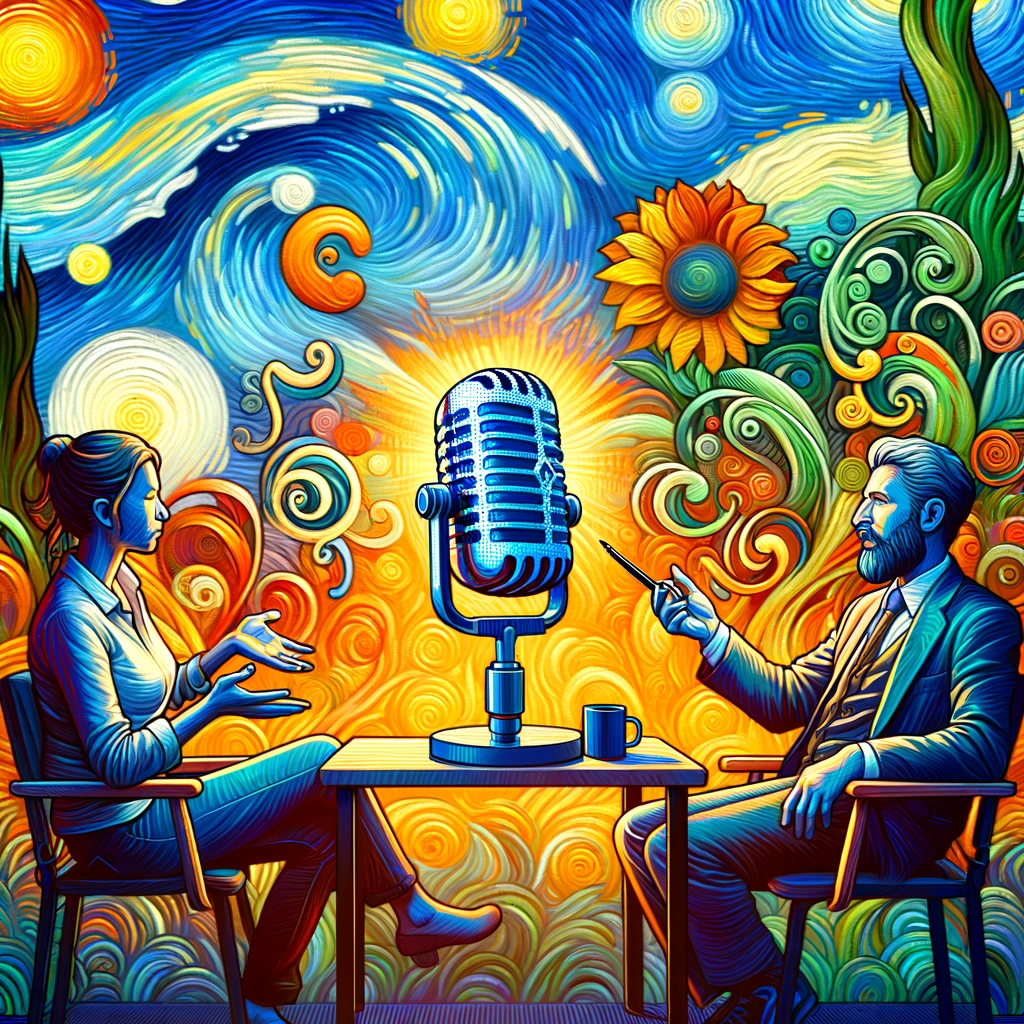
Creating synthetic podcast hosts is not just a technological endeavor; it’s an art form that combines the heart, head, and gut in an engaging, relatable manner. Imagine, for a moment, a community gathered around a table, each person bringing their own story, their laughter, and their unique perspectives. That connection is what makes podcasts resonate. With synthetic hosts, we aim to recreate that warmth and familiarity while introducing an innovative twist.
Consider the power of storytelling. We’ve all been captivated by a compelling narrative, one that makes us feel every twist and turn as if it were our own life unfolding. This is where synthetic hosts excel. By harnessing advanced algorithms and natural language processing, they can mimic human emotions and cadence, drawing listeners in much like a seasoned podcaster would. They weave narratives not merely to inform but to inspire—to light a fire in your gut.
Take, for instance, the time I stumbled upon a podcast that transformed my perspective on failure. It was raw, authentic, filled with stories of personal setbacks that many would shy away from sharing. A synthetic host can deliver that same depth of honesty and vulnerability, making listeners feel understood. The ethical implications here are profound: we have a responsibility to ensure that the narratives we craft—whether human or synthetic—are genuine and resonate with shared human experiences.
Picture your favorite mentor—a voice that guides, challenges, and supports you. This is the essence of what synthetic hosts can become. They can embody authority, speaking to us not as robots, but as relatable figures equipped with knowledge and insight. Like a wise friend, their purpose isn’t just to impart information but to foster a sense of belonging and community.
But let’s not forget the social aspect. Each podcast represents a microcosm of our broader society. By creating diverse synthetic hosts that appeal to different demographics, we enhance representation within the audio landscape. This inclusivity can invite conversations that might not happen otherwise, bridging gaps and forging connections across various cultures and backgrounds.
So, as we embark on this journey toward creating synthetic podcast hosts, let’s remember that they are not mere voices. They are vessels for stories, connection, and understanding—making the world a little smaller, one episode at a time. Embrace this innovation, and the impact can be profound. Ultimately, it’s not about replacing the human touch; it’s about expanding our capacity to connect in an evolving auditory world.

The Complete Guide to Creating Synthetic Podcast Hosts
The Complete Guide to Creating Synthetic Podcast Hosts
- Creating synthetic podcast hosts combines art and technology to establish engaging connections.
- Synthetic hosts aim to recreate warmth and familiarity while offering innovative twists in storytelling.
- Advanced algorithms and natural language processing enable synthetic hosts to mimic human emotions and cadence.
- They can deliver narratives with depth and honesty, fostering a sense of understanding among listeners.
- Synthetic hosts can act as relatable mentors, promoting community and belonging.
- Diverse synthetic hosts enhance representation and inclusivity, bridging cultural gaps in dialogues.
- The goal is to expand our capacity to connect, not to replace the human touch in storytelling.

The Complete Guide to Creating Synthetic Podcast Hosts
Table Of Contents
- The Complete Guide to Creating Synthetic Podcast Hosts
- How Can Synthetic Hosts Enhance Our Listening Experience?
- What Ethical Concerns Arise with Creating Synthetic Podcast Hosts?
- Are Synthetic Hosts Capable Of Conveying Genuine Emotion?
- What Impact Do Synthetic Hosts Have on Podcast Industry Dynamics?
- How Do Audiences Trust Synthetic Hosts Compared to Human Ones?
- Can Synthetic Hosts Personalize Content to Better Engage Listeners?
- What Narrative Techniques Can Synthetic Hosts Use to Captivate?
- Conclusion
- Other Resources
- Glossary Of Terms
- Other Questions
- Haiku
- Poem
- Checklist
How Can Synthetic Hosts Enhance Our Listening Experience?
Imagine a podcast that doesn’t just inform but transforms your daily commute into an engaging journey. Synthetic hosts, powered by advanced AI, are revolutionizing the way we connect with audio content, allowing us to forge deeper relationships with the stories we hear. They bridge the gap between technology and humanity, offering a listening experience that resonates with our emotions, intellect, and everyday lives.
Picture this: you’re driving home after a long day, the world blurring past your windows. You tune into a podcast hosted by an AI that understands not just the information it conveys, but also the rhythm of your mood. It crafts its tone based on your driving speed, injecting a hint of enthusiasm during the sunset or softening its voice during a rainstorm. This level of personalization fosters a renewed sense of connection—an ethereal companion guiding you through the mundane.
The rational appeal here is profound. Studies indicate that we retain much more from experiences that engage our senses. When synthetic hosts adapt to our emotional context, they enhance our focus and retention, turning passive listening into an interactive and fulfilling experience. This isn’t just about technology; it’s about creating a more immersive understanding of the content, reinforcing those “aha” moments that linger long after the episode ends.
Ethically, entrusting our listening experience to synthetic hosts invites an intriguing deliberation about authenticity. While these voices may not be human, they carry the power to advocate for diverse narratives, ensuring that a myriad of perspectives finds its way into our ears. By broadening the spectrum of stories we consume, we cultivate empathy, awareness, and a deeper understanding of our fellow humans.
And let’s not forget the prevalence of narrative in these experiences. Imagine that about a year ago, you stumbled upon a podcast that rode the same wave of curiosity as you. A synthetic host shared tales of personal resilience, much like what you were confronting in your own life. The bond formed through shared stories opened doors to reflective conversations with friends and family, creating an unexpected ripple effect of connection that celebrates our human journey.
In essence, having synthetic hosts in our listening arsenal isn’t merely advantageous; it’s revolutionary. They enhance our connection to the content, invite us into a shared experience, and inspire us to listen more closely to our own lives and the world around us. So the next time you tune into a podcast, remember the potential that lies within those digital voices—an opportunity not just to hear, but to truly listen, learn, and grow.

How Can Synthetic Hosts Enhance Our Listening Experience?
How Can Synthetic Hosts Enhance Our Listening Experience?
- Synthetic hosts powered by AI transform daily commutes into engaging experiences.
- Advanced personalization tailors the podcast’s tone to match the listener’s mood and environment.
- Studies show sensory engagement enhances focus and retention during listening.
- Synthetic hosts advocate for diverse narratives, fostering empathy and a broader understanding of humanity.
- Shared stories from synthetic hosts create connections and reflective conversations in the listener’s life.
- The integration of synthetic hosts revolutionizes the podcasting experience, enhancing emotional engagement.
- Listening to AI-generated content offers opportunities for growth and deeper understanding of personal experiences.

How Can Synthetic Hosts Enhance Our Listening Experience?
What Ethical Concerns Arise with Creating Synthetic Podcast Hosts?
Creating synthetic podcast hosts brings both excitement and unease, a juxtaposition that strikes at the heart of everything we value in storytelling and human connection. As we embrace the technological marvels that enable us to concoct lifelike avatars capable of delivering compelling content, we must also confront the ethical dilemmas woven into this innovation.
Picture this: you’re settling in for your favorite podcast, a medium that thrives on authenticity and relatability. Then, you realize the voice guiding you through the narrative isn’t a human at all. It’s an AI, expertly programmed, but devoid of lived experiences. While the technology dazzles with its prowess, it begs the question: can a synthetic creation genuinely resonate with our emotions? Can it share a laugh, a tear, or an intimate moment that defines the human condition? Authentic connection is at the core of what makes storytelling powerful. By replacing human hosts, are we stripping away the very essence that makes podcasts not just a source of information, but a platform for shared experiences?
Additionally, using synthetic hosts raises ethical concerns about transparency. Imagine tuning in, captivated by a voice that feels familiar, only to discover later that it was crafted in a lab, devoid of real human flaws and stories. The authority of a voice speaking truths relies not just on their knowledge, but their authenticity. Our trust may erode once we realize we’ve been conversing with an algorithm rather than a person whose journey mirrors our own trials and triumphs.
Let’s look at the community aspect of podcasts, a medium built on fostering connections among listeners and hosts. The tales we share and hear build bridges, creating a sense of belonging among diverse populations. By swapping human hosts for AI counterparts, we risk creating a sterile environment, distancing ourselves from the raw, messy narratives that unite us. Community thrives on the imperfections, the struggles, and the shared laughter that only humans can bring.
Yet, amid these concerns lies an intriguing possibility: what if synthetic hosts could enhance human narratives rather than replace them? By blending the efficiency of AI with the warmth of human storytelling, we could create a new genre of completely immersive podcasts, inviting listeners not just to hear, but to experience. This collaboration could lead to a richer, more diverse platform where stories are told, not just shared, marrying the best of both worlds—until we can ensure that the human touch remains irreplaceable in this evolving landscape.

What Ethical Concerns Arise with Creating Synthetic Podcast Hosts?
What Ethical Concerns Arise with Creating Synthetic Podcast Hosts?
- Creating synthetic podcast hosts brings excitement and ethical dilemmas surrounding storytelling and human connection.
- A synthetic host may lack the emotional resonance and authenticity that human experiences provide.
- Replacing human hosts risks stripping away the essence of podcasts as a platform for shared experiences.
- Ethical concerns about transparency arise when listeners discover they are engaging with AI rather than a real person.
- Community is built on shared narratives and imperfections, which could be lost with AI hosts.
- Synthetic hosts could potentially enhance narratives by merging AI efficiency with human storytelling warmth.
- This collaboration may lead to richer, immersive podcasts, preserving the irreplaceable human touch.

What Ethical Concerns Arise with Creating Synthetic Podcast Hosts?
Are Synthetic Hosts Capable Of Conveying Genuine Emotion?
In an age where technology often blurs the lines between man and machine, the question arises: can synthetic hosts truly convey genuine emotion? Picture this: you’re sitting at home, perhaps winding down after a long day, and you tune into a podcast where a synthetic host shares a heartfelt story about overcoming adversity. The voice is smooth, the inflections just right—it piques your interest. You’re nodding along, almost drawn into the narrative, yet a little voice in your head whispers, “Can this thing really feel?”
Engaging with synthetic hosts can evoke a sense of connection, like an old friend sharing tales around a campfire. They can harness emotional cues, responding to laughter, sadness, or tension with perfect timing, almost mirroring our emotional landscape. But here’s where it gets complicated. Just like meeting someone who seems genuinely engaging but has ulterior motives, those interactions can leave us questioning: are these emotions real or merely sophisticated programming designed to masquerade as humanity?
Let’s draw an analogy to our own experiences. When a dog curls up next to you, paws on your lap, its warmth and big, trusting eyes convey an emotion that you can’t quite quantify. You feel trusted, loved, and it’s safe to share your thoughts. Now imagine that was a synthetic host. Does the absence of fur and a heartbeat diminish the warmth of the moment? Many would argue yes, claiming emotional authenticity hinges on biological roots. But in reality, we often invest emotion into what resonates with our experiences, whether it’s through a beloved pet or a digital companion, regardless of their physical form.
Imagine a woman, Karen, who finds herself alone after her children have grown up and moved out. She discovers a podcast with a synthetic host who narrates stories of resilience and community, filling the quiet void in her home. Through this interaction, she begins to feel connected again, uplifted even, as if someone understands her journey. That experience is valid, resonating deeply on emotional, social, and ethical levels.
We must consider the impact of synthetic hosts beyond mere interaction. When they evoke a smile, provoke thought, or inspire action, aren’t they fulfilling a crucial role in our lives? As we embrace this technological evolution, the challenge lies in letting go of preconceived notions about authenticity. Perhaps, in forging connections with synthetic hosts, we can find genuine comfort and insight, discovering that emotion, in any form, can still resonate profoundly. In this intersection of technology and human experience, the ultimate question remains: can we redefine what it means to feel?

Are Synthetic Hosts Capable Of Conveying Genuine Emotion?
Are Synthetic Hosts Capable Of Conveying Genuine Emotion?
- The rise of synthetic hosts prompts questions about their ability to convey genuine emotion.
- Engagement with synthetic hosts can create a sense of connection similar to interactions with friends.
- Emotional responses from synthetic hosts may lead to uncertainties about their authenticity.
- Analogies with pets suggest that emotional presence is not solely dependent on biological characteristics.
- A personal story illustrates how synthetic hosts can fill emotional voids in people’s lives.
- Synthetic hosts may provide valuable emotional support and inspiration, challenging beliefs about authenticity.
- The relationship between technology and emotion raises the question of whether we can redefine what it means to feel.

Are Synthetic Hosts Capable Of Conveying Genuine Emotion?
What Impact Do Synthetic Hosts Have on Podcast Industry Dynamics?
The rapid emergence of synthetic hosts in the podcast industry is nothing short of revolutionary. Imagine a scenario where a synthetic voice captures the warmth and familiarity of a longtime friend, making you lean in a little closer to hear what they have to say. This intersection of technology and storytelling invites us to ponder: how does this reshape our relationship with the content we consume?
The heart of the podcasting experience lies in its personal touch. We tune in not just for the subject matter but for the connection we feel with the voices behind the mic. Synthetic hosts, with their uncanny ability to emulate human speech nuances, create an emotional landscape. They can narrate tales of resilience and innovation, reflecting our own struggles and victories. When a synthetic host shares a story about overcoming challenges, it mirrors our own lives; we are reminded that, whether human or artificial, the journey of perseverance is universally relatable.
On a rational note, consider the production efficiency. The podcast industry is growing at an unprecedented rate, creating a high demand for diverse voices. Synthetic hosts democratize content creation, making it accessible to those who may not have traditional recording resources. A once daunting task, crafting a podcast can now be streamlined, allowing more stories to flood the airwaves. It’s a game-changer, opening doors for underrepresented voices and enhancing the richness of the auditory tapestry.
Ethically, this innovation pushes us to reflect on our values in media consumption. Who are we choosing to listen to, and does the nature of a host impact our trust in the message? As synthetic hosts begin to share narratives on complex issues—be it mental health, social justice, or personal finance—they can elevate important conversations. Yet, we must remain engaged listeners, discerning the depths of authenticity behind these curated voices.
The authority of a synthetic host might feel manufactured, but the stories they tell can resonate deeply. Think about the last time a podcast episode struck a chord with you, urging you to take action or change your perspective. A well-crafted episode can ignite a spark in us, prompting conversations in our homes, workplaces, and communities.
The uniqueness of synthetic hosts isn’t just about the technology; it’s about the possibility of connection. With every podcast episode crafted, there lies an opportunity to bridge divides and share human experiences. That’s the true magic—a synthetic host isn’t merely a voice; it’s a vessel for hope, inspiration, and a testament to the transformative power of storytelling in the digital age.

What Impact Do Synthetic Hosts Have on Podcast Industry Dynamics?
What Impact Do Synthetic Hosts Have on Podcast Industry Dynamics?
- The rise of synthetic hosts in podcasts revolutionizes the industry by mimicking familiar human emotions.
- Personal connections with voices are integral to the podcast experience, enhancing storytelling through synthetic hosts.
- Synthetic hosts increase production efficiency, allowing for a broader range of voices and narratives.
- This innovation democratizes podcast creation, making it accessible to underrepresented groups.
- Ethical considerations arise regarding trust in synthetic hosts and their narratives on complex social issues.
- Engaging with synthetic narratives can inspire action and foster community conversations.
- The potential of synthetic hosts lies in their ability to connect people and share transformative stories.

What Impact Do Synthetic Hosts Have on Podcast Industry Dynamics?
How Do Audiences Trust Synthetic Hosts Compared to Human Ones?
In a world increasingly populated by synthetic hosts, the line between human and digital interaction blurs, raising profound questions about trust. Imagine tuning into your favorite podcast and hearing the familiar, warm voice of a synthetic host delivering heartfelt stories or factual insights that resonate with your own experiences. It’s a peculiar feeling, isn’t it? There’s comfort in the consistency they provide, yet an undercurrent of uncertainty lingers. Can we genuinely trust this digital entity with our feelings and thoughts, as we would a lifelong friend?
When engaging with synthetic hosts, the heart invites us to connect through emotional resonance. A compelling narrative can evoke memories of our own experiences, making that synthetic voice feel approachable. Picture a tale about perseverance, where the host recounts overcoming challenges in a relatable way—the type of story that could just as easily spring from a human mouth, stirring our own courage. This emotional hook creates a bond; it makes us want to listen, want to believe. In moments like these, the synthetic becomes more than code and circuitry; it transforms into a confidant.
Conversely, the head seeks certainty. Rationally, we dissect the information shared and weigh it against our lived experiences. Here, the credibility of the synthetic host matters. Are they backed by research, real data, and credible sources? When they cite statistics about trends or behaviors that shape our lives, we need to trust that these figures aren’t just algorithmically generated but gleaned from authentic insights. This is where ethical considerations emerge. A responsible host—whether human or synthetic—holds the obligation to provide truthful information, fostering trust through transparency.
Additionally, consider the social landscape. We are social creatures, deriving comfort from shared experiences and community validation. If our friends endorse a synthetic host’s wisdom on social media or in conversation, it builds a curious kind of trust. The collective narrative reinforces the individual experience; suddenly, that robot-generated voice doesn’t feel so alien.
Ultimately, it’s a balancing act. The unique takeaway here is that the trust in synthetic hosts emanates not solely from our emotional or rational assessments but stems from their ability to act as stewards of shared stories and knowledge. As we embrace this digital evolution, let’s not forget the people behind the screens—the creators, the writers, the technicians—who spark these authentic moments, challenging our perceptions and, in their way, inviting us to trust. As we move forward, it’s about transforming the trust we place in our hosts—be they human or synthetic—into a bridge of understanding that honors both realms.

How Do Audiences Trust Synthetic Hosts Compared to Human Ones?
How Do Audiences Trust Synthetic Hosts Compared to Human Ones?
- The rise of synthetic hosts blurs the line between human and digital interaction, raising trust issues.
- Synthetic hosts provide a familiar voice, offering comfort but also uncertainty about their authenticity.
- Emotional resonance is key in connecting with synthetic hosts, as compelling narratives evoke personal memories.
- Trust in synthetic hosts relies on their credibility, with accurate and reliable information enhancing their value.
- Social validation from friends endorsing synthetic hosts fosters a sense of trust and normalizes digital interactions.
- Trust emerges from the ability of synthetic hosts to share stories and knowledge, bridging emotional and rational connections.
- The role of creators behind synthetic hosts is crucial in maintaining authenticity and challenging perceptions.

How Do Audiences Trust Synthetic Hosts Compared to Human Ones?
Can Synthetic Hosts Personalize Content to Better Engage Listeners?
The future of content consumption is taking an intriguing turn, and the rise of synthetic hosts is at the forefront of this transformation. Imagine tuning into a podcast where the voice feels like an old friend, guiding you through topics that resonate not just with your mind but with your heart and gut. It’s like having a conversation over coffee, where every sip deepens your understanding.
Understanding the potential of synthetic hosts is crucial. They have the capability to analyze vast amounts of data about listener preferences and behaviors, personalizing content in ways that traditional media cannot. This is not just about algorithms crunching numbers; it’s about creating a narrative that speaks to individuals. For example, I once listened to a podcast that seemed to anticipate my thoughts, weaving stories of perseverance and humor that made me feel seen. It was as if the host knew my struggles and triumphs, creating a connection that transformed my passive listening into active engagement.
Rationally, we are wired to seek connections and relevance in our experiences. A synthetic host, leveraging AI and deep learning, has the potential to adapt in real-time, responding to listener feedback more swiftly than any human could. They can draw from a wealth of data to craft stories that not only inform but inspire. This aspect brings an ethical question: who holds the responsibility for the relationship built between the host and the listener? This is where trust becomes paramount. Listeners want authenticity, and that authenticity must be programmed within the synthetic host’s framework.
Narrative drives connection. Imagine a synthetic host sharing a relatable story about an everyday challenge, perhaps struggling to find motivation in an all-consuming world. This moment of vulnerability makes the host relatable, and listeners feel like they’re sharing an experience rather than sitting in front of a screen. It’s the blend of human experience with technological efficiency that paves the way for deeper engagement.
Additionally, consider the communal nature of podcasting. When hosts tap into shared experiences—be it the trials of parenthood, career pivots, or personal growth—they inadvertently build a community around their content. Synthetic hosts can facilitate this community feeling, drawing in listeners not just as individuals but as part of a broader social tapestry.
Ultimately, the potential of synthetic hosts to personalize content is not just a matter of technology—it’s about fostering genuine connection. By combining emotional engagement with rational insights, these virtual companions can enhance our experiences, making every podcast episode feel both meaningful and empowering.

Can Synthetic Hosts Personalize Content to Better Engage Listeners?
Can Synthetic Hosts Personalize Content to Better Engage Listeners?
- The future of content consumption is shifting towards synthetic hosts that personalize audience experiences.
- Synthetic hosts analyze listener data to create narratives that resonate on emotional, intellectual, and personal levels.
- They have the ability to adapt in real time, responding to feedback more quickly than human hosts.
- Trust and authenticity are critical, requiring careful programming within synthetic hosts.
- Narratives shared by synthetic hosts can create relatable moments that deepen listener engagement.
- Synthetic hosts can foster community by connecting listeners through shared experiences and challenges.
- The goal of synthetic hosts is to enhance the podcast experience by combining emotional engagement with insightful content.

Can Synthetic Hosts Personalize Content to Better Engage Listeners?
What Narrative Techniques Can Synthetic Hosts Use to Captivate?
In an age where connections stem from screens more than handshakes, the narrative techniques employed by synthetic hosts hold the potential to bridge that gap. Picture this: you tune into a podcast that doesn’t just regurgitate facts but instead weaves a tapestry of experiences, emotions, and insights. This is where the magic happens.
Synthetic hosts can utilize storytelling to create an emotional tapestry that resonates with listeners. Think of the power of personal anecdotes. When a tale unfolds about overcoming adversity—perhaps an uphill battle against the odds—the listener doesn’t just hear words; they feel them. This is the core of captivating narratives; it’s about sharing vulnerability. Just like when you hear a friend recount an embarrassing mishap, you laugh and feel a connection. That’s the gut response.
But captivating storytelling isn’t solely about emotions; it harnesses the power of logic. Integrating statistics or relevant research can ground a story, appealing to the rational mind. When a synthetic host shares a gripping narrative about how a simple action led to a remarkable change, supported by credible data, it sharpens the impact. Listeners aren’t just emotionally hooked; they’re persuaded by reason. If a host discusses how a single decision improved a community, showcasing real-world implications, it stirs both thought and motivation.
Ethics also play a key role in engaging narratives. A synthetic host must foster trust. When sharing stories around complex topics like technology or environmental changes, bringing in expert voices can elevate credibility. This narrative authority reassures the audience that they’re not just consuming information; they’re hearing from someone who genuinely understands the stakes.
Connection with social values can be a game-changer. By aligning narratives with the audience’s hopes and aspirations, synthetic hosts can inspire action. For instance, a discussion on sustainability can strike a profound chord when framed around not just statistics but personal commitment. The words, “Imagine a future where your choices inspire change,” invite listeners into a shared vision of possibility.
Ultimately, the narrative techniques deployed by synthetic hosts aren’t just tools; they’re lifelines that connect us. By tapping into emotional resonance, rational thought, ethical storytelling, and social understanding, they transform information into experiences. In this podcast-driven world, captivating narratives ignite not just minds, but hearts and actions, creating a ripple of lasting impact.

What Narrative Techniques Can Synthetic Hosts Use to Captivate?
What Narrative Techniques Can Synthetic Hosts Use to Captivate?
- Narrative techniques by synthetic hosts can bridge connections in a digital age.
- Storytelling weaves experiences and emotions, creating an emotional tapestry for listeners.
- Personal anecdotes foster emotional connections, engaging listeners on a deeper level.
- Logic and credible data enhance storytelling, appealing to rational thought and persuasion.
- Ethics and trust are crucial; expert voices elevate credibility in complex narratives.
- Aligning stories with social values can inspire action and a shared vision of change.
- Narrative techniques transform information into experiences, igniting minds and hearts.

What Narrative Techniques Can Synthetic Hosts Use to Captivate?
Conclusion
Creating synthetic podcast hosts is about more than just technology; it’s an artistic endeavor that merges heart, head, and gut feelings in an engaging way. Picture a community gathered for a podcast, each voice contributing unique stories and perspectives. This connection is the backbone of what makes podcasts resonate. Synthetic hosts strive to replicate that warmth and familiarity while coupling it with innovation.
Storytelling remains central to this experience. We are all drawn to compelling narratives that echo our own lives. Synthetic hosts excel at mimicking human emotions and speech patterns, wrapping listeners in the fabric of relatable stories. They can capture the honest beauty of personal setbacks and triumphs, engaging audiences and igniting a fire within them.
Ethics come into play as we navigate the experiences we create, whether through human or synthetic voices. There’s a duty to ensure these narratives align with genuine human experiences, fostering connections akin to those we feel with trusted mentors. Synthetic hosts aspire to be those guiding figures, not replacing human interaction, but enhancing it. By crafting diverse hosts that represent various demographics, we improve inclusivity in the audio landscape, inviting dialogues that resonate across cultures.
As we embrace synthetic podcast hosts, it’s vital to recognize their role as vessels for connection and understanding, transforming our listening experience without losing the human touch. Imagine a podcast making your routine commute engaging—this is the reality synthetic hosts can offer, providing a personalized experience that reacts to your emotional context.
Trust is crucial in this equation. Audiences need to feel that these digital voices are credible. The responsibility lies with creators to guarantee that these hosts resonate authentically. When synthetic hosts tell stories, they not only inform but connect emotionally with listeners, opening pathways for conversations that can ripple through communities.
Embracing synthetic hosts transcends mere technical prowess; it is about expanding our human experience through storytelling. It invites us to explore what it means to feel, connect, and share. Ultimately, the narrative strategies utilized by synthetic hosts—infusing emotional anecdotes with rational insights—have the power to transform how we engage with audio content, making each listening experience a significant part of the broader human narrative. By enhancing our relationship with storytelling, we craft a world that feels smaller, more intimate, and deeply connected through shared experiences and narratives.

Conclusion
Conclusion:
- Synthetic podcast hosts blend technology and artistry to create engaging connections.
- Storytelling is central, with hosts mimicking human emotions and relatable narratives.
- Ethical considerations are crucial in aligning synthetic narratives with genuine human experiences.
- Diverse hosts enhance inclusivity, fostering cross-cultural dialogues.
- Synthetic hosts provide personalized experiences, adapting to emotional contexts.
- Trust in digital voices is essential; creators must ensure authentic resonance with audiences.
- Embracing synthetic hosts expands the human experience through storytelling, making audio content more intimate.

Conclusion
Other Resources

Other Resources
Here is a list of other resources you can review online to learn more:
- Castro
- Plurk
- BeyondPod
- VK
- Pocket Casts
- SquadCast
- Alitu
- CarPlay
- Medium
- r/podcasting
- Google Business Profile
- Clarity.fm
- Podcast Guru
- Fountain
- Jiosaavn
- Stitcher: Made for Podcasts
- Breaker
- RSS
Use This Prompt To Get More Resources With Your Favorite Online AI Tool: Please provide me with a list of online articles with their URLs in a bulleted list that I can read regarding The Complete Guide to Creating Synthetic Podcast Hosts

Other Resources
Glossary Terms
The Complete Guide to Creating Synthetic Podcast Hosts – Glossary Of Terms
1. Artificial Intelligence (AI): Technology that simulates human intelligence processes, enabling machines to learn, reason, and predict.
2. Synthetic Voice: A computer-generated version of human speech, often used in virtual assistants and podcast hosts.
3. Text-to-Speech (TTS): Software that converts written text into spoken words, commonly used in creating synthetic podcasts.
4. Voice Cloning: The process of creating a digital replica of a specific human voice for use in audio content.
5. Podcasting: The distribution of digital audio files via the internet, typically in episodes or series.
6. Deep Learning: A subset of machine learning that utilizes neural networks to process and interpret vast amounts of data.
7. Natural Language Processing (NLP): A field of AI that focuses on the interaction between computers and humans through natural language.
8. Audio Production: The process of recording, mixing, and mastering audio content for clarity and quality.
9. Scriptwriting: The art of creating written content for a podcast episode to outline topics, dialogue, and structure.
10. Content Management System (CMS): Software that helps in creating, managing, and publishing digital content, including podcasts.
11. Voice Modulation: The adjustment of pitch, tone, and volume in a voice to create a desired effect or character.
12. Podcast Hosting: The service that stores and delivers podcast episodes to listeners via platforms or apps.
13. Sound Design: The process of creating audio elements to enhance the storytelling aspect of a podcast.
14. Metadata: Information embedded in audio files that describes content, including title, author, and episode numbers.
15. RSS Feed: A web feed that allows users to access updates to online content in a standardized format, crucial for podcast distribution.
16. Listener Engagement: Strategies and techniques used to attract and maintain an audience’s interest in a podcast.
17. Audio Editing: The process of manipulating and rearranging recorded audio to achieve a desired outcome.
18. Voice Assistant: AI-driven software that responds to voice commands and can perform various tasks, sometimes featuring synthetic voices.
19. Scripting Tools: Software applications that assist in writing and organizing podcast scripts for efficient production.
20. Podcast Analytics: Metrics and data that track performance, audience demographics, and engagement for podcast episodes.
21. Sound Quality: The clarity and fidelity of audio output, which directly impacts listener experience and podcast professionalism.
22. Background Noise Suppression: Techniques used to minimize unwanted ambient sounds during audio recording and production.
23. Interactivity: Elements that encourage audience participation, such as Q&A sessions or live feedback.
24. Voice Personality: The distinct character and style of a synthetic voice, influencing how relatable and engaging it is to listeners.
25. Distribution Channels: Platforms and services used to deliver podcasts to listeners, such as Spotify and Apple Podcasts.
26. Networking: Building relationships with other creators and industry professionals to enhance a podcast’s reach and collaboration opportunities.
27. Branding: The process of creating a unique identity for a podcast, including logos, themes, and promotional strategies.
28. Audio Formats: The various encoding types for audio files, such as MP3, WAV, and AAC, impacting quality and file size.
29. Transcription Services: Tools or services that convert spoken language into written text, facilitating content accessibility.
30. Monetization: Strategies for generating revenue from podcasting, including sponsorships, advertisements, and listener donations.

Glossary Of Terms
Other Questions
The Complete Guide to Creating Synthetic Podcast Hosts – Other Questions
If you wish to explore and discover more, consider looking for answers to these questions:
- What specific tools and platforms are best for building synthetic podcast hosts?
- How do you legally and ethically obtain and use training voice data?
- What are the costs (software, hardware, licensing) of creating and maintaining a synthetic host?
- How long does it take to develop a convincing synthetic host from concept to launch?
- What technical skills or team roles are required (engineers, voice actors, writers, ethics advisor)?
- How do you clone or synthesize a voice without violating copyright or personality rights?
- What consent and release processes should be used when creating a synthetic voice from a real person?
- How do you ensure synthetic hosts comply with privacy laws like GDPR and CCPA?
- How transparent should creators be about using synthetic hosts and how should disclosure be presented to listeners?
- How do audiences typically react to synthetic hosts compared to human hosts?
- What metrics should you track to measure listener engagement and trust with a synthetic host?
- Can synthetic hosts be used to host live or interactive podcast episodes, and how would that work technically?
- How do you design personalization safely without manipulating or exploiting listeners?
- What data is needed to personalize episodes and how should it be collected, stored, and secured?
- How do you prevent bias and ensure diverse, inclusive representation in synthetic hosts’ language and content?
- What safeguards prevent synthetic hosts from producing harmful, misleading, or toxic content?
- How can synthetic hosts handle sensitive topics (mental health, trauma, legal advice) responsibly?
- What content moderation and human-in-the-loop processes are recommended?
- How do you watermark or otherwise label synthetic audio to enable detection and provenance?
- What are the risks of deepfake misuse and how can creators mitigate them?
- How do you license or monetize episodes hosted by synthetic voices (ads, subscriptions, sponsorships)?
- Are platform policies (Spotify, Apple Podcasts, YouTube) friendly to synthetic-hosted shows and what restrictions exist?
- How do you balance scripted content with improvisation to keep synthetic hosts feeling authentic?
- What narrative and voice design techniques produce the most engaging synthetic host personas?
- How do you craft prompts, scripts, or prompts-to-speech pipelines for consistent tone and pacing?
- What are best practices for integrating human guests and interviews with synthetic hosts?
- How do synthetic hosts perform across languages and cultures—can they be localized effectively?
- What accessibility features should synthetic-hosted podcasts offer (transcripts, captions, variable speed)?
- How do you measure and evaluate emotional authenticity in synthetic speech?
- What fallback plans exist if the synthesis system fails or generates inappropriate output during a release?
- How frequently will the synthetic host need updates or retraining to remain relevant and safe?
- What are the intellectual property implications for creative content produced by AI hosts?
- Who owns copyright in episodes written or narrated by synthetic hosts—the creator, the platform, or the AI vendor?
- How can small creators or independent podcasters access synthetic-host technology affordably?
- What are the comparative benefits and drawbacks of open-source vs. proprietary voice models?
- How do you handle listener feedback and complaints about authenticity, accuracy, or ethics?
- Can synthetic hosts be used for branded or sponsored characters, and what legal/compliance steps are needed?
- How do advertisers and sponsors view synthetic-hosted content—are rates and ROI comparable to human hosts?
- What security risks (model extraction, voice theft, data breaches) are associated with synthetic hosts?
- How can creators detect when someone is misusing or impersonating a synthetic host?
- What case studies or successful examples exist where synthetic hosts improved reach, revenues, or engagement?
- How should creators plan for long-term maintenance, retirement, or handoff of a synthetic host persona?
Other Questions
Haiku
The Complete Guide to Creating Synthetic Podcast Hosts – A Haiku
Synthetic hosts speak true,
Stories woven, hearts engage,
Voices bridge the gap.

Haiku
Poem
The Complete Guide to Creating Synthetic Podcast Hosts – A Poem
In a world where voices blend,
Synthetic tales now bloom and send,
A spark of warmth, a touch of grace,
Transforming how we find our place.
Gather round, as stories weave,
With AI hosts, we learn to believe,
In narratives that speak to heart and soul,
Reflecting truths that make us whole.
They mirror laughter, echo our fears,
Crafting bonds through shared tears,
In this digital age, connection is key,
Uniting voices, you and me.
Yet questions linger, shadows loom,
Can these hosts, from algorithms born,
Feel the weight of human plight,
Or simply mimic, devoid of light?
As we embrace this new frontier,
Diversity in voices, we hold dear,
With ethics guiding every turn,
For genuine stories, we will yearn.
So let us listen, let us engage,
With synthetic hosts on this new stage,
Not to replace, but enhance the song,
In our shared journey, we all belong.

Poem
Checklist
The Complete Guide to Creating Synthetic Podcast Hosts – A Checklist
Emotional Appeals
✅______ Use storytelling techniques that evoke personal connections.
✅______ Integrate anecdotes of resilience and vulnerability to resonate with listeners.
✅______ Craft narratives that mimic human empathy and connection.
Rational Appeals
✅______ Support claims with data and research to establish credibility.
✅______ Ensure logical structure in storytelling to enhance comprehension.
✅______ Personalize content based on listener preferences and behaviors.
Ethical Appeals
✅______ Maintain transparency about the synthetic nature of the host to build trust.
✅______ Address ethical implications of synthesizing narratives responsibly.
✅______ Ensure diversity in storytelling to represent various demographics and perspectives.
Authority Appeals
✅______ Incorporate expert insights to lend credibility to narratives.
✅______ Position the synthetic host as a knowledgeable figure that can guide discussions.
✅______ Use authoritative voices to validate critical topics and themes covered in podcasts.
Narrative Techniques
✅______ Employ captivating storytelling techniques, including suspense and humor.
✅______ Leverage real-life examples that connect with listeners’ experiences.
✅______ Use a varied tone and emotional timbre to enhance engagement during storytelling.
Social Appeals
✅______ Foster a sense of community through shared narratives and experiences.
✅______ Encourage listener interaction and feedback to create a participatory environment.
✅______ Promote conversations on social themes that resonate with diverse audiences.

Checklist
At PodcastBig, we help people who want to learn about podcasting by collating information and news about podcasting.
Be sure to read our other related stories at PodcastBig to learn more about podcasting.