

Revolutionizing Identity: Harnessing AI For A Powerful Transformation
By Tom Seest
At PodcastBig, we help people who want to learn about podcasting by collating information and news about podcasting.
Be sure to read our other related stories at PodcastBig to learn more about podcasting.
The AI-Powered Cure for Weak Visual Identity
In a world where first impressions matter more than ever, a weak visual identity can leave a company feeling like a whisper in a crowded room. Imagine walking into a bar where everyone else is dressed to the nines, while you’re in last season’s clothes—awkward, right? That’s how your brand feels without the right visual identity. It’s not just about aesthetics; it’s about communication. A striking logo or a cohesive color scheme does more than catch the eye; it tells a story, it evokes trust, and it creates an emotional bond with your audience.
Now, let’s get into the nitty-gritty. Many business owners hear the term “visual identity” and all they see is a jargon-filled roadblock. But what if I told you that AI holds the key to breaking down that barrier? Imagine harnessing powerful algorithms that analyze trends, consumer behavior, and even cultural shifts, delivering insights that could make your brand resonate like never before. The heart of this transformation lies not just in technology but in the narratives we tell. Every pixel and every shade can amplify your story, creating an emotional connection that words alone fail to achieve.
Think about it: We live in a social media landscape where visuals dominate the conversation. Brands that understand this harness AI to create compelling graphics, slick logos, and cohesive branding strategies that resonate deeply with their audience. You want your business to be a feel-good story, to stand for something bigger. This is where ethical branding comes into play. By utilizing AI, you’re not just optimizing your visuals; you’re embracing a philosophy that prioritizes authenticity, sustainability, and connection—a message that consumers today are hungry for.
And here’s where it hits home. There’s a distinct satisfaction in watching your brand grow. When you finally feel your business transforming from a previously invisible entity into a beacon of confidence and trust, that’s a moment worth celebrating. You’re not just investing in design; you’re investing in relationships—creating a framework that welcomes and engages people, no matter who they are.
So, don’t shy away from the power of AI in reshaping your visual identity. Embrace it, nurture it, and share it with the world through platforms as accessible as a podcast. The transformation awaits, but the first step starts with you. Go ahead and let your brand tell its story; it’s time to turn that whisper into a roar.

The AI-Powered Cure for Weak Visual Identity
The AI-Powered Cure for Weak Visual Identity
- A strong visual identity is crucial for making effective first impressions in business.
- Brands lacking a solid visual identity risk feeling invisible, similar to being underdressed in a formal setting.
- Visual identity is more than aesthetics; it’s about communicating trust and building emotional bonds with audiences.
- AI technology can help businesses understand trends and consumer behavior, enhancing their brand resonance.
- Effective visual branding in the social media landscape can create compelling graphics and logos that connect with audiences.
- Utilizing AI can lead to ethical branding that emphasizes authenticity, sustainability, and deeper connections with consumers.
- Investing in your brand’s visual identity fosters relationships and transforms your business into a confident and trusted entity.

The AI-Powered Cure for Weak Visual Identity
Table Of Contents
- The AI-Powered Cure for Weak Visual Identity
- How Can AI Tools Enhance The Creativity Of Your Visual Identity?
- How Can You Differentiate Your Brand In A Crowded Marketplace?
- What Role Does Consistency Play In Building Trust Through Visuals?
- How Can Visuals Shape The Emotional Journey Of Your Customers?
- How Can Storytelling Enhance The Impact Of Your Visual Identity?
- In Which Ways Can Your Visuals Influence Consumer Decision-Making?
- How Do Cultural Nuances Affect The Interpretation Of Visual Identity?
- Conclusion
- Other Resources
- Glossary Of Terms
- Other Questions
- Haiku
- Poem
- Checklist
How Can AI Tools Enhance The Creativity Of Your Visual Identity?
In the modern landscape, where competition for attention is fiercer than ever, the quest to create a compelling visual identity can sometimes feel overwhelming. Enter artificial intelligence—a resource that can help elevate creativity to heights previously thought unattainable. Imagine your brand’s visual identity tapping into a wellspring of inspiration, powered by the insights and capabilities AI provides. It’s about maximizing potential, pouring gasoline on the creative fire that already exists within us.
At its core, AI is like having a trusted partner guiding you through the labyrinth of options. Picture this: every time you sit down to brainstorm, you’re met with a virtual assistant that eagerly analyzes existing trends, customer preferences, and cultural touchpoints. This isn’t just data-driven decision-making; it’s a relationship built on a thorough understanding of what resonates with your audience. When thoughtfully utilized, these tools don’t just generate ideas—they can reveal hidden connections and patterns, offering a roadmap that aligns with your vision.
Now, let’s appeal to the heart. Think about how meaningful your visual identity is—not just as a logo or a color palette, but as the embodiment of your values and mission. AI tools help amplify that message in a way that feels authentic and impactful. The journey of building a brand is more than aesthetics; it’s about storytelling. AI can sift through the noise and bring forth the elements that truly matter, creating a visual narrative that strikes a chord with people who share your passion.
Ethically, it’s crucial to remember that while AI is a powerful ally, it must be wielded responsibly. Our creative choices should reflect our values, and leveraging technology shouldn’t overshadow the human touch. Instead, let AI enhance your creativity while remaining true to your core principles. When you balance innovation with integrity, you foster an authentic connection with your audience, inviting them to be part of your story.
And don’t forget the importance of community—your visual identity isn’t crafted in isolation. AI tools can help you tap into social conversations, enabling you to engage with audiences in meaningful ways and create visual elements that speak to their experiences. It’s not just about standing out; it’s about belonging to something larger. The journey is collaborative, and engaging with your audience’s feedback creates a homegrown connection that no algorithm can replicate.
So, if you’re ready to embrace this game-changing approach, let AI empower your creative process. After all, the beautiful tapestry of your visual identity is waiting to be woven with strands of innovative thought and collective passion. It’s time to take that leap and watch your creativity flourish.

How Can AI Tools Enhance The Creativity Of Your Visual Identity?
How Can AI Tools Enhance The Creativity Of Your Visual Identity?
- The modern market demands compelling visual identities amid fierce competition for attention.
- AI serves as a valuable resource to elevate creativity by providing insights and inspiration.
- AI acts as a virtual assistant, analyzing trends and preferences to enhance brainstorming sessions.
- Visual identity embodies brand values and mission, going beyond mere aesthetics.
- Responsible use of AI can enhance creativity while maintaining a human touch and ethical standards.
- Community engagement is essential; AI can help connect brands with audiences and foster collaboration.
- Embracing AI can transform the creative process, leading to an authentic and impactful visual narrative.

How Can AI Tools Enhance The Creativity Of Your Visual Identity?
How Can You Differentiate Your Brand In A Crowded Marketplace?
In a world bursting with options, standing out isn’t just a strategy—it’s a necessity. To truly differentiate your brand, you need to appeal to the heart, head, and gut of your audience. Start with the heart. Share stories that speak to the human experience. Think about the moments that shaped you—the struggles, the triumphs, the everyday victories. Craft a narrative that resonates, one where your customers can see themselves. This is where emotional connections are forged; it’s what keeps people coming back. Think of it like that moment in a gripping podcast when the host shares a personal story that touches your soul. Suddenly, you’re not just a listener; you’re a part of something bigger.
Next, engage the head. This is where you bring facts and figures into the mix. Demonstrating your value through solid data is essential to building trust. If you can back up your claims with context and evidence, you’re not just a voice in the crowd—you’re a thought leader. Make it clear that you know your industry inside and out, and that your expertise positions you as a trusted authority. Consumers respect brands that can lay it out plainly: here’s what we do, here’s how we do it, and here’s why it matters to you.
Now, let’s shift gears and talk about the gut. This is where ethical considerations come into play. Modern consumers are increasingly drawn to brands that possess a strong moral compass. It’s not just about selling; it’s about serving. Be transparent in your practices, support your community, and show that you’re committed not just to profit, but to people and the planet. When your audience feels that you are genuinely invested in something greater than your bottom line, they’ll instinctively trust you.
Finally, cultivate a sense of social belonging. In today’s marketplace, people crave connection. Encourage dialogue around your brand—ask questions, listen intently, and respond in real-time. Create spaces for your audience to share their experiences, and celebrate those moments together. By fostering this connection, you transform customers into advocates. They not only buy from you; they rally for you.
In a crowded marketplace, differentiation isn’t about being the loudest; it’s about being the most genuine. Be the brand that listens, learns, and leads with heart, wisdom, and integrity.

How Can You Differentiate Your Brand In A Crowded Marketplace?
How Can You Differentiate Your Brand In A Crowded Marketplace?
- Standing out in a crowded marketplace is essential for brand differentiation.
- Engage the heart with relatable stories that resonate with the audience’s experiences.
- Use narratives that forge emotional connections, encouraging customer loyalty.
- Engage the head by providing facts and data to build trust and establish authority.
- Showcase expertise and clearly communicate value to position your brand as a thought leader.
- Appeal to the gut by demonstrating ethical practices and a genuine commitment to people and the planet.
- Cultivate social belonging by encouraging dialogue and creating spaces for audience engagement.
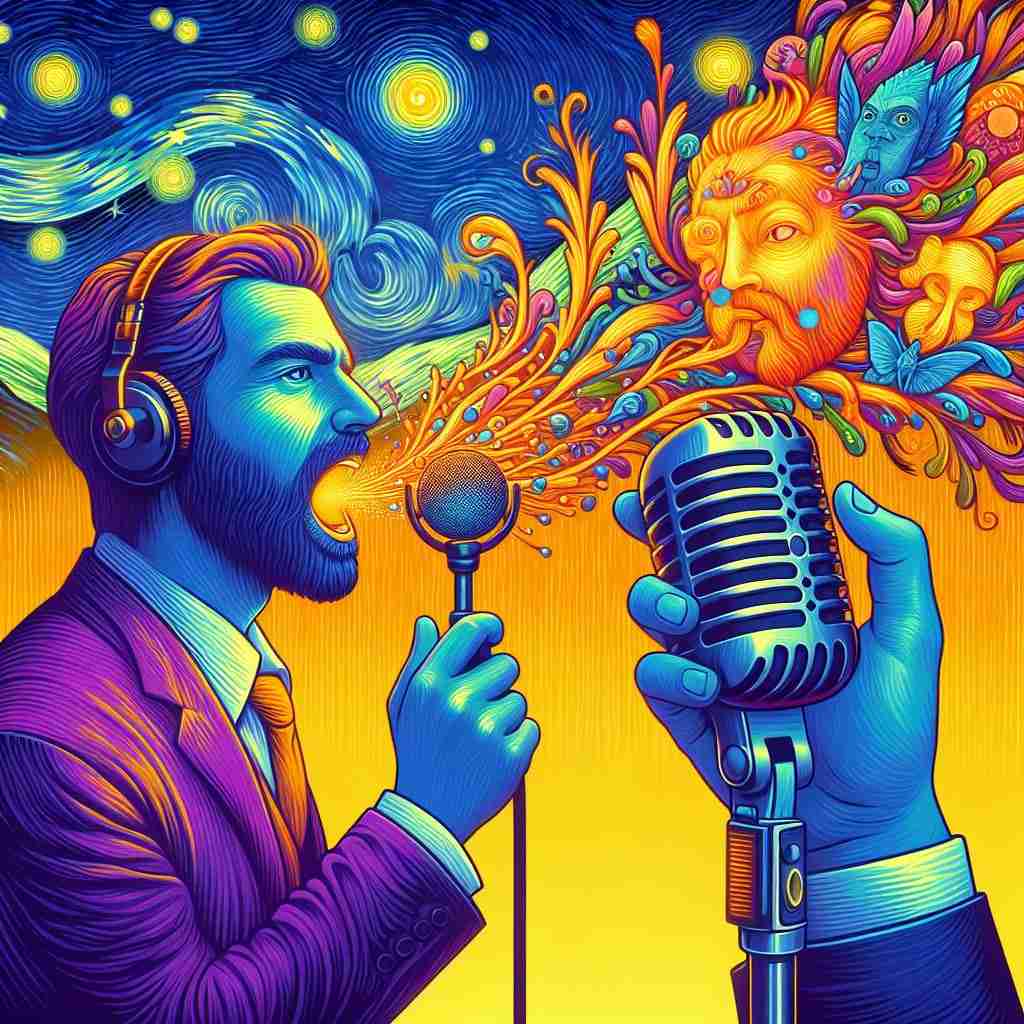
How Can You Differentiate Your Brand In A Crowded Marketplace?
What Role Does Consistency Play In Building Trust Through Visuals?
When we think about the visuals that wrap around us every day, it’s easy to see how they whisper trust—or shout distrust. Imagine walking into a coffee shop that looks like it’s been thrown together in a hurry, where the colors clash and the logos don’t match. Now, think about that warm, inviting corner café with a consistent look and feel. Your gut tells you which place feels more reliable, doesn’t it? That’s the power of consistency in visuals—it doesn’t just catch the eye; it builds bridges to the heart.
Every company has a story to tell, a mission that beats at its core. When visuals align with that mission, they create a tapestry of authenticity. Each color, font, and image stitches together a narrative that resonates with the audience. You might be asking yourself, “How does this translate in the real world?” Picture this: you’re listening to a podcast about entrepreneurship that features a polished brand identity. Each episode feels like part of a grand narrative, reinforcing not just credibility but also a communal sense of belonging. You feel connected to the host, excited by their journey, inspired to take action. That’s the magic of consistent visuals; they elicit emotions that tug at the heartstrings while appealing to the rational mind.
On the flip side, think of brands that shift their visuals without warning—one day sleek and modern, the next a chaotic mix of colors. It creates dissonance; the audience feels uneasy. Why? Because trust isn’t built overnight. It’s a slow dance, one that thrives on reliability. Consistency establishes authority; it lets customers know you mean business and that you’re here to stay. The ethics behind that consistency are clear: you honor your audience by presenting them with a familiar face, nurturing a safe space for them to engage with your brand.
People want to connect; they seek reassurance in an often chaotic world. By embracing visual consistency, you not only foster trust but also create a community around your brand. So, whether you’re crafting a marketing campaign or sharing your passion on a podcast, remember that those visuals are your handshake with the world. Make that handshake sturdy and genuine, and watch as the connections flourish, inspiring others to take action, just as you have.

What Role Does Consistency Play In Building Trust Through Visuals?
What Role Does Consistency Play In Building Trust Through Visuals?
- Visuals can convey trust or distrust through their consistency and design.
- Consistent branding creates a sense of reliability, as seen in contrasting café examples.
- Every company has a core story; visuals that align with this story enhance authenticity.
- Polished brand identities, such as in a podcast, foster connection and inspire action.
- Inconsistent visuals can create dissonance and erode audience trust over time.
- Reliability through visual consistency establishes brand authority and nurtures a safe space for engagement.
- Embracing visual consistency fosters community and meaningful connections with audiences.

What Role Does Consistency Play In Building Trust Through Visuals?
How Can Visuals Shape The Emotional Journey Of Your Customers?
Visuals have an incredible power to shape the emotional journey of your customers, and when wielded effectively, they can transform a simple interaction into a heartfelt connection. Think of a time when a picture evoked a memory or sparked a feeling deep within you. That’s the magic of visuals; they reach into the human experience, stirring nostalgia, joy, or even sadness in mere moments.
When customers engage with your brand, they’re not just experiencing a product; they’re diving into a story painted vividly in their minds. Each image, color, and design element works in harmony, crafting an emotional narrative that pulls at the strings of empathy and understanding. In today’s fast-paced digital landscape, where we’re bombarded by countless messages, visuals help cut through the noise. They say what needs to be said without uttering a word, striking a chord with your audience on a profound level.
Consider the power of a well-composed photograph in telling a brand’s story. An image of a joyful family gathered around a dinner table filled with your food can evoke feelings of warmth and comfort, appealing to the heart. Underneath that cozy scene is a rational appeal; your product is not only delicious but also fosters togetherness, making it a choice worth making.
But there’s more to this than meets the eye. Ethics come into play when your visuals align with authentic messaging, fostering trust. Are you showcasing real people, real stories, and real emotions? Customers want to feel included in a community, to see themselves represented in your brand. That’s where social appeal comes into play—shared visuals create a sense of belonging.
Think of a podcast episode that paints vivid pictures with words; your customers crave that same storytelling through visuals. Each image you employ can become a conversation starter, inviting people to share their thoughts and feelings, creating a tapestry of connections.
As you craft your visuals, remember they are not just images—they are emotional bridges. They inspire action, urging your customers to not only buy into your brand but to become part of a narrative larger than themselves. When you speak to the heart, the head, and the gut, you don’t just sell a product; you ignite a movement.

How Can Visuals Shape The Emotional Journey Of Your Customers?
How Can Visuals Shape The Emotional Journey Of Your Customers?
- Visuals have the power to shape customers’ emotional journeys, transforming interactions into heartfelt connections.
- Images evoke memories and feelings, impacting the human experience with nostalgia, joy, or sadness.
- Engagement with a brand involves experiencing a story through images, colors, and design elements that create an emotional narrative.
- In a saturated digital landscape, visuals help cut through the noise and communicate potent messages without words.
- A well-composed photograph can invoke feelings of warmth and comfort, illustrating the benefits of a product while fostering togetherness.
- Authenticity in visuals builds trust with customers, showcasing real people and emotions to promote inclusivity and community.
- Crafted visuals serve as emotional bridges that inspire actions and connect customers to a larger narrative beyond the product.

How Can Visuals Shape The Emotional Journey Of Your Customers?
How Can Storytelling Enhance The Impact Of Your Visual Identity?
Storytelling is the secret ingredient that can elevate your visual identity from mere aesthetics to an experience that resonates deeply with your audience. Picture this: a logo or a design that flickers to life, not just as a symbol, but as a beacon of your mission, values, and the journey you’re inviting others to join. This is where the heart meets the mind and the gut, forging a connection that goes beyond the superficial.
When you weave a compelling narrative around your visuals, you anchor those images in something larger than themselves. Think of the brands that make you feel something—perhaps a twinge of nostalgia, a spark of hope, or a call to action. They don’t just sell products; they spin stories that echo in the minds of consumers long after they’ve glanced at their ads. These stories create an immediate emotional appeal that draws people in, making them feel it’s not just about buying but belonging.
Rationally, storytelling adds depth and context. It explains the “why” behind your visual choices, transforming raw numbers and data into a narrative that informs and educates. Imagine explaining your logo’s colors or shape through the lens of the brand’s history or mission. This not only enhances understanding but boosts admiration for the thought and care put into every design choice. It’s how you build trust—by allowing your audience to see the dedication behind your work.
On an ethical level, consider how your story can foster an authentic connection. In a world inundated with flashy images and hollow slogans, authenticity shines brightly. When your visuals are tied to a genuine narrative that represents the truth of your brand, you invite people to take a stand with you. You’re not just a company; you’re a community, and belonging to that community gives people a sense of purpose.
Finally, let’s talk social appeal. Good storytelling encourages sharing and dialogue, turning your audience into advocates. As they connect with your narrative, they’re more likely to spread the word, rallying others to your cause. A shared story transforms individuals into a collective force, amplifying the impact of your visual identity and driving collective engagement.
So, harness the power of storytelling; it’s not merely a tool for marketing, but the very backbone of a visual identity that inspires loyalty, trust, and action. Embrace it, and watch your brand’s impact soar.

How Can Storytelling Enhance The Impact Of Your Visual Identity?
How Can Storytelling Enhance The Impact Of Your Visual Identity?
- Storytelling enhances visual identity by creating an experience that resonates with the audience.
- A compelling narrative anchors visuals in a larger context, connecting mission, values, and audience invitation.
- Brands that evoke emotions through storytelling foster feelings of belonging rather than mere product transactions.
- Storytelling adds depth and context to visuals, clarifying the rationale behind design choices and boosting admiration.
- Authentic narratives strengthen connections, fostering community and a sense of purpose among consumers.
- Good storytelling encourages sharing and dialogue, turning audiences into advocates for the brand.
- Harnessing storytelling is essential for building loyalty, trust, and impact in visual identities.

How Can Storytelling Enhance The Impact Of Your Visual Identity?
In Which Ways Can Your Visuals Influence Consumer Decision-Making?
Visuals are the unsung heroes of consumer decision-making — the silent persuaders that communicate way more than words ever could. Think about it. When you scroll through social media or flip through a magazine, what captures your eye first? It’s those vivid images, striking colors, and compelling layouts that stir something deep within you. They create an emotional response that grabs your heart and says, “Hey, you need this!” It’s like how a well-timed podcast can pull you into a story, drawing you in until you feel like you’re part of something bigger.
But visuals do more than tug at your heartstrings; they appeal to your head too. A well-designed infographic can distill complex information into digestible bits, making it easy to see how a product meets your needs. It’s the rational side kicking in, where you weigh options and consider factors before making that all-important choice. Vivid graphs and engaging visuals can highlight deals, benefits, or the quality of materials, nudging you gently toward a decision that feels informed and wise.
Now, let’s not forget about the ethical appeal. Brands that use authentic visuals communicate integrity. When you see real people—like your friends or neighbors—using a product, it creates a sense of trust. You’re not just buying a shiny object; you’re stepping into a community that values authenticity. This builds a bridge between the brand and the consumer, fostering a connection that feels right in your gut.
And the authority aspect? Visuals can establish credibility faster than you can say “influencer.” When a respected figure in a field endorses a product through compelling imagery, it’s like receiving a personal recommendation. You’re more inclined to take the plunge when someone you trust is leading the charge, pointing out the benefits with images that bring those benefits to life.
Then, there’s the powerful narrative that visuals create. From an evocative advertisement to a relatable social media post, stories resonate. They remind us of who we are and what we value, weaving a fabric that ties us all together. So, when you think of how visuals can sway your choices, remember that it’s about more than just aesthetics. It’s a language all its own — one that speaks to your heart, engages your mind, and gives your gut a reason to say, “Yes, I want that.”

In Which Ways Can Your Visuals Influence Consumer Decision-Making?
In Which Ways Can Your Visuals Influence Consumer Decision-Making?
- Visuals play a crucial role in consumer decision-making, often more impactful than words.
- Eye-catching images and colors create emotional responses, compelling consumers to feel a need for products.
- Infographics simplify complex information, aiding rational decision-making by clearly showing product benefits.
- Authentic visuals foster trust and integrity, connecting brands with consumers through relatable imagery.
- Visual endorsements by respected figures enhance credibility, motivating consumers to make purchases.
- Engaging narratives within visuals resonate with consumers’ identities and values, creating a shared connection.
- Overall, visuals communicate a unique language that influences emotions, logic, and instinctive desires.

In Which Ways Can Your Visuals Influence Consumer Decision-Making?
How Do Cultural Nuances Affect The Interpretation Of Visual Identity?
Let’s take a moment to ponder just how deep the waters of culture run when it comes to visual identity. Picture this: a logo, a color scheme, or even a simple design element evokes different feelings in different people around the world. What cuts through one culture might seem like an inside joke to another. That’s the beauty and complexity of cultural nuances—they shape how we perceive, react to, and ultimately trust what we see.
When you think about cultural symbols, consider how a color like red can evoke passion and celebration in one culture, yet signify warning or danger in another. These interpretations are more than just casual observations; they tap into the very fabric of our identities, our histories, and our shared experiences. The right visual identity can create a sense of belonging, but the wrong interpretation could alienate. This isn’t just design; it’s about connecting on a deeply human level.
Don’t believe it? Let’s connect the dots. Anytime you’ve walked into a space that felt warm and welcoming, or a product that felt just right, you’ve experienced the power of visual cues shaped by cultural understanding. It’s not just about what’s seen; it’s about what’s felt. Almost like gathering around the table with a favorite meal, we yearn for familiarity in how we perceive identity. Just as food can taste different depending on who’s cooking, brands and designs resonate differently based on their cultural contexts.
This realm of visual identity is rife with responsibility, too. Think about the ethical implications of how a brand presents itself. Missteps can lead to not just misinterpretation but outright offense. So, understanding cultural nuances isn’t merely a good practice; it’s essential for maintaining trust. Wouldn’t you want a brand or organization to respect and understand your background as you do?
This deep dive into cultural nuances offers a chance for brands to not only showcase their values but to genuinely connect and engage in a meaningful way. It’s about crafting a narrative that resonates, pushing past superficial aesthetics. Each visual decision becomes a chance to respect, educate, and inspire.
The next time you glance at a logo or a campaign, consider not just what you see, but the cultural stories woven into each element. With open eyes, the world of visual identity is not just a landscape of imagery—it’s a canvas painted with respect and understanding that connects across borders.

How Do Cultural Nuances Affect The Interpretation Of Visual Identity?
How Do Cultural Nuances Affect The Interpretation Of Visual Identity?
- The waters of culture deeply influence visual identity, with logos and designs eliciting varied feelings worldwide.
- Cultural symbols, like the color red, can have vastly different meanings across cultures.
- Visual identity taps into identities, histories, and shared experiences, creating a sense of belonging or alienation.
- Experiential warmth and familiarity in designs showcase the power of cultural understanding in visual cues.
- Brands bear ethical responsibility in their visual presentations to avoid misinterpretations and offense.
- Understanding cultural nuances is essential for brands to maintain trust and resonate with their audience.
- Each visual decision presents an opportunity to respect, educate, and inspire through narratives that connect globally.

How Do Cultural Nuances Affect The Interpretation Of Visual Identity?
Conclusion
Visual identity isn’t just about a logo or a catchy slogan; it’s the heartbeat of your brand, the very essence of how you communicate with the world. In today’s fast-paced marketplace, where first impressions can make or break a business, having a visual identity that resonates is non-negotiable. This isn’t just a plea to the aesthetics of design—it’s about establishing an emotional connection that transforms your brand from a mere name into a trusted companion in your customers’ lives.
Think about how powerful visuals are. They reach beyond language, tapping into shared feelings and experiences. Just as a gripping podcast can hook you with a story, the right visuals can create a relatable narrative that speaks directly to the human experience. This is where AI steps in as a game-changer, offering insights that inform and enhance your design choices. AI can sift through vast amounts of data to reveal trends and preferences, acting as a beacon that guides your creative process. This collaboration between human creativity and technological advancement can amplify your brand’s voice in a crowded marketplace.
Yet, there’s an ethical dimension to consider. Today’s consumers are not just looking for products; they want authenticity. They want to see brands that reflect their values and priorities. Utilizing AI responsibly means remaining true to your core principles while crafting a message that aligns with the community you wish to build. This kind of ethical branding fosters trust and loyalty, making your audience feel like they are part of a larger conversation—one where they matter.
Moreover, the power of consistency in your visual identity cannot be overstated. Just as a reliable friend stands by you through thick and thin, a consistent visual presence reassures your audience that you are trustworthy. This reliability builds enduring connections, making every visual interaction a step toward solidifying your brand’s reputation.
Storytelling enhances this experience. Your visuals can become the narrative thread that weaves through your audience’s emotions and rational thinking, creating a tapestry of engagement that encourages connection. People want to belong; they want to feel seen and heard. By fostering dialogue, encouraging feedback, and embracing the cultural narratives that resonate with diverse audiences, you invite people into your brand’s story.
So, lean into the transformative power of a robust visual identity. With heart, head, and gut working in harmony, you can turn whispers into roars. Embrace the journey of storytelling through visuals, and watch your brand’s impact reach new heights—because the world is ready to listen, and your story is worth telling.

Conclusion
Conclusion:
- Visual identity encompasses more than logos and slogans; it’s the heartbeat of a brand and essential for communication.
- A strong visual identity is crucial for making impactful first impressions in a fast-paced marketplace.
- Powerful visuals create emotional connections, transforming a brand into a trusted companion for customers.
- AI can enhance design choices by analyzing data to uncover trends and preferences, guiding creativity.
- Ethical branding is vital; consumers seek authenticity and brands that reflect their values.
- Consistency in visual identity fosters trust and loyalty, reinforcing the brand’s reputation.
- Storytelling through visuals engages audiences and invites them into the brand narrative, fostering connection.

Conclusion
Other Resources

Other Resources
Here is a list of other resources you can review online to learn more:
- Google My Business
- Player FM
- CarPlay
- Instapaper
- Podcast Guru
- Apple Podcasts for Creators
- Podcastle
- Breaker
- Pandora For Podcasters
- Castro
- Fountain
- Pandora
- Descript
- Spotify for Podcasters
- PodUp
- Switcher Studio
- Apple Podcasts
Use This Prompt To Get More Resources With Your Favorite Online AI Tool: Please provide me with a list of online articles with their URLs in a bulleted list that I can read regarding The AI-Powered Cure for Weak Visual Identity

Other Resources
Glossary Terms
The AI-Powered Cure for Weak Visual Identity – Glossary Of Terms
1. AI (Artificial Intelligence): Technology that enables machines to simulate human intelligence, particularly in decision-making and problem-solving.
2. Visual Identity: The collection of visual elements that represent a brand, including logo, colors, typography, and imagery.
3. Branding: The process of creating a unique identity and image for a product or service in the consumer’s mind.
4. Logo: A graphic mark or emblem used to identify a brand or product.
5. Typography: The style, arrangement, and appearance of text used in visual communication.
6. Color Palette: A selection of colors used consistently in branding and marketing materials to evoke specific emotions and associations.
7. Graphic Design: The art of combining text and images to communicate ideas visually.
8. User Experience (UX): The overall experience a user has when interacting with a product or service, including design and usability.
9. Machine Learning: A subset of AI that enables systems to learn from data and improve their performance over time without explicit programming.
10. Data Analysis: The process of inspecting, cleansing, and modeling data to discover useful information for decision-making.
11. Consumer Insights: Understanding consumer behaviors, preferences, and motivations to shape branding strategies.
12. Brand Consistency: Maintaining a uniform look and feel across all branding platforms and materials.
13. Target Audience: A specific group of consumers identified as the intended demographic for a product or service.
14. Market Positioning: The strategic process of establishing a brand’s presence in the marketplace relative to competitors.
15. Emotion Recognition: AI’s capability to analyze human emotions based on facial expressions, voice tone, or written communication to tailor brand messaging.
16. Rebranding: The process of changing a company’s or product’s corporate image to influence public perception.
17. Visual Hierarchy: The arrangement of design elements to show importance, guiding viewers’ attention through the content.
18. Brand Storytelling: Crafting narratives around a brand that resonate with consumers to build a strong emotional connection.
19. Digital Marketing: The use of digital channels, platforms, and technologies to promote products or services.
20. A/B Testing: A method of comparing two versions of a design or marketing campaign to determine which performs better.
21. Content Creation: The process of producing relevant and valuable content to attract and engage a target audience.
22. User Interface (UI): The design of user interfaces for software or machines, focusing on maximizing usability and user experience.
23. Behavioral Targeting: Marketing strategy that uses consumer data to tailor messages based on individual behavior.
24. Brand Loyalty: A consumer’s commitment to repurchase or continue using a brand based on their positive experiences.
25. Visual Analytics: The use of interactive visual tools to explore and understand complex data sets in branding strategies.
26. Online Presence: A representation of a brand on digital platforms, encompassing websites, social media, and online advertisements.
27. Semantic Analysis: The process of using AI to understand the meaning and context of words in consumer interactions.
28. Influencer Marketing: Collaborating with influential individuals to promote a brand based on their established credibility and following.
29. Augmented Reality (AR): An interactive experience that combines real-world and digital elements to enhance user engagement with visual identities.
30. Brand Perception: The way a brand is viewed by consumers, shaped by experiences, marketing, and communication strategies.

Glossary Of Terms
Other Questions
The AI-Powered Cure for Weak Visual Identity – Other Questions
If you wish to explore and discover more, consider looking for answers to these questions:
- What specific AI tools can businesses use to enhance their visual identity?
- How can small businesses with limited resources leverage AI for visual branding?
- What are some examples of successful brands that have transformed their visual identity using AI?
- How can ethical branding principles be integrated with AI-driven design?
- What are the potential risks of relying on AI for visual identity creation?
- How can brands measure the effectiveness of their visual identity after implementing AI solutions?
- What role does customer feedback play in shaping a brand’s visual identity?
- How can brands ensure cultural sensitivity in their visual messaging, especially when using AI?
- What are the best practices for maintaining visual consistency across different platforms?
- How does storytelling influence the effectiveness of visual branding strategies?
- What are the psychological impacts of color choices in visual branding?
- How can brands effectively communicate their mission and values through visuals?
- What types of visuals are most effective for building emotional connections with consumers?

Other Questions
Haiku
The AI-Powered Cure for Weak Visual Identity – A Haiku
Brand’s heart laid bare,
Visuals weave tales profound,
AI fuels the roar.

Haiku
Poem
The AI-Powered Cure for Weak Visual Identity – A Poem
In a world where whispers linger,
Faint brands drift, unseen, unheard,
A weak identity calls for healing,
Beauty birthed from thoughtful word.
Imagine walking into a space,
Where colors clash, and logos fray—
It’s the heart that reads the unpolished face,
While consistency builds trust day by day.
AI emerges, a guiding light,
Transforming chaos into clarity found,
It decodes the trends, ignites the right,
Crafting narratives that echo profound.
Each visual tells a tale untold,
Not mere pixels lost in the scroll,
They stir emotions, warmth to behold,
Inviting connections, each brand with a soul.
But brands must tread with ethical grace,
In every choice, let integrity flow,
Embrace the collective, nurture the space,
Where communities rise, and trust starts to grow.
Cultural threads run deep and wide,
What sparks joy for one, might pain another,
In colors, symbols, let wisdom abide,
Respect the stories shaped by each mother.
Through storytelling, visuals take flight,
From heart to head, they spark real change,
Beneath every hue, there’s a guiding light,
A call for authenticity, never strange.
So gather ‘round as brands unite,
In a tapestry woven of love and might,
Let visuals shine, let the narratives play,
Transform whispers to roars as we seize the day.

Poem
Checklist
The AI-Powered Cure for Weak Visual Identity – A Checklist
Transforming Visual Identity: A Practical Checklist
Heart Appeals
_____ Emotional Resonance: Identify core brand values and ensure they are reflected in your visuals.
_____ Craft Stories: Create narratives that connect emotionally with your audience. Share personal experiences or customer success stories.
_____ Inspire Belonging: Design visuals that invoke feelings of community and inclusiveness.
Head Appeals
_____ Data-Driven Decisions: Utilize AI and analytics to inform your visual strategy based on consumer behavior and trends.
_____ Factual Representation: Ensure your visuals clearly represent the benefits and features of your products.
_____ Show Authority: Use well-researched visuals that enhance your brand’s credibility.
Gut Appeals
_____ Ethical Practices: Commit to authenticity and sustainability in your visual messaging. Ensure your visuals reflect genuine practices.
_____ Transparent Communications: Maintain consistency in your brand’s messaging and visual identity to build trust.
_____ Community Engagement: Showcase real customers in your visuals to foster trust and relatability.
Narrative Appeals
_____ Visual Storytelling: Make every visual element a part of your overall brand story. Clearly explain how each design choice supports your mission.
_____ Cultural Sensitivity: Understand and respect cultural nuances that may affect how visuals are interpreted and received.
Social Appeals
_____ Encourage Sharing: Create visuals that invite dialogue and sharing within your community.
_____ Visual Consistency: Maintain a cohesive look across platforms to reinforce brand recognition.
_____ Foster Interaction: Engage with your audience through interactive visuals (e. g. , polls, infographics) that capture their opinions and stories.
Action Steps
_____ Evaluate Current Visuals: Assess your existing branding materials and identify gaps in emotional or ethical resonance.
_____ Implement AI Tools: Explore AI-driven design tools that streamline the creative process while enhancing authenticity.
_____ Gather Feedback: Regularly solicit feedback from your audience on how your visuals impact their perception of your brand.
Use this checklist to guide your efforts in revitalizing your visual identity and forging deeper connections with your audience.

Checklist
At PodcastBig, we help people who want to learn about podcasting by collating information and news about podcasting.
Be sure to read our other related stories at PodcastBig to learn more about podcasting.