

A Revolutionary Solution For Effortless Audio Editing
By Tom Seest
At PodcastBig, we help people who want to learn about podcasting by collating information and news about podcasting.
Be sure to read our other related stories at PodcastBig to learn more about podcasting.
The AI-Powered Cure for Time-Consuming Audio Editing
In a world where time is the most precious currency we have, the grind of audio editing often feels like an unending chore—especially for passionate podcasters pouring their hearts into crafting compelling stories. Here’s the raw truth: the tools we’ve relied on for years can be clunky, outdated, and downright exhausting. You dedicate countless hours perfecting your art, only to be bogged down by tedious tasks that distract from the soul of your work. Enter AI-powered solutions, the unsung hero in the battle against time-consuming audio editing.
Picture this: you’re sitting down, brimming with excitement about your latest podcast episode. You’ve got the idea, the guests, and the ambition to inspire, inform, or entertain. But as the clock ticks, you find yourself wading through a sea of audio files, hunting for that perfect sound bite, or trimming out the awkward pauses that seem to multiply like rabbits. It doesn’t just steal your time; it can sap your energy and dilute your passion. That’s where AI steps in—smart, efficient, and ready to lighten your load.
Rationally speaking, adopting AI for audio editing is more than a trend; it’s a smart investment. Studies show that creators who utilize these cutting-edge tools can reduce editing time by up to 70%, opening the door to more impactful storytelling and reaching wider audiences. Ethically, it’s about maximizing your creative potential without sacrificing the quality of your work. Why should your voice—the very essence of your podcast—be muffled by outdated processes?
Let’s not forget the camaraderie that podcasting fosters in our communities. When you streamline your process, you’re not just freeing yourself from mundane tasks; you’re also stepping up to connect with your listeners deeply. By delivering polished content faster, you cultivate a community that feels involved in every moment of your journey.
You’re not just a podcaster; you’re a curator of voices, ideas, and experiences. Embracing AI-powered editing is a shift that aligns with your values as a creator. So, empower yourself to reclaim your time and enhance your craft. With AI, every minute saved can be transformed into another thrilling discussion or an opportunity to connect with someone who needs to hear your story. Embrace the future; it’s waiting to help you turn your passion into something greater.

The AI-Powered Cure for Time-Consuming Audio Editing
The AI-Powered Cure for Time-Consuming Audio Editing
- Time is the most valuable currency, making audio editing a tedious chore for passionate podcasters.
- Traditional editing tools can be clunky and exhausting, detracting from the creative process.
- AI-powered solutions offer efficient and smart alternatives for audio editing, relieving podcasters of time-consuming tasks.
- Utilizing AI can reduce editing time by up to 70%, allowing more focus on impactful storytelling.
- This approach helps maximize creative potential without compromising quality, preserving the essence of the podcast.
- Streamlined processes enhance community connection and listener engagement through faster, polished content delivery.
- Embracing AI empowers podcasters to reclaim time and elevate their craft, transforming their passion into a greater impact.
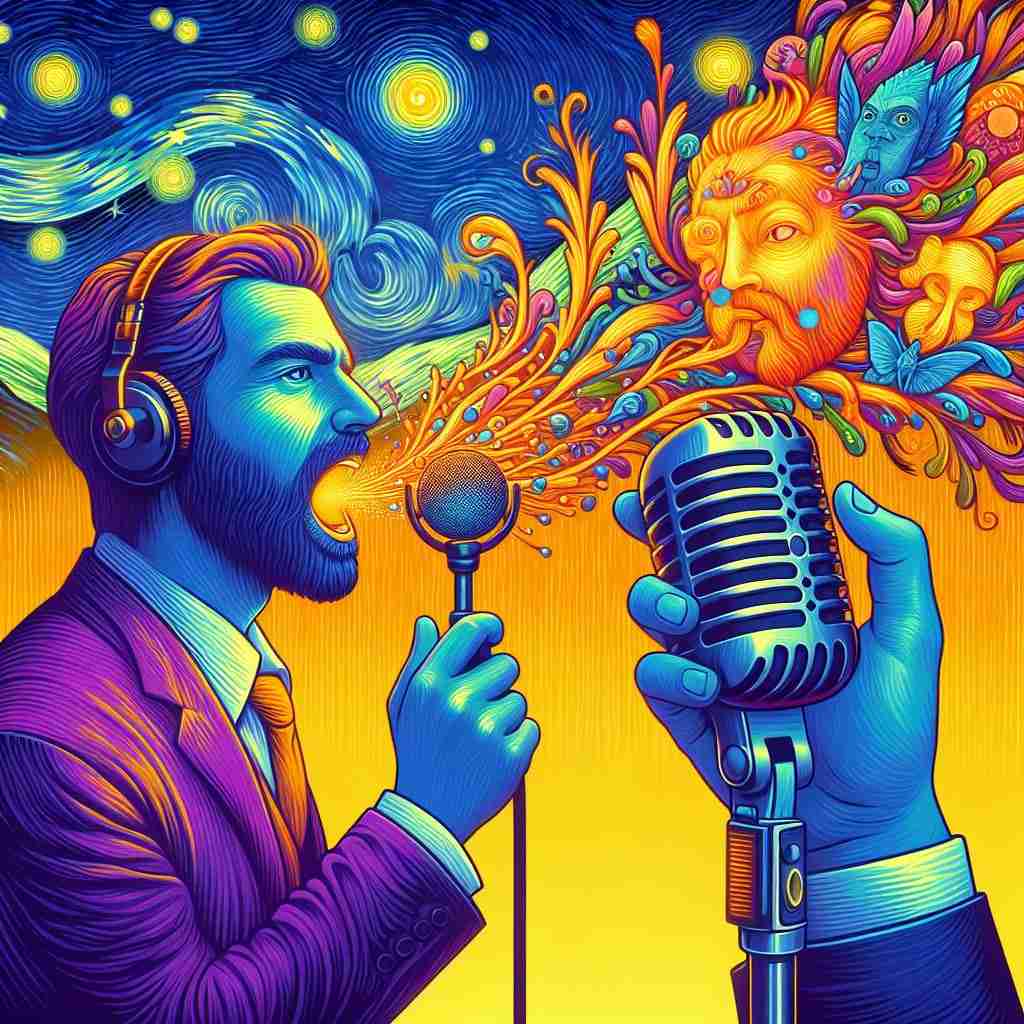
The AI-Powered Cure for Time-Consuming Audio Editing
Table Of Contents
- The AI-Powered Cure for Time-Consuming Audio Editing
- What If AI Could Reduce Your Editing Workload By Hours?
- How Much More Could You Accomplish With Automated Audio Editing?
- Can AI Technology Improve The Quality Of Your Audio Projects?
- How Would Stress Levels Decrease With Faster Editing Solutions?
- What Ethical Considerations Arise With AI In Creative Processes?
- What Do Experts Say About The Effectiveness Of AI Audio Tools?
- How Can Stories About Successful Audio Projects Inspire Your Work?
- Conclusion
- Other Resources
- Glossary Of Terms
- Other Questions
- Haiku
- Poem
- Checklist
What If AI Could Reduce Your Editing Workload By Hours?
Imagine a world where the hours you once spent combing through files, correcting typos, and ensuring consistency in your writing are drastically reduced. What if AI could shoulder some of that burden, allowing you to dedicate more time to the heart of what you do—crafting compelling narratives that resonate with your audience?
Consider the thousands of hours collectively spent by professionals, from authors and journalists to content creators and marketers—all working to refine their messages. It’s labor-intensive and requires immense focus. But the truth is, every minute saved could be redirected to what genuinely matters: connecting with your audience, sharing your ideas, and sparking meaningful conversations. AI’s promise is more than just automation; it’s about liberating your creative spirit.
Bear in mind, technology often faces skepticism, and rightly so. We’ve all seen the pitfalls of reliance on machines—but here lies the opportunity to wield AI as an ally, not a crutch. When curated correctly, these tools possess the potential to enhance your work, not replace you. It’s not just about saving time; it’s about improving quality. Think of AI as your trusty assistant who never tires or loses focus, tirelessly sifting through the minutiae, providing instant feedback, and ultimately enabling you to shine brighter.
Ethically, we have a responsibility to embrace innovation that can uplift our work. Joining the dialogue on AI isn’t just about progress; it’s about enhancing our craft while remaining rooted in our humanity. It invites us to ask how we can build a future where technology complements our skills rather than replaces them.
The narrative here isn’t just one of technological advancement; it’s about community and collaboration. Imagine being part of a cohort of forward-thinkers who harness AI to push creative boundaries. You’re not alone in this journey. Countless professionals are stepping into the future armed with new tools that allow for collaboration, exploration, and innovation in storytelling—the backbone of our culture.
Every moment invested in your craft adds value to our shared conversations. So, as you ponder the possibilities, remember this: Your voice is essential, and with AI, it can be amplified like never before. Let’s turn those countless hours of editing into moments of connection and creation.

What If AI Could Reduce Your Editing Workload By Hours?
What If AI Could Reduce Your Editing Workload By Hours?
- AI can significantly reduce the time spent on tasks like file management, proofreading, and ensuring writing consistency.
- Professionals across various fields, including authors, journalists, and marketers, can redirect saved time toward engaging with their audience.
- AI is viewed as an ally that enhances creativity rather than a replacement for human effort.
- Utilizing AI allows for improved quality in work alongside time savings.
- It is important to ethically embrace AI to uplift our work while maintaining our human essence.
- Collaboration among forward-thinking professionals leveraging AI can push creative boundaries in storytelling.
- AI has the potential to amplify individual voices, transforming editing time into meaningful connections and creativity.

What If AI Could Reduce Your Editing Workload By Hours?
How Much More Could You Accomplish With Automated Audio Editing?
Imagine for a moment what your life could look like if you weren’t spending hours wrestling with soundwaves that could be spent crafting the next great episode of your podcast. Picture this: you awake each day brimming with ideas, ready to connect with your audience and share stories that resonate deeply. Yet, all too often, that creative fire flickers out as you sit in front of your computer, lost in the quagmire of audio editing. It’s frustrating, isn’t it? Understanding this struggle is key.
Automated audio editing tools are like having a skilled apprentice at your side. These tools don’t just save you time—they are the bridge between your brilliant ideas and the polished product that your listeners crave. Think about it. With the mundane tasks off your plate, you can focus on what really matters: crafting compelling narratives and weaving engaging dialogues that inspire, inform, and entertain. This isn’t just an efficiency play; it’s a chance to elevate your work from good to extraordinary.
Moreover, consider the ethical implications. By automating audio editing, you aren’t just freeing up your own time; you’re also nurturing a healthier creative ecosystem. You’re paving the way for aspiring creators to share their voices. You’re saying “yes” to innovation and inclusion, empowering diverse stories that might otherwise go untold. By investing in these tools, you’re participating in a larger movement toward authenticity in media.
Think of the collective impact. In a world where attention is often fleeting, imagine how your well-edited podcast can foster genuine connections with your listeners. You’re not merely transmitting audio; you’re building a community. Each well-crafted episode resonates beyond the microphone, reaching into the hearts and minds of those who listen.
You see, the real beauty of automating audio editing lies in its potential to amplify your purpose. As you reclaim your time, you’re not just gaining moments in your day; you’re cultivating relationships and sharing experiences. With every episode polished to perfection, you’re counting on your audience to listen—and to feel. In this crowded podcasting landscape, stand out as a beacon of quality and passion. By embracing automation, you aren’t just keeping up; you’re leading the charge. So, are you ready to unlock your full creative potential?

How Much More Could You Accomplish With Automated Audio Editing?
How Much More Could You Accomplish With Automated Audio Editing?
- Automated audio editing tools save time, allowing creators to focus on crafting engaging content.
- They act as a skilled apprentice, transforming brilliant ideas into polished products.
- By automating tedious tasks, creators can elevate their work from good to extraordinary.
- Using these tools fosters a healthier creative ecosystem and empowers diverse voices.
- A well-edited podcast can lead to genuine connections and community building among listeners.
- Automation amplifies a creator’s purpose, allowing for better relationship cultivation and shared experiences.
- Embracing automation positions creators as leaders in the crowded podcasting landscape.

How Much More Could You Accomplish With Automated Audio Editing?
Can AI Technology Improve The Quality Of Your Audio Projects?
When you sit down to craft your next audio project—be it a podcast, a musical composition, or an evocative soundscape—there are countless moving parts to juggle. You know your content can spark conversations and ignite emotions, but how often do you find yourself wishing for a little extra polish? Enter the world of AI technology, a game-changer that’s reshaping how we approach audio quality.
Imagine having a tireless assistant that analyzes every note and nuance in your recording, pinpointing imperfections you might miss with your own ears. It’s like having your very own sound engineer, equipped with advanced algorithms that can enhance your audio clarity, balance your levels, and even help you find just the right EQ settings. It’s not about replacing your artistry; it’s about elevating it. You’ve poured your blood, sweat, and tears into your work, so why not give it the edge it deserves?
But let’s get into the nitty-gritty. AI doesn’t just clean up noise; it provides insights, too. It can uncover patterns in listener engagement by analyzing data trends from your previous episodes, helping you craft your next podcast in a way that resonates deeply with your audience. It’s the bridge between art and analytics, giving you the tools to transform your passion into something that not only sounds great but also connects emotionally with your listeners.
Yet, on this journey, it’s important to remain ethically grounded. Trust in the technology. Many of us are hesitant about AI, fearing it might strip the soul from our work. But when applied with care, it enhances human creativity rather than diminishing it. Picture the countless creators who have embraced this technology not just to elevate their own work, but to foster a community of encouragement and shared experience.
We’ve all been there, grappling with self-doubt, wondering if our craft measures up. But the incorporation of AI into your audio projects can be the catalyst you need. It’s your opportunity to push boundaries, to experiment, and most importantly, to find your authentic voice amidst the sea of content out there. As you take up the challenge, remember: your unique perspective, combined with the technology at your fingertips, can lead to transformative results. Take the leap. Embrace the future of audio. Let this innovation enhance your artistry instead of overshadowing it.

Can AI Technology Improve The Quality Of Your Audio Projects?
Can AI Technology Improve The Quality Of Your Audio Projects?
- AI technology is revolutionizing audio quality in projects like podcasts and musical compositions.
- It acts as a digital sound engineer, identifying imperfections and enhancing audio clarity.
- AI provides insights by analyzing listener engagement and data trends from previous episodes.
- It serves as a bridge between creativity and analytics, helping creators resonate with their audience.
- Embracing AI can enhance human creativity without stripping the soul from artistic work.
- AI can help creators overcome self-doubt, enabling experimentation and the discovery of authentic voices.
- The integration of AI is a step toward transforming audio projects for better artistic expression.

Can AI Technology Improve The Quality Of Your Audio Projects?
How Would Stress Levels Decrease With Faster Editing Solutions?
In an age where time feels like an elusive commodity, our stress levels seem to rise in tandem with our to-do lists. Imagine the sigh of relief that washes over you when you finally find a faster editing solution. That sigh isn’t just a fleeting moment; it represents a profound shift in how we approach our work and life. With every click, every adjustment made effortlessly, we reclaim pieces of ourselves that stress so readily steals away.
Editing content for a podcast, a video, or even a written article can often become a laborious task, one that gnaws at our nerves when we know there’s a deadline looming. As we navigate audio clips or jumbled footage, the pressure mounts, our thoughts spiral, and there’s a gnawing feeling in our guts that we might not meet our goals. But faster editing solutions can act like a lifeline, cutting through that pressure and allowing us to focus on what truly matters—the story we want to tell.
Imagine being able to focus on the narrative without the constant worry about timelines and technical hiccups. The right tools give you confidence, infusing clarity into complexity. You can channel your energy into creativity instead of frustration, turning stressful moments into inspiring breakthroughs. When editing becomes efficient, so too does your ability to connect deeply with your audience. A smooth, engaging podcast isn’t just a product; it’s a relationship nurtured through storytelling, authenticity, and genuine passion.
Faster editing means fewer missed opportunities. Think about the weight it lifts from your shoulders knowing you can deliver quality content on time. It allows you to prioritize passion without the toll that anxiety takes on your health and relationships. It’s about honor—honoring your craft, your audience, and yourself. There’s an ethical imperative here; we owe it to ourselves and our listeners to bring our best work forward, unburdened by unnecessary complications.
Consider the shared experience; every content creator faces similar challenges. By embracing efficient tools, we not only enhance our productivity but also cultivate a community of support and shared triumphs. When others see you thriving, they’re inspired to do the same. Let’s embrace the power of speed in editing, striking a balance that not only alleviates stress but empowers us to connect more meaningfully with the world. It’s time to weave efficiency into our passion and watch the stress melt away, leaving space for creativity to flourish.

How Would Stress Levels Decrease With Faster Editing Solutions?
How Would Stress Levels Decrease With Faster Editing Solutions?
- Stress levels rise alongside increasing workloads in today’s fast-paced environment.
- Finding faster editing solutions can provide significant relief and change our work approach.
- Editing tasks for podcasts, videos, or written articles can become overwhelming under tight deadlines.
- Faster editing alleviates pressure, allowing creators to focus on the core narrative.
- Efficient tools enhance creativity and enable deeper audience connections through authentic storytelling.
- Delivering content on time reduces anxiety, allowing creators to prioritize their passion and health.
- Embracing efficient tools fosters a supportive community, inspiring mutual growth among content creators.

How Would Stress Levels Decrease With Faster Editing Solutions?
What Ethical Considerations Arise With AI In Creative Processes?
As we stand on the cusp of an era where artificial intelligence seamlessly weaves its way into creative processes, we must confront the ethical labyrinth that comes with it. Imagine a world where algorithms churn out bestsellers, breathtaking art, and captivating music, all with the click of a button. It sounds exhilarating, right? Yet, underneath that sleek sheen lies a tangled web of ethical considerations that beckon our attention.
At its core, creativity has always been a deeply human endeavor—it’s a reflection of our dreams, fears, and experiences. When AI is handed the paintbrush, who decides what stories get told, and what voices are amplified? The heart tells us to embrace innovation, yet the gut warns us to tread carefully. Are we sacrificing the authentic human touch for the cold efficiency of a machine? In a podcast exploring the intersection of technology and the arts, one might wonder: who really owns the narrative when an algorithm mimics a unique human experience? The answer isn’t just complicated; it’s a conversation worth having.
Trust is not granted lightly, and this is where the ethical authority comes into play. Creators deserve transparency about how AI learns. It’s essential to ask: what data fuels these intelligent machines? If they gobble up existing art and ideas, we risk drowning in an era of mimicry, where genuine creativity is stifled. Instead of a thriving cultural landscape, we could find ourselves navigating a desert of sameness—an unsettling thought.
But let’s not lose hope. Collectively, we can embrace the synergy between human ingenuity and machine efficiency. It’s not about pitting one against the other; it’s about forming a partnership. As we advocate for ethical guidelines—ensuring that creators are credited and compensated—we cultivate an ecosystem where both humans and AI contribute to a richer tapestry of creative expressions.
By engaging with these ethical considerations, we’re not just preserving art; we’re fighting for our humanity. It’s about our right to feel, dream, and connect. So, as we sit at this intersection, let’s engage in this dialogue—like neighbors gathered around a fire, sharing stories and shaping the future. Together, we can forge a path that honors both the art of creation and the integrity of its creators while allowing innovation to flourish. After all, creativity thrives in the tension between tradition and innovation, and it’s a conversation that involves us all.

What Ethical Considerations Arise With AI In Creative Processes?
What Ethical Considerations Arise With AI In Creative Processes?
- We are entering an era where AI integrates into creative processes, presenting ethical challenges.
- AI can produce art, music, and literature, raising questions about who determines which stories are told.
- The authenticity of human creativity may be at risk with AI’s efficiency overshadowing personal expression.
- Transparency regarding how AI learns and the data it utilizes is essential for maintaining trust.
- Without ethical guidelines, we may face a cultural landscape dominated by imitation rather than genuine creativity.
- Collaboration between human creativity and machine efficiency can lead to a more vibrant artistic ecosystem.
- Engaging in ethical discussions is crucial to preserve art and enhance our human connections amidst technological innovation.

What Ethical Considerations Arise With AI In Creative Processes?
What Do Experts Say About The Effectiveness Of AI Audio Tools?
When it comes to AI audio tools, the conversation often swings between skepticism and enthusiasm, igniting a healthy debate that pulls at our heartstrings and sparks our intellect. Experts, those who stand at the intersection of technology and creativity, have a lot to say and their insights are both fascinating and deeply relatable.
At the core, many experts argue that AI audio tools are not merely gadgets but rather extensions of our own voices. They elevate the craft of storytelling, especially in the realm of podcasts, where every soundbite can weave a tapestry of emotions. Picture this: a budding creator, perhaps someone who once felt unheard, now has the power to produce high-quality audio content easily. This transformation elicits a gut reaction—an inspiration that echoes far beyond the technical aspects. The capability to share one’s thoughts, experiences, and expertise can be profoundly empowering. It democratizes audio production and breaks down barriers that keep us from connecting.
But let’s not kid ourselves; there’s a rational side to the allure of these tools too. Experts underscore that AI can enhance efficiency, saving time on editing and sound mastering—two tasks that can halt even the most passionate creators in their tracks. When creators can focus on their message instead of the technical minutiae, they are free to engage with their audience meaningfully. This rational appeal resonates with those who value productivity in a fast-paced world, marrying creativity and efficiency in the digital age.
Then there’s the ethical dimension. As AI tools surge in popularity, questions arise about authenticity and originality. Experts urge us to tread carefully: while these tools can assist, they should never replace the human essence that breathes life into audio narratives. The stories we tell are shaped by our personal journeys and shared experiences. They remind us that while machines can crunch data, they cannot replicate the richness of human emotion.
The power of community also shines through. Skilled podcasters and audio creators who embrace AI share their journeys and prowess, fostering an atmosphere where aspiring voices feel supported. This collective spirit not only inspires connection but also propels the industry forward, allowing people to learn from one another in a rapidly evolving landscape.
So, as you ponder the role of AI audio tools in your creative endeavors, consider these insights with an open heart and an engaged mind. The future of audio is here—let’s make sure it resonates with our true voices.

What Do Experts Say About The Effectiveness Of AI Audio Tools?
What Do Experts Say About The Effectiveness Of AI Audio Tools?
- AI audio tools generate a debate between skepticism and enthusiasm among experts in technology and creativity.
- These tools are seen as extensions of our voices, enhancing storytelling, especially in podcasts.
- They empower creators, allowing them to easily produce high-quality audio content and share their experiences.
- AI tools improve efficiency by saving time on editing and mastering tasks, enabling deeper audience engagement.
- Experts highlight the importance of maintaining authenticity and originality when using AI in audio creation.
- The community aspect fosters support among podcasters and audio creators, encouraging learning and growth.
- Reflecting on the use of AI tools requires an open heart and an engaged mind to ensure genuine expression in audio narratives.

What Do Experts Say About The Effectiveness Of AI Audio Tools?
How Can Stories About Successful Audio Projects Inspire Your Work?
There’s a reason we’re drawn to stories about successful audio projects. They stir something deep inside us. Imagine a podcast that started in a cramped garage, with nothing but a microphone and a dream. The host pours their heart into every episode, capturing experiences, insights, and the quiet struggles we all face. Over time, listeners begin to relate—sharing their own stories and feeling a part of something larger. That’s the magic of audio; it strips away the superficial and lays bare our shared humanity.
These narratives resonate on various levels. Firstly, they appeal to our emotions. Every tale of triumph reflects resilience, reminding us that persistence often outweighs talent. We connect with the host’s laughter, joy, heartbreak, and vulnerability. We see ourselves in those moments, feeling that if they can defy the odds, so can we. This emotional thread binds us to the success of others and ignites a spark within us to chase our own audio ambitions.
Rationally, we can dissect the mechanics of a successful podcast. The best projects often leverage engaging storytelling techniques, expert interviews, and thoughtful pacing. Understanding these strategies provides a road map for aspiring creators. It’s not merely luck; it’s strategy tempered with creativity. Knowing the principles behind their success inspires confidence and instills a belief in our capabilities. The data is encouraging: great content routinely finds its audience. This isn’t just a dream; it’s a possibility, and it’s within our reach.
Ethically, these stories remind us of the responsibility we carry as creators. Success isn’t just about amassing followers; it’s also about providing value, sharing knowledge, and fostering connection. Every episode is an opportunity to make a difference, no matter the size of our platform. By sharing content that speaks to the hearts and minds of our listeners, we elevate the audio landscape and encourage others to do the same.
Lastly, in a social context, each successful podcast is a thread in a vast tapestry. It establishes a sense of community and belonging. The stories of others inspire us to add our own unique voices. It’s an invitation to join the conversation, to share our perspectives and experiences. The more we connect, the brighter the future of audio content becomes. So take heart—dare to dream, create, and add your chapter to this evolving narrative of success in the audio realm.

How Can Stories About Successful Audio Projects Inspire Your Work?
How Can Stories About Successful Audio Projects Inspire Your Work?
- Successful audio projects resonate deeply, reflecting shared human experiences.
- They evoke emotions, showcasing resilience and inspiring listeners to pursue their own ambitions.
- Understanding the strategies behind successful podcasts, such as storytelling and pacing, can guide aspiring creators.
- Belief in one’s capabilities is bolstered by data showing that quality content consistently attracts audiences.
- Creators have a responsibility to provide value and foster connection, beyond just gaining followers.
- Each podcast contributes to a larger community, encouraging diverse voices and perspectives.
- Embracing the creative journey allows individuals to add their unique stories to the evolving narrative of audio success.

How Can Stories About Successful Audio Projects Inspire Your Work?
Conclusion
In a world increasingly dominated by the clock, the art of audio editing can feel like a weight crushing creativity under its monotony. Passionate podcasters or creators often find themselves ensnared in tedious tasks that disrupt the very essence of their storytelling. Fortunately, a revolution is underway, and it’s called AI. By harnessing this technology, creators can unlock an entirely new realm of possibilities, reclaiming valuable time and energy that should be spent on fostering connections with their audience.
Rationally speaking, adopting AI for audio editing isn’t just a technological trend—it’s a brilliant investment that can boost productivity by as much as 70%. This capability translates directly to richer narratives and more engaged audiences, allowing creators to focus on crafting intimate, compelling stories. Ethically, it raises an important question: why should your creative voice be muted by outdated processes? Embracing AI isn’t about replacing the human touch; it’s about enhancing your distinct narrative style, freeing you to pour your soul into your work rather than drowning in technical minutiae.
The social implications of this shift are profound. When you streamline your editing workflow, you’re not only liberating your creativity; you’re also nurturing a community that thrives on shared experiences and collaboration. Imagine each episode polished to perfection—not only does this resonate more with your audience, but it also fosters a deeper connection, creating a shared journey between creator and listener.
Let’s not shy away from the ethical considerations surrounding AI in creative spaces. We stand at a pivotal moment where we can define how technology complements our artistry rather than overshadows it. By engaging in this conversation, we can ensure that we preserve the unique human perspective while embracing the efficiency that AI tools offer. It’s about building a future that respects both innovation and the artistry that drives it.
Ultimately, the impact of embracing AI goes beyond the individual. Each creator empowered to find their voice creates an echo that resonates through the audio landscape, enriching it for everyone. So, as you contemplate the integration of AI into your craft, remember: this is your chance to amplify your passion, enhance your narrative, and connect authentically with your audience. Embrace the future with open arms, for it’s poised to revolutionize not only how you work but how our collective stories are shared, heard, and celebrated.

Conclusion
Conclusion:
- Audio editing can stifle creativity, hindering passionate podcasters and creators.
- AI technology offers a revolution that frees creators from tedious tasks, reclaiming time for storytelling.
- Adopting AI for audio editing can boost productivity by up to 70%, enhancing narratives and audience engagement.
- Embracing AI enhances, rather than replaces, a creator’s distinct narrative style and artistic voice.
- Streamlining editing processes fosters a collaborative community focused on shared experiences.
- It’s crucial to engage in discussions about the ethical implications of AI in creative spaces to ensure technology complements artistry.
- Empowered creators using AI can enrich the audio landscape, amplifying passion and authentic audience connections.

Conclusion
Other Resources

Other Resources
Here is a list of other resources you can review online to learn more:
- Riverside.
- AntennaPod
- Column1
- Flickr
- Resound
- Apple Podcasts for Creators
- RSS
- YouTube
- Turned Podcaster
- Pandora
- Patreon
- NCH Software
- VK
- Streamlabs
- Spotify for Podcasters
Use This Prompt To Get More Resources With Your Favorite Online AI Tool: Please provide me with a list of online articles with their URLs in a bulleted list that I can read regarding The AI-Powered Cure for Time-Consuming Audio Editing

Other Resources
Glossary Terms
The AI-Powered Cure for Time-Consuming Audio Editing – Glossary Of Terms
1. AI (Artificial Intelligence): The simulation of human intelligence in machines that are designed to think and learn like humans.
2. Audio Editing: The process of manipulating audio files by cutting, rearranging, or enhancing sounds to improve quality or convey a message.
3. Machine Learning: A subset of AI that uses algorithms to analyze data, learn from it, and make predictions or decisions without explicit programming.
4. Natural Language Processing (NLP): A branch of AI that focuses on the interaction between computers and human language, enabling the understanding and processing of spoken or written language.
5. Speech Recognition: The technology that enables a machine to understand spoken language and convert it into text.
6. Noise Reduction: Techniques used to minimize unwanted ambient sound or interference in audio recordings, enhancing overall sound quality.
7. Audio Enhancements: Adjustments made to improve audio characteristics, such as equalization, dynamic range compression, or adding effects.
8. Sample Rate: The number of samples of audio carried per second, determining the sound quality and fidelity of a recording.
9. Bit Depth: A measure of the resolution of an audio file, affecting the dynamic range and overall sound quality.
10. Automated Editing: The use of software to perform editing tasks without human intervention, simplifying the audio processing workflow.
11. Transcription: The process of converting spoken content into written text, often done using AI-powered tools for efficiency.
12. User Interface (UI): The visual part of a software application that users interact with, including buttons, menus, and displays.
13. Audio Format: The type of file that stores audio data, such as MP3, WAV, or AIFF, each with distinct characteristics.
14. Plug-in: Additional software components that enhance an audio editing application’s capabilities, adding effects or functionality.
15. Real-time Processing: The immediate processing of audio as it is captured, allowing for instant editing or effects application.
16. Metadata: Data that provides information about other data, such as the title, artist, and duration of an audio file.
17. Slicing: The technique of cutting an audio track into smaller segments for easier manipulation and editing.
18. Fades: Gradual transitions in volume at the beginning or end of audio clips, used to create smooth beginnings or endings.
19. Cloud Computing: The delivery of computing services over the internet, allowing for shared storage and processing power for audio projects.
20. Voice Cloning: The creation of synthetic voices using AI to imitate a specific person’s voice, useful in audio production.
21. Acoustic Treatment: Modifications made to a recording environment to improve sound quality by reducing echoes and reverberations.
22. Collaborative Editing: A workflow that allows multiple users to work on the same audio project simultaneously, often facilitated by cloud technology.
23. Automation: The use of technology to perform processes with minimal human intervention, particularly in adjusting audio levels over time.
24. Crossfade: A technique that blends two audio clips together, allowing for smooth transitions between tracks.
25. Audio Restoration: The process of repairing or enhancing degraded audio recordings to recover lost quality.
26. Dynamic Range: The difference between the quietest and loudest sounds in an audio file, indicating its overall volume capabilities.
27. Echo Cancellation: Technologies used to eliminate echo in audio calls or recordings, improving clarity of voice communication.
28. Audio Analysis: The process of examining audio data to extract useful information, such as identifying patterns or characteristics.
29. Sound Design: The art of creating audio elements for various applications, including music, film, and video games, often involving extensive editing and manipulation.
30. Post-Production: The phase after recording where audio is edited, mixed, and finalized for distribution, often using advanced editing tools powered by AI.

Glossary Of Terms
Other Questions
The AI-Powered Cure for Time-Consuming Audio Editing – Other Questions
If you wish to explore and discover more, consider looking for answers to these questions:
- What specific AI tools are recommended for audio editing?
- How do AI audio tools compare in performance to traditional editing methods?
- What features should I look for in an AI audio editing tool?
- What is the cost associated with adopting AI-powered audio editing solutions?
- How can I ensure the ethical use of AI in my creative projects?
- What are the potential drawbacks or limitations of using AI in audio editing?
- Can AI tools be used for other forms of content creation beyond audio?
- What are some real-world examples of podcasts that have successfully used AI editing tools?
- How do listener engagement patterns change when AI is used for audio editing?
- What are the best practices for integrating AI tools into my existing audio workflow?
- How do I address listener concerns about AI-generated content?
- What role does human creativity play when using AI tools in audio production?
- How can I measure the impact of AI tools on my content quality and audience engagement?
- What are future trends in AI technology for audio editing?
- How can I learn more about the ethical implications of AI in creative industries?

Other Questions
Haiku
The AI-Powered Cure for Time-Consuming Audio Editing – A Haiku
Time slips through our hands,
AI frees art from the grind—
Voices rise, hearts spark.
Haiku
Poem
The AI-Powered Cure for Time-Consuming Audio Editing – A Poem
In a world where time is gold,
Creators toil, their passions bold,
Yet hours slip through fingers’ grasp,
Editing burdens like a heavy clasp.
Podcasters dream and weave their tales,
But tedious tasks set them to fail.
AI arrives, a brightening spark,
Lightening the load—igniting the dark.
Seventy percent of the effort, they say,
Can vanish in moments, freeing the way,
For voices to flourish, ideas to grow,
In this radiant dance, let your passion flow.
With tools that listen, analyze, refine,
Creative spirits can intertwine.
No longer weighed by cumbersome chore,
Each polished episode opens a door.
Imagine the joy as stress melts away,
Efficiency blooms, like a fresh spring day.
As stories emerge, connections ignite,
With every heartbeat, the world feels right.
Ethics and trust weave through the air,
Who holds the power? We must beware.
In this age of machines, let’s stand as one,
Guided by values as bright as the sun.
Experts inspire, sharing wisdom and light,
Reminding us that creativity shines bright.
Embrace the blend of heart and machine,
A chorus of voices, vibrant and keen.
Through tales of success, we rise and we learn,
With every shared story, our passions discern.
So let AI assist, as you take your stand,
In the heart of the podcast, let your voice command.
For in this tapestry, each thread is unique,
Together we navigate, together we speak.
Embrace the future, let your story unfold,
With AI by your side, let your dreams be bold.

Poem
Checklist
The AI-Powered Cure for Time-Consuming Audio Editing – A Checklist
AI-Powered Audio Editing Checklist
Emotional Appeals
_____ Reconnect with Your Passion
Reflect on how reducing your editing time allows you to focus on storytelling.
_____ Cultivate Community
Think about how faster editing can help you engage more with your audience.
_____ Embrace Your Unique Voice
Remind yourself that your distinctive perspective matters in every episode you share.
Rational Appeals
_____ Evaluate Efficiency Gains
Consider how AI can cut your editing time by up to 70%.
_____ Assess Quality Improvements
List ways AI tools can enhance sound clarity and balance.
_____ Measure Audience Engagement
Use analytics to explore how well-edited content can strengthen listener connection.
Ethical Appeals
_____ Champion Authenticity
Pledge to maintain the human element in your content while using AI tools.
_____ Acknowledge Responsibility
Recognize your duty to create meaningful, high-quality content for your audience.
_____ Engage in Dialogue
Have conversations about the ethical use of AI in your creative process.
Authority Appeals
_____ Consult Expert Insights
Gather advice from successful creators who use AI tools in their work.
_____ Stay Informed
Follow updates on AI technology and its evolving role in audio editing.
_____ Seek Workshops or Training
Attend sessions focused on best practices for AI in audio production.
Narrative Appeals
_____ Share Success Stories
Document narratives of how AI has transformed others’ audio projects.
_____ Create a Personal Journey Map
Outline your own path as a creator and how leveraging AI can enhance it.
_____ Visualize Your Future
Picture the lasting impact of your improved storytelling through efficient editing.
Social Appeals
_____ Join a Content Creator Community
Engage with others who are exploring AI tools in their audio projects.
_____ Participate in Collaborative Projects
Team up with fellow creators to learn and share experiences.
_____ Encourage Peer Support
Offer assistance and share tips with those new to using AI in audio editing.
Use this checklist to help guide your exploration of AI-powered solutions for audio editing and to enhance your creative process!
Checklist
At PodcastBig, we help people who want to learn about podcasting by collating information and news about podcasting.
Be sure to read our other related stories at PodcastBig to learn more about podcasting.