

Revolutionizing Audio Mixing With AI Precision
By Tom Seest
At PodcastBig, we help people who want to learn about podcasting by collating information and news about podcasting.
Be sure to read our other related stories at PodcastBig to learn more about podcasting.
The AI-Powered Cure for Mixing Audio Levels Inconsistently
In an age where anyone with a smartphone and a dream can start a podcast, the barrier to entry has never been lower. Yet, amidst this democratization of audio content, many creators grapple with a persistent issue: inconsistent mixing of audio levels. Picture this: you’ve poured your heart out into a story, your passion reverberating through every syllable, only to have your listeners tune out because one moment they’re straining to hear your voice and the next they’re cringing at the volume of a sudden sound effect. It’s enough to make even the most seasoned podcaster throw up their hands in despair.
Enter AI-powered solutions—a game changer in the audio landscape. This technology doesn’t just promise consistency; it delivers a professional polish that even the most traditionalist sound engineers can admire. With algorithms fine-tuned to detect and adjust audio levels, the promise of clear, engaging sound becomes a reality. As listeners tune in, they can focus on the message rather than the madness of fluctuating decibels. This isn’t just about aesthetics; it’s about respect for your audience. The commitment to providing a seamless experience honors their time and attention, transforming casual listeners into loyal fans.
Moreover, by leveraging AI for mixing, podcasters can turn their attention back to what truly matters—their content. This frees creators from the technical maze, allowing them to refine their narratives, uncover deeper insights, and ultimately forge a stronger emotional connection with listeners. The gut-wrenching tales, the triumphs, the lessons learned—they all deserve a platform that amplifies their truth, unpolished as it may sometimes be.
On a social level, adopting this AI-driven approach encourages a culture of collaboration. Podcast creators can share insights and support one another, reveling in each other’s success rather than competing over elusive audio perfection. An ethic rooted in community fuels this renaissance: every voice matters and deserves to be heard without the distraction of poor sound quality.
So, whether you’re a seasoned podcaster or just starting out, consider the AI-powered route. It’s not merely a tool—it’s a pathway to elevated storytelling, an enhancement of authenticity, and a pledge to your listeners that you value their experience as much as you cherish your own narrative. Let technology tackle the mix, while you focus on the heart of your message.

The AI-Powered Cure for Mixing Audio Levels Inconsistently
The AI-Powered Cure for Mixing Audio Levels Inconsistently
- The rise of podcasting has lowered barriers to entry, enabling anyone with a smartphone to create audio content.
- Podcasters often struggle with inconsistent audio levels, risking listener engagement.
- AI-powered solutions offer consistent mixing, delivering professional sound quality that appeals to creators and audiences alike.
- With improved audio quality, listeners can focus on content rather than being distracted by fluctuating volumes.
- Using AI for mixing allows podcasters to concentrate on storytelling and refining their narratives.
- This approach fosters a collaborative culture among podcast creators, emphasizing community support over competition.
- AI tools enhance authenticity and demonstrate a commitment to providing a quality listener experience.

The AI-Powered Cure for Mixing Audio Levels Inconsistently
Table Of Contents
- The AI-Powered Cure for Mixing Audio Levels Inconsistently
- How Do Inconsistent Audio Levels Impact Our Emotional Connection?
- What Rational Strategies Can AI Provide For Mixing Audio Levels?
- Is It Ethical To Rely On AI For Creative Audio Mixing Processes?
- What Stories Can We Share About Overcoming Audio Mixing Challenges?
- How Does Community Feedback Enhance AI Solutions For Audio Mixing?
- What Emotional Responses Do We Hope To Evoke Through Balanced Audio?
- Can AI Truly Understand The Nuanced Dynamics Of Sound Mixing?
- Conclusion
- Other Resources
- Glossary Of Terms
- Other Questions
- Haiku
- Poem
- Checklist
How Do Inconsistent Audio Levels Impact Our Emotional Connection?
Inconsistent audio levels in a podcast can be like a rollercoaster ride with no safety harness—thrilling at first, but ultimately unsettling. Imagine settling in with a cup of coffee, ready to dive deep into a conversation that speaks to your heart. The soothing voice of your favorite host pulls you in, and just as you start to relax, the volume suddenly spikes or drops. Suddenly, you’re fumbling for the controls, torn between trying to catch every word and protecting your eardrums. This jarring experience can disrupt more than just your concentration; it can fracture the emotional bond you share with the content.
Let’s think about it rationally: our brains are wired to respond to auditory clues. If the tone and volume fluctuate unpredictably, it doesn’t just distract us—it triggers a psychological side-eye. We start to question the competence of the creators. How can we trust their insights about life or business if they can’t even handle a basic technicality? Just like a good friend who can’t keep a secret, inconsistent audio begs the question: can we really rely on them for deeper wisdom?
Ethically speaking, creators owe it to their audience to provide a polished product. Podcasting is a partnership between voices and ears, where every listener deserves a seamless journey into the conversation. This accountability promotes respect and trust, the kind of bonds that can lead to loyal followers. When we feel valued as listeners, our emotional connection deepens, making us more likely to share, engage, and return.
On a narrative level, think of the stories we share. A heartfelt tale about overcoming adversity loses its impact when the audio level runs amok. The laughter, the tears, the moments of reflection—they all hinge on clarity and consistency. Without that, the story becomes a fragmented memory, scattered like autumn leaves in the wind.
Finally, social dynamics come into play. Listening to a podcast isn’t just a solitary endeavor; it’s often a shared experience. Whether chatting about it with friends or discussing it online, inconsistent audio can turn an enriching discussion into a frustrating rant. We aim to share connections that enrich our lives, not ones that leave us grumbling about poor production.
In the grand tapestry of human connection, every detail matters. Let’s strive to make our listening experiences seamless, creating a welcoming space where emotions can thrive and discussions can flourish.

How Do Inconsistent Audio Levels Impact Our Emotional Connection?
How Do Inconsistent Audio Levels Impact Our Emotional Connection?
- Inconsistent audio levels in podcasts can create an unsettling experience for listeners.
- Audio fluctuations can disrupt concentration and fracture emotional bonds with content.
- Listeners may question the competence of creators if audio quality is poor.
- Creators have an ethical responsibility to provide a polished audio product for their audience.
- Consistent audio promotes respect and trust, fostering loyalty among listeners.
- Storytelling impact diminishes with poor audio quality, leading to fragmented memories.
- Inconsistent audio can turn shared listening experiences into frustrating discussions.

How Do Inconsistent Audio Levels Impact Our Emotional Connection?
What Rational Strategies Can AI Provide For Mixing Audio Levels?
Mixing audio levels is an art form as much as it is a science, with the balance between clarity and richness creating the sonic landscape for your audience. Whether you’re launching your own podcast or jamming with friends, achieving that perfect mix requires more than just knobs and sliders—it demands a rational strategy that resonates with your gut, appeals to your heart, and engages your head.
Imagine the anticipation as you press “play” on your latest episode. The goal? To create a seamless auditory experience where every voice, every note, and every sound breathes life into your narrative. An AI-driven tool can be your trusted partner in this endeavor. Picture it as a seasoned audio engineer, skilled in the nuances of sound, able to analyze your audio waves in real-time and offer suggestions that not only enhance clarity but ensure emotional resonance. The intelligent algorithms sift through your recordings, adjusting levels, and suggesting equalization that highlights the raw emotion in a storyteller’s voice or the rhythmic pulse of a bass guitar.
The ethics of mixing audio should never be compromised. With AI, you can ensure that each element of your mix is given its rightful place, preventing overpowering distractions that could overshadow an important message. It’s about respect for the craft and the connection you seek to foster with your audience.
But let’s be real for a moment. Mixing isn’t merely about technology; it’s about storytelling and communicating with your listeners. Whether it’s a dramatic crescendo in a podcast episode or the invigorating strum of chords in a jam session, great audio pushes us, inspires us, and pulls at our heartstrings. When an AI provides insights on audio levels, it’s equipped with the wisdom of countless recordings and expert decisions, allowing you to focus on what truly matters—the core of your narrative.
The social aspect is equally vital. How do listeners respond? What grabs their attention? With AI’s analytical capabilities, you can identify patterns and preferences that illuminate how your mix influences audience engagement. It offers a chance not just to connect—but to forge deeper relationships through audio that speaks directly to the heart.
So as you embark on your audio journey—be it a poignant podcast or an electrifying jam session—embrace the rational strategies that AI provides. Each adjustment, each decision made in collaboration with this technology, helps carve an unforgettable experience for your listeners, inviting them to lean in, listen closely, and truly connect.

What Rational Strategies Can AI Provide For Mixing Audio Levels?
What Rational Strategies Can AI Provide For Mixing Audio Levels?
- Mixing audio levels combines art and science, balancing clarity and richness for the audience.
- Achieving a perfect mix requires a strategy that resonates emotionally and intellectually.
- An AI-driven tool can enhance mixing by analyzing audio waves and providing real-time suggestions.
- Using AI helps maintain ethical mixing practices by ensuring all audio elements are balanced and effective.
- Mixing is fundamentally about storytelling and connecting emotionally with listeners.
- AI can identify listener patterns and preferences to deepen audience engagement and relationships.
- Embrace AI’s insights to create an unforgettable audio experience that invites listener connection.

What Rational Strategies Can AI Provide For Mixing Audio Levels?
Is It Ethical To Rely On AI For Creative Audio Mixing Processes?
When we think about audio mixing, especially in the realm of creativity, it’s easy to picture the image of an artist, headphones snug against their ears, meticulously adjusting knobs and sliders, crafting layers of sound like a painter swirls colors on a canvas. Now, enter artificial intelligence—a tool that promises efficiency and accuracy, yet raises the question: is it ethical to lean on machines for something so deeply rooted in the human experience?
Let’s confront this head-on. Many of us, whether we’re passionate podcasters or merely enthusiasts, cherish the intimacy of sound. It’s an art form that speaks to our hearts, evoking emotion, memories, and connections. The crux of creativity lies in its imperfections, the raw moments that make us feel alive. By relying on AI, are we risking the soul of our work? Are we replacing the heartbeat of human creativity with sterile precision?
Yet, when we peel back the layers, we see that AI isn’t here to replace us; it’s here to augment our efforts. Think of it as a co-pilot in a cockpit full of sound waves and frequencies. Rationally, the use of AI can streamline laborious tasks and allow creators to focus on the bigger picture—the stories they want to tell. When you have the technology to mix audio quickly and competently, you can spend more time refining your narrative and less on technical hiccups. It elevates the craft, making it more accessible for budding podcasters who may feel overwhelmed by complex mixing processes.
Ethically, the conversation shifts when we consider who’s behind the curtain. Trust is paramount. As creators, we should ensure that any AI we employ aligns with our values and enhances our authentic voice rather than diluting it. Engaging with AI doesn’t mean surrendering the creative reins; it means using it responsibly and with intent.
Socially, we need to share these tools with one another, fostering a community where creativity thrives. Imagine a world where collaboration between humans and AI flourishes—where the tools become a bridge that connects us, allowing stories to flow with unparalleled richness. If approached thoughtfully, relying on AI can empower our creative journeys, reminding us that in every mix, the essence of who we are remains at the forefront. So, the question isn’t just about tool use; it’s about how we embody our work, blending tradition with technology to craft something truly remarkable.

Is It Ethical To Rely On AI For Creative Audio Mixing Processes?
Is It Ethical To Rely On AI For Creative Audio Mixing Processes?
- Audio mixing is often viewed as a creative art, akin to painting with sound.
- The introduction of AI offers efficiency but raises ethical concerns regarding human creativity.
- Creativity thrives on imperfections, and reliance on AI may risk losing the emotional depth of work.
- AI serves as a co-pilot, enabling creators to focus on storytelling rather than technical details.
- Using AI effectively can make audio mixing more accessible, especially for inexperienced podcasters.
- Trust and alignment with personal values are crucial when employing AI in creative processes.
- Collaboration between humans and AI can enhance creativity, ensuring authenticity remains central in artistic endeavors.

Is It Ethical To Rely On AI For Creative Audio Mixing Processes?
What Stories Can We Share About Overcoming Audio Mixing Challenges?
When you dive into the world of audio mixing for a podcast, you quickly discover that every audio challenge is a story waiting to unfold. There’s magic in the struggle, a raw connection formed between the creator and the equipment, between the soundwaves and the listeners. You might find yourself battling uneven levels, errant background noise, or an untamed microphone that seems to have its own agenda. Yet, it’s in these moments of adversity that you truly learn what you’re made of.
Take, for instance, the tale of a budding podcaster, strapped for cash, piecing together an old mixer and borrowed headphones in a basement. The first recording came out sounding like a wind tunnel party—echoing and lifeless. Frustration bubbled, but instead of giving up, they shifted gears. They researched, watched tutorials, and even reached out to fellow creators in online forums, a community of listeners and makers who rally together when one of their own is in the trenches. Relentlessly tinkering, they adjusted settings, added sound absorbers, and found the sweet spot for that finicky mic. It wasn’t just about technical prowess; it was about sharing a vulnerability with the audience. By embracing their journey through the cacophony, they crafted not just a better mix but a compelling narrative that resonated with listeners, drawing them closer with every episode.
This personal growth is not just about conquering technical flaws; it’s intertwined with the heart of storytelling. Each triumph is a testament to perseverance, a moment of grit that speaks to the human experience. Audiences don’t merely hear the polished product; they feel the struggle behind it. They connect not just to what you say, but to how you say it, the highs and lows infused into every broadcast.
The power of these shared stories transcends audio fidelity—it weaves a tapestry of resilience and relatability. By opening up about your mixing challenges, you not only illuminate the reality of the creative process, but you also inspire others facing their own hurdles. You remind them that every mix, every mishap, and every moment of doubt is part of their unique journey.
The stories we tell about overcoming audio mixing challenges are more than just lessons learned; they are the bonds formed in the shared struggle of creating something genuine. And while the world may drown in static and noise, it’s the voices that rise above, unfiltered and sincere, that truly resonate.

What Stories Can We Share About Overcoming Audio Mixing Challenges?
What Stories Can We Share About Overcoming Audio Mixing Challenges?
- Every audio challenge in podcast mixing tells a story, creating a connection between creators, equipment, and listeners.
- Podcasting often involves battling issues like uneven levels, background noise, and difficult microphones.
- A budding podcaster faced early challenges but embraced them by researching and learning from online communities.
- Through perseverance and adjustments, the podcaster improved their audio quality and shared vulnerability with their audience.
- This journey of overcoming obstacles is intertwined with storytelling, showcasing personal growth and grit.
- Audiences connect to both the message and the emotions behind the broadcast, feeling the struggle of the creator.
- Sharing challenges in audio mixing inspires others, emphasizing that every setback is part of a unique creative journey.

What Stories Can We Share About Overcoming Audio Mixing Challenges?
How Does Community Feedback Enhance AI Solutions For Audio Mixing?
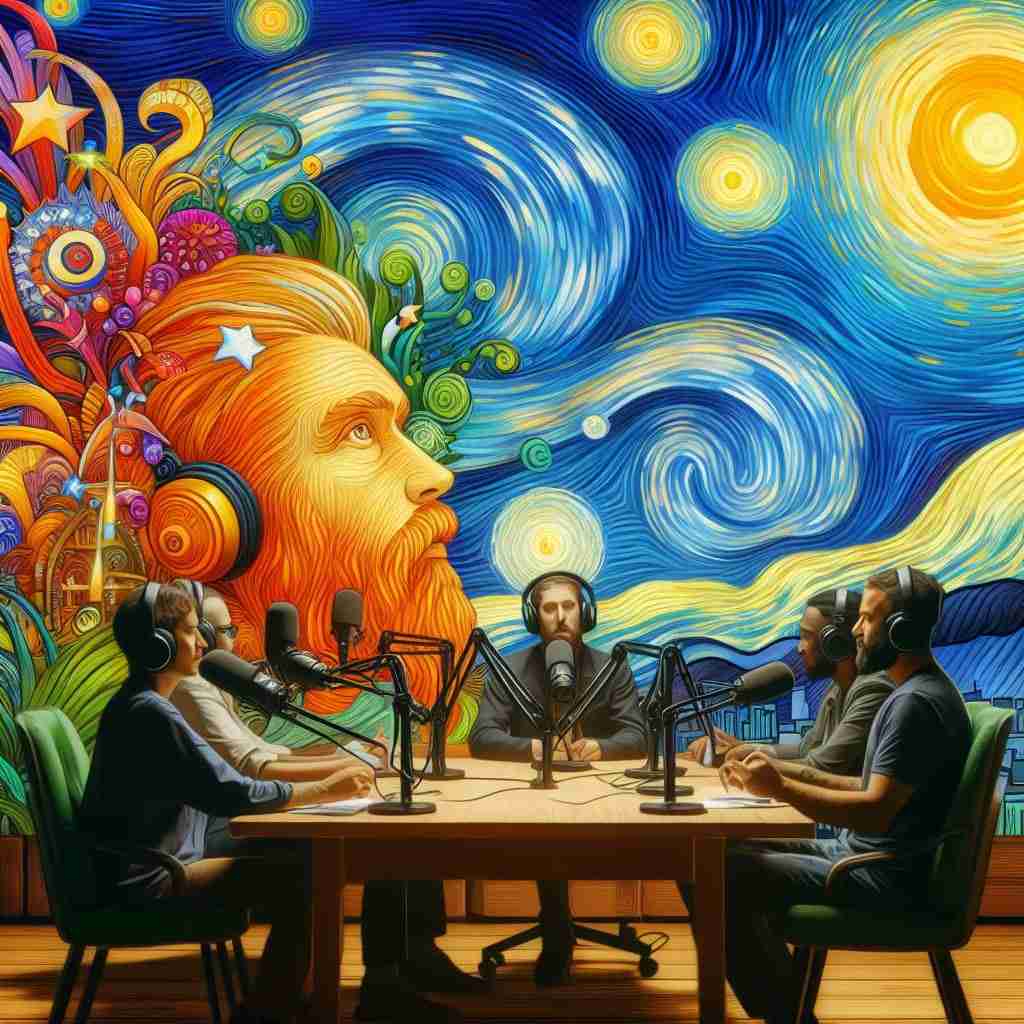
When it comes to audio mixing, the magic doesn’t just lie in complex algorithms or sophisticated software. It thrives in the heart of community feedback—an organic collaboration that sparks creativity and innovation. Imagine a passionate podcaster painstakingly perfecting their show, pouring their soul into every interview, every soundbite. They release their latest episode, and instead of waiting for the industry gatekeepers to weigh in, they turn to their community. A simple post on a forum or social media can flood in with insights from fellow audio enthusiasts. This is where the beauty happens—the real-time, unfiltered reactions that elevate the entire production.
Community feedback acts as a compass for those navigating the treacherous waters of sound design. In this collaborative ecosystem, voices from all walks of life join forces. You’ve got the seasoned audio engineers sharing nuggets of wisdom and beginners excitedly throwing in fresh perspectives. The rational part of us knows that every piece of feedback is a building block in refining a mix. It’s not just about hitting the right note; it’s about striking the right chord with your audience, creating a sonic experience that resonates deep within. When the community speaks, it reflects collective understanding—these aren’t just recommendations; they’re invitations for connection.
On a broader ethical scale, engaging communities fosters inclusivity in the field of audio mixing. The feedback loop encourages diversity in thought and sound, breaking down barriers and ensuring that voices from all backgrounds are heard and celebrated. As a result, you’ll find technology shaping itself around human experience, rather than the other way around.
Now, picture this: A budding artist receives feedback from listeners who are moved by their work, even shedding a tear over a heartfelt story. That’s where the gut comes into play—the emotional heart of the craft transforms the numbers and data into something profoundly impactful. It’s about trust; artists rely on their audience to guide their progress, while listeners yearn for authenticity, craving a genuine connection to the content they consume.
In the realm of audio mixing, community feedback is the pulse, the rhythm that syncs together creativity, technology, and emotion. So, when you’re next tangled in waves of sound and searching for that perfect mix, remember: the answer might very well lie in the shared voices of those around you.
How Does Community Feedback Enhance AI Solutions For Audio Mixing?
How Does Community Feedback Enhance AI Solutions For Audio Mixing?
- Audio mixing thrives on community feedback rather than just complex software.
- Podcasters benefit from real-time insights from their audience after episode releases.
- Community feedback serves as a compass for navigating sound design.
- Engagement from diverse voices enhances the audio mixing process.
- Feedback fosters inclusivity and diversity in the field, breaking down barriers.
- Emotional connections with listeners transform data into impactful experiences.
- Community feedback synchronizes creativity, technology, and emotion in audio mixing.

How Does Community Feedback Enhance AI Solutions For Audio Mixing?
What Emotional Responses Do We Hope To Evoke Through Balanced Audio?
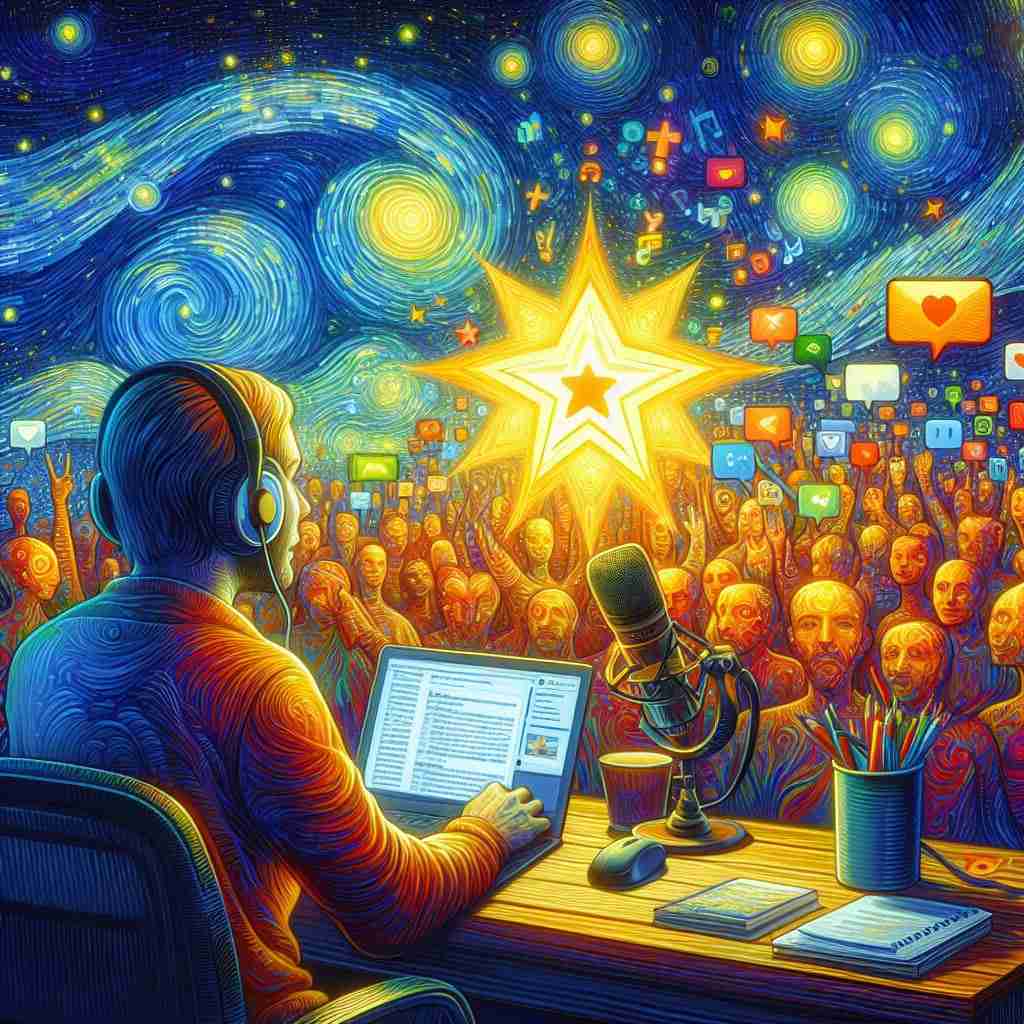
Balanced audio is more than just a technical necessity; it’s a conduit for emotional resonance. Picture this: you plug in to your favorite Podcast. The sounds, the tones, the silences—they have the power to stir feelings buried deep within you, connecting you to the stories being told. When audio is balanced just right, it can cradle your emotions, coaxing joy, sadness, or nostalgia to the surface, giving voice to feelings you might not have even known were there.
The emotional landscape crafted through audio is profound. It invites listeners to reflect on their own lives, to feel the weight of shared experiences, and to realize they are not alone in their journeys. When you hear a heartfelt story, it pulls at the strings of your heart; you can’t help but feel empathy for the storyteller. This connection goes beyond mere sound; it’s an announcement that says, “I understand you.”
But let’s not forget the mind. Balanced audio serves as a rational anchor, promoting clarity and focus. When every element in that Podcast is finely tuned—from the gentle laughter that lifts your spirits to the quiet pauses that prompt reflection—your full attention is engaged. You think, analyze, and digest what you’re hearing with ease. It compels you not just to listen, but to contemplate and respond, transforming passive hearing into active mental engagement.
Ethically, we strive to provide a platform where diverse voices can echo, where stories from all walks of life can find their way to the ears of those who need to hear them. This is the essence of shared experience through storytelling—each Podcast episode becomes a thread in the rich tapestry of humanity, fostering a sense of community rooted in understanding and respect.
In a world often filled with noise, balanced audio creates a sanctuary. It aligns with our deepest desires for connection. Whether it’s your morning commute or a quiet moment on the couch, the precise harmonization of sound serves as an invitation to delve deeper into the human experience. It fosters not just attention but trust, confidence in the narrative being spun, and an urge to take action—whether that’s sharing the story or reflecting on your own. Ultimately, good audio empowers the listener, reminding us of our shared humanity, echoing the truth that we are all interconnected.
What Emotional Responses Do We Hope To Evoke Through Balanced Audio?
What Emotional Responses Do We Hope To Evoke Through Balanced Audio?
- Balanced audio transcends technical quality, serving as a channel for emotional connection.
- Well-crafted soundscapes stir deep feelings, allowing listeners to connect with stories on a personal level.
- The emotional engagement encourages reflection on shared experiences, fostering a sense of belonging.
- Clarity in audio promotes focus, transforming passive listening into active engagement.
- Ethically, platforms should amplify diverse voices and stories, enriching the community through shared narratives.
- In a noisy world, balanced audio offers a sanctuary that invites deeper exploration of the human experience.
- Good audio empowers listeners, reminding us of our interconnectedness and shared humanity.

What Emotional Responses Do We Hope To Evoke Through Balanced Audio?
Can AI Truly Understand The Nuanced Dynamics Of Sound Mixing?
Picture this: you’re deep into the creative heartbeat of a podcast, the kind that pulls at your heartstrings and makes you laugh until it hurts. Each voice represents a unique story, a spark of emotion brought to life through skillful sound mixing. It’s a dance of dynamics—where every note, pause, and syllable has a purpose. Can AI really grasp these intricate subtleties?
Now, let’s tap into the ethos of our shared experience. Mixing sound isn’t just about volume levels and equalization; it’s about immersing the listener in a world that feels alive. Imagine a moment in your favorite podcast when the host’s voice drifts into a whisper, painting an intimate scene. That’s the human touch—the emotional instinct that an algorithm struggles to replicate. Machines can analyze data and find patterns, but can they feel the warmth of a well-timed pause, or the crackle of tension before a punchline lands?
Logically, one might argue that AI’s ability to analyze vast data sets provides it with an advantage in identifying trends and preferences. But numbers lack nuance. When we explore the ethics of AI in sound mixing, we confront a vital question: Do we want to prioritize efficiency over emotional connection? The risk is real; relying solely on algorithms could strip our podcasts of the very soul that makes them resonate with audiences.
The icons of sound mixing—people who’ve spent years honing their craft—know that true mastery comes from not just understanding sound, but from feeling it. They draw on their experiences, influenced by their life’s many ups and downs. This lived knowledge is something that even the most advanced AI programs might never access.
Yet here we stand at a crossroads. AI can assist, enhance, and optimize, but should it ever replace the human artistry that brings sound to life? Our relationship with technology must be one of partnership—not competition. Trust in the capability that combines human passion with machine efficiency can elevate our audio storytelling.
As listeners and creators, let’s champion a future where AI complements our creativity rather than confines it. After all, the most captivating stories are those that resonate deep in our gut, reminding us of our shared humanity. Together, let’s ensure that our soundscapes remain as rich and vibrant as the narratives we cherish.

Can AI Truly Understand The Nuanced Dynamics Of Sound Mixing?
Can AI Truly Understand The Nuanced Dynamics Of Sound Mixing?
- Podcasts are emotional experiences, where skillful sound mixing enhances storytelling.
- AI struggles to replicate the human touch, such as the emotional intent behind pauses and whispers.
- While AI can analyze data for trends, it lacks the nuance found in human emotion.
- There’s a critical ethical question about prioritizing efficiency over emotional connection in sound mixing.
- True mastery in sound mixing involves a deep understanding and feeling of sound, stemming from personal experiences.
- AI should enhance rather than replace human artistry in audio storytelling.
- Together, we can advocate for a future where AI complements creativity and preserves the richness of narratives.

Can AI Truly Understand The Nuanced Dynamics Of Sound Mixing?
Conclusion
In the dynamic landscape of audio content creation, the introduction of AI-powered solutions for mixing audio levels marks a significant turning point in the way we craft and experience sound. Imagine being a podcaster who invests countless hours into storytelling, only to face the frustration of fluctuating audio levels that distract listeners from your message. With AI in the mix, those inconsistencies are addressed with precision, allowing creators to focus on their narratives and connect deeply with their audience.
This technology—an unseen ally—is not just about technical enhancements; it represents a shift in respect for the listener’s experience. By ensuring a seamless auditory journey, creators not only honor their audience but foster loyalty and engagement. Picture this: a listener immersed in a story without the jarring interruptions of erratic sound. Those small adjustments driven by AI evoke a profound emotional connection, transforming casual listeners into ardent fans.
Moreover, AI empowers creators by alleviating the burden of technical details, freeing them to explore their stories in greater depth. This liberation encourages creativity and allows for authentic expression. Imagine the heartwarming narratives emerging from someone unencumbered by mixing woes—stories steeped in emotion, waiting to resonate with listeners.
On the ethical front, every creator has an obligation to deliver a polished product. Relying on AI doesn’t diminish the artistry; instead, it augments it. This partnership respects both the craft and the community, ensuring that every voice can be heard clearly and effectively. By sharing insights and experiences, podcasters can cultivate a collaborative environment that celebrates the nuances of audio mixing.
While some may question the ethics of involving AI in creative processes, it’s crucial to recognize that technology isn’t here to replace human touch; it’s a tool that enhances it. The most compelling audio isn’t merely a product of advanced algorithms; it’s rooted in the passion and skill of those who wield it. It’s about shaping narratives that resonate with our shared humanity, bridging gaps and forging connections.
Ultimately, as we navigate this new era of audio mixing, let’s embrace AI not as an adversary but as a co-pilot on our creative journeys. Together, we can craft soundscapes that echo the richness of our stories, leaving listeners not just informed but moved. With careful balance, we ensure that every mix, every recording, maintains its emotional heartbeat, drawing listeners into the compelling world of sound we strive to create.

Conclusion
Conclusion:
- The rise of AI-powered audio mixing solutions transforms audio content creation.
- AI addresses fluctuating audio levels, allowing creators to focus on storytelling.
- This technology enhances listener experiences, fostering loyalty and engagement.
- AI alleviates technical burdens, encouraging deeper storytelling and authentic expression.
- Using AI respects both the artistry of creation and the community of listeners.
- AI is a tool to enhance creativity, not a replacement for the human touch in audio production.
- Embracing AI allows for richer soundscapes that emotionally engage listeners.
Conclusion
Other Resources

Other Resources
Here is a list of other resources you can review online to learn more:
- NCH Software
- RØDECaster Pro
- Podcast Studio
- AI Success Cast
- Fountain
- Libsyn
- Spreaker
- Social Sales Link
- Podbean
- Mastodon
- Threads
- Alitu
- Podcast Guru
- Spotify for Podcasters
- Discord
- Podcast Addict
- Plurk
- Breaker
- Google My Business
- WordPress
Use This Prompt To Get More Resources With Your Favorite Online AI Tool: Please provide me with a list of online articles with their URLs in a bulleted list that I can read regarding The AI-Powered Cure for Mixing Audio Levels Inconsistently

Other Resources
Glossary Terms
The AI-Powered Cure for Mixing Audio Levels Inconsistently – Glossary Of Terms
1. AI (Artificial Intelligence): Computer systems designed to perform tasks that typically require human intelligence, such as recognizing patterns and making decisions.
2. Audio Levels: The measurement of sound intensity in an audio signal, usually represented in decibels (dB).
3. Mixing: The process of combining multiple audio tracks into a single audio file, adjusting levels, panning, and effects to create a final sound output.
4. Mastering: The final step in audio production that involves preparing and transferring recorded audio from a source to a data storage device, typically enhancing overall sound quality.
5. Normalization: A process that adjusts the amplitude of an audio signal so that the loudest peak reaches a specific level, ensuring consistent volume.
6. Dynamic Range: The difference between the quietest and loudest parts of an audio signal, crucial for maintaining audio clarity.
7. Threshold: The level above which an audio signal is processed by compressors or limiters, affecting dynamics and consistency.
8. Compression: An audio processing technique that reduces the dynamic range by making loud sounds quieter and quiet sounds louder.
9. Equalization (EQ): The adjustment of balance between frequency components of an audio signal, allowing for tonal shaping.
10. Limiter: A device or software that prevents an audio signal from exceeding a predetermined level, avoiding distortion.
11. Automation: The use of technology to automatically adjust audio levels and effects during a mix, improving consistency without manual input.
12. Gain Staging: The practice of managing the levels of audio signals throughout the recording and mixing process to minimize distortion and optimize sound quality.
13. Clipping: A form of distortion that occurs when an audio signal exceeds the maximum level a system can handle, causing loss of fidelity.
14. Latency: The delay between the input and output of an audio signal in a digital audio workstation, which can affect mixing accuracy.
15. Reverb: An audio effect that simulates the sound reflection in an environment, adding depth to the mix.
16. Delay: An effect that records an audio signal and plays it back after a specified period, creating a repetition effect.
17. Stereo Imaging: The perception of the spatial location of sound sources within a stereo field, influencing the listener’s experience.
18. Monitoring: The practice of listening to audio through loudspeakers or headphones during mixing to ensure consistent sound quality.
19. Reference Track: A professionally mixed and mastered track used as a standard for comparison during mixing and mastering.
20. Phase Cancellation: A phenomenon where two audio signals are out of phase and cancel each other out, affecting mix cohesion.
21. Fader: A control on a mixing console or digital audio workstation that adjusts the volume level of an audio track.
22. Panning: Distributing sound across the stereo field, allowing for perceived placement of audio sources in a mix.
23. Sound Design: The art of creating and manipulating audio elements to produce a desired auditory experience.
24. Track: An individual audio signal or recording within a digital audio workstation used in the mixing and mastering process.
25. Dither: A form of noise added to a digital audio signal before reducing the bit depth, helping to maintain audio quality.
26. Plugin: Software that adds specific processing or effects to audio signals within a digital audio workstation environment.
27. Bus: A channel that allows multiple audio tracks to be routed and processed together, useful for creating group effects or adjustments.
28. Feedback Loop: Occurs when an audio output is fed back into the input, potentially creating echoes or excessive volume.
29. Sample Rate: The number of samples of audio carried per second, affecting the fidelity and quality of digital recordings.
30. Bit Depth: The amount of information recorded for each sample in digital audio, influencing dynamic range and audio quality.

Glossary Of Terms
Other Questions
The AI-Powered Cure for Mixing Audio Levels Inconsistently – Other Questions
If you wish to explore and discover more, consider looking for answers to these questions:
- What are the main benefits of using AI for audio mixing?
- How do different audio mixing tools compare to AI solutions?
- Can AI detect and adjust emotional tones in a podcast?
- What common audio mixing mistakes can AI help avoid?
- Are there specific AI tools recommended for beginners in podcasting?
- How can podcasters ensure their unique sound is maintained while using AI?
- What role does user feedback play in developing better AI mixing tools?
- How can community collaboration improve audio mixing quality?
- What ethical concerns arise from using AI in creative fields like audio mixing?
- How does the integration of AI change the future of podcast production?
- What types of narratives or stories benefit most from balanced audio?
- How can creators measure audience emotional responses to audio quality?
- What are some success stories or case studies of AI in audio mixing?
- How can traditional sound engineers adapt to the rise of AI in their field?

Other Questions
Haiku
The AI-Powered Cure for Mixing Audio Levels Inconsistently – A Haiku
Voices rise and flow,
AI smooths the jagged sound,
Stories bind us close.

Haiku
Poem
The AI-Powered Cure for Mixing Audio Levels Inconsistently – A Poem
In a world where voices yearn to soar,
With passion ignited, and stories to explore,
Yet technical troubles can dim the ignite,
Inconsistent levels—too low, then too bright.
The dreamers arise with a heart full of hope,
Podcasters and creators learning to cope,
Through laughter and tears, they weave every tale,
But with audio chaos, their efforts can fail.
But behold the dawn of a tech-powered age,
Where AI steps in, filling sound with its sage,
With algorithms keen, it smooths out the ride,
Transforming rough sounds into a polished tide.
Imagine the mic, now singing in tune,
A world where the listeners can hum along soon,
Their hearts drawn in closer, connected by sound,
In reverberating stories, common ground found.
In each beat and whisper, emotions awake,
A journey through life’s ups and heartaches we make,
Ethical choices echo as we craft,
A commitment to listeners, a promised heartfelt draft.
Communities gather, advice shared with grace,
Together they lift every voice, every space,
For amidst the tech, it’s the human soul’s art,
That intertwines with AI, crafting truth from the heart.
So let us embrace this blending of styles,
In harmony’s name, let creativity smile,
For when stories shine brightly and audio flows,
We celebrate connections, the essence of prose.
Thus rise, dear creators, with passions ablaze,
With AI beside you, your voice finds its ways,
In every recorded moment, let authenticity reign,
As the world tunes in to your heartfelt refrain.

Poem
Checklist
The AI-Powered Cure for Mixing Audio Levels Inconsistently – A Checklist
Audio Mixing Transformation Checklist
Emotional Appeal:
_____ Reflect on how audio quality impacts emotional connections with your audience.
_____ Consider the stories that have resonated deeply; how can balanced audio enhance their delivery?
_____ Identify moments in your podcast where emotional responses are crucial. Are the audio levels supporting or hindering these moments?
Rational Appeal:
_____ Assess the current inconsistencies in your audio levels. List specific examples of fluctuating audio in past episodes.
_____ Research AI tools that can assist in audio mixing and note their features.
_____ Create a plan to implement AI-driven solutions in your audio editing process.
Ethical Appeal:
_____ Establish a commitment to producing high-quality audio. Write a pledge to uphold ethical standards in content delivery, ensuring a seamless experience for your listeners.
_____ Evaluate the impact of your audio mixing choices on audience engagement and trust. Are you providing the respect your audience deserves?
Authority Appeal:
_____ Seek out and study insights from established audio engineers and industry professionals. Document key takeaways.
_____ Attend workshops or online seminars about AI in audio mixing and note expert recommendations.
_____ Join audio mixing forums to learn from the experiences of others in the field.
Narrative Appeal:
_____ Write down your journey as a podcaster. What challenges have you faced with audio mixing?
_____ Collect stories from fellow creators about their struggles and triumphs in audio production and consider how they can inspire you.
_____ Share a personal anecdote about the importance of sound quality in a memorable story you’ve told.
Social Appeal:
_____ Engage your audience by requesting feedback on previous episodes. What audio issues did they notice?
_____ Create a community channel or social media group where podcasters can exchange tips and experiences related to audio mixing.
_____ Organize a collaborative project with other podcasters to share techniques and insights on effective audio mixing.
Each element of this checklist guides you to create a richer, more engaging audio experience for your listeners while fostering a community that values quality and connection in storytelling.

Checklist
At PodcastBig, we help people who want to learn about podcasting by collating information and news about podcasting.
Be sure to read our other related stories at PodcastBig to learn more about podcasting.