

Empowering The Hearing-Impaired With AI Accessibility Solutions
By Tom Seest
At PodcastBig, we help people who want to learn about podcasting by collating information and news about podcasting.
Be sure to read our other related stories at PodcastBig to learn more about podcasting.
The AI-Powered Cure for Difficulty Making Content Accessible to Hearing-Impaired Audiences
Creating content that excludes hearing-impaired audiences is not just a missed opportunity; it’s a disservice to our shared human experience. Imagine the stories that go untold and the connections that never happen because someone simply can’t hear the nuances of a voice or the laughter in a podcast. Each of us has a role to play in ensuring that everyone, regardless of their hearing ability, can engage with the rich tapestry of information and entertainment that surrounds us.
So, how do we bridge that gap? Enter AI—our digital ally in transforming the way we approach accessibility. AI has evolved into an incredible tool that can make content accessible to those who navigate the world differently. When we equip our podcasts and videos with AI-driven transcription and captioning, we step into an arena of inclusivity that says, “Your voice matters, and so does your experience.”
Think about it: for every heartfelt podcast that brings laughter or insight, there are countless individuals who are eager to join the conversation but find themselves outside the circle, left to interpret snippets through the filter of silence. With AI, we have the ability to dismantle those barriers. It’s not just about following regulations; it’s about ethics and empathy. We have an obligation to craft content that welcomes everyone in, because when you make your message accessible, you’re widening the audience, enriching the dialogue, and embracing humanity in all its forms.
Let’s not forget that in making content accessible, we aren’t just checking a box; we’re creating a community. We’re establishing connections that transcend spoken words, building bridges that resonate with everyone, regardless of their hearing ability. The beauty of our digital age is that we have the tools at our fingertips to make this happen effortlessly. It’s your responsibility to embrace AI, not just as a technological advancement but as a cornerstone of ethical content creation.
We’re all in this together. It’s time to put our best foot forward, harness the innovations of AI, and create a world where every story is heard—where every laugh echoes back, and every voice contributes to the vibrant mosaic of our shared humanity. Let’s get to work.

The AI-Powered Cure for Difficulty Making Content Accessible to Hearing-Impaired Audiences
The AI-Powered Cure for Difficulty Making Content Accessible to Hearing-Impaired Audiences
- Excluding hearing-impaired audiences limits storytelling and connection opportunities.
- We all have a role in ensuring everyone, regardless of hearing ability, can engage with content.
- AI serves as a valuable tool to enhance accessibility in content creation.
- Implementing AI-driven transcription and captioning fosters inclusivity and values diverse experiences.
- Accessibility goes beyond regulations; it embodies ethics and empathy towards all audiences.
- Making content accessible builds community and strengthens connections among individuals.
- Utilizing AI is essential for ethical content creation and for amplifying every voice in our shared humanity.

The AI-Powered Cure for Difficulty Making Content Accessible to Hearing-Impaired Audiences
Table Of Contents
- The AI-Powered Cure for Difficulty Making Content Accessible to Hearing-Impaired Audiences
- What If AI Can Bridge The Gap For The Hearing-Impaired Community?
- How Can Accessible Content Improve Lives Beyond Just Communication?
- How Do We Measure The Impact Of AI On Hearing Accessibility?
- What Stories Highlight The Struggle For Hearing-Impaired Individuals?
- Can AI Technology Empower Creators To Be More Inclusive?
- What Role Do Leaders Play In Advocating For Accessibility?
- How Can We Foster Community Support For Accessible Content Creation?
- Conclusion
- Other Resources
- Glossary Of Terms
- Other Questions
- Haiku
- Poem
- Checklist
What If AI Can Bridge The Gap For The Hearing-Impaired Community?
Imagine a world where the rustle of leaves, the laughter of children, and the rhythm of life is not a foreign sound but an everyday experience. For millions in the hearing-impaired community, those sounds can feel like echoes from another planet—beautiful, yet entirely out of reach. But what if artificial intelligence could bridge that gap?
Picture this: a podcast episode dedicated to navigating the complexities of communication, where AI serves not merely as a tool but as a bridge to understanding and connection. With advancements in technology, we are now on the cusp of innovations that could transform lives, turning silence into a symphony. Imagine a hearing-impaired child in a classroom suddenly able to participate fully, their confidence blooming as AI translates spoken words into understandable text on a screen. It’s not just about accessibility; it’s about dignity, inclusion, and the empowering realization that every voice matters.
From a rational standpoint, the implications are staggering. AI algorithms can analyze patterns of speech, converting sound waves into real-time captions, offering not just a lifeline but a lifework. Schools, workplaces, and homes would become something akin to harmonized symphonies, where every note finds its place in the score. Everyone deserves the right to engage with the world around them, and by investing in such technology, we create communities where every member is valued and heard.
But this venture into the realm of AI also raises important ethical questions. As we harness this power, we must tread thoughtfully, ensuring technology amplifies voices rather than overshadows them. Collaboration between developers, hearing specialists, and community advocates must be at the forefront. When we unite our expertise and lived experiences, we forge a path that respects autonomy and choice.
Ultimately, it’s a collective mission that calls us to reflect. By fostering an environment where AI is employed not just for efficiency, but for empathy, we weave a tapestry of connection in our society. Let us be the ones who speak up, not just for ourselves, but for those who may not be heard. The opportunity is before us—will we seize it? The moment is ripe for action, and together, we can turn absence into presence, silence into sound, by letting the warmth of human spirit guide the innovations of tomorrow.

What If AI Can Bridge The Gap For The Hearing-Impaired Community?
What If AI Can Bridge The Gap For The Hearing-Impaired Community?
- Imagine a world where natural sounds are accessible to the hearing-impaired community.
- AI has the potential to bridge the communication gap, transforming silence into a symphony.
- Advancements enable hearing-impaired children to participate fully in classrooms, enhancing their confidence.
- AI can convert speech into real-time captions, fostering inclusion and ensuring every voice matters.
- Investment in this technology promotes valued engagement within communities, creating harmonious environments.
- Ethical considerations are crucial; collaboration between experts and advocates is essential to amplify voices.
- We must focus on using AI for empathy, creating connections and opportunities for those who are unheard.

What If AI Can Bridge The Gap For The Hearing-Impaired Community?
How Can Accessible Content Improve Lives Beyond Just Communication?
Accessible content is more than just words on a page or pixels on a screen; it’s the bridge between isolation and connection, between silence and expression. Imagine a world where everyone feels valued, where the narratives of strength and resilience are shared freely, transcending barriers that once seemed insurmountable. This isn’t just a dream; it’s possible through accessible content.
When we create space for everyone—whether through captions, design, or language—we’re acknowledging the inherent worth of all voices. Think about a podcast episode that touches the heart of a listener who once felt voiceless. That moment of connection, when they realize they’re not alone in their experiences, is transformative. You can almost feel that ripple of hope spreading, igniting self-worth and igniting conversations that might never have started otherwise. This is how accessible content improves lives, not just in terms of communication, but by fostering a culture of inclusion.
From a rational perspective, consider the impact of accessibility on education and employment. When content is designed to be accessible, it opens doors to opportunities that were previously locked tight. Students with disabilities or language barriers can thrive when information is presented in a way they can understand and engage with. Similarly, businesses that prioritize accessible content don’t just check a box; they tap into a valuable wealth of talent and consumer base. Inclusion isn’t just ethical; it’s smart business.
Ethically, there’s a certain responsibility we all share. We live in a society that should promote equality and understanding. But what does that look like in practice? It’s ensuring that everyone has a seat at the table, that everyone can participate in the public discourse, and that everyone’s story is heard. As you listen to that podcast, witness that shift—the stories of the marginalized becoming part of the greater narrative.
On a gut level, it’s about feeling. Accessible content is an invitation to empathy. It beckons us to understand one another’s experiences deeply and profoundly. Each story shared, every emotion expressed, brings us closer together. It’s a call to action, urging us to champion inclusivity in all its forms, reminding us that while we might be different, we’re all in this together. Let’s carry that vision forward—not just for ourselves but for a better future where every voice matters.

How Can Accessible Content Improve Lives Beyond Just Communication?
How Can Accessible Content Improve Lives Beyond Just Communication?
- Accessible content connects individuals, fostering a sense of belonging and expression.
- Creating space for diverse voices through captions, design, and language acknowledges their inherent worth.
- Accessible content can transform lives by fostering connections and igniting conversations.
- It impacts education and employment by providing opportunities for students and job seekers with disabilities or language barriers.
- Inclusion in content creation is both an ethical responsibility and a smart business strategy.
- Promoting equality means ensuring everyone has a voice and a role in public discourse.
- Accessible content invites empathy, encouraging us to understand each other’s experiences and champion inclusivity.

How Can Accessible Content Improve Lives Beyond Just Communication?
How Do We Measure The Impact Of AI On Hearing Accessibility?
Measuring the impact of AI on hearing accessibility isn’t just a numbers game; it’s a human story woven into the fabric of our daily lives. Imagine a world where your elderly neighbor, whose hearing aids can hardly keep up with the hum of modern life, suddenly finds clarity in moments that once felt like isolation. That’s what the power of AI brings to the table—a chance for meaningful connection.
When we talk about this integration of technology, we can’t ignore the emotional weight it carries. For individuals who have battled the silent struggles of hearing loss, the ability to engage in their favorite Podcast or participate in lively dinner conversations becomes a matter of dignity. Think about how innovative solutions such as real-time captioning and smart hearing devices tap into the human instinct to connect and belong. This isn’t just about enhancing sound; it’s about restoring relationships, laughter, and love.
Rationally speaking, the evidence is there. Numerous studies are emerging that show how AI can predict and adapt to users’ preferences, optimizing hearing experiences like never before. But let’s not stop at the metrics. The ethical implications are vital. As we forge ahead with these advancements, we must ask ourselves: Are we equalizing access for everyone, or are we creating a divide? True progress should lift all boats in the water, ensuring that affordability and availability keep pace with innovation.
In the realm of social responsibility, the engagement of organizations and communities plays a pivotal role. Grassroots efforts aligned with tech companies can create initiatives that put these tools into the hands of those who need them most. Inviting people to share their stories generates a tapestry of experiences that highlight what’s at stake: empathy.
As these technologies evolve, we each hold a piece of the puzzle. From families advocating for accessible solutions to policymakers pushing for inclusive regulations, we have the power to shape the landscape of hearing accessibility. Let’s be part of the conversation that not only counts numbers but cherishes the heartbeats behind them. Let’s ensure that everyone can experience the sweetness of sound—together. Each voice matters, and every effort counts. We have the opportunity to not just measure impact, but to foster real change.

How Do We Measure The Impact Of AI On Hearing Accessibility?
How Do We Measure The Impact Of AI On Hearing Accessibility?
- AI significantly enhances hearing accessibility, creating opportunities for meaningful connections.
- It transforms the lives of those with hearing loss, aiding participation in social interactions.
- Innovative technologies like real-time captioning and smart hearing devices foster a sense of belonging.
- Numerous studies validate AI’s ability to predict and optimize user hearing experiences.
- Ethical considerations highlight the importance of equal access to technologies for everyone.
- Community engagement and grassroots initiatives are essential for making hearing tools accessible.
- All stakeholders, from families to policymakers, play a critical role in shaping an inclusive future.

How Do We Measure The Impact Of AI On Hearing Accessibility?
What Stories Highlight The Struggle For Hearing-Impaired Individuals?
Imagine walking into a bustling café where laughter and conversation fill the air. For some, that ambiance is a warm embrace; for others, it’s a wall they cannot penetrate. Hearing-impaired individuals navigate a world that often feels like it’s happening just out of reach. Their stories aren’t just statistics or headlines; they embody resilience, aspiration, and an unwavering desire for connection.
Take, for instance, the journey of a young woman named Sara, who shares her experience on a popular podcast. She recounts the initial excitement of starting college but soon faces the stark reality of isolation. While classmates bond over shared jokes and spontaneous discussions, she’s left piecing together the fragments of what’s said—a jigsaw puzzle without all the pieces. Her story goes deeper, offering an authentic narrative that reveals not just the challenges but the strategies she employs to adapt. Through her trials, Sara demonstrates incredible determination, igniting admiration in others and causing us to re-evaluate how we engage with the hearing impaired in our communities.
Yet it’s not just about individual stories; it’s about the ethical responsibility we all share. Society has a role—an obligation—to create an environment that includes everyone, signaling that we are stronger when we stand together, hand in hand. This is a call to action. We can be the difference makers, ready to advocate for better access to resources, technology, and inclusive spaces.
Moreover, we must recognize the heavy toll that societal disconnect can take. Imagine facing social isolation not just out of a lack of integration but a persistent sense of invisibility. The social fabric weaves us together, and each story of struggle is a thread that sharpens our understanding and empathy. We can amplify these voices; they deserve to be heard—truly heard.
Finally, consider this: the next time you find yourself in conversation—a simple chat over coffee, perhaps—take a moment to engage with those around you. Acknowledge barriers, practice patience, and embrace the richness of diversity in communication. It’s more than just an ethical stance; it’s an act of kindness and connection. In fostering understanding, we don’t merely change individual lives; we cultivate a culture that values inclusivity and respect for all. Together, we can ensure that every voice matters, and every story is heard.
What Stories Highlight The Struggle For Hearing-Impaired Individuals?
What Stories Highlight The Struggle For Hearing-Impaired Individuals?
- Hearing-impaired individuals often feel isolated in social environments like cafés, experiencing a world that seems just out of reach.
- Sara, a young woman, shares her journey on a podcast, highlighting her initial excitement for college and the subsequent feelings of isolation.
- She faces challenges in social bonding, often having to piece together conversations like a jigsaw puzzle.
- Her story showcases not only the struggles of hearing-impaired individuals but also the strategies they use to adapt and connect.
- Society has a collective ethical responsibility to create inclusive environments that are accessible to everyone.
- The societal disconnect experienced by hearing-impaired individuals can lead to social isolation and a sense of invisibility.
- Engaging with others and acknowledging communication barriers can foster understanding and cultivate a culture of inclusivity and respect for all.

What Stories Highlight The Struggle For Hearing-Impaired Individuals?
Can AI Technology Empower Creators To Be More Inclusive?
Imagine sitting in your favorite chair, headphones snug against your ears as you listen to a podcast that uplifts the human spirit. Each episode, filled with stories of resilience and creativity, showcases how technology can empower individuals to reach heights previously thought unattainable. Now, think about how AI technology can play a role in this narrative—a tool that not only amplifies voices but also broadens the horizon for creators from all walks of life.
The heart of creativity beats in the stories we tell and the connections we make. When you consider the creators—the artists, musicians, writers, and innovators—they all share a common thread: the desire to relate and resonate. AI can strip away barriers, offering these individuals a platform where their unique perspectives are celebrated, not sidelined. Imagine a young musician from a marginalized community, equipped with AI-driven tools that help refine their sound or enhance their lyrics. For that young artist, these tools offer more than technological advancement; they present hope and a chance to share their truth in a world that so often overlooks it.
Rationally speaking, the data is compelling. Research shows that diverse voices lead to richer narratives and stronger communities. An inclusive creative landscape not only reflects society but enriches it, enabling us to empathize with experiences vastly different from our own. AI can provide insights into trending topics or undiscovered genres, guiding creators toward uncharted territories where they can craft their stories that resonate with a wider audience.
Ethically, it’s imperative that we leverage this technology responsibly. The responsibility falls on us—those who build and who create—to ensure that AI is trained on diverse datasets that reflect humanity’s kaleidoscope. By doing so, we don’t just create art; we forge connections, sparking conversations that can change hearts and minds.
Socially, the impact goes beyond the individual creator. When we uplift one voice, we elevate communities. When creators from varied backgrounds flourish, the ripple effect can be felt across generations—a testament to resilience and solidarity in our shared human experience.
So, as we step into this brave new world, let us harness AI not just as a tool but as a bridge—a way to foster connection, inclusivity, and empowerment. The future of creativity awaits, and it’s rich with promise. Embrace the journey, and let’s write this story together.

Can AI Technology Empower Creators To Be More Inclusive?
Can AI Technology Empower Creators To Be More Inclusive?
- Listen to uplifting podcasts that highlight stories of resilience and creativity, showcasing technology’s empowering role.
- AI technology amplifies voices and broadens opportunities for creators from diverse backgrounds.
- Creativity flourishes through storytelling and connections, offering a platform for marginalized artists.
- Diverse voices enrich narratives and foster stronger communities, showcasing vastly different experiences.
- AI helps creators discover trending topics and unexplored genres, guiding them to resonate with wider audiences.
- Ethical use of AI requires training on diverse datasets to reflect the variety of human experiences.
- Uplifting diverse voices has a ripple effect, fostering resilience and solidarity across generations.

Can AI Technology Empower Creators To Be More Inclusive?
What Role Do Leaders Play In Advocating For Accessibility?
Leaders have a profound role in advocating for accessibility, transforming it from a mere checkbox into a badge of honor. Imagine a world where every door opens, every seat is at the table, and every voice is heard. For those navigating life with disabilities, accessibility isn’t just a policy—it’s a pathway to dignity and autonomy. But for leaders, it’s about more than just compassion; it’s about accountability and influence.
To begin with, leaders must embody the essence of accessibility in their organizations. This isn’t merely a logistical challenge; it’s a fundamentally ethical commitment. When leaders prioritize accessibility, they sow seeds of inclusivity that reverberate throughout their teams. They establish environments where everyone, regardless of their abilities, can contribute their unique strengths. Think about it: when every individual can engage fully, innovation flourishes, and perspectives broaden. This isn’t just warm and fuzzy—it’s smart business.
From a rational standpoint, the argument is compelling. Increasing accessibility means tapping into a wider talent pool. Investing in resources like adaptive technologies or accessible facilities brings about clear returns: increased productivity, enhanced morale, and a stronger reputation. It paints a picture not just of a diverse workplace but of a thriving one—one where people don’t just come to work; they come to belong.
Now, let’s not forget the narrative—real stories breathe life into statistics. Consider the leader who implemented a simple accessible feature in their office. It may seem trivial, but for an employee in a wheelchair, that small change could mean the difference between isolation and community. These leaders become champions of change, inspiring others to rethink what it means to serve everyone effectively.
Socially, advocacy is contagious. When leaders make accessibility a priority, it sends a message that resonates far beyond the boardroom. It reaches communities, families, and friends, influencing a cultural shift that champions empathy and respect. “Hey, if they can advocate for this, maybe I should, too.” It’s a rallying cry that stirs something deep within all of us.
In a time when the world feels divided on so many fronts, one rallying point can unify: the pursuit of accessibility. A leader’s role, therefore, is not just to advocate but to enlist others in that crusade. By stepping up and taking action, they lead not by authority alone but by the weight of their conviction—the kind that turns barriers into bridges.

What Role Do Leaders Play In Advocating For Accessibility?
What Role Do Leaders Play In Advocating For Accessibility?
- Leaders play a crucial role in promoting accessibility, transforming it into a badge of honor rather than just a requirement.
- Accessibility is essential for individuals with disabilities, serving as a pathway to dignity and autonomy.
- Leaders must embody accessibility within their organizations as an ethical commitment, fostering inclusivity.
- Prioritizing accessibility leads to increased innovation and a diverse workforce where everyone can contribute.
- Investing in accessible resources results in higher productivity, better morale, and an improved workplace reputation.
- Real stories highlight the impact of accessibility changes, inspiring leaders and others to champion inclusive practices.
- When leaders advocate for accessibility, they instigate cultural shifts that promote empathy and unity in the community.

What Role Do Leaders Play In Advocating For Accessibility?
How Can We Foster Community Support For Accessible Content Creation?
Creating accessible content isn’t just a good idea—it’s a revolutionary act of inclusion. Imagine a world where every story, every heartbeat, and every laugh can land equally, regardless of ability. This isn’t some loftier ideal—it’s a necessity that resonates with our shared humanity. When we approach content creation, we face a pressing question: are we truly welcoming all voices, ensuring that each has a seat at the table?
Time and again, we hear stories of individuals who are hungry for connection. Think of the person with a hearing impairment who misses the laugh of their friends at a podcast because it isn’t captioned. That laughter, that shared moment—that’s what builds communities. When we overlook the need for accessible formats, we inadvertently shut the door on those who could otherwise enrich our lives with their unique perspectives. And let’s face it, we’re better when we’re together, learning and sharing from each other’s experiences.
Now, let’s not kid ourselves; making content accessible isn’t just a “nice-to-have” feature. It’s a moral requirement that aligns with our shared values. By committing ourselves to accessibility, we establish trust within our community. We send a clear message: everyone matters. Imagine being the brand, the creator, or the leader who takes the first step towards this inclusiveness. You’ll not only inspire confidence among your audience but also foster loyalty that stands the test of time.
We have the power to act, to change the narrative. Educate yourself and your peers about inclusive design and its impact. Collaborate with individuals from diverse backgrounds and abilities to gather insights that shape your content. Share those tips and tales in a podcast, on social media, or in workshops—let’s spread the word and grow this movement together.
Remember, accessibility isn’t merely about compliance; it’s about connection. Every time you create content that’s accessible, you’re planting a seed of unity in your community. We can create something transformative—content that speaks to all people, where everyone feels represented and heard. Take a ahold of this collective journey to foster community support for accessible content. The future embraces all of us; let’s make sure we embrace it, too.

How Can We Foster Community Support For Accessible Content Creation?
How Can We Foster Community Support For Accessible Content Creation?
- Creating accessible content is an essential act of inclusion that resonates with our shared humanity.
- Content creators must ask themselves if they are truly welcoming all voices and ensuring inclusivity.
- Individuals with disabilities, like hearing impairments, miss out on social connections when content isn’t accessible.
- Accessible content is a moral obligation that fosters trust and sends the message that everyone matters.
- Taking steps towards accessibility can inspire confidence and loyalty among audiences.
- Educating oneself and collaborating with diverse individuals can shape more inclusive content creation.
- Accessibility promotes connection and community, creating content that speaks to and represents all people.

How Can We Foster Community Support For Accessible Content Creation?
Conclusion
Content creation is a powerful vehicle for connection, and it must embrace all voices, including those of hearing-impaired individuals. The stories we tell and the laughter we share should be felt by everyone, creating a tapestry of humanity that includes every individual, regardless of their hearing abilities. We have a responsibility—it’s not merely about compliance, but about fostering a culture of empathy and inclusivity. When we leverage artificial intelligence for accessibility, we are not just using technology; we are making a conscious choice to break down barriers.
Imagine the profound impact of a child’s laughter being part of a classroom dynamic, or the insights shared in a podcast resonating fully with someone who previously felt disconnected. AI can turn silence into sound, empowering communities to engage. This goes beyond ethics; it taps into our shared humanity. When we ensure content is accessible, we are not just widening the reach of our messages but enriching the experience for everyone, challenging the notion that accessibility is an afterthought.
The rational side is compelling. Studies indicate that inclusive content leads to richer narratives and stronger communities. Accessibility is good for business, driving creativity and attracting diverse talent. Think about the possibilities when every voice feels valued. It’s an ethical obligation combined with a savvy strategic move. When leaders prioritize inclusivity, they signal that empathy can coexist with economic success.
This collective movement needs champions. As leaders and creators, you have the authority to amplify voices that have been hushed. Reach out to diverse communities, advocate for resources that facilitate access, and design with intention—these are the steps that will turn inklings of change into real-world impact. Your efforts can create environments where every individual has the resources they need to thrive.
As we stand at this crossroads where technology meets humanity, let us kindle a movement where each story matters, where laughter is shared, and joy is universal. Together, we can pave the way for a future that values inclusivity. It’s not just a task—it’s an invitation to cultivate an authentic community that resonates with the promise of a better tomorrow. So let’s embrace this challenge, turning the silence of exclusion into an echo of connection: every laugh, every story, accessible to all. It’s time to unite and make sure no voice remains unheard. Let’s get to work!

Conclusion
Conclusion:
- Content creation fosters connection and must include hearing-impaired voices.
- Stories and laughter should be accessible to all, promoting empathy and inclusivity.
- Leverage AI technology to break down barriers and enhance accessibility.
- Inclusive content enriches experiences and strengthens community ties.
- Accessibility is both an ethical obligation and a strategic business advantage.
- Creators and leaders must advocate for diverse communities and intentional design.
- Join the movement to ensure every voice is heard and valued, creating a better tomorrow.

Conclusion
Other Resources

Other Resources
Here is a list of other resources you can review online to learn more:
- Tumblr
- Podcast Guru
- Spreaker
- Resound
- Audacity
- VK
- Apple Podcasts for Creators
- Podcast Addict
- AI Success Cast
- AI Success Club
- Google My Business
- Column1
- Podbean
- YouTube
- Deezer
- Podchaser
- Medium
- r/podcasting
Use This Prompt To Get More Resources With Your Favorite Online AI Tool: Please provide me with a list of online articles with their URLs in a bulleted list that I can read regarding The AI-Powered Cure for Difficulty Making Content Accessible to Hearing-Impaired Audiences
Other Resources
Glossary Terms
The AI-Powered Cure for Difficulty Making Content Accessible to Hearing-Impaired Audiences – Glossary Of Terms
1. Accessibility: The practice of designing content so that it is usable by individuals with diverse abilities and disabilities, including those who are hearing-impaired.
2. A11y: Short for “accessibility,” this term is commonly used in the digital realm to discuss making content available to all users.
3. Captioning: The process of displaying text on a screen that corresponds to spoken language, making audio content accessible to hearing-impaired viewers.
4. Subtitles: Text displayed at the bottom of a screen that translates and/or transcribes spoken dialogue, often used for foreign language films.
5. Closed Captions: Captioning that can be turned on or off by the viewer, providing accessibility for those who may need it without affecting the rest of the audience.
6. Open Captions: Captions that are always visible on the screen and cannot be turned off, providing access to everyone.
7. Assistive Technology: Devices or software that help individuals with disabilities access content, such as screen readers or captioning software.
8. Transcription: The process of converting spoken content into written text, which can be beneficial for creating captions or for reference.
9. Sign Language: A visual-manual language used by the deaf and hard-of-hearing community, allowing for effective communication.
10. Audio Description: A narration that describes key visual elements in a video for viewers who may not be able to see them.
11. Inclusive Design: A design philosophy that aims to create products and services that are accessible and usable by as many people as possible.
12. User Experience (UX): The overall experience a person has when interacting with a product or service, influenced by accessibility features.
13. Hearing Impairment: A partial or total inability to hear, which can impact an individual’s ability to access auditory content.
14. Diversity: The inclusion of different types of people, including those with disabilities, in content creation and design processes.
15. Content Strategy: The planning and managing of content that aims to reach a specific audience, paying consideration to accessibility needs.
16. Accessibility Audit: An assessment of a product, service, or environment to determine how well it accommodates users with disabilities.
17. Compliance: Adherence to legal standards and regulations regarding accessibility, such as the Americans with Disabilities Act (ADA).
18. Readability: The ease with which text can be read and understood, which is crucial for effective communication with hearing-impaired audiences.
19. Screen Reader: Software that reads aloud the text displayed on a screen, allowing people with visual or hearing impairments to access information.
20. Web Content Accessibility Guidelines (WCAG): A set of recommendations for making web content more accessible, including tips for captioning and text alternatives.
21. Multimedia: Content that combines different formats, such as text, audio, images, and video, which requires specific considerations for accessibility.
22. Engagement: The level of interaction and involvement a user has with content, which can be enhanced through accessible design.
23. Sensory Design: A design approach that acknowledges and accommodates various sensory abilities, focusing on how users perceive information.
24. Feedback Mechanism: Tools or systems through which users, especially those with disabilities, can provide input on content accessibility.
25. Creative Technology: Innovative tools and methods that leverage technology to enhance content creation, including for accessibility purposes.
26. Curated Content: Selected and organized information or resources that are tailored to meet the needs of specific audiences, including those who are hearing-impaired.
27. AR (Augmented Reality): Technology that overlays digital content onto the real world, which can be made accessible through captioning and instructions.
28. Virtual Reality (VR): A simulated experience that can create immersive environments, requiring careful design for accessibility, especially audio elements.
29. Community Input: Gathering insights and feedback from the hearing-impaired community to inform content creation and accessibility efforts.
30. Automation: The use of technology to streamline processes like captioning or transcription, allowing for quicker access to content for hearing-impaired audiences.

Glossary Of Terms
Other Questions
The AI-Powered Cure for Difficulty Making Content Accessible to Hearing-Impaired Audiences – Other Questions
If you wish to explore and discover more, consider looking for answers to these questions:
- What specific AI technologies are available for making content accessible to hearing-impaired audiences?
- How can content creators effectively implement AI-driven accessibility tools?
- What are some successful examples of content created with AI for hearing-impaired individuals?
- What ethical considerations should be taken into account when using AI for accessibility?
- How can organizations measure the success of their accessibility initiatives?
- What role do educators play in promoting accessibility for hearing-impaired students?
- How does accessibility in content creation impact audience engagement and retention?
- What challenges do content creators face when trying to make their work accessible?
- What training or resources are available for creators who want to become more inclusive?
- How can the community support creators in their efforts for accessibility?
- What strategies can leaders implement to prioritize accessibility in their organizations?
- How can individuals advocate for accessibility within their own communities?
- What is the potential future of AI in enhancing accessibility for the hearing-impaired?
- How can we encourage collaboration between tech companies and the hearing-impaired community?
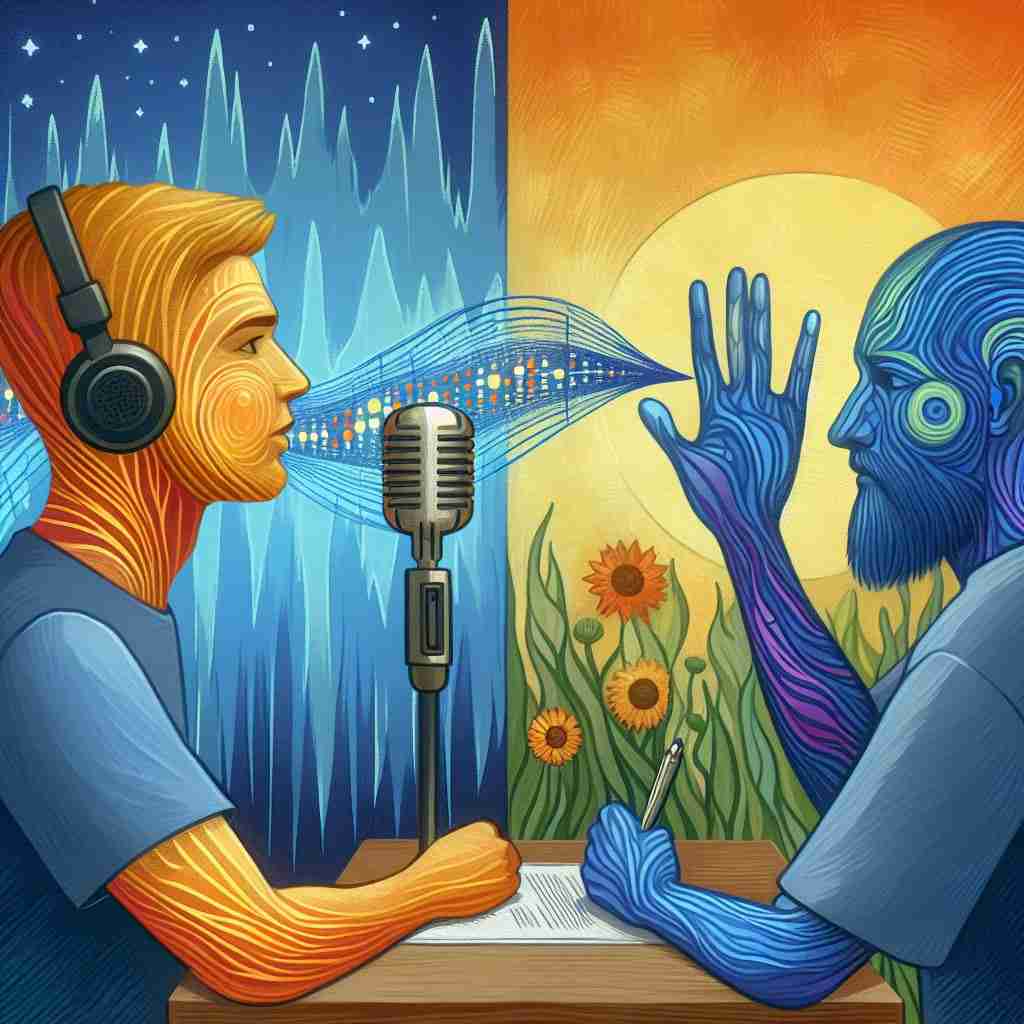
Other Questions
Haiku
The AI-Powered Cure for Difficulty Making Content Accessible to Hearing-Impaired Audiences – A Haiku
Voices once distant,
AI draws us close, unified,
Stories rise, hearts soar.

Haiku
Poem
The AI-Powered Cure for Difficulty Making Content Accessible to Hearing-Impaired Audiences – A Poem
In a world that often whispers and shouts,
Where laughter dances but silence brims,
Let’s weave a tapestry of voices,
Each thread a story, each heart a hymn.
Imagine the joy of untold tales,
Of children’s laughter that fills the air,
With AI as our ally, we can break barriers,
To forge connections, foster love and care.
For those left outside, yearning to belong,
With captions and tech, the walls fade away,
Accessibility is a melody, a shared song,
A bridge built on empathy, come what may.
In every podcast, in every shared glance,
Lives transformed, dignity restored,
Beyond mere compliance, it’s a compassionate chance,
To honor all voices and cherish the unheard.
Rationally binding us, inclusion’s sweet call,
With leaders embracing, lifting us high,
Together we flourish, one and all,
Each effort a step toward a brighter sky.
So let’s harness the power we hold in our hands,
To create spaces where everyone thrives,
In this vibrant mosaic of humanity’s strands,
Every story matters, and every voice strives.
For as we champion each other through sound and through sight,
We craft a future where every heart sings,
No longer in silence, but bathed in pure light,
A community formed where acceptance takes wing.

Poem
Checklist
The AI-Powered Cure for Difficulty Making Content Accessible to Hearing-Impaired Audiences – A Checklist
Checklist for Creating Accessible Content for Hearing-Impaired Audiences
Emotional Appeals:
_____ Empathize with the hearing-impaired community; consider their experiences and needs.
_____ Share personal stories or testimonials from hearing-impaired individuals to highlight the importance of accessibility.
_____ Use narratives that evoke feelings of community, inclusion, and unity.
Rational Appeals:
_____ Research and present data on the benefits of AI technologies in improving accessibility (e. g. , real-time captioning statistics).
_____ List tangible outcomes from accessible content, such as improved educational and employment opportunities.
_____ Assess the potential impact of inclusivity on overall audience engagement and business growth.
Ethical Appeals:
_____ Reflect on the moral obligation to create inclusive content for all, emphasizing that every voice deserves to be heard.
_____ Address the ethical considerations in using AI, ensuring it amplifies rather than overshadows the voices of individuals.
_____ Encourage collaboration with experts and community advocates to develop ethical AI solutions.
Authority Appeals:
_____ Cite studies, experts, or industry leaders who support the need for accessible content and the use of AI in achieving it.
_____ Highlight successful case studies of organizations or individuals who have effectively advocated for accessibility.
_____ Encourage leadership in promoting an inclusive culture as a model for others to follow.
Narrative Appeals:
_____ Share compelling stories that illustrate the positive impact of accessible content on individual lives.
_____ Use anecdotes to depict the journey of those who have faced barriers and how accessibility has changed their experiences.
_____ Connect the stories to broader societal themes of equality and respect.
Social Appeals:
_____ Encourage community involvement and engagement in discussions about accessibility and content creation.
_____ Highlight examples of successful community initiatives or programs aimed at promoting inclusivity.
_____ Foster a culture of support where individuals advocate for each other’s rights and accessibility needs.
Practical Steps:
_____ Integrate AI tools for transcription and captioning in your content creation process.
_____ Collaborate with diverse groups to gather insights and feedback on accessibility.
_____ Organize workshops or discussions to raise awareness about the importance of inclusive content.
Call to Action:
_____ Commit to creating content that is accessible and invites participation from all voices.
_____ Challenge yourself and others to think about accessibility in every aspect of content creation.
_____ Stand as a champion for change, ensuring that no one is left unheard.

Checklist
At PodcastBig, we help people who want to learn about podcasting by collating information and news about podcasting.
Be sure to read our other related stories at PodcastBig to learn more about podcasting.