

Empower Your Sound: Harness The Power Of Ai
By Tom Seest
At PodcastBig, we help people who want to learn about podcasting by collating information and news about podcasting.
Be sure to read our other related stories at PodcastBig to learn more about podcasting.
Stop Wasting Time on Mixing Audio Levels Inconsistently: Let AI Handle It
In the whirlwind world of podcasting, creating an engaging experience is the ultimate goal. Yet, how often do we find ourselves tangled in the labyrinth of mixing audio levels? Picture this: You’ve spent hours crafting the perfect episode, and right when you’re about to share it with the world, you discover the audio is as inconsistent as a toddler’s attention span. Frustration sets in, and you begin to wonder if all that effort was worth it. You’re not alone; countless creators sit in the same boat, paddling against the tide of technical hurdles instead of delivering compelling content to their audience.
Let’s get real. You didn’t start your podcast to become an audio engineer; you started it to share stories, insights, and experiences that matter. Sure, mixing audio levels is part of the process, but why should it consume your creativity and time? This is where the magic of AI comes into play. Think of it as your trusty co-pilot—able to handle the nitty-gritty of audio leveling seamlessly while you focus on what you do best: connecting with your audience.
Consider this: using AI to manage your audio levels not only saves you precious time but also enhances the quality of your content. The technology is designed to analyze and adjust, ensuring that every word you speak resonates just right, allowing your voice to shine through without the distraction of inconsistent sound. Imagine the trust you’ll build with your listeners as they eagerly press play on your latest episode, greeted by clear, balanced sound that keeps them engaged from start to finish.
And let’s not forget the ethical implications of delivering quality content. Your listeners deserve the best, and by investing in AI, you elevate not just your podcast but also the listening experience for every individual who tunes in. This isn’t just about you and your journey; it’s about building a community where every voice is heard clearly and consistently.
So ditch the hours spent wrestling with audio levels and let AI do the heavy lifting. Trust in technology that empowers you, allowing your passion for storytelling to flourish. Are you ready to embrace the future and focus on what truly matters? It’s time to stop wasting time—let AI handle the mixing while you captivate your audience with your words.

Stop Wasting Time on Mixing Audio Levels Inconsistently: Let AI Handle It
Stop Wasting Time on Mixing Audio Levels Inconsistently: Let AI Handle It
- Creating an engaging podcast experience is the ultimate goal amidst the technical challenges of audio mixing.
- Frustration arises when hours of work result in inconsistent audio quality, leading to doubts about the value of the effort.
- Podcasters typically start their journey to share meaningful stories, not to become audio engineers.
- AI can serve as an efficient assistant in managing audio levels, allowing creators to focus on audience engagement.
- Utilizing AI to manage audio levels saves time and enhances content quality, ensuring clear and balanced sound.
- Investing in AI not only improves the podcast but also enhances the overall listener experience.
- Embracing AI technology enables podcasters to prioritize storytelling and build a community of engaged listeners.

Stop Wasting Time on Mixing Audio Levels Inconsistently: Let AI Handle It
Table Of Contents
- Stop Wasting Time on Mixing Audio Levels Inconsistently: Let AI Handle It
- What Emotions Do You Experience When Mixing Audio Levels?
- How Can AI Streamline Your Audio Editing Process?
- Are Inconsistent Audio Levels Affecting Your Content’s Impact?
- What Ethical Concerns Arise From Using AI In Audio Mixing?
- How Does Mastering Audio Levels Enhance Your Storytelling?
- What Authority Should We Trust When Choosing AI Audio Tools?
- How Does Social Feedback Influence Your Audio Mixing Choices?
- Conclusion
- Other Resources
- Glossary Of Terms
- Other Questions
- Haiku
- Poem
- Checklist
What Emotions Do You Experience When Mixing Audio Levels?
Mixing audio levels isn’t just a technical task; it’s a journey through emotions that can sweep you off your feet—or plunge you into uncertainty. Picture yourself seated in front of a console, the hum of equipment like a heartbeat, each dial reflecting the intensity of the moment. This is where art meets science, where your intuition wrestles with logic. The thrill of finding that perfect balance can be electric. Each adjustment feels like a step closer to unveiling the emotional core of your podcast, the soundscapes you craft echoing your intention and the stories you wish to tell.
Yet, with every rising and falling decibel, there comes a mix of anxiety and elation. The heady joy when vocals pop just right, or the gentle fade of background music that elevates your message—this is the magic that draws listeners in. But then, a small miscalculation, an unexpected peak, and suddenly your heart races. The tension between wanting to communicate clearly and the fear of over compression is palpable, and it’s in these moments you learn the true meaning of perseverance.
Let’s not forget the ethical weight carried by every decision. You’re not just shaping sounds; you’re crafting experiences. The responsibility sits heavy, reminding you that each level you adjust can sway diverse emotions and reactions. It’s about respect for your audience, understanding that they seek connection through your words and melodies. You’re building a community, one audio level at a time, and that requires thoughtfulness and integrity.
Moreover, as you tune into these levels, you connect on a social plane. You’re not alone in this journey; countless others are navigating the same peaks and valleys. They, too, feel the pressure of making every episode resonate with truth and clarity. You’re part of a tribe of creators, and there’s a certain comfort in shared struggle. The trials and triumphs of mixing reflect our humanity—a tapestry of shared endeavors stitched with sweat, inspiration, and late-night revisions.
So next time you sit down to finesse a podcast, remember: it’s more than just moving sliders. It’s about harnessing emotions, commanding attention, and fostering a genuine connection. Tread boldly into that sonic landscape, knowing you’re not just a mixer; you’re an architect of experiences. Your passion for balanced audio can inspire listeners to lean in, engage, and ultimately, feel who you are through the magic of sound.
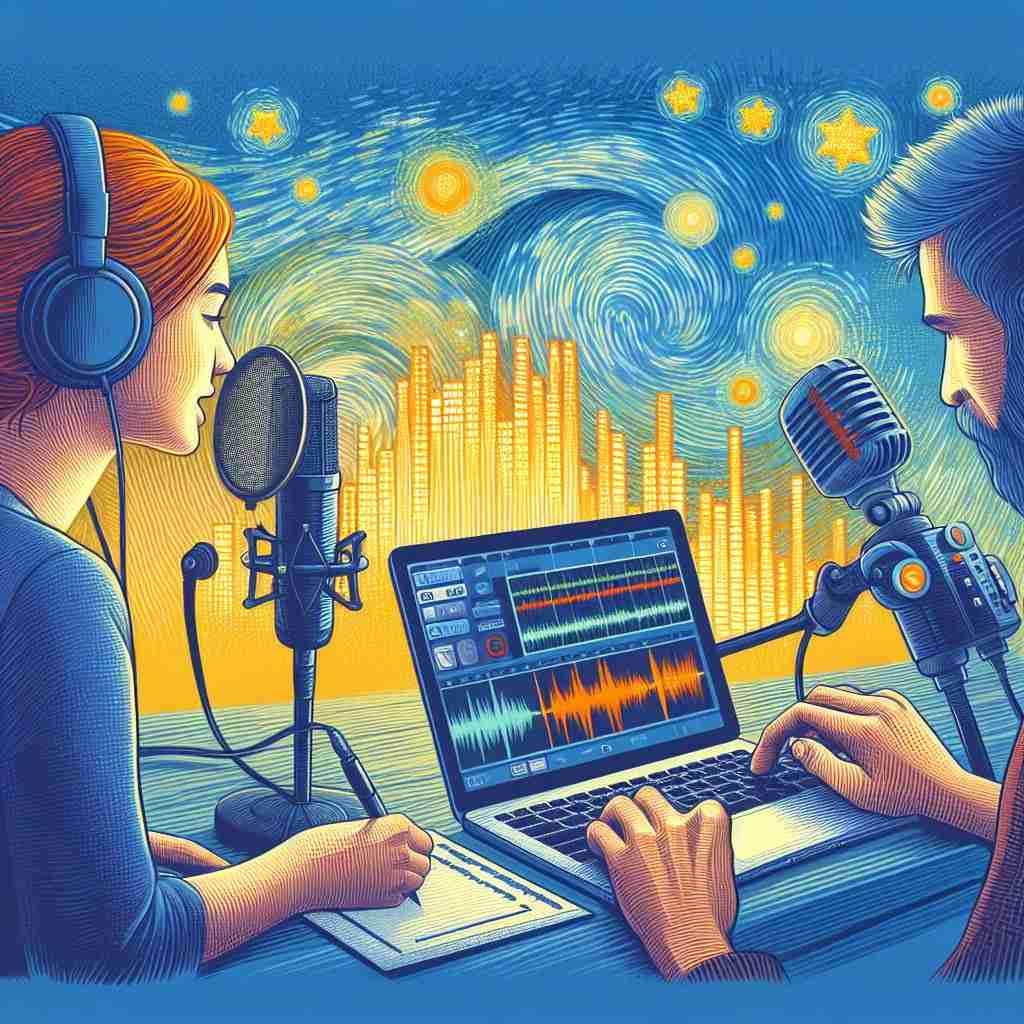
What Emotions Do You Experience When Mixing Audio Levels?
What Emotions Do You Experience When Mixing Audio Levels?
- Mixing audio levels is both a technical task and an emotional journey.
- The process involves a balance between art and science, where intuition and logic coexist.
- Finding the perfect balance can evoke feelings of thrill and joy, enhancing the storytelling experience.
- Each adjustment impacts how listeners perceive emotions, requiring ethical consideration and audience respect.
- Mixers share a communal experience, facing similar challenges that reflect shared human struggles.
- Every episode is an opportunity to resonate with truth and clarity, fostering genuine connections.
- Mixers are seen as architects of experiences, inspiring listeners through their passion for balanced audio.

What Emotions Do You Experience When Mixing Audio Levels?
How Can AI Streamline Your Audio Editing Process?
If you’ve ever plunged into the world of audio editing, you know it can feel like navigating a labyrinth blindfolded. Hours lost in software that seems to work against you, battling audio glitches while striving for that perfect pitch. Enter artificial intelligence, a game-changer poised to revolutionize your audio editing experience, particularly for those in the podcast sphere.
Imagine you’re knee-deep in a compelling project—the kind that grips listeners and tugs at heartstrings. But instead of focusing solely on your message, you’re wrestling with fussy software and tedious adjustments. That’s where AI steps in, acting like a steadfast partner in the creative process. With cutting-edge algorithms, AI can analyze audio tracks in the blink of an eye, identifying and automating edits that would take hours to sift through manually. It spares you the headache of nitpicking through every second of sound, allowing you to concentrate on what truly matters: crafting a story that resonates with your audience.
Think about the ethics involved. Time is a precious commodity, and how you spend it counts. Should you waste hours fumbling with your audio, or should you invest that time into meaningful conversations—those moments that connect lives? AI empowers you to make that conscious choice. With enhanced tools, you can achieve professional quality without sacrificing your core message. This isn’t just efficiency; it’s a way to uphold your commitment to quality, honesty, and authenticity.
Moreover, we live in a world that yearns for connection. As you pour your passion into each episode, AI helps you broadcast that same zeal seamlessly. Picture your audience tuning in, captivated not just by your voice but by the clarity of every sound wave. Their experience becomes richer, and as they tune into your podcast, they feel a part of something larger—community, understanding, and shared stories.
Let’s not ignore the authority that comes from embracing technology. By leveraging AI-driven editing tools, you position yourself ahead of the curve. You’re setting a standard, making it clear that your podcast isn’t just about the talk—it’s about the craft that supports it. You’re not just a voice; you become a beacon of innovation in a crowded digital landscape.
So, embrace AI, and let it streamline your audio editing process. Lean into this technology, and turn it into a force multiplier for creativity, connection, and community. Your journey in the podcasting world is significant; let every moment shine through unforgettably.

How Can AI Streamline Your Audio Editing Process?
How Can AI Streamline Your Audio Editing Process?
- Audio editing can be challenging, often feeling like navigating a labyrinth.
- AI is transforming audio editing, especially beneficial for podcasters aiming for better efficiency.
- AI can quickly analyze audio tracks and automate edits, saving significant time for creators.
- Using AI allows creators to focus on storytelling rather than technical glitches.
- It empowers creators to spend their time on meaningful conversations instead of tedious audio adjustments.
- AI enhances the listening experience, making podcasts more engaging and connecting audiences through clarity.
- Embracing AI technology positions podcasters as innovators in a competitive digital landscape.

How Can AI Streamline Your Audio Editing Process?
Are Inconsistent Audio Levels Affecting Your Content’s Impact?
Imagine you’re driving down a winding road, the sun setting on the horizon, and you tune into your favorite podcast. It’s the perfect moment until—suddenly—an explosion of sound rattles your eardrums, forcing you to fumble for the volume knob. You know the feeling: the punch of a loud segment harshly disrupts the flow, robbing you of the experience. That right there is the power of audio levels; they can make or break your content’s impact.
In today’s digital landscape, where authenticity is the currency and connection is the goal, consistent audio levels aren’t just a technical requirement—they’re a lifeline to your audience. When each word is delivered with intentionality, it draws people in, whether they’re tuning in on their commutes or unwinding after a long day. It’s more than just sound; it’s about creating an atmosphere that resonates, one that fosters trust and enhances your narrative.
Think about it: you’re sharing stories, insights, or laughter—moments that shape opinions and ignite passions. Yet, if your listeners are struggling to hear your message over erratic audio levels or are cringing at jarring sound contrasts, you’re not just losing their focus; you’re losing their faith. Trust is hard-earned and easily squandered. Each moment of frustration is a potential disengagement, and when that happens, your powerful message risks fading into the void.
But don’t let that scare you. Let it inspire you. Imagine crafting an auditory experience so seamless that it pulls your audience into the narrative, leaving them hanging on every word. It’s an ethical obligation we have as creators to pay attention to the details—the small things that can make a monumental difference. After all, your voice represents a community, a dialogue worth having, and that deserves to be heard loud and clear.
Keep in mind, every time someone presses play, they’re choosing to be part of your world. They’re inviting you into their lives, and when you honor that commitment by ensuring consistent audio levels, you show them respect. It’s a simple gesture that builds bridges, increases engagement, and transforms ordinary content into a shared journey. So, turn the dials, adjust the levels, and let your words flow freely—your audience is listening.

Are Inconsistent Audio Levels Affecting Your Content’s Impact?
Are Inconsistent Audio Levels Affecting Your Content’s Impact?
- Driving while listening to a favorite podcast can be disrupted by sudden loud audio.
- Consistent audio levels are crucial for maintaining audience engagement and creating a positive experience.
- Well-delivered audio fosters trust and connection with listeners, enhancing the overall narrative.
- Erratic audio levels can lead to frustration, disengagement, and loss of audience faith in the content.
- Create a seamless auditory experience to keep the audience engaged and invested in the content.
- Every listener’s choice to engage with content should be honored through attentive audio management.
- Adjusting audio levels is a simple yet vital act that builds bridges and transforms content into a shared experience.

Are Inconsistent Audio Levels Affecting Your Content’s Impact?
What Ethical Concerns Arise From Using AI In Audio Mixing?
In the world of audio mixing, where craftsmanship meets creativity, the rise of AI has stirred a pot full of ethical concerns that resonate deeply with anyone who cares about art, authenticity, and the human touch. Sure, AI can enhance soundscapes, fine-tune podcasts, and polish productions with a level of precision that often escapes human hands. But it’s worth asking: what do we sacrifice at the altar of convenience?
Imagine a seasoned audio engineer, a true artist in their realm, spending hours perfecting a track, listening intently to every note, every breath, every silence. Their understanding of emotional nuance and tonal subtleties isn’t just a skill; it’s a part of their identity. When AI steps in, there’s a risk that this human artistry becomes just another data point in an algorithm. This raises an inevitable question—should we trust machines to make decisions about our emotions, our stories, and our creativity?
Rationally, we recognize the efficiency AI brings. It can optimize sound, analyze trends, and save us countless hours. Yet, we must examine the slippery slope we tread upon when we start placing our faith solely in algorithms. Like an oasis in the desert, AI might look enticing, but it could lead us away from the genuine connections that music and storytelling foster. A podcast might sound technically flawless, but if it lacks the heart and soul injected by a human touch, are we left with mere noise rather than art?
These ethical dilemmas aren’t just abstract concepts; they ripple through our social fabric. The more we rely on machines, the more we risk sidelining passionate creators who invest their very selves into their work. Imagine a landscape where creativity is dictated by algorithms, where the rich tapestry of diverse voices fades into a monotone hum. By valuing human artistry and embracing the imperfections that make us unique, we can cultivate a culture that celebrates authenticity.
So, what can we do? Let’s engage in conversations about the implications of AI in our creative processes, pushing back against its unchecked encroachment. It’s time to champion the artists, the innovators, and the dreamers whose voices breathe life into our stories. We owe it to ourselves—and to future generations—to ensure that creativity remains a deeply human endeavor, infused with emotion, passion, and a sprinkle of imperfection.

What Ethical Concerns Arise From Using AI In Audio Mixing?
What Ethical Concerns Arise From Using AI In Audio Mixing?
- The rise of AI in audio mixing raises ethical concerns about art and authenticity.
- AI enhances sound and optimizes productions but risks diminishing the human touch in artistry.
- Human audio engineers invest emotional nuance and identity in their work, which could be lost to algorithms.
- While AI offers efficiency, over-reliance on it may compromise genuine connections in music and storytelling.
- The reliance on machines threatens to marginalize passionate creators and diverse voices.
- Conversations about AI’s implications in creativity are necessary to maintain authenticity and human expression.
- We must champion artists and ensure that creativity remains a deeply human endeavor filled with emotion and passion.

What Ethical Concerns Arise From Using AI In Audio Mixing?
How Does Mastering Audio Levels Enhance Your Storytelling?
When you dive into the world of audio—be it for a podcast or another storytelling medium—you discover that the right audio levels do more than just fill the silence; they breathe life into your narrative. Imagine a scene where a hero is confronted by their greatest challenge. The tension builds, the stakes rise, and suddenly, the music swells just at the right moment, whispering urgency into the listener’s ear. This isn’t mere production; it’s the art of storytelling at its finest.
Mastering audio levels is akin to a skilled craftsman shaping a block of marble. It’s about precision and intention. Every adjustment you make isn’t just a technical necessity—it’s a chance to connect more deeply with your audience. Think about it: when a listener hears the crackle of a fire or the distant hum of city life, those sounds draw them in, making the story feel real, almost palpable. They can see the flickering flames in their mind’s eye or feel the pulse of the metropolis on their skin.
Creating an effective podcast is not just about delivering information; it’s about making an emotional impact. When you manipulate sound dynamics effectively, you’re fostering a relationship with your listeners. You’re inviting them into your world, offering them not just stories to hear, but experiences to live. It builds trust. As listeners tune in, they become your allies, eager participants in the journey you’ve crafted.
Consider the ethical implications of your audio choices, too. A well-mastered podcast respects the listener’s time and attention. It acknowledges their experience, whether they are commuting, exercising, or winding down for the night. Poor audio levels can deter listeners and diminish the power of your message, while thoughtful engineering elevates it, inspiring a personal connection that transcends the recorded medium.
Finally, remember this: every adjustment you make in your audio levels speaks to your credibility as a storyteller. Quality speaks louder than words, and when you respect your craft, you inspire others to take your lead. When you master audio levels, you aren’t just tinkering with sound; you’re transforming your story into an unforgettable experience, one that resonates in the hearts and minds of your audience long after the last note fades away.

How Does Mastering Audio Levels Enhance Your Storytelling?
How Does Mastering Audio Levels Enhance Your Storytelling?
- The right audio levels enhance narratives, creating emotional depth in storytelling.
- Mastering audio levels requires precision and intention, similar to a craftsman shaping marble.
- Sound elements, like the crackle of a fire or city ambiance, engage listeners and enhance realism.
- Effective podcasts create emotional impacts and foster relationships with audiences.
- Audio choices have ethical implications, respecting listeners’ time and attention.
- Quality audio levels build credibility as a storyteller and can inspire others.
- Mastering audio transforms stories into unforgettable experiences that resonate with audiences.

How Does Mastering Audio Levels Enhance Your Storytelling?
What Authority Should We Trust When Choosing AI Audio Tools?
Choosing the right AI audio tools is a bit like picking a trusted friend for a road trip. You can’t just shove a map into their hands and hope for the best. You need someone with experience, someone who knows the landscape and can steer you clear of the potholes. In the world of podcasting, surrounded by a cacophony of options and flashy promises, the question becomes: who should you trust?
Start with your gut. We often overlook that feeling in our stomach that tells us something’s off. If an AI tool sounds too good to be true—offering everything from voice synthesis to seamless sound editing at a bargain—take a step back. Authenticity matters. This isn’t just technology; it’s about storytelling, connection, and conveying your voice to the audience. Remember, your podcast is an extension of you, and you wouldn’t put your reputation in just anybody’s hands.
Next, let’s engage your head. Research matters. Look for tools that have been vetted by industry experts—those who stand tall on the shoulders of years in audio production. Seek reviews from podcasters who can narrate their experiences: how did these tools work under pressure? Did they deliver quality sound without hitches? Engage with communities, forums, and social media groups where users share more than just the good times but also the bumps in the road.
Now, consider the ethical aspect. The best tools honor your creative spirit while ensuring fairness in pricing and ease of use. They don’t take the creativity out of your hands; instead, they elevate it. Tools that value transparency help build your trust as a creator. When tech companies market responsibly and are open about their capabilities, you feel a sense of partnership.
Lastly, join the social narrative. Ask your peers who they trust and why. Sharing stories leads to shared wisdom, weaving a tapestry of knowledge that enriches us all. Lean into connections, and you’ll find that the recommendations from fellow creators often lead you to the right tools that resonate with your vision.
Trust yourself, rely on the insights of those who’ve been there, and remember: quality matters. Your podcast deserves a solid foundation built on trust and authenticity, and with the right tools by your side, you’ll be equipped to share your voice with the world.

What Authority Should We Trust When Choosing AI Audio Tools?
What Authority Should We Trust When Choosing AI Audio Tools?
- Choosing AI audio tools for podcasting is akin to selecting a reliable companion for a road trip.
- Trust your instincts; if a tool seems too good to be true, evaluate its authenticity.
- Your podcast reflects your identity, so maintain control over your creative output.
- Research is vital; seek tools endorsed by industry experts and positive reviews from fellow podcasters.
- Consider the ethical implications; choose tools that support creativity and are transparent about their capabilities.
- Engage with the community; sharing experiences leads to valuable recommendations from peers.
- Prioritize quality and authenticity to ensure your podcast is built on a trustworthy foundation.

What Authority Should We Trust When Choosing AI Audio Tools?
How Does Social Feedback Influence Your Audio Mixing Choices?
When you hit that play button on your latest podcast, the world is listening, and each person tuning in has their own expectations. They’re there for the passion, the stories, and the insight you bring. But in an era where connection often feels fleeting, what really influences your audio mixing choices? The answer is as layered as a well-crafted sonic landscape.
Imagine being in the groove, tweaking the warmth of your vocals, and wondering if your audience will feel that same sense of intimacy you envisioned. Here lies the heart of the matter: the marriage between your artistic vision and the feedback from your listeners. That gut feeling you get when someone tells you they loved a particular track or that specific echo is not just fluff. It’s a nod from your community, a connection forged through sound. You’re not just a creator; you’re part of a bigger conversation, and that conversation shapes every decision you make in your mixing process.
When you send out a podcast episode and receive feedback—be it applause or critique—you’re collecting valuable insights. Rationally, you begin to understand your audience’s preferences, but it goes deeper. The emotional weight of their responses can invigorate your choices or steer you toward introspection. Are you drowning out the emotion of a heartfelt moment with heavy effects? Or are you elevating the intensity of a gripping tale with just the right resonance?
Each choice isn’t merely technical; it speaks to your ethical responsibility as a creator. You owe it to your listeners to give them the best experience you can muster. This is where authority enters the frame. Your dedication to mastering the craft of mixing comes not just from textbooks but from the live feedback of ears eager for authenticity and clarity.
Every episode becomes a chapter in your narrative—a reflection of who you are and who your audience aspires to be. Find solace in the knowledge that you’re not alone in this creative journey. Actually, embrace the wisdom gained from social feedback. It is both a challenge and an opportunity to refine your sound and create a community where every note resonates long after the podcast ends. So, lean into those opinions. Let them shape your art, and in doing so, help others find their voice in the same harmony.

How Does Social Feedback Influence Your Audio Mixing Choices?
How Does Social Feedback Influence Your Audio Mixing Choices?
- Podcast listeners have unique expectations, drawn by the passion and insight of the creator.
- The audio mixing choices reflect a blend of artistic vision and listener feedback.
- Audience responses serve as valuable insights that influence creative decisions, adding emotional depth.
- The balance between technical skills and ethical responsibility shapes the listener experience.
- Continuous feedback helps creators master their craft and strive for authenticity in their sound.
- Each episode contributes to a larger narrative that reflects both the creator and the audience.
- Embracing feedback transforms it into an opportunity for growth and community building.

How Does Social Feedback Influence Your Audio Mixing Choices?
Conclusion
Mixing audio levels can be a frustrating endeavor, often feeling like a chaotic circus act rather than a meticulous craft. You’ve invested countless hours delivering compelling content, only to be hindered by the distracting inconsistency of sound. It’s easy to let the technical side ruin what should be a passionate exchange with your audience. Instead of being an audio engineer, your focus should be on sharing stories that resonate. Enter AI—a game-changing ally that can take the weight of audio mixing off your shoulders, allowing you to embrace the creativity that originally drew you to podcasting.
Imagine an AI tool as your co-pilot, diligently fine-tuning your audio so that your voice can shine through unimpeded. No more hours lost to balancing levels. Instead, picture your listeners hitting play on your latest episode, greeted by perfectly balanced sound that captivates them from the get-go. This is an ethical obligation to your audience; they deserve high-quality content that respects their time and attention. By implementing AI in your workflow, you not only save time, but you also enhance the listening experience, forging a deeper connection with your community.
A powerful narrative underscores the real reason we share our stories: connection. Each episode is a chance to bond with listeners. Mismanaged audio can disrupt this bond, leading to frustration instead of engagement. Think about how each crisp sound or thoughtfully blended layer becomes part of your storytelling. This is more than just a technical task; it’s about respect for your audience and the stories you wish to tell. As you craft these audio experiences, remember you’re part of a larger tribe of creators striving for authenticity.
As we embrace AI, let’s consider the balance between technology and artistry. Will automation strip away the emotional nuances that define human storytelling? It’s a conversation worth having. Seek out tools backed by authority, and engage with your community for recommendations. Leaning into this shared knowledge, you’ll discover audio tools that not only elevate your podcast but remain true to your voice.
In the end, it’s all about empowerment—allowing technology to enhance your creativity while fostering meaningful connections with your audience. So, let AI handle the audio mixing, and free your spirit for what truly matters: the stories that need to be told and the lives that resonate with them. Your listeners are waiting, and they deserve nothing but the best. It’s time to make every moment count.

Conclusion
Conclusion:
- Mixing audio levels can feel chaotic and hinder effective storytelling.
- AI can alleviate the technical burden of audio mixing, allowing creators to focus on engagement.
- An AI tool can ensure perfectly balanced sound for a better listener experience.
- High-quality audio is an ethical responsibility to respect the audience’s time and attention.
- Clear audio enhances storytelling and strengthens the bond between creators and listeners.
- Find audio tools that support your creative voice and maintain authenticity.
- Empower yourself by using technology to foster deeper connections with your audience.

Conclusion
Other Resources

Other Resources
Here is a list of other resources you can review online to learn more:
- Spreaker
- Scoop.It
- Telegram
- Apple Podcasts
- Minnect
- Tumblr
- Pandora For Podcasters
- Deezer
- Column1
- Riverside.
- Descript
- Expertise.tv
- Podbean
- Podcast Studio
- BeyondPod
- Planly
- MailChimp
- Podcast Guru
Use This Prompt To Get More Resources With Your Favorite Online AI Tool: Please provide me with a list of online articles with their URLs in a bulleted list that I can read regarding Stop Wasting Time on Mixing Audio Levels Inconsistently: Let AI Handle It

Other Resources
Glossary Terms
Stop Wasting Time on Mixing Audio Levels Inconsistently: Let AI Handle It – Glossary Of Terms
1. Audio Mixing: The process of combining multiple audio tracks into a single track, adjusting levels, panning, and effects.
2. Leveling: The act of adjusting the volume of different audio signals to achieve a balanced sound.
3. Gain: The increase in the amplitude of an audio signal; affects the loudness and clarity of sound.
4. Panning: The distribution of sound across the stereo field; allows sounds to be placed in different locations in the left and right speakers.
5. Fader: A control used to adjust the volume level of an audio signal in a mixing console.
6. EQ (Equalization): The adjustment of frequency balance; shapes the tonal quality of an audio signal by boosting or cutting specific frequencies.
7. Compression: A dynamic processing technique that reduces the volume of audio signals that exceed a certain threshold to maintain a consistent level.
8. Limiting: A form of dynamic processing that sets a maximum level for an audio signal, preventing distortion and clipping.
9. Reverb: An audio effect that simulates the natural echoes found in an environment, adding depth and space to audio.
10. Delay: An audio effect that creates an echo by repeating a sound after a set amount of time.
11. Normalization: The process of adjusting the amplitude of an audio signal to bring its average level to a consistent standard.
12. Metering: The use of visual tools to measure levels of audio signals, helping to ensure proper mixing and avoiding clipping.
13. Clipping: Distortion that occurs when an audio signal exceeds the maximum level that can be accurately reproduced.
14. Routing: Directing audio signals through different paths or outputs within a mixing system.
15. Track: An individual audio element recorded or imported into a DAW (Digital Audio Workstation) for mixing.
16. Stem: A group of audio tracks that are mixed together, allowing for simplified control over multiple elements.
17. Automation: Programming changes in volume, panning, or effects over time; useful for creating dynamic mixes.
18. DAW (Digital Audio Workstation): Software used for recording, editing, mixing, and producing audio.
19. Plugins: Software add-ons that enhance the capabilities of a DAW, including effects and virtual instruments.
20. Frequency: The pitch of a sound, measured in Hertz (Hz), indicating how many times a sound wave cycles per second.
21. Bass: Low-frequency sounds that contribute to the fullness and warmth of music.
22. Treble: High-frequency sounds that add brightness and clarity to audio.
23. Sibilance: The sharpness of certain consonant sounds, often requiring specialized processing to control during mixing.
24. Monitor: Speakers or headphones designed for accurate sound reproduction, essential for mixing.
25. Reference Track: A song used as a benchmark for achieving desired sound quality or mix characteristics.
26. Phase: The alignment of sound waves; phase issues can lead to unwanted cancellations or boosts in sound.
27. Soundstage: The perceived width and depth of audio, contributing to the listener’s experience of placement and space in the mix.
28. Mastering: The final step in audio production, where a mix is polished and prepared for distribution.
29. Latency: The delay between inputting a sound and hearing it in the monitoring system, which can affect performance and mixing.
30. AI Mixing: The use of artificial intelligence algorithms to automate and optimize audio mixing processes for efficiency and consistency.

Glossary Of Terms
Other Questions
Stop Wasting Time on Mixing Audio Levels Inconsistently: Let AI Handle It – Other Questions
If you wish to explore and discover more, consider looking for answers to these questions:
- What are the best AI tools available for audio mixing?
- How can I assess the quality of AI audio mixing tools before use?
- What should I look for in audio mixing software?
- How does AI compare to traditional audio mixing techniques?
- What are the costs associated with AI audio tools?
- What are common mistakes podcasters make with audio levels?
- How can I ensure my podcast remains authentic when using AI tools?
- What role does user feedback play in choosing audio tools?
- How can I balance technical proficiency with creative expression in audio mixing?
- What training or resources are recommended for mastering audio levels?
- How do I troubleshoot common audio issues when editing?
- What are the implications of poorly mixed audio on listener engagement?
- How can I incorporate listener feedback effectively into my mixing process?
- What ethical guidelines should I consider when using AI in my podcast?
- How does the environment influence my audio mixing decisions?
Other Questions
Haiku
Stop Wasting Time on Mixing Audio Levels Inconsistently: Let AI Handle It – A Haiku
Audio waves collide,
AI frees creators’ hearts—
Sound’s pure story flows.

Haiku
Poem
Stop Wasting Time on Mixing Audio Levels Inconsistently: Let AI Handle It – A Poem
In a world where voices strive to soar,
Creators craft, but tech can be a chore.
Podcasters tangled in mixes, feeling lost,
Hours spent adjusting, oh, the hidden cost.
Oh, let AI step in, your trusted guide,
A partner in sound, with you side by side.
It knows each frequency, each note, each tone,
While you weave stories, let your passion be sown.
Imagine the joy, the clarity their ears greet,
Balanced soundwaves, a melodic heartbeat.
Listeners engaged, immersed in your tale,
As you navigate journeys where emotions prevail.
Yet ponder the ethics in this swift dance of tech,
The artistry held tight, or risks we neglect?
Machines offer ease, but what do we trade?
For a flawless mix, does the magic fade?
Forge a connection, weave community strong,
Each critique from the heart helps you belong.
With social feedback, your craft learns to breathe,
Discovering styles, finding your weave.
So trust in your gut, seek wisdom and grace,
Choose tools that uplift the stories you place.
With AI by your side, the future is clear,
The essence of sound is meant to endear.
In this intimate art where each echo matters,
Let passion and tech form harmonious chatters.
Elevate your voice, let authentic waves flow,
Craft experiences where your listeners grow.

Poem
Checklist
Stop Wasting Time on Mixing Audio Levels Inconsistently: Let AI Handle It – A Checklist
Audio Mixing Optimization Checklist: Empower Your Sound with AI
Emotional Appeals
_____ Connect with Your Audience: Reflect on how your audio choices enhance storytelling. Are the emotions of your content coming through clearly?
_____ Engage & Inspire: Consider your podcast’s emotional journey. Are listeners able to share in your narrative, or are they distracted by audio inconsistencies?
_____ Share the Experience: Imagine your audience’s reaction. Will they feel a sense of community through your sound?
Rational Appeals
_____ Evaluate AI Tools: Research the best AI audio tools available. Have you compared features, pricing, and effectiveness?
_____ Invest Time Wisely: Consider how much time you spend mixing audio. Would automating this process free you up for more creative endeavors?
_____ Analyze Audience Feedback: Review listener comments and ratings. Are there patterns related to audio quality and content engagement?
Ethical Appeals
_____ Respect Your Listeners: Acknowledge your responsibility to deliver quality audio. Are you prioritizing their listening experience?
_____ Champion Authenticity: Balance the use of AI while preserving your unique voice. Are you retaining the “human touch” in your productions?
_____ Promote Fair Practices: Choose AI solutions that uphold ethical standards in pricing and user-friendliness. Are you supporting companies that align with your values?
Authority Appeals
_____ Seek Recommendations: Consult industry experts and fellow podcasters. Who do they trust for AI audio tools, and why?
_____ Stay Informed: Keep up with trends in audio mixing and podcasting. Are you learning from reputable sources and established professionals?
_____ Build Credibility: Focus on producing high-quality audio that reflects your authority in the field. How does this enhance your standing as a creator?
Narrative Appeals
_____ Craft Your Story: Reflect on how well your audio complements your narrative. Are there moments that could benefit from enhanced sound design?
_____ Utilize Sound as a Tool: Imagine the impact of soundscapes in your storytelling. Are they making your message resonate more profoundly?
_____ Document Your Journey: Consider sharing your learning experiences with audio mixing. How can your story inspire others navigating the same challenges?
Social Appeals
_____ Engage with Your Community: Participate in podcasting forums and groups. What insights can you glean from others’ experiences?
_____ Leverage Listener Relationships: Encourage feedback on episodes. How can audience input shape your future episodes?
_____ Foster Collaboration: Connect with other podcasters for shared learning opportunities. Are you building a supportive network in your creative space?
Use this checklist to harness the power of AI in audio mixing, ensuring your podcast resonates deeply with listeners while reflecting your unique voice and story.
Checklist
At PodcastBig, we help people who want to learn about podcasting by collating information and news about podcasting.
Be sure to read our other related stories at PodcastBig to learn more about podcasting.