

Maximize Your Listener Satisfaction With Better Podcast Sound
By Tom Seest
At PodcastBig, we help people who want to learn about podcasting by collating information and news about podcasting.
Be sure to read our other related stories at PodcastBig to learn more about podcasting.
Is Your Podcast Sound Quality Leaving Listeners Frustrated?
Let’s get real for a moment. You’ve spent countless hours pouring your heart and soul into your podcast, crafting stories that deserve to be heard. You’ve got passion, you’ve got ideas, and you’ve got that undeniable spark, yet something feels off. What gives? You might not want to face it, but there’s a chance that the sound quality of your podcast is throwing a wrench into what could be a meaningful connection with your audience.
Imagine sitting down to dig into the latest episode of your favorite show. You’re excited—your favorite host has promised deep dives, compelling discussions, and maybe even a surprise guest. But what do you get? A muddled mess of static, echo, and muffled voices that make you feel like you need to sit in the back of a crowded coffee shop just to hear a conversation that’s actually happening on the other side of the room. Frustrating, right? Now, think about your listeners. They want to engage with your content, but if they can’t understand what you’re saying, you risk losing them forever.
It’s easy to dismiss sound quality as just a technicality, but in the world of podcasts, it’s everything. The right audio gear—whether it’s a quality microphone or a solid editing software—can elevate your raw passion into a polished and inviting experience. You wouldn’t throw a gourmet meal on a paper plate and expect rave reviews, would you? Treat your podcast like the masterpiece it is. Invest in a decent setup. Trust me, your listeners will appreciate it.
And let’s talk about the editing process for a second. It’s not just about cutting out the awkward pauses or those “ums” and “ahs.” It’s about creating an audio landscape where your listeners feel they’re right there with you, whether you’re sharing a laugh or tackling a tough issue. Too often, podcasters overlook this crucial step, and it shows in the final product.
So, here’s a call to action: take a moment to listen to your own podcast with fresh ears. Can you hear the clarity? Does the sound draw you in? If not, it’s time to make a change. Your content is worth it—your listeners are worth it. Let’s give them sound they can savor!

Is Your Podcast Sound Quality Leaving Listeners Frustrated?
Is Your Podcast Sound Quality Leaving Listeners Frustrated?
- Investing time in a podcast requires attention to sound quality for effective audience engagement.
- Poor sound quality can turn excited listeners away, making it hard to connect with the content.
- High-quality audio gear is essential for transforming raw passion into an engaging listening experience.
- Sound quality is critical; it’s not just a technicality but a major factor in a podcast’s success.
- Editing is important for creating an immersive audio experience, not just for removing filler words.
- Podcasters should periodically assess their own work to ensure clarity and draw in listeners.
- Improving sound quality is a worthy investment for the value of the content and the audience’s experience.

Is Your Podcast Sound Quality Leaving Listeners Frustrated?
Table Of Contents
- Is Your Podcast Sound Quality Leaving Listeners Frustrated?
- Is Your Audio Equipment Up To Professional Standards?
- Are You Using The Right Microphone For Your Podcast?
- How Can Background Noise Impact Your Sound Quality?
- What Are The Best Practices For Recording In Different Environments?
- Are You Monitoring Audio Levels While Recording Your Podcast?
- Do You Understand The Importance Of Room Acoustics For Recording?
- Are You Using Any Soundproofing Techniques To Improve Audio?
- Conclusion
- Other Resources
- Glossary Of Terms
- Other Questions
- Haiku
- Poem
- Checklist
Is Your Audio Equipment Up To Professional Standards?
Let’s talk audio equipment. It’s funny how we often overlook the tools that shape our experiences. If you’ve ever listened to a podcast where the sound quality made you feel like you were trapped in a tin can, you know what I mean. It’s crucial to ask ourselves: is our audio gear up to snuff? Whether you’re an aspiring podcaster or someone who just loves to share stories, your equipment can make or break your audio experience.
Consider this: that heartfelt message you’ve crafted deserves to be heard, not drowned out by static. Quality audio isn’t just for the professionals; it’s for anyone who values the impact of sound. Sure, maybe you started off with a simple headset, thinking that your charisma would compensate for the crackle and hum. But here’s the reality check: if you want your audience to stick around, you’ve got to give them more than just good content—you’ve got to give them good audio.
Look at your current setup. Are you using a USB mic that feels more like an afterthought than a professional tool? If your answer isn’t a confident “yes,” it might be time for an upgrade. High-quality microphones and headphones don’t need to break the bank. In fact, there are some great budget options out there that deliver a sound so clear you’ll think you’re in a high-end recording studio rather than your home office.
It’s not just about investing in the latest tech; it’s about having the right mindset. Think of your podcast as a conversation between friends. You wouldn’t want your friends to strain to hear you over the din of your cat’s meowing, right? Yet that’s exactly what happens with subpar audio gear. It’s about respect—respect for the listeners who take the time to tune in, to connect.
So, take action! Test out your current setup. Play back recordings and listen closely. Does it sound vibrant, or does it make you cringe? If you find that your audio isn’t matching your vision, it’s time to make a change. Invest a little time into researching equipment, and you will find that when you prioritize sound quality, your content will resonate so much stronger. Your audience deserves it, and deep down, you do too. Go ahead—let’s elevate that audio to professional standards together!

Is Your Audio Equipment Up To Professional Standards?
Is Your Audio Equipment Up To Professional Standards?
- Audio equipment significantly shapes our listening experiences, often overlooked until issues arise.
- Good sound quality is essential for podcasters and storytellers, impacting audience engagement.
- Quality audio should not be reserved for professionals; it is important for everyone who values sound impact.
- Investing in better equipment is necessary, as initial setups may not provide the best experience.
- High-quality microphones and headphones can be affordable and greatly improve audio clarity.
- Audio quality reflects respect for listeners, enhancing the overall connection and enjoyment of the content.
- Regularly assess your audio setup and be open to upgrades to match your content’s potential.

Is Your Audio Equipment Up To Professional Standards?
Are You Using The Right Microphone For Your Podcast?
Listen, folks, you’ve got a great idea for a podcast—something that’s been bouncing around in that beautiful noggin of yours, waiting to be unleashed upon the world. But here’s the kicker: no matter how compelling your content is, it can all come crashing down if the listener can’t hear you. That’s where the right microphone becomes your best friend—or your worst enemy.
Imagine standing out in front of a live audience, sharing your thoughts. You’d want them to catch every word, right? Now, consider that feeling when your podcast is sitting there—just a handful of listeners away—waiting to be discovered. But if the sound is awful, if your voice sounds like you’re talking through a tin can? Well, let’s just say you might want to prepare for a long trek through the podcast wilderness.
So, how do you avoid this audio pitfall? First, let’s clear something up: not all microphones are created equal. If you’re sitting in your cozy home studio, your options are vast. You might want to go with a dynamic microphone for its ability to pick up your voice while filtering out some of that lovely background noise, like the neighbor mowing their lawn at six in the morning. Or maybe you’re aiming for something more studio-quality—a condenser mic could give clarity and detail to your voice that truly sings.
Now, maybe you’re thinking, “Do I really need to spend a fortune?” The answer is no. You can find solid options that won’t break the bank. But there’s a catch: do your homework. Research, read reviews, and listen to samples online. Find out what works for other podcasters who’ve walked the same road as you.
Remember, whether you’re chatting about the mysteries of life, interviewing a local hero, or dissecting your favorite shows, your voice is your vehicle. A good microphone underlines your authenticity and makes your content resonate. So, invest in something that reflects your passion and amplifies your message. Don’t let poor sound be the weak link in your inspiring story. Take the leap, get that mic, and start turning your ideas into something tangible. Your podcast deserves it—and so do you!

Are You Using The Right Microphone For Your Podcast?
Are You Using The Right Microphone For Your Podcast?
- Having a great podcast idea is crucial, but audio quality is equally important.
- Listeners may be discouraged if the sound quality is poor, comparing it to speaking through a tin can.
- Not all microphones are the same; choosing the right one is essential.
- Dynamic microphones are good for home studios as they reduce background noise.
- Condenser microphones can provide studio-quality clarity and detail.
- Quality microphones don’t have to be expensive; research and reviews can help find affordable options.
- Investing in a good microphone enhances your authenticity and ensures your podcast message resonates with listeners.

Are You Using The Right Microphone For Your Podcast?
How Can Background Noise Impact Your Sound Quality?
Picture this: you’re tuning into your favorite podcast, a treasure trove of stories and insights, and just as the speaker hits their stride—bam! In the background, there’s the unmistakable sound of a lawnmower grinding away like an angry hornet. Instantly, all the brilliance and eloquence dissipate, leaving you straining to catch every nuanced word. It’s frustrating, isn’t it? Yet, it’s a reality we encounter more often than we think.
Sound quality is the heartbeat of any podcast. When background noise crashes the party, it’s akin to inviting a guest who won’t stop yapping about their cat during an important conversation. Whether it’s the rustling of leaves outside, the hum of a heater, or the clatter of kitchenware, these sounds can inadvertently steal the show. They weave themselves into the audio fabric, making it nearly impossible for listeners to engage fully with the content. If you want your podcast to resonate, you have to ensure those extra, unwanted noises don’t join the chorus.
Think about it: your voice is passionate, your ideas are solid, and your stories are captivating. The last thing you need is a rogue sound drowning out your brilliance. This doesn’t just tarnish the listening experience; it breaks the trust established between you and your audience. They come for authenticity, clarity, and a connection—and you owe it to them to deliver. That’s why creating a quiet, controlled environment for recording is paramount.
So, what can you do to safeguard against this sonic sabotage? Start by choosing your recording space wisely. Opt for a room that’s insulated from the world—maybe a cozy home office or even a closet filled with clothes that can dampen noise. Also, consider soundproofing materials or strategic placements of rugs and curtains, which can soak up unwelcome echoes and soften harsh sounds.
In a world where we’re saturated with options, don’t let poor sound quality be what turns listeners away. Elevate your podcast by being proactive about your recording environment. After all, your passion and expertise deserve to be heard clearly, without the unwelcome backdrop of the world intruding on your artistry. So go ahead, take charge of your sound quality, and watch your audience grow.

How Can Background Noise Impact Your Sound Quality?
How Can Background Noise Impact Your Sound Quality?
- Background noise during podcasts can disrupt the listening experience, hindering the audience’s ability to engage.
- Sound quality is essential; unwanted sounds can make essential content difficult to appreciate.
- The presence of noise can damage the trust between the speaker and the audience, as listeners value clarity and connection.
- Choosing a quiet recording space is crucial; consider rooms that are insulated from external noise.
- Utilize soundproofing materials and strategic placement of rugs and curtains to reduce echoes and unwanted sounds.
- Being proactive about sound quality can significantly enhance the listener’s experience and satisfaction.
- Improving sound quality can foster audience growth, allowing passion and expertise to shine through clearly.

How Can Background Noise Impact Your Sound Quality?
What Are The Best Practices For Recording In Different Environments?
Whether you’re assembling a podcast from the comfort of your cozy attic nook or braving the elements for an on-location recording, understanding your environment can turn a good recording into a great one. Let’s dive into some best practices that can help you capture crystal-clear sound, no matter where your creative journey takes you.
First off, consider your surroundings. A quiet, controlled space is often the holy grail for recording—think of a library that respects its own silence. But if you find yourself in a bustling café or a crowded park, tools like dynamic microphones can be your best friends. These nifty devices are excellent at filtering out unwanted background noise, allowing your voice to shine through like a lighthouse in a fog.
Next, don’t underestimate the importance of acoustics. Empty rooms can be akin to echo chambers, where every sound bounces around for a grand finale of unwanted audio feedback. Treat your space like a musician would treat a stage—add blankets, pillows, or even carpets to soften the sound. You’re not just creating a recording; you’re crafting an experience, so think about sound-reducing materials as your allies in this endeavor.
Now, whether you’re using a high-end studio or just your smartphone, make sure to invest time in the technical details. Test your levels before the big take—this means adjusting your microphone sensitivity and gain settings to avoid peaking and distortion. A little experimentation goes a long way. You wouldn’t dive headfirst into a lake without checking the water temperature first, would you? Think of your audio as the water; you want it just right.
Let’s not forget about the power of a good story. When you’re recording, whether solo or with guests, the key is to maintain the energy in the room. You’re sharing a slice of life through your podcast, so be genuinely engaged. Smile and laugh; your listeners will feel the warmth through the speakers. Connection is not just about sound quality; it’s about delivering a message that resonates.
Every environment offers unique challenges and opportunities. By staying adaptable and employing these best practices, you’ll not only enhance your podcast’s audio quality but also forge a deeper connection with your audience. So grab your gear, embrace the environment around you, and get ready to share your story with the world!

What Are The Best Practices For Recording In Different Environments?
What Are The Best Practices For Recording In Different Environments?
- Understanding your environment is crucial for achieving great sound quality in podcasts.
- A quiet recording space, akin to a library, is ideal for clear audio.
- Dynamic microphones are recommended for noisy locations like cafés and parks as they filter out background noise.
- Acoustics matter; using sound-dampening materials like blankets and carpets can minimize echo and feedback.
- Invest time in technical setup by testing microphone sensitivity and gain to avoid audio distortion.
- Engagement and storytelling energy contribute to a connection with listeners, enhancing the overall experience.
- Adaptability to different environments will improve audio quality and strengthen audience relationships.

What Are The Best Practices For Recording In Different Environments?
Are You Monitoring Audio Levels While Recording Your Podcast?
Let’s take a moment to talk about something that might seem a bit dry at first but is absolutely pivotal to the success of your podcast: audio levels. Think of this as your fine-tuning moment – the difference between a hammer banging on metal and a symphony playing in a concert hall. When you record a podcast, you’re not just sharing stories or discussing ideas; you’re crafting an experience. Too loud and you risk overwhelming your listeners; too soft, and they’ll struggle to catch every golden nugget you offer.
So, how do you strike that perfect balance? It all comes down to monitoring. Imagine you’re a chef with a simmering sauce. You don’t leave it unattended, do you? You taste, adjust, and refine until it’s just right. In the same way, you need to keep an eye on your audio levels during recording. You want each voice to sit harmoniously in the mix, just like flavors in a great dish.
Here’s the truth: when you’re deep in a conversation, it’s easy to lose sight of those numbers dancing across your meter. You dive into a passionate point or lose yourself in laughter, and suddenly you’ve left your audio levels teetering on the brink. That’s where monitoring becomes crucial. Using your headphones, you can stay connected to the sound, adjusting on the fly. Think of those levels as your podcast’s heartbeat; you want it steady but alive, never racing or gasping for breath.
Now, let’s be real for a second. Maybe you’re just getting started, and the thought of managing audio levels feels daunting. Don’t worry; you’re not alone. Every podcaster has been there, staring at that confusing meter, wondering if they’ve accidentally recorded an entire episode at a volume level that would make a rock concert seem soft. But here’s the kicker: it’s not just about the tech; it’s about you—your voice, your message, and the connection you create with your audience.
So, invest in some reliable monitoring gear and make it a habit. Check your levels before you start, and keep an eye (or an ear) on them throughout your recording. You’ll thank yourself later when your listeners are tuned in, engaged, and hanging on every word. It’s all about delivering the experience you envision; sound levels managed right will keep listeners coming back for more.

Are You Monitoring Audio Levels While Recording Your Podcast?
Are You Monitoring Audio Levels While Recording Your Podcast?
- Audio levels are crucial for the success of a podcast, impacting the listening experience.
- Finding the right balance in audio levels is essential; too loud can overwhelm, too soft can lose interest.
- Monitoring audio levels during recording is key, similar to a chef refining a dish.
- Staying aware of audio levels is challenging during engaging conversations; monitoring helps maintain balance.
- Using headphones during recording allows podcasters to adjust audio levels in real time.
- Every podcaster faces challenges with audio levels, especially when starting out.
- Investing in monitoring gear and regularly checking levels will enhance audience engagement.

Are You Monitoring Audio Levels While Recording Your Podcast?
Do You Understand The Importance Of Room Acoustics For Recording?
The Unsung Hero of Your Recording Space
Let’s face it—when most of us think about recording a podcast, our minds typically race toward the equipment lineup. We picture the sleek mics, the audio interfaces, and even the flashy editing software. But what about the room itself? Cue the crickets. Room acoustics often play second fiddle to flashy gear, yet they’re the unsung heroes behind every crisp, clear sound. If you’ve ever listened to a podcast and found yourself distracted by echo or background noise, you know this all too well.
When you step into your recording space, what do you see? Is it a cozy nook lined with bookshelves, or perhaps a sterile corner of your office? Your environment speaks volumes, even before you utter a word. The reality is, the space you choose can make or break your audio. Imagine a room with high ceilings, hardwood floors, and bare walls—perfect for a game of basketball, but a nightmare for recording. The sound waves bounce around like they’re at a rave, leaving you with echoes that would make an alien spacecraft feel right at home!
But don’t hit the panic button just yet. An understanding of room acoustics can turn any space into a recording fortress. Soundproofing might sound like a job for a contractor, but you can achieve remarkable results with some simple DIY solutions. Soft furnishings, rugs, and even hanging some heavy curtains can do wonders for damping unwanted reflections. You don’t need a stadium-level budget to create a professional sound.
So, before you hit that record button, give your room a little love. Think about what you can add or remove to make it more conducive to clear audio. When you invest time into creating the right atmosphere, you’re not just improving sound quality; you’re elevating your content.
When listeners tune in, they should be immersed in your voice, not distracted by the ambiance. So take a moment, adjust your space, and put your best audio forward. Trust me, your future podcast listeners will thank you. Because in the end, it’s not just about the microphone; it’s about the experience you create. Don’t underestimate the power of your surroundings. Embrace it, and watch your podcast soar!
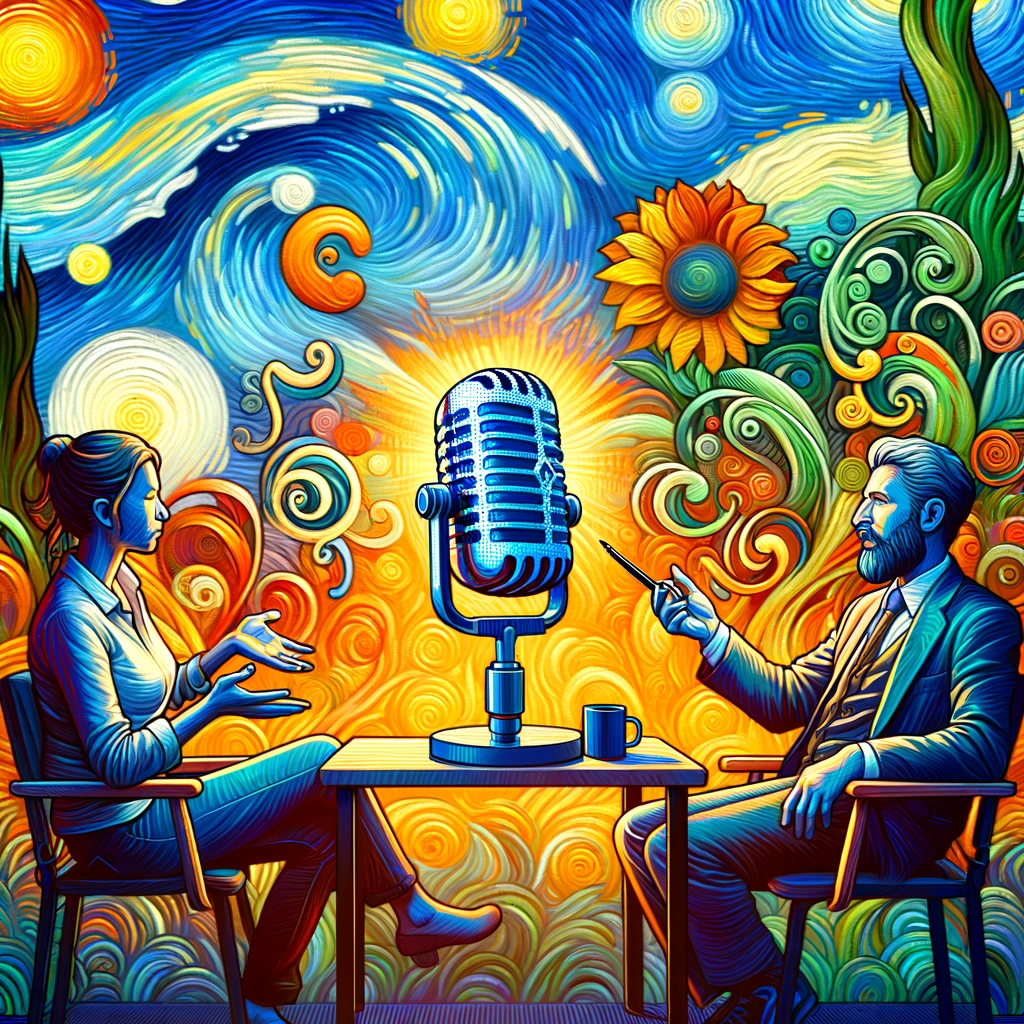
Do You Understand The Importance Of Room Acoustics For Recording?
Do You Understand The Importance Of Room Acoustics For Recording?
- Room acoustics are often overlooked in podcast recording, but they are crucial for clear sound quality.
- The recording environment significantly impacts audio; spaces with hard surfaces can cause unwanted echoes.
- Improper room conditions can distract listeners, making it hard to focus on the content.
- Understanding room acoustics can transform any space into a better recording area.
- Simple DIY solutions, like adding rugs, soft furnishings, and curtains, can effectively reduce sound reflections.
- Improving the room environment enhances overall content quality and listener experience.
- Creating a suitable recording space is just as important as investing in high-quality equipment.

Do You Understand The Importance Of Room Acoustics For Recording?
Are You Using Any Soundproofing Techniques To Improve Audio?
Let’s face it. Whether you’re recording a podcast in a cozy corner of your living room or setting up a makeshift studio in a bustling coffee shop, the quest for crystal-clear audio can sometimes feel like an uphill battle. If you’re nodding your head, you’re not alone. There’s a kind of camaraderie among creators who understand the struggle of wrangling errant noises that seem to appear out of nowhere—like a dog barking in the distance or the neighbor’s lawnmower unleashing chaos just as you get into your groove.
Soundproofing is more than a fancy word thrown around in equipment manuals or whispered among seasoned podcasters. It’s a practical way to elevate your audio quality and genuinely connect with your audience. After all, nothing can derail a great conversation like unwanted noise creeping in at the wrong moment. So, what can you do?
First, consider your space. Look around—what surfaces are reflecting sound? Hard floors? Bare walls? Glass windows? All these elements can bounce sound around like a pinball machine. Introduce some soft textures! Throw some rugs down, hang up a few curtains, or even decorate your walls with acoustic panels. Investing in these simple solutions can keep sound waves in check and create that warm, inviting sound we all crave.
And let’s talk about your microphone setup. We often forget that placement is key. Are you using a cardioid mic? Great choice! Simply angle it toward your mouth, but make sure it’s not directly in front of any major noise sources. If you’re in a pinch, even a homemade pop filter made from pantyhose and a coat hanger can reduce those harsh sounds.
Then there’s the concept of timing. The quieter the world is when you press record, the better your podcast will sound. Try to work around your environment: choose times when the neighborhood is calm, or even consider a portable soundproof box if you find yourself on the move.
Ultimately, every little bit helps. Those extra efforts reflect a respect for your craft and, more importantly, a consideration for your listeners. So, gather your gear, tap into those soundproofing techniques and start making audio magic. Your podcast deserves to sound as good as the stories you have to tell!

Are You Using Any Soundproofing Techniques To Improve Audio?
Are You Using Any Soundproofing Techniques To Improve Audio?
- Recording high-quality audio for podcasts can be challenging due to unexpected noises.
- Soundproofing is essential for enhancing audio quality and engaging your audience.
- Assess your recording space for surfaces that may reflect sound, such as hard floors and bare walls.
- Introduce soft materials like rugs, curtains, and acoustic panels to help absorb sound.
- Pay attention to microphone placement, ensuring it’s directed away from noise sources.
- Choose quieter times for recording and consider using portable soundproofing solutions.
- Investing in soundproofing techniques shows respect for your craft and enhances listener experience.

Are You Using Any Soundproofing Techniques To Improve Audio?
Conclusion
Alright, folks, let’s wrap this up with a little truth bomb. You’ve put your heart into creating that podcast—collecting stories, crafting ideas, and pouring out your passion. And then, there’s that moment of realization: your sound quality might be the broken link in this beautiful chain. It’s like a gourmet meal smeared on a paper plate. Sure, the ingredients are top-notch, but who wants to dig into a feast that looks a mess? Let’s face it—your audience craves engagement, but if they’re struggling to hear you over noise and distortion, they’ll be tuning out faster than you can say “static.”
So what can we do? It all starts with recognizing that sound quality is not a mere technical detail; it’s the backbone of your podcast. Investing in quality audio gear, whether you’re opting for a dynamic mic or a solid editing software, can elevate your sound from amateur to polished. This isn’t just about aesthetics; it’s about respect—for your craft and for your audience. They deserve to hear your voice crystal clear, not muddled by background noise or a faulty setup.
And speaking of setups, let’s talk acoustics. Ever walked into a room and wondered if someone accidentally left the echo machine running? Hard surfaces and empty spaces are acoustic nightmares. Use soft furnishings and thoughtful soundproofing techniques to transform your recording environment. The impact can be monumental. Your voice should resonate like your favorite tunes, not ricochet off walls like a lost ping-pong ball.
Don’t overlook the editing process, either. This isn’t just about cleaning up stumbles; it’s about creating an immersive experience. Your listeners should feel like they’re right there with you—laughter, tension, and all. This goes hand-in-hand with monitoring your audio levels while recording. You wouldn’t serve a dish without tasting it first, right? Keep your levels in check and adjust as necessary.
So here’s the deal: take a moment for some self-evaluation. Listen to your own podcast with fresh ears and ask yourself if it lives up to the vision you had while creating it. If the answer isn’t a confident “yes,” it’s time for a change. Don’t let poor sound quality stand in the way of the connection you want to build. Elevate that audio, and watch your audience engage more deeply than ever. Because at the end of the day, your stories deserve to shine as brightly as you do. Happy podcasting, everyone!

Conclusion
Conclusion:
- Sound quality is crucial for podcast success; it’s the backbone of your content.
- Invest in quality audio equipment, such as dynamic mics and solid editing software.
- Ensure your recording environment has good acoustics to avoid echo and background noise.
- Use soft furnishings and soundproofing techniques to improve your recording space.
- Edit your audio to create an immersive listening experience, not just to fix mistakes.
- Monitor audio levels during recording to maintain sound quality.
- Self-evaluate your podcast to ensure it aligns with your original vision; make necessary improvements.

Conclusion
Other Resources

Other Resources
Here is a list of other resources you can review online to learn more:
- Riverside.
- CastBox
- AI to Human Copywriting System
- Pandora For Podcasters
- PodUp
- r/podcasting
- Alitu
- Odnoklassniki
- Diigo
- CarPlay
Use This Prompt To Get More Resources With Your Favorite Online AI Tool: Please provide me with a list of online articles with their URLs in a bulleted list that I can read regarding Is Your Podcast Sound Quality Leaving Listeners Frustrated?

Other Resources
Glossary Terms
Is Your Podcast Sound Quality Leaving Listeners Frustrated? – Glossary Of Terms
1. Bitrate: The amount of data processed per unit of time in an audio file. Higher bitrates typically result in better sound quality but larger file sizes.
2. Compression: The process of reducing the size of audio files to save space, which can sometimes affect sound quality if done excessively.
3. Dynamic Range: The difference between the quietest and loudest parts of an audio recording. A wider dynamic range means a more dynamic sound.
4. EQ (Equalization): The adjustment of different frequency bands in audio to enhance or reduce specific sounds, helping to achieve a balanced mix.
5. Frequency: The pitch of sound, measured in hertz (Hz). Different frequencies are responsible for different tones in audio.
6. Gain: The amplification of an audio signal. Proper gain settings can prevent distortion and ensure clarity.
7. Latency: The delay between audio input and output. High latency can lead to frustrating delays in live recordings.
8. Mic Placement: The positioning of a microphone relative to the sound source, which significantly influences the recorded sound quality.
9. Noise Floor: The background noise level in an audio recording; lower noise floors lead to clearer recordings.
10. Podcast Hosting: The service that stores and distributes podcast episodes, often affecting sound quality due to bandwidth limitations.
11. Panning: The distribution of sound across the left and right channels in stereo recordings to create a sense of space.
12. Recording Environment: The physical space in which audio is recorded, influencing acoustics and sound quality.
13. Room Treatment: The use of materials, like sound-absorbing panels, to improve the acoustics of a recording space.
14. Sample Rate: The number of samples of audio carried per second, measured in kilohertz (kHz); higher rates provide better fidelity.
15. Signal-to-Noise Ratio (SNR): A measure of audio clarity, comparing the level of the desired signal to the level of background noise. A higher ratio means better quality.
16. Windshield: A cover placed over microphones to reduce wind noise, particularly important for outdoor recording.
17. Audio Interface: A device that converts analog signals (like voice) into digital audio for recording on a computer.
18. Podcast Mixer: A device or software that allows for live mixing of audio sources, enabling better control over sound.
19. Layering: The process of combining multiple audio tracks in a mix to create a fuller sound experience.
20. Post-Production: The phase of editing and enhancing audio recordings after the initial recording, including noise reduction and EQ adjustments.
21. Stereo vs. Mono: Stereo audio uses two channels to create a sense of space, while mono uses a single channel for a more straightforward sound.
22. Tracking: The process of recording individual audio tracks that are later mixed together.
23. Vocal Clarity: The distinctness and intelligibility of speech in a recording, crucial for listener engagement.
24. Room Tone: The ambient sound of a recording environment, often recorded separately to help blend edits seamlessly.
25. Limiter: A tool that prevents audio levels from exceeding a certain threshold to avoid distortion and clipping.
26. Clipping: Distortion that occurs when an audio signal is too strong, causing the waveform to flatten and lose quality.
27. Audio Editing Software: Programs used for editing and producing audio, featuring tools for cutting, arranging, and enhancing sound.
28. Microphone Type: Different types (such as dynamic or condenser) have varying sensitivities and pickup patterns, influencing recording quality.
29. Headphones: Essential for monitoring sound while recording, helping podcasters catch issues in real-time.
30. Digital Audio Workstation (DAW): A software platform for recording, editing, and producing audio. It provides tools for achieving high-quality sound.

Glossary Of Terms
Other Questions
Is Your Podcast Sound Quality Leaving Listeners Frustrated? – Other Questions
If you wish to explore and discover more, consider looking for answers to these questions:
- What equipment should I invest in for better podcast sound quality?
- How can I identify and mitigate background noise in my recording environment?
- What are the differences between dynamic and condenser microphones?
- What specific soundproofing techniques can improve my podcast audio?
- How do room acoustics affect sound quality, and what can I do to optimize them?
- What are the best practices for recording when traveling or in different locations?
- How can I effectively monitor audio levels while recording my podcast?
- What software or tools are recommended for podcast editing and enhancing sound quality?
- How important is my recording environment compared to the quality of my microphone?
- Are there budget-friendly options for high-quality microphones and soundproofing solutions?

Other Questions
Haiku
Is Your Podcast Sound Quality Leaving Listeners Frustrated? – A Haiku
Clear sound brings us close,
Echoes fade, whispers of truth—
Passion, hear it thrive.

Haiku
Poem
Is Your Podcast Sound Quality Leaving Listeners Frustrated? – A Poem
In The Realm of Sound
In the realm of sound where stories weave,
Podcasters craft magic, hoping to believe
That every heartfelt tale, each laughter, and sigh,
Connects with the listeners, who tune in nearby.
Yet lurking in shadows, a foe quietly waits,
With static and echoes, it challenges fates.
A muddled murmur, muffled and faint,
Can turn eager hearts into restless complaints.
Oh, dear creator, with passion aflame,
Don’t let poor sound quality tarnish your name.
Your stories deserve mics that resound
With richness and clarity, profound and unbound.
Upgrade your tools, don’t ignore the first step,
For each word that soars is a promise to precept.
Monitor levels; let no voice rise or fall,
Every timbre, each laugh should enchant and enthrall.
But listen, dear friends, as you plan your retreat,
To select the right space where vinyl and heat
Won’t dance in the background, distracting your art—
Room acoustics matter; they play a fine part.
Add rugs and soft textures; silence they’ll foster,
Kill echoes that threaten your heartfelt imposter.
While cutting out noise may feel like a chore,
It’s respect for your listeners, nothing less, nothing more.
So gather your courage, your gear, and your zest;
Your podcast, a treasure, deserves only the best.
With techniques and tools, let your audio shine,
For in the warm embrace of sound, your stories align.
In the end, it’s connection that brings hearts anew,
So make every word pulse—a heartbeat so true.
Let soundwaves carry your voice far and wide—
In the realm of sound, let your passion reside.

Poem
Checklist
Is Your Podcast Sound Quality Leaving Listeners Frustrated? – A Checklist
Podcast Sound Quality Checklist: Elevate Your Audio Experience
Use this checklist to ensure your podcast sound quality meets professional standards and engages your listeners effectively.
Audio Equipment
_____ Microphone Check: Is your microphone a quality dynamic or condenser model suited for your recording environment?
_____ Cables and Connectors: Ensure all cables and connectors are in good condition and securely connected.
_____ Headphones: Use closed-back headphones for monitoring audio while recording.
Recording Environment
_____ Location Selection: Choose a quiet space for recording, free from background noise (e. g. , traffic, conversations).
_____ Room Acoustics: Assess your room for echo and sound reflections; consider adding soft materials (e. g. , rugs, curtains).
_____ Soundproofing: Implement soundproofing techniques, such as acoustic panels or DIY solutions like blankets or pillows.
Audio Levels Monitoring
_____ Recording Levels: Monitor audio levels during recording to avoid peaks (too loud) or dips (too soft).
_____ Adjust Gain: Set microphone gain appropriately before starting to ensure clear sound without distortion.
_____ Listening Check: Regularly check your recorded audio to ensure clarity and adjust settings as needed.
Editing Process
_____ Background Noise Removal: Use editing software to eliminate unwanted background noise and enhance audio clarity.
_____ Dynamic Range Control: Balance audio levels of different speakers or segments for consistency.
_____ Audio Enhancements: Consider adding compressing, equalization, or effects for a more polished sound.
Final Checks
_____ Self-Listen: Play back recordings to evaluate sound quality and overall experience.
_____ Listener Feedback: Encourage feedback from your audience on audio quality to identify areas for improvement.
_____ Continuous Improvement: Stay abreast of new audio equipment and techniques that may enhance your podcast sound.
Closing Thoughts
By following this checklist, you’ll be well on your way to creating a podcast that not only captivates your audience with great content but also allows them to enjoy a high-quality listening experience. Remember, sound quality matters, and your listeners will appreciate the effort! Happy podcasting!

Checklist
At PodcastBig, we help people who want to learn about podcasting by collating information and news about podcasting.
Be sure to read our other related stories at PodcastBig to learn more about podcasting.