

Streamline Your Podcast Editing For Faster Results
By Tom Seest
At PodcastBig, we help people who want to learn about podcasting by collating information and news about podcasting.
Be sure to read our other related stories at PodcastBig to learn more about podcasting.
Is Your Editing Process for Podcasts Painfully Slow?
Let’s be honest: editing a podcast can sometimes feel like trying to recover a lost sock in a laundry full of chaos. You start with a raw recording—exciting, energetic, full of potential—but then all those little hiccups and stumbles pop up. You know what I’m talking about: the “um” that lingers like an uninvited guest, the awkward pauses that feel like they last a span of eternity, and the dead silence that begs for life. It’s like trying to transform a sumptuous meal from a half-baked recipe: you have all the right ingredients, but somehow, it just isn’t coming together.
If you find yourself staring at your editing software, yearning for a magic wand to speed things up, you’re not alone. Many creators share that same grief. Hours can slip away in the relentless pursuit of perfection, and let’s be real—editing shouldn’t feel like an Olympic event. Somewhere in the depths of those editing sessions, it can become easy to lose track of why you started this podcast in the first place. Engage, inform, entertain. Your message is what matters here, not laboring over every little detail.
But here’s the thing: instead of wrestling with each line of dialogue, why not give yourself permission to embrace imperfection? Sure, it’s important to polish your episodes so they sound inviting, but if you’re losing sleep over a stray “uh,” maybe it’s time to take a step back. What if your listeners value authenticity more than they value a robotic perfection? By shifting the lens from flawless to heartfelt, you might just reclaim that time you desperately wish you had back.
And let’s talk about tools. There’s an array of software and services designed specifically for podcasters aiming to streamline that editing process. Automations, templates, and even AI-driven solutions can be absolute game changers. Just imagine slashing that editing time in half—what would that extra time mean for you? More creative brainstorming? Longer, leisurely walks? And most importantly, more episodes, which ultimately helps you connect with your audience at a deeper level!
Your podcasting journey should be enjoyable, not a race against the clock. So go ahead, streamline that editing process, and rediscover the joy of storytelling. Rise to the challenge, and let your real voice shine. That’s where the magic happens!

Is Your Editing Process for Podcasts Painfully Slow?
Is Your Editing Process for Podcasts Painfully Slow?
- Editing a podcast can feel chaotic, like searching for a lost sock in laundry.
- Raw recordings are full of potential but often contain hiccups and awkward pauses.
- Staring at editing software can lead to frustration and a loss of purpose in podcasting.
- Embracing imperfection can help reclaim time and focus on delivering your message.
- Listeners may value authenticity over perfect editing.
- Utilize tools and automation to streamline the editing process and save time.
- Your podcasting journey should be enjoyable, allowing your real voice to shine.

Is Your Editing Process for Podcasts Painfully Slow?
Table Of Contents
- Is Your Editing Process for Podcasts Painfully Slow?
- Is Your Podcast Audio Quality Compromising Listener Engagement?
- Are You Struggling With Inefficient Editing Software Choices?
- Do You Spend Too Much Time On Editing That Affects Your Workflow?
- Is Your Editing Process Not Utilizing The Latest Tools And Techniques?
- Are You Overwhelmed By The Sheer Volume Of Audio You Need To Edit?
- Is Your Current Editing Style Hindering Your Creativity And Output?
- Are You Unsure How To Streamline Your Editing Tasks Effectively?
- Conclusion
- Other Resources
- Glossary Of Terms
- Other Questions
- Haiku
- Poem
- Checklist
Is Your Podcast Audio Quality Compromising Listener Engagement?
Picture this: You’re cruising down the highway, wind in your hair and your favorite podcast playing in the background. Just as you get engrossed in a riveting conversation, you find yourself straining to catch every word, only to be met with an occasional crackle or echo. Frustration builds and before you know it, you’ve turned the dial to something more palatable. Sound familiar? If you’re a podcaster, that scenario might be the hidden threat lurking in the shadows—one that could be costing you loyal listeners.
Let’s get real. In the pulsating world of podcasts, audio quality isn’t just a nice-to-have; it’s the lion’s share of your engagement strategy. Whether you’re sharing stories, offering insights, or sparking debates, your listeners expect an experience that allows them to lean in and feel connected. If they have to wrestle with poor sound, background noise, or muddled dialogue, they’re not just pausing your episode; they’re hitting stop, and stepping away. Why? Because they want a journey, not an endurance test.
Now, I understand—good gear can feel like a luxury. Investing in microphones, headphones, or soundproofing might seem like a financial leap. But think about it this way: your podcast is a conversation, and wouldn’t you want that chat to be as inviting as a warm cup of coffee with friends? It’s about creating an environment where your listeners can close their eyes and picture your narrative as clearly as they see the road ahead.
Here’s the kicker: Quality audio has the power to transform a casual listener into a devoted fan. Remember the last time you got lost in a story—the kind that ignites your imagination? That lingering engagement doesn’t just happen. It’s crafted. It’s nuanced. It’s the result of deliberate choices, like investing in proper equipment or seeking guidance on sound editing.
So, take a step back and evaluate your own podcast setup. Is the sound crisp, rich, and clear? Are your listeners enthusiastically tuning in or are they dropping off? You have a story to tell, and it deserves the best canvas possible. If you nurture that audio quality, your audience will flourish, and together, you’ll build a community that feels heard, engaged, and inspired to stick around for the next chapter. The road ahead is clearer than you think; it’s time to start your journey toward better sound—your listeners are waiting.

Is Your Podcast Audio Quality Compromising Listener Engagement?
Is Your Podcast Audio Quality Compromising Listener Engagement?
- Podcasters face the hidden threat of poor audio quality leading to listener frustration.
- High audio quality is crucial for engaging listeners, promoting connection and immersion.
- Poor sound can drive listeners away, as they seek enjoyable experiences rather than struggles.
- Investing in quality equipment is essential for creating an inviting auditory environment.
- Proper audio quality can turn casual listeners into dedicated fans.
- Evaluate your podcast setup to ensure clarity and richness in sound for improved listener retention.
- Nurturing audio quality fosters a community that feels engaged and inspired to continue listening.

Is Your Podcast Audio Quality Compromising Listener Engagement?
Are You Struggling With Inefficient Editing Software Choices?
Are You Struggling with Inefficient Editing Software Choices?
Let’s face it: diving into the realm of editing software can feel like trying to navigate a minefield blindfolded. You’re sitting there, staring at your screen, hoping to make sense of an overwhelming array of tools. It’s like launching a podcast without a clear vision. You might have a spark of creativity, but finding the right software to bring it to life can feel like a wild goose chase.
We’ve all been there. You excitedly download that shiny new editing program, only to discover it’s more confusing than a riddle wrapped in a mystery. You approach it with enthusiasm, only to end up frustrated, wishing you’d just stuck with an old stand-by. But let’s take a step back. Editing software should be empowering, not a source of stress. It should harmonize with your vision, enhancing your storytelling, not hindering it.
Think of it like the heart of your podcast. When everything flows smoothly, it feels like you’re riding a wave. You’re able to convey your message, engage your audience, and breathe life into your ideas. But when that software isn’t cutting it, you end up stuck, delaying your project and dampening your passion. It’s about finding that balance—the right tool that feels like a trusted ally rather than an obstacle.
So, how do you find clarity amidst the chaos? Start with your needs: what features matter most to you? Do you want something simple that lets you dive right in, or are you looking for advanced capabilities that allow for detailed finesse? Maybe you want to experiment with sound effects or audio layers that give your podcast that polished, professional finish. Take a moment to outline your goals. Picture your podcast in your mind’s eye. When you can visualize what you want to achieve, it becomes easier to seek out the gem that will help you realize it.
Remember, it’s a journey—a path lined with trial and error. Don’t be afraid to experiment with different options until you find what works. After all, it’s about creating something that resonates with you and your audience. So roll up your sleeves, find that perfect editing software, and get ready to turn those ideas into reality. Your audience is waiting, and you’ve got a story to tell. Embrace the process, and let’s transform that spark into something extraordinary.

Are You Struggling With Inefficient Editing Software Choices?
Are You Struggling With Inefficient Editing Software Choices?
- Choosing editing software can feel overwhelming and confusing.
- New software may be difficult to navigate, leading to frustration.
- Editing tools should enhance creativity and storytelling, not cause stress.
- Finding the right software can improve project flow and audience engagement.
- Identify your needs and desired features before selecting software.
- Experimenting with different options is part of the journey toward the right tool.
- Embrace the process to transform your ideas into reality for your audience.

Are You Struggling With Inefficient Editing Software Choices?
Do You Spend Too Much Time On Editing That Affects Your Workflow?
Let’s face it. We’ve all been there, hunched over our screens, pouring over the minutiae while the clock ticks away, our to-do lists growing longer by the minute. You start with the noble intention of producing a polished piece of work—whether it’s that episode of your podcast, a video presentation, or even a simple blog post. But before you know it, you’ve slipped into the rabbit hole of editing, tweaking every word, every pause, and every beat until what started as a labor of love feels more like a chore.
Now, I understand the desire for perfection. It’s tempting to think that every edit you make brings you closer to what you envision. But let’s take a moment to step back and ask: at what cost? The allure of the “perfect” edit can steal from the creativity and urgency that fueled the project in the first place. You might lose sight of your audience, forgetting that they want authenticity over perfection. People appreciate the real deal—the little quirks and imperfections that make your work undeniably yours.
Consider the journey of creating a podcast. You might desire audio quality that rivals a professional studio, but if you spend half your time filtering out minor background noise, you’re not just editing; you’re choking the life out of your message. Dollar for dollar, your time is an asset that deserves better management.
Here’s the kicker: It’s okay to let go sometimes. Embrace the art of good-enough editing. This doesn’t mean throwing in the towel; it just means focusing on what truly moves the needle. Small adjustments can make a big difference, but remember that you’re telling a story, and it’s the essence of that story that will resonate with your audience.
So, the next time you sit down in front of that screen, ask yourself: “Am I serving the story, or am I serving my own fear of imperfection?” Strive for authenticity and connection. Your audience craves genuine moments, warts and all. Embrace them, and watch your work transform. Lean into your strengths, keep it simple, and most importantly, keep creating. The world is waiting to hear from you—don’t let editing get in the way!

Do You Spend Too Much Time On Editing That Affects Your Workflow?
Do You Spend Too Much Time On Editing That Affects Your Workflow?
- Many creators struggle with perfectionism while working on projects such as podcasts, videos, or blog posts.
- Editing can quickly become overwhelming, transforming a passion project into a tedious task.
- Desire for perfection may hinder creativity and disconnect you from your audience.
- Audiences often value authenticity and imperfections over polished perfection.
- Over-editing can detract from the core message and spirit of the content being created.
- Embracing ‘good-enough’ editing can help maintain focus on the story and its resonance with the audience.
- Authenticity and connection should be prioritized over fear of imperfection in creative work.
Do You Spend Too Much Time On Editing That Affects Your Workflow?
Is Your Editing Process Not Utilizing The Latest Tools And Techniques?
Let’s talk about the editing process, shall we? If you find yourself wading through endless lines of text, battling with outdated software, or staring at your screen wondering if there’s a better way to get the job done, you’re not alone. Many of us, especially in this lightning-fast digital age, face the daunting task of keeping our processes up to date. It can feel a bit like trying to shovel snow with a spoon while everyone else is already driving snowplows.
Now, if you’re in the podcast realm, this is especially critical. The competition is fierce, and attention spans are shorter than ever. You need to engage your listeners, and that starts with how you handle your audio. Whether you’re a seasoned editor or just dabbling, it’s high time to embrace the incredible tools and techniques available.
Let’s break it down. First off, have you dabbled in AI-assisted editing tools? These little wonders of technology can analyze your audio, enhance sound quality, and even identify dead air much faster than any human can. It’s not about replacing the human touch; it’s about amplifying it. Imagine reallocating hours of tedious editing to more creative tasks, like brainstorming new themes for your podcast or connecting with your audience through targeted outreach. Investing in the right software can feel like a leap, but making that leap is what keeps you in the game.
And let’s not forget about collaboration. Online platforms now make it easier for multiple people to work together from across the globe. This means you can gather feedback and spark new ideas without being limited by geography. So, dust off that old editing software and consider what’s out there. In the same way you’ve honed your voice for your podcast, you can refine your editing process.
Take a moment to reevaluate your current routine. Are you utilizing tools that not only save you time but enhance your final product? Remember, a good editor is a blend of art and science. Lean into the science of cutting-edge tools while preserving the art of storytelling. It may feel overwhelming, but transforming your editing process is a journey, not a sprint. So, roll up those sleeves, and let’s make your podcast shine! You’ve got this!
Is Your Editing Process Not Utilizing The Latest Tools And Techniques?
Is Your Editing Process Not Utilizing The Latest Tools And Techniques?
- The editing process can be daunting, especially with outdated software and overwhelming text.
- In the podcasting field, efficient audio handling is critical due to fierce competition and shorter attention spans.
- AI-assisted editing tools can significantly enhance audio quality and streamline editing tasks.
- Investing in modern editing software helps shift focus from tedious tasks to more creative endeavors.
- Collaboration through online platforms promotes global teamwork and idea sharing in the editing process.
- Reevaluating editing routines can lead to better tool utilization and improve the final product.
- Transforming the editing process combines both the art of storytelling and the science of technology.

Is Your Editing Process Not Utilizing The Latest Tools And Techniques?
Are You Overwhelmed By The Sheer Volume Of Audio You Need To Edit?
If you’ve ever sat in front of your computer, staring wide-eyed at a screen filled with hours of audio from your latest podcast episode, you’re not alone. It’s a daunting task, no doubt. You’ve poured your heart and soul into creating something meaningful—conversations that educate, entertain, or inspire. But when the time comes to edit, it can feel like you’ve brought home a mountain of laundry on laundry day—one that never seems to shrink.
Here’s the deal: editing audio isn’t just a technical chore; it’s an intricate dance with your creativity. You can almost feel your enthusiasm draining away as you think about the hours ahead spent slicing, dicing, and polishing those raw clips into something beautiful. The good news is, you’re not isolated in this struggle. Many budding podcasters find themselves wrestling with the same challenge. And if I may share a sort of silver lining, it’s this: you’re not just editing audio; you’re sculpting a narrative—your narrative.
Think about it—each pause in conversation, each laugh that bubbles up, every moment of clarity is a gem waiting to be uncovered. But that takes time, and trust me, it can be overwhelming. When faced with a daunting task, it’s easy to lose sight of your original inspiration. So how do you regain that clarity? Start by breaking it down. Instead of trying to tackle the entirety of your podcast in one go, focus on small, manageable sections. Give yourself permission to embrace imperfections and celebrate small victories.
And if you’re still feeling bogged down, consider reaching out for help. There’s no shame in admitting that sometimes the volume of audio can feel like too much. Whether you collaborate with a fellow podcaster, bring on a sound engineer, or look into editing software that can streamline the process—there are options.
At the end of the day, remember why you started this journey in the first place. Each episode you create is a chance to connect with your audience, to share a piece of yourself. So, take a deep breath, grab your headphones, and dive back in. You’ve got this, and the world is waiting to listen to your unique voice.

Are You Overwhelmed By The Sheer Volume Of Audio You Need To Edit?
Are You Overwhelmed By The Sheer Volume Of Audio You Need To Edit?
- Editing audio for podcasts can feel overwhelming, like facing a mountain of laundry.
- It’s a creative process where podcasters sculpt their narrative from raw clips.
- Each moment of conversation offers valuable insights, but editing takes time and patience.
- Breaking the editing process into smaller, manageable sections can help regain clarity.
- Embrace imperfections and celebrate small victories during the editing journey.
- Seeking help from others, such as collaborators or sound engineers, can alleviate pressure.
- Remember your initial motivation for podcasting to stay connected with your audience.

Are You Overwhelmed By The Sheer Volume Of Audio You Need To Edit?
Is Your Current Editing Style Hindering Your Creativity And Output?
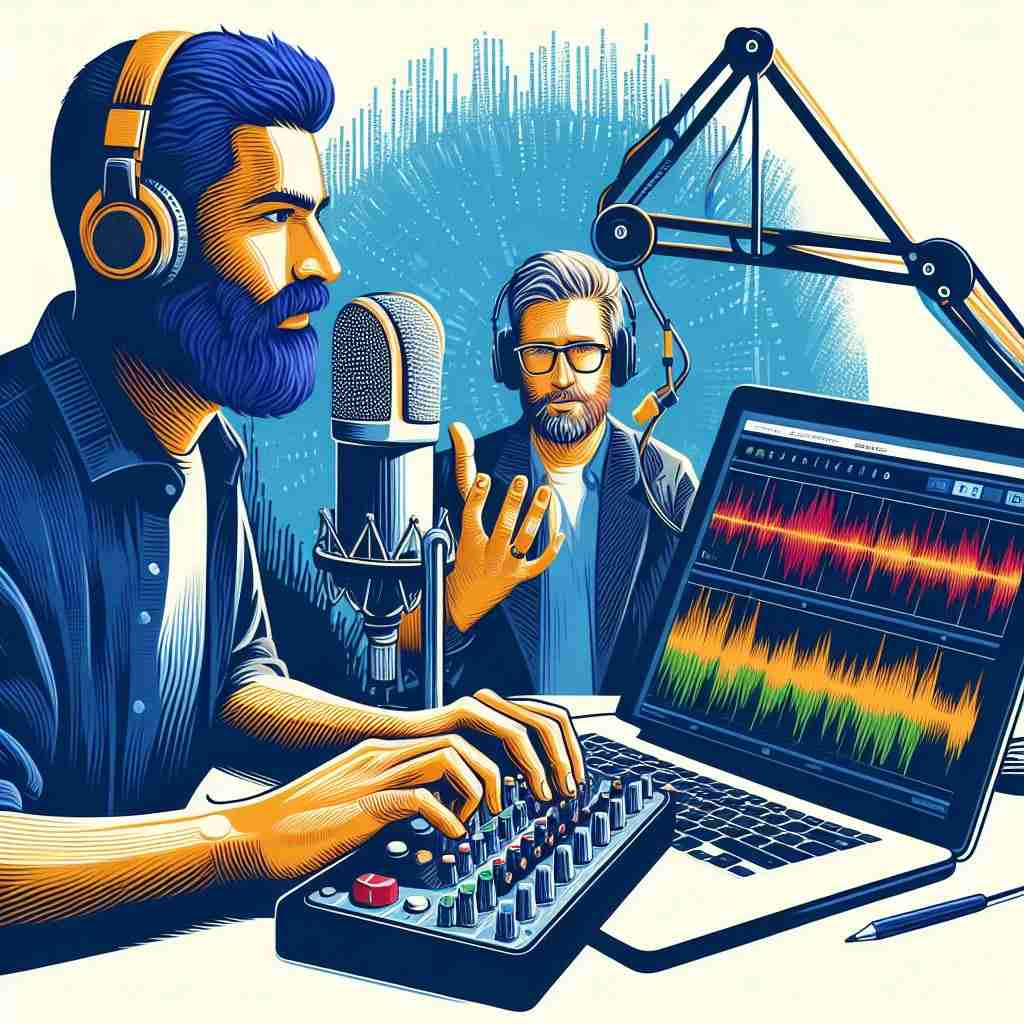
We’ve all been there—sitting at our desks, staring at an unfinished project that feels heavier than a brick on a foggy morning. You tap away at your keyboard with all the enthusiasm of a squirrel on a power line, hoping to channel some divine inspiration that will shake loose the perfect sentence. But therein lies the catch: your editing style might just be the very anchor weighing down your creativity and output.
Let’s face it. Editing is a bit like going in for a root canal. It feels necessary, but without the right approach, it can suck the joy right out of the process. You know what I mean? If you’ve adopted a stringent, overly analytical editing approach, you might be unknowingly smothering your creative spirit in a blanket of self-doubt. Instead of building up your ideas to a masterpiece, you’re dismantling them bit by bit, betraying that initial spark that drove you to write in the first place.
Maybe you’ve been influenced by glossy how-to books that promise to turn you into the next literary rock star. They preach the virtues of cutting every word down to its bare bones, obsessing over grammar and punctuation until the spontaneity resembles a kindergarten finger painting glued under layers of protective glass. Newsflash: Your work doesn’t need to be perfect; it just needs to be authentic. Striking a balance between editing and creativity is not only essential—it’s liberating.
Now, let’s dig a little deeper. Consider this a call to action! Your editing process should feel like a constructive dialogue rather than a rigid interrogation. Embrace that flow, that rhythm, but also set aside time to hit pause. Allow your ideas room to breathe before you roll out the red editing carpet. You’ll be surprised at how revisiting your work with fresh eyes can revive your enthusiasm and reveal gems you thought were long since lost in the shuffle.
So, next time you find yourself in a creative slump, take a moment to evaluate how you’re approaching your editing. Does it inspire you, or does it stifle your voice? Allow a bit of playfulness back into your process, and watch your creativity and output step into the light. Remember, it’s not about perfecting every line; it’s about expressing every ounce of who you are. That, my friend, is where the magic really happens.
Is Your Current Editing Style Hindering Your Creativity And Output?
Is Your Current Editing Style Hindering Your Creativity And Output?
- Working on unfinished projects can feel daunting and stifling to creativity.
- An overly stringent editing style may hinder creative expression and nurture self-doubt.
- Editing should be a constructive dialogue, not a rigid, joyless process.
- Reflecting on and revisiting work can reignite enthusiasm and uncover valuable insights.
- Strive for authenticity in your writing rather than unattainable perfection.
- Allow playfulness in your editing process to enhance creativity and output.
- Ultimately, effective editing should help express your true self, fostering the creative spark.

Is Your Current Editing Style Hindering Your Creativity And Output?
Are You Unsure How To Streamline Your Editing Tasks Effectively?
Let’s face it: editing can feel like standing in front of a mountain of laundry, staring at the pile and wondering where to start. The overstuffed inbox full of notes, the sea of sound clips from your latest podcast, and the deep dive into editing software can be enough to send anyone into a tailspin. But it doesn’t have to be that way. Streamlining your editing tasks is all about finding a rhythm that suits your style, and I’m here to tell you that it’s not only possible—it can be downright enjoyable!
First things first, let’s talk about your workspace. Create a space that inspires you. Whether it’s a comfy chair with your favorite mug of coffee or a desk scattered with trinkets that spark joy, your environment can play a huge role in getting you into the editing zone. Put on some background beats, something that won’t distract you but will keep your energy up. Sometimes, simply switching up your location or the sounds around you can breathe fresh life into even the most mundane tasks.
Now, when it comes to tackling that podcast content you’ve recorded, remember the importance of organization. Breaking things down into manageable chunks makes a world of difference. Start by categorizing your audio based on themes or interview segments. This not only makes editing smoother but it also helps you maintain the narrative flow as you splice together the best bits. A bit of upfront work can save you hours down the line.
Let’s chat about tools. Embracing the right software can feel liberating. There are tons of user-friendly editing programs designed specifically for podcast creators, making the whole process quicker and easier. Don’t be afraid to explore! Try a few and see what resonates with your workflow. Often, integrating keyboard shortcuts or automation features can cut down your editing time significantly. You’ll unlock that extra time for the fun stuff—like brainstorming new episode ideas!
Finally, don’t underestimate the power of community. Whether you’re in a podcasting group on social media or you’ve got buddies who are also hunting for the magic in editing, sharing tips, tricks, and even frustrations can make the journey feel a lot less lonely. Remember, you’re not just an editor; you’re a storyteller. And by honing your editing efficiency, you’re one step closer to sharing those stories with the world in a way that resonates.
So, roll up your sleeves and embrace the editing process—it doesn’t have to be a drag. With the right approach, you can transform it into an engaging part of your creative journey. Let’s get to work!

Are You Unsure How To Streamline Your Editing Tasks Effectively?
Are You Unsure How To Streamline Your Editing Tasks Effectively?
- Editing can feel overwhelming, akin to a mountain of laundry to tackle.
- Create an inspiring workspace to enhance your editing mood.
- Organize podcast content into manageable chunks based on themes or segments.
- Use user-friendly editing software to streamline the editing process.
- Explore keyboard shortcuts and automation features to save time.
- Engage with a community for support, sharing tips, and camaraderie.
- Embrace the editing process as a storytelling journey rather than a chore.

Are You Unsure How To Streamline Your Editing Tasks Effectively?
Conclusion
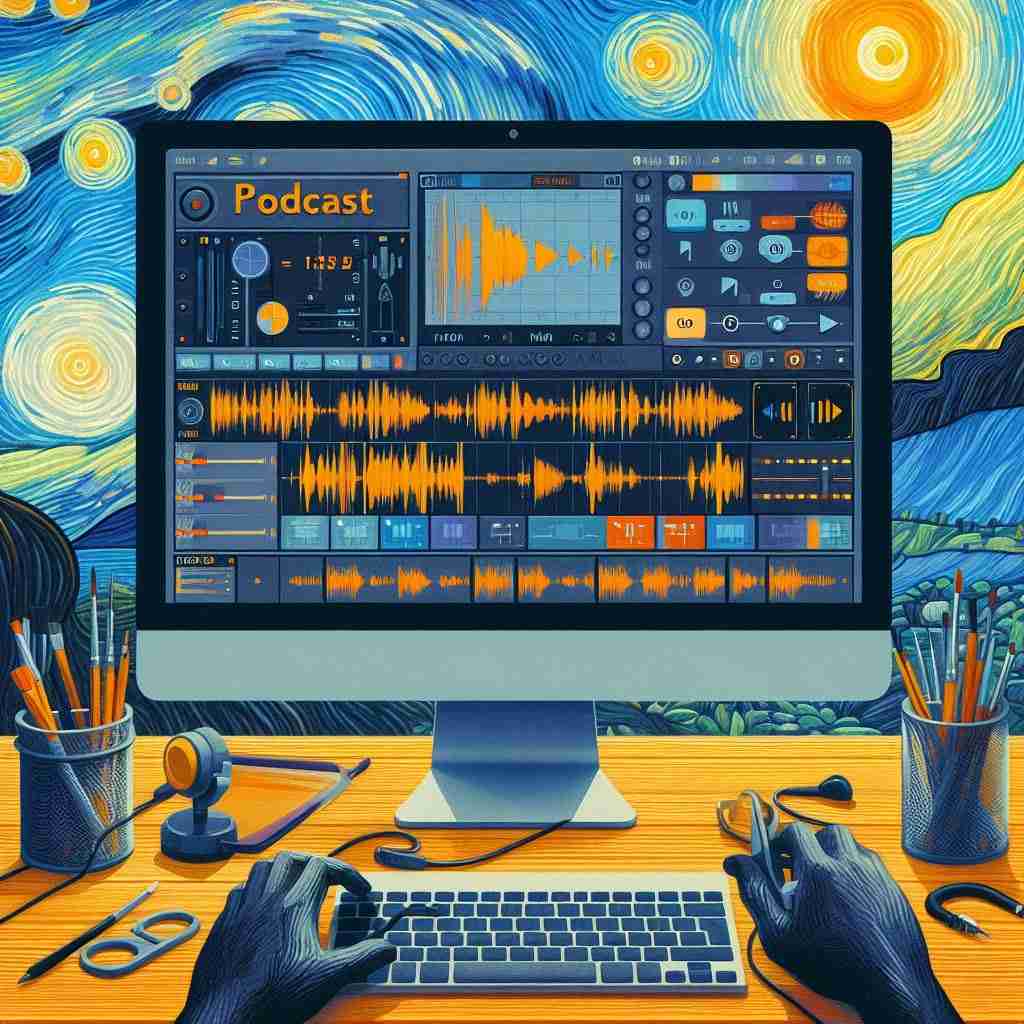
Ah, the joys and struggles of podcast editing—the kind of gritty, hands-on work that can either ignite your creative spirit or zap the joy right out of it. If you’ve found yourself slogging through hours of audio, detouring through endless lines of software, or wrestling your way back to your original vision, you’re not alone. Editing can sometimes feel like chasing down a runaway cat—exciting at first, but eventually frustrating and fraught with challenges. The good news? There’s hope on the horizon.
Let’s step back for a moment and reassess. Your podcast is more than just audio; it’s a rich tapestry of stories meant to engage, inform, and entertain. Sure, it’s essential to polish up those rough edges, but it shouldn’t feel like an Olympic marathon. Remember why you started: your unique voice and message are what truly matter. Striving for the kind of polished perfection that would make a robot weep can rob your work of its authenticity, and your listeners can spot that a mile away. They crave genuine connection, not a hollow, overly-edited presentation.
So, what’s the solution? First of all, give yourself permission to embrace imperfection. You don’t need to slice out every “um” and “uh” to convey your message. Pivot your focus from flawless execution to heartfelt storytelling. You’ll save time and, dare I say, rediscover the joy of the creative process. Look to tools that can segment your workload and automate some of the more tedious tasks. AI-driven software can significantly streamline your editing process, allowing you to hone in on what matters most—crafting engaging content for your audience.
As you revamp your approach, consider the environment you’re working in as well. Create a space that inspires and motivates—perhaps jazzy background tunes or a clutter-free desk setup. Break your workload into manageable bits and leverage community resources or online forums to share tips and experiences. After all, you’re not just a podcaster; you’re a storyteller weaving a narrative that deserves to be heard.
In conclusion, don’t let the editing grind dim your creative light. Embrace the tools of today, celebrate the imperfect journey, and remember that your stories deserve to shine. The world is eager to listen—so make the process enjoyable, and let your true voice be heard!
Conclusion
Conclusion:
- Podcast editing can be both inspiring and frustrating, often feeling like a challenging task.
- It’s important to remember that your podcast is a rich tapestry of stories meant to engage and entertain.
- Avoid striving for overly polished perfection, as it can detract from your authenticity.
- Embrace imperfection and focus on heartfelt storytelling rather than flawless execution.
- Utilize AI-driven software and tools to automate tedious tasks and streamline the editing process.
- Create an inspiring work environment and break your workload into manageable tasks.
- Don’t allow the editing process to dim your creativity; celebrate your journey and let your voice shine.

Conclusion
Other Resources

Other Resources
Here is a list of other resources you can review online to learn more:
Use This Prompt To Get More Resources With Your Favorite Online AI Tool: Please provide me with a list of online articles with their URLs in a bulleted list that I can read regarding Is Your Editing Process for Podcasts Painfully Slow?

Other Resources
Glossary Terms
Is Your Editing Process for Podcasts Painfully Slow? – Glossary Of Terms
1. Audio Editing: The process of manipulating audio files, including cutting, rearranging, and modifying sound to enhance clarity and quality.
2. Waveform: A visual representation of an audio signal; it shows sound amplitude over time, allowing editors to identify peaks, silences, and fluctuations.
3. Noise Reduction: Techniques and tools used to minimize or eliminate unwanted background sounds or hiss in audio recordings.
4. Compression: A process that reduces the dynamic range of audio, making quiet sounds louder and loud sounds quieter to ensure a balanced sound.
5. Equalization (EQ): Adjusting the balance of different frequencies in audio, allowing the editor to enhance or diminish certain tones for clarity.
6. Fades: Gradual increases or decreases in audio levels at the beginning or end of audio segments, used to create smooth transitions.
7. Track Layers: Multiple audio files stacked in a digital audio workstation (DAW), which can include dialogue, music, sound effects, and more.
8. Silence Removal: The technique of cutting out gaps or long pauses in the audio to create a more engaging listening experience.
9. Metadata: Information embedded in audio files, including titles, episode numbers, timestamps, and contributor credits, crucial for organizing and tagging.
10. Mixing: The art of blending multiple audio tracks into one cohesive final product, considering balance, panning, and effects.
11. Podcast Structure: The planned format and flow of a podcast episode, including sections like intro, body, and outro.
12. Ducking: A technique where the volume of background audio is lowered when primary audio (like speech) is present, ensuring clarity.
13. Exporting: The process of rendering and saving the final edited version of the podcast in a format suitable for distribution.
14. ID3 Tags: A form of metadata used in MP3s to store information about the audio file, such as title, author, and track number.
15. Sound Design: The creation and manipulation of audio elements to enhance storytelling and the emotional impact of the podcast.
16. Ambience: Background sounds that create an atmospheric setting, adding depth and context to the podcast.
17. Crossfades: A transition technique where one audio clip fades out while another fades in, used for smoother transitions.
18. Editing Software (DAW): Digital Audio Workstation software used for recording, editing, and producing audio, like Audacity, Adobe Audition, or GarageBand.
19. B-roll: Supplementary or alternative footage in audio form that can support the main narrative or provide additional context.
20. Insert Edits: Specific edits made to add new content (like an interview clip) into an existing recording without disrupting the flow.
21. Round-tripping: The process of editing audio in one software and then transferring it back to another for further editing or processing.
22. Template: A pre-set project file that includes tracks and settings, allowing for quicker setup for recurring podcast formats.
23. Audio Quality: The clarity and fidelity of recorded sound, impacted by equipment, environment, and editing processes.
24. Transcription: The process of converting spoken audio into written text, often used for accessibility or show notes.
25. Voiceover (VO): A production technique where the narrator’s voice is recorded and is not seen on screen or live.
26. Sound Effects (SFX): Audio elements added to enhance storytelling, create atmosphere, or punctuate moments in the podcast.
27. Leveling: Adjusting the volume of audio segments to achieve consistent sound levels throughout the podcast.
28. Audio Library: A collection of pre-recorded sound elements such as music, sound effects, and samples that can be used in editing.
29. Rough Cut: The initial edited version of a podcast episode before final touches, effects, and polishing are applied.
30. Release Schedule: The planned timetable for publishing podcast episodes to maintain audience engagement and consistency.

Glossary Of Terms
Other Questions
Is Your Editing Process for Podcasts Painfully Slow? – Other Questions
If you wish to explore and discover more, consider looking for answers to these questions:
- What are the best podcast editing software tools available?
- How can I improve the audio quality of my podcast?
- What techniques can I use to streamline my podcast editing process?
- How do automation tools help in podcast editing?
- What are the common mistakes to avoid in podcast editing?
- How can I maintain listener engagement through better editing?
- What are some tips for organizing audio files for editing?
- How important is the first draft of my podcast before editing?
- What role does collaboration play in improving the editing process?
- How can I use feedback to enhance my podcast editing?
- What are the essentials of a good editing workspace?
- How do different editing styles influence the final podcast output?
- What are the benefits of using AI tools in podcast editing?
- How can I ensure creativity isn’t stifled during editing?
- What are the key factors that affect podcast editing efficiency?

Other Questions
Haiku
Is Your Editing Process for Podcasts Painfully Slow? – A Haiku
Editing podcasts can be
A long, chaotic journey—
Find joy in the voice.

Haiku
Poem
Is Your Editing Process for Podcasts Painfully Slow? – A Poem
In a world where stories must unfold,
Where voices rise and tales are told,
A podcaster sits, their heart aglow,
Yet in editing’s grasp, enthusiasm runs low.
Editing can feel like a daunting chore,
Like hunting for socks on a cluttered floor.
The “um” that lingers, the silence so stark,
Transforms vibrancy into something less than a spark.
The quest for perfection, a double-edged knife,
Steals precious moments, dims creative life.
Yet amidst the chaos, a light can be found,
Let imperfections flow; let authenticity abound.
Invest in the tools that ignite your pace,
Automations and wonders that quicken the race.
For every second saved can lead to the thrill
Of more stories shared with audiences who fill.
Pick a workspace that sparks inspiration and cheer,
Organize thoughts, let the vision be clear.
With collaboration and community support,
Editing becomes a joyous, shared sport.
So embrace your process, let creativity sing,
Allow every voice, every nuance, take wing.
For the world is a canvas, your voice is the paint,
With each heartfelt edit, let your spirit not faint.
In this dance of creation, where passion meets art,
Transform editing’s burden into a vibrant start,
Keep the essence alive, recall why you began,
In the realm of podcasting—let your journey expand!

Poem
Checklist
Is Your Editing Process for Podcasts Painfully Slow? – A Checklist
Checklist: Streamlining Your Podcast Editing Process
1. Embrace Imperfection
_____ Allow for small mistakes and natural flow in your audio.
_____ Focus on authenticity over absolute perfection.
2. Evaluate Your Audio Quality
_____ Assess your current equipment (microphone, headphones).
_____ Invest in quality gear to enhance listener experience.
3. Choose the Right Editing Software
_____ Identify your editing needs and preferred features.
_____ Experiment with different tools and programs to find what suits you best.
4. Optimize Your Editing Workflow
_____ Break down your editing tasks into manageable sections.
_____ Establish a routine to help maintain focus and efficiency.
5. Leverage Technology
_____ Utilize AI-assisted editing tools for faster audio enhancements.
_____ Explore automation features and keyboard shortcuts in your software.
6. Collaborate and Get Feedback
_____ Join podcasting communities or forums for support.
_____ Seek feedback from peers or friends on your editing techniques.
7. Create a Comfortable Workspace
_____ Organize your editing area to promote creativity.
_____ Use background music to help maintain your energy levels while editing.
8. Set Time Limits for Edits
_____ Allocate specific time slots for each editing session to avoid burnout.
_____ Remember that sometimes “good enough” is truly sufficient.
9. Keep Your Audience in Mind
_____ Regularly remind yourself of your podcast’s purpose and target audience.
_____ Focus on engaging your listeners rather than obsessing over minor edits.
10. Celebrate Small Victories
_____ Acknowledge your progress and improvements in editing.
_____ Take breaks and reward yourself for completed tasks to stay motivated.
By following this checklist, you can streamline your podcast editing process, enhance your creativity, and ultimately produce content that resonates with your audience!

Checklist
At PodcastBig, we help people who want to learn about podcasting by collating information and news about podcasting.
Be sure to read our other related stories at PodcastBig to learn more about podcasting.