

Unleashing The Power Of Podcasting For Senior Side Hustles
By Tom Seest
At PodcastBig, we help people who want to learn about podcasting by collating information and news about podcasting.
Be sure to read our other related stories at PodcastBig to learn more about podcasting.
Is Podcasting The Revolutionary Side Hustle for Seniors?
In the ever-evolving landscape of work and creativity, many are looking for that side hustle that feels both fulfilling and financially rewarding. For seniors, the prospect of starting a podcast can be just that—a refreshing opportunity to share their wisdom while dipping a toe into the digital waters. After years of experience, countless stories, and insights gathered like old coins in a jar, what better way to engage with the world than through a podcast?
Let’s face it; the art of conversation has been around much longer than the latest app or gadget. While technology has transformed how we communicate, at its core, a podcast is simply a modern manifestation of an ancient practice. The beauty of podcasting lies in its accessibility. With just a microphone and a bit of know-how, any senior can broadcast their ideas, passions, or stories to an audience eager for authenticity. It’s not about competing with the younger generations; it’s about tapping into a reservoir of life experience that few can match.
Imagine delving into niche topics like gardening tips, stories from the good old days, or even sharing expert advice about traveling on a budget. The possibilities are limitless! Plus, podcasts let you connect with like-minded individuals across the globe. You might start with a modest local audience, but before you know it, you could be sharing a virtual stage with guests from different backgrounds, all while steadily growing your listener base. This kind of connectedness is not just rewarding; it can also become a source of income, allowing seniors to monetize their passions in ways they might never have imagined.
Now, don’t be fooled; turning this side hustle into a success requires effort. You’ll need to put in time to learn the ropes, hone your storytelling skills, and probably invest in some decent equipment. However, the good news is that the learning curve isn’t as steep as it used to be. With a myriad of online resources at your disposal and communities ready to offer support, the path to launching your own podcast is clearer than ever.
So, is podcasting the revolutionary side hustle for seniors in 2023? It’s not just a possibility; it’s an invitation. An invitation to share, create, and connect in a world that can sometimes feel disconnected. If you’ve got something to say and a story to tell, the microphone is waiting.

Is Podcasting The Revolutionary Side Hustle for Seniors?
Is Podcasting The Revolutionary Side Hustle for Seniors?
- Podcasting offers seniors a fulfilling and financially rewarding side hustle.
- Seniors can share their wisdom and experiences through podcasts, engaging with a broader audience.
- Podcasts are an accessible medium that requires minimal equipment and expertise.
- Topics can range from gardening tips to travel advice, allowing for limitless content creation.
- Podcasting fosters global connections with like-minded individuals while growing a listener base.
- Success in podcasting involves learning, improving storytelling skills, and possibly investing in quality equipment.
- Podcasting presents an inviting opportunity for seniors to share and connect in a digital age.

Is Podcasting The Revolutionary Side Hustle for Seniors?
Table Of Contents
- Is Podcasting The Revolutionary Side Hustle for Seniors?
- Is Podcasting A Viable Income Source For Seniors?
- What Equipment Do Seniors Need To Start Podcasting?
- How Can Seniors Choose A Podcast Niche That Resonates?
- What Are The Benefits Of Podcasting For Seniors?
- How Much Time Does It Take To Produce A Podcast?
- Are There Platforms Specifically For Seniors In Podcasting?
- What Skills Do Seniors Need To Develop For Podcasting?
- Conclusion
- Other Resources
- Glossary Of Terms
- Other Questions
- Haiku
- Poem
- Checklist
Is Podcasting A Viable Income Source For Seniors?
As we delve into the world of podcasting, it’s hard not to marvel at the tidal wave of opportunities it presents, especially for seniors seeking a viable income source., the question isn’t whether you can make money with a podcast; rather, it’s about how you can carve out your niche in a vast digital landscape.
First off, let’s be clear: podcasting isn’t just a hobby for the tech-savvy trendsetters; it’s blossomed into a legitimate means of income for folks of all ages, but particularly for those with life experience. For seniors, the wealth of stories, insights, and expertise accumulated over the years is a treasure trove waiting to be shared. Your unique perspective is what makes your podcast valuable. Think about it: you’ve likely encountered a lifetime’s worth of challenges, successes, and lessons that can resonate with younger audiences.
Creating a podcast is fairly straightforward. With a basic microphone and some editing software, you can launch your series and start connecting with listeners around the world. The beauty of this medium is that you can create content from the comfort of your home. Imagine sitting in your favorite chair, chatting about topics you love or have expertise in—whether that’s gardening, cooking, history, or personal finance. The ability to engage with listeners who appreciate your knowledge is incredibly rewarding.
Now, let’s talk turkey: monetizing your podcast. There are a plethora of avenues to explore. Consider sponsorships; companies are keen to reach niche markets, particularly those aligned with the interests and lifestyles of senior listeners. Furthermore, you can explore subscription models, merchandise, or even virtual workshops to supplement your income. The key is consistency and authenticity. Build an audience that trusts your voice, and the possibilities become limitless.
Yet, it’s essential to recognize that podcasting isn’t an overnight goldmine. It requires dedication, creativity, and a willingness to adapt. As someone with life experience, you likely possess the patience and resilience necessary to navigate this evolving landscape.
So, is podcasting a viable income source for seniors in 2023? Absolutely! With the right mindset, commitment, and a genuine passion for sharing your story, you can turn your voice into a profitable venture. After all, it’s not just about the money; it’s about making connections and leaving a lasting legacy that inspires others.

Is Podcasting A Viable Income Source For Seniors?
Is Podcasting A Viable Income Source For Seniors?
- Podcasting offers numerous opportunities for seniors to generate income in 2023.
- It has evolved into a legitimate income source, especially for individuals with life experience.
- Seniors can share valuable stories, insights, and expertise that resonate with younger audiences.
- Starting a podcast is accessible with basic equipment and can be done from home.
- Monetization options include sponsorships, subscription models, merchandise, and virtual workshops.
- Success in podcasting requires dedication, creativity, and adaptability.
- Podcasting allows seniors to connect with others and leave lasting legacies beyond financial gain.

Is Podcasting A Viable Income Source For Seniors?
What Equipment Do Seniors Need To Start Podcasting?
So, you’ve caught the podcasting bug? Great choice! Podcasting is not just for the twenty-somethings with fancy sound booths and an endless supply of coffee—it’s for anyone with a story to tell, especially seniors. If you’re ready to share your experiences, yarns, or insights, let’s unravel what equipment you’ll need to get started.
First and foremost, you’ll need a good microphone. Now, I know what you might be thinking: “A mic? Really?” But trust me, a quality microphone can make all the difference. Look for a USB microphone, which is easy to use and plug-and-play compatible with most computers. Something like a cardioid condenser mic works wonders, as it captures your voice clearly while minimizing background noise. You want your audience to hear you, not the dog barking in the next room.
Next up, let’s talk headphones. You may think you can get by without them, but those tinny computer speakers can do your voice no favors. A decent pair of closed-back headphones helps you monitor your audio as you record. This way, if there’s a hum or sizzle in the background, you’ll catch it before hitting “publish.” Look for comfort—because let’s face it, nobody wants to be adjusting their headphones every fifteen minutes.
Then, there’s the recording software, or as the young whippersnappers call it, “software.” You don’t need to break the bank here. Free options like Audacity or GarageBand provide all the tools you need to edit your podcast. They’re intuitive: all you’ve got to do is drag, drop, and cut out any bloopers you’d rather leave on the cutting room floor.
You’ll also want a pop filter. What’s that? It’s a nifty little tool that sits in front of your microphone and softens those pesky plosive sounds that come from words like “popping” or “bagpipes.” No one wants an earful of harsh, hollow thumps every time they say a ‘P’ word.
Lastly, don’t forget about a good recording environment. A quiet, comfortable space is essential. It doesn’t have to be fancy—just a cozy nook away from interruptions.
With this equipment in hand, you’re well on your way to creating an engaging podcast that not only reflects your unique voice but entertains and informs others along the way. So, dust off that creativity and let’s get started! Happy podcasting!

What Equipment Do Seniors Need To Start Podcasting?
What Equipment Do Seniors Need To Start Podcasting?
- Podcasting is for anyone with a story to tell, including seniors.
- A good quality microphone is essential; a USB cardioid condenser mic is recommended.
- Closed-back headphones help monitor audio quality while recording.
- Free recording software options like Audacity or GarageBand are sufficient for editing.
- A pop filter helps reduce harsh plosive sounds during recording.
- A quiet and comfortable recording environment is important for quality audio.
- With the right equipment, you can create engaging and informative podcasts.

What Equipment Do Seniors Need To Start Podcasting?
How Can Seniors Choose A Podcast Niche That Resonates?
Let’s face it; the world of Podcasting can feel like trying to navigate a crowded room filled with folks vying for attention. If you’re a senior thinking about diving into this vibrant audio landscape, the first question that comes to mind is: How do you pick a niche that truly resonates with you and your audience? Well, it starts with a little self-discovery and a side of practicality.
First and foremost, think about the life experiences you’ve accumulated over the years—what’s uniquely you? Whether it’s gardening, woodworking, travel tales, or stories from your career, these inner treasures shape the fabric of who you are, and they can resonate with listeners who share similar interests. Your expertise isn’t just valuable; it’s downright essential in a world thirsty for authenticity.
Next, do a little market research; this might sound like work, but it’s more like a treasure hunt. Listen to various Podcasts in genres that pique your interest. What are the common threads? What do they do well, and where do they fall short? Identify gaps that your voice could fill. For instance, perhaps there’s a lack of content focused on historical experiences from personal perspectives or insights into retirement strategies. When you find that sweet spot where passion meets demand, you’ve got a goldmine.
Now, consider your audience. Are you looking to speak to fellow seniors or a broader demographic? Tailor your content to resonate with those folks. If your niche is gardening, share not just tips but also relatable anecdotes about why you dig into the soil—pun intended—during the golden years. Stories can bridge generations, and humor can lighten the load. Everyone appreciates a good laugh or an engaging tale from a seasoned storyteller.
Don’t underestimate the power of community. Engaging with others can inspire ideas and motivate you to refine your niche. Online forums and social media groups are great places to test the waters and gain feedback. Reach out, ask questions, and be open to learning. After all, Podcasting isn’t just a solo endeavor; it’s about connecting with people.
Lastly, remember that it’s okay to pivot as you grow. Your niche can evolve over time, and that’s perfectly fine. It’s about what feels right and authentic to you. So roll up your sleeves, get your microphone ready, and let your voice echo through the airwaves. The beauty of Podcasting lies in sharing your unique story, one episode at a time.

How Can Seniors Choose A Podcast Niche That Resonates?
How Can Seniors Choose A Podcast Niche That Resonates?
- Podcasting can be overwhelming, especially for seniors looking to enter the field.
- Self-discovery is key; reflect on your unique life experiences that resonate with potential listeners.
- Conduct market research by listening to other podcasts and identifying gaps in content.
- Tailor your content to your target audience, whether seniors or a broader demographic.
- Utilize storytelling and humor to connect with listeners and make your content relatable.
- Engage with communities online to gather feedback and refine your niche.
- Be open to evolving your niche over time as you grow and refine your voice.

How Can Seniors Choose A Podcast Niche That Resonates?
What Are The Benefits Of Podcasting For Seniors?
In a world that seems to speed up every day, it’s easy to overlook the treasures of simpler times, especially for seniors. Podcasting is one such treasure—a delightful blend of storytelling, education, and entertainment. Picture this: a cozy afternoon, a cup of tea in hand, and a captivating podcast wafting through the room. It’s a scenario that can reshape how our seniors spend their time and connect with the world.
First and foremost, podcasts serve as meaningful companions. Many seniors experience loneliness, especially those who may be living independently or in communities where interaction can be sporadic. A podcast not only provides a friendly voice to listen to but also serves as a portal to conversations on diverse topics. Whether it’s history, travel, gardening, or health tips, there’s a podcast out there that can resonate with anyone. Often, it feels like sitting down and having a chat with an old friend who shares stories that make you laugh, think, or even reminisce.
Moreover, podcasts cater wonderfully to the unique needs of seniors. Their convenience is unparalleled. With just a smartphone, tablet, or computer, anyone can tap into a world of knowledge and entertainment anytime. No need to be tech-savvy—most platforms are user-friendly, allowing seniors to dive into their interests without the hassle of navigating complicated systems. This accessibility can empower them, fostering a sense of independence and engagement in the broader world.
Engagement doesn’t stop at listening. Many podcasts encourage participation through their communities—think dedicated social media groups or online forums. Seniors can discuss episode topics, share their perspectives, and connect deeply with others who share similar interests. This component is essential; it fosters social interaction that is vital for emotional well-being.
Cognitive stimulation is another fantastic benefit. Listening to a podcast can aid in keeping the mind sharp. Engaging with new ideas, concepts, and stories cultivates critical thinking and can even spark inspiration for new hobbies or projects. Imagine an 80-year-old picking up painting after listening to a podcast about local art classes.
Essentially, the benefits of podcasting for seniors are manifold. It’s a gateway to companionship, engagement, and brain-boosting entertainment all wrapped up in the simple act of listening. Practice your podcasting curiosity and join a conversation that transcends age, enriching lives one episode at a time.

What Are The Benefits Of Podcasting For Seniors?
What Are The Benefits Of Podcasting For Seniors?
- Podcasting serves as a delightful blend of storytelling, education, and entertainment, especially enriching for seniors.
- Podcasts provide meaningful companionship, helping combat loneliness among seniors living independently or in communities.
- They offer a wide range of topics that resonate with various interests, making every listening experience feel like a chat with an old friend.
- Podcasts are accessible and user-friendly, allowing seniors to engage with content using simple devices like smartphones and tablets.
- The medium encourages participation through communities, fostering social interaction that is vital for emotional well-being.
- Listening to podcasts stimulates cognitive function, fostering critical thinking and inspiring new hobbies.
- Overall, podcasts are a gateway to companionship, engagement, and mental enrichment, enhancing seniors’ lives one episode at a time.

What Are The Benefits Of Podcasting For Seniors?
How Much Time Does It Take To Produce A Podcast?
Producing a podcast is akin to crafting a great meal—there’s a recipe to follow, ingredients to prepare, and a lot of stirring involved. But how much time does it actually take to serve up a finished product? Well, let’s take a closer look.
First off, there’s the planning phase. This is where the vision starts to take shape. You need to nail down your concept, target your audience, and outline topics—this could take anywhere from a week to a few months. Some folks might dash down their ideas over a weekend, while others prefer to tease out their thoughts, simmering in the pot of creativity. Regardless, this groundwork is crucial. You wouldn’t build a house without a blueprint, would you?
Once you have your concept, it’s time for scripting and show prep. This involves drafting your episode outline, researching your topics, and maybe even securing guests. Depending on the complexity of your content, this step can consume anywhere from a few hours to several days. For those shooting for a conversational style, you might find yourself with a rough outline and a whole lot of improvisation, while others prefer to polish every word.
Next up, we dive into the recording phase. This part often surprises new podcasters. Depending on the length and number of guests, recording an episode could take anywhere from one to four hours or more. Think about it: it’s not just a simple Q&A; it’s like hosting a dinner party where conversations flow, laughter erupts, and occasionally, a few takes might end up in the blooper reel.
Post-production is where the magic happens—or the blood, sweat, and tears, to be more accurate. Editing audio, adding sound effects, and ensuring everything flows smoothly can take anywhere from a couple of hours to several days. The more intricate the edits, the more time it’ll take. This is where you blend everything together to create a polished podcast that listeners will engage with.
Finally, don’t forget about promoting your podcast after it’s released. Social media, email newsletters, and engaging with your audience can take as much time as your production—if not more.
In short, producing a podcast is no small feat. From conception to promotion, expect to invest significant time. The thrill of creating something truly special? It makes every hour spent worth it.

How Much Time Does It Take To Produce A Podcast?
How Much Time Does It Take To Produce A Podcast?
- Producing a podcast is similar to preparing a great meal, requiring a recipe, ingredients, and attention to detail.
- The planning phase includes defining the concept, identifying the audience, and outlining topics, which can take a week to months.
- Scripting and show preparation involves drafting outlines, researching, and possibly securing guests, taking a few hours to several days.
- The recording phase may take one to four hours or more, depending on length and guests, likened to hosting a lively dinner party.
- Post-production involves editing audio and adding sound effects, taking a couple of hours to several days based on the complexity of edits.
- Promoting the podcast through social media and audience engagement can be as time-consuming as production itself.
- Overall, creating a podcast is a time-intensive process that is ultimately rewarding and fulfilling.

How Much Time Does It Take To Produce A Podcast?
Are There Platforms Specifically For Seniors In Podcasting?
When you think about the podcasting world, the image is often dominated by the voices of the young and the trendy. But let’s take a step back and consider a demographic that’s increasingly finding its voice in this vibrant medium—the seniors. This age group has a wealth of stories, experiences, and insights, ripe for sharing. So, are there platforms tailored specifically for seniors interested in podcasting? The answer is a resounding yes.
Several platforms are emerging to cater to the unique needs of older adults who want to dive into the world of podcasting. For starters, Libsyn and Podbean offer user-friendly interfaces that can make the podcasting experience accessible, even for those who may not be tech-savvy. These platforms simplify the process of uploading and distributing episodes, ensuring that creating a podcast is as straightforward as it can be. After all, the focus shouldn’t be on navigating complicated software but rather on sharing your story—your journey—and connecting with an audience that appreciates the wisdom you bring.
Another notable area is the rise of senior-focused podcast networks. These networks not only provide a platform for seniors to create podcasts but also curate content relevant to their experiences. For instance, some networks focus on themes like retirement, health, or hobbies, guiding senior podcasters in finding their niches and target audiences. This allows older creators to engage with their peers authentically, fostering a sense of community that enriches the experience for both the podcaster and the listener.
Additionally, there are initiatives aimed at teaching seniors the ins and outs of podcast production. Workshops and online courses are increasingly available, specifically designed for older adults who want to break into podcasting. These resources help demystify the technology, all the while building confidence and skill. The goal is to empower seniors, reminding them that their stories are every bit as valuable as those from younger generations.
So, if you’re a senior contemplating dipping your toes into podcasting, consider the platforms and resources available to you. The digital world is vast, and there’s a growing recognition of the importance of diverse voices—especially those that come with a lifetime of experiences behind them. Don’t just listen; join the conversation and let your voice be heard.

Are There Platforms Specifically For Seniors In Podcasting?
Are There Platforms Specifically For Seniors In Podcasting?
- The podcasting landscape is increasingly including senior voices and experiences.
- Platforms like Libsyn and Podbean offer user-friendly interfaces for seniors entering podcasting.
- Senior-focused podcast networks curate relevant content and help podcasters find their niche.
- These networks promote themes like retirement, health, and hobbies, fostering community engagement.
- Workshops and online courses specifically designed for seniors help them learn podcast production.
- Initiatives aim to empower seniors, highlighting the value of their stories compared to younger generations.
- There is a growing recognition of the importance of diverse voices in the digital world, including those of seniors.

Are There Platforms Specifically For Seniors In Podcasting?
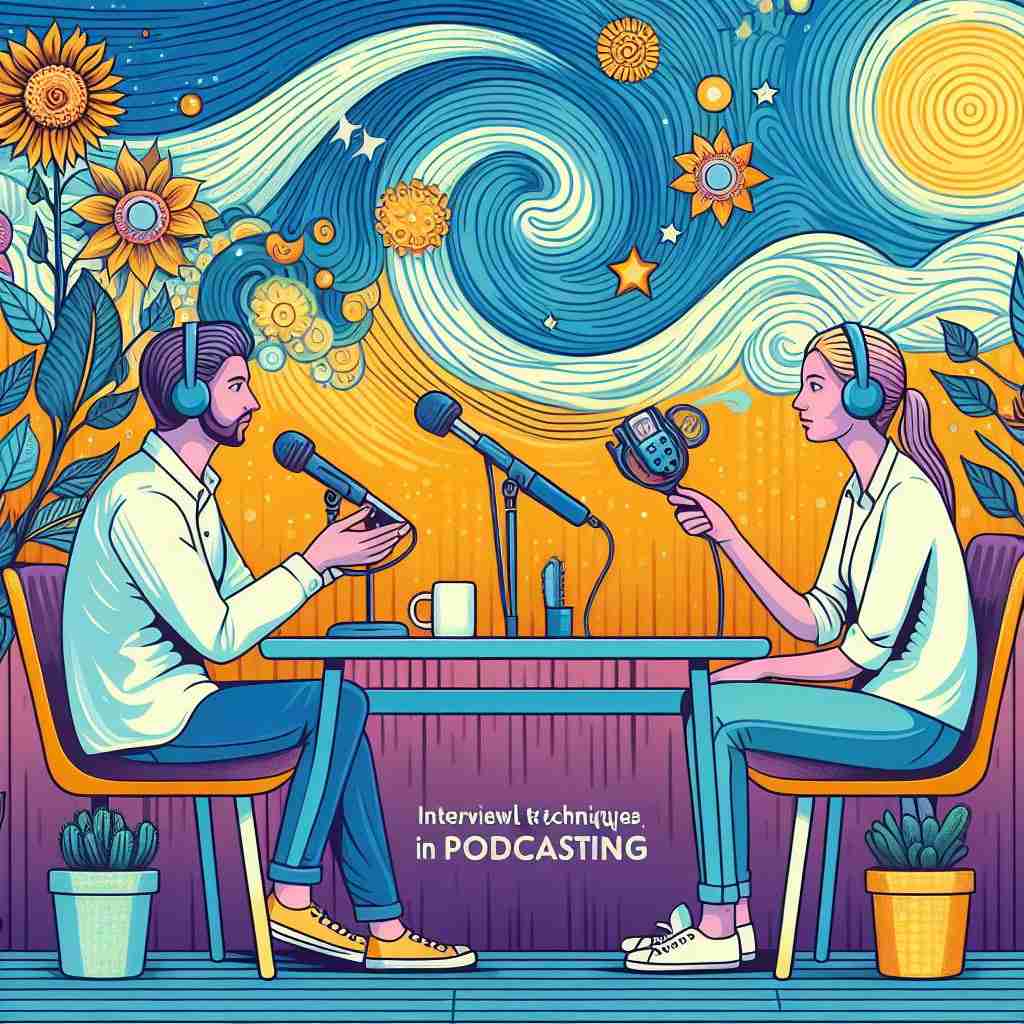
What Skills Do Seniors Need To Develop For Podcasting?
Podcasting is like a digital campfire; it’s all about storytelling, sharing experiences, and connecting with others. For seniors keen to dive into the podcasting world, there’s a treasure trove of skills to develop. Let’s roll up our sleeves and explore what it takes to get those creative juices flowing.
First off, communication is king. The beauty of a podcast lies in its ability to convey thoughts and stories, and that requires clarity and charisma. Seniors should practice speaking in a way that’s engaging, whether it’s sharing life lessons or interviewing guests. Think of it as the art of conversation, just with a microphone in hand. Embrace that storytelling style—after all, you’ve got stories worth sharing!
Next up is technical proficiency. Now, you don’t have to be a tech whiz, but familiarity with basic recording equipment and software can take your podcast from amateur hour to a polished production. Understanding how to use microphones, mixers, and editing software can dramatically enhance audio quality. There are plenty of online tutorials that can turn what seems intimidating into a manageable task. Remember, it’s about finding a balance; you don’t need to become an audio engineer—just enough to ensure your listeners don’t turn off because of poor sound quality.
Then there’s the skill of content planning. Before hitting “record,” it’s crucial to have a game plan. This means outlining topics, scripting key segments, or even just brainstorming themes that resonate with your target audience. Think about the questions that keep folks up at night, or the little nuggets of wisdom that come from years of lived experience. Crafting a captivating episode takes thoughtfulness and creativity.
Editing is another skill worth honing. Post-production can turn a good podcast into a great one. Learn to trim out the fluff, tighten the narrative, and insert elements like music or sound effects to elevate the listening experience. There’s something satisfying about sculpting your content until it shines!
Lastly, honing your marketing skills can’t be overlooked. Getting your voice out into the universe is just as crucial as making it sound good. Understand social media, engage with potential listeners, and foster a community around your podcast.
So, whether you’re recounting adventures from the past or discussing topics close to your heart, these skills will help you craft a podcast that not only reflects your voice but also resonates with others. With a little determination and practice, you’ll be lighting up the podcast world before you know it!

What Skills Do Seniors Need To Develop For Podcasting?
What Skills Do Seniors Need To Develop For Podcasting?
- Podcasting is a medium for storytelling and connecting with others, likened to a digital campfire.
- Clear and engaging communication is essential for sharing life lessons and interviewing guests.
- Basic technical proficiency with recording equipment and software enhances audio quality.
- Content planning is crucial, involving outlining topics and brainstorming themes that resonate with the audience.
- Editing skills help improve podcast quality by trimming unnecessary content and adding audio elements.
- Marketing skills are vital to promote the podcast and engage with the community of listeners.
- With practice and determination, seniors can create compelling podcasts that reflect their voice and experiences.
What Skills Do Seniors Need To Develop For Podcasting?
Conclusion
Alright, folks, let’s tie this all together. Podcasting isn’t just a buzzword; it’s an opportunity—a prime chance for seniors to harness their decades of wisdom and experience into a vibrant new side hustle., the digital world is offering an unprecedented invitation to those who have seen it all and want to share—because let’s face it, we all know that age comes with a wealth of knowledge just waiting to be tapped into.
Imagine the stories that could be shared: tales of life that provoke laughter, lessons that stir memories, and insights that resonate with audiences young and old. With nothing more than a microphone and a computer, anyone can step into this modern arena of storytelling that invites connection. It’s about more than just talking; it’s about interweaving life lessons with passion, exploring niches like gardening or travel, and forging an authentic community.
Sure, you might have to brush up on a few tech skills or navigate the learning curve of podcast production. But guess what? You’ve likely faced more daunting challenges in life. With the wealth of resources and support available, from user-friendly platforms to community forums, the path to creating a successful podcast is clearer than ever.
Now, let’s talk money. Podcasters are finding ways to monetize their passions—whether through sponsorships, subscription models, or even merchandise—turning passion projects into profitable ventures. But remember, patience and consistency are key; it’s a journey, not a sprint.
The benefits extend beyond just financial gain. Podcasting creates a meaningful connection, offering companionship to those who might feel isolated. It stimulates the mind, providing a spark for creativity while fostering a sense of purpose and contribution to the world.
If you’ve been on the fence about jumping into the podcasting pool, consider this your nudge. Your life experiences are gold—your stories could brighten someone’s day or inspire change. The mic is ready; are you? Let’s share, connect, and show the world that wisdom doesn’t fade; it only continues to evolve. So grab that microphone, ignite your creativity, and let’s get your voice out there!

Conclusion
Conclusion:
- Podcasting offers seniors an opportunity to share their life experiences and knowledge through a new side hustle.
- These stories can provoke laughter, stir memories, and resonate with a wide audience.
- With just a microphone and a computer, anyone can enter the world of storytelling and community building.
- While learning new tech skills may be necessary, resources and support are abundant for aspiring podcasters.
- Monetization options include sponsorships, subscriptions, and merchandise, turning passion into profit.
- The benefits of podcasting include meaningful connections, mental stimulation, and a sense of purpose.
- Encourages seniors to embrace their life experiences and share their stories with the world.

Conclusion
Other Resources

Other Resources
Here is a list of other resources you can review online to learn more:
- Google Podcasts Manager
- Medium
- Google Business Profile
- Fountain
- Patreon for Podcasters
- MailChimp
- AI Success Club
- Podchaser
- Libsyn
- NCH Software
Use This Prompt To Get More Resources With Your Favorite Online AI Tool: Please provide me with a list of online articles with their URLs in a bulleted list that I can read regarding Is Podcasting The Revolutionary Side Hustle for Seniors?

Other Resources
Glossary Terms
Is Podcasting The Revolutionary Side Hustle for Seniors? – Glossary Of Terms
1. Podcast: A digital audio or video program available for streaming or download, usually presented as a series on specific themes or topics.
2. Side Hustle: A secondary job or activity alongside one’s main source of income, often pursued for extra earnings or personal fulfillment.
3. Niche: A specific segment of a market or audience that a podcast can target, focusing on unique interests or subjects.
4. Platform: The digital service or application used to host and distribute podcasts, such as Apple Podcasts, Spotify, or Google Podcasts.
5. Episode: An individual installment of a podcast series, which can range in length and format depending on the creator’s style.
6. Show Notes: A document accompanying a podcast episode that outlines the content discussed, including links and resources for further exploration.
7. Monetization: The process of generating income from a podcast, which can be done through sponsorships, ads, merchandise, or subscription models.
8. Sponsorship: A partnership in which companies pay podcasters to promote their products or services within episode content.
9. Editing: The process of refining recorded podcast audio to improve the final product by removing errors, adding effects, or adjusting levels.
10. Interview: A common podcast format where the host converses with a guest, gaining insights, stories, or expertise on a particular subject.
11. Hosting: The service that stores and delivers podcast audio files, making them accessible to listeners through various platforms.
12. RSS Feed: A web feed that allows podcast episodes to be updated and distributed automatically to subscribers.
13. Listener: Individuals who engage with a podcast, consuming the content through streaming or downloading episodes.
14. Microphone: An essential tool for podcasters, used to capture clear audio during recording sessions.
15. Launch: The initial release of a podcast series, marking the beginning of its availability to the public.
16. Audience Engagement: Strategies used by podcasters to connect with their listeners, encouraging feedback, interaction, and community building.
17. Branding: The process of creating a unique identity for a podcast through visuals, tone, and thematic elements, helping it stand out in a crowded market.
18. Content Calendar: A planning tool that outlines upcoming podcast episodes, topics, and publishing schedules to maintain consistency.
19. Patreon: A subscription platform enabling fans to support podcasters financially in exchange for exclusive content or perks.
20. Promotion: The methods used to increase visibility and attract listeners to a podcast through social media, partnerships, and advertising.
21. Transcription: Converting spoken podcast content into written text, which can enhance accessibility and SEO (search engine optimization).
22. Call to Action (CTA): A prompt within a podcast episode encouraging listeners to take a specific action, such as subscribing, sharing, or commenting.
23. Technical Equipment: The tools necessary for podcast production, including microphones, headphones, recording software, and editing tools.
24. Remote Recording: The practice of recording podcast interviews or episodes over the internet, allowing hosts and guests to connect from different locations.
25. Feedburner: A service that manages podcast RSS feeds, providing analytics and subscription options to enhance listener engagement.
26. Analytics: Data collected regarding podcast performance, including listener demographics, download numbers, and engagement metrics.
27. Genre: A category that defines the type of content a podcast produces, such as comedy, true crime, education, or personal development.
28. Voiceover: A production technique where a voice is recorded to narrate or guide the podcast, often used for introductions or transitions.
29. Engagement Metrics: Statistics that reflect how audiences are interacting with a podcast, including listens, shares, reviews, and comments.
30. Community Building: The process of fostering a sense of belonging among podcast listeners, often through social media groups, forums, or live events.

Glossary Of Terms
Other Questions
Is Podcasting The Revolutionary Side Hustle for Seniors? – Other Questions
If you wish to explore and discover more, consider looking for answers to these questions:
- What are the steps to start podcasting as a senior?
- How can seniors effectively market their podcasts?
- What resources are available for seniors to learn podcasting?
- Are there successful podcasts run by seniors that can serve as inspiration?
- What are common mistakes seniors should avoid when starting a podcast?
- How can seniors engage their audience and grow their listener base?
- What should seniors consider when choosing podcasting topics?
- How do sponsorships work for senior podcast creators?
- What are the legal considerations for seniors starting a podcast?
- Can podcasting be a form of therapy or self-expression for seniors?
- What are some tips for conducting interviews on a podcast?
- How can seniors use social media to promote their podcasts?
- What are the long-term benefits of podcasting for seniors?
- Are there podcasting communities specifically for seniors?
- How do seniors handle technical issues while podcasting?

Other Questions
Haiku
Is Podcasting The Revolutionary Side Hustle for Seniors? – A Haiku
Senior voices rise,
Podcasting tales take their flight;
Wisdom shared, hearts warm.

Haiku
Poem
Is Podcasting The Revolutionary Side Hustle for Seniors? – A Poem
Whispers on Airwaves
In the dawn of twenty-three, a tale unfolds,
For seniors seeking purpose, new stories to be told.
With wisdom like rivers, deep and wide,
Podcasting emerges as their vibrant guide.
Just a mic, some space, a seat to unwind,
In sharing their passions, new treasures they’ll find.
Whether gardening tales or journeys from days of yore,
Each voice like a beacon, calling for more.
Through laughter and tears, experiences shared,
Building connections, revealing they cared.
An audience awaits, eager to hear,
The echoes of lives lived, both far and near.
No need for the glitz of the youthful elite,
For authenticity beckons, it’s the hearts that they greet.
With tools now accessible, guidance in hand,
Their stories take flight, like grains in the sand.
But oh, there’s effort, and time to invest,
Crafting each episode, giving their best.
From planning and scripting to editing with grace,
Every moment’s a journey; it’s a fulfilling chase.
So as they traverse this new digital land,
Seniors embrace the mic, courage close at hand.
Together they navigate, create, and inspire,
Transforming their voices into hearts full of fire.
In the tapestry woven, with threads of delight,
Podcasting is the lantern, casting warmth through the night.
An invitation to share, to connect, and to flair,
For the stories of seniors are treasures laid bare.

Poem
Checklist
Is Podcasting The Revolutionary Side Hustle for Seniors? – A Checklist
Podcasting Checklist for Seniors
Getting Started
_____ Determine Your Podcasting Goals:
_____ Define what you want to achieve with your podcast (sharing stories, educating others, generating income).
_____ Choose Your Niche:
_____ Reflect on your life experiences and select topics that resonate with you and potential listeners.
_____ Conduct Market Research:
_____ Listen to existing podcasts to find gaps you can fill with your unique voice.
Essential Equipment
_____ Microphone:
_____ Invest in a quality USB microphone for clear audio (consider a cardioid condenser mic).
_____ Headphones:
_____ Get a comfortable pair of closed-back headphones for monitoring audio.
_____ Recording Software:
_____ Choose a user-friendly editing software like Audacity or GarageBand.
_____ Pop Filter:
_____ Use a pop filter to reduce plosive sounds.
_____ Quiet Environment:
_____ Set up a dedicated space away from noise for recording.
Planning and Production
_____ Outline Episode Topics:
_____ Create outlines or scripts for upcoming episodes to stay organized.
_____ Schedule Recording Time:
_____ Block out time specifically for recording to ensure consistency.
_____ Edit Your Episodes:
_____ Learn basic editing to remove errors and improve overall flow of the podcast.
_____ Promote Your Podcast:
_____ Familiarize yourself with social media platforms to engage with your audience.
Developing Skills
_____ Enhance Communication Skills:
_____ Practice speaking clearly and engagingly.
_____ Learn Technical Skills:
_____ Familiarize yourself with the use of microphones, mixers, and editing software.
_____ Content Planning:
_____ Develop a system for organizing your topics and episode ideas.
_____ Editing Skills:
_____ Take the time to learn how to edit your recordings effectively.
_____ Marketing Skills:
_____ Understand the basics of promoting your podcast and building a following.
Community Engagement
_____ Join Podcasting Communities:
_____ Engage with forums and social media groups for support and inspiration.
_____ Network with Other Podcasters:
_____ Reach out for collaborations or guest appearances to grow your audience.
By ticking off each item in this checklist, seniors can empower themselves to embark on their podcasting journey with confidence, creativity, and a wealth of shared wisdom. Happy podcasting!

Checklist
At PodcastBig, we help people who want to learn about podcasting by collating information and news about podcasting.
Be sure to read our other related stories at PodcastBig to learn more about podcasting.