

Tapping Into The Podcasting Boom
By Tom Seest
At PodcastBig, we help people who want to learn about podcasting by collating information and news about podcasting.
Be sure to read our other related stories at PodcastBig to learn more about podcasting.
Is Podcasting The Critical Side Hustle for Retiring Professionals?
As the sun sets on the career of many seasoned professionals, they often find themselves standing at a crossroads. Do they sink into the couch with a cup of coffee, or do they forge a new path laced with purpose? Enter podcasting, the modern storyteller’s art form that allows retirees to explore their passions while sharing invaluable insights gained from decades of experience.
At its core, a podcast is more than just a flashy audio file; it’s a vessel for storytelling, a community of listeners in search of authenticity and practicality. Many retirees possess a wealth of knowledge that, given the right platform, can positively impact lives. Why not harness the power of the podcast to transform your hard-earned wisdom into engaging episodes that stimulate thought and foster conversation?
Gone are the days when retirement meant a gradual fade into insignificance. Today’s retirees realize that they have a unique opportunity to engage a younger audience hungry for guidance. With a microphone in hand and a few technical essentials, they can create a space to share life lessons, professional anecdotes, and even the occasional laugh. The beauty of podcasting is that it doesn’t require a media degree; it just demands sincerity, passion, and a willingness to learn.
Moreover, the financial aspect cannot be ignored. Podcasting provides the potential for a lucrative side gig without the constraints of a traditional job. Whether you decide to monetize through sponsorships, listener support, or merchandise, the possibilities are endless. Retirees can embrace this creative outlet while also padding their retirement savings, allowing for a playful yet financially responsible second act.
But let’s not romanticize it either; podcasting demands dedication. It’s not all sunshine and smooth sailing. From scriptwriting to editing, the technicalities can feel daunting, particularly for those less acquainted with technology. Yet, this challenge is no different than any other venture in life. Overcoming obstacles often leads to personal growth, and in many ways, sinking your teeth into the podcasting world can reawaken a zest for discovery.
So, is podcasting the critical side hustle for retiring professionals? For many, it may just be an ideal fit—a chance to engage with a community, share timeless wisdom, and keep the spirit of lifelong learning alive. In a world craving genuine voices, seasoned professionals stepping into the podcast arena could very well be the fresh breeze we all need. Just remember, your story matters. Don’t let it go untold.

Is Podcasting The Critical Side Hustle for Retiring Professionals?
Is Podcasting The Critical Side Hustle for Retiring Professionals?
- Retirees face a crossroads between relaxation and pursuing purposeful endeavors.
- Podcasting serves as a modern storytelling platform for retirees to share their knowledge and experiences.
- Creating a podcast can significantly impact listeners seeking authenticity and practical advice.
- Retirees have the opportunity to connect with younger audiences while sharing life lessons and anecdotes.
- Podcasting can be a lucrative side gig through monetization methods like sponsorships and listener support.
- While podcasting requires dedication and technical skills, it offers a chance for personal growth and discovery.
- Entering the podcast space allows retirees to engage with a community and keep the spirit of lifelong learning alive.

Is Podcasting The Critical Side Hustle for Retiring Professionals?
Table Of Contents
- Is Podcasting The Critical Side Hustle for Retiring Professionals?
- What Is Podcasting And How Can It Benefit Retirees?
- How Do You Start A Podcast As A Retiree?
- What Equipment Do I Need To Podcast Successfully?
- How Can I Choose A Podcast Niche That Suits My Interests?
- What Are The Best Topics For Retirement-Themed Podcasts?
- How Can I Monetize My Podcast Effectively?
- What Platforms Should I Use To Host My Podcast?
- Conclusion
- Other Resources
- Glossary Of Terms
- Other Questions
- Haiku
- Poem
- Checklist
What Is Podcasting And How Can It Benefit Retirees?
Let’s face it: the golden years of retirement can sometimes feel a bit, well… monotonous. You’ve likely spent decades working in a career, raising kids, and juggling responsibilities, only to find yourself wondering, “What’s next?” Enter the podcast—a vibrant medium that can breathe new life into your everyday routine.
So, what exactly is podcasting? At its core, a podcast is simply a series of spoken-word content, much like a radio show that you can listen to on demand. Whether you’re into storytelling, education, news, or interviews, there’s a podcast out there for every taste. With the rise of digital technology, accessing these auditory treasures has never been easier. All you need is a smartphone, computer, or even a tablet, and you can dive into a world of rich, engaging content at your leisure.
Now, let’s talk about what makes podcasts an incredible asset for retirees. First off, they offer an endless variety of topics that can pique your interest and keep your mind sharp. You can explore everything from gardening tips to historical deep-dives, or listen to fascinating discussions about science and culture. Just imagine the satisfaction of learning something new each day! It’s like having a library of experts right in your pocket.
But the benefits don’t stop there. Listening to podcasts can also create a sense of connection, particularly for those who may feel isolated in retirement. By tuning into conversations, stories, and shared experiences, you’re joining a community of like-minded individuals, even if they’re scattered across the globe. While you might be relaxing at home, that podcast can take you on a journey alongside others who share your passions.
Furthermore, podcasts can be a source of inspiration. Many shows focus on personal stories of triumph and resilience, and hearing about others overcoming challenges can motivate you to explore new activities in your own life. Whether that means picking up a new hobby, traveling somewhere you’ve never been, or simply reconnecting with old friends, inspiration is just a listen away.
In short, podcasts aren’t just a way to pass the time—they’re a doorway to a richer, more fulfilling retirement. So plug in those earbuds, hit play, and let the world of ideas and inspiration wash over you. You’re not just tuning in; you’re actively participating in your own next chapter.

What Is Podcasting And How Can It Benefit Retirees?
What Is Podcasting And How Can It Benefit Retirees?
- Retirement can feel monotonous after decades of work and responsibilities.
- Podcasts are a series of spoken-word content available on demand, similar to radio shows.
- They cover a wide range of topics, including storytelling, education, news, and interviews.
- Accessing podcasts is easy with a smartphone, computer, or tablet.
- Listening to podcasts helps keep the mind sharp and allows for continuous learning.
- Podcasts foster a sense of connection and community among listeners.
- They can inspire personal growth and exploration of new activities in retirement.

What Is Podcasting And How Can It Benefit Retirees?
How Do You Start A Podcast As A Retiree?
So, you’ve hung up your work boots, traded in the daily grind for a life rich with possibilities, and now you’re teetering on the brink of a new adventure. The world of digital storytelling is whispering your name, and you’re wondering—why not launch a podcast? Starting a podcast might just be the fresh chapter you’ve been searching for, filled with laughter, stories, and the satisfaction of creating something that others can enjoy.
First off, let’s talk about why a podcast could be your perfect outlet. You’ve got a trove of experiences piled up over decades, and many folks would love to hear your unique perspective on life. Whether it’s tales from your career, hobbies you’re passionate about, or the wisdom gained through your years, sharing it all through a podcast can be incredibly rewarding. It’s not just about the microphone; it’s about connecting with a community, both virtual and real, that values what you have to say.
Before you get lost in the weeds of equipment and editing, you need to start with a plan of attack. What do you want your podcast to be about? Having a clear focus will help keep your content cohesive and engaging. Is there a specific theme? Maybe you want to discuss the riveting world of gardening, recount your favorite travel escapades, or dive into the fascinating history of your hometown. Narrowing your topic will serve as a compass to guide you through the sea of content you’ll be creating.
Next up is getting the right gear. Let’s be honest: you don’t need to break the bank to get started. A decent microphone, some recording software, and a quiet space to record will do wonders. You might even find that your old computer is up to the challenge. The tech can seem intimidating, but there are plenty of resources that break it down for you in easy-to-understand terms.
Editing might feel like a daunting task, but remember, it’s part of the journey. You’ll learn as you go, and your skills will improve with every episode. Once you have your episodes polished and ready to go, it’s time to share your voice with the world. Choose a platform that makes sense for your audience, and don’t forget to promote your podcast within your social circles—your friends and family will be your best cheerleaders!
Starting a podcast might just be the adventure that fills your post-retirement days with excitement and purpose. So grab that microphone, tap into your stories, and let your voice resonate far and wide.

How Do You Start A Podcast As A Retiree?
How Do You Start A Podcast As A Retiree?
- Embrace a new adventure in digital storytelling by launching a podcast.
- Share your unique life experiences and perspectives with a community that values your voice.
- Start with a clear plan focusing on a specific theme for cohesive and engaging content.
- Select affordable podcasting gear: a decent microphone, recording software, and a quiet space.
- View editing as part of the learning journey; your skills will improve over time.
- Choose a suitable platform for your podcast and promote it among friends and family.
- Starting a podcast can bring excitement and purpose to your post-retirement life.

How Do You Start A Podcast As A Retiree?
What Equipment Do I Need To Podcast Successfully?
So, you’ve decided to dive into the world of podcasting. Congratulations! It’s a wild ride that can take you from your living room to a global audience, but before you hit that record button, let’s talk about the equipment you’ll need to do it right.
First and foremost, you’ll want to start with a good microphone. Trust me, the audio quality is the beating heart of any podcast. You want something that captures your voice clearly without picking up every creak of the floorboards or the sound of the dog barking next door. USB microphones are great for beginners—affordable and user-friendly—but for those looking to level up, an XLR microphone combined with an audio interface can provide superior sound quality. It might seem daunting at first, but once you hear the difference, you’ll understand why it’s worth the investment.
Next on the list is a pair of headphones. Not just any old pair you found in the junk drawer, mind you. You want closed-back headphones that keep the sound in and distractions out. This helps you monitor your audio while recording and ensures you catch any pesky issues that might slip by otherwise.
You’ll also need some recording software, or “digital audio workstation” (DAW), if you want to get fancy. There are a number of free options out there—Audacity and GarageBand come to mind—but if you’re serious about your craft, consider investing in something like Adobe Audition or Pro Tools. These tools will help you edit with finesse and add that touch of polish that will make your podcast shine.
Don’t forget about pop filters. These little gadgets will save you from those annoying plosive sounds that can assault your listener’s ears when you pronounce words that begin with ‘P’ or ‘B’. While they might seem trivial, they can make a world of difference in the clarity of your voice.
Lastly, it’s wise to consider a portable recorder if you plan on taking your setup on the road. This will allow you to capture interviews wherever your podcasting adventures take you, whether it’s a quaint café or a bustling event.
In short, good equipment is essential for a successful podcast. So take the time to invest wisely in your gear, and your listeners will thank you for it. A little effort up front will pay off in the long run.

What Equipment Do I Need To Podcast Successfully?
What Equipment Do I Need To Podcast Successfully?
- Start with a good microphone, as audio quality is crucial for any podcast.
- USB microphones are suitable for beginners; XLR microphones with an audio interface offer superior sound quality.
- Use closed-back headphones to monitor audio and prevent distractions while recording.
- Choose recording software (DAW) like Audacity or GarageBand for beginners; consider investing in Adobe Audition or Pro Tools for advanced editing.
- Incorporate pop filters to reduce plosive sounds and improve clarity in your recordings.
- Consider a portable recorder for capturing interviews on the go.
- Investing in quality equipment is essential for a successful podcast and will benefit your listeners.
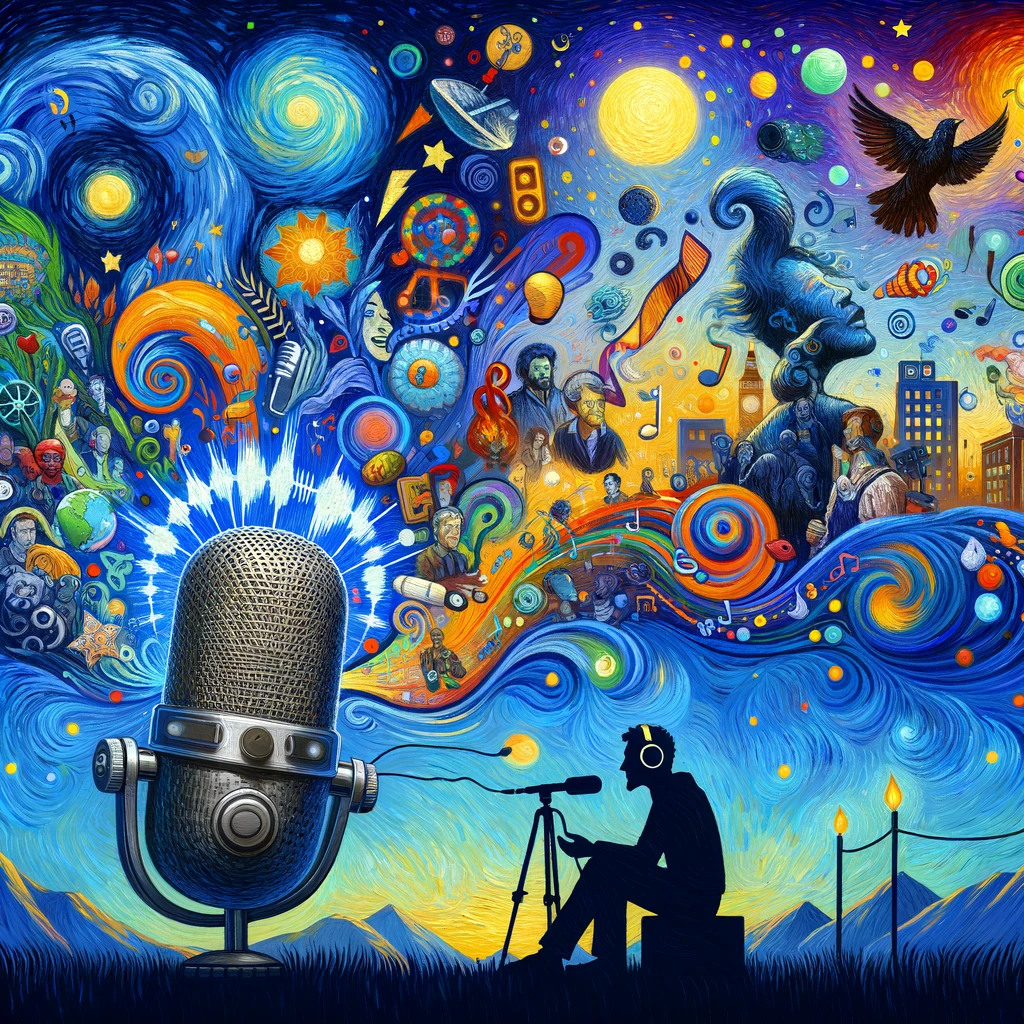
What Equipment Do I Need To Podcast Successfully?
How Can I Choose A Podcast Niche That Suits My Interests?
Choosing a niche for your podcast is a lot like choosing your battle. You want it to be a long-term commitment, not just a fling. Before diving into the realm of audio storytelling, it’s crucial to reflect on what actually stirs your soul and makes you tick. You don’t want listeners to tune in to a show that feels like a chore for you to produce.
First, consider your hobbies and passions—yes, the things you can talk about at length without losing steam. Is it fishing? Model trains? Or perhaps the subtle art of sandwich-making? Whatever it is, your enthusiasm will translate into the microphone, drawing in an audience that shares your curiosity. Passion is infectious; if you’re genuinely interested in your topic, chances are you’ll attract like-minded listeners who crave the same passion you exude.
Next, think about your personal experiences. Every setback, triumph, job, or quirky incident can provide a treasure trove of compelling content. If you’ve ever worked in a weird or wild industry, share those stories! Perhaps you spent summers working at a goat farm or navigating the labyrinth of a corporate job. Real-life stories often resonate more than just facts and figures because they bring a human touch to your podcast.
Your niche should also consider what’s already out there in the podcasting space. Don’t shy away from doing a bit of research. While you want to create something that’s distinctly yours, understanding your competition can spark fresh ideas or highlight gaps in content.
Another essential aspect is sustainability. Ask yourself if you have enough material to keep the conversation flowing week after week—even if you’re knee-deep in it. This isn’t just about making your way through a few episodes; think of it as a long-term endeavor. Will you get bored with the topic after a while, or does it continue to intrigue you?
Lastly, don’t be afraid to pivot. Your initial passion might evolve as you get feedback from your audience, and that’s perfectly fine. A flexible approach can keep your podcast fresh and lively.
In summary, embarking on a podcasting journey requires a combination of self-awareness, creativity, and a sprinkle of market savvy. Follow these guidelines, and you may just find the perfect niche that ignites your passion and captivates your audience.

How Can I Choose A Podcast Niche That Suits My Interests?
How Can I Choose A Podcast Niche That Suits My Interests?
- Choosing a podcast niche should be a long-term commitment, not a short-lived endeavor.
- Reflect on your hobbies and passions that you can discuss without losing interest.
- Your personal experiences can provide engaging content and resonate with listeners.
- Research existing podcasts to understand competition and identify content gaps.
- Ensure there is enough material to sustain ongoing episodes without losing interest.
- Be open to evolving your podcast’s focus based on audience feedback.
- Combine self-awareness, creativity, and market knowledge to find the ideal niche.

How Can I Choose A Podcast Niche That Suits My Interests?
What Are The Best Topics For Retirement-Themed Podcasts?
Retirement isn’t just about putting your feet up and relaxing with a lemonade; it’s a whole new chapter filled with possibilities. And what better way to navigate that chapter than through a well-crafted podcast? These audio gems can be a rich source of information, inspiration, and camaraderie for anyone looking to embrace their golden years. So, let’s dive into some of the best topics for retirement-themed podcasts.
First and foremost, financial planning is paramount. A podcast that explores budgeting, investing, and saving strategies can help retirees stretch their nest eggs. Not only do listeners want to hear from finance experts, but personal stories from regular folks who navigated the murky waters of retirement finance add a human touch. Those golden nuggets of wisdom shared by ordinary retirees resonate deeply and can often provide solutions to challenges many face.
Another excellent topic is health and wellness. As folks step into retirement, they want to maintain vitality and a good quality of life. A podcast dedicated to nutrition tips, exercise routines, or even mental health and mindfulness practices can be invaluable. Picture expert interviews and practical advice sprinkled with uplifting success stories. That’s something everyone can relate to, no matter their background.
Then, let’s talk about lifestyle changes. Retirement can be a shock to the system—after decades of working, figuring out how to fill your time is a challenge. Consider a podcast that focuses on hobbies, travel, and volunteering. Imagine hearing from guests who’ve taken up painting, hiking, or even starting a non-profit! Each episode could serve as a spark to ignite the passions that may have lain dormant for years.
Let’s not forget the importance of relationships. As people retire, their social circles often change, and loneliness can creep in. A podcast that delves into building and maintaining friendships during retirement could really hit home. Topics may include dating later in life, maintaining connections with family, or even forming new friendships through shared interest groups.
Lastly, consider community involvement. Retirees have a wealth of experience, and a podcast centered around civic engagement—be it through local charities, neighborhood projects, or advocacy work—could motivate listeners to give back.
So, whether your passion is financial savvy, health gastronomy, personal stories, or community service, a retirement-themed podcast is an ideal way to engage, educate, and entertain. It’s not just a show; it’s a lifeline to a fulfilling retirement.

What Are The Best Topics For Retirement-Themed Podcasts?
What Are The Best Topics For Retirement-Themed Podcasts?
- Retirement marks a new chapter filled with possibilities, best navigated through podcasts.
- Financial planning is essential; podcasts can provide budgeting, investing, and saving strategies.
- Listening to personal stories from retirees adds a relatable element to financial discussions.
- Health and wellness topics are crucial, offering tips on nutrition, exercise, and mental health.
- Lifestyle changes post-retirement can be addressed through discussions on hobbies, travel, and volunteering.
- Building and maintaining relationships is important; podcasts can explore friendships and family connections during retirement.
- Community involvement and civic engagement are vital, promoting volunteerism and advocacy among retirees.

What Are The Best Topics For Retirement-Themed Podcasts?
How Can I Monetize My Podcast Effectively?
If you’re thinking about turning your podcast into a revenue-generating machine, you’re not alone. Every day, folks jump behind the microphone, pouring their hearts and souls into content, hoping to cash in on their passion. But here’s a reality check—podcasting isn’t just about the latest gadgets or catchy intro music; it’s a business like any other. So, how do you maximize your earnings while maintaining your authenticity?
First off, consider your audience. Understanding who they are and what they value is the cornerstone of any successful venture. Are they mainly young professionals, stay-at-home parents, or hobbyists? Tailor your content not just to entertain but also to engage with those interests. The deeper your connection with your audience, the more likely they are to support you financially.
Now, let’s talk about sponsorships. They can be incredibly lucrative if you play your cards right. Approach brands that align with your values and whom your listeners would actually want to hear about. Craft personalized pitches that highlight the synergies between your podcast and their brand. Authenticity matters. You don’t want to lose the trust of your listeners by promoting products that feel out of place.
Then there’s merchandise. If your podcast has a catchy catchphrase, memorable logo, or just a strong following, consider selling related merchandise. T-shirts, mugs, or stickers can create an additional revenue stream while fostering a sense of community. Plus, it keeps your brand top of mind, which can lead to new listeners tuning in.
Subscriptions and Patreon are also becoming popular methods for monetization. By offering exclusive content to subscribers for a fee, you can cultivate a loyal fan base willing to support your work. Think of it as giving fans a backstage pass. This could involve bonus episodes, behind-the-scenes content, or the chance to ask questions on-air. This not only generates income but also fosters a connection with your most dedicated listeners.
Lastly, don’t underestimate affiliate marketing. By linking to products or services you genuinely believe in, you can earn a commission for every sale generated through your audience. Just ensure your recommendations are authentic; your listeners will see through insincerity faster than a speeding bullet.
In summary, monetizing your podcast is about more than just the dollars. It’s about building relationships, staying true to your brand, and delivering quality content that resonates. With the right strategy, you can turn that microphone into a profitable endeavor while still doing what you love. Keep the passion alive, and the profits will follow.

How Can I Monetize My Podcast Effectively?
How Can I Monetize My Podcast Effectively?
- Podcasting can be a lucrative business, requiring more than just technical skills or catchy presentations.
- Understanding your audience is crucial; tailor content to engage their interests for better financial support.
- Sponsorships can boost earnings; choose brands that align with podcast values and resonate with listeners.
- Merchandise can create an additional revenue stream and strengthen community ties among listeners.
- Subscriptions and platforms like Patreon offer exclusive content, fostering loyalty and generating income.
- Affiliate marketing allows for commissions on recommended products, provided recommendations are genuine.
- Successful monetization is about building relationships and staying authentic while delivering quality content.
How Can I Monetize My Podcast Effectively?
What Platforms Should I Use To Host My Podcast?
So, you’ve got the passion, the microphone, and the burning desire to share your voice with the world. That’s half the battle. Now, let’s delve into the other half: where on earth do you host your podcast? Selecting the right platform is crucial, akin to choosing the right toolbox for a job. While it may seem overwhelming at first—there’s no shortage of options out there—the choice doesn’t have to leave you floundering.
First off, you want to look for a podcast hosting platform that emphasizes reliability and ease of use. Think of this as the sturdy workbench in your garage—it needs to be solid because your podcast reputation depends on it. Popular choices like Libsyn and Podbean have stood the test of time. They provide user-friendly interfaces and a wealth of analytics to help you gauge how your podcast is doing, which is basically like having a window into the minds of your listeners.
Consider your goals when it comes to the mechanics of your podcast. Are you aiming for extensive distribution? You’ll want a host that pushes your podcast out to multiple platforms like Apple Podcasts, Spotify, and Google Podcasts. After all, it’s no good crafting a masterpiece if no one can find it. A good host will ensure your content reaches all corners of the internet, increasing your chances of getting those elusive downloads.
Don’t overlook the financial aspect either. Many platforms operate on a subscription model, and it’s crucial to find one that suits your budget. Some hosts offer free accounts with limited features, which might be a good starting point if you’re just dipping your toes in the podcasting pool. However, as your audience grows, you’ll likely want to invest in a paid plan that gives you the flexibility and features you need—kind of like upgrading from a basic wrench to a full-fledged mechanic’s toolbox.
Lastly, think about the extra perks. Some hosting platforms come with built-in tools for monetization, editing, and even promotion, making them much more than just storage units for your audio files. Because, in the end, producing a podcast isn’t just about talking into a microphone; it’s about getting your voice heard. Choose wisely, and your podcast won’t just be another wave in the ocean; it’ll become part of an ongoing conversation that resonates with listeners.

What Platforms Should I Use To Host My Podcast?
What Platforms Should I Use To Host My Podcast?
- Selecting the right podcast hosting platform is crucial for your podcast success.
- Look for platforms that emphasize reliability and ease of use, such as Libsyn and Podbean.
- Your chosen host should facilitate extensive distribution to major platforms like Apple Podcasts and Spotify.
- Consider your budget, as many platforms offer subscription models with various features.
- Free accounts can be good for beginners, but investing in a paid plan may be necessary as your audience grows.
- Look for extra perks like built-in tools for monetization, editing, and promotion.
- Ultimately, choose a host that helps your podcast resonate and engage with listeners effectively.

What Platforms Should I Use To Host My Podcast?
Conclusion
As we roll into the golden years of retirement, many seasoned professionals find themselves presented with an invigorating challenge: what to do next? Gone are the days when retirement was synonymous with sitting idly on the porch; now, it’s a chance for meaningful engagement and creativity. Enter podcasting—the modern-day storyteller’s medium that’s perfect for retirees. If you’ve got a wealth of life experience and insights to share, why not put them to good use? Podcasting allows you to connect with an audience eager for knowledge, inspiration, and authenticity.
Wrapping a microphone around your life lessons, from humorous anecdotes to industry secrets, opens up a world of possibilities. The shift to this accessible platform is simple. With just a few tools and a willing spirit, you can start crafting content that resonates, thrives, and breathes new life into your retirement. Plus, it not only fosters community but also might line your pockets a little, thanks to monetization avenues like sponsorships, listener support, or even merchandise.
Sure, launching a podcast is no walk in the park. There’s technical know-how to acquire, editing to finalize, and scripts to finesse. But consider this: every challenge faced in life can spark personal growth, and diving into podcasting might rekindle that adventurous spirit that many thought was long gone post-work life. So, is podcasting the ultimate side hustle for retirees? For countless veterans in the workforce, it certainly appears to be the ideal route; an opportunity to share wisdom, invoke curiosity, and engage with those eager to learn.
Even if the idea of diving into the podcasting pool raises a few apprehensive eyebrows, remember it’s all about direction. Start by leaning into your passions and personal stories—this will energize your content and keep it flowing. As the world clamors for genuine voices and authentic experiences, recognizing your own importance in this narrative can empower you exponentially.
So, grab that microphone! Your story is not just significant; it’s a catalyst for connection. As you step into this wave of possibility, let your unique voice add to the rich tapestry of shared wisdom; because in this journey, you never know whose life you’ll touch. Don’t let your story remain untold—give it the platform it deserves!

Conclusion
Conclusion:
- Retirement now offers opportunities for meaningful engagement and creativity, moving beyond traditional idleness.
- Podcasting serves as an ideal medium for retirees to share life experiences and insights.
- Utilizing a podcast can help connect with an audience seeking knowledge, inspiration, and authenticity.
- Starting a podcast is accessible with the right tools and willingness, allowing for resonating and thriving content creation.
- Podcasting can foster community and provide monetization opportunities through sponsorships and listener support.
- Facing the challenges of podcasting—like technical skills and editing—can lead to personal growth and rekindled adventurous spirit.
- Emphasizing personal stories and passions enhances content, empowering retirees to recognize their importance in sharing wisdom.

Conclusion
Other Resources

Other Resources
Here is a list of other resources you can review online to learn more:
- Apple Podcasts
- Bob Woods
- Apple Podcasts
- Turned Podcaster
- Google Podcasts
- Podcast Studio
- Spotify for Podcasters
- Odnoklassniki
- Telegram
Use This Prompt To Get More Resources With Your Favorite Online AI Tool: Please provide me with a list of online articles with their URLs in a bulleted list that I can read regarding Is Podcasting The Critical Side Hustle for Retiring Professionals?

Other Resources
Glossary Terms
Is Podcasting The Critical Side Hustle for Retiring Professionals? – Glossary Of Terms
1. Podcast: A digital audio program, typically serialized, available for streaming or download.
2. Podcasting: The process of creating and distributing a podcast, including recording, editing, and publishing.
3. Side Hustle: A job or business that is pursued in addition to one’s main source of income, often for extra money or personal fulfillment.
4. Retiring Professional: An individual nearing or at retirement age looking to transition from traditional employment to new ventures.
5. Niche Market: A specific segment of the market focused on a particular interest or area, often targeted by a podcast for a dedicated audience.
6. Monetization: The process of earning revenue from a podcast, which can include sponsorships, advertising, listener support, or merchandise.
7. Listener Engagement: The interaction and relationship between the podcast host and their audience, important for building a community.
8. Editing: The process of refining audio content to enhance quality, including removing mistakes and improving flow.
9. Hosting Platform: A service where podcast files are stored and distributed, such as Libsyn, Podbean, or Anchor.
10. RSS Feed: A technology that allows podcast episodes to be automatically delivered to and updated on podcast directories and apps.
11. Show Notes: A written summary and accompanying information for each podcast episode, including links and resources mentioned.
12. Sponsorship: A partnership with a brand or company that pays the podcast for advertising or promotional considerations.
13. Audience Metrics: Data collected about listeners, such as download numbers, demographics, and engagement levels, that inform content strategy.
14. Podcast Format: The structure or style of a podcast, including interview, narrative, roundtable, or educational.
15. Microphone Quality: The standard of audio capture equipment used, which greatly influences the overall sound quality of a podcast.
16. Content Calendar: A planning tool that outlines topics, recording dates, and release schedules for podcast episodes.
17. Cross-Promotion: A strategy where podcasters promote each other’s shows to reach new audiences.
18. Target Audience: The specific group of people a podcast aims to reach based on shared interests and demographics.
19. Webinar: An online seminar or workshop that can complement a podcast by providing in-depth discussion on specific topics.
20. Branding: The process of creating a unique identity for a podcast, including logo, theme music, and overall style.
21. Call to Action (CTA): A prompt within a podcast episode encouraging listeners to take specific actions, such as subscribing or visiting a website.
22. Patreon: A platform that allows content creators, including podcasters, to receive financial support directly from their listeners.
23. Analytics: Tools and metrics used to track and measure a podcast’s performance and audience behavior.
24. Editing Software: Digital tools used for audio editing, such as Audacity, GarageBand, or Adobe Audition.
25. Podcast Directory: Platforms like Apple Podcasts, Spotify, and Google Podcasts where listeners can find and subscribe to podcasts.
26. Transcription: The written record of a podcast episode, which can enhance accessibility and SEO for the content.
27. Guest Speaker: An individual invited to join a podcast episode to provide expertise or share insights, enriching the conversation.
28. Voiceover: The recording of a voice that provides commentary or narration in a podcast, often used to introduce segments or provide transitions.
29. Interview Style: A common podcast format whereby a host interviews a guest, typically structured to explore specific topics or experiences.
30. Legacy Content: Podcast episodes or materials that contribute to a retiring professional’s expertise and can be preserved or repurposed post-retirement.

Glossary Of Terms
Other Questions
Is Podcasting The Critical Side Hustle for Retiring Professionals? – Other Questions
If you wish to explore and discover more, consider looking for answers to these questions:
- What are the initial steps to take when considering starting a podcast?
- What types of podcasts are currently popular among retirees?
- How much time should retirees dedicate to podcasting each week?
- What challenges do retirees commonly face when starting a podcast?
- Are there any online communities or resources specifically for retired podcasters?
- How can I effectively market my podcast to reach a wider audience?
- What are some common mistakes to avoid when starting a podcast?
- How do I measure the success of my podcast?
- Should I work alone or collaborate with co-hosts or guests on my podcast?
- What are the legal considerations I should know about when podcasting?
- How can I inspire other retirees to start their own podcasts?
- What are some ways to engage with listeners and build a community around my podcast?

Other Questions
Haiku
Is Podcasting The Critical Side Hustle for Retiring Professionals? – A Haiku
Retire with a voice,
Sharing wisdom through the waves,
Life’s tales bloom anew.

Haiku
Poem
Is Podcasting The Critical Side Hustle for Retiring Professionals? – A Poem
As shadows lengthen on a career well-spent,
Retirees ponder paths, what joy may they invent.
Sinking into stillness, or rising to engage,
Podcasting calls out, a vibrant new stage.
With microphone in hand, stories poised to unfold,
Decades of wisdom, a treasure untold.
A canvas of voices, a community built,
Sharing laughs and lessons, where passions are spilt.
No longer confined to the comfort of rest,
Seasons of laughter and learning manifest.
From gardening tips to travels afar,
A world of connections, the podcasting star.
Yet not without tasks; there’s effort at stake,
Scriptwriting, editing, the steps we must take.
But challenges foster growth, the zest to explore,
Unlocking new chapters, igniting the core.
In a space craving voices, genuine and wise,
Podcasting’s the vessel for truth to arise.
Embrace financial gains while pursuing delight,
This side hustle sparkles, a guiding light.
Explore endless topics—finance, health, and more,
Craft episodes weaving community’s core.
Innovate with passion, let the world take its call,
You matter, dear friends, so don’t let your story fall.
With the pulse of the mic and the urge to create,
Step boldly into sound, don’t hesitate.
For in every shared moment, this journey ignites,
A second act blooms, beneath podcasting lights.

Poem
Checklist
Is Podcasting The Critical Side Hustle for Retiring Professionals? – A Checklist
1. Understand Podcasting Basics
_____ Familiarize yourself with what a podcast is and its potential benefits.
_____ Explore various podcast genres and styles to find what resonates with you.
2. Identify Your Purpose and Audience
_____ Define the main message or theme of your podcast.
_____ Identify your target audience and their interests.
3. Choose a Niche
_____ Reflect on hobbies, passions, and personal experiences that could form the foundation of your podcast.
_____ Research existing podcasts to find gaps or unique angles related to your niche.
4. Plan Your Content
_____ Create a content outline detailing episode topics and structure.
_____ Decide on a release schedule (weekly, bi-weekly, etc. ).
5. Gather Equipment
_____ Purchase or gather the necessary equipment:
_____ Quality microphone (USB or XLR).
_____ Headphones (closed-back for audio monitoring).
_____ Recording software (e. g. , Audacity, GarageBand, or paid options).
_____ Pop filter to improve audio quality.
_____ Portable recorder (optional for interviews on-the-go).
6. Record Your First Episodes
_____ Set up a quiet space for recording your episodes.
_____ Experiment with different styles and formats to find your voice.
7. Edit Your Audio
_____ Use your chosen software to edit and polish your recordings.
_____ Listen for and correct any audio issues, ensuring clarity.
8. Choose a Hosting Platform
_____ Research and select a podcast hosting platform (e. g. , Libsyn, Podbean).
_____ Consider features like ease of use, distribution capabilities, and cost.
9. Launch and Promote Your Podcast
_____ Create enticing cover art and write a compelling description for your podcast.
_____ Share your episodes across social media and personal networks to attract listeners.
_____ Encourage friends and family to spread the word.
10. Engage With Your Audience
_____ Interact with listeners through social media, email, or live events.
_____ Consider creating a community around your podcast for increased engagement.
11. Explore Monetization Options
_____ Research sponsorships, merchandise, listener support through platforms like Patreon, and affiliate marketing.
_____ Develop a strategy that aligns with your audience’s interests and values.
12. Keep Learning and Adapting
_____ Gather feedback from listeners and be open to changing your podcast based on their responses.
_____ Stay informed on podcasting trends and best practices to continuously improve your craft.
Bonus Tips
_____ Always remember: Your story matters, and sharing it can have a profound impact.
_____ Embrace challenges; every obstacle is an opportunity for growth in your podcasting journey.

Checklist
At PodcastBig, we help people who want to learn about podcasting by collating information and news about podcasting.
Be sure to read our other related stories at PodcastBig to learn more about podcasting.