

Unlocking The Power Of Professional Editing
By Tom Seest
At PodcastBig, we help people who want to learn about podcasting by collating information and news about podcasting.
Be sure to read our other related stories at PodcastBig to learn more about podcasting.
Is Inadequate Editing Turning Potential Fans Away?
Let’s face it: we live in a world overflowing with content. Podcasts abound, and when you switch on your favorite listening platform, you’re met with a flood of voices vying for your attention. With so many options, what keeps a listener coming back for more? Sure, an engaging host is vital, but what happens when the audio resembles a patchwork quilt made from mismatched fabric? Poorly edited podcasts don’t just create a cringe-worthy experience; they can drive potential fans straight into the arms of smoother, shinier alternatives.
Think about the last time you tuned in to a podcast and were jolted awake by awkward pauses, audio glitches, or distracting background noise. Now, that might seem like a minor inconvenience, but in the crowded landscape of audio storytelling, it can feel like a huge roadblock. Listeners have a tendency to move on rather than endure the discomfort of navigating a rough soundscape. Every hiccup becomes a reason to hit “stop” instead of “subscribe.”
Editing is akin to polishing a diamond. It’s about taking the raw material and refining it until it sparkles. When done right, it brings a level of professionalism that draws listeners in and holds their attention. Those sudden cuts and overlapping voices? They should be expertly trimmed, allowing the story to breathe and resonate. Good editing doesn’t just enhance audio quality; it enhances the entire listening experience.
Now, let’s not forget the emotional pull of a well-edited podcast. It’s like catching up with an old friend who knows just when to pause for effect, keeping you hanging on every word. It fosters a connection. When you invest your time in a podcast, you want to feel like the host is speaking directly to you, not stumbling through disjointed conversations.
So, if you’re a podcaster or aspiring to be one, it’s time to take the craftsmanship of editing seriously. Inadequate editing could be the difference between a fleeting moment of interest and a devoted fan who eagerly awaits your next episode. People don’t just want to hear stories; they crave fluid, polished narratives that ignite their imagination. It’s not just about content—it’s about delivering an experience that resonates. Embrace the editing process and watch your audience grow. Because when your podcast shines, so do your chances of gaining loyal fans.

Is Inadequate Editing Turning Potential Fans Away?
Is Inadequate Editing Turning Potential Fans Away?
- The abundance of podcasts creates competition for listener attention.
- Poor editing leads to a negative listening experience, driving potential fans away.
- Audio issues like awkward pauses and glitches can deter listeners from subscribing.
- Good editing refines raw material and brings professionalism to the podcast.
- Effective editing enhances not just audio quality but the overall listening experience.
- A well-edited podcast fosters a connection with the audience, akin to a conversation with a friend.
- Serious editing is crucial for podcasters to turn casual listeners into devoted fans.

Is Inadequate Editing Turning Potential Fans Away?
Table Of Contents
- Is Inadequate Editing Turning Potential Fans Away?
- How Can I Identify Editing Issues In My Content?
- What Are The Common Editing Mistakes That Alienate Readers?
- How Does Poor Grammar Impact Reader Engagement?
- Are Typos Really A Big Deal For Potential Fans?
- How Can I Improve My Editing Process Effectively?
- What Tools Can Help Enhance My Editing Skills?
- How Can Feedback Improve My Editing Practices?
- Conclusion
- Other Resources
- Glossary Of Terms
- Other Questions
- Haiku
- Poem
- Checklist
How Can I Identify Editing Issues In My Content?
We’ve all been there. You’ve poured hours, maybe even days, into crafting what you believe is a masterpiece, only to hit “publish” and later discover typos, awkward phrasing, or ideas that just don’t flow. It can feel like staring into a vast canyon of uncertainty—wondering if anyone else sees what you see or if you’re just overthinking it. So, how can you sift through the chaos and spot those pesky editing issues lurking in your content?
First off, take a step back. Sometimes, you need to put some distance between you and your work. Don’t hook yourself to it like a barnacle on a boat—give it some time to breathe. Go for a walk, grab a coffee, or listen to a podcast. Let your mind reset. When you come back, you’ll be more inclined to spot the errors that were hidden in plain sight.
Next, read your work aloud. Yeah, it might feel a little silly at first, but trust me on this one. Hearing the words roll off your tongue can reveal rhythm problems or clunky sentences that just don’t sound right. It’s like tuning your favorite guitar—sometimes, you need to strum a few chords to catch that off note.
One of the best tools in your editing arsenal is a trusted friend or colleague. Invite them to your creative space, share your work, and ask for their honest feedback. You’d be amazed by how a fresh pair of eyes can catch things you’d never considered—like missing punctuation or confusing ideas that might leave your readers scratching their heads.
Now, if you’re really serious about honing your content, consider a few editing resources. There are online grammar checkers and style guides that can give your writing a thorough once-over. But remember, tools are just that—tools. They’re not a substitute for good judgment. Use them to complement your own instincts.
Lastly, practice makes progress. Editing is a skill that develops over time. The more you engage with your own content, the sharper your instincts will become. So embrace the process! Every writer faces hurdles, but spotting and fixing editing issues will only empower your voice. Whether it’s for a blog, a book, or even that budding podcast you’ve been thinking about, take action. Your words deserve to shine.

How Can I Identify Editing Issues In My Content?
How Can I Identify Editing Issues In My Content?
- Drafting a piece can lead to discovering editing issues like typos and awkward phrasing after publication.
- Take a break from your work to gain perspective and spot errors more easily upon returning.
- Reading your writing aloud can help identify rhythm issues and clunky sentences.
- Feedback from a trusted friend or colleague can reveal problems you may overlook, such as punctuation mistakes.
- Utilizing online grammar checkers and style guides can aid in editing but should complement your own judgment.
- Editing is a skill that improves with practice; engage regularly with your writing to enhance your instincts.
- Embrace the editing process to empower your voice, whether for a blog, book, or podcast.

How Can I Identify Editing Issues In My Content?
What Are The Common Editing Mistakes That Alienate Readers?
You’ve taken the leap; you’ve thrown your thoughts onto the page like a painter splashes colors onto a canvas. But before you hit that publish button, let’s chat about a few editing mistakes that could send your readers packing faster than a coyote at a barbecue. We’re talking about blunders that make even the most well-meaning writers lose their audience, and trust me, nobody wants that.
First off, let’s address the elephant in the room: grammar. It’s like the oil in the machine; without it, everything grinds to a halt. A misplaced comma or awkwardly strung together sentences can distract readers faster than my uncle Fred can tell a bad joke. Before you let your masterpiece hit the interwebs, give it a once-over with a keen eye, or use a trusty editing tool. It’s not about being perfect; it’s about being legible!
Next on the list is wordiness. Ever listen to a podcast where the host talks in circles, taking twenty minutes to say what could’ve been wrapped up in five? Yeah, readers feel that same frustration. Brevity is your best friend. Trim the fat from your writing. If you find a word that doesn’t serve a purpose, out it goes! Nobody needs to wade through a swamp of extra fluff when all they want is clarity.
Then there’s the issue of inconsistency in tone. Picture this: one moment you’re engaging readers with humor, and then suddenly—a solemn legalese tone kicks in. That’s like blasting jazz at a heavy metal concert; it just doesn’t mesh. Stay true to your voice throughout the piece. It fosters trust and keeps readers hooked.
Lastly, don’t shy away from structure. Think of this as your blueprint; without it, you’re wandering through the wilderness of confusion. Lay out your ideas logically and guide your readers through your narrative seamlessly, like a well-produced podcast that keeps listeners coming back for more.
In a world where attention spans are shorter than a squirrel’s memory, every word counts. So, take the time to edit. Foster a connection between your text and your audience. Make them feel seen, valued, and excited to dive into your next piece. Get it right, and your readers will be eagerly awaiting the next installment. Because, at the end of the day, that connection is what it’s all about.

What Are The Common Editing Mistakes That Alienate Readers?
What Are The Common Editing Mistakes That Alienate Readers?
- Editing mistakes can cause readers to lose interest quickly.
- Grammar is crucial for clarity; errors can distract from the message.
- Wordiness frustrates readers; aim for brevity and clarity.
- Inconsistency in tone can confuse readers; maintain a cohesive voice.
- Structure is essential; it guides readers through the narrative effectively.
- Edit carefully to connect with your audience and keep them engaged.
- Building a connection with readers encourages them to return for more.

What Are The Common Editing Mistakes That Alienate Readers?
How Does Poor Grammar Impact Reader Engagement?
Let’s face it. We’ve all stumbled upon a blog post, article, or even the latest social media rant that had us scratching our heads, wondering if the writer was flinging words at a wall to see what sticks. The truth is, poor grammar is like a neon sign flashing “Do Not Enter” right in your face. It can send potential readers running for the hills, no matter how groundbreaking the content may be.
Think about it this way: in today’s fast-paced world, we’re bombarded with information and content from all angles. The audiobook you’ve been meaning to get to, the latest podcast episode everyone’s raving about, and countless TikToks demanding your attention. In a sea of options, every word counts. When readers confront sloppy writing, they often can’t help but feel a twinge of doubt—if the grammar is off, what else might be amiss? Are the facts as shaky as the sentence structure? They may start second-guessing your credibility, and that, my friends, is where your opportunity to engage takes a nosedive.
Now, let’s connect this to the relatable experience of listening to a podcast. Picture yourself tuning in to your favorite show while you’re on a long drive. The host has charisma, the topics are intriguing, but then suddenly, a grammatical blunder knocks you right out of your groove. Your mind wanders; you might even press pause, wonder if you should switch to another show, as that little slip dented their authority. Just like a great podcast relies on a captivating flow of ideas, written content needs good grammar to keep the reader engaged and hooked.
Clarity is key. Good grammar lays the groundwork for effective communication. It’s like building a sturdy bridge; if the foundation is shaky, the entire structure is at risk of collapsing. Stumbling over typos and awkward sentence constructions distracts from your message and scatters the focus of your audience. Instead of experiencing your ideas, they’re stuck deciphering what you mean.
So, here’s a call to action: whether you’re crafting a thoughtful article, developing a script for a podcast, or creating that captivating social media post, take a moment to ensure your grammar is on point. Your audience deserves that level of respect, and trust me, they’ll notice. When they do, they’ll stick around longer, engage more deeply, and become loyal supporters of what you have to say. Because at the end of the day, good grammar isn’t just about rules—it’s about inviting readers into a conversation worth having.

How Does Poor Grammar Impact Reader Engagement?
How Does Poor Grammar Impact Reader Engagement?
- Poor grammar can deter readers, despite the quality of content.
- In a world flooded with information, clarity and precision in writing are essential.
- Sloppy writing can cause readers to doubt the author’s credibility.
- Listeners of podcasts may lose interest due to grammatical errors, affecting their overall experience.
- Good grammar is crucial for effective communication and maintaining focus on the message.
- Writers should prioritize grammar in all forms of content to show respect for their audience.
- Ultimately, good grammar fosters engagement and invites readers into meaningful conversations.

How Does Poor Grammar Impact Reader Engagement?
Are Typos Really A Big Deal For Potential Fans?
Let’s face it—when we scroll through social media or dive into a new podcast, we’re bound to encounter the occasional typo. Whether it’s a misplaced apostrophe or a rogue “their” instead of “there,” these little blunders pop up like mushrooms after a rain. Now, you might be wondering: How big of a deal are these slip-ups, really? Well, let’s take a closer look.
First off, we all make mistakes. I mean, who among us hasn’t sent a hasty text message or cringed at an email flub? We’re human, not robots. When it comes to engaging with potential fans, typos can momentarily distract critics, but more often than not, they’re just a part of the digital landscape we all navigate. The truth is, people often connect with podcasts and creators because of the message and authenticity behind the content, not because of a misplaced letter.
Think about it. Have you ever clicked “subscribe” on a podcast that absolutely rocked your world, only to notice a few typos in the show notes? If that podcast hit home, you likely didn’t even bat an eye at the errors. Why? Because you connected with the host’s passion, wit, and that urge to share knowledge that resonated with you. In the grand scheme of things, those typos become mere footnotes in an otherwise stellar experience.
Moreover, authenticity counts for a lot today. In a world where perfection is often the goal but rarely the reality, imperfection can actually make your content relatable. When listeners sense that genuineness, they become more invested. So, it’s less about spelling and punctuation and more about creating that welcoming vibe. Your passion shines through when you share openly, and audiences respond to that kind of honesty.
So, as you embark on your podcast journey or refine your message for potential fans, don’t sweat the small stuff. Focus on crafting the content that ignites your spirit and resonates with your audience. Instead of obsessing over every minor detail, prioritize authenticity, connection, and passion. When you do that, your listeners won’t just overlook the occasional typo—they’ll embrace your content wholeheartedly, and that, my friend, is where the real magic happens.

Are Typos Really A Big Deal For Potential Fans?
Are Typos Really A Big Deal For Potential Fans?
- Typos are common in social media and podcasts; they can distract but are often not a big deal.
- Everyone makes mistakes; human errors are part of communication.
- Listeners often connect with creators due to the authenticity of the message, rather than their grammar.
- Engagement with content often outweighs the impact of minor errors.
- Authenticity is crucial; imperfections can make content relatable and foster investment from listeners.
- Focus should be on creating passionate content that resonates, rather than obsessing over small details.
- Listeners are likely to overlook typos when they feel connected to the creator’s message and intent.

Are Typos Really A Big Deal For Potential Fans?
How Can I Improve My Editing Process Effectively?
Editing can feel like you’re walking through a dense fog, unsure of where you’re headed. Don’t worry; you’re not alone in this. Every person who’s ever put fingers to keyboard knows the struggle of transforming raw thoughts into polished prose. Whether you’re crafting a podcast script, a novel, or a blog post, the editing process can make or break your work. Here’s how to navigate that fog and emerge with clarity.
Start by giving your work some breathing room. Once you’ve drafted your piece—be it for a podcast or an article—step away for a bit. This simple act of distance creates space for fresh perspectives. When you return, you’ll see your work with new eyes, allowing you to spot awkward sentences and missed opportunities for improvement. Trust me; that moment of clarity is priceless.
Next, read your work out loud. This practice works wonders. You’ll catch things that might slip through the cracks when reading silently. Listening to your own words brings them to life and often highlights parts that are clunky or unclear. This technique has helped countless writers refine their messages and ensure they resonate with their audience.
Another powerful tool in your editing arsenal is feedback. Share your work with someone you trust, perhaps a fellow creator or a friend who’s a good listener. When you invite an outsider’s perspective into your editing process, you not only gain valuable insights, but you foster a sense of community. Remember, creative work thrives on connection. So, don’t shy away from the support of others—it’s a vital ingredient in the mix.
Lastly, embrace the revision process. It’s not a sign of weakness; it’s a testament to your dedication. Every great piece of content—be it a podcast or a bestselling novel—has undergone multiple iterations. So shake off that fear of making changes. Dive deep into your edits with the mindset that improvement is always possible, and with each iteration, you’re honing your craft.
In the world of editing, the goal is progress, not perfection. So roll up your sleeves, trust the process, and enjoy the journey. Every edit is a step toward unlocking the true potential of your work. Now get in there and make it shine!

How Can I Improve My Editing Process Effectively?
How Can I Improve My Editing Process Effectively?
- Editing can be a challenging process, often feeling like navigating through fog.
- Allow your work to breathe by stepping away after drafting; this provides fresh perspectives.
- Reading your work out loud helps catch errors and improves clarity.
- Seek feedback from trusted peers to gain valuable insights and build community.
- Embrace revisions as a sign of dedication, not weakness; great content often requires multiple iterations.
- The goal of editing is progress, not perfection; trust the process and enjoy the journey.
- Each edit brings you closer to realizing the potential of your work.

How Can I Improve My Editing Process Effectively?
What Tools Can Help Enhance My Editing Skills?
Let’s face it: editing can feel like wrestling with a bear, especially if you’re new to the game or tackling a project that means a lot to you. But before you throw down your editing pencil in frustration, let’s explore some tools that can help make this journey not just bearable, but downright enjoyable.
First on the list? Editing software. Consider a user-friendly program like Grammarly or Hemingway. They’re like having a trusty sidekick. Grammarly acts as that meticulous friend who catches your typos and awkward phrases while Hemingway helps you trim the fat from your writing. It’s remarkable how a little structural clarity can transform a muddled mess into something coherent and powerful. Trust me, the difference is as clear as night and day.
Next up, let’s not overlook the power of a good old-fashioned podcast. There’s an absolute treasure trove of editing and storytelling wisdom hidden in the world of audio. Finding a few solid editing podcasts can be as rejuvenating as a cold lemonade on a hot summer day. Those engaging conversations can inspire your own thoughts and spark new ideas. Plus, hearing from experienced editors and writers can provide invaluable insights and practical tips that can refine your approach.
Don’t forget about community. Surrounding yourself with like-minded individuals, whether through forums, writing groups, or social media, can be an extraordinary catalyst for growth. Sharing your work, getting feedback, and seeing how others tackle the editing process can illuminate your own path and provide the encouragement you need to keep pushing forward.
And let’s not ignore the wisdom of good ol’ fashioned books! There’s a wealth of literature on writing and editing techniques that can bolster your skills. Grab one or two titles and treat them as your personal editing mentors, always available for advice.
Ultimately, enhancing your editing skills is a journey, not a sprint. It takes patience, practice, and—in many cases—a willingness to get your hands a little dirty. Embrace the tools that resonate with you. Dive into the podcasts, flip through the pages of inspiring texts, and lean on your community. The bear may still be there, but with the right tools and some grit, you’ll be wrestling it into submission in no time. Keep going; your best edit is just around the corner!
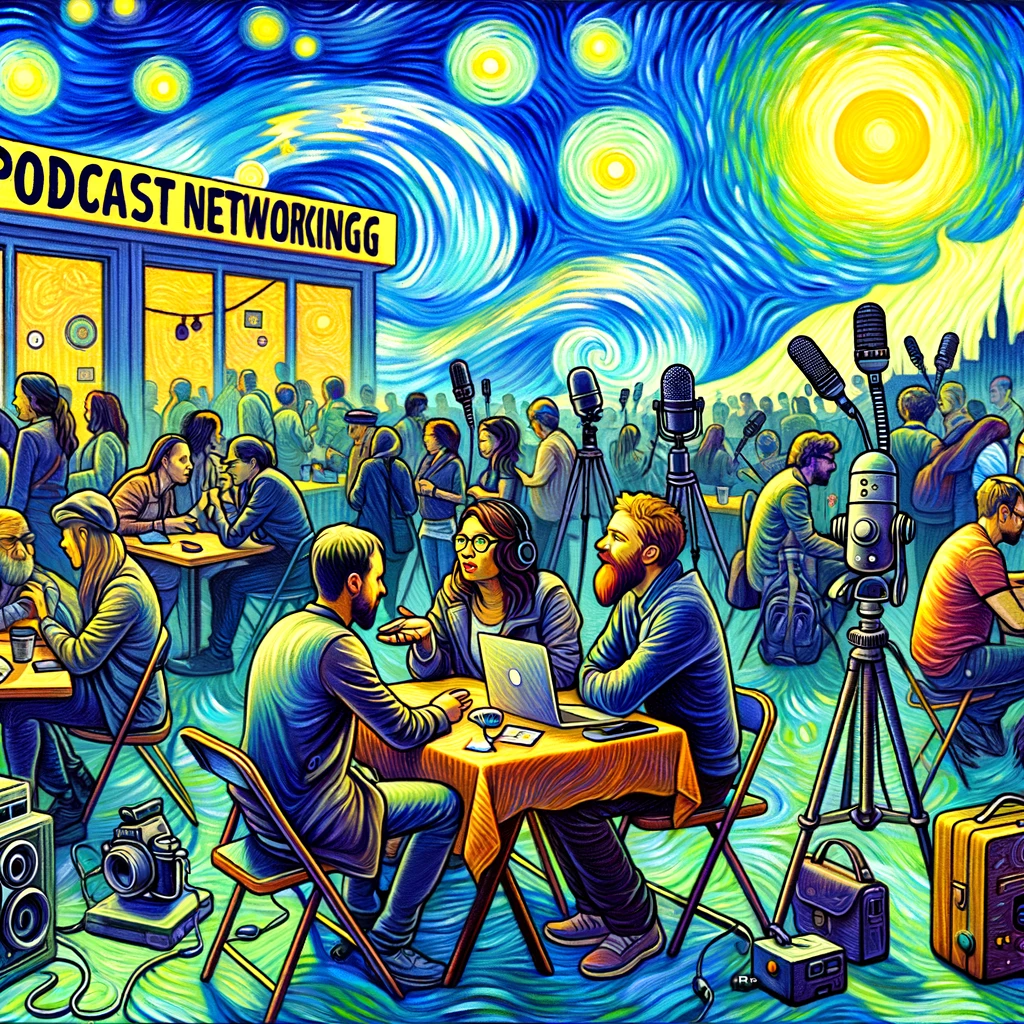
What Tools Can Help Enhance My Editing Skills?
What Tools Can Help Enhance My Editing Skills?
- Editing can be challenging, especially for beginners or emotionally invested projects.
- User-friendly editing software like Grammarly and Hemingway can significantly improve your writing.
- Editing podcasts can offer inspiring insights and practical tips from experienced professionals.
- Joining writing groups or online forums fosters community support and growth through feedback.
- Books on writing and editing techniques can serve as valuable resources for skill enhancement.
- Improving editing skills requires patience and practice; it’s a gradual process, not a sprint.
- Using the right tools and community support can help you overcome editing challenges effectively.

What Tools Can Help Enhance My Editing Skills?
How Can Feedback Improve My Editing Practices?
Alright, let’s get one thing straight: editing can feel a lot like staring into a black hole of your own making. You pour your heart and soul into your work, only to watch it slip through the cracks when it’s time to refine, cut, and polish. But what if there was a way to breathe some fresh air into that process? That’s where feedback comes in, and trust me, it’s not just a cold glass of water on a hot day; it’s the lifeblood of getting better at what you do.
Imagine you’re hosting a podcast. You’ve got that sweet intro, killer content, and your guests are engaging. But then, as soon as the mic goes cold and you press stop, a nagging feeling creeps in. Did I talk too much? Was my point clear? What about that abrupt ending? Here’s where feedback can transform your editing practices from a solitary struggle into a collaborative adventure.
Start by reaching out to a small circle of trusted listeners or peers—those who share your passion for storytelling. When they weigh in, listen intently. Their insights could be like a guiding light, illuminating areas where you might be a little too close to see. This feedback isn’t a critique; it’s a chance to level up your content. Something as simple as, “I loved that segment, but it felt rushed” could lead to refining your pacing, ultimately making your message more impactful.
Next, embrace criticism like an old friend you haven’t seen in a while. Sure, it may sting at first, but it often comes with nuggets of wisdom. When listeners get involved in your process, they often share their own experiences and preferences. Their suggestions may ignite a spark for a future podcast episode or lead you to a completely different editing technique that simplifies your workflow.
Remember, the editing phase is not just about cutting down your work; it’s about building it up into something extraordinary. Digging into the feedback allows you to expand your toolkit, discovering new editing practices that you might have never considered on your own.
So go ahead, invite that feedback in! Make it part of your editing routine and watch as you evolve from an editor trying to find your way into a skilled craftsman of sound and story. Trust the process, embrace the community, and get ready to raise the bar with every podcast you produce. Your audience—and your future self—will thank you for it!

How Can Feedback Improve My Editing Practices?
How Can Feedback Improve My Editing Practices?
- Editing can feel overwhelming, resembling a black hole of self-doubt and frustration.
- Feedback is essential for improvement, acting as a vital element in the editing process.
- Involve a small circle of trusted listeners or peers who share a passion for storytelling.
- Listening to feedback can provide valuable insights and help refine your content.
- Embracing criticism can lead to new ideas and techniques that enhance your editing workflow.
- Editing should focus on building up content into something extraordinary rather than just cutting it down.
- Incorporating feedback into your routine can transform you into a skilled craftsman of sound and story.

How Can Feedback Improve My Editing Practices?
Conclusion
So there you have it, folks. In a digital world bursting at the seams with content—hey, I’m talking podcasts aplenty—standing out isn’t just a job; it’s an art form. And at the heart of that art form? You guessed it: editing. Now, I know what you might be thinking. “Why is this guy droning on about editing? I’ve got a message to share!” Well, listen up, because the way you present that message can mean the difference between a fleeting interest and a rabid fanbase eagerly awaiting your next drop.
Take a moment to imagine a poor audio experience—the kind that has a listener vigorously searching for that “stop” button while you’re trying to tell a compelling story. Awkward silences, jarring audio glitches, and background noise that feels like an unwanted third guest can derail what could’ve been a riveting experience. It’s like crafting a beautiful piece of music that’s performed poorly: no matter how masterful the lyrics, the execution matters. Editing brings that finesse; it’s like polishing a diamond until it sparkles, drawing people in rather than pushing them away.
But here’s the kicker: editing isn’t just about cleaning up mistakes. It’s about enhancing the listener’s experience, building a connection, and forging that emotional thread between you and your audience. When you treat your editing like a craft rather than a chore, you’re not just improving sound quality; you’re inviting listeners on a journey where every pause, every word, counts.
Now, take the time to address those pesky editing issues in your work. Put a little distance between you and your masterpiece, read it aloud, or better yet, get a second set of eyes on it—just like a good friend at a barbecue who isn’t afraid to tell you when you’re about to overcook the burgers. Embrace the tools out there, whether it’s software or community feedback. And yes, even typos—if they slip in here and there—sometimes matter less than the connection you’re creating.
In the end, think of your content as a wild ride; it needs to be smooth and engaging, not a bumpy journey that sends listeners running for the exit. So roll up those sleeves, dive into the editing process with vigor, and bring your stories to life. Because if your podcast shines, believe me, your audience will, too. Let’s make your content resonate and inspire the kind of loyalty that can turn casual listeners into lifelong fans!

Conclusion
Conclusion:
- In a saturated digital landscape, standing out requires mastering the art of editing.
- How a message is presented significantly impacts audience engagement and loyalty.
- Poor audio experiences can drive listeners away, regardless of the quality of the content.
- Editing enhances the listener’s experience by creating a polished and inviting atmosphere.
- Effective editing builds a connection and emotional resonance with the audience.
- Seek feedback and take a step back from your work to identify and rectify editing issues.
- A smooth and engaging presentation of your content is essential for retaining listeners and inspiring loyalty.

Conclusion
Other Resources

Other Resources
Here is a list of other resources you can review online to learn more:
Use This Prompt To Get More Resources With Your Favorite Online AI Tool: Please provide me with a list of online articles with their URLs in a bulleted list that I can read regarding Is Inadequate Editing Turning Potential Fans Away?

Other Resources
Glossary Terms
Is Inadequate Editing Turning Potential Fans Away? – Glossary Of Terms
1. Editing: The process of revising and correcting written content to improve clarity, coherence, and overall quality.
2. Proofreading: The final step of editing that focuses on catching typos, grammatical errors, and formatting issues before publication.
3. Content Quality: A measure of how well-written, informative, and engaging the material is, which affects reader retention and satisfaction.
4. Audience Engagement: The ways in which content captures the attention and interest of its intended readers or viewers.
5. First Impression: The initial reaction a reader has when they encounter a piece of content, which can greatly influence their decision to continue reading.
6. Revising: The act of reviewing and altering content to enhance structure, argument flow, or narrative elements.
7. Critique: A detailed analysis of a piece of writing aimed at identifying its strengths and weaknesses, often used to guide future editing.
8. Reader Expectations: The assumptions and standards that readers bring to a text, often influenced by genre conventions and prior experiences.
9. Clarity: The quality of being clear and easy to understand, which is essential for effective communication in writing.
10. Logical Flow: The smooth and coherent transition of ideas within a text, ensuring that the narrative or argument follows a rational order.
11. Formatting: The arrangement of text and visual elements on a page, which can affect readability and the overall professional appearance of the work.
12. Quality Control: The systematic process of ensuring that a piece of content meets predefined standards before it is released to the public.
13. Grammar: The set of rules governing the structure of sentences, crucial for conveying meaning accurately.
14. Punctuation: The use of symbols to separate and clarify elements within text, which contributes to its readability.
15. Tone: The attitude or emotional quality conveyed through writing, which can greatly affect how a message is received.
16. Substantive Editing: A level of editing that focuses on significant changes to content, including restructuring, rewriting, and enhancing overall argumentation.
17. Beta Readers: Individuals who read a draft of a written work before its official release to provide feedback on its strengths and weaknesses.
18. Narrative Consistency: The requirement for a storyline or argument to maintain coherence and stay true to its established rules or character behaviors.
19. Editing Software: Tools designed to assist in improving text by highlighting errors, suggesting changes, and providing writing support.
20. User Experience (UX): The overall experience a reader has with a piece of content, including accessibility and ease of navigation.
21. Marketability: The potential appeal of a work to its target audience, which can be enhanced through meticulous editing.
22. Cohesion: The quality of parts of a text being well-connected and working together effectively to create a unified whole.
23. Engagement Metrics: Data points that track reader interaction and interest, such as time spent on a page, shares, and comments.
24. Voice: The unique style and personality of a writer, which can draw in or alienate readers based on how effectively it is communicated.
25. Dissonance: A lack of harmony or agreement within the text that can confuse readers and detract from their experience.
26. Audience Analysis: The study of the characteristics and preferences of a target readership to better tailor content to their expectations.
27. Relevance: The importance of the content to the audience’s interests and needs, which can be affected by how well it is edited.
28. Narrative Hook: An engaging opening statement or question that captures a reader’s interest right from the start, critical for keeping readers engaged.
29. Market Trends: Patterns in consumer preferences that can influence the type and style of content that resonates with audiences.
30. Fan Retention: Strategies and practices aimed at keeping existing readers engaged and loyal, including delivering high-quality and well-edited content.

Glossary Of Terms
Other Questions
Is Inadequate Editing Turning Potential Fans Away? – Other Questions
If you wish to explore and discover more, consider looking for answers to these questions:
- What are some signs that indicate my podcast needs better editing?
- How can I develop a unique editing style for my podcast?
- Are there specific editing techniques that improve listener retention?
- What is the right balance between content quality and editing quality?
- How much should I invest in professional editing services?
- Can I improve my editing skills without formal training?
- What are the best practices for collaborating with an editor?
- How often should I revisit and revise my older episodes?
- What are some common misconceptions about podcast editing?
- How do I choose the right editing software for my needs?

Other Questions
Haiku
Is Inadequate Editing Turning Potential Fans Away? – A Haiku
Editing’s gentle touch,
Smooths the rough edges of thought,
Fans drawn to your voice.

Haiku
Poem
Is Inadequate Editing Turning Potential Fans Away? – A Poem
In the Editing Light
In a world where voices clash and collide,
Floods of content wash in, like an unsteady tide.
Podcasts lure us in with tales to unfold,
Yet, without polished edges, their stories grow cold.
Awkward pauses and glitches, jarring and raw,
Turn eager listeners to look for the door.
Editing, a craft, transforms the rough stone,
A gleaming gem shines, when the chaos is honed.
Clarity counts, like the soft moonlit glow,
Grammar and structure keep the river’s flow.
Skip the tangled words, embrace concise prose,
For every distraction is a chance to unclose.
Yet typos, those whispers of humanly flaw,
Don’t overshadow passion; they barely withdraw.
Authenticity dances, breathing life to each line,
True connection in messiness, where real ties entwine.
Seek feedback, a compass when lost in the mist,
A fresh pair of eyes helps the needed twist.
Tools abound, from podcasts to peers in the crowd,
With every edit, the craftsman grows proud.
So take a deep breath, let the journey be bold,
Editing shapes stories, lets messages unfold.
Each layer you peel reveals deeper intent,
In the realm of the podcaster, let your voice be content.
Nurture your process, let your passion ignite,
For in every fine edit lies the potential for light.
When you polish your craft and let your truth shine,
You’ll gather the fans, connection, and time.

Poem
Checklist
Is Inadequate Editing Turning Potential Fans Away? – A Checklist
Checklist: Unlocking the Power of Professional Editing for Podcasters
Pre-Editing Steps
1. Take a Break: Step away from your content for a while before editing to gain fresh perspective.
2. Read Aloud: Listen to the rhythm and flow of your sentences by reading them aloud.
3. Seek Feedback: Share your work with a trusted friend or colleague for constructive criticism.
Identifying Editing Issues
4. Check for Grammar Mistakes: Use tools like Grammarly to catch errors and improve readability.
5. Look Out for Wordiness: Identify sentences that can be made more concise by trimming unnecessary words.
6. Ensure Tone Consistency: Maintain a consistent voice throughout your content.
7. Review Structure: Organize ideas logically to guide your audience smoothly through your narrative.
Common Editing Mistakes
8. Watch for Typos: Regularly proofread your content for typographical errors.
9. Avoid Awkward Phrasing: Rewrite sentences that sound clunky or unclear.
10. Fix Audio Glitches: Check for and eliminate any audio problems in your podcast recordings.
Continuous Improvement
11. Utilize Editing Tools: Explore software like Hemingway to improve sentence structure and clarity.
12. Engage with Feedback: Regularly incorporate listener feedback to refine content and delivery.
13. Participate in Editing Communities: Join forums or groups where you can exchange ideas and experiences with fellow content creators.
Final Touches
14. Polish Your Edits: Take time to revise and refine your work multiple times before publishing.
15. Be Authentic: Focus on your message and emotional connection with your audience rather than stressing over minor mistakes.
Reflection and Growth
16. Celebrate Progress: Acknowledge your growth as an editor and celebrate the improvements made in your content.
Feel free to print or share this checklist with your audience to help them enhance their editing process and ensure they attract more listeners with polished and engaging content!

Checklist
At PodcastBig, we help people who want to learn about podcasting by collating information and news about podcasting.
Be sure to read our other related stories at PodcastBig to learn more about podcasting.