

Podcast Success: Breaking Free From Structure
By Tom Seest
At PodcastBig, we help people who want to learn about podcasting by collating information and news about podcasting.
Be sure to read our other related stories at PodcastBig to learn more about podcasting.
Is Banishing Structure The Secret to Podcast Success?
In a world awash with cookie-cutter advice, it’s easy to forget that sometimes, the best path to success is the one that dances a little offbeat. Take a moment to think about your favorite conversations. What do they all have in common? Is it the rigid framework or the flowing, organic exchange that really pulls you in? When it comes to podcasting, embracing a certain amount of chaos—banishing structure—might just be the secret sauce you’re looking for.
Now, don’t get me wrong; structure has its place. In fact, a well-planned outline can be as comforting as a well-worn pair of boots on a long hike. But let’s face it, the heart of great storytelling often beats in the uncharted territories of spontaneity. When you free yourself from the confines of a prescribed format, you allow the conversation to breathe. Those unscripted moments can lead to unexpected insights or gut-busting humor, making your podcast not just a show but a genuine experience.
Imagine this: You’re sitting around a fire with friends, sharing wild tales and laughing until your sides hurt. You’re not worrying about time limits or sticking to a script. What if that essence of candid connection could be the backdrop of your podcast? When you lean into authenticity, listeners feel like they’re part of an inside joke. They come back not just for your expertise but for your unmistakable personality.
And let’s talk about relatability. We all crave connection in an increasingly disconnected world. By stepping away from a rigid format, you invite your audience to engage in a dialogue rather than a monologue. Your listeners will appreciate the raw, unfiltered content far more than polished perfection. It’s in those genuine moments—when you stumble over a word or crack a joke that could only be born from real life—that the magic happens.
So why not give it a whirl? Strip those constraints and let your imagination run wild. Allow your podcast to evolve naturally; embrace the tangents and the detours. Each episode can be a journey rather than a destination, filled with laughter, surprises, and perhaps a few delightful mishaps. Trust me, your audience is ready to take that ride with you. After all, isn’t that what makes a story worth telling?
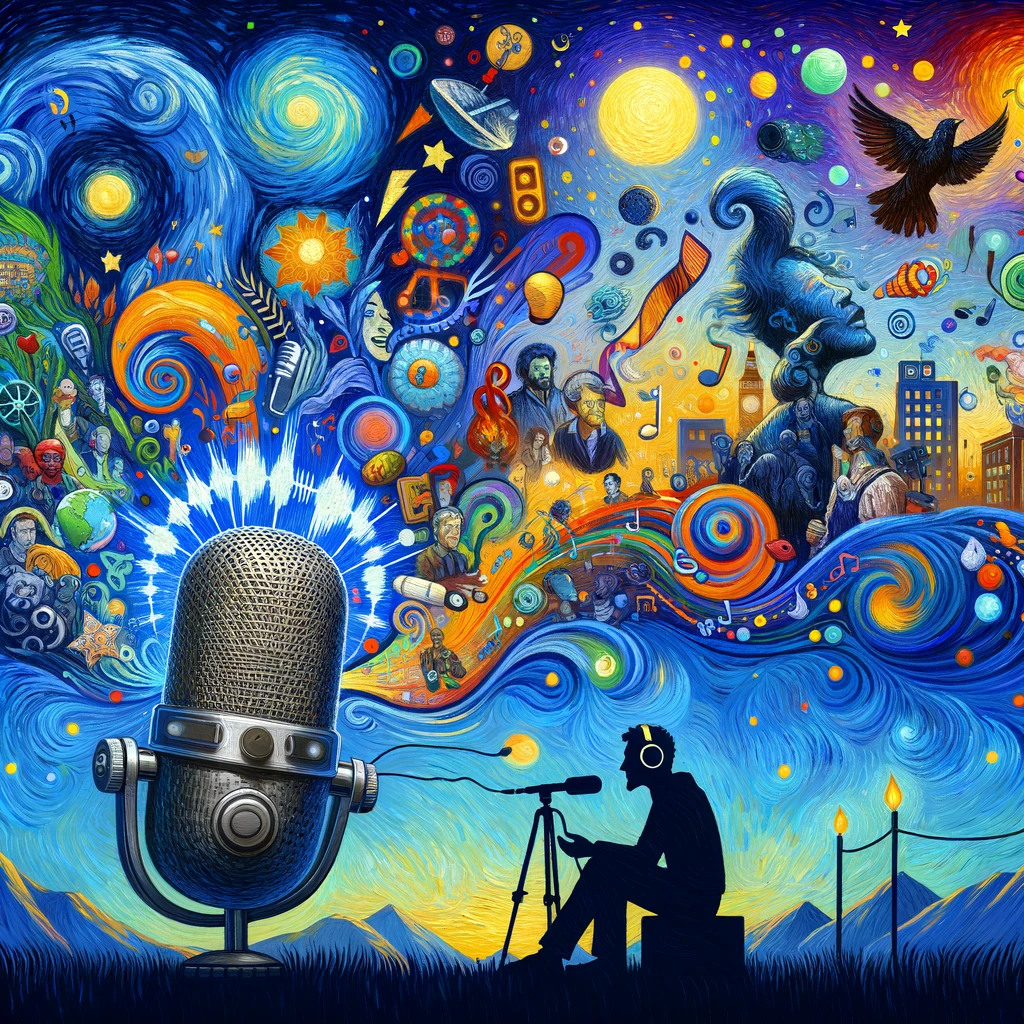
Is Banishing Structure The Secret to Podcast Success?
Is Banishing Structure The Secret to Podcast Success?
- Success often lies in embracing an offbeat path, especially in podcasting.
- While structure can provide comfort, spontaneity enhances storytelling.
- Unscripted moments create unexpected insights and humor, enriching the listener’s experience.
- Podcasting can emulate candid, relaxed conversations, fostering connection.
- Emphasizing authenticity makes listeners feel like part of an inside joke.
- Engaging in dialogue rather than a monologue invites relatability and connection.
- Encouraging creative freedom and allowing natural evolution can make each episode a delightful journey.

Is Banishing Structure The Secret to Podcast Success?
Table Of Contents
- Is Banishing Structure The Secret to Podcast Success?
- What Does It Mean To Banish Structure In Podcasting?
- How Can A Lack Of Structure Enhance Creativity In Podcasts?
- Are Structured Podcasts Less Engaging For Listeners?
- What Are The Risks Of An Unstructured Podcast Format?
- Can Listeners Prefer Spontaneity Over A Scripted Approach?
- How Does Banishing Structure Affect Audience Retention Rates?
- Are There Specific Genres That Thrive Without Structural Constraints?
- Conclusion
- Other Resources
- Glossary Of Terms
- Other Questions
- Haiku
- Poem
- Checklist
What Does It Mean To Banish Structure In Podcasting?
When you think of a podcast, what comes to mind? A meticulously crafted script? A tight schedule with segment transitions polished to perfection? Sure, that’s one way to approach it, but what if I told you that banishing structure can be just as, if not more, enlightening? Imagine stepping into the studio with nothing but the clothes on your back and a heart full of stories. That’s where the magic happens.
Let’s face it: the world is full of expectations. We’re told to stick to the script, to color inside the lines. But in podcasting, when you let go of rigid confines, you invite spontaneity and authenticity into the conversation. It’s like throwing caution to the wind and letting your instincts guide you. You discover that the best moments often come from those unexpected tangents, those real-life connections that don’t always match a neatly defined agenda.
When you banish structure, you open the door to genuine human interaction. Think of the last time you had a heart-to-heart with a friend. Conversations meander, evolve, and surprise you. Nobody’s ticking off boxes or timing your anecdotes. Instead, there’s a beautiful chaos where laughter erupts and emotions flow freely. Your audience craves that raw honesty. They want to feel like they’re part of a lively dialogue, not an audience stuck on the sidelines watching a rehearsed performance.
Of course, going off-script doesn’t mean diving in completely unprepared. It’s about embracing a framework that’s flexible enough to allow for organic growth while still providing some anchor points to keep you on course. Have a few key topics in mind, but leave space for where the conversation takes you. Trust your instincts and your guests—those unplanned moments often shine the brightest.
What does this mean for you as a podcaster? It means you can forge deeper connections with your listeners. When they hear the real, unvarnished you—raw laughter, a mistake, a reflection—something magical happens. They form a bond not just with your voice, but with your story. They see themselves, their struggles, and their joy reflected in your unpolished truths.
So, step into the podcasting arena without a rigid map. Embrace the unexpected, and let your voice resonate authentic and loud. After all, life isn’t scripted, and neither should your podcasting journey be. Trust yourself, and let the conversation flow.

What Does It Mean To Banish Structure In Podcasting?
What Does It Mean To Banish Structure In Podcasting?
- Podcasting can benefit from a more spontaneous and unstructured approach.
- Letting go of rigid scripts invites authenticity and genuine conversation.
- Unexpected tangents can lead to the most memorable moments in a podcast.
- Embracing flexible frameworks allows for organic growth in discussions.
- Real conversations resonate more deeply with listeners, fostering connection.
- Sharing unpolished truths creates bonds with the audience, reflecting their own experiences.
- Podcasters should trust their instincts and let the conversation guide them.

What Does It Mean To Banish Structure In Podcasting?
How Can A Lack Of Structure Enhance Creativity In Podcasts?
Let’s face it—life is a swirl of chaos. We wake up to morning commutes filled with honking cars, tech notifications bombarding us, and endless to-do lists that never seem to shrink. In that whirlwind, we often crave order, yet there’s something uniquely refreshing about chaos, especially in the realm of creativity, particularly in podcasts. Now, you might be wondering: how can a lack of structure possibly enhance creativity in podcasts?
Think of your favorite stories. More often than not, they’re unpredictable, meandering through tangents that keep you on the edge of your seat. When a podcast allows for a little chaos, it becomes an organic conversation—an exploration of thoughts that can lead you to unexpected places, much like a road trip without a pre-planned route. Podcast hosts who embrace this spontaneous flair can invite their guests, as well as listeners, to dive headfirst into a sea of ideas, sharing personal anecdotes and thoughts that might otherwise remain unspoken in a rigid format.
In a structured podcast, you might hear the same layered questions and neatly packaged segments again and again. Sure, there’s comfort in predictability, but where’s the adventure in that? When a host decides to take a detour, even if it means briefly straying from the topic at hand, the magic often happens. That’s where the real connections between people form. Those raw, unscripted moments turn into gems that resonate with listeners, breaking down walls and building bridges of understanding.
Imagine a podcast that unfolds like a conversation between old friends—you know, the kind where laughter flows freely, and there’s no pressure to adhere to a script. It’s in those moments of spontaneity that we find authenticity. Listeners relate, feel seen, and often recognize a piece of their own life in the story being told.
So, the next time you’re considering your podcasting style, ponder this: what if you allowed yourself—and your audience—a little more breathing room? Can you share those awkward silences where ideas seem almost tangible? Embrace the imperfections. After all, in a world that seems obsessed with perfection and control, who wouldn’t want to dive into a beautifully chaotic space where creativity thrives? Your listeners are out there, waiting to join you on this delightful ride.

How Can A Lack Of Structure Enhance Creativity In Podcasts?
How Can A Lack Of Structure Enhance Creativity In Podcasts?
- Life is filled with chaos, including busy commutes and tech overload.
- Chaos in podcasts can enhance creativity by allowing organic conversations.
- Unpredictable stories with meandering tangents engage listeners and drive exploration.
- Structured podcasts may feel repetitive, lacking adventure and spontaneity.
- Spontaneous detours in conversation foster real connections and resonant moments.
- Authenticity arises in unscripted moments, making listeners feel understood.
- Embracing imperfection in podcasting allows for a creative space that engages audiences.

How Can A Lack Of Structure Enhance Creativity In Podcasts?
Are Structured Podcasts Less Engaging For Listeners?
When it comes to podcasts, the landscape is as varied as a colorful patchwork quilt—full of different styles, topics, and, most importantly, ways of connecting with listeners. You’ve got your free-flowing conversations that feel like a chat with an old friend, and then you’ve got those well-structured podcasts, where every second is accounted for, and every point is meticulously laid out. So, which one really hooks an audience’s attention?
Now, let’s dive into the realm of structured podcasts. They usually come with a clear outline, set segments, and, for better or worse, a script or format that leaves little room for spontaneity. These shows promise organization and precision—an unassailable commitment to delivering ideas and insights without the wandering tangents. Obviously, there’s value in that. Who doesn’t appreciate a streamlined experience that gets right to the heart of the matter? But therein lies the rub. The beauty of podcasting, at its core, is the intimacy it offers. Listeners often tune in to feel connected, to let go of their daily grind and escape into a shared experience. When a show feels like it’s all business and no heart, it runs the risk of losing that precious spark.
Let’s face it. Life is messy, and sometimes it’s those unscripted moments—the laughter, the offhand remarks, the genuine back-and-forth—that breathe life into a conversation. Think about the podcasts that drew you in—were they the ones with every word pre-planned, or the ones that made you feel like you were eavesdropping on a delightful discussion? When a conversation flows naturally, it creates a connection that can be hard to replicate with rigid formats.
Are structured podcasts less engaging? Not necessarily. They have their merits, especially if you’re searching for specific information or a clear takeaway. But maintaining that human touch—where authenticity overrides perfection—is where the true magic happens. So, whether you enjoy that streamlined format or prefer a more freewheeling approach, it’s worth remembering that sometimes the best moments come from letting go of the structure. Embrace the messiness, invite the spontaneity, and you just might uncover stories worth sharing that resonate more deeply with your listeners. Podcasting should inspire and connect, so don’t hesitate to find your balance between structure and soul.

Are Structured Podcasts Less Engaging For Listeners?
Are Structured Podcasts Less Engaging For Listeners?
- The podcast landscape is diverse, resembling a colorful patchwork quilt.
- Podcasts vary in style, from free-flowing conversations to well-structured formats.
- Structured podcasts offer organization and precision but may lack spontaneity.
- The intimacy of podcasting connects listeners and provides an escape from daily life.
- Unscripted moments can enhance engagement by making conversations more genuine.
- Structured podcasts can still be valuable when seeking specific information or clear insights.
- Finding a balance between structure and spontaneity can lead to deeper resonance with listeners.

Are Structured Podcasts Less Engaging For Listeners?
What Are The Risks Of An Unstructured Podcast Format?
Let’s face it, the beauty of a podcast lies in its raw, unfiltered charm. It allows for an authentic connection, a chance to wrestle with thoughts and ideas in real-time. But let’s not kid ourselves: diving headfirst into an unstructured format can feel a bit like free-falling without a parachute. Sure, the thrill is there, but the risks? They’re just as real.
First off, consider your audience. In the world of podcasts, listeners are seeking something specific. They tune in to learn, to laugh, or perhaps to escape. An unstructured approach may leave them scratching their heads, teetering on the edge of confusion as you meander through topics without a clear path. Let’s be honest—no one wants to feel lost in a sea of rambling. The risk here is simple: if they can’t grasp your message, they’ll quickly hit the unsubscribe button and move on to someone who provides the clarity they crave.
Then there’s the issue of coherence. Without a framework guiding the conversation, it’s easy to stray off-topic or get tangled in the weeds. Listeners want a journey, sure—but they don’t want to feel like they’re navigating the rugged backroads without a map. You risk losing not only your audience but also the opportunity to drive home your key points. It’s like trying to build a house without a blueprint—your intentions might be good, but the end result could end up being a confusing mess.
Moreover, an unstructured format can lead to inconsistency. Some episodes may shine, while others flop like a fish out of water. Consistency breeds trust, and without it, your loyal listeners may start to question whether they should keep coming back for more. They’re investing time in your podcast, and that commitment deserves a level of reliability.
So, where do we go from here? Embrace structure—but don’t lose that beautiful spontaneity that makes your podcast unique. Think of a skeleton that can accommodate the flesh of engaging conversations. You can interweave prepared segments and guest interviews with organic dialogue; take your listeners along for the ride, but be sure they know where they’re headed.
Remember, podcasts invite intimacy and connection, and with a touch of thoughtful organization, you can create a listening experience that resonates without sacrificing authenticity. It’s about striking that perfect balance—the sweet spot between freedom and framework that honors both your voice and your audience’s ears.

What Are The Risks Of An Unstructured Podcast Format?
What Are The Risks Of An Unstructured Podcast Format?
- The essence of podcasts lies in their raw, unfiltered charm, fostering authentic connections.
- Unstructured formats can confuse listeners, leading to potential disengagement from the content.
- Coherence is essential; without a framework, conversations may stray off-topic and lose key messages.
- Inconsistency in episode quality can erode listener trust and loyalty.
- Embracing structure while maintaining spontaneity enhances the podcast experience.
- Utilizing a mix of prepared segments and organic dialogue keeps the content engaging and organized.
- Finding balance between freedom and framework enhances authenticity and listener connection.

What Are The Risks Of An Unstructured Podcast Format?
Can Listeners Prefer Spontaneity Over A Scripted Approach?
When you tune into a podcast, you step into a unique world—a space where voices and stories come together to form a tapestry of ideas, laughs, and perhaps a few tears. Now, imagine listening to someone deliver their thoughts like a well-rehearsed robotic script. Yikes! It’s about as compelling as watching paint dry on a wall. On the other hand, when someone speaks with raw spontaneity, it’s as if you’ve cracked open a fresh can of good conversation—bubbly, unpredictable, and utterly refreshing.
Listeners are hungry for authenticity. There’s something magnetic about hearing someone navigate their thoughts in real time, especially when the conversation drifts off-script. Maybe it’s the way they stumble over their words or share a laugh over an unexpected digression. Those moments can make you lean in a little closer, heart racing, as if you’re part of the unfolding dialogue. Those instances remind us that we’re all walking this strange path called life together. Is it messy? Absolutely. But isn’t that what makes it worth listening to?
In this world filled to the brim with polished presentations and endless corporate jargon, genuine human interaction stands out like a lighthouse in a fog. When a host boldly embraces spontaneity, they invite listeners to join them on a journey that feels less like a rigid itinerary and more like a spontaneous road trip. You don’t quite know where you’ll end up, but that’s the beauty of it—each twist and turn reveals something new.
So why does this matter? Because trust is built on connection, and connection flourishes in an environment of authenticity. When listeners feel they’re part of something real, as if they’re eavesdropping on an unscripted conversation between friends, they’re more likely to return for more. It’s not just about the information shared; it’s about the journey you take together. Embracing a spontaneous approach doesn’t mean abandoning structure—it means allowing the heart of the conversation to breathe, grow, and evolve naturally.
So the next time you hit that “play” button on your favorite podcast, consider what drew you in in the first place. Was it the perfect articulation, or was it the genuine vibe of the moment? In a world where we crave connection, maybe it’s high time we lean into the delightful unpredictability of spontaneity. After all, life is too short for predictable conversations.

Can Listeners Prefer Spontaneity Over A Scripted Approach?
Can Listeners Prefer Spontaneity Over A Scripted Approach?
- Listening to podcasts offers a unique experience filled with varied voices and stories.
- Authenticity in podcasting captivates listeners more than scripted delivery.
- Spontaneous conversations create engaging moments that connect listeners deeply.
- Genuine interactions are increasingly rare in a world of polished presentations.
- Embracing spontaneity in discussions transforms the experience into a journey.
- Trust and connection thrive in authentic environments, enhancing listener loyalty.
- Exploring the unpredictability of spontaneity can lead to more meaningful conversations.

Can Listeners Prefer Spontaneity Over A Scripted Approach?
How Does Banishing Structure Affect Audience Retention Rates?
Let’s break this down in a way that feels like sitting around a campfire, talking about what really keeps folks’ attention. You see, when it comes to a podcast, structure can be your best friend—or your worst enemy. Picture it like a well-crafted story. You don’t want it to be so rigid that it feels like a chore to get through, but you also don’t want it to wander off like a horse that caught a whiff of something delicious in the distance.
Banishing structure from your podcast can be both liberating and risky. On one hand, it allows for spontaneous moments, the raw chemistry between hosts, and genuine conversations that wrap around your audience like a cozy blanket. Listeners love that authenticity. They appreciate hearing real people talking about real stuff, and when they feel like they’re part of the conversation, you can bet they’re more likely to hit that subscribe button and stick around.
On the other hand, too much chaos can give your audience whiplash. You don’t want your podcast to feel like a road trip without a map—one minute you’re deep into a historical anecdote, and the next, you’re discussing the merits of pineapple on pizza. While meandering can have its charm, it’s also crucial to know when to rein it in. A little structure, a simple framework, can help maintain that balance between spontaneity and coherence.
Now, let’s chat about audience retention rates. They’re the lifeblood of your podcast. When you foster a connection with your listeners, they’re more likely to keep their earbuds in and stay committed to your content. Drop them into engaging anecdotes, ask them questions, and create a sort of friendly dialogue—even if it’s one-sided. People are wired for connection, and when they feel seen and heard, they stick around like friends at a barbecue.
Ultimately, the key lies in finding that sweet spot—a blend of structure that guides you without shackling creativity. So, the next time you hit the record button, remember that your goal is to create a podcast that feels fluid yet focused. When you strike that balance, not only will your retention rates soar, but you’ll also cultivate a loyal listening community eager for every new episode. Keep it real, keep it engaging, and watch your audience grow.

How Does Banishing Structure Affect Audience Retention Rates?
How Does Banishing Structure Affect Audience Retention Rates?
- Effective podcasting requires a balanced structure that feels natural and engaging.
- Too much rigidity can make a podcast feel like a chore, while too little can lead to chaotic storytelling.
- Authenticity and spontaneity are key factors that attract and retain listeners.
- Listeners appreciate real conversations and feeling included in the dialogue.
- Maintaining coherence is essential to prevent listeners from feeling lost during the podcast.
- Audience retention rates are vital; engaging anecdotes and questions enhance listener connection.
- Finding a blend of structure and creativity is crucial for creating a loyal listening community.

How Does Banishing Structure Affect Audience Retention Rates?
Are There Specific Genres That Thrive Without Structural Constraints?
In the vast landscape of creative expression, the question of structure often looms large. We’ve all encountered that feeling—the urge to break free from the shackles of convention, to create something unfiltered and raw. And in the world of podcasts, certain genres have taken the leap, flourishing with an effortless spontaneity that draws us in like a moth to a flame. So let’s dive into the wild, wonderful realms of storytelling where structure is more a suggestion than a mandate.
Take, for instance, the world of personal essays or memoirs. When the goal is simply to share one’s life experiences, the lack of structural constraints becomes a canvas for authentic expression. Hosts weave tales that meander through time and place, stitching together moments, emotions, and lessons learned along the way. These narratives resonate with us because they reflect our own stories, mirroring the chaos and beauty of life itself. It’s an invitation to connect, offering a glimpse into someone else’s journey while relying on our shared humanity.
Now, let’s consider the genre of improv comedy within the podcasting realm. Picture an unscripted environment filled with laughter and unexpected twists, where the absence of a rigid format begets creativity. It challenges both the hosts and the audience to embrace the unexpected, turning spontaneity into a collective experience. You find yourself laughing, cringing, and nodding in agreement, as you relate to the absurdity and unpredictability of life. This connection fuels the passion behind the mics, reminding us all that sometimes the best moments stem from being genuine and allowing vulnerability to shine.
And we can’t overlook the vibrant world of true crime podcasts, which often defy traditional storytelling structures by diving into the complexities of real-life mysteries. These shows thrive on in-depth interviews, raw emotions, and open-ended discussions. The lack of prescribed pathways invites listeners to engage deeply with the material, piecing together clues as if they, too, are part of the investigation. The genre becomes more than mere entertainment; it’s a trust-building exercise, where audiences find themselves emotionally invested, creating a sense of community.
At the end of the day, the beauty of genres that thrive without structural constraints is that they remind us of the power of authenticity and connection. It’s a call to action, urging us to embrace our own stories without fear of judgment. So, grab your headphones, explore these genres, and celebrate the freedom that comes with unbounded creativity—they just might change the way you view storytelling forever.

Are There Specific Genres That Thrive Without Structural Constraints?
Are There Specific Genres That Thrive Without Structural Constraints?
- The urge to create unfiltered and raw expressions is prevalent in the landscape of creative expression.
- Genres like personal essays and memoirs benefit from a lack of structural constraints, allowing hosts to share life experiences authentically.
- These narratives resonate with audiences by reflecting shared human experiences, inviting connection through storytelling.
- Improv comedy in podcasts promotes spontaneity, fostering creativity in an unscripted environment that engages both hosts and listeners.
- True crime podcasts often defy traditional structures, relying on in-depth interviews and open discussions to explore complex real-life mysteries.
- These genres create a sense of community, as audiences become emotionally invested in the stories and the process of piecing together clues.
- Overall, embracing genres without structural constraints encourages authenticity, connection, and a new perspective on storytelling.

Are There Specific Genres That Thrive Without Structural Constraints?
Conclusion
As we wrap up this exploration of podcasting and the question of structure versus spontaneity, let’s channel a little of that Mike Rowe spirit—because let’s face it: podcasting is just like any good job. It’s about navigating the chaos of life and finding a way to tell a story that resonates.
We all know that life isn’t always orderly, and perhaps the best conversations happen when we throw the rulebook out the window. The magic lies in those unfiltered moments, the laughter, the digressions that might not fit neatly into a box. It’s about fostering a genuine connection that makes listeners feel they’re privy to an inside joke—something real, something delightful, and often, something unpredictable.
Now, don’t misunderstand. A little structure has its place. Like a sturdy pair of boots on a rugged hike, it can provide comfort and direction. But if you’re too rigid, you risk losing the spark that draws people in. Think about your best conversations—were they scripted? Or were they vibrant exchanges filled with heartfelt stories and spontaneous laughter?
Let’s put it in simple terms: we crave authenticity. In a world driven by polished presentations, those raw, messy moments have a way of cutting through the noise. When you let the conversation flow naturally, you create space for creativity and deeper connections with your audience—who, let’s be honest, are just looking for someone who gets it.
Sure, there are risks to going off-script. Letting go of structure can leave your audience feeling lost or overwhelmed. But when you establish a balance—providing just enough framework to keep things relatable—you invite your listeners on a journey. They want to stick around for the ride, to witness the delightful chaos unfold, and to share in the unexpected twists and turns of the conversation.
And let’s consider the genres where unstructured formats thrive: personal essays, improv comedy, true crime. These spaces benefit from that freedom—it’s where stories become alive and relatable. They remind us that while life can feel messy, sometimes that messiness makes for the most compelling stories of all.
So, whether you’re stepping up to the mic with a plan or setting it aside entirely, remember: the heart of podcasting lies in connection. Embrace those unscripted moments, trust your instincts, and allow the conversation to breathe. Because at the end of the day, what truly makes a podcast shine is the authenticity you bring to the table. And who doesn’t want to be part of something real?

Conclusion
Conclusion:
- Podcasting is akin to navigating chaos and storytelling that resonates.
- The best conversations often arise from spontaneity, not strict adherence to rules.
- Authenticity and unfiltered moments foster genuine connections with listeners.
- A balance of structure is important, but rigidity can stifle creativity.
- Raw, messy moments stand out in a polished presentation-driven world.
- Genres like personal essays, improv comedy, and true crime thrive on unstructured formats.
- Embrace unscripted moments and trust instincts for an engaging podcast experience.

Conclusion
Other Resources

Other Resources
Here is a list of other resources you can review online to learn more:
Use This Prompt To Get More Resources With Your Favorite Online AI Tool: Please provide me with a list of online articles with their URLs in a bulleted list that I can read regarding Is Banishing Structure The Secret to Podcast Success?

Other Resources
Glossary Terms
Is Banishing Structure The Secret to Podcast Success? – Glossary Of Terms
1. Banishing Structure: A flexible approach to podcasting that minimizes rigid formats and allows for spontaneity and natural conversation.
2. Podcasting: The process of creating and distributing audio or video content in episodes, typically for download or streaming.
3. Episode: A single installment of a podcast series, which can cover various topics or themes.
4. Format: The overall structure or style of a podcast, including elements like length, tone, and content organization.
5. Spontaneity: The quality of being unplanned or impromptu, often leading to more engaging and authentic podcast content.
6. Scripted: A pre-written format where hosts follow a set of prepared content, often leading to less natural conversation.
7. Interview Style: A common podcast format where hosts converse with guests, often leading to varying structure depending on the guest’s responses.
8. Authenticity: The quality of being genuine and true to oneself, which can help create a deeper connection with listeners.
9. Engagement: The level of interaction and interest that listeners have with a podcast, often influenced by content structure and delivery.
10. Listener Metrics: Data points such as downloads, listens, and audience retention used to measure the success of a podcast.
11. Content Strategy: A plan that outlines the topics, themes, and structure of podcast episodes to guide production.
12. Interactivity: The degree to which listeners can participate or influence podcast content, enhancing listener loyalty.
13. Storytelling: The art of crafting compelling narratives that engage listeners and make content memorable.
14. Editing: The process of refining recorded audio to enhance clarity and flow, which can affect the overall structure of an episode.
15. Production Quality: The technical standards of sound and editing that impact a podcast’s professionalism and listener experience.
16. Niche Audience: A specific group of listeners with particular interests, which can be better catered to with a flexible structure.
17. Feedback Loop: The process of receiving and incorporating listener feedback to improve podcast content and delivery.
18. Branding: The practice of creating a distinct identity for a podcast, including visuals, tone, and marketing strategies.
19. Marketing: Strategies and tactics used to promote a podcast and grow its audience.
20. Consistency: The regularity with which new episodes are released, impacting listener expectations and retention.
21. Dynamism: The ability to adapt and change during recordings, which can lead to more compelling content.
22. Host Chemistry: The rapport and interaction between podcast hosts, contributing to enjoyable and engaging discussions.
23. Listener Retention: The measure of how many listeners consistently return to a podcast over time.
24. Scripting Flexibility: The degree to which a podcast allows for some form of scripting while still permitting natural flow.
25. Audience Connection: The relationship established between hosts and listeners, often enhanced by relatable content.
26. Monetization: The methods by which a podcast generates revenue, which can influence content decisions and structuring.
27. Visual Identity: The visual elements (like cover art) that represent a podcast brand and attract potential listeners.
28. Release Schedule: The planned times for new episodes to be published, which can either be strict or more relaxed.
29. Cross-Promotion: The practice of promoting one podcast on another, which may benefit from varied structures to attract diverse audiences.
30. Episode Length: The duration of a podcast episode, which can impact listener engagement depending on its structure and content delivery.

Glossary Of Terms
Other Questions
Is Banishing Structure The Secret to Podcast Success? – Other Questions
If you wish to explore and discover more, consider looking for answers to these questions:
- What are the key benefits of having some structure in podcasting?
- How do I create engaging content without a strict format?
- What are some tips for balancing spontaneity and coherence in podcasts?
- Are there any successful examples of unstructured podcasts?
- What techniques can help maintain audience engagement in a less structured format?
- How do different podcast genres approach structure and spontaneity?
- What are common pitfalls of overly structured podcasts?
- How does audience expectation influence the structure of a podcast?
- Can a hybrid approach between structured and unstructured formats work?
- How can hosts develop spontaneity in their podcasting style?

Other Questions
Haiku
Is Banishing Structure The Secret to Podcast Success? – A Haiku
Spontaneity,
In podcasts, chaos breathes life—
True tales weave and flow.

Haiku
Poem
Is Banishing Structure The Secret to Podcast Success? – A Poem
Dancing Without a Script
In a sea of voices, where stories entwine,
The magic of chaos creates a design.
Cast off the rigid, embrace the free flow,
In podcasts, let spontaneity grow.
Conversations like rivers meander and twist,
In laughter and tangents, we find what we’ve missed.
A heart out of structure, so raw and so clear,
Where listeners gather, the connection is near.
Skip the restraints, let the dialogue breathe,
With moments unplanned, our spirits achieve
True relatability, that heartbeat of life,
In unscripted exchanges, cutting through strife.
The journey’s the purpose, not bound by an outline,
Each episode blooms in its own perfect time.
Authenticity whispers in every shared laugh,
As we traverse paths on this effortless path.
But tread with some caution, and keep some guideposts,
For without gentle anchors, we risk losing our hosts.
Too much chaos can leave wandering minds—
But balance brings closeness, the beauty that binds.
So let’s lift our voices, let the stories unfurl,
In a tapestry woven, where life is our pearl.
With every detour, a new spark ignites,
In the dance of connection, we share our delights.
A world full of structure may offer some ease,
Yet the heart beats the loudest when allowed to appease.
So embrace the spontaneity, let your podcast roam,
For the realness of voices might just lead us home.

Poem
Checklist
Is Banishing Structure The Secret to Podcast Success? – A Checklist
Checklist: Embrace the Art of Unstructured Podcasting
This checklist is designed to help you explore the potential of creating engaging, spontaneous podcasts by breaking free from rigid structures. Use it to guide your episodes, enhance listener connection, and foster creativity.
Preparing for Your Podcast
_____ Define Your Core Themes: Identify a few key topics or themes to guide your conversation.
_____ Gather Interesting Guests: Choose guests who bring unique perspectives and can contribute to organic dialogue.
_____ Create an Open Environment: Foster a space where everyone feels comfortable sharing spontaneous thoughts and stories.
During the Recording
_____ Warm-Up Conversation: Start with casual chat to break the ice and relax everyone involved.
_____ Free-flowing Dialogue: Allow the conversation to meander naturally without strict adherence to a script.
_____ Embrace Tangents: Encourage exploration of off-topic ideas that may lead to valuable insights.
_____ Emphasize Authenticity: Prioritize genuine interactions over polished delivery; share personal anecdotes and laughs.
Engaging Your Audience
_____ Invite Listener Interaction: Pose questions or prompts to engage listeners, even if just mentally.
_____ Acknowledge Mistakes: Don’t shy away from imperfect moments; these can resonate with audiences.
_____ Create Relatable Content: Focus on experiences and emotions that listeners find relatable.
Post-Recording Reflection
_____ Review Your Content: Evaluate whether the conversation maintained coherence despite its spontaneity.
_____ Seek Feedback: Gather listener feedback on what aspects of spontaneity they enjoyed most.
_____ Analyze Engagement: Track audience retention and engagement metrics to understand the impact of your approach.
Balancing Structure and Freedom
_____ Outline Key Points: While keeping the tone relaxed, outline major points to maintain focus during the discussion.
_____ Use Anchor Segments: Consider having a few structured segments within episodes to guide transitions while allowing for flexibility.
_____ Experiment with Formats: Test different styles of episodes (e. g. , interviews, roundtable discussions, narrative storytelling) to find what resonates.
Exploring Different Genres
_____ Try Personal Storytelling: Share personal essays or memoir-style narratives that resonate with your audience’s experiences.
_____ Incorporate Improv Elements: Experiment with spontaneous humor or improv games to see how they enhance engagement.
_____ Engage in True Crime Discussions: Explore the unpredictability of true crime while investigating overarching themes without a rigid structure.
Continuous Improvement
_____ Reflect on Your Journey: Regularly assess your successes and challenges in adopting a more spontaneous podcasting style.
_____ Stay Informed: Listen to a diverse range of podcasts to understand how spontaneity enhances various genres.
_____ Be Open to Evolution: As you create and publish more episodes, allow your style to evolve based on audience feedback and your comfort level with spontaneity.
By following this checklist, you can experiment with banishing structure in your podcasting approach, inviting creativity and authentic connection with your audience.

Checklist
At PodcastBig, we help people who want to learn about podcasting by collating information and news about podcasting.
Be sure to read our other related stories at PodcastBig to learn more about podcasting.