

Unleashing Creativity: The Human Touch In AI-Written Masterpieces
By Tom Seest
At PodcastBig, we help people who want to learn about podcasting by collating information and news about podcasting.
Be sure to read our other related stories at PodcastBig to learn more about podcasting.
I Let AI Draft My Script – Then Made It 10X Better
When I embarked on the journey of letting AI draft my script, I felt a mixture of apprehension and curiosity. Imagine standing on the edge of a diving board, peering down into the deep blue below, weighing the leap against the safety of solid ground. The world is changing fast, and just like that first jump, there’s both fear and excitement in embracing new technology.
The AI generated a script that laid the groundwork—structured, coherent, and strangely impersonal. There I sat with an uncanny feeling, realizing that while it had the grammar of progress, it lacked the heart and soul that binds us together. It’s like tuning into a podcast where the voice is smooth, but the stories ring hollow. Yes, the technical prowess of AI is impressive, but it’s the narrative—the human touch—that turns a mere script into something that resonates.
Drawing from my own experiences, I recall a time when I was tasked with delivering a speech at a local community event. Initially, I prepared a standard presentation, filled with facts and figures. But when I infused that talk with personal anecdotes, the audience leaned in, hanging on every word. They laughed with me, shared in my struggles, and saw parts of themselves in my story. That’s what I realized when revisiting the AI draft. It wasn’t just about the content; it was about connection.
Ethically, there’s something profound about authenticity. We crave honesty and realness in our interactions, whether at a dinner table or through a podcast. By blending my voice with the AI’s framework, I crafted a narrative that celebrated our shared humanity. I added personal stories that reflected our collective challenges, joys, and aspirations. It became not just a script but an invitation to journey together—an engagement that sparked trust and nudged the audience’s hearts.
This fusion of technology and authenticity isn’t just a tool; it’s a call to action. It invites creators to take the plunge, to leap off that board, and craft something meaningful. In a landscape crowded with noise, the stories we tell can cut through, offering relatability and connection. Lean into that discomfort, embrace the process, and remember: it’s not just about what you say, but how you make people feel. The script should pulse with life, challenging us to think, feel, and ultimately connect—a new way of storytelling that honors both the past and the future.
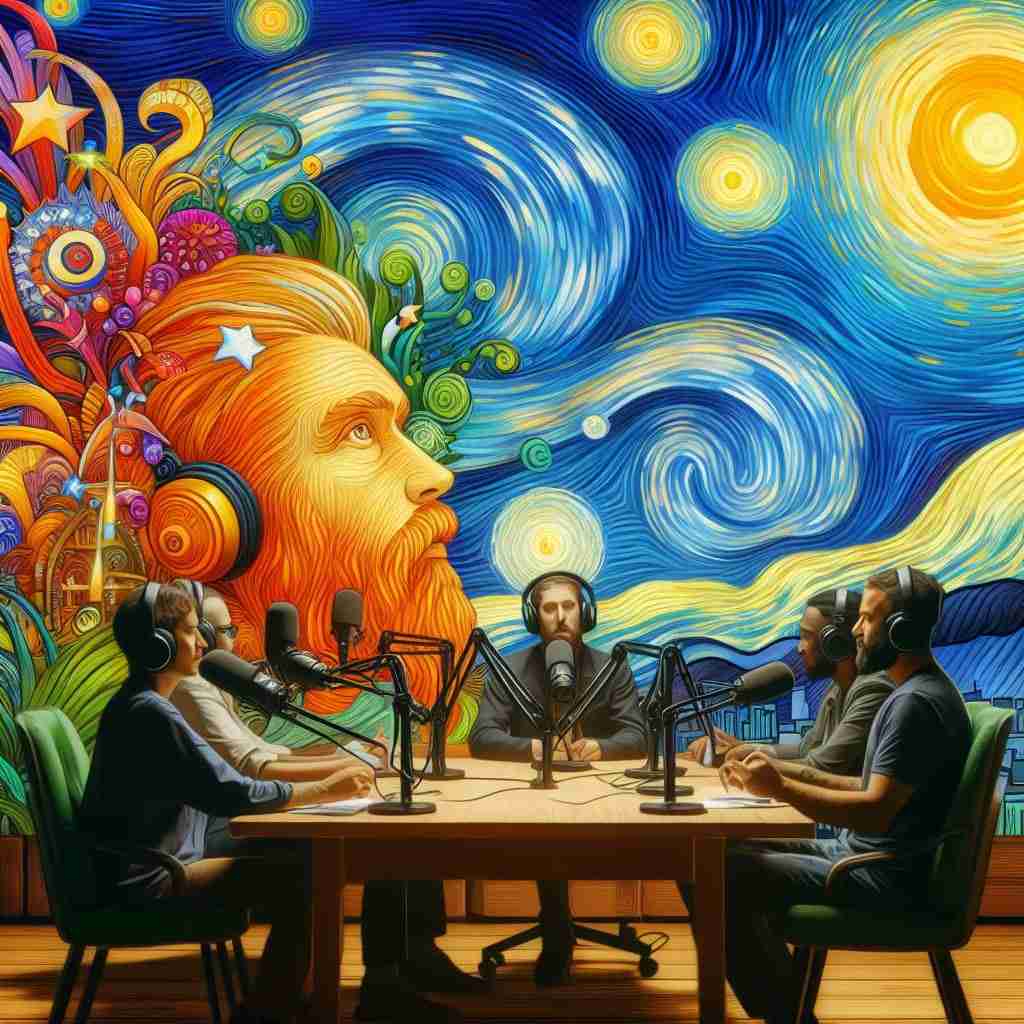
I Let AI Draft My Script – Then Made It 10X Better
I Let AI Draft My Script – Then Made It 10X Better
- The journey of using AI for scriptwriting evokes a mix of apprehension and curiosity.
- The initial AI-generated script is structured but lacks personal connection and emotional depth.
- Personal anecdotes in a speech create a stronger bond with the audience compared to data-driven presentations.
- Authenticity is vital in storytelling; it enhances engagement and trust between the speaker and the audience.
- Combining AI’s technical abilities with personal narratives creates a more relatable and meaningful script.
- This fusion of technology and humanity encourages creators to embrace discomfort in their storytelling process.
- Effective scripts should resonate with audiences, prompting them to think, feel, and connect deeply.

I Let AI Draft My Script – Then Made It 10X Better
Table Of Contents
- I Let AI Draft My Script – Then Made It 10X Better
- How Did AI Improve My Message Clarity?
- Can AI Enhance My Storytelling Techniques Effectively?
- What Ethical Concerns Arise When Using AI for Scripts?
- How Can I Trust AI to Reflect My Unique Voice?
- What Authority Do Creators Have In AI Collaboration?
- What Social Impacts Come From AI-Generated Content?
- How Can AI Help Me Connect Deeper with My Audience?
- Conclusion
- Other Resources
- Glossary Of Terms
- Other Questions
- Haiku
- Poem
- Checklist
How Did AI Improve My Message Clarity?
In a world teeming with noise, where every message struggles to break through the clutter, clarity has become a rare commodity. Imagine standing at a bustling train station, surrounded by the chaotic symphony of announcements, conversations, and the rumble of trains. Now, imagine having a pair of high-fidelity headphones that tune everything out, allowing you to hear only the most important message: your train is on platform three. That’s what AI does for communication—it cuts through the chaos and amplifies the essential.
Years ago, I found myself grappling with this very challenge. I was recording a podcast, pouring my heart into stories that mattered, but often felt as if I was speaking into the void. The feedback was mixed; some loved my enthusiasm, while others struggled to grasp my core messages. Misdirection and ambiguity were my constant companions. Then, I discovered AI—a digital ally capable of refining my words, honing the essence of what I wanted to convey.
It wasn’t just about grammar or spelling; it was about reimagining how I communicated. AI guided me to simplify complex concepts, highlighting what truly resonated with listeners. By analyzing patterns and preferences, it uncovered the raw emotional threads that bound my stories together. I recall one particular episode about overcoming adversity. With AI’s assistance, I transformed it from a sprawling narrative into a pointed message. Listening back, I felt the weight of each word. For the first time, I wasn’t just speaking; I was connecting.
The ethical dimensions of this technology can’t be overstated. Trust is paramount in communication. When my audience felt a strong sense of clarity, their trust grew. They were no longer passive listeners; they were engaged participants in a shared journey. The AI allowed me to establish not just authority in my subject matter but an ethical responsibility to deliver clear and honest messages. This evolved into a vibrant dialogue, where the audience didn’t just hear my stories—they felt them.
AAI didn’t transform my message; it elevated the conversation. It reminded me that every word matters and that clarity isn’t simply a goal; it’s an invitation to connect. So as you craft your own messages, consider how AI could help you find that clarity, to find your platform three in a cacophony of life, and invite others to board the train of your thoughts.

How Did AI Improve My Message Clarity?
How Did AI Improve My Message Clarity?
- Clarity in communication is vital in a noisy world dominated by competing messages.
- AI functions like high-fidelity headphones, filtering out distractions to highlight essential messages.
- The author initially struggled with conveying core messages in their podcast.
- AI helped refine communication by simplifying complex concepts and emphasizing emotional connections.
- Trust is crucial; AI fosters engagement and transforms passive listeners into active participants.
- The ethical responsibility in communication is heightened through clarity and honesty.
- AI elevates conversations, demonstrating that clarity is an invitation to connect.

How Did AI Improve My Message Clarity?
Can AI Enhance My Storytelling Techniques Effectively?
Storytelling is an art as old as humanity itself, rooted in the deep desire to connect, to share experiences, and to evoke emotions. It’s a dance between the storyteller and the audience, where every word is a step toward understanding. Now, picture AI as a partner in this dance—not to take the lead but to refine your steps, help you hit the right beats, and even prompt you to explore uncharted territory.
Imagine sitting down with a podcast playing in the background, enjoying a warm cup of coffee as you brainstorm story ideas. AI can enhance that moment. It’s like having a trusty guide by your side, ready to provide insights that stretch your imagination. You might have a spark of an idea about a character or a setting; AI tools can expand on those thoughts, transforming them into colorful landscapes that ignite your creativity. Think of it as having a seasoned mentor who knows the ins and outs of storytelling, providing guidance rooted in data but wrapped in understanding.
Yet, while the cold calculations of AI offer a robust foundation, it’s the heart that brings a story to life. Take, for example, an aspiring writer struggling with self-doubt. They might turn to an AI platform not just for structure but for inspiration. By feeding their vulnerabilities into the system, they can receive uplifting prompts or explore themes of resilience and growth. Sharing those stories in a podcast format can resonate deeply, reminding others that vulnerability can be a source of strength, sparking conversations that go beyond the words themselves.
Now, consider the ethical path we tread. Using AI should never overshadow your voice. Instead, it must complement it. It’s crucial to remember that while these machines can churn out ideas faster than you can say “writer’s block,” they lack the soulful insight derived from human experience. Your stories should come from the gut, reflecting genuine human experiences that AI simply cannot replicate. The authenticity of your voice is paramount; it’s what connects you to your listeners on an emotional level.
The true power of storytelling lies not just in the tales we tell, but in the connections we forge. As you embrace AI, remember it’s a tool meant to elevate—not replace—your unique narrative. Trust your instincts, lean into your life’s experiences, and let AI help polish them into something remarkable. This journey isn’t just about mastering techniques; it’s about evoking the essence of being human.

Can AI Enhance My Storytelling Techniques Effectively?
Can AI Enhance My Storytelling Techniques Effectively?
- Storytelling is an ancient art focused on connection, shared experiences, and evoking emotions.
- AI acts as a partner in storytelling, enhancing creativity without overshadowing the storyteller’s voice.
- AI tools can expand ideas, transforming initial sparks into rich narratives.
- Writers can use AI for support, inspiration, and exploring themes of resilience and growth.
- Authenticity remains crucial, as AI lacks the emotional depth derived from human experiences.
- The goal of storytelling is to create connections through genuine narratives, supported by AI tools.
- Embracing AI in storytelling is about polishing experiences while maintaining the essence of humanity.

Can AI Enhance My Storytelling Techniques Effectively?
What Ethical Concerns Arise When Using AI for Scripts?
In the world of storytelling, words have power. They can evoke emotions, ignite imaginations, and spark conversations that challenge the status quo. Yet, when we turn to artificial intelligence to pen these narratives, a flood of ethical concerns washes over us. This isn’t just about computer code; it’s about the very essence of what makes our stories human.
Imagine the thrill of tuning into a podcast that draws you into its world—where every character feels alive, every plot twist resonates with your own experiences. Now, picture a machine crafting that narrative: algorithms sifting through data, piecing together dialogues devoid of a heartbeat. It’s efficient, perhaps, but does it capture the soul? Take, for instance, a heartwarming tale of a parent’s sacrifice for their child. A computer may string together facts, but can it truly replicate the subtle shifts in tone that a real-life experience embodies? The difference is akin to a chef preparing a meal with care versus a factory mass-producing flavors; one fills your belly, and the other fills your heart.
The ethical quandary doesn’t stop there. Dependency on AI could lead to an erosion of original thought, leaving creators at the mercy of technology. When we allow machines to dictate our narratives, we run the risk of diluting our collective voice. As society navigates this digital landscape, it’s imperative to maintain the authenticity of our stories. Consider this: if we lose the human touch in storytelling, do we then lose our humanity?
Furthermore, there’s the question of authority. Who gets credit for a narrative spun by AI? Writers pour their experiences and cultures into their work, creating a tapestry of voices that reflect the world around us. An AI, devoid of personal history or moral compass, lacks the authority to speak on nuances that shape our society. This raises not only questions of ownership but also issues of representation.
Ethics in AI-driven scripts don’t merely reside in the technical realm; they venture deep into our hearts and minds. What do we value as a society? Engagement? Connection? Authenticity? When we prioritize these elements, we not only inspire trust but build a bridge towards a future where humans and machines can co-create, allowing technology to enhance rather than replace the human narrative.
In this dance with technology, let’s not forget that stories are a reflection of us. They deserve to be crafted with genuine care—by the heart, the head, and yes, even the gut. Let’s write that future together, with our stories leading the way.

What Ethical Concerns Arise When Using AI for Scripts?
What Ethical Concerns Arise When Using AI for Scripts?
- Words in storytelling evoke emotions and inspire conversations.
- AI-generated narratives raise ethical concerns regarding the essence of human storytelling.
- AI may lack the ability to capture the soul and subtle nuances of human experiences.
- Dependency on AI risks eroding original thought and diluting collective voice.
- Questions of authorship and representation arise when narratives are created by AI.
- Societal values such as engagement, connection, and authenticity are crucial in storytelling.
- Stories should be crafted with care, reflecting the human experience and emotions.

What Ethical Concerns Arise When Using AI for Scripts?
How Can I Trust AI to Reflect My Unique Voice?
Trusting AI to reflect your unique voice is a journey, much like navigating a vast and unpredictable wilderness. Imagine standing at the edge of a forest, knowing that within those trees lies the potential for discovery—each step forward could lead to uncharted territory or familiar paths. Just as a seasoned traveler wouldn’t heed the map blindly, neither should we fully rely on AI without assessing its ability to capture who we truly are.
Consider the Podcast medium. It’s a powerful place where stories are shared, and voices resonate. Each host brings their own flavor, a personal touch honed through years of experience and vulnerability. When you engage with AI, think of it as another contributor to your narrative. Like a trusted friend who listens intently, AI can analyze and learn from your words, your tone, and even your quirks, but it takes time and intention to develop this connection.
Your unique voice is built on a lifetime of experiences. It’s the laughter shared over dinner, the wisdom gleaned from moments of hardship, and the triumphs that make you proud. Trusting AI to mirror that requires a deliberate partnership. You input your stories—raw, unfiltered—and the AI processes them. Sure, it’s a tool, but like any good tool, it’s only as effective as the craftsman who wields it. Engage with the technology, molding it, shaping it. Provide feedback, direct its focus, and allow it to evolve in conjunction with your own growth.
Many people feel apprehensive, thinking technology might dilute their essence. Yet, think of your favorite songs, the ones that make your heart swell or bring a tear to your eye. Each note resonates because it reflects the artist’s journey. When AI understands the nuances of your voice—through repetition, correction, and refinement—it can create something that feels authentic to you.
There’s a shared humanity in this digital dance. As more individuals like yourself invest in AI with authenticity, a community springs up, fostering trust alongside innovation. The trust does not grow in isolation. It thrives in a space where vulnerability meets understanding, where your voice is celebrated and echoed in profound ways. Embrace this partnership. Your voice matters, and technology, when approached with heart and intent, can elevate it to new heights.

How Can I Trust AI to Reflect My Unique Voice?
How Can I Trust AI to Reflect My Unique Voice?
- Trusting AI to mirror your unique voice is a journey similar to exploring a vast wilderness.
- AI should be engaged thoughtfully, not relied on completely without assessment.
- The Podcast medium exemplifies how personal stories and voices can resonate and connect.
- Your unique voice is shaped by life experiences, requiring a collaborative relationship with AI.
- AI is a tool that needs intentional input, feedback, and guidance to be effective.
- Concerns about technology diluting personal essence can be overcome by ensuring AI understands your voice through feedback.
- A supportive community can foster trust and authenticity when investing in AI together.

How Can I Trust AI to Reflect My Unique Voice?
What Authority Do Creators Have In AI Collaboration?
In the ever-evolving landscape of artificial intelligence, the role of creators is both profound and complex. Imagine a skilled craftsman, tools in hand, ready to carve out something new from a block of marble. This is how creators approach AI collaboration—each line etched is a blend of innovation and intention, merging human intuition with digital prowess.
As we dive into this collaboration, we often find ourselves grappling with a fundamental question: what authority do creators possess in this intricate dance? The answer is rooted in their unique perspectives and experiences. For instance, a musician developing an AI that composes music doesn’t just bring technical skills; they inject the soul of creativity, the emotion behind every note. Such creators have a responsibility that extends beyond mere innovation; they are stewards of the ethical implications that arise when machines join the creative process.
Emotions play a crucial role in this dialogue. Think of a parent who lovingly crafts a story for their child. That story isn’t just words on paper; it’s a connection that weaves through generations, shaping values, dreams, and aspirations. Similarly, when creators collaborate with AI, they channel their passions and vulnerabilities, shaping technology to resonate with the human experience. As listeners tune into a podcast where stories of struggle and triumph are shared, they find common ground, feeling seen and heard. This shared narrative consolidates trust; when creators infuse their essence into AI, it becomes not just a tool but a trusted companion.
However, the authority of creators is equally anchored in rationality. The potential of AI collaboration is boundless—it can enhance creativity, streamline processes, and generate possibilities we’ve yet to fathom. This rational appeal caters to those who prioritize data-driven results, demonstrating that the creator’s role is not merely sentimental but also strategically vital. They can guide AI’s output, tailoring it to foster social impact or challenge societal norms. Envision a filmmaker employing AI to depict stories from underrepresented communities; their authority allows them to bridge gaps and amplify voices, ensuring that narratives are not just algorithmically generated, but steeped in authentic human experience.
Yet the crux of authority in this collaboration rests on one pivotal idea: ownership of the narrative. When creators accept the dual role of innovator and guardian, they assert their place at the intersection of humanity and technology. They are not just passively allowing AI to dictate terms; they are actively shaping its development and its implications. This partnership—the melding of human creativity with AI’s potential—sets the stage for transformative stories, echoing in our hearts, resonating through our minds, and empowering our collective spirit.

What Authority Do Creators Have In AI Collaboration?
What Authority Do Creators Have In AI Collaboration?
- The role of creators in AI collaboration is profound and complex, merging human intuition with digital capabilities.
- Creators possess unique perspectives and experiences that define their authority in the creative process.
- They have a responsibility to address the ethical implications of AI in creativity, acting as stewards of innovation.
- Emotions play a crucial role, as creators channel their passions to shape technology that resonates with human experience.
- AI collaboration offers boundless potential to enhance creativity and generate new possibilities, emphasizing the creator’s strategic importance.
- Creators can amplify underrepresented voices, ensuring narratives are genuine rather than solely data-driven.
- Ownership of the narrative is key, as creators actively shape AI development and its implications, bridging humanity and technology.
What Authority Do Creators Have In AI Collaboration?
What Social Impacts Come From AI-Generated Content?
In an era where technology propels us forward at breakneck speed, we find ourselves grappling with an unprecedented question: what does it truly mean to engage with content generated by artificial intelligence? Picture this: you’re listening to a podcast that’s topical, riveting, and, as it turns out, entirely crafted by an algorithm. The host’s voice is compelling, the stories resonate, and yet there’s a crucial element missing—human authenticity. It all raises a red flag about the social fabric AI-created content may weave.
Many people might not feel threatened by these innovations; after all, weren’t radio shows once thought to replace live performances? Still, AI-generated content introduces more than mere convenience. It reshapes our interactions. Emotional bonds forged through storytelling lose their warmth when the storyteller is a string of code and data points. Imagine sharing experiences in an intimate gathering—laughter, tears, and the rawness of human connection. Crafting narratives, telling stories, and ringing in the collective heartbeat of a community are sacred tasks we must not relinquish.
An essential aspect of this shift is trust. If we start consuming a flood of content created without human input, how do we discern truth from deception? Brands and organizations that rely on AI may inadvertently dilute their identities, rendering themselves distant and faceless. Here lies the paradox: while machine-generated content can be logistically efficient, it risks stripping away the very essence that engages audiences—the sense of belonging and shared experience. It’s a delicate balance.
Let’s consider the individual stories behind AI outputs. Each piece isn’t just a product but a reflection of countless lives. By choosing to trust algorithms as our storytellers, we may overlook the nuanced insights that only come from personal experience. Just as we gather around a fire to listen to tales passed down through generations, we need to foster spaces where genuine voices are heard.
What if, instead of racing forward, we blended technology with humanity? How about harnessing AI to assist but not replace? By drawing upon AI’s strengths, while holding tight to our human roots, we can elevate the narrative landscape. Together, let’s ensure that AI acts as a tool for enrichment rather than a barrier to connection. The real conversation lies ahead, and it’s our responsibility to guide it towards a future where technology enhances rather than replaces our shared human experiences.

What Social Impacts Come From AI-Generated Content?
What Social Impacts Come From AI-Generated Content?
- Technology’s rapid advancement prompts questions about engaging with AI-generated content.
- AI-created content may lack human authenticity, raising concerns about its social impact.
- Emotional connections forged through storytelling could diminish when AI is the storyteller.
- Trust is critical; consumers must discern between genuine and deceptive content.
- Brands relying on AI risk becoming distant and faceless, losing their identity.
- AI outputs reflect collective human experiences that should not be overlooked.
- A balance is needed, blending technology with humanity to enhance narratives.

What Social Impacts Come From AI-Generated Content?
How Can AI Help Me Connect Deeper with My Audience?
In a world where digital noise drowns out genuine connection, the potential of AI to bridge that gap is nothing short of remarkable. Imagine standing on a bustling street corner. You have something important to say, yet the din of chatter makes it hard for your voice to be heard. This is where AI comes in, acting not just as a megaphone, but as a skilled listener, guiding us toward the heartbeats of those we want to reach.
Just like a well-crafted podcast pulls listeners in with relatable stories and authentic emotions, AI can analyze audience behaviors and preferences, picking up on nuances we might overlook. Picture the last time you listened to a podcast that resonated deeply with you. The host wasn’t just sharing information; they were sharing parts of themselves, creating a bond. AI can help replicate that connection by offering insights into what truly matters to your audience. This isn’t just data; it’s the essence of human experience.
Ethically, we have a responsibility to use these tools wisely. When AI helps us understand our audience’s needs and values, we move beyond mere metrics; we step into a sacred space of connection. It enables us to honor their stories. If you’re an educator, for example, using AI to adapt lesson plans based on student interests can transform a classroom into a dynamic environment where every student feels seen and heard. It’s more than personalization; it’s about recognizing the diverse fabric of human experience.
In this new landscape, consider the power of narrative. AI doesn’t just process data; it can help tell your story in a way that resonates with your audience’s journey. Imagine a small business owner using AI to craft a message that captures the spirit of their community. With the right insights, they can turn data into dialogue, fostering a relationship that feels genuine and heartfelt, not transactional.
Furthermore, AI facilitates social interactions. It empowers creators to engage with their audiences more compellingly—responding to comments, recognizing milestones, and engaging in conversations that not only inform but inspire. When people feel part of a community, they are more likely to become advocates, amplifying your message far beyond what any advertisement could achieve.
So, trust in this evolving technology as a partner in your quest for deeper connections. With AI at your side, you’re not just communicating; you’re embarking on a journey to understand, engage, and ultimately forge bonds that resonate on every level. Embrace the possibilities, and let your audience feel the sincerity of your voice through this powerful tool.

How Can AI Help Me Connect Deeper with My Audience?
How Can AI Help Me Connect Deeper with My Audience?
- AI has the potential to enhance genuine connections in a noisy digital world.
- It acts as a megaphone and a skilled listener, helping us reach our audience effectively.
- AI can analyze audience behaviors and preferences, facilitating deeper emotional bonds.
- Using AI ethically allows for a true understanding of audience needs and values.
- In education, AI can personalize lessons to recognize diverse student interests.
- AI helps tell compelling narratives that resonate with audiences and foster community.
- It empowers creators to engage meaningfully, turning data into genuine dialogue.

How Can AI Help Me Connect Deeper with My Audience?
Conclusion
In the rapidly evolving landscape of storytelling, the collaboration between human creativity and artificial intelligence presents both new opportunities and complex challenges. By embracing AI’s capabilities—not as a replacement but as a partner—creators can enhance their narratives while staying true to their unique voice. The journey begins with a combination of excitement and apprehension, much like stepping off a diving board into uncharted waters. Here, AI serves as a launchpad, offering structure and clarity to narratives that often get lost in the noise of modern communication.
AI’s role is akin to having a trusted advisor, refining messages and illuminating the emotional threads that connect storytellers to their audiences. As creators bring their authentic experiences to the forefront, the fusion of personal anecdotes and AI-generated frameworks creates a tapestry that resonates on deeper levels. The essence of storytelling lies in these authentic connections, where shared human experiences foster trust and engagement, transforming listeners from passive recipients into active participants in the story.
Yet, this journey raises ethical questions about authorship and authenticity. As AI generates content, we must carefully navigate the balance of reliance on technology while ensuring that our narratives retain their human essence. The best storytelling emerges from vulnerability—recognizing our shared struggles and triumphs—and AI can help amplify that voice rather than overshadow it. It becomes crucial to maintain clarity in our messaging, pushing against the overwhelming noise of competing voices.
Moreover, leveraging AI’s analytical capabilities allows for a deeper understanding of audience preferences, paving the way for more meaningful interactions. In this digital age, where genuine connection often feels elusive, AI can bridge gaps, offering insights that help weave inclusive narratives that celebrate diversity of experience. Therefore, trust in this partnership is paramount; it allows for the crafting of stories that evoke emotion and, ultimately, foster community.
Embracing this delicate dance with technology compels us not to walk away from the heart of storytelling, but to dive in with intention and authenticity. By allowing AI to enhance rather than define our narratives, we can pave the way for innovative storytelling that honors the past while embracing the future. As creators and audiences alike navigate this new terrain, let us celebrate the power of human creativity alongside the possibilities AI presents, ensuring that our stories continue to resonate deeply within the fabric of our shared humanity.

Conclusion
Conclusion:
- The collaboration between human creativity and AI presents new opportunities and challenges in storytelling.
- AI acts as a partner, enhancing narratives while preserving the creator’s unique voice.
- AI serves as a launchpad, providing structure and clarity to narratives in a noisy communication landscape.
- Authentic connections between storytellers and audiences are vital for engaging storytelling.
- Ethical questions arise regarding authorship and the balance between AI assistance and human essence in stories.
- AI’s analytical capabilities can help understand audience preferences and foster meaningful interactions.
- Embracing AI in storytelling encourages intention and authenticity, celebrating both human creativity and technological possibilities.
Conclusion
Other Resources

Other Resources
Here is a list of other resources you can review online to learn more:
- Bob Woods
- VK
- Clarity.fm
- Podcast Studio
- Adobe Audition
- Blogger
- BeyondPod
- CarPlay
- AI Success Club
- Podcastle
- Threads
- Audacity
- Spotify
- Podkicker
- Breaker
- Player FM
- Planly
- Patreon
- Google My Business
Use This Prompt To Get More Resources With Your Favorite Online AI Tool: Please provide me with a list of online articles with their URLs in a bulleted list that I can read regarding I Let AI Draft My Script – Then Made It 10X Better

Other Resources
Glossary Terms
I Let AI Draft My Script – Then Made It 10X Better – Glossary Of Terms
1. AI (Artificial Intelligence): Technology that mimics human intelligence to perform tasks such as understanding language, recognizing patterns, and generating content.
2. Script: A written document outlining the dialogue, actions, and instructions for a film, play, or video, serving as the foundation for production.
3. Draft: An initial version of a document that serves as a basis for further revisions and improvements.
4. Editing: The process of reviewing, revising, and refining text to enhance clarity, coherence, and overall quality.
5. Revision: Significant changes made to a draft to improve its structure, content, and style based on feedback or new insights.
6. Feedback: Input or critique from others regarding the effectiveness or quality of a script, which can guide improvements.
7. Collaboration: Working together with others, often involving sharing ideas, resources, and responsibilities to create a better final product.
8. Outline: A structured framework that organizes the main ideas and elements of a script before full writing begins.
9. Voice: The unique style or tone of writing that reflects the author’s personality and intention.
10. Creativity: The ability to generate original ideas and solutions, essential for enhancing scripts beyond basic AI-generated content.
11. Rewriting: The process of crafting new text based on existing material to improve its effectiveness and engagement.
12. Content Generation: The creation of text or multimedia through automated processes, often used by AI to produce initial drafts.
13. Narrative Structure: The framework that dictates how a story unfolds, including exposition, conflict, and resolution.
14. Dialogue: The spoken lines between characters in a script, crucial for character development and plot advancement.
15. Tone: The general character or attitude of a piece, affecting how the audience perceives the message.
16. Theme: The central idea or underlying message in a script that resonates throughout the narrative.
17. Audience: The intended group of viewers or readers that the script is aimed at, informing stylistic choices and content.
18. Style: The distinct manner of expression chosen by the writer, encompassing vocabulary, sentence structure, and literary devices.
19. Proofreading: The final review process to catch errors in spelling, grammar, and punctuation before the script is finalized.
20. Story Arc: The progression of the storyline, illustrating how the plot develops and resolves over time.
21. Character Development: The process by which characters are fleshed out with depth and complexity throughout the script.
22. Pacing: The speed at which the narrative unfolds, impacting the audience’s engagement with the story.
23. Plot Twist: An unexpected development in the story that surprises the audience, often altering the narrative’s direction.
24. Visual Imagery: Descriptive language that creates vivid pictures in the audience’s mind, enhancing the script’s appeal.
25. Genre: The category of storytelling that defines conventions and expectations, such as drama, comedy, or thriller.
26. Script Formatting: The standardized layout and presentation style of a script that complies with industry norms.
27. Subtext: The underlying themes and meanings that are not explicitly stated but are implied in dialogue and actions.
28. Audience Engagement: Techniques used to capture and maintain the attention of viewers or readers throughout the script.
29. Call to Action: A statement or directive that encourages the audience to take a specific action, often used in marketing scripts.
30. Performance: The actual presentation of a script through acting, directing, and production that brings the written word to life.

Glossary Of Terms
Other Questions
I Let AI Draft My Script – Then Made It 10X Better – Other Questions
If you wish to explore and discover more, consider looking for answers to these questions:
- Which AI tools or models are best for drafting scripts and why?
- How do I choose the right AI for my genre or format (podcast, speech, video)?
- What prompt strategies produce the most useful AI drafts?
- How do I preserve and replicate my unique voice when using AI?
- How much time can AI realistically save in the writing process?
- What does an effective human+AI editing workflow look like step by step?
- How do I integrate personal anecdotes into an AI-generated draft without losing authenticity?
- How can I measure whether AI actually improved clarity and audience comprehension?
- What metrics should I track to evaluate audience engagement after using AI?
- How should I test AI-generated scripts with real listeners before publishing?
- How do I ensure factual accuracy and avoid AI hallucinations in my scripts?
- What are the copyright and ownership implications of using AI-generated text?
- Should I credit the AI, and if so, how should that attribution be handled?
- Can AI be trained to mimic my vocal style or cadence for spoken scripts?
- Is it ethical to present AI-assisted content as solely human-created, and what disclosure practices are recommended?
- How can I detect and mitigate biases in AI outputs?
- What privacy risks arise from feeding personal stories or sensitive data into AI?
- How do the AI’s training data and sources influence the tone and accuracy of outputs?
- What legal risks might I face (defamation, infringement) when publishing AI-assisted narratives?
- How do I avoid creating homogenized or formulaic content when relying on AI?
- What best practices ensure cultural sensitivity and proper representation in AI-generated content?
- How often and in what ways should I provide feedback to the AI to improve future drafts?
- How much human editing is typically required after an AI draft to reach publishable quality?
- Can AI help with pacing, timing, and delivery for spoken-word scripts?
- How do I integrate AI into existing podcast or production tools and workflows?
- What are typical costs, pricing models, and resource requirements for professional AI tools?
- Will long-term reliance on AI impair my own creative skills, and how can I avoid that?
- How do I train an AI on my past work so it better matches my voice and values?
- How should I verify and cite factual sources that an AI used to create content?
- How do different audience segments feel about AI-assisted storytelling?
- What responsibilities do creators have when balancing AI efficiency with authenticity?
- How should I respond if AI generates offensive or harmful content in a draft?
- What contingency plans should be in place if an AI tool becomes unavailable or unreliable?
- Are there case studies or examples of successful scripts improved by human-AI collaboration?
- How can I monetize AI-assisted content while managing rights and revenue sharing?
- What emerging AI storytelling capabilities should creators prepare for in the next few years?

Other Questions
Haiku
I Let AI Draft My Script – Then Made It 10X Better – A Haiku
AI drafts a script,
Skills shaped by human touch,
Hearts and minds collide.

Haiku
Poem
I Let AI Draft My Script – Then Made It 10X Better – A Poem
In a realm where circuits weave the thread of thought,
I let AI script my tale, nervous yet caught.
A dive from the board, heart racing with fear,
Yet curiosity beckoned, the future drew near.
The draft was a skeleton, structured and clear,
But cold as the steel that shapes this new sphere.
For the soul of a story, the pulse we must find,
Is sculpted in whispers of the heart and the mind.
Through shadows of doubt and echoes of lore,
I stitched in my voice, made the narrative soar.
Personal anecdotes, the laughter and strife,
Gave breath to the words, infused them with life.
In a cacophony vast, where messages drown,
Clarity shines, lifting spirits from frown.
AI, my companion, sharpens my aim,
Turns silence to dialogue, ignites the flame.
Yet ethical questions loom large in the fray,
As we balance the tech with the truths we convey.
Who claims the narrative, who owns the art?
In blending our voices, we must play our part.
Trust builds in stories, in bonds that we weave,
When machines lend their strength, and we dare to believe.
Should we embrace this dance, let technology lead?
Or guard our own voices, sow our own seed?
Together we journey, through digital fields,
Grounded in human, our authenticity yields.
In this brave new chapter, let’s nurture our ties,
For the heart of each story in truth never lies.
So harness the AI, but don’t lose your soul,
Crafting connections that help us feel whole.
In this fusion of passion and crafted design,
Let’s ignite deeper bonds, where our voices combine.

Poem
Checklist
I Let AI Draft My Script – Then Made It 10X Better – A Checklist
Emotional Appeals
✅______ Infuse personal narratives; include anecdotes that resonate with shared experiences.
✅______ Connect through vulnerability; share struggles and triumphs that reflect genuine human emotions.
✅______ Elicit reaction; craft moments that provoke laughter, empathy, or reflection.
Rational Appeals
✅______ Aim for clarity; simplify complex messages to enhance understanding.
✅______ Use data-driven insights; leverage audience analytics to tailor content effectively.
✅______ Promote transparency; clearly communicate the role of AI in the creation process.
Ethical Appeals
✅______ Maintain authenticity; ensure the final message reflects your unique voice and perspective.
✅______ Address ownership issues; clarify and assert your authority over the narrative crafted with AI.
✅______ Foster trust; develop engagement strategies that maintain audience trust in AI-generated content.
Authority Appeals
✅______ Establish credibility; share your expertise to assert authority within the content.
✅______ Leverage AI as a tool; use AI to enhance, but not replace, your narrative voice and intent.
✅______ Invite collaboration; actively engage with AI tools to refine and improve your storytelling.
Narrative Appeals
✅______ Create compelling stories; focus on narratives that reflect collective human experiences.
✅______ Incorporate ethical dilemmas; discuss potential pitfalls of AI in storytelling to spark conversation.
✅______ Weave rich contexts; set your stories within relatable frameworks that resonate with the audience.
Social Appeals
✅______ Encourage community engagement; foster dialogues that allow audience participation and feedback.
✅______ Promote shared values; align your storytelling with the values and interests of your audience to create connection.
✅______ Highlight cultural relevance; use contextually relevant themes to ensure the content is relatable and impactful.

Checklist
At PodcastBig, we help people who want to learn about podcasting by collating information and news about podcasting.
Be sure to read our other related stories at PodcastBig to learn more about podcasting.