

Transforming Time: How Text Made Editing Effortless And Impactful
By Tom Seest
At PodcastBig, we help people who want to learn about podcasting by collating information and news about podcasting.
Be sure to read our other related stories at PodcastBig to learn more about podcasting.
I Edited a 45-Minute Episode In 8 Minutes Using Text
Editing a 45-minute episode in just 8 minutes might sound like sorcery to some, but it’s a testament to the power of technology and our growing understanding of effective storytelling. In today’s fast-paced world, where every second counts and attention spans are shorter than ever, the ability to distill a lengthy conversation into its most impactful essence is more crucial than ever. Think of editing as an art form—one that requires both precision and intuition.
Imagine diving headfirst into a deep, rich lake of conversation. You throw in your anchor, and it catches on the most vibrant, colorful stones—the moments that truly resonate. That’s exactly what happens in the editing room. Every podcast episode is a journey, filled with highs, lows, and those in-between moments that sometimes don’t serve the story. It takes a keen eye and a steady hand to sift through the noise, picking out the gems that will shine under the spotlight of listeners’ ears.
Consider the ethics of podcasting: it’s our responsibility as creators to tell stories that are not only compelling but also honest and respectful. When you edit, you’re not just cutting; you’re curating a narrative that reflects the values you stand for. This isn’t merely a job; it’s an obligation to your audience. They trust you to deliver content that enlightens, entertains, and evokes genuine emotion—much like a well-timed story around a campfire.
Let’s talk about connection. Every listener is seeking something—perhaps knowledge, inspiration, or simply a laugh after a long day. When you edit swiftly, you’re not just compressing time; you’re amplifying impact. This process is much like cooking a meal; you reduce the ingredients to enhance flavors, ensuring that every bite is satisfying. Such meticulous attention to detail fosters a connection between the creator and the audience, encouraging listeners to lean in, not out.
There’s a power in efficiency. By mastering the art of quick editing, you free up time to listen, learn, and adjust, allowing you to create even more content that resonates. The landscape of podcasts is rapidly evolving, and those who embrace these changes will carve their own paths, building communities around their narratives. So, whether you’re a seasoned editor or a budding podcaster, remember: it’s not just about speed; it’s about creating genuine, meaningful moments that stick with your audience long after the episode ends. That’s what being a storyteller is all about.

I Edited a 45-Minute Episode In 8 Minutes Using Text
I Edited a 45-Minute Episode In 8 Minutes Using Text
- Editing a 45-minute episode in just 8 minutes highlights advances in technology and storytelling.
- Effective editing distills conversations into their most impactful essence, crucial for engaging listeners.
- Editing is an art form requiring precision and intuition to select resonant moments from lengthy discussions.
- Content creators have a responsibility to tell honest and respectful stories, curating narratives that reflect their values.
- Swift editing enhances listener connection by compressing time and amplifying impact, fostering engagement.
- Mastering efficient editing frees time for creators to improve and produce more resonant content.
- Podcasting is evolving; embracing change enables building communities around engaging stories.

I Edited a 45-Minute Episode In 8 Minutes Using Text
Table Of Contents
- I Edited a 45-Minute Episode In 8 Minutes Using Text
- How Can Editing Your Content Faster Save You Time and Energy?
- What Strategies Make Cutting Down Episode Length Effective?
- How Do Emotions Influence the Way We Perceive Editing Efficiency?
- Can a Narrative Approach Transform Your Editing Process Profoundly?
- What Ethical Considerations Should Guide Rapid Editing Techniques?
- How Does Expert Advice Enhance Your Editing Capabilities?
- What Social Dynamics Emerge When Sharing Quick Content Edits?
- Conclusion
- Other Resources
- Glossary Of Terms
- Other Questions
- Haiku
- Poem
- Checklist
How Can Editing Your Content Faster Save You Time and Energy?
Editing your content faster isn’t about skimping on quality; it’s about honing your skills and reclaiming your time. Picture this: you’re deep in the editing trenches, your thoughts spread across multiple drafts, each word yearning for your attention. Now, think about how much energy it takes to sift through all that noise. By streamlining your editing process, you can transform that cacophony into a symphony, giving your ideas the space they need to breathe and flourish.
Imagine sitting down with a cup of coffee, ready to dive into your work. Instead of feeling overwhelmed, you approach editing like a craftsman, equipped with the right tools and techniques. Speed doesn’t mean carelessness; it means embracing a method that allows clarity and creativity to thrive simultaneously. Developing your own system—perhaps by utilizing checklists or templates—can accelerate your workflow, enabling you to cut through the clutter swiftly. Tune in to the essence of your message like a skilled musician tuning their instrument before a concert.
Emotions play a pivotal role here. Think about the times you’ve crafted a post, brimming with passion, only to get bogged down in editing fatigue. That frustration can sap your enthusiasm and leave your message distorted. By editing more efficiently, you reclaim that spark and allow your genuine voice to shine through. Furthermore, this efficiency fosters a greater sense of connection with your audience. When your content mirrors your authentic self, it resonates deeply, fostering trust.
Consider a story—a podcast episode where the host shares their struggles with time management while balancing their passion for storytelling. They narrate how embracing quick, purposeful edits transformed their ability to connect with listeners. The result? An engaged audience that feels as though they’re having a conversation rather than passively receiving information.
Crafting your edits quickly doesn’t dilute your integrity; rather, it reinforces your authority. Active engagement and timely delivery force you to respect not just your own time but also your audience’s. In an age where information flows faster than ever, your capacity to produce clear and concise content can set you apart.
By honing a faster editing style, you’re not just saving time and energy; you’re fostering a culture of creativity, connection, and trust within your community. The ability to articulate thought quickly doesn’t just enhance your work; it inspires others to engage wholeheartedly with the stories that matter. It’s time to embrace the power of efficient editing, allowing your voice to cut through the chaos and resonate with others.

How Can Editing Your Content Faster Save You Time and Energy?
How Can Editing Your Content Faster Save You Time and Energy?
- Editing faster is about improving skills and saving time, not sacrificing quality.
- Streamlining the editing process helps transform overwhelming drafts into coherent ideas.
- Using tools like checklists or templates accelerates workflow and enhances clarity.
- Efficient editing helps maintain enthusiasm and allows authentic voice to shine through.
- Quick edits foster a stronger connection with the audience and build trust.
- Active engagement and timely content delivery respect both writer’s and audience’s time.
- Faster editing cultivates a culture of creativity and inspires deeper engagement with stories.

How Can Editing Your Content Faster Save You Time and Energy?
What Strategies Make Cutting Down Episode Length Effective?
In the world of podcasts, where listeners are constantly bombarded with choices, every second counts. The art of cutting down episode length isn’t just about squeezing time; it’s about maximizing impact. When you shorten an episode, you’re not merely trimming the fat; you’re honing in on the essence of the content, that golden nugget that resonates. This is where effective strategies come into play, transforming not just the podcast but the experience for your audience.
First, consider the narrative. Every great story has a clear beginning, middle, and end, but it also knows when to wrap up. For example, think of those long, meandering tales that seem to lose momentum halfway through. We’ve all been there—hanging on, waiting for a payoff that never emerges. By focusing on concise storytelling, you honor your audience’s time and attention. Instead of diluting your message, you amplify it, fostering a connection that keeps them coming back for more.
Now, let’s pivot to the ethical appeal. Trust is a fragile thing, especially in an era where misinformation can run rampant. When you respect your listeners’ time, you build credibility. You’re sending a message: “I value what you do with your hours, and I’m committed to providing content that enriches your day.” This is not just about delivering a product; it’s about forming partnerships with your audience, inviting them into a relationship built on mutual respect.
Rationality plays a hefty role here as well. Shortening episodes can lead to a more focused discussion, encouraging deeper dives into essential topics without the fluff. Listeners are more likely to engage when they feel they’re receiving substantial value in every minute. Imagine presenting a meal to your guests; nobody wants a plate piled high with filler when they could have a gourmet dish served in perfect portions.
On a more personal note, reflect on a time when your attention wavered during a podcast episode. Perhaps you found yourself scrolling through your phone, half-listening, half-tuned out. Now, flip that experience on its head. Strive to ignite that spark in your listeners—tailor your message to stoke engagement, inviting them to lean in, listen closely, and feel connected to the narrative at hand.
Finally, think social: Encourage feedback and open dialogue. Invite listeners to share their thoughts on episode lengths and content. Use this engagement not just as data but as a tool to refine future episodes, creating a sense of community where every voice is valued. In doing so, you’re not just changing episode length; you’re transforming the heart of your podcast into a space where every minute feels meaningful and every listener feels at home.

What Strategies Make Cutting Down Episode Length Effective?
What Strategies Make Cutting Down Episode Length Effective?
- The podcast landscape demands concise episodes to maximize impact and maintain listener engagement.
- Effective storytelling focuses on clarity and momentum, enhancing the audience’s connection.
- Respecting listeners’ time fosters trust and credibility, reinforcing the value of the content.
- Shorter episodes encourage focused discussions, promoting deeper exploration of essential topics.
- Engaging content prevents listeners from losing interest, ensuring they feel connected to the narrative.
- Encouraging listener feedback transforms the podcast into a community-focused space.
- Meaningful episode lengths enhance the overall podcast experience, making every minute count.
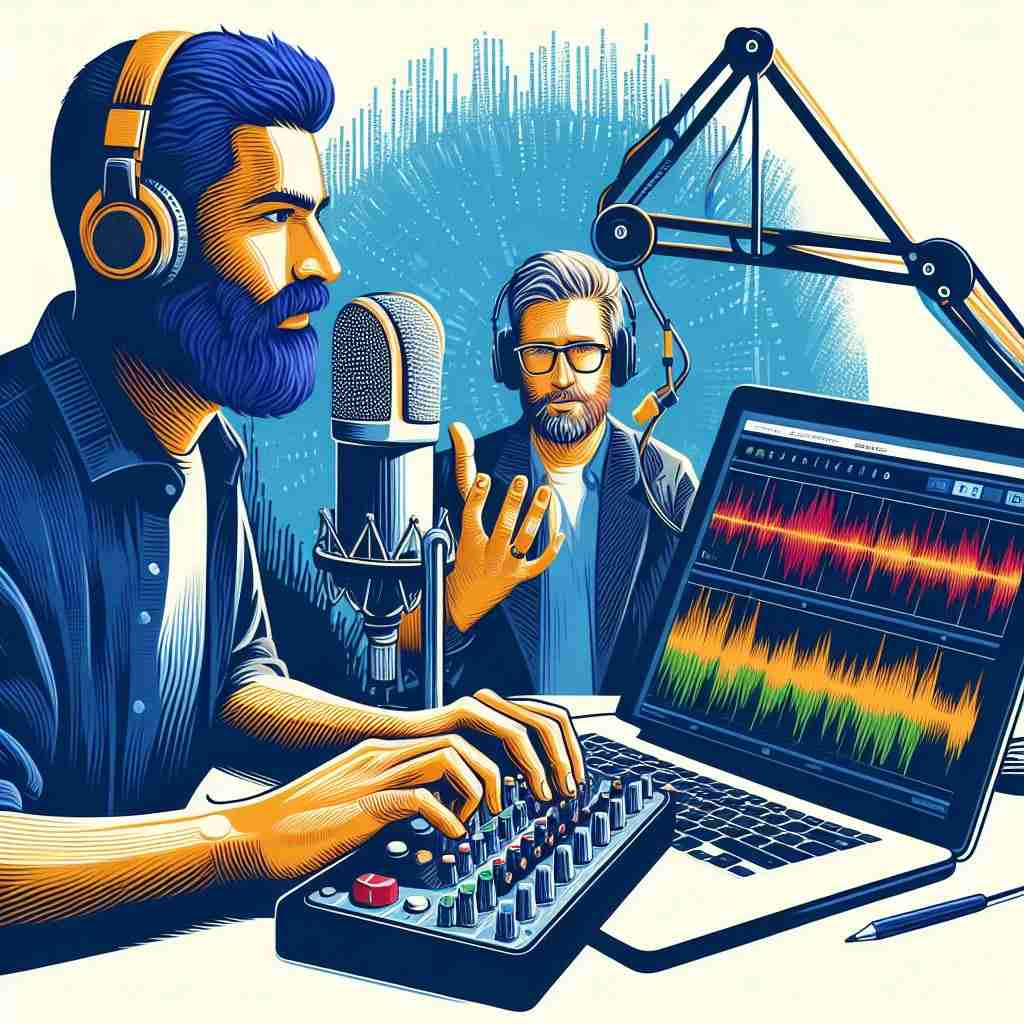
What Strategies Make Cutting Down Episode Length Effective?
How Do Emotions Influence the Way We Perceive Editing Efficiency?
Emotions play a crucial role in how we perceive editing efficiency, much like the emotional resonance of a well-timed story in a podcast. Imagine a seasoned storyteller, their voice steady yet rich with passion, drawing listeners into a world filled with relatable struggles and triumphs. When we edit, whether it’s video, audio, or written content, the emotions we experience shape our judgments and decisions at every turn.
Consider the heart: when editing a piece that stirs deep emotions, we find ourselves weighing each cut and transition against the story’s emotional weight. A heartfelt anecdote may lead us to linger on a moment longer than intended, because we feel the significance of that pause. Emotions demand our attention, inviting us to make choices that resonate not only with our audience but with our very selves. This connective thread often determines the editing choices that ultimately reflect our values and our audience’s expectations.
Now, let’s engage the head: rational thought and emotional intelligence must coexist in the editing process. Data-driven approaches can optimize efficiency, yet they often miss the pulse of human creativity. Just like the podcast that keeps listeners engaged with thoughtful reflections intertwined with logic, the best editing decisions require a balance. This synthesis not only enhances productivity but also enriches the narrative we strive to convey.
Ethically, we grapple with our responsibility as editors. Each edit is a choice that could marginalize or elevate voices. Reflecting on our own experiences, we recognize the privilege of shaping narratives. Every edit is an opportunity to ensure authenticity, to include diverse perspectives, and to create a narrative that resonates universally. The way we navigate this informs how trust is built between us and our audience.
Lastly, the social aspect cannot be overlooked. Editing doesn’t happen in isolation; it’s a communal effort that thrives on feedback and collaboration. In a world overflowing with content—think about the podcasts that stir conversation—the need for connection is paramount. When we edit with a clear purpose and narrative in mind, we tap into something larger than ourselves, fostering a shared sense of understanding and engagement.
So, the next time you sit down to edit, remember that emotions aren’t just variables in the equation; they’re the very fabric that weaves through our work, guiding every click of the mouse and stroke of the keyboard. Ultimately, our emotional landscape shapes not only our perception of efficiency but also the impact we leave on our audience.

How Do Emotions Influence the Way We Perceive Editing Efficiency?
How Do Emotions Influence the Way We Perceive Editing Efficiency?
- Emotions significantly influence our perception of editing efficiency, similar to storytelling in podcasts.
- Editing decisions are often shaped by the emotional weight of the content, prompting longer pauses for impactful moments.
- A balance of rational thought and emotional intelligence enhances productivity and narrative quality in editing.
- Edit choices can elevate or marginalize voices, stressing the editor’s responsibility to ensure authenticity and inclusivity.
- Trust is built through thoughtful editing that considers diverse perspectives and resonates with audiences.
- Editing is a collaborative process that thrives on feedback and fosters a sense of connection in a content-rich landscape.
- Emotions guide editing choices, shaping both efficiency and the audience’s impact.

How Do Emotions Influence the Way We Perceive Editing Efficiency?
Can a Narrative Approach Transform Your Editing Process Profoundly?
Imagine sitting at your editing desk, a mountain of footage sprawled before you. Each clip holds a story but appears disjointed and chaotic. You’re not merely slicing and dicing; you’re embarking on a quest to uncover a deeper narrative. When you approach editing not just as a technical task but as a narrative act, you awaken something powerful within the footage. You find a pulse—a heartbeat that resonates with your audience, inviting them into the journey.
Editing through a narrative lens means viewing each cut as a choice. Think of it like assembling a podcast; every segment needs not just content but intention. A compelling narrative pulls listeners in, making them feel part of the story rather than passive observers. When I was editing a series about skilled trades, I noticed that the footage of welders, plumbers, and electricians held not just technical skills but a profound sense of pride. By weaving their personal anecdotes into the narrative, each clip transformed from mere visuals into a rich tapestry of human experience. The result? Viewers didn’t just watch; they connected and engaged, feeling every triumph and setback alongside our subjects.
At its core, a narrative approach taps into the ethical responsibility of your work. Each edit bears the weight of truth; it reflects real lives and stories. This responsibility invites you to challenge conventions in favor of authenticity, maintaining integrity while crafting a compelling tale. This approach fosters trust, making your audience feel valued and understood, connecting them to both the content and to each other as they share their own stories.
Moreover, a narrative framework grounds your editing in something relatable. When you anchor your work in shared experiences, you forge a connection with your audience, appealing to their head and gut. We’re all seeking meaning in the chaos of life, and your edits can guide them through that process. The extraordinary feels relatable when it’s packed tight with genuine emotion and shared laughs.
In a world overflowing with content, what sets your work apart? It’s the ability to captivate through narrative. This method does not just enhance your process—it elevates the entire viewing experience. Transforming your editing from mere assembly to storytelling can profoundly enrich your craft, turning each project into a journey worth experiencing. So, embrace the narrative; it just might change everything.

Can a Narrative Approach Transform Your Editing Process Profoundly?
Can a Narrative Approach Transform Your Editing Process Profoundly?
- Editing is a narrative act, revealing a deeper story within footage.
- Each cut in editing should be intentional, akin to assembling a podcast.
- Personal anecdotes can transform technical footage into relatable stories.
- A narrative approach emphasizes ethical responsibility and truth in storytelling.
- Grounding edits in shared experiences fosters audience connection and trust.
- Editing guides viewers through chaos, making extraordinary moments relatable.
- Captivating storytelling distinguishes your work in a content-saturated world.

Can a Narrative Approach Transform Your Editing Process Profoundly?
What Ethical Considerations Should Guide Rapid Editing Techniques?
In the fast-paced world of content creation, where efficiency often trumps thoroughness, the role of ethical editing emerges as a lifeline for integrity. As we dive into the art of rapid editing, it’s crucial to assess not just the speed at which we work but the moral compass that guides our decisions.
Consider the power of a story—like the time I stumbled upon a podcast that transformed my understanding of a sensitive topic. The rapid editing of that episode was not just a technical feat; it was a conscious decision to present a narrative that honored the complexities of human experience. This is where ethics and speed must align. It’s not enough to cut for clarity; we must cut with care.
When rushing through edits, it’s easy to lose sight of the human element. Rapid editing can reduce narratives to mere snippets, stripping away the nuances that bind us together. Think of a great conversation—its value lies in the pauses, the unfinished thoughts, those little moments of vulnerability. An edited piece that skimps on these details might grab attention but ultimately risks alienating the audience, leaving them feeling disconnected.
Here’s a poignant reminder: consider the gut instinct. When you edit, ask yourself, “Does this feel right?” This isn’t just an appeal to emotion but a call to moral responsibility. If you’re tweaking a narrative around mental health, for example, your edits should reflect empathy. Misunderstood terms or truncated quotes can exacerbate stigma, leading to real-world consequences for the individuals or communities portrayed.
Moreover, think about the ripple effect your edits create. Sharing a well-edited podcast can influence thought and spark dialogue, yet stripping layers from someone’s story can silence important voices. By honoring the integrity of the source material, you foster trust and enhance the credibility of your work.
Consider the responsibility of an editor akin to that of a guardian. You hold the power to shield the essence of a story while ensuring it resonates with your audience. The authority that comes with that position carries weight—it’s not just about precision in editing; it’s about nurturing connections through the content.
Ultimately, rapid editing isn’t merely a race against time; it’s an opportunity to stand for what’s right. Engage your heart, inform your head, and trust your gut. The ethics of editing should inspire an approach that connects us—making sure every story told truly reflects the human experience it seeks to portray.

What Ethical Considerations Should Guide Rapid Editing Techniques?
What Ethical Considerations Should Guide Rapid Editing Techniques?
- The importance of ethical editing in the fast-paced world of content creation.
- Rapid editing requires balancing speed with a strong moral compass.
- Editing should honor the complexities of human experiences, rather than simply aiming for clarity.
- Editing too quickly can strip narratives of their nuances and disconnect the audience.
- Editors should rely on their instincts to ensure edits reflect empathy, especially in sensitive topics like mental health.
- Good editing influences thought and dialogue while preserving the integrity of source material.
- The role of an editor is akin to that of a guardian, nurturing connections and safeguarding the essence of stories.

What Ethical Considerations Should Guide Rapid Editing Techniques?
How Does Expert Advice Enhance Your Editing Capabilities?
Expert advice has an uncanny way of transforming raw talent into refined skill, particularly in the realm of editing. You can think of editing like carpentry: raw wood can become a stunning piece of furniture, but only if it’s handled with care, knowledge, and a keen eye for detail. The difference between a novice editor and a master lies not just in their sheer technical knowledge, but in their ability to perceive the soul of the writing, guiding it toward clarity and resonance.
When you seek expert guidance, you tap into a treasure trove of hard-earned wisdom. Imagine listening to a podcast where the host shares stories of blunders and triumphs in editing, deftly guiding you through common pitfalls. Their experiences become your shortcut, saving you from the frustration of learning through trial and error. It’s like having a seasoned mentor beside you, offering advice that not only sharpens your skills but also fosters a deeper connection to the craft. This bond is what turns daunting challenges into exciting opportunities for growth.
Rationality steps in when you consider the ethics behind editing. An expert’s perspective helps illuminate the nuances of context, voice, and intent. When they emphasize the importance of preserving an author’s message while enhancing readability, they remind you of the responsibility you bear as an editor. You’re not just a gatekeeper, but a steward of stories, tasked with honoring the creator’s vision while ensuring it resonates with the audience. This ethical dimension reinforces trust, making you feel empowered rather than intimidated.
Personal stories enrich this experience. Picture editing a friend’s heartfelt narrative about loss, only to realize you’re at a crossroads: should you smooth out the edges or let the raw emotion shine through? With expert advice, you learn when to apply the chisel and when to step back, trusting in the emotional weight of the original words.
Then, there’s the social aspect. Editing is often perceived as a solitary endeavor, yet it requires collaboration and connection. Engaging with expert advice builds a community where you can share insights, celebrate victories, and even laugh at missteps. The encouragement to embrace feedback fosters a culture of continuous improvement, creating a network of support that can carry you through the solitary moments.
In essence, seeking expert advice is not just about honing your skills; it’s about fostering an emotional, ethical, and communal relationship with the craft of editing. It’s an investment in your journey, one that transforms ordinary editing into an extraordinary partnership with the written word.

How Does Expert Advice Enhance Your Editing Capabilities?
How Does Expert Advice Enhance Your Editing Capabilities?
- Expert advice transforms raw talent into refined editing skills, akin to carpentry.
- The distinction between novice and master editors lies in their understanding of the writing’s essence.
- Consulting experts provides valuable insights and prevents common editing pitfalls.
- Editors have the ethical responsibility to preserve the author’s message while improving readability.
- Personal experiences in editing highlight the balance between emotional authenticity and structural refinement.
- Editing fosters community involvement, encouraging collaboration, feedback, and support.
- Seeking expert guidance deepens the emotional and ethical connection to the editing craft.

How Does Expert Advice Enhance Your Editing Capabilities?
What Social Dynamics Emerge When Sharing Quick Content Edits?
In a world bombarded with information, the act of sharing quick content edits has evolved into a digital handshake, a simple gesture with profound implications. Picture this: you’re sitting in a workshop, surrounded by a diverse group of individuals, each bringing their own expertise to the table. You share an idea, a draft perhaps, and another pair of eyes glides over it, leaving behind a trail of thoughts. Those quick edits aren’t just corrections; they’re invitations to collaborate and grow.
Imagine a podcast episode where a host tweaks a listener’s rough idea into a polished gem. Suddenly, that listener feels a rush—an emotional surge of validation. The power of simple edits lies in their ability to transform a solitary author’s struggle into a shared endeavor. Sharing content helps to forge connections as people rally around a common goal: improving the message. This resonates deeply—it’s like pulling together a community, where each voice matters.
On a rational level, these quick edits drive efficiency. What once might have taken a week of drafting can be refined in minutes through shared insights, sparking innovation that extends beyond the individual. It empowers creators by allowing them to work not in isolation but as part of a vibrant, interconnected web of thinkers. When feedback flows freely, it creates a dialogue, fostering trust among participants who are investing in each other’s growth.
Ethically, this process elevates our responsibility to one another. In sharing edits, we respect the intelligence and creativity of our peers, acknowledging that everyone has a unique perspective worth considering. It’s not merely about correcting grammar; it’s about shaping narratives that represent collective wisdom.
Let’s not forget the personal touch. Consider the moment when a friend reads your rough draft and says, “Hey, this line hits hard, but imagine if we articulated it this way…” That simple nudge can ignite a spark of inspiration, pushing you toward an idea you might never have uncovered alone. This is what sharing quick content edits is all about—a dynamic interplay of minds, hearts, and spirits enriching one another.
Ultimately, it’s about the journey we embark on together. Each edit shared serves as a reminder that we are not alone in our projects. As we traverse this unpredictable landscape of creation, let’s embrace these moments of collaboration. They possess the capacity to unite us—transforming solitary episodes into communal successes, amplifying our voices through mutual encouragement.

What Social Dynamics Emerge When Sharing Quick Content Edits?
What Social Dynamics Emerge When Sharing Quick Content Edits?
- Sharing quick content edits acts as a digital handshake, fostering collaboration.
- Edits transform solitary struggles into shared endeavors, enhancing community connections.
- Quick edits drive efficiency, allowing for rapid refinement and innovation.
- Feedback fosters trust and creates a dialogue among participants.
- The process respects diverse perspectives and shapes collective narratives.
- Personal touches in sharing edits can ignite inspiration and new ideas.
- Collaboration transforms individual projects into communal successes.

What Social Dynamics Emerge When Sharing Quick Content Edits?
Conclusion
Editing a 45-minute podcast episode down to a sleek 8 minutes might seem like a magic trick, but really, it speaks volumes about our relationship with technology and storytelling. In a world where time is as scarce as a unicorn, being able to capture your listeners’ attention and deliver poignant content is not just a skill, it’s a lifeline. Editing isn’t just about slicing and dicing; it’s an art that demands a blend of intuition and precision, much like a master carpenter shaping wood into a work of art. You comb through the mountain of dialogue to uncover those vibrant moments—the gems that resonate and stick with the audience.
As creators, there’s an ethical responsibility that looms over us. We owe it to our listeners to present genuine, impactful stories that reflect respect and honesty. When you edit, you’re not merely snipping for time; you’re curating narratives that forge bonds with your audience, inviting them into a shared experience. Just as a well-crafted joke at a campfire gathers folks around, your well-edited episode should invoke laughter, tears, or thoughtful reflection.
Imagine crafting content where every second resonates, where every edit amplifies the core message rather than dilutes it. This isn’t just about ramming through the edit; it’s about distilling the essence of what you want to share. Like a chef reducing a sauce to highlight the flavors, your editing enhances your message, making the narrative more inviting and meaningful to listeners seeking connection, knowledge, or a moment of relief from their busy lives.
In honing the craft of swift editing, you not only gain precious time to create more, but you also position yourself to build a community around your content. Think of the cultural shift; the podcast landscape is an ever-evolving beast, and those willing to adapt are the ones who will thrive. Faster editing doesn’t mean losing quality—it means developing your skills, sharpening your focus, and ensuring clarity in your communication.
Now, consider the power of a narrative approach to editing. By viewing each segment not as an isolated clip but as a crucial part of a larger story, you instill purpose in every decision. With each cut, you’re engaged in a deeper conversation about the human experience. This isn’t just business; it’s a deep emotional connection that resonates well beyond the edit room.
Ultimately, whether you’re just starting out or are a seasoned pro, embracing efficient editing practices opens doors to creativity and connection—turning your audio sketches into compelling stories that linger long after the last word fades out. That’s the heart of storytelling: crafting narratives that transcend time and place, dancing at the forefront of your listeners’ minds.

Conclusion
Conclusion:
- Editing a podcast involves distilling a 45-minute episode down to an impactful 8 minutes.
- This process reflects our relationship with technology and storytelling in a time-scarce society.
- Editing is an art that combines intuition and precision, revealing the most compelling moments.
- Creators have an ethical responsibility to present honest and impactful stories to their listeners.
- Effective edits enhance narratives, creating emotional connections with the audience.
- Adapting editing techniques can help build a community and thrive in the evolving podcast landscape.
- A narrative approach to editing ensures each segment serves a purpose in the larger story and fosters a deeper connection.

Conclusion
Other Resources

Other Resources
Here is a list of other resources you can review online to learn more:
- Expertise.tv
- AI Success Club
- Google Podcasts
- LiveJournal
- Patreon
- AI to Human Copywriting System
- Google Business Profile
- YouTube Music
- Pandora
- Turned Podcaster
- Descript
- Mastodon
- NCH Software
- iHeartRadio
Use This Prompt To Get More Resources With Your Favorite Online AI Tool: Please provide me with a list of online articles with their URLs in a bulleted list that I can read regarding I Edited a 45-Minute Episode In 8 Minutes Using Text

Other Resources
Glossary Terms
I Edited a 45-Minute Episode In 8 Minutes Using Text – Glossary Of Terms
1. Editing: The process of selecting and preparing content for presentation, often involving cutting and rearranging segments.
2. Episode: A distinct part of a series, often pertaining to a specific theme or topic in media.
3. Text-Based Editing: An editing technique that relies on written scripts or transcriptions rather than solely audio or video.
4. Transcription: The process of converting spoken words into written text.
5. Timestamping: Marking specific times in audio or video to indicate where certain content occurs.
6. Segmentation: Dividing content into parts or segments to facilitate organization and editing.
7. Scripting: Writing a structured outline or script for a video or audio episode to guide the editing process.
8. Clip: A short extract from a longer piece of media, often used to highlight essential moments.
9. B-Roll: Supplementary footage used to provide context or enhance the story being told.
10. Trimming: The act of cutting out unnecessary parts of video or audio content to improve flow.
11. Timeline: A visual representation of media content organized in chronological order used in editing software.
12. Workflow: The sequence of processes involved in the editing and production of media content.
13. Software: The programs and applications used for editing video or audio, such as Adobe Premiere Pro or Final Cut Pro.
14. Exporting: The process of converting edited material into a final format for distribution or sharing.
15. Render: The process of generating a final version of a media file from an edited composition.
16. Audio Levels: The volume levels of audio tracks that need to be balanced during editing.
17. Transitions: Effects used to move from one scene or segment to another in media production.
18. Cutting Room Floor: The term used to refer to content that has been edited out and not included in the final output.
19. Voiceover: A production technique where a voice is recorded and added to a video to provide narration or commentary.
20. Effects: Enhancements applied to audio or video to alter or improve the presentation, such as filters or sound effects.
21. Compression: Reducing the size of video or audio files without significant loss of quality for easier storage and sharing.
22. Aspect Ratio: The ratio of width to height of the video display, influencing how it appears on different screens.
23. Quality Control: The process of reviewing and ensuring the final output meets specified standards before distribution.
24. Metadata: Data that provides information about other data, often used to categorize or describe media content.
25. Streaming: Delivering media content over the internet, allowing immediate playback without needing to download fully.
26. Subtitles: Text displayed on screen that provides written dialogue and translations for viewers.
27. Audience Engagement: Strategies used to capture and retain the interest of viewers while consuming media.
28. Archiving: The process of storing finished media content for future use or reference.
29. Collaboration: Working with a team or individuals on editing projects, sharing responsibilities and ideas.
30. Feedback: Input from others about the media content, often used to make improvements or adjustments in the editing process.

Glossary Of Terms
Other Questions
I Edited a 45-Minute Episode In 8 Minutes Using Text – Other Questions
If you wish to explore and discover more, consider looking for answers to these questions:
- What exact tool or software did you use to reduce a 45‑minute episode to 8 minutes?
- Was this process driven by AI, human editors, or a combination of both?
- How did you define which moments were “gems” and which were “noise”?
- Do you use transcripts or visual waveform analysis to identify key segments?
- What criteria guided your cuts—narrative importance, emotional weight, factual relevance, or listener metrics?
- How do you preserve context and meaning when trimming long passages?
- How do you ensure accuracy and avoid misrepresenting speakers after heavy editing?
- Were any parts removed for legal, privacy, or consent reasons?
- How do you handle sensitive topics or vulnerable guests when editing rapidly?
- Do you disclose editing choices to listeners (e.g., “this episode edited for time”)?
- What checks or quality‑control steps do you perform after a rapid edit?
- Can you show before‑and‑after examples to illustrate what was removed and why?
- How does rapid editing affect pacing, emotional arc, and listener engagement?
- What measurable impact did the shorter version have on listener retention or completion rates?
- How do you balance speed with craft—when should an editor slow down and when speed is acceptable?
- What templates, checklists, or workflows did you use to reach an 8‑minute edit?
- How transferable is your method to other formats (video, long‑form interviews, documentaries)?
- What are common pitfalls or mistakes editors make when compressing episodes quickly?
- How steep is the learning curve for adopting this rapid editing approach?
- What hardware and processing resources are required to achieve these turnaround times?
- Does rapid editing reduce production costs, and if so, by how much?
- How do you maintain audio quality, natural pauses, and breaths after aggressive trimming?
- What role does music, sound design, or ambient audio play in making the shortened episode feel cohesive?
- How do you handle shots/segments that are technically good but don’t serve the narrative?
- What ethical guidelines do you follow to avoid bias, erasure, or manipulation in edits?
- How do you ensure diverse perspectives and voices aren’t unintentionally marginalized by cuts?
- Is there a recommended process for getting guest approval on heavily edited episodes?
- How do you archive raw material and version control so edits can be audited or reversed?
- What metrics or KPIs should creators track to evaluate whether shorter edits are more effective?
- How do listeners typically respond to condensed episodes versus full‑length releases?
- Can rapid editing be used for live or near‑live content, and what adjustments are needed?
- How do you scale this approach for series production or higher episode volumes?
- What privacy and data‑security considerations are there when using AI tools or cloud services for editing?
- How much human oversight is required to trust automated editing decisions?
- Which parts of the editing workflow are best kept manual versus automated?
- How do you train new editors to apply a narrative approach without losing the original voice?
- What lessons from this 8‑minute edit would you recommend to beginner podcasters?

Other Questions
Haiku
I Edited a 45-Minute Episode In 8 Minutes Using Text – A Haiku
Editing swiftly now,
Crafting stories with great care,
Trust blooms through each cut.

Haiku
Poem
I Edited a 45-Minute Episode In 8 Minutes Using Text – A Poem
In a world where time is tight,
Editing becomes a craft of light.
Forty-five minutes, trimmed with grace,
In just eight, we find our pace.
Like artists peeling away the layers,
We sift through noise, uncover players.
Each cut, a choice imbued with thought,
Stories crafted, connections sought.
Ethics guide the hands that shape,
Truth and care, our hearts escape.
With quickened steps, we learn to engage,
Turning tired tales into vibrant stage.
Efficiency, a dance of delight,
Transforming chaos into insight.
Each narrative, a pulse that beats,
Inviting listeners, crafting feats.
We share our edits, a communal embrace,
Voices intertwined in this creative space.
Through feedback, trust begins to bloom,
Each quick touch dispelling gloom.
In this realm of collaborative art,
Every moment counts, every heart a part.
Harness the power, let stories flow,
Editing swiftly, together we grow.

Poem
Checklist
I Edited a 45-Minute Episode In 8 Minutes Using Text – A Checklist
Emotional Appeals
✅______ Identify emotional key moments. Recognize and highlight segments that evoke strong feelings.
✅______ Balance emotion and content. Ensure edits preserve the emotional weight of stories and anecdotes.
✅______ Engage the audience’s heart. Craft transitions that maintain an emotional connection throughout the episode.
Rational Appeals
✅______ Clarify core messages. Distill content to its essential points, avoiding unnecessary fluff.
✅______ Use data-driven insights. Incorporate listener feedback and analytics to refine episode length and depth.
✅______ Establish a structured narrative. Follow a clear beginning, middle, and end structure to maintain engagement.
Ethical Appeals
✅______ Honor authentic voices. Respect the integrity of stories, ensuring diverse perspectives are maintained.
✅______ Make informed cuts. Be deliberate with edits to avoid marginalizing voices and ensure message clarity.
✅______ Practice transparency. Communicate with your audience about editing decisions and the intent behind them.
Authority Appeals
✅______ Leverage expert advice. Seek guidance from experienced editors to refine techniques and narrative approaches.
✅______ Build credibility through efficiency. Foster trust by producing high-quality content in less time, showing respect for listeners’ time.
Narrative Appeals
✅______ Craft a compelling story arc. Focus on storytelling techniques that draw listeners in and keep them engaged.
✅______ Use personal anecdotes. Share relevant personal experiences to enhance relatability and connection with the audience.
Social Appeals
✅______ Encourage audience engagement. Invite listener feedback and dialogue to build a sense of community.
✅______ Collaborate with peers. Share drafts and edits with fellow creators to enhance the collaborative editing process.
✅______ Foster a culture of continuous improvement. Promote a supportive environment for sharing insights and learning from each other’s editing experiences.

Checklist
At PodcastBig, we help people who want to learn about podcasting by collating information and news about podcasting.
Be sure to read our other related stories at PodcastBig to learn more about podcasting.