

Unlocking Global Hearts: How Language Transformed My Show’s Reach
By Tom Seest
At PodcastBig, we help people who want to learn about podcasting by collating information and news about podcasting.
Be sure to read our other related stories at PodcastBig to learn more about podcasting.
I Dubbed My Show In 5 Languages – Downloads Tripled
When I first embarked on the journey of dubbing my show in five languages, I envisioned a small ripple—a few more listeners, perhaps a handful of new fans. I couldn’t have anticipated that this endeavor would cause downloads to triple. It wasn’t just about expanding my audience; it became a mission to connect with diverse cultures and histories through the universal language of storytelling.
Imagine a podcast episode reaching someone in Italy, resonating with them the way it did with me when I first shared it. Stories can traverse boundaries, bridging gaps between our vastly different lives. That became my driving force, a reason to dive deep into the world of language and culture. I had to learn not just the words but the essence behind them; humor doesn’t always translate, nor does emotion. Each language carries its own heartbeat, its own rhythm, and the challenge was to dance with those rhythms while keeping my voice true.
There were moments of doubt, of course. The ethical implications weighed on me—would I do justice to the cultural nuances? I recalled a poignant story of a friend whose family fled from their home, their stories lost in translation. That’s when it struck me: this wasn’t merely a podcast; it was a responsibility—an opportunity to share voices that might otherwise remain unheard. I was amplifying not only my voice but the voices of those who had shaped me, guiding my narratives and perspectives.
The gut response came from realizing that this venture fostered a connection far deeper than I expected. My listeners became part of a community, engaged in conversations that transcended geographical barriers. They shared their experiences, their cultures, and suddenly, my podcast wasn’t just my story; it became a vessel for many narratives. Ethically, I felt a sense of duty to honor each story shared, ensuring that the dignity of those voices was preserved.
Statistics don’t lie. Downloads tripled, yes, but more importantly, the engagement grew. The chatter on social media, the heartfelt emails from listeners around the world—they told me that my show sparked something meaningful within them.
This journey taught me that it’s not just about reaching a wider audience; it’s about creating a tapestry of human experience that celebrates our shared journey, uniting us through our collective stories. In every language, the message remains clear: we’re all in this together, and every voice matters.

I Dubbed My Show In 5 Languages – Downloads Tripled
I Dubbed My Show In 5 Languages – Downloads Tripled
- The journey of dubbing a podcast in five languages led to a significant increase in downloads, tripling the audience.
- The effort was focused on connecting with diverse cultures and histories through storytelling.
- The host learned the importance of not just language but the essence behind it, recognizing that humor and emotion vary across cultures.
- Ethical implications were considered, emphasizing the responsibility to honor cultural nuances and the dignity of shared stories.
- The podcast became a community platform for listeners to engage and share their experiences and cultures.
- Increased engagement on social media and listener feedback indicated that the podcast resonated on a deeper level.
- The journey highlighted the importance of collective storytelling and the shared human experience across all languages.
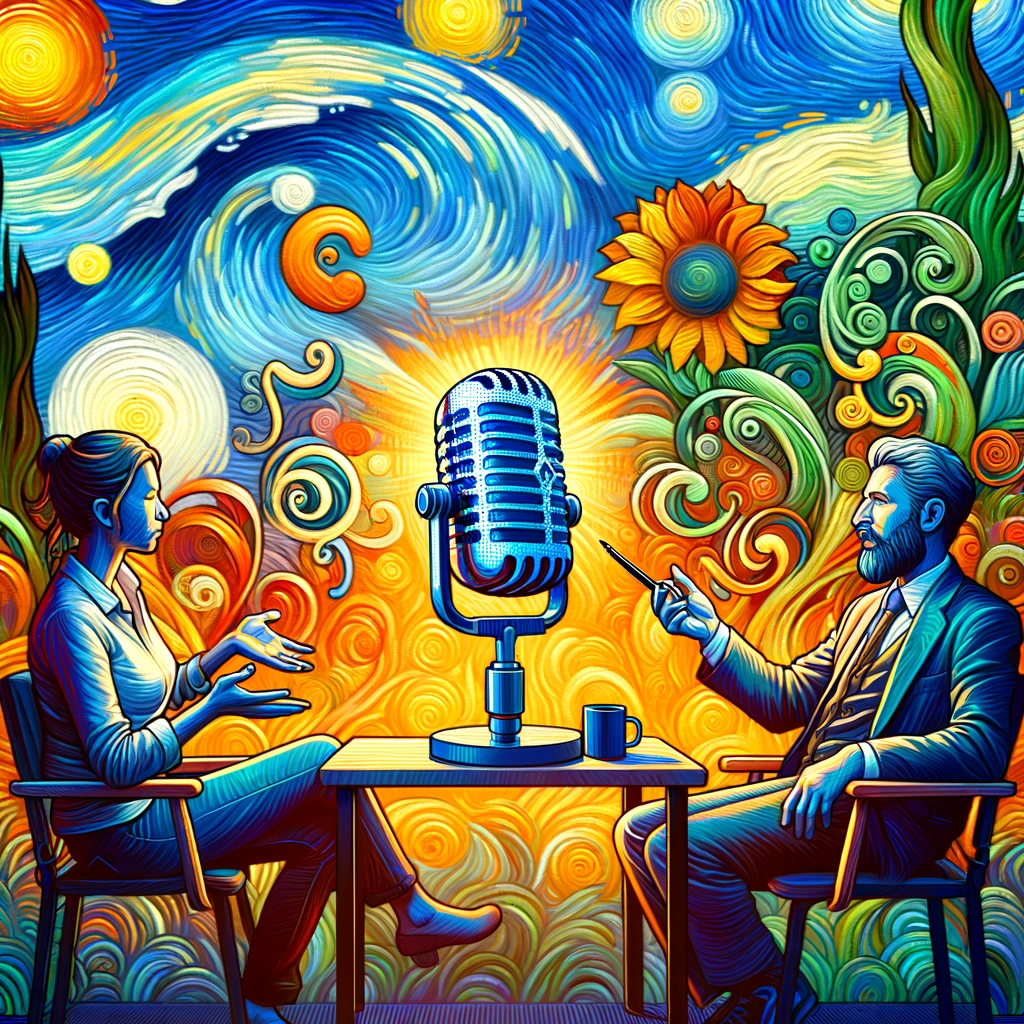
I Dubbed My Show In 5 Languages – Downloads Tripled
Table Of Contents
- I Dubbed My Show In 5 Languages – Downloads Tripled
- What Inspired You to Dub Your Show In Multiple Languages?
- How Did You Measure the Impact Of Language Dubbing on Downloads?
- What Challenges Did You Face In the Dubbing Process?
- How Have Your Viewers Reacted to the Multilingual Versions?
- What Is the Ethical Responsibility Of Reaching Diverse Audiences?
- How Can Language Accessibility Enhance Storytelling?
- What Role Does Cultural Nuance Play In Dubbing?
- Conclusion
- Other Resources
- Glossary Of Terms
- Other Questions
- Haiku
- Poem
- Checklist
What Inspired You to Dub Your Show In Multiple Languages?
When the dust settles after producing a show, it’s easy to think of it as just another project—wrapped in ribbons of creativity and delivered to a waiting audience. But, for us, the journey isn’t complete until we take that leap into the world of multiple languages. Imagine standing at the crossroads, where art and humanity meet, knowing that your words could either resonate or vanish in translation. The inspiration to dub our show in various languages sprouted from a simple, yet profound, realization: storytelling knows no borders.
In the heart of our production, we often reflect on a powerful moment from a recent podcast. One listener shared how our narrative struck a chord with them during a difficult time. It hit me then—stories can be lifelines. They connect us, remind us that we are not alone, that our experiences, fears, and aspirations are shared across cultures. Dubbing our show isn’t merely about translation; it’s about amplification, about ensuring that voice, that lifeline, reaches every person, regardless of the language they speak.
From a more practical standpoint, the rationale behind this decision is straightforward: a vast, untapped audience. There’s a world out there yearning for engagement, for content that mirrors their struggles and triumphs. We recognized that by bringing our show into different languages, we weren’t just expanding our reach; we were building bridges. Each dubbed episode is a conversation starter—an invitation for listeners to join a community that values diverse perspectives. It’s a chance to tear down the walls that separate us, one dubbed line at a time.
Ethically, it feels imperative. In an age where divisive narratives often dominate, we see this multilingual endeavor as a hopeful counter-narrative. By embracing diversity, we cultivate understanding and empathy. It’s not just about our authority as storytellers; it’s a recognition of the myriad voices out there waiting to be heard.
And let’s not forget the human touch—my grandmother used to say that a shared laugh in any tongue is worth a thousand words. By including multiple languages, we honor the beautiful tapestry of our audience. It reminds us that while our experiences might differ, the essence of human emotion binds us. So, as we continue to produce and translate, we know we’re not just broadcasting a show; we’re fostering connections. Ultimately, we’re inviting every soul to listen, relate, and join our shared narrative. That’s what drives us, what inspires us to keep going, and what fills our work with heart.

What Inspired You to Dub Your Show In Multiple Languages?
What Inspired You to Dub Your Show In Multiple Languages?
- The journey of producing a show extends beyond creativity to embracing multiple languages.
- Storytelling transcends borders, connecting people through shared experiences.
- Dubbing the show amplifies voices and ensures the narrative reaches diverse audiences.
- Expanding into different languages provides access to a vast, untapped audience and fosters community.
- This multilingual effort serves as a hopeful counter-narrative to divisive narratives in society.
- Incorporating multiple languages honors the diverse tapestry of the audience and human emotions.
- Overall, the goal is to foster connections and invite listeners to be part of the shared narrative.

What Inspired You to Dub Your Show In Multiple Languages?
How Did You Measure the Impact Of Language Dubbing on Downloads?
Imagine sitting down with a cup of coffee, tuning into a gripping podcast episode that transports you to another world. Now, imagine that world is adorned with the voices of characters speaking your native language, their emotions echoing in a way that resonates with your own experiences. Language dubbing does more than just translate words; it translates vibes, feelings, and nuances that bridge cultural gaps. Measuring its impact on downloads, then, isn’t just about numbers—it’s about understanding how many hearts and minds we touch.
When we think about downloads, we often rush to the analytics dashboard, a flurry of numbers and graphs. Yet, the true story lies beyond those pixels. It’s in the feedback from listeners—stories shared about a new favorite character who speaks with an accent that reminds them of home. One listener might express how a dubbed podcast helped them navigate their own life’s struggles, comforted by voices that feel familiar. Each download is a connection, an agreement that says, “I see you; I hear you.”
With each episode released in multiple languages, we found ourselves intentionally tracking engagement metrics—downloads, shares, and social media chatter. But the real magic? It happened when we took a step back to look at the qualitative data—the emails flooded with gratitude or the social media posts inviting friends to listen. It’s a testament to the ethical responsibility we carry as creators: ensuring that every story we tell is accessible, ensuring that everyone has a seat at the table, no matter what language they speak.
The direct correlation became undeniable. As we explored how language dubbing enhanced cultural relatability, downloads soared. It wasn’t just a technical achievement; it was an ethical imperative. Each story we shared through dubbing sparked conversations across diverse communities, fostering a sense of belonging. This ripple of connection was tangible and deeply rewarding.
To further illustrate, think of a beloved family recipe passed down through generations. Just as every ingredient matters, so do the voices that bring stories to life. They infuse each tale with flavor and emotion, nourishing the listener’s soul. Dubbing transcends mere translation; it becomes a culinary experience in audio form, seasoning the narrative with local zest.
It comes down to this: when we choose to diversify voices in our storytelling, we don’t just measure downloads—we ignite passions, create communities, and ensure that every listener, regardless of language, feels right at home in the tales we weave. So, let’s keep turning up the volume on those voices and watch as our community grows, one download at a time.

How Did You Measure the Impact Of Language Dubbing on Downloads?
How Did You Measure the Impact Of Language Dubbing on Downloads?
- Language dubbing enhances engagement by translating emotions and cultural nuances, bridging gaps between audiences.
- Listener feedback, rather than just analytics, reveals the deeper impact of dubbed podcasts on personal connections.
- Tracking qualitative data, such as gratitude emails and social media interactions, highlights the ethical responsibility of creators.
- Language dubbing shows a direct correlation with increased downloads, fostering cultural relatability and community conversations.
- Dubbing turns storytelling into a rich experience, infusing narratives with local flavor and emotional depth.
- Diverse voices in storytelling ignite passions and create inclusive communities for listeners of all languages.
- Each download represents a connection, affirming the shared human experience across cultures.

How Did You Measure the Impact Of Language Dubbing on Downloads?
What Challenges Did You Face In the Dubbing Process?
Dubbing is more than just matching words to lip movements; it’s about capturing the essence of a story and translating emotions across cultures. It’s a process fraught with challenges, each one demanding not just skill, but also a keen understanding of the narrative’s heartbeat. Picture this: you’re in a sound booth, mic in front of you, script in hand, preparing to breathe life into a character whose struggles take you back to a moment in your own life. It’s exhilarating, yet daunting.
One of the biggest hurdles in the dubbing process is the inherent difference in language rhythms. Each language has its own cadence, its own way of expressing urgency or tenderness. You can spend hours trying to find the perfect phrase that feels as heartfelt in the target language as it does in the original. I remember one session where I struggled to convey the desperation of a character orphaned by war. The original line came across as a whispering plea, but translating it into another language felt like shouting into a void. That’s when I realized: it’s not just the words that matter; it’s the silence in between and the shared humanity that connects us all.
Then there’s the technical challenge. Timing is everything in dubbing. Each word must sync perfectly with the visuals—glancing at a clock while pouring your soul into the character feels like doing a high-wire act without a net. If a line is delivered too quickly, the emotional weight can be lost; too slowly, and the moment loses its power. It’s like being a conductor, orchestrating a symphony of voices, emotions, and visuals into a seamless narrative.
Another layer of complexity involves cultural nuances. A joke that lands perfectly in one culture can fall flat, or even become offensive, in another. As I navigated this delicate landscape, I often recalled how my own experiences told me where to tread lightly. It’s about respect—respecting the original work, the intended audience, and the weight of storytelling as a bridge between worlds.
Ultimately, the biggest challenge lies in fostering connection. It’s about transforming a solitary experience into something that resonates with the collective heart of your audience. As we tackled each scene, it became clear that our job wasn’t just to duplicate sounds but to craft a shared journey—one that listeners could not only hear but feel in their gut. The comics of joy, sorrow, and understanding would invariably pave the way for more profound discussions, even inspiring listeners to explore their own narratives.
It’s this combination of heart, head, and a hefty dose of humility that makes the dubbing process both a challenge and a rewarding endeavor—a true podcast of emotions broadcast across languages.
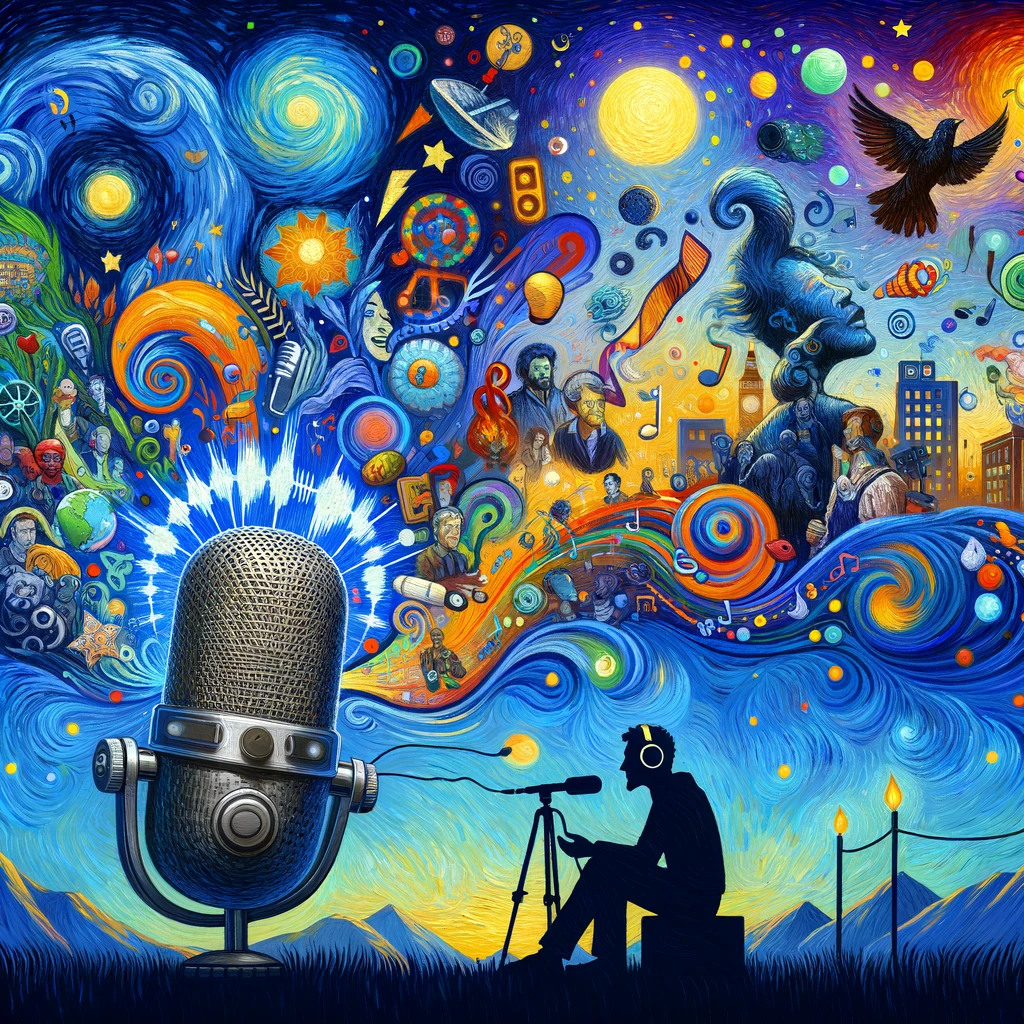
What Challenges Did You Face In the Dubbing Process?
What Challenges Did You Face In the Dubbing Process?
- Dubbing involves more than matching words to lip movements; it captures story essence and emotions across cultures.
- Language rhythms present significant challenges, requiring careful translation of urgency and tenderness.
- Timing is crucial; lines must sync with visuals to preserve emotional weight and narrative power.
- Cultural nuances can affect humor and meaning, requiring sensitivity to the original work and audience.
- The goal is to create a connection with the audience, transforming individual experience into collective resonance.
- Dubbing is a journey of shared emotions, fostering deeper discussions and personal narratives.
- The process combines skill, understanding, and humility, making it both challenging and rewarding.

What Challenges Did You Face In the Dubbing Process?
How Have Your Viewers Reacted to the Multilingual Versions?
The tapestry of human experience is rich, vibrant, and woven from threads of language. When we launched the multilingual versions of our content, we didn’t just introduce an adaptation; we opened a doorway. The reactions from our viewers have been nothing short of transformative, not just for them but for us as creators.
Imagine a mother in a cozy living room, her young child curled up beside her, hearing a familiar story told in their native tongue for the first time. The joy and connection that radiate from that moment are palpable. This is what we’re witnessing—a deep, emotional response that transcends mere comprehension. Viewers aren’t just passive recipients; they’re engaged participants in a shared experience that resonates with their hearts, drawing them closer to our community.
Yet, it’s not just emotion at play. On a rational level, the multilingual versions have expanded our reach significantly. By breaking down language barriers, we’ve tapped into diverse audiences who might have otherwise felt excluded. It’s about authenticity and respect, acknowledging that language is more than words; it’s a cultural lifeline. Our viewers appreciate that we see them, that we value their heritage, and that we’re willing to meet them where they are. This commitment fosters trust, igniting a sense of loyalty that strengthens the bond between creator and audience.
We’ve also uncovered an ethical imperative in this approach. Content should not just reflect the creator’s perspective; it should honor the myriad voices of its audience. As our viewers share their stories—how they’ve leaned on our content during trying times, or how a particular episode brought laughter into their home—the narrative weaves together, creating a powerful sense of belonging. It’s a reminder that we are all in this together, navigating the complexities of life through stories that unite us.
Interestingly, one viewer revealed that listening to the multilingual podcast version of our series while driving through their childhood neighborhood brought back wave after wave of nostalgia. It was a moment of reconnection to roots, heritage, and shared memories. These stories remind us of the importance of community, showing that, no matter the language we speak, the underlying emotions and shared experiences are universal.
So, as we move forward, we carry with us the lessons learned from those heartfelt reactions. They inspire us to continue exploring new languages, new stories, and deeper connections with our audience. Ultimately, the real success lies not just in the numbers or expansion but in the warmth we cultivate, one language at a time.

How Have Your Viewers Reacted to the Multilingual Versions?
How Have Your Viewers Reacted to the Multilingual Versions?
- The launch of multilingual content transforms viewer engagement and creator experience.
- Emotional connections are formed as viewers experience familiar stories in their native language.
- Breaking down language barriers expands reach to diverse audiences and fosters inclusion.
- Commitment to authenticity and respect strengthens trust and loyalty between creators and audiences.
- Content should reflect and honor the diverse voices of audiences, enhancing the sense of belonging.
- Nostalgia and community are evoked through shared experiences, regardless of language.
- The focus moving forward is on cultivating deeper connections and exploring new languages and stories.
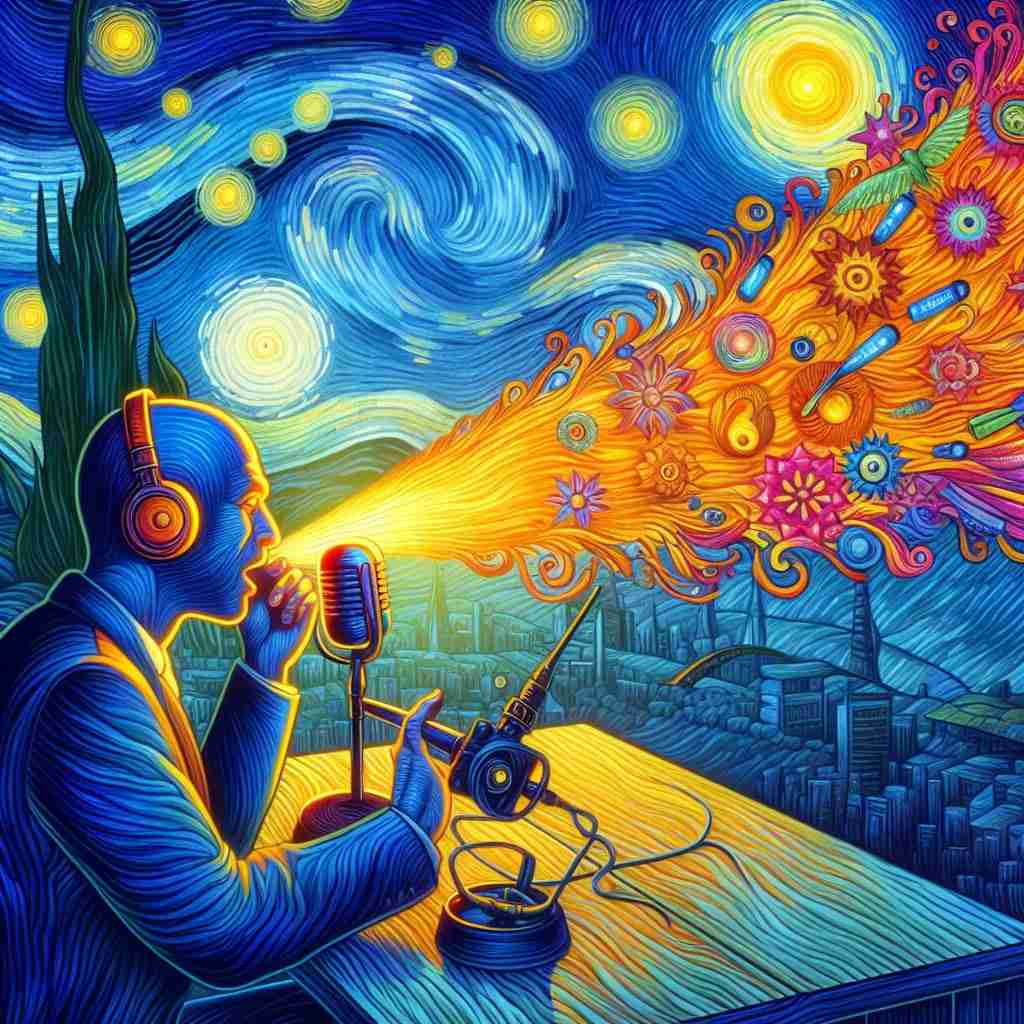
How Have Your Viewers Reacted to the Multilingual Versions?
What Is the Ethical Responsibility Of Reaching Diverse Audiences?
What Is the Ethical Responsibility of Reaching Diverse Audiences?
Engaging diverse audiences isn’t just a box to check; it’s an ethical imperative rooted in who we are as a society. When we aim to connect with people from various backgrounds, we’re not merely broadening our reach. We’re weaving a rich tapestry of perspectives that can enlighten, challenge, and inspire us all. Think about it: when was the last time a conversation with someone different from you didn’t spark a new idea or shake up your world view?
Picture a small-town butcher who decided to start a podcast aimed at educating the public about sustainable meat sourcing. In every episode, he invites farmers, chefs, and even environmentalists to share their views. From the steady hands of those who raise the animals to the fervent discussions about ethics, he fosters a community where everyone feels heard. This is more than just storytelling; it’s a commitment to ensure that every voice counts, shaping an understanding that transcends individual experiences.
The ethical responsibility to reach diverse audiences lies not only in representation but also in the acknowledgment of shared humanity. It’s essential to recognize that every demographic holds valuable insights, stories, and experiences. Ignoring them forfeits opportunities for growth and understanding. Think about how many innovations, artistic expressions, or societal changes have emerged from conversations initiated by someone daring to step outside their comfort zone.
Furthermore, to truly embrace diversity, we must confront our biases and clarify our intentions. It’s not enough to greet every demographic with open arms if we’re not prepared to listen and adapt. Authenticity in engagement creates trust—something essential in any interaction. It’s a narrative of accountability; the more we share our platforms and amplify underrepresented voices, the stronger our social fabric becomes, reinforcing our collective integrity.
Now, consider this: when we engage effectively with diverse groups, we help dismantle stereotypes and pave the way for empathy. This is where the heart meets the gut—fostering connection can lead to understanding, and understanding can inspire action. By taking on the ethical mantle of reaching out and making a genuine effort to connect with all walks of life, we don’t just fulfill an obligation; we create a better future.
So, whether through podcasts, community events, or everyday conversations, let’s commit to recognizing the voices that often go unheard. In doing so, we amplify our shared human experience, and that, my friends, is an engaging, powerful responsibility.

What Is the Ethical Responsibility Of Reaching Diverse Audiences?
What Is the Ethical Responsibility Of Reaching Diverse Audiences?
- Engaging diverse audiences is an ethical imperative essential for societal connection.
- Connecting with varied backgrounds enriches perspectives and inspires new ideas.
- A small-town butcher uses podcasts to amplify voices in sustainable meat sourcing.
- Reaching diverse audiences acknowledges shared humanity and fosters growth.
- Confronting biases and being authentic in engagement builds trust and accountability.
- Effective engagement dismantles stereotypes and fosters empathy.
- Commitment to recognizing unheard voices amplifies our shared human experience.

What Is the Ethical Responsibility Of Reaching Diverse Audiences?
How Can Language Accessibility Enhance Storytelling?
Language accessibility is more than just a checkbox on a diversity checklist; it’s the key that unlocks the door to human connection through storytelling. Imagine sitting around a fire, sharing tales with a diverse crowd. Each person brings their own language, their own culture, yet the essence of the story binds them together. That’s the magic of language accessibility. It allows stories to transcend barriers, reaching into the hearts and minds of people from different walks of life.
Take, for instance, a small community project I once encountered. A local group set out to create a podcast that featured the stories of its members, but they quickly realized that not everyone spoke the same language fluently. Instead of allowing these differences to hinder their efforts, they chose to embrace them. They brought in translators and community volunteers who not only translated the text but also captured the spirit of the stories. The result? A tapestry of narratives that resonated deeply, inviting listeners from all backgrounds to connect. This was storytelling in its purest form—raw, authentic, and inclusive.
When we talk about language accessibility, we’re discussing the ethical responsibility to ensure that everyone has a voice. In an era where our world feels more divided than ever, stories have the power to unite us. They bridge gaps of understanding and foster empathy. Picture a mother listening to a podcast in her native tongue, hearing her own struggles reflected in someone else’s tale. It might spark a sense of belonging, affirming that she is not alone in her battles.
But beyond the heartstrings, there’s a pragmatic element here as well. Think about the audience. A story that is accessible can travel farther, reach wider, and impact more lives. Those who craft narratives with accessibility in mind not only honor their listeners but also position themselves as authorities in their field. They create an environment ripe for dialogue, encouraging feedback and participation from diverse voices.
The essence of storytelling lies not just in the tale itself but in how it resonates with listeners. Language accessibility doesn’t dilute the message; it amplifies it, inviting people in. It’s like tuning into a heartfelt podcast late at night, feeling a connection to the storyteller who shares both the struggles and joys of life. It’s in these moments that we find common ground, allowing the unique experiences of individuals to weave together into a shared narrative, enriching us all.

How Can Language Accessibility Enhance Storytelling?
How Can Language Accessibility Enhance Storytelling?
- Language accessibility enhances storytelling, fostering human connection across diverse cultures.
- A community project demonstrated the power of inclusivity through translated podcasts that resonated with various listeners.
- Ethical responsibility in language accessibility ensures everyone has a voice in storytelling.
- Stories have the potential to unite people and promote empathy in a divided world.
- Accessible narratives can reach wider audiences and have a greater impact.
- Creators who prioritize accessibility position themselves as authorities and encourage diverse participation.
- Language accessibility amplifies messages, inviting deeper connections and shared narratives.

How Can Language Accessibility Enhance Storytelling?
What Role Does Cultural Nuance Play In Dubbing?
Cultural nuance in dubbing isn’t merely a technical consideration; it’s a powerful bridge connecting audiences across disparate worlds. Imagine watching a film originally in a language you don’t understand, only to feel the emotional weight of a scene dissolve in translation. Dubbed works can sometimes falter, losing the essence and authenticity of the original, leaving audiences unmoored in translation. It’s like serving a gourmet meal but using ingredients that clash rather than complement. The heart of storytelling lies in the details, and cultural nuances are those details.
Consider a podcast episode where a host recounts a childhood memory of a family gathering. A simple invite to dinner turns into a tapestry of cultural significance—an array of dishes, the warmth of shared laughter, the small but essential rituals that define the culture. Apply this to dubbing: when the original dialogue captures the essence of such moments, the translator’s challenge is to infuse the same warmth, humor, and subtlety into a new language. This isn’t just about translating words; it’s about translating feelings and experiences that resonate universally.
Dubbing requires an awareness that transcends mere language; it demands an understanding of context. Imagine a joke about regional weather that’s only funny to locals. Remove the context, and the humor evaporates. Rather than just substituting one word for another, the nuanced approach demands the voice actor embody the character’s spirit, invoking cultural references that ring true in the new language.
This is where authority and ethics play a pivotal role. Voice actors and translators often grapple with the responsibility of preserving a narrative while making it relatable for a new audience. They must wield their craft with the delicacy of a skilled artisan, considering the broader cultural implications of their choices.
For instance, think of an iconic film that dives deep into cultural struggles. If we merely convey the storyline without infusing its essence, we rob audiences of the raw, visceral impact that comes from shared cultural experiences. What if a climactic moment meant something entirely different in another culture? By acknowledging these differences, the dubbing process fosters connection rather than division, aligning the heart with the head in a harmonious balance.
Culturally nuanced dubbing invites audiences not just to watch but to engage—offering them a chance to feel what the original viewers felt. It’s an invitation to explore together, chapters unfolding across languages, revealing the art of storytelling at its finest. So, the next time you listen to a podcast or dive into a dubbed film, remember the artistry at play, and appreciate the fine nuances woven into that shared experience.

What Role Does Cultural Nuance Play In Dubbing?
What Role Does Cultural Nuance Play In Dubbing?
- Cultural nuance in dubbing is vital for connecting diverse audiences.
- Dubbed works can lose the essence of the original, affecting emotional depth.
- Translators must convey warmth, humor, and cultural significance, not just words.
- A contextual understanding enhances comedy and emotional relevance in dubbing.
- Voice actors have the responsibility to preserve narratives while adapting them.
- Culturally nuanced dubbing fosters connection and understanding among viewers.
- This process invites audiences to engage deeply with the story and its emotions.

What Role Does Cultural Nuance Play In Dubbing?
Conclusion
The journey of dubbing a show into five languages transformed not only audience reach, but also the essence of storytelling itself. Initially conceived as a means to broaden my listener base, the endeavor morphed into a heartfelt mission, forging connections across diverse cultures. The revelation that stories can transcend borders sparked an unquenchable desire to engage with different histories and traditions, reminding me that each language possesses its own rhythm, humor, and soulful expression.
While the technical challenges of dubbing were daunting, the ethical responsibility weighed even heavier. Each language carried the potential to convey deeper meanings, yet I grappled with the obligation to respect cultural nuances. My commitment was not just to amplify my voice, but to ensure the stories of others were honored—stories often left unheard, yet rich with emotion and significance. During this process, I saw my listeners transform into a community, engaging in dialogues that transcended geographical confines. The emails and social media messages flooded in, illuminating the emotional impact of this venture. Downloads may have tripled, but the real triumph was the creation of a shared narrative, celebrating our collective experiences.
This endeavor wasn’t merely about inclusion; it was an ethical undertaking, recognizing the power of diverse voices and the mutual understanding they foster. We introduced each dubbed version as an invitation for listeners to share in a communal experience, bridging gaps and dismantling barriers. Each episode became a conversation starter, echoing the sentiment that we are all united through storytelling, regardless of the language spoken. This was about crafting a tapestry of human experience—one that reflects our shared journeys and honors every voice.
The emotional depth of this work connects everyone involved, igniting a passion that is both exhilarating and humbling. When someone hears their own struggles articulated in a story, it provides not just comfort, but validation. Dubbing transcends simple translation. It enhances emotional resonance, allowing the narrative’s essence to travel alongside its new, multilingual form. This initiative drives home an essential truth: every person’s voice matters. By continuing to tell these tales in multiple languages, we cultivate understanding, empathy, and belonging. Ultimately, the mission is to unite, inspire, and celebrate our shared humanity—an endeavor rooted in the belief that every story deserves to be told, and every listener deserves to connect.

Conclusion
Conclusion:
- The dubbing of a show into five languages expanded audience reach and transformed storytelling.
- What started as a way to broaden listenership evolved into a mission connecting diverse cultures.
- Stories transcending borders highlighted the unique rhythms, humor, and expressions of each language.
- While overcoming technical challenges, ethical responsibility to respect cultural nuances was paramount.
- The endeavor fostered community dialogue, enhancing the emotional impact of shared narratives.
- Each dubbed version served as an invitation for communal experiences and bridging barriers.
- The initiative emphasizes that every voice matters, aiming to cultivate understanding and celebrate shared humanity.

Conclusion
Other Resources

Other Resources
Here is a list of other resources you can review online to learn more:
- Plurk
- Expertise.tv
- Patreon
- AI to Human Copywriting System
- NCH Software
- Planly
- Threads
- Podcast Guru
- Podcast Addict
- Pandora
- SquadCast
- Medium
- CastBox
- Streamlabs
- AI Success Club
- Podchaser
- Patreon for Podcasters
Use This Prompt To Get More Resources With Your Favorite Online AI Tool: Please provide me with a list of online articles with their URLs in a bulleted list that I can read regarding I Dubbed My Show In 5 Languages – Downloads Tripled

Other Resources
Glossary Terms
I Dubbed My Show In 5 Languages – Downloads Tripled – Glossary Of Terms
1. Dubbed: The process of replacing the original audio of a film or show with a voiceover in another language.
2. Multilingual: The ability to speak or operate in multiple languages.
3. Localization: The adaptation of content to meet the language and cultural nuances of a specific audience.
4. Subtitles: Text displayed at the bottom of a screen that translates or transcribes the dialogue spoken in a film or show.
5. Voiceover: A production technique where a voice is recorded for use in a film or show, often in a different language.
6. Target Audience: The specific group of viewers a show is intended to reach, often defined by language, culture, or demographic factors.
7. Cultural Context: The social and cultural factors that influence the interpretation and meaning of content in different regions.
8. Marketing Strategy: A plan to promote a product or service to a target audience to increase visibility and engagement.
9. Streaming Platforms: Online services that allow users to watch content, such as films and TV shows, via internet connection.
10. Content Creation: The process of generating ideas and producing content for various platforms and formats.
11. Viewer Engagement: The level of attention and interaction a viewer has with a piece of content.
12. Digital Distribution: The online delivery of media content, enabling access from various devices and locations.
13. Analytics: The collection and analysis of data to understand viewer behavior and content performance.
14. Binge-Watching: The practice of watching multiple episodes or entire seasons of a show in one sitting.
15. Cross-Promotion: A marketing strategy where two or more products or shows are promoted together to increase reach and effectiveness.
16. Feedback Loop: The process of collecting viewer responses and using them to inform future content decisions.
17. Quality Control: Ensuring that the dubbed audio meets certain standards for clarity, accuracy, and pacing.
18. Episodic Content: Media released in segments or episodes, often leading to continued viewer interest.
19. Branding: The process of creating a unique image and identity for a show to stand out in the market.
20. Social Media Strategy: The plan for using social platforms to promote content and engage with viewers.
21. Audience Retention: The ability to keep viewers coming back for more content over time.
22. Distribution Rights: Legal permissions granted to share or exploit content in certain markets or territories.
23. Digital Footprint: The online presence and engagement metrics of viewers interacting with a show.
24. Monetization: The strategies used to generate income from content, such as ads or subscription models.
25. Brand Partnerships: Collaborations between shows and companies to enhance visibility and reach.
26. Transcription: The process of converting spoken dialogue into written text for use in subtitles or translations.
27. Adaptation: Modifying original content to fit different formats or languages while maintaining core elements.
28. Viewer Demographics: Statistical data that describes the characteristics of the audience watching a show.
29. Content Strategy: A comprehensive plan for creating and distributing content to achieve specific objectives.
30. Show Premiere: The initial screening of a show, often accompanied by marketing efforts to generate buzz and attract viewers.

Glossary Of Terms
Other Questions
I Dubbed My Show In 5 Languages – Downloads Tripled – Other Questions
If you wish to explore and discover more, consider looking for answers to these questions:
- Which five languages did you choose and why those specific ones?
- How did you decide which episodes to dub first?
- What was the total cost per language and overall for the project?
- Did you use human translators, AI tools, or a hybrid approach?
- How did you recruit and select voice actors for each language?
- Were the voice actors native speakers and culturally familiar with the content?
- How long did the dubbing process take per episode and per language?
- What software and technical workflow did you use for recording and post‑production?
- How did you handle timing and cadence differences between languages?
- Did you localize jokes, idioms, and cultural references or translate them literally?
- Did you enlist cultural consultants or local reviewers to ensure sensitivity?
- How did you verify translation accuracy and preserve the original tone?
- What quality‑control steps did you implement before release?
- How did downloads increase by language and by region—uniformly or unevenly?
- Which metrics beyond downloads did you track (listen time, completion rate, shares)?
- How did dubbing affect listener retention and episode completion rates?
- What promotional or marketing strategies accompanied the multilingual launches?
- Did the multilingual versions attract different demographic audiences?
- Were there measurable increases in subscriptions, donations, or ad revenue?
- How did you handle ad insertion and sponsorships across different languages/regions?
- Did you encounter any legal, licensing, or copyright issues when distributing internationally?
- How did you adapt episode titles, descriptions, and metadata for SEO in other languages?
- Are transcripts, show notes, and episode resources available in all dubbed languages?
- Did you provide captions or subtitles for any video content tied to the show?
- How did you collect and respond to listener feedback in multiple languages?
- Were there any negative reactions, misunderstandings, or cultural controversies?
- How did you credit translators, voice actors, and localization contributors?
- What was your process for correcting translation or delivery errors after publishing?
- How scalable is your dubbing workflow for adding more languages in the future?
- What criteria will you use to choose additional languages going forward?
- Do you plan to produce original content in the dubbed languages or only translated episodes?
- Did you test different voices or styles (A/B testing) to see what resonated locally?
- How did dubbing impact community engagement, listener conversations, and user‑generated content?
- What key lessons or best practices would you share with creators considering dubbing?
- How do you measure long‑term ROI for the investment in multilingual production?
- What privacy, data protection, or compliance considerations did you address for global audiences?
- How will you maintain consistency if you update or repurpose original episodes later?

Other Questions
Haiku
I Dubbed My Show In 5 Languages – Downloads Tripled – A Haiku
Voices intertwine,
Stories bridge our vast divide.
Hearts connect through tales.

Haiku
Poem
I Dubbed My Show In 5 Languages – Downloads Tripled – A Poem
In a world of voices, diverse and bright,
I dubbed my tales in five tongues of light.
What once began as a whisper, now roars,
As downloads tripled, unlocking closed doors.
Stories flowed across borders, hearts intertwined,
Each language a bridge, an embrace that aligned.
From Italy’s charm to depths of despair,
Emotions translated, echoing care.
With every nuance, a culture unveiled,
Humor and sorrow through laughter exhaled.
I danced with the rhythms, each heartbeat a song,
Connecting the many, proving we belong.
A responsibility carried, each tale passed down,
Amplifying voices that might drown in the sound.
Emails of gratitude, shared moments of grace,
My podcast transformed, a warm, welcoming space.
Challenges faced in the dubbing parade,
Matching the essence that each life replayed.
Timing and cadence, a delicate art,
Capturing feelings, the language of heart.
Engagement ignited, conversations ignited,
Through barriers shattered, communities united.
An ethical obligation—a tapestry spun,
Every voice, every story—a thread to be run.
In this journey of languages, together we stand,
Crafting a narrative that spans every land.
For in every tongue, a truth is revealed,
We’re all in this together; our hearts are unsealed.

Poem
Checklist
I Dubbed My Show In 5 Languages – Downloads Tripled – A Checklist
Emotional Appeals
✅______ Reflect on how diverse stories resonate with personal experiences.
✅______ Consider emotional moments when listening to dubbed content in native languages.
✅______ Share personal connections to stories that evoke nostalgia or empathy.
Rational Appeals
✅______ Evaluate the impact of language diversity on audience engagement metrics.
✅______ Analyze feedback and reactions from listeners on how dubbing enhances their experience.
✅______ Assess the ethical implications of making content accessible across cultures.
Ethical Appeals
✅______ Acknowledge the responsibility of representing diverse voices in storytelling.
✅______ Commit to honoring cultural nuances and traditions in dubbing processes.
✅______ Strive to create content that fosters understanding and connection among audiences.
Authority Appeals
✅______ Cite successful examples of multilingual content increasing audience reach and engagement.
✅______ Leverage testimonials from listeners highlighting the value of relatable storytelling.
✅______ Share expertise on the intricacies of dubbing and cultural translation challenges.
Narrative Appeals
✅______ Invite stories from listeners about their experiences with dubbed content.
✅______ Use narratives that illustrate the transformative power of language in storytelling.
✅______ Highlight the journey of developing a multilingual podcast and its impact on global audiences.
Social Appeals
✅______ Encourage sharing listener experiences on social media to build a community.
✅______ Foster open dialogues about culture and identity through multilingual narratives.
✅______ Create opportunities for listeners to engage and contribute their stories.

Checklist
At PodcastBig, we help people who want to learn about podcasting by collating information and news about podcasting.
Be sure to read our other related stories at PodcastBig to learn more about podcasting.