

Podcast Your Way To Immediate Impact
By Tom Seest
At PodcastBig, we help people who want to learn about podcasting by collating information and news about podcasting.
Be sure to read our other related stories at PodcastBig to learn more about podcasting.
How Soon Can You Start Podcasting and Change Lives Immediately?
If you’re sitting there pondering whether to dive into the world of podcasting, let me assure you: the gate is wide open. You see, starting a podcast is like putting on a tool belt; all you really need is the right mindset and a willingness to learn. In today’s digital age, the barriers that once separated dreamers from doers have all but disappeared. So, how soon can you actually start podcasting and, who knows, change lives in the process? The short answer? Right now!
First things first, you don’t need a NASA-level studio or a PhD in sound engineering. What you do need is a compelling idea and a passion for sharing stories. Whether it’s diving deep into niche interests or tackling wider social issues, your unique voice is what can reverberate through the ears of listeners. Just imagine the power of your perspective reaching someone who needs to hear it. Start by outlining your concept and jotting down a few episodes. You’ll be surprised how that initial spark can quickly evolve into a roadmap for a series that resonates with you and your audience.
Gear? Sure, it’s nice to have quality equipment, but even a decent smartphone recorder can do the trick in the beginning. Get set up with a simple editing software, and you’re good to go. Don’t get bogged down in perfectionism; your first episodes don’t need to be flawless. The important thing is to hit that “record” button and get your voice out there.
Next, let’s talk distribution. Platforms like Spotify and Apple Podcasts are your best friends. These sites want fresh content, and they want it now. Once you’ve created and edited your episodes, uploading them is as easy as a few clicks. Suddenly, just like that, your words are out there, available for people everywhere to listen to, learn from, and even benefit from.
So, how soon can you start podcasting and change lives? It’s really up to you. The moment you decide to step into this arena, you open the door to all kinds of possibilities—both for yourself and those who will hear what you have to say. Don’t wait for the stars to align; the time to act is now! Your voice just might inspire the next generation—or someone struggling to find hope. The world is listening; all you need to do is start.

How Soon Can You Start Podcasting and Change Lives Immediately?
How Soon Can You Start Podcasting and Change Lives Immediately?
- Starting a podcast is accessible; the key is having the right mindset and willingness to learn.
- You don’t need advanced equipment or expertise; a compelling idea and passion are essential.
- Outline your concept and develop episodes to create a resonating series.
- Basic recording tools like a smartphone and simple editing software are sufficient to begin.
- Don’t focus on perfection; prioritize getting your voice out there by recording your episodes.
- Distribute your podcast on platforms like Spotify and Apple Podcasts for easy accessibility.
- The time to start podcasting and inspire others is now; your voice can make a difference.

How Soon Can You Start Podcasting and Change Lives Immediately?
Table Of Contents
- How Soon Can You Start Podcasting and Change Lives Immediately?
- What Equipment Do I Need To Start Podcasting Quickly?
- How Do I Choose A Podcast Topic That Resonates?
- What Are The Steps To Record My First Podcast Episode?
- How Can I Edit My Podcast Without Advanced Skills?
- What Software Is Best For Beginner Podcasters?
- How Can I Promote My Podcast From Day One?
- What Are Common Mistakes To Avoid When Starting A Podcast?
- Conclusion
- Other Resources
- Glossary Of Terms
- Other Questions
- Haiku
- Poem
- Checklist
What Equipment Do I Need To Start Podcasting Quickly?
Alright, folks, let’s get into the nitty-gritty of launching your very own podcast. You might be wondering, “What do I need to dive into this world?” Well, let me tell you, it doesn’t take a fortune or a Ph.D. in audio engineering. It just requires a bit of savvy and some decent equipment to get the ball rolling.
First things first, you’ll need a good microphone. You don’t have to break the bank here; a USB microphone can do wonders without making your wallet cry. Look for something like the Audio-Technica ATR2100x. It delivers solid sound quality without professional-level hassles. It’s the bread and butter in the podcasting toolkit and gets you ready to capture every nuance of your voice.
Next on the list is a pair of headphones. The goal here is to hear yourself clearly. You want to catch those pesky audio hiccups before they find their way into the final cut. A simple pair of closed-back headphones will do the trick. Just make sure they’re comfortable, because you might be wearing them for a while.
Don’t forget about a reliable recording and editing software. There are plenty of free options, like Audacity or GarageBand, that’ll allow you to slice and dice your audio like a seasoned chef. Once you’ve got your voice recorded, these tools will help you polish it up and make it sound just right for your audience.
Now, if you’re planning to bring in the big guns, like guest speakers—yes, the ones who add all those spicy flavors to your podcast—consider investing in an audio interface. This little gadget allows you to connect multiple microphones and gives you control over the audio input levels. You may also want a pop filter to keep those annoying plosives at bay, ensuring your audience isn’t blasted with every ‘p’ and ‘b’ sound.
Lastly, think about where you’ll be recording. A quiet space with soft furnishings can do wonders for your sound quality. If you’ve got a little extra time on your hands, throw some extra pillows or rugs around. They might not look pretty, but they’ll absorb unwanted noise, making your podcast sound all the more professional.
So there you have it—a list of essentials that’ll have you up and running in no time. With the right equipment, you’re not just starting a podcast; you’re opening a door into conversations, stories, and ideas that matter. Grab that mic, hit record, and let the world hear what you have to say!

What Equipment Do I Need To Start Podcasting Quickly?
What Equipment Do I Need To Start Podcasting Quickly?
- Launching a podcast requires savvy and decent equipment, not fortune or advanced degrees.
- A good microphone, such as the Audio-Technica ATR2100x, is essential for quality sound.
- Comfortable closed-back headphones are necessary to monitor audio and catch hiccups early.
- Reliable recording and editing software, like Audacity or GarageBand, helps polish your audio.
- Consider an audio interface for connecting multiple microphones and controlling input levels.
- A quiet recording space with soft furnishings can significantly improve sound quality.
- With the right equipment, you can start a podcast and engage audiences with meaningful conversations.

What Equipment Do I Need To Start Podcasting Quickly?
How Do I Choose A Podcast Topic That Resonates?
Choosing a podcast topic that resonates is like deciding what kind of shirt to wear on a chilly Monday morning; you want something that feels right and reflects who you are—without making you sweat. Now, podcasts are a unique medium, allowing you to connect with an audience in ways that a blog or a tweet just can’t match. So, how do you land that perfect topic?
First and foremost, ask yourself what you genuinely care about. If you’re passionate about the subject, your enthusiasm will shine through the mic. Think about your hobbies, your career, or even the quirky, bizarre knowledge you’ve accumulated over the years. A podcast about your niche interests, even if they seem trivial to some, can strike a chord with others who share that passion. Authenticity is key, and the right audience will find you through your genuine interest.
Next, consider your audience. Who do you want to talk to? Imagine sitting down for a coffee with your ideal listener—what topics would make their ears perk up? This isn’t a guessing game; it’s about understanding the potential audience’s desires and pain points. A well-researched approach can go a long way. Search forums or social media groups where people discuss topics related to yourInterest. Engage in conversations, ask questions, and discover what piques their interest.
Don’t overlook the value of storytelling. A topic alone might not draw in listeners, but a narrative woven around that topic can be spellbinding. Think of it as an adventure—plot twists, struggles, and triumphs will keep your audience coming back for more. Whether it’s an exploration of historical events, a series of interviews with experts, or even your journey through a unique experience, engaging storytelling will turn a mundane podcast into something unforgettable.
Lastly, remember that your podcast isn’t set in stone. It’s okay to pivot as you grow. The beauty of podcasting lies in its flexibility. You can start with one topic and evolve into something else entirely as you learn and adapt.
In summary, choose a podcast topic that reflects your passions, resonates with your audience, and tells a compelling story. You’d be amazed at how a little introspection can lead you to create content that not only captivates but also creates community. Now, grab that mic and get started. Who knows? Your voice might just be what someone out there has been waiting to hear.
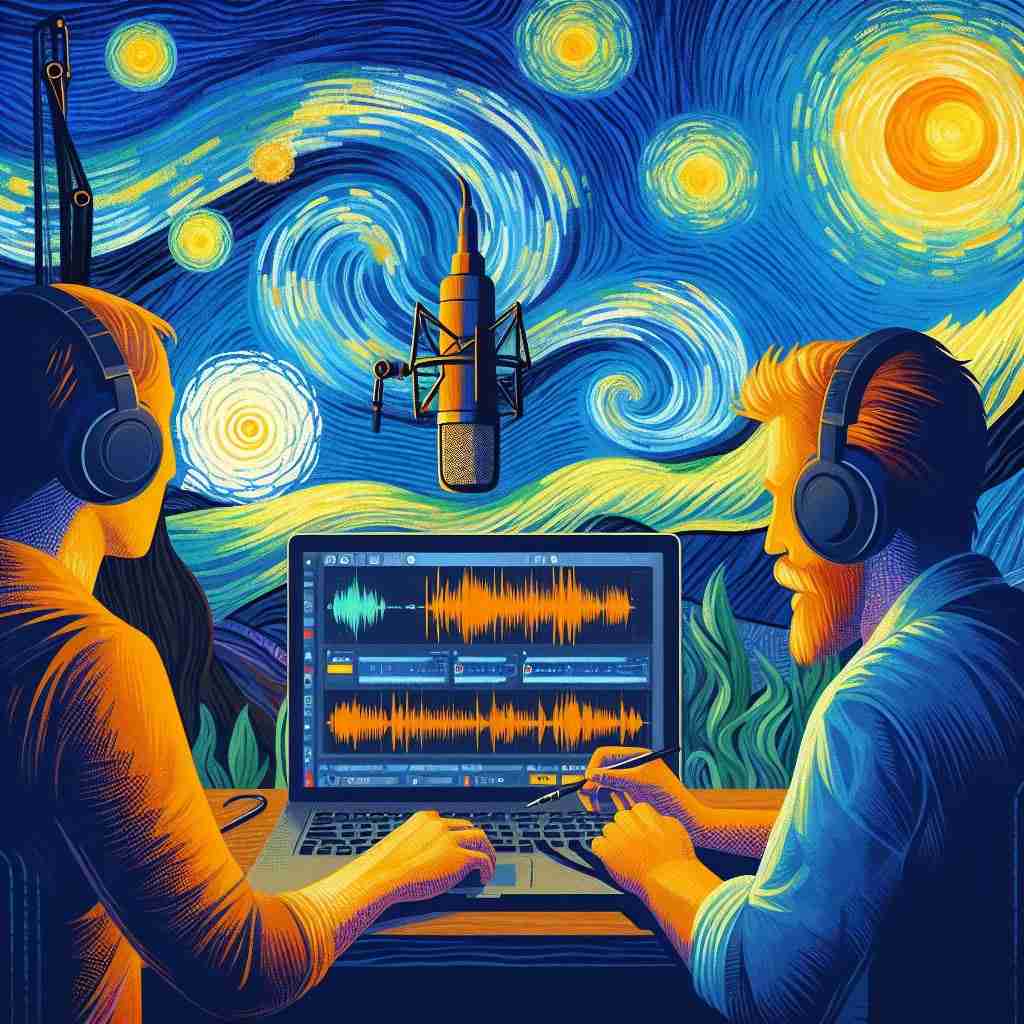
How Do I Choose A Podcast Topic That Resonates?
How Do I Choose A Podcast Topic That Resonates?
- Choose a podcast topic that resonates and reflects your identity.
- Passion for your subject is crucial; it will shine through in your presentation.
- Think about your hobbies, career, or unique knowledge to find your niche.
- Consider your audience’s desires and pain points to engage them effectively.
- Leverage storytelling to create a captivating narrative around your topic.
- Stay flexible; it’s okay to pivot your topic as you learn and grow.
- Introspection can lead to compelling content that builds community.

How Do I Choose A Podcast Topic That Resonates?
What Are The Steps To Record My First Podcast Episode?
So, you’ve decided to dive into the captivating world of the podcast. You’ve got a great topic that’s been bouncing around in that noggin of yours, and you’re itching to share it with the world. But before you hit “record” and spill your thoughts into the digital ether, let’s put together a solid game plan. Here are the steps you’re going to want to follow on your journey to producing your first podcast episode.
1. Define Your Concept:
Before you start recording, get crystal clear on your podcast’s theme. Is it educational? Humorous? A blend of both? Spend some time crafting a concept that resonates with you, because if you’re passionate about it, your listeners will be too. Jot down a few ideas about what makes your podcast unique and what value you’re bringing to the table.
2. Gather Your Gear:
Now, don’t get lost in the weeds of fancy equipment. Sure, professional-level microphones are nice, but starting with what you’ve got is perfectly fine. A decent USB microphone and a pair of headphones will do the trick. As long as your sound is clear and your recording is stable, you’re well on your way to launching your podcast.
3. Script or Outline:
While spontaneity has its charm, don’t underestimate the power of preparation. Create an outline or a loose script for your episode. This will help you stay focused and avoid rambling. Make sure to map out key points, interesting anecdotes, and any segments you want to include. Just remember, a little structure can go a long way.
4. Find Your Space:
Next, choose your recording location wisely. You want a spot that’s quiet and free from distractions—preferably with some sound-absorbing materials around to soften echoes. Think of it like carving out your own little sanctuary for podcasting.
5. Hit Record:
Once everything is set, it’s time to hit that record button! Don’t be nervous; just be yourself! Remember, there’s a good chance you’ll do a few takes. Embrace the process and don’t sweat the edits—you’re telling a story here.
6. Edit and Polish:
Once you’ve captured your audio, it’s time to work your editing magic. Use software that suits your skill level, and trim any awkward pauses or mistakes. Adding a background music track or sound effects can elevate your podcast, but don’t overdo it. Stay true to your voice.
7. Publish and Promote:
Last but not least, share your podcast with the world! Choose a hosting platform that fits your needs, submit your podcast to directories like Apple Podcasts or Spotify, and start promoting it through social media and word-of-mouth.
There you have it! Follow these steps, and you’ll be well on your way to producing your very first podcast episode. Now, get out there and make some noise!
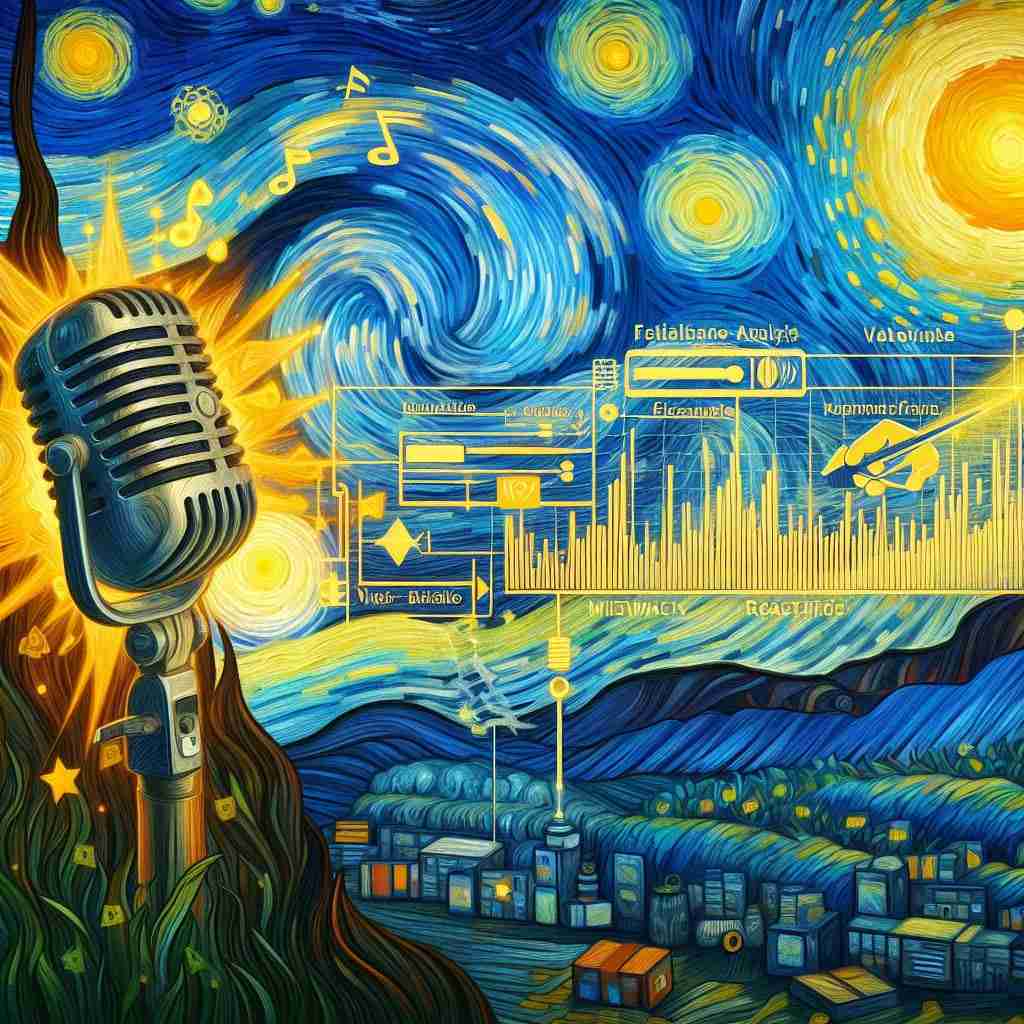
What Are The Steps To Record My First Podcast Episode?
What Are The Steps To Record My First Podcast Episode?
- Define Your Concept: Clarify the theme of your podcast, whether it’s educational, humorous, or a mix of both, to ensure it resonates with listeners.
- Gather Your Gear: Start with basic equipment like a USB microphone and headphones; clear sound is crucial, so focus on quality over quantity.
- Script or Outline: Prepare an outline or loose script to maintain focus and structure throughout your episode.
- Find Your Space: Select a quiet recording location with sound-absorbing materials to minimize distractions and echoes.
- Hit Record: Be yourself when recording; embrace multiple takes and remember that storytelling is key.
- Edit and Polish: Use editing software to refine your audio by removing mistakes and adding light touches like background music.
- Publish and Promote: Choose a suitable hosting platform, submit your podcast to directories, and promote it via social media.

What Are The Steps To Record My First Podcast Episode?
How Can I Edit My Podcast Without Advanced Skills?
Editing your podcast doesn’t have to feel like rocket science, even if you don’t have a degree in audio engineering or a fancy studio in your basement. In fact, many successful podcasters began this journey armed with little more than a laptop, earbuds, and a willingness to learn. The secret sauce is a mix of the right tools, some basic techniques, and a little patience.
First off, let’s talk about the tools. You don’t need to invest a fortune in equipment to produce a decent podcast. There are plenty of free or low-cost software options that are user-friendly and accessible. Programs like Audacity or GarageBand cater to beginners and provide the essential features to trim, cut, and enhance your recordings without overwhelming you with complexity. You can manage your audio tracks, adjust levels, and eliminate background noise—all with a click or two.
Now, when it comes to editing your podcast, focus on the basics. Start by listening through your recording and marking any spots that need work. Whether it’s a pesky um or a long pause that you want to cut out, be proactive. Cutting out the fluff not only tightens your narrative, but it also keeps your audience engaged. Aim for clarity and fluidity—no one enjoys wading through muddled dialogue.
Next, add some subtle flavor to your podcast with sound effects or background music. Think of it as seasoning: a little can enhance the flavor without overpowering the dish. There are royalty-free music libraries where you can find tracks to match the tone of your show, creating a cohesive listening experience.
And don’t forget about compression and normalization! These terms might sound like advanced jargon, but they are simply tools to balance your audio levels. By compressing the dynamic range and normalizing volume, you ensure that your listeners don’t have to constantly adjust their volume settings. Simple toggles in your editing software make this process easier than flipping a light switch.
Lastly, remember that editing is a skill that improves with practice. Each episode you edit contributes to your growing understanding of pacing, tone, and audio quality. So don’t be afraid to experiment! Mistakes might happen, but they lead to growth. Embrace the learning curve, and soon, your podcast will sound sharper and more professional, making it a true reflection of your passion and hard work. Happy editing!

How Can I Edit My Podcast Without Advanced Skills?
How Can I Edit My Podcast Without Advanced Skills?
- Editing podcasts is accessible without needing audio engineering degrees or expensive equipment.
- Many successful podcasters start with basic tools like laptops and earbuds, plus a willingness to learn.
- Free or low-cost software options like Audacity and GarageBand offer user-friendly editing features.
- Focus on basic editing techniques, such as cutting out unnecessary filler to maintain audience engagement.
- Add sound effects or background music for enhancement, using royalty-free libraries to match your show’s tone.
- Utilize compression and normalization to balance audio levels, ensuring a consistent listening experience.
- Editing is a skill that improves with practice—experiment and embrace mistakes to enhance your podcast quality.

How Can I Edit My Podcast Without Advanced Skills?
What Software Is Best For Beginner Podcasters?
When diving into the world of podcasting, choosing the right software can feel like trying to find a needle in a haystack. But fear not! Just like a good toolbox, the right software can make the journey from idea to finished podcast smoother than a hot knife through butter. Let’s explore some options that are ideal for those just starting out in this audio adventure.
First up, we have Audacity. This free, open-source software is a beacon for novice podcasters. With an array of features, it offers everything from multi-track editing to noise reduction, making it perfect for those who want to polish their sound without breaking the bank. Sure, it has a bit of a learning curve, but it’s nothing that a couple of YouTube tutorials can’t smooth out. With Audacity, you can record your discussions, edit out those pesky umms and ahhs, and lay down some background music like a pro.
Next on the list is GarageBand, tailored for the Apple crowd. Think of it as your Swiss Army knife of audio editing. With its user-friendly interface, it provides an easy entry point into the world of podcast production. It offers pre-recorded music loops and sound effects, allowing budding podcasters to create dynamic, engaging content right out of the gate. All you have to do is plug in your mic, hit record, and let your ideas flow like fine wine from a bottle.
For those who prefer all-in-one solutions, consider Anchor. This app is not just about recording; it’s a podcast hosting platform that simplifies distribution too. With a single click, you can get your podcast on Spotify, Apple Podcasts, and more. It’s like having a personal assistant who handles all the legwork while you focus on what truly matters: creating killer content.
Finally, if you’re looking to do some serious editing, Adobe Audition might catch your eye. While it comes with a price tag, it’s packed with professional-grade features that allow for advanced editing techniques. It’s a solid choice for those who want to invest in their craft as they grow.
The best podcast software for you depends on your specific needs, but start simple, experiment, and find out what “works” for your unique voice. After all, every podcast begins with a story, and that story deserves to be told right. Now, go out there and make some noise!

What Software Is Best For Beginner Podcasters?
What Software Is Best For Beginner Podcasters?
- Choosing podcasting software can be challenging, but it is essential for a smooth production process.
- Audacity is a free, open-source tool ideal for beginners, offering features like multi-track editing and noise reduction.
- GarageBand is a user-friendly option for Apple users, featuring pre-recorded loops and sound effects for easy content creation.
- Anchor is an all-in-one app that combines recording and hosting, simplifying the distribution process to platforms like Spotify and Apple Podcasts.
- Adobe Audition offers professional-grade features for serious editing, although it comes with a cost.
- It’s important to start simple and experiment with different tools to find the best fit for your podcasting needs.
- Each podcast begins with a story, and the right software can help you tell that story effectively.

What Software Is Best For Beginner Podcasters?
How Can I Promote My Podcast From Day One?
Starting a podcast is like embarking on a thrilling, uncharted journey. You’ve got your gear, your topic, and perhaps even a few stories bouncing around in your head. But before you hit the “record” button, there’s one important question to tackle: how do you get the word out? It might seem daunting, but promoting your podcast from day one doesn’t have to be rocket science. Let’s break it down.
First off, think of your podcast as a well-crafted boat ready to set sail. Just like you wouldn’t push it out to sea without checking the leaks, you need to ensure everything is in place before you launch your podcast to the world. Start by identifying your target audience. Who will resonate with your content? Once that’s clear, you can craft messaging that speaks directly to them.
Now, social media can be your best ally. Platforms like Instagram, Twitter, and Facebook are tools that can amplify your podcast’s reach. Ready your audience with sneak peeks, behind-the-scenes clips, or captivating quotes from episodes. The key here is engagement. It’s not enough to just post; you have to interact. Ask questions, respond to comments, and create a community around your podcast.
Next, don’t underestimate the power of networking. Reach out to fellow podcasters or influencers in your niche. Collaboration can catapult your reach. Consider guest appearances, interviews, or even joining forces for special episodes. This not only brings fresh content to your listeners but also introduces your podcast to a broader audience.
Additionally, leverage email marketing. Gather emails from day one, whether from your personal network or through podcast-related platforms. Keep your audience informed about new episodes, share exclusive content, and invite feedback. A dedicated list of subscribers can serve as a loyal base eager to support your podcast.
Another effective method is utilizing SEO strategies. Optimize your podcast title, episode descriptions, and website with relevant keywords. This will help your podcast show up in search results, attracting listeners who might not have stumbled across it otherwise.
Lastly, don’t wait until you’ve hit a milestone to promote. Share your journey, challenges, and victories with your audience. Authenticity resonates. People want to follow along and be part of your story, so give them the opportunity.
Promoting your podcast is about building a community, sharing your passion, and creating genuine connections. Embrace the process, stay consistent, and keep your eyes on the horizon. Your podcast journey is just beginning, and with the right promotion from day one, you’ll be navigating toward success before you know it.

How Can I Promote My Podcast From Day One?
How Can I Promote My Podcast From Day One?
- Starting a podcast is an exciting journey that requires preparation and planning.
- Identify your target audience to create effective messaging that resonates with them.
- Utilize social media platforms like Instagram, Twitter, and Facebook to promote your podcast and engage with your audience.
- Networking with fellow podcasters or influencers can enhance your reach through collaborations and guest appearances.
- Leverage email marketing to build a loyal subscriber base and keep your audience updated about new content.
- Optimize your podcast with SEO strategies to improve visibility in search results.
- Share your journey and challenges authentically to connect with your audience and build a community.

How Can I Promote My Podcast From Day One?
What Are Common Mistakes To Avoid When Starting A Podcast?
Starting a podcast can feel like gearing up for a grand adventure, but don’t let that excitement blind you to some of the pitfalls that can sneak up and trip you. The world of podcasting is as vast as the ocean, and just like navigating those waters, you’ll want to avoid some common mistakes that can sink your ship before you ever get it launched.
First and foremost, think about your content. One mistake many aspiring podcasters make is jumping into this endeavor without a clear focus. What’s your niche? What stories are you passionate about? Cast a wide net in the beginning, and you might just land a big catch, but it’s often a lot smarter to hone in on a specific topic that excites you. Everyone and their dog has a podcast now, so don’t just be another voice on the airwaves. Establish your unique angle; it’s your ticket to not just staying afloat, but truly sailing ahead.
Next, let’s talk about production quality. Nothing screams “I’m new at this!” louder than poorly recorded audio. Listeners today expect a certain level of clarity and professionalism. Investing in some decent equipment right off the bat can save you a lot of headaches. While you don’t need to break the bank, using a decent microphone and ensuring you have good acoustics in your recording environment can make all the difference.
Now, here’s a biggie: don’t neglect promotion. It’s easy to get caught up in the excitement of creating your podcast episode, but if you’re not actively promoting it afterward, you might as well be shouting into the void. Create buzz on social media, reach out to other podcasters, and consider collaborating with influencers in your niche. Remember, just because you’ve built it doesn’t mean they will come; you’ve got to send out some SOS signals to attract your audience.
Finally, be patient. Building an audience takes time. Many new podcasters get discouraged and give up too quickly, but remember that Rome wasn’t built in a day. Stay consistent, refine your craft, and most importantly, enjoy the process.
By sidestepping these common mistakes, you can set sail on your podcasting journey with confidence, ready to share your stories and insights with the world. Just keep your bearings, and you’ll find your place in the ever-expanding sea of voices out there.

What Are Common Mistakes To Avoid When Starting A Podcast?
What Are Common Mistakes To Avoid When Starting A Podcast?
- Starting a podcast is an exciting adventure, but it’s important to avoid common pitfalls.
- Identify your niche and focus on specific topics to differentiate yourself from the competition.
- Ensure high production quality; invest in decent equipment and good acoustics for clear audio.
- Actively promote your podcast on social media and collaborate with other podcasters and influencers.
- Understand that building an audience takes time; consistency is key.
- Stay patient and continue refining your craft; the process should be enjoyable.
- Avoid common mistakes to confidently share your stories and insights in the podcasting world.

What Are Common Mistakes To Avoid When Starting A Podcast?
Conclusion
Alright, folks, here’s the deal. If the thought of starting a podcast has been bouncing around in your head like popcorn in a hot pan, it’s time to get off the sidelines and jump in. Tom Seest has laid the groundwork, and I’m here to ring the bell: the barriers that once held people back from sharing their voices have crumbled. You want to know how soon you can impact lives through podcasting? The answer is simple—right this minute!
Now, let’s get real. You don’t need a state-of-the-art studio or a master’s degree in audio. What counts is your passion and storytelling ability. Got a quirky interest? A pressing social issue? Share it! Your perspective has the power to reach folks who desperately need to hear it. Trust me, you’ll be amazed at how a simple idea can grow into a series that resonates not just with you but with a thriving community.
And gear? Sure, it’s nice to have top-notch stuff, but let’s not let fancy equipment hold you back. Start small—say, with a decent microphone and some basic editing software. You would be surprised how far you can go with just that. Don’t be a perfectionist. Sure, your first few episodes might be a bit rough around the edges, but getting your voice out there is what really matters. It’s about generating dialogue, starting conversations, and yes, maybe even changing a life or two along the way.
Once you’ve pressed that record button and put your words out into the universe, remember: distribution is your best friend. With platforms like Spotify and Apple Podcasts at your fingertips, your freshly minted episodes can jump straight into the ears of eager listeners in no time flat. But don’t forget about the importance of promotion! Social media, partnerships, and networking are crucial to rally your tribe.
So, to all the hopeful podcasters sitting on the fence, the moment has come to unleash your voice. Don’t wait for that elusive perfect moment; the time to act is now. Your passion, your ideas, and your stories just might inspire someone who needed a little nudge. The world is eager to listen—get out there and make some noise!

Conclusion
Conclusion:
- Now is the time to start your podcast—don’t hesitate any longer.
- Your passion and storytelling ability are more important than high-end equipment.
- Everyone has a unique perspective worth sharing—embrace your quirky interests or social issues.
- Start small with basic gear, like a decent microphone and editing software.
- Focus on producing content rather than achieving perfection in your initial episodes.
- Utilize distribution platforms like Spotify and Apple Podcasts to reach your audience.
- Promotion is essential—leverage social media and networking to build your listener base.

Conclusion
Other Resources

Other Resources
Here is a list of other resources you can review online to learn more:
- Tumblr
- Turned Podcaster
- Line
- Scoop.It
- AI to Human Copywriting System
- Flickr
- Podchaser
- Deezer
- Jiosaavn
- Podcast Index
Use This Prompt To Get More Resources With Your Favorite Online AI Tool: Please provide me with a list of online articles with their URLs in a bulleted list that I can read regarding How Soon Can You Start Podcasting and Change Lives Immediately?

Other Resources
Glossary Terms
How Soon Can You Start Podcasting and Change Lives Immediately? – Glossary Of Terms
1. Podcast: A digital audio program made available for streaming or download, often produced in episodes focused on a specific theme or topic.
2. Episode: An individual installment of a podcast series; can vary in length and format.
3. Hosting: The service or platform where your podcast audio files are stored and made accessible to listeners.
4. RSS Feed: A web feed that allows users to access updates to online content in a standardized format; used to distribute podcast episodes.
5. Microphone: An essential tool for recording audio; can vary from basic to high-quality professional models.
6. Editing Software: Programs used to edit, enhance, and finalize podcast audio; common examples include Audacity and Adobe Audition.
7. Format: The structure or style of a podcast episode, including interview-based, narrative, or panel discussions.
8. Listener Engagement: Strategies to interact with audiences, such as social media interactions, podcasts polls, or live Q&A sessions.
9. Niche: A specific topic or area of focus within the podcasting world that caters to a specialized audience.
10. Monetization: The process of generating revenue from a podcast through sponsorships, advertising, merchandise, or crowdfunding.
11. Sponsorship: Financial support provided by brands or businesses in exchange for promotion within the podcast.
12. Show Notes: Detailed descriptions and resources provided alongside each episode; helps listeners find additional content related to the episode.
13. Launch Strategy: A plan outlining how to debut a new podcast, which may include episode rollout, marketing, and audience outreach.
14. Target Audience: The specific group of listeners that your podcast aims to reach based on interests, demographics, or other defining characteristics.
15. Branding: The visual and thematic identity of a podcast, including logo design, podcast name, and overarching tone.
16. Podcast Artwork: The visual image that represents your podcast; important for making a strong first impression in podcast directories.
17. Call to Action (CTA): Encouragement for listeners to perform a certain action, such as subscribing, sharing, or leaving a review.
18. Feedback: Responses and reactions from listeners that can be used to improve content and production.
19. Distribution: The process of making a podcast episode available on various platforms and directories, such as Apple Podcasts, Spotify, or Google Podcasts.
20. Episode Length: The duration of an individual podcast episode, which can range from a few minutes to several hours.
21. Interview: A common podcast format featuring conversations with guests; allows for diverse narratives and perspectives.
22. Pre-production: The planning phase of podcasting, which involves brainstorming content, scripting, and scheduling.
23. Post-production: The final editing and polishing phase of creating a podcast episode, including sound mixing and mastering.
24. Patreon: A platform where content creators can receive funding directly from their fans, often offering exclusive content in return.
25. Networking: Building connections with other podcasters and industry professionals to explore collaborations and partnerships.
26. Marketing: Strategies to promote a podcast, including social media, email newsletters, or online ads, to expand listener reach.
27. Listener Metrics: Data analytics that track audience listening habits and engagement, helping podcasters understand their performance.
28. Live Podcasting: Recording a podcast in front of a live audience, creating an interactive experience for listeners and participants.
29. Editing: The process of arranging, cutting, or enhancing recorded audio to improve the overall quality and flow of the podcast.
30. Impact: The positive change or influence a podcast aims to enact in the lives of listeners, concerning topics like personal development, education, or social issues.

Glossary Of Terms
Other Questions
How Soon Can You Start Podcasting and Change Lives Immediately? – Other Questions
If you wish to explore and discover more, consider looking for answers to these questions:
- What are the best podcasting platforms for beginners?
- How do I select the right microphone for my podcast?
- What are some effective marketing strategies for a new podcast?
- How can I find my podcast niche?
- What is a podcast hosting service, and do I need one?
- Are there any successful podcast case studies I can learn from?
- What are the legal considerations for starting a podcast?
- How often should I release new podcast episodes?
- Can I make money from my podcast, and if so, how?
- What metrics should I track to measure the success of my podcast?
- How can I incorporate guest interviews into my podcast?
- What are some creative ideas for podcast episode formats?
- How can I improve my interviewing skills for podcasting?
- What are common pitfalls to avoid in the first few episodes?

Other Questions
Haiku
How Soon Can You Start Podcasting and Change Lives Immediately? – A Haiku
Start the journey now,
Voice and passion intertwine—
Change lives, one at a time.

Haiku
Poem
How Soon Can You Start Podcasting and Change Lives Immediately? – A Poem
In a world where voices blend and fight,
A chance awaits to share your light.
With open gates and rhythms divine,
Dive into podcasting, let your passion shine.
No fancy studio, no need for a degree,
Just a spark of an idea, your story sets free.
Unique perspectives, tales untold,
Your voice can heal; your words can be bold.
Grab a humble mic, don your headphones tight,
Craft your essence, and prepare for flight.
Outline your thoughts, let your passion flow,
A quiet space awaits; now it’s time to go.
Hit that record, embrace every flaw,
With each little stumble, you’ll rise and draw.
Edit with care, let your heart lead the way,
Trim the unnecessary, keep engagement in play.
Promote from the start, let the world see,
Connect with a network, expand your decree.
Authenticity shines as your journey unfolds,
Share struggles and triumphs, let your story be told.
Avoid common traps, keep your focus tight,
Quality and patience will bring forth your might.
For podcasting isn’t merely a race,
It’s the art of connection, in a digital space.
So grab that mic, make some noise today,
Your voice holds power; let it light the way.
In a symphony of stories, let your spirit ignite,
Change lives instantly, with your words taking flight.

Poem
Checklist
How Soon Can You Start Podcasting and Change Lives Immediately? – A Checklist
Preparation Phase
1. Define Your Concept
_____ Clearly outline your podcast theme (educational, humorous, etc. ).
_____ Identify what makes your podcast unique.
2. Select Your Topic
_____ Choose a topic you are passionate about.
_____ Consider your audience and what interests them.
_____ Use storytelling to engage your listeners.
3. Plan Your Episodes
_____ Outline a few episode ideas.
_____ Write a loose script or a structured outline for each episode.
Equipment Checklist
4. Essential Gear
_____ Microphone: Invest in a decent USB microphone (e. g. , Audio-Technica ATR2100x).
_____ Headphones: Use closed-back headphones for better audio clarity.
_____ Recording Software: Choose beginner-friendly software (e. g. , Audacity, GarageBand).
_____ Optional: Audio interface for multiple microphones, pop filter for audio clarity.
5. Recording Space
_____ Find a quiet space with soft furnishings to minimize echo.
_____ Use pillows or rugs to absorb sound.
Recording Phase
6. Record Your Episode
_____ Choose the right moment and hit “record. ”
_____ Don’t worry about perfection; focus on being authentic.
7. Edit Your Audio
_____ Trim any awkward pauses or mistakes.
_____ Add background music or sound effects (use royalty-free sources).
_____ Ensure audio compression and normalization for consistent sound levels.
Publishing & Promotion
8. Choose a Hosting Platform
_____ Upload your podcast to hosting platforms (e. g. , Anchor, Podbean).
9. Submit to Directories
_____ Get your podcast on popular directories (e. g. , Apple Podcasts, Spotify).
10. Promote Your Podcast
_____ Utilize social media for engagement and community building.
_____ Network with other podcasters for guest appearances.
_____ Use email marketing to keep your audience updated.
_____ Optimize your podcast title and descriptions with SEO techniques.
Common Mistakes to Avoid
11. Stay Focused on Your Niche
_____ Avoid broad topics; specialize to attract a dedicated audience.
12. Invest in Production Quality
_____ Ensure clear and professional audio; don’t compromise on sound.
13. Be Proactive with Promotion
_____ Actively promote your content rather than hoping listeners will find it.
14. Practice Patience
_____ Understand that building an audience takes time and consistency.
Final Thoughts
_____ Embrace the learning journey of podcasting.
_____ Stay authentic and enthusiastic about your content.
_____ Remember, your voice matters, and it can change lives.
Now grab that mic and start your podcasting adventure!

Checklist
At PodcastBig, we help people who want to learn about podcasting by collating information and news about podcasting.
Be sure to read our other related stories at PodcastBig to learn more about podcasting.