

Empowering Voices: AI’s Role In Leveling The Podcasting Playing Field
By Tom Seest
At PodcastBig, we help people who want to learn about podcasting by collating information and news about podcasting.
Be sure to read our other related stories at PodcastBig to learn more about podcasting.
How Indie Podcasters Use AI to Compete with Big Networks
In the vast ocean of digital media, indie podcasters are navigating their vessels with a keen sense of who they are, making a splash that big networks can often overlook. They’re not just casting lines into the abyss; they’re forging deep connections with their audiences, employing AI not as a crutch, but as a robust anchor. Imagine a fisherman, expertly weaving through stormy seas while expertly utilizing the latest technology. That’s the indie podcaster today—shrewd, resourceful, and driven by passion.
By harnessing AI, these creators have transformed the way they produce content. Think about the late-night brainstorming sessions, cups of coffee in hand, as they script their next episode. With AI tools at their disposal, they can analyze listener data, optimize show notes, and craft compelling titles that resonate far beyond their initial air date. The technology helps them refine their storytelling, capturing the essence of what makes their podcast unique while maintaining authenticity. This isn’t about dilution; it’s about leveraging every available resource to amplify their voice amid a cacophony of corporate-produced content.
But let’s get to the heart of it. Indie podcasters share stories that matter—stories that echo the struggles and triumphs of everyday people. An AI-driven analysis of trends may uncover what listeners truly crave: the grit of real-life experiences and the warmth of genuine connection. Each episode can strike a chord, revealing the common threads that bind us, and that purely human touch gives indie podcasts a winsome edge over their larger counterparts.
Ethically, these podcasters serve as advocates for their communities—using AI not only for efficiency but to ensure that they remain grounded in their roots, offering insights, advice, or humor that reflects the sentiments of their listeners. They wield technology, but they remain the heart and soul of their creations, drawing strength from the tapestry of stories around them.
Picture a small-town farmer, tending to his crops using advanced weather forecasting technology. The essential work remains: nurturing the soil, understanding the seasons, and connecting with the community. Similarly, indie podcasters cultivate their content with authenticity and grit, reminding us that amidst the algorithms, what truly matters is connection. That is their superpower, and it’s this very blend of heart, head, and gut that compels listeners to stay tuned in. Through AI, they are not merely surviving in a competitive landscape; they are thriving, inviting all of us to join them on this captivating journey.

How Indie Podcasters Use AI to Compete with Big Networks
How Indie Podcasters Use AI to Compete with Big Networks
- Indie podcasters create meaningful connections with audiences, often overlooked by big networks.
- They utilize AI to enhance content production, analyzing data and optimizing various elements.
- This technology helps maintain authenticity and uniqueness in storytelling.
- Indie podcasts often reflect the struggles and triumphs of everyday people, resonating with listeners.
- Ethical engagement with communities is a priority, ensuring their content reflects audience sentiments.
- They blend technology with genuine human connection, nurturing their content with care and insight.
- Through innovation, indie podcasters thrive in a competitive landscape, inviting everyone on their journey.

How Indie Podcasters Use AI to Compete with Big Networks
Table Of Contents
- How Indie Podcasters Use AI to Compete with Big Networks
- What Challenges Do Indie Podcasters Face In a Crowded Market?
- How Can AI Enhance Storytelling for Indie Podcasts?
- In What Ways Does AI Affect Audience Engagement and Retention?
- How Does Using AI Shape the Creative Process for Indie Hosts?
- What Are the Risks Of Relying on AI for Podcast Production?
- How Can Indie Podcasters Measure the Impact Of AI Tools?
- What Role Does Authenticity Play In AI-Assisted Podcasting?
- Conclusion
- Other Resources
- Glossary Of Terms
- Other Questions
- Haiku
- Poem
- Checklist
What Challenges Do Indie Podcasters Face In a Crowded Market?
In a crowded podcasting market, indie podcasters face a myriad of challenges that can feel insurmountable. Picture this: you’re in a vast forest of bursting sound waves, where every tree tells a different story, but your voice feels just like another whisper among the rustling leaves. Every week, countless hours are spent crafting narratives, interviewing guests, and editing audio, yet the relentless competition makes it easy to feel lost.
The emotional toll can be significant. You pour your heart and soul into your podcast, believing in the power of your message, sharing experiences that resonate with your own life. However, when metrics show only a handful of listeners, self-doubt creeps in. It’s a journey of vulnerability, akin to standing on a stage, bare and exposed, awaiting applause that doesn’t always come. Yet, this vulnerability can forge deeper connections with those who do listen because authenticity resonates.
Rationally, indie podcasters must navigate the sea of algorithms and marketing. Creating high-quality content isn’t enough; it requires strategic thinking about how to reach potential audiences. Crafting a unique brand, understanding SEO, and engaging with social media demand time and expertise that many indie creators may lack. They may think, “If only I could just focus on content,” but the reality is that content without strategy is like a beautiful flower without sunlight—it’ll wither before its beauty can be appreciated.
The ethical challenge revolves around the pressure to monetize and maintain creative integrity. Sponsorship opportunities can come with strings attached, forcing creators to question whether they’re prioritizing their ideals or the potential for profit. In this balancing act, finding an authentic voice while addressing financial needs can feel like walking a tightrope. It’s this very struggle that ignites a powerful narrative. Imagine a podcaster who starts a series about small-town resilience. Amid budget worries and sponsorship dilemmas, they discover their audience—listeners drawn not just to the stories they tell, but to the shared experience of facing life’s unpredictable twists.
Societal demands for instant success create a world where patience is a rare commodity. But those who persist, who find strength in their craft and nurture their audiences, become torchbearers. They inspire trust and confidence through their dedication, becoming anchors in the chaotic podcasting sea. Instead of getting lost in the noise, the true challenge—and opportunity—lies in standing firm, sharing stories that matter, and forging genuine connections that can flourish despite the marketplace’s roar. Every indie podcaster has the power to cultivate their unique audience, one listener at a time, reminding us that each voice, no matter how soft, can still be heard far and wide.

What Challenges Do Indie Podcasters Face In a Crowded Market?
What Challenges Do Indie Podcasters Face In a Crowded Market?
- Indie podcasters face significant challenges in a saturated and competitive market.
- The emotional toll of crafting content can lead to self-doubt, especially with low listener metrics.
- Authenticity resonates, enabling deeper connections with the audience despite the struggles.
- Navigating algorithms and marketing requires strategic thinking beyond just content creation.
- Indie creators must balance monetization pressures with maintaining creative integrity.
- Societal demands for instant success make patience a rare commodity in podcasting.
- Persistent podcasters can inspire trust and build dedicated audiences, underscoring the power of every voice.

What Challenges Do Indie Podcasters Face In a Crowded Market?
How Can AI Enhance Storytelling for Indie Podcasts?
In the world of indie podcasts, where voices often rise from small corners with big dreams, the craft of storytelling holds immense power. Imagine for a moment the seasoned storyteller—a warm, gravelly voice echoing through your headphones, pulling you into a universe that feels profoundly real. Now, imagine the tools of artificial intelligence stepping in, not as the narrator, but as the tireless aide, amplifying that voice, sharpening the narrative, and enriching the experience for the listener.
Consider the emotional weight carried by a personal story. AI can sift through countless hours of audio, identifying those raw, poignant moments that resonate deeply. It’s akin to having an extra set of ears; the technology can pinpoint where laughter breaks the tension or where silence speaks louder than words. This kind of analysis not only enhances the emotional quality of a podcast but encourages indie creators to craft more impactful stories. When listeners feel that tug at their heartstrings, they’re more likely to share that episode, expanding the creator’s reach through a simple, human connection that transcends sound waves.
Rationally, AI can streamline the production process. It can help indie podcasters navigate through the often overwhelming landscape of scripting, editing, and sound design. Think about it: by automating routine tasks, these creators are free to focus on what truly matters—the storytelling. This isn’t about replacing human creativity but rather equipping it with tools that make the process smoother and more efficient. Imagine crafting a narrative that flows effortlessly, like a river, rather than struggling through the rocky patches of editing and revisions.
Ethically, there’s a responsibility that comes with storytelling, especially in indie spaces where authenticity is paramount. AI can assist in ensuring representation and inclusivity by analyzing content for bias or underrepresentation. This ensures that the narratives shared reflect a diverse array of experiences, fostering a community where every voice matters. It’s about creating an ethical framework that builds trust with the audience, reinforcing the idea that every story deserves to be told.
Finally, let’s not forget the power of social connection. Every podcast episode is a call to action, an invitation to join a community. AI can help identify listener preferences, making recommendations that connect individuals with similar interests. When a listener finds a podcast that resonates deeply, it cultivates a bond—a shared experience that transcends geography and background. Ultimately, AI becomes a partner in this storytelling journey, crafting an inviting space for indie podcasters and their audiences to explore, engage, and grow together.

How Can AI Enhance Storytelling for Indie Podcasts?
How Can AI Enhance Storytelling for Indie Podcasts?
- The storytelling craft in indie podcasts is powerful, with personal narratives that evoke strong emotions.
- AI aids podcasters by enhancing emotional quality and identifying key moments that resonate with listeners.
- Automation of routine tasks allows indie creators to focus on storytelling rather than production complexities.
- AI supports representation and inclusivity by analyzing content for bias, ensuring diverse narratives.
- Ethical storytelling fosters community trust, reinforcing that every story deserves to be told.
- AI helps identify listener preferences, facilitating connections among individuals with shared interests.
- AI serves as a collaborative partner with indie podcasters, enhancing the experience for both creators and audiences.

How Can AI Enhance Storytelling for Indie Podcasts?
In What Ways Does AI Affect Audience Engagement and Retention?
Imagine sitting around the dinner table, sharing stories that spark laughter and ignite conversations. That’s the power of connection, something every podcast strives for. Artificial Intelligence, when woven into the fabric of storytelling, enhances this natural engagement by tailoring experiences that resonate deeply with listeners.
At its core, AI acts like a seasoned storyteller, analyzing vast amounts of data to understand what captures our attention. Think of it as a helpful buddy who knows your favorite topics and suggests that one perfect podcast episode when you least expect it. This is not just about algorithms; it’s about building bridges that connect hosts and audiences. By curating content that aligns with listener preferences, AI fosters a sense of intimacy and trust, drawing the audience in like moths to a flame.
However, let’s not forget about the ethical considerations. The relationship between AI and its users must be built on transparency. When a podcast uses AI to recommend content, it’s vital that listeners understand how their data is being used, creating a foundation of trust. This ethical dimension is essential, positioning AI not as a cold machine, but as a partner in the journey, respecting the sanctity of the listener’s choices.
Engagement also thrives on the element of storytelling. Picture this: You tune in to hear how a seemingly mundane event transformed someone’s life. This is where AI can lend its hand. By identifying trends and emotions in storytelling, it helps podcasters highlight narratives that inspire. It doesn’t just promote retention; it invites listeners to reflect, relate, and find their own stories within the experiences shared.
A unique twist lies in how AI can also facilitate community building. Imagine listeners not just consuming content passively but engaging in discussions, sharing their thoughts, and connecting with others who feel the same way. When a podcast encourages this type of participatory culture, the audience becomes not just listeners but active collaborators. AI can help facilitate these connections by identifying common themes among discussions, creating a more vibrant, involved community.
In essence, AI is not merely a tool for improving metrics; it’s a catalyst for deeper connections. It takes what is often a solitary experience and transforms it into a shared journey, sparking meaningful conversations that echo long after the episode concludes. Embracing this perspective, we find that AI has the potential to elevate not just the podcast’s reach, but the very heart of our shared human experience.
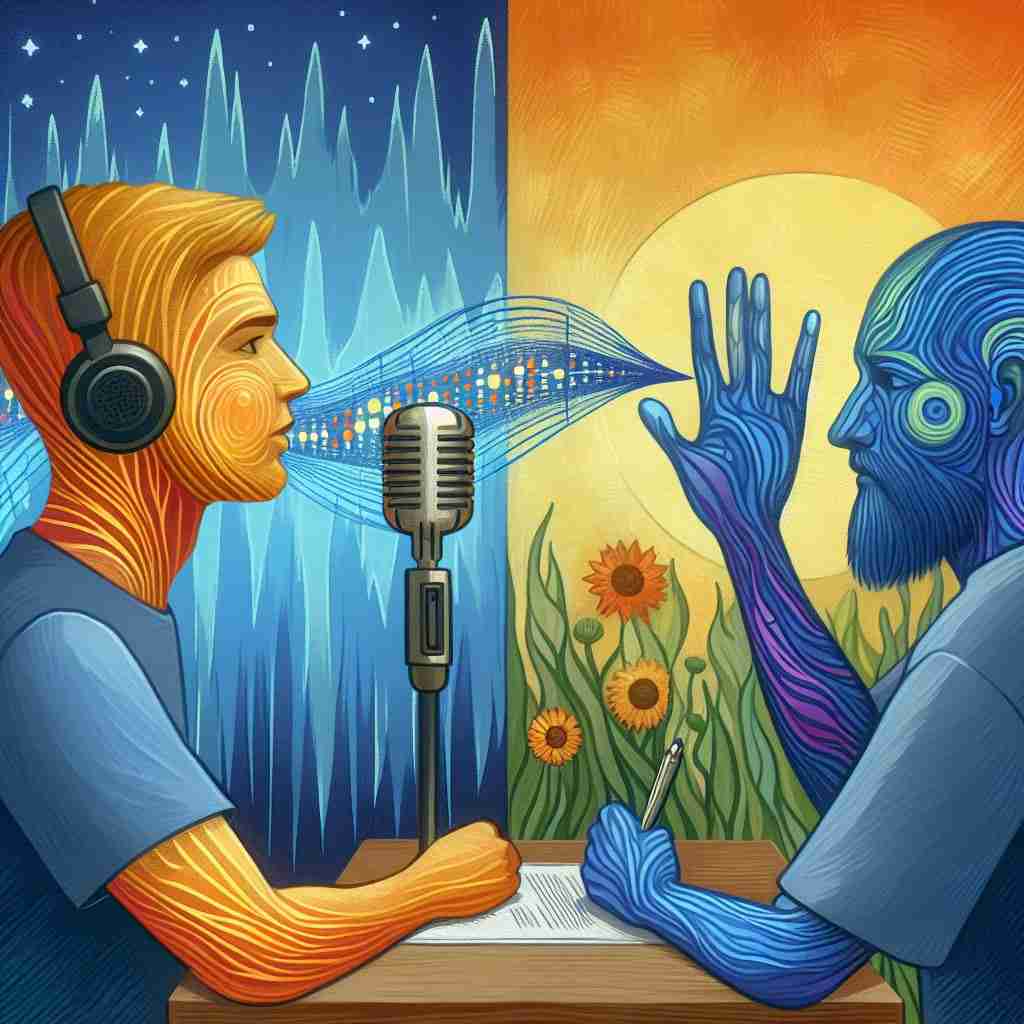
In What Ways Does AI Affect Audience Engagement and Retention?
In What Ways Does AI Affect Audience Engagement and Retention?
- AI enhances storytelling in podcasts by tailoring content to listener preferences.
- Acts as a data-driven storyteller, suggesting relevant episodes based on interests.
- Fosters intimacy and trust between hosts and audiences through personalized content.
- Ethical considerations are crucial, emphasizing transparency in data use.
- AI identifies storytelling trends, encouraging reflection and relatability among listeners.
- Facilitates community building by promoting active listener engagement and discussions.
- Transforms solitary podcast experiences into shared journeys, deepening listener connections.

In What Ways Does AI Affect Audience Engagement and Retention?
How Does Using AI Shape the Creative Process for Indie Hosts?
In the vibrant world of podcasting, where voices rise from every corner, indie hosts are discovering a powerful ally in artificial intelligence. Picture the late-night brainstorming sessions, fueled by coffee and sheer willpower. Now, imagine having a skilled collaborator by your side—one that never tires, never needs a break, and can sift through mountains of data in seconds. AI isn’t just a tool; it’s a creative partner that reshapes the landscape of storytelling for those brave enough to venture into the podcasting arena.
When indie hosts integrate AI into their creative process, they unlock unprecedented possibilities. Consider the story of an indie podcaster named Lisa, who struggled for months to find her unique voice in the crowded field of true crime. With the aid of an AI program, she was able to analyze listener preferences and refine her narrative style. AI compiled insights from characters, plot structures, and pacing that resonated with audiences. This marriage of human creativity and machine learning empowered Lisa to craft episodes that not only captivated her listeners but also ignited her passion for storytelling again.
The rational benefits of using AI in podcasting are undeniable. Hosts can utilize AI to optimize their content for search engines, ensuring their voices reach the ears that yearn for them. When indie creators optimize their podcasts, they are not just playing the algorithm game; they are elevating their narratives to be heard amid the digital noise. It’s a dance between technology and creativity, allowing hosts to stay authentic and relevant. This clarity of purpose instills confidence, propelling indie hosts to forge deeper connections with their audience.
Yet, with every tool comes responsibility. Ethically navigating the waters of AI requires hosts to remain vigilant, ensuring their creativity is preserved and not overshadowed. By engaging with AI thoughtfully, podcasters can carve out unique narratives that resonate on a deeper level, creating a more profound sense of community among listeners. It becomes a shared journey—a collective experience where each voice matters, and every story told brings us closer together.
AAI serves as a reminder that creativity, much like the best podcast episodes, thrives on collaboration. It nudges indie hosts to explore new depths, reclaim lost passions, and ultimately, engage their audience in ways they had only dreamed possible. The heart of podcasting isn’t just about speaking into a mic; it’s about fostering genuine connections, building trust, and inspiring action—all of which can flourish with the right blend of human intuition and AI innovation.

How Does Using AI Shape the Creative Process for Indie Hosts?
How Does Using AI Shape the Creative Process for Indie Hosts?
- Indie podcasters are embracing artificial intelligence as a creative partner.
- AI helps hosts analyze listener preferences and refine their narrative style.
- Successful integration of AI empowers creators to craft engaging episodes.
- AI optimization enhances content visibility and connection with audiences.
- Hosts must navigate ethical considerations to maintain the integrity of their creativity.
- Collaboration between human intuition and AI fosters deeper community connections.
- The essence of podcasting lies in building trust and inspiring action through storytelling.

How Does Using AI Shape the Creative Process for Indie Hosts?
What Are the Risks Of Relying on AI for Podcast Production?
What Are the Risks of Relying on AI for Podcast Production?
In today’s world, where technology seems to outrun the limits of our imagination, the allure of utilizing AI in podcast production is undeniable. The promise of flawless editing, perfectly timed sound effects, and engaging scripts can be tempting for creators. However, as alluring as it may be, there’s a risk that we should tread carefully around, like an artist standing before a canvas too eager to apply paint.
Imagine hosting a podcast that captures the essence of human experience—the laughter, the struggles, the stories that connect us all. AI can certainly assist in generating content or splicing together conversations, but can it truly understand the heartbeat of each story? When it comes down to human connection, the nuances of tone and emotional delivery often slip through the fingers of any machine. The listener doesn’t just tune in to hear a voice; they seek authentic connection—something that an algorithm struggles to replicate.
Embracing AI in podcast production can lead to a certain simplification of the process, which, while efficient, can strip away the raw, unfiltered charm that makes a great podcast resonate. It’s like opting for a factory-made suit instead of one tailored just for you. The details—the imperfections—are what make stories compelling; those little quirks are often lost to AI’s sterile precision. The unmistakable warmth of a host’s voice, laden with personality and passion, is not merely a voice; it’s an invitation to listen more closely.
Moreover, there’s an ethical dimension lurking in this technological landscape. As we lean on AI for production, who bears the responsibility for content integrity? What happens when an AI-generated segment lacks depth or misrepresents a crucial fact? The line between automation and authenticity blurs, potentially leading creators to inadvertently mislead their audience. Trust is a fragile thing, easily shattered. Once breached, it’s a hard climb back to reclaim confidence from your listeners.
Narratively, let’s not ignore the community aspect of podcasting. It’s a space where voices come together, sharing stories that matter. While algorithms can analyze trends and predict what might be popular, they can’t listen to the heartbeat of a community. When we allow AI to dictate our content, we risk losing touch with the very essence of who we are as storytellers.
AAI can be a powerful tool, but it will always be just that—a tool. The soul of a podcast is a human endeavor, reliant on genuine experiences shared by voices who speak from the heart. Embrace the technology, but never let it overshadow the profound connections we forge in the podcasting world.

What Are the Risks Of Relying on AI for Podcast Production?
What Are the Risks Of Relying on AI for Podcast Production?
- AI offers benefits like efficient editing and engaging scripts in podcast production.
- It struggles to replicate genuine human connection and emotional nuance in storytelling.
- Overreliance on AI can lead to a loss of the unique charm and imperfections that make podcasts relatable.
- Ethical concerns arise regarding content integrity and potential misinformation from AI-generated segments.
- Trust between creators and listeners can be jeopardized if AI misrepresents facts or lacks depth.
- AI cannot replace the community and shared experiences that are central to podcasting.
- While AI can enhance production, the core essence of podcasts relies on human storytelling.
What Are the Risks Of Relying on AI for Podcast Production?
How Can Indie Podcasters Measure the Impact Of AI Tools?
How Can Indie Podcasters Measure the Impact of AI Tools?
In the world of podcasting, where every voice has the potential to spark a conversation, the integration of AI tools can feel like finding a new tool in a toolbox—exciting yet daunting. Imagine stepping into a workshop; tools surround you, but what you really need is a way to measure how each tool shapes your craft. Just as a carpenter knows the difference between a dull saw and a sharp one, indie podcasters must learn how to gauge the effectiveness of AI solutions on their creative output.
Think of your podcast as a living organism. It grows, evolves, and most importantly, connects with listeners. When you harness AI tools, you’re not just cranking out episodes; you’re crafting relationships. One way to measure this impact involves analytics. The numbers can be as cold as ice, but if you delve deeper, they tell stories about the heartbeats behind the data. Metrics such as listener engagement, episode retention, and social media shares reflect how your audience resonates with your message. It’s not merely about downloading figures; it’s about capturing the emotional journey of your listeners.
Let’s say you introduced AI-assisted editing that cut your production time in half. Now you have those precious hours to write more compelling content or engage with your audience personally. That’s not just time saved; it’s a more profound connection formed through storytelling. In a sense, each AI tool becomes a bridge, not just to efficiency, but to more meaningful interaction.
Consider the ethical implications, too. AI can raise questions about authenticity. Are you still the voice behind your podcast, or are you letting technology do the talking? Balancing AI’s efficiency with your unique perspective creates an authentic experience that respects both the art and the audience. Sharing personal anecdotes—like the moment a listener reached out to express how an episode changed their day—reinforces the idea that your impact goes beyond just numbers; it’s a stream of human connections.
Ultimately, measuring the impact of AI tools involves weaving together data and the human experience. Engage with your audience through heartfelt stories, and let those interactions inform your use of technology. In this evolving landscape, where heart meets head, your podcast’s journey and its influence will not just be measured in downloads or streams but in the connections you forge, fostering a community that grows with you.

How Can Indie Podcasters Measure the Impact Of AI Tools?
How Can Indie Podcasters Measure the Impact Of AI Tools?
- Integration of AI tools in podcasting can enhance creativity and efficiency.
- Analytics serve as a vital method for measuring the impact of AI on listener engagement.
- Metrics like episode retention and social media shares reflect audience connection.
- AI-assisted editing can save production time, enabling deeper audience engagement.
- Ethical considerations include the balance between AI efficiency and personal authenticity.
- Personal anecdotes reinforce the importance of human connections in podcasting.
- Success is gauged not just by metrics, but by the community relationships formed.

How Can Indie Podcasters Measure the Impact Of AI Tools?
What Role Does Authenticity Play In AI-Assisted Podcasting?
Authenticity in AI-assisted podcasting is more than a catchphrase; it’s the lifeblood that gives voice to stories. Imagine two podcasts on the same topic. One is perfectly polished, wrapped in a shiny package, crafted by algorithms and optimization techniques. The other feels raw, real, and deeply human. It draws listeners in not just through content but through genuine emotion—the laughter, the pauses, the spontaneous tangents that make us feel like we’re part of an intimate conversation.
When we engage with a podcast that breathes authenticity, we connect on multiple levels. Our heads nod in agreement because the ideas resonate. Our hearts swell with relatability as we hear tales of human triumph, folly, and everything in between, reminding us that we are not alone in our struggles and victories. There’s a gut response too; a visceral recognition that the storytellers are sharing not just their experience but inviting us to join in.
Take, for instance, a host who shares a personal story of overcoming failure, admitting vulnerabilities and uncertainties. The AI might churn out flawless statistics and well-researched content, but it’s the messy, unpolished honesty that hooks us. This isn’t just information; it’s an experience. It fosters trust—listeners feel seen, heard, and valued. We share our backs against the wall with the solo entrepreneur or the parent juggling nap times and deadlines. This connection evokes empathy, transforming passive listening into an active participation in the dialogue.
Moreover, there’s an ethical dimension to this authenticity. In a world where information is often manipulated or curated to craft a particular narrative, podcasts that embrace the unfiltered truth build an ethical bridge of trust. They remind us of the responsibility we hold in sharing real stories that matter. It’s where fans become a community, and every listener becomes a participant in an ongoing conversation about life, values, and the pursuit of understanding.
The role of authenticity in AI-assisted podcasting is not simply about keeping the audience engaged. It’s about creating a space where dialogue flourishes and where every voice—no matter how imperfect—adds value. The most memorable moments in podcasting are often the times when hosts step back from the façade, allowing their humanity to shine through. In this way, authenticity becomes the true engine of connection, inviting us all to listen, reflect, and ultimately, to share our stories.

What Role Does Authenticity Play In AI-Assisted Podcasting?
What Role Does Authenticity Play In AI-Assisted Podcasting?
- Authenticity in AI-assisted podcasting is crucial for storytelling.
- Contrasts between polished content and raw, emotional storytelling engage listeners.
- Listeners connect through relatable human experiences of triumph and failure.
- Honesty in sharing vulnerabilities enhances trust and empathy among audiences.
- Podcasts that embrace unfiltered truth create ethical connections and community.
- Authenticity fosters active participation in dialogues around life and values.
- Memorable podcast moments occur when hosts reveal their humanity, fostering deeper connections.

What Role Does Authenticity Play In AI-Assisted Podcasting?
Conclusion
In today’s podcasting landscape, indie podcasters are rising through the noise, harnessing both technology and their authentic voices to carve out essential narratives in a crowded digital space. They’re not just another faceless entry in an overwhelming market; instead, they’re local storytellers wielding AI as both a tool and a partner, leveling the playing field against larger networks. Imagine a fisherman navigating choppy waters—each cast a strategic play, enhanced by the latest technology. That’s the indie podcaster, combining grit and passion with AI’s analytical power.
The stories they tell resonate deeply, echoing the virtues and struggles of everyday people while avoiding the sterile, corporate tone that can often dominate mainstream media. Each episode draws on the human experience, creating bonds that stem from shared laughter, tears, and life lessons. They aren’t just competing; they’re inviting listeners to join in communal storytelling, forging connections that extend beyond the audio waves.
The challenges indie podcasters face can be daunting. With countless hours spent refining their craft, self-doubt can seep in when the numbers don’t show immediate success. Yet, in their vulnerability lies strength. They share genuine narratives that speak to the heart, transforming a few devoted listeners into a dedicated community. This emotional resonance is powered by strategic use of AI, which helps podcasters understand engagement trends and refine their narratives while remaining true to their roots.
Ethically, these creators balance the desire for financial sustainability with the need to uphold their unique voices. This narrative of struggle and resilience builds trust, as audiences rally behind podcasters who dare to tell the truth about their journeys, inspiring broader conversations about life’s complexities.
AI amplifies storytelling without overshadowing the human element at its core. By streamlining production, it frees up creative energy, allowing indie hosts to dive deeper into authentic narratives. Listeners aren’t just passive consumers; they’re participants in a shared experience, supported by AI that helps connect them with similar minds.
However, embracing AI brings risks; reliance on technology must never compromise the authenticity that distinguishes a heartfelt podcast from a hollow one. The essence of a great podcast is connection—the true-magic happens when hosts allow their inherent imperfections to shine through.
In this evolving landscape, indie podcasters stand as beacons of creativity, using every tool at their disposal to strike chords of shared humanity. Their journey is a testament to the power of voice—one that can spark connection, understanding, and empathy among diverse audiences craving stories that matter. Through the blend of technology and authenticity, they remind us all that every voice has the potential to rise above the noise, sharing narratives that unite us in our shared human experience.

Conclusion
Conclusion:
- Indie podcasters leverage technology and authentic storytelling to stand out in a crowded digital space.
- They utilize AI as a tool to enhance their narratives while maintaining a personal touch.
- Their stories resonate with everyday people’s virtues and struggles, differing from mainstream media’s corporate tone.
- Indie podcasters face challenges but transform vulnerability into strength, fostering dedicated communities.
- They balance the pursuit of financial sustainability with the integrity of their unique voices.
- AI streamlines production, allowing for deeper exploration of authentic narratives and enhancing listener engagement.
- The essence of great podcasts lies in the connection, where creators’ imperfections lead to genuine storytelling.

Conclusion
Other Resources

Other Resources
Here is a list of other resources you can review online to learn more:
- Resound
- Spotify for Podcasters
- Tumblr
- Libsyn
- Breaker
- Podcast Index
- NCH Software
- CastBox
- Patreon
- Podkicker
- Podcastle
- WordPress
- Blubrry
- Bob Woods
- Stitcher: Made for Podcasts
- PodUp
Use This Prompt To Get More Resources With Your Favorite Online AI Tool: Please provide me with a list of online articles with their URLs in a bulleted list that I can read regarding How Indie Podcasters Use AI to Compete with Big Networks

Other Resources
Glossary Terms
How Indie Podcasters Use AI to Compete with Big Networks – Glossary Of Terms
1. Algorithm: A set of rules or calculations that AI uses to process data and make decisions.
2. Automation: The use of technology to perform tasks with minimal human intervention.
3. Audio Editing: The process of manipulating audio files to improve sound quality or remove unwanted sections.
4. Content Creation: The generation of new material, such as podcasts, using AI tools for inspiration or optimization.
5. Data Analysis: The process of examining datasets to extract insights and inform podcast strategies.
6. Deep Learning: A subset of machine learning that involves neural networks with many layers to analyze complex data patterns.
7. Engagement Metrics: Measurements used to evaluate listener interactions, like downloads and comments.
8. Episode Planning: The organization and structuring of podcast episodes, often enhanced by AI trend analysis.
9. Generative AI: Systems that can create realistic content, including scripts and sound bites, based on given parameters.
10. Machine Learning: A branch of AI that focuses on the development of algorithms that learn from and make predictions based on data.
11. Monetization: Strategies employed by podcasters to generate revenue, influenced by AI insights into listener preferences.
12. Natural Language Processing (NLP): A field of AI that enables computers to understand and interpret human language.
13. Podcast Hosting: Platforms that store and distribute podcast episodes, increasingly utilizing AI for features like analytics.
14. Recommendation Engine: An AI-powered system that suggests content to listeners based on their behaviors and preferences.
15. SEO (Search Engine Optimization): Techniques used to increase a podcast’s visibility online, often utilizing AI to analyze keyword trends.
16. Social Media Integration: The use of AI to enhance podcast promotion through targeted advertising and audience engagement on platforms.
17. Speech Recognition: The ability of AI to transcribe spoken words into text, aiding in creating captions or show notes.
18. Storytelling: The art of crafting compelling narratives, which can be enhanced through AI-generated insights.
19. Target Audience: The specific demographic that a podcast aims to reach, analyzed through AI data insights.
20. Transcription Services: AI tools that convert audio recordings into written text, improving accessibility and content distribution.
21. User Experience (UX): The overall experience a listener has with the podcast’s interface, influenced by AI for personalization.
22. Voice Synthesis: AI technology that generates human-like speech for narrating content or creating audio segments.
23. Workflow Automation: The use of AI to streamline podcast production processes, reducing time and effort.
24. Audio Analytics: Tools that provide insights into audio performance and listener behavior through data analysis.
25. Content Curation: The process of selecting and organizing relevant materials, enhanced by AI recommendations.
26. Community Building: The practice of fostering connections among listeners, supported by AI tools to identify and engage audiences.
27. Market Research: The gathering and analysis of data to understand trends and preferences within the podcasting space.
28. Podcast Network: A collective of podcasts that share resources and audiences, often leveraging AI for growth strategies.
29. Sound Design: The creation of soundscapes and audio effects to enhance the storytelling experience, sometimes aided by AI tools.
30. User Feedback: Opinions and suggestions from listeners, which can be analyzed with AI to improve content and engagement.

Glossary Of Terms
Other Questions
How Indie Podcasters Use AI to Compete with Big Networks – Other Questions
If you wish to explore and discover more, consider looking for answers to these questions:
- What specific AI tools are indie podcasters using for scripting, editing, and production?
- How much do common AI podcasting tools cost, and are there free options for beginners?
- What is the typical setup or workflow for integrating AI into podcast production?
- How steep is the learning curve for the most useful AI tools?
- Can AI reliably transcribe interviews and generate accurate timestamps for show notes?
- How do AI editing tools compare to human editors in quality and nuance?
- What are the best practices for retaining authenticity when using AI-assisted editing?
- How can hosts prevent AI from over-polishing content and losing the podcast’s voice?
- Which AI tools help identify the most engaging clips for promotion and social media?
- How can podcasters use AI to improve discoverability and SEO for their episodes?
- How do AI-driven recommendations affect audience diversity and echo-chamber dynamics?
- What metrics should indie podcasters track to measure the impact of AI tools?
- How can podcasters run A/B tests with and without AI enhancements to compare results?
- How much production time can AI realistically save per episode?
- What ethical issues arise from using AI-generated voices or content fragments?
- Do podcasters need to disclose to listeners when AI was used in production or writing?
- Who owns the copyright to AI-generated segments, music, or scripts?
- What are the legal risks of using AI for voice cloning or guest voice synthesis?
- How can podcasters ensure AI tools don’t introduce factual errors or misleading edits?
- What privacy concerns come from AI analyzing listener data for personalization?
- How should podcasters handle consent and data protection (GDPR, CCPA) when using AI analytics?
- Can AI help monetize a podcast through better ad targeting or dynamic ad insertion?
- How do sponsorships change when creators use AI to optimize content or audience targeting?
- What are the reputational risks if listeners feel content is “machine-made”?
- How can indie podcasters use AI to build and moderate community discussions around episodes?
- Which AI tools are best for accessibility (transcripts, translations, captioning)?
- Can AI reliably translate episodes for global audiences without losing nuance?
- How does AI affect collaboration between hosts, producers, and freelancers?
- What safeguards exist to prevent AI tools from amplifying bias or misrepresentation?
- How should creators vet the training data behind AI tools to assess ethical concerns?
- Are there case studies or success stories of indie podcasts that scaled using AI?
- Which platforms integrate AI features natively (distribution, analytics, hosting)?
- How do sudden algorithm or platform changes affect AI-driven promotion strategies?
- What contingency plans should podcasters have if an AI provider shuts down or changes terms?
- How can indie podcasters balance monetization needs with maintaining creative integrity?
- What resources, courses, or communities can help podcasters learn to use AI effectively?

Other Questions
Haiku
How Indie Podcasters Use AI to Compete with Big Networks – A Haiku
Indie voices rise strong,
AI helps weave human tales,
Hearts connect, truths unfold.

Haiku
Poem
How Indie Podcasters Use AI to Compete with Big Networks – A Poem
In the ocean of sound, where voices strive,
Indie podcasters thrive, their spirits alive.
With passion they anchor, using tools profound,
In a realm where big networks’ echoes resound.
AI, their ally, sharpens each tale,
It fuels their creation, helps passions prevail.
Through data and insight, they craft their prose,
Turning whispers to roars that the community knows.
Authenticity blooms in the stories they weave,
Real lives and true struggles, each heart can believe.
They pour out their truths, vulnerable and raw,
Finding strength in the stories that bind us, a draw.
Yet challenges loom in the crowded expanse,
A forest of voices where few get the chance.
Self-doubt and the metrics, they sting like a dart,
But connection runs deeper, creating art from the heart.
With algorithms guiding, engagement is born,
The pulse of the audience, never forlorn.
As they share and connect, a vibrant embrace,
Each episode a journey, a shared space.
Risk shadows reliance on AIs bright guise,
Yet the warmth of human touch never belies.
For in every podcast, the essence must stay,
A tapestry woven, where stories hold sway.
So let’s celebrate voices, both loud and discreet,
From indie creators, their narratives sweet.
In a world full of noise, their truth finds its light,
As they sail through the waves, hearts bold, spirits bright.

Poem
Checklist
How Indie Podcasters Use AI to Compete with Big Networks – A Checklist
Emotional Appeals
✅______ Share genuine personal anecdotes that resonate with listeners.
✅______ Highlight emotional moments in storytelling to foster connection.
✅______ Engage with the audience through empathy and relatability.
Rational Appeals
✅______ Utilize AI analytics to understand listener preferences and optimize content.
✅______ Streamline production processes to focus on storytelling.
✅______ Create high-quality, engaging narratives using AI tools for editing and scripting.
Ethical Appeals
✅______ Ensure transparency in how AI is used to maintain trust with the audience.
✅______ Balance efficiency with creative integrity, avoiding over-reliance on AI.
✅______ Promote inclusivity and representation in podcast content with AI assistance.
Authority Appeals
✅______ Showcase credibility by sharing expert insights derived from AI analysis.
✅______ Collaborate with recognized figures in relevant fields to enhance content quality.
✅______ Leverage AI-generated trends to position podcasts effectively in the market.
Narrative Appeals
✅______ Craft compelling narratives that reflect community experiences and common struggles.
✅______ Utilize AI to uncover engaging story arcs and themes that resonate with listeners.
✅______ Promote audience participation through storytelling, inviting listener contributions.
Social Appeals
✅______ Build a community around shared experiences and discussions prompted by the podcast.
✅______ Encourage audience interaction through social media platforms and discussions.
✅______ Highlight listener stories to create a sense of belonging and involvement.
Additional Considerations
✅______ Regularly evaluate the effectiveness of AI tools in enhancing engagement and retention.
✅______ Maintain a balance between technology and personal storytelling to preserve authenticity.
✅______ Stay attuned to the ethical implications of using AI, ensuring content remains genuine and relatable.

Checklist
At PodcastBig, we help people who want to learn about podcasting by collating information and news about podcasting.
Be sure to read our other related stories at PodcastBig to learn more about podcasting.