

Podcasting Tips For Seniors
By Tom Seest
At PodcastBig, we help people who want to learn about podcasting by collating information and news about podcasting.
Be sure to read our other related stories at PodcastBig to learn more about podcasting.
How Can Seniors Create Essential Content for Their Podcasts?
Creating essential content for a podcast is not as daunting as it might seem, especially for seniors who often hold a treasure trove of experiences and insights just waiting to be shared. So, let’s roll up our sleeves and break down the essential elements of crafting engaging content that resonates with listeners.
First off, identify your passion. What stirs your soul? Whether it’s gardening, grandparenting, or great cooking, your enthusiasm will shine through and keep listeners engaged. The heart of any good podcast lies in authenticity. People tune in to hear genuine stories, relatable anecdotes, and perspectives that only life experience can provide. So, tap into that well of knowledge you’ve gathered over the years.
Next, consider your audience. Who do you want to reach? Are they fellow seniors, younger generations, or perhaps a mix of both? Understanding your audience allows you to tailor your content effectively. Once you have a clear picture, brainstorm topics that would appeal to them. Think about the challenges they face, the joy they seek, and the information they crave.
Now, let’s talk structure. A well-organized podcast has a flow that keeps listeners coming back for more. Start with an engaging hook—something that captures attention right away. Then, outline your main points or stories in a way that builds interest while remaining easy to follow. Don’t forget to include some personal touches; people love hearing your unique voice and individual experiences.
Additionally, consider incorporating interviews or guest appearances. If you know someone interesting with a story to tell, bring them on board! This not only diversifies your content but also adds depth through different perspectives.
Finally, as you work on your episodes, remember to embrace the magic of editing. It’s the polishing phase, where you trim the fat, remove those “umms” and “likes”, and ensure your primary message shines. A well-edited podcast has a professional edge, even if the content itself is rooted in warmth and charm.
Creating a podcast is a fulfilling journey, especially for seniors eager to share their stories. With passion, awareness, and a sprinkle of organization, anyone can deliver essential content that resonates and enriches. So, gather your thoughts, set your mic up, and let your voice contribute to the ever-expanding world of podcasts.

How Can Seniors Create Essential Content for Their Podcasts?
How Can Seniors Create Essential Content for Their Podcasts?
- Creating content for a podcast is accessible for seniors with valuable experiences to share.
- Identify your passion; choose topics that excite you, such as gardening or cooking, to engage listeners.
- Understand your audience to tailor content effectively, considering their challenges and interests.
- Structure your podcast with a captivating hook and a clear outline to maintain listener interest.
- Incorporate interviews to add diversity and depth to your content through different perspectives.
- Embrace editing to polish your episodes, ensuring clarity and professionalism in your message.
- With passion and organization, seniors can create meaningful podcasts that resonate with listeners.

How Can Seniors Create Essential Content for Their Podcasts?
Table Of Contents
- How Can Seniors Create Essential Content for Their Podcasts?
- What Are The Key Steps For Seniors To Start Podcasting?
- How Can Seniors Identify Their Podcast Topic Effectively?
- What Equipment Do Seniors Need For Quality Podcasting?
- How Can Seniors Create Engaging Content For Their Audience?
- What Are The Best Practices For Scripting A Podcast Episode?
- How Can Seniors Leverage Their Life Experiences In Podcasts?
- What Resources Can Help Seniors Learn Podcast Editing?
- Conclusion
- Other Resources
- Glossary Of Terms
- Other Questions
- Haiku
- Poem
- Checklist
What Are The Key Steps For Seniors To Start Podcasting?
In a world buzzing with chatter, podcasting stands out as a splendid avenue for seniors to share their life stories, wisdom, and expertise. Whether it’s reminiscing about the good old days or discussing hobbies, starting a podcast is as accessible as it’s ever been. If you’re a senior looking to take the plunge into the podcasting pool, here are some key steps to help you swim with the best of them.
1. Define Your Purpose
Before you dive into recording, take a moment to reflect. What do you want to share? Is it family recipes, travel stories, or perhaps thought-provoking discussions on history? Your podcast doesn’t need to solve world problems—it just needs to resonate with you. Define your purpose and target audience, as this clarity will guide all your future decisions.
2. Get Your Gear
You don’t need a fortune to kick off your podcast. Start with a decent microphone and headphones, and perhaps a computer with simple recording software. There are many platforms available that offer free trials, so you can experiment before committing. Don’t let the tech intimidate you. Familiarize yourself with the basics, and you’ll soon find your rhythm.
3. Plan Your Episodes
Structure is essential. Outline your content, whether it’s a full script or just bullet points. Consider the flow of your episodes and how you want to engage with your audience. Giving it a little thought beforehand can make a world of difference when it comes time to hit the record button.
4. Record and Edit
When you’re ready, record your first episode. Don’t worry about perfection—the beauty of podcasting lies in its authenticity. After recording, use simple editing software to cut out any fluff or mistakes. There are plenty of user-friendly options out there that require little more than a click to master. A polished final product will showcase your content in its best light.
5. Share and Promote
Once your masterpiece is ready, share it! Upload your podcast to popular platforms and leverage social media to spread the word. Engage with those who listen, and solicit feedback. The more you share, the more connections you can forge, and that’s where the real magic of podcasting lies.
So there you have it—a straightforward roadmap to embark on your podcasting journey. It’s never too late to start sharing your voice with the world, and who knows? You may inspire others in the process. So grab that microphone and let’s get talking!

What Are The Key Steps For Seniors To Start Podcasting?
What Are The Key Steps For Seniors To Start Podcasting?
- Podcasting provides a platform for seniors to share life stories and wisdom.
- Define your purpose and target audience before starting your podcast.
- Essential equipment includes a good microphone, headphones, and basic recording software.
- Plan your episodes with outlines or bullet points to create structure.
- Record authentically and use simple editing software to refine your episodes.
- Share and promote your podcast on popular platforms and social media for audience engagement.
- Starting your podcast can inspire others and create meaningful connections.

What Are The Key Steps For Seniors To Start Podcasting?
How Can Seniors Identify Their Podcast Topic Effectively?
Navigating the world of podcasting can feel a bit like stepping onto a crowded freeway during rush hour—you see all the vehicles zooming by, and you’re left wondering how you’re going to merge into that traffic without stalling out. But fear not! For seniors looking to carve out their own niche in the podcasting realm, the first essential task lies in identifying that podcast topic that truly resonates.
Start by taking a good, long look at your life experiences. Who you are and what you’ve been through serves as a veritable treasure trove of rich stories and insights. Perhaps you’ve spent decades honing a craft, or maybe you’ve got a wealth of knowledge about a unique hobby. This is your chance to share it! Reflect on the moments in your life that ignited a spark or made you ponder. What lessons have you learned that others might benefit from?
Next, think about your audience. Who do you want to listen to your podcast? Seniors, in particular, have a unique perspective that can resonate with a wide range of age groups. However, that young whippersnapper in the back of the room may not be interested in the same things as someone who has been around the block a few times. Consider what interests the listeners you aim to attract. This means not only zeroing in on your passions but also understanding how to communicate those passions to a diverse group.
Once you’ve outlined potential topics, it’s time to do a little reconnaissance. Spend some time wandering through existing podcasts; see what others are doing and where the gaps might be. Are there areas within a given topic that people aren’t addressing? This assessment could provide you a springboard, transforming personal anecdotes into engaging episodes. Trust me, your perspective is unique, and there are plenty of listeners out there hungry for authenticity!
Don’t forget—passion fuels enthusiasm. If you’re excited about your topic, your listeners will be, too! Look for ways to intertwine your knowledge and personal stories; after all, the real magic happens when you allow your personality to shine through your content.
In summary, identifying a podcast topic isn’t just about choosing a subject; it’s about reflecting on your life, understanding your audience, and presenting your unique voice. So, saddle up, tap into those rich experiences, and give it a whirl. Your podcast might just be the fresh take everyone didn’t know they needed!

How Can Seniors Identify Their Podcast Topic Effectively?
How Can Seniors Identify Their Podcast Topic Effectively?
- Navigating podcasting can be daunting, especially for seniors aiming to find their place.
- Identifying a resonant podcast topic begins with reflecting on your life experiences.
- Your personal history is a valuable source of stories and insights to share.
- Consider your target audience and what interests them; differing age groups may have varying preferences.
- Research existing podcasts to identify gaps in content and areas of opportunity.
- Passion for your topic is crucial, as it will engage and excite your listeners.
- Combining knowledge, personal stories, and authenticity will help create compelling episodes.

How Can Seniors Identify Their Podcast Topic Effectively?
What Equipment Do Seniors Need For Quality Podcasting?
If you’re ready to jump into the thrilling world of podcasting, whether it’s to share stories, offer advice, or simply connect with others, there’s a crucial question you need to consider: what equipment do you really need? For seniors wanting to navigate this audio landscape, the right gear can mean the difference between a polished show and a garbled mess. So let’s break it down.
Microphone: At the heart of any podcast is a good microphone. Forget the built-in laptop mic—those things are about as useful as a screen door on a submarine. A USB condenser microphone is your best bet. It delivers clear sound without breaking the bank. Look for something like the Audio-Technica ATR2100x-USB; it’s reliable, easy to use, and perfect for capturing your voice crisply.
Headphones: Next on the list are headphones. A good pair of closed-back headphones will help you hear your audio clearly and keep you from getting too distracted by what’s happening around you. You don’t need to go all out with fancy studio gear; a decent pair of over-ear headphones will do just fine.
Recording Software: Now that you’ve got your microphone and headphones, it’s time to talk software. You can go high-tech or stick to user-friendly options. Programs like Audacity or GarageBand are fantastic starting points—easy to learn and perfect for editing your podcast. You don’t need a PhD in audio engineering; just dive in and start experimenting!
Audio Interface (Optional): If you’re feeling a little more ambitious, you might consider an audio interface. This device connects your microphone to your computer and can offer better sound quality. Something like the Focusrite Scarlett Solo is user-friendly and a favorite among podcasters, giving you that professional edge.
Pop Filter: Don’t overlook the pop filter. This little mesh screen is your secret weapon against pesky plosive sounds—those explosive “p” and “b” sounds that can ruin an otherwise stellar recording.
Quiet Space: Lastly, let’s not forget about the environment. You can have all the gear in the world, but if you record in a loud, echoey room, you’re bound to end up disappointed. Find a quiet spot in your home where you can minimize distractions.
With these basics in tow, seniors can step into the podcasting arena with confidence. Remember, it’s not about the high-end gear; it’s about your voice and the stories you want to share. So grab that microphone, press record, and let the magic happen!

What Equipment Do Seniors Need For Quality Podcasting?
What Equipment Do Seniors Need For Quality Podcasting?
- Podcasting requires essential equipment for a polished audio experience.
- A good microphone is crucial; opt for a USB condenser microphone like the Audio-Technica ATR2100x-USB for clear sound.
- A pair of closed-back headphones is important for clear audio monitoring and minimizing distractions.
- Select user-friendly recording software like Audacity or GarageBand for easy editing.
- Consider an audio interface like the Focusrite Scarlett Solo for improved sound quality (optional).
- A pop filter helps reduce problematic sounds like “p” and “b” during recording.
- Choose a quiet space for recording to avoid background noise and echoes.

What Equipment Do Seniors Need For Quality Podcasting?
How Can Seniors Create Engaging Content For Their Audience?
Creating engaging content as a senior isn’t just a delightful pastime—it’s a chance to share a lifetime of experiences and insights with a wider audience. If you’ve ever pondered how to turn those fascinating stories and nuggets of wisdom into captivating content, you’re in luck. Let’s roll up our sleeves and explore some practical ways seniors can create engaging material that resonates with others.
First off, consider the medium you’ll use to express yourself. Podcasts are a fantastic avenue for storytelling and connecting with listeners on a more personal level. There’s something about the spoken word that bridges generations and creates a warm, inviting atmosphere. Imagine sharing tales of your youth or spilling the secrets of a long-worn craft, all while sipping coffee in your favorite chair. The beauty of podcasts is that they allow you to speak to an audience in a way that feels intimate and genuine.
When it comes to content, remember that your life experiences are your greatest asset. Don’t shy away from odd jobs, personalities you’ve met along the way, or moments that shaped your perspective. Share those careers that may no longer be in vogue, but are packed with lessons that can still enlighten today’s digital natives. Infuse humor, vulnerability, and authenticity into your narratives; this will undoubtedly draw in listeners and create a sense of camaraderie.
Furthermore, engaging content thrives on interaction. Encourage your audience to participate—ask them to share their own tales, respond to questions, or even suggest topics for your next podcast episode. When you create a space for dialogue, you transform passive listeners into an active community. This makes your content more dynamic and relatable.
Lastly, don’t overthink it! Sometimes, the most engaging content is raw and unrefined. Embrace the quirks and imperfections of your delivery. After all, who doesn’t love a good blooper reel with a sprinkle of authenticity?
So, as you embark on your content creation journey, remember: it’s all about connection. Whether you’re sharing age-old wisdom or exploring the nuances of modern life, your perspective matters. Equip yourself with your favorite recording device, gather your thoughts, and let your voice shine. Before long, you may discover that your podcast isn’t just a platform for storytelling—it’s a bridge between generations, fostering understanding and appreciation for the rich tapestry of human experience.
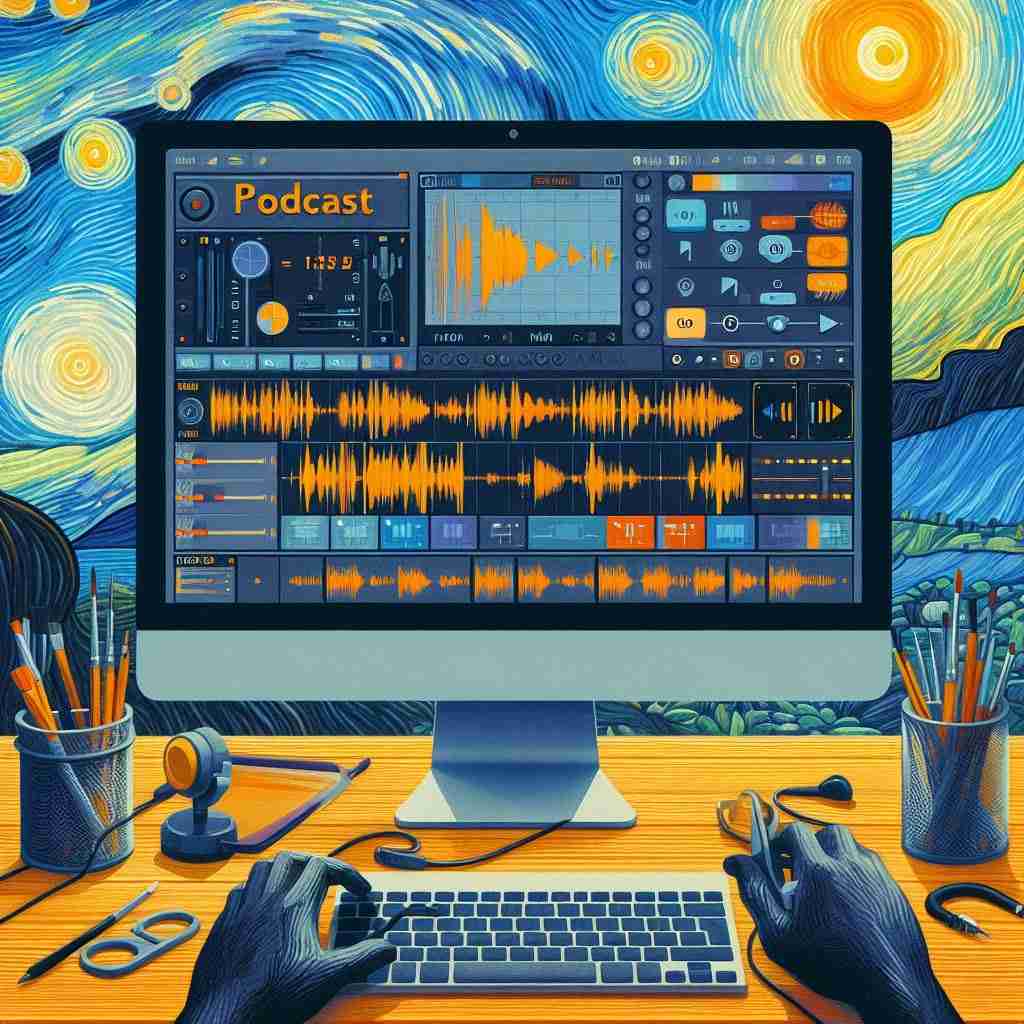
How Can Seniors Create Engaging Content For Their Audience?
How Can Seniors Create Engaging Content For Their Audience?
- Creating engaging content allows seniors to share their life experiences and insights with a broader audience.
- Podcasts are a great medium for storytelling, fostering personal connections and a warm atmosphere.
- Seniors should embrace their unique life experiences, including odd jobs and interactions, as valuable content.
- Incorporating humor, vulnerability, and authenticity will draw in listeners and build camaraderie.
- Encouraging audience participation transforms passive listeners into an engaged community.
- Raw and unrefined content can be just as engaging; authenticity and imperfections add charm.
- Content creation is about connection, bridging generations, and enriching shared human experiences.

How Can Seniors Create Engaging Content For Their Audience?
What Are The Best Practices For Scripting A Podcast Episode?
When it comes to crafting a compelling podcast episode, a little bit of forethought goes a long way. Just like a well-tuned engine purrs smoothly down the road, a well-scripted podcast glides effortlessly through the ears of its audience. So, let’s dive into some tried-and-true best practices to keep in mind while you’re mapping out your episode.
First and foremost, know your audience. A podcast thrives when it resonates with its listeners. Consider what they care about, their struggles, and what keeps them up at night. Tailoring your message to speak directly to your intended audience can transform a good episode into a great one. Once you have that demographic in your sights, you can begin structuring your content accordingly.
Next, consider an outline. A full-on script can sometimes feel too stiff, like wearing a new pair of shoes that pinch your toes. Instead, create an outline that lets your personality shine through while keeping you on track. This way, you can engage your audience with authenticity while hitting all the key points that matter. Think of your outline as the framework of a sturdy house—solid enough to hold everything together, yet flexible enough to allow for spontaneous moments of brilliance.
Transitioning smoothly from one point to the next is another hallmark of a well-crafted podcast. Your listeners might not consciously notice the transitions, but leaving those gaps effectively can either keep them glued to the episode or cause them to tune out. To achieve seamless transitions, consider using transitions phrases or rhetorical questions to guide the listeners along. It’s like changing lanes without signaling—subtle yet imperative.
As you wind down your episode, don’t forget the call to action. Whether it’s asking listeners to subscribe, visit your website, or simply share their thoughts, a well-placed nudge can heighten engagement and build a community around your podcast.
Lastly, remember the importance of practice. Even the best scripts can fall flat without the right delivery. Rehearse your material until you feel comfortable, and don’t shy away from injecting some life into your voice. Your passion should leap off the airwaves and into the hearts of your listeners.
In summation, scripting a podcast episode isn’t just about the words you write—it’s about connecting, engaging, and ultimately resonating with those who choose to tune in. Stick to these principles, and you’ll be well on your way to producing episodes that your audience will keep coming back to.

What Are The Best Practices For Scripting A Podcast Episode?
What Are The Best Practices For Scripting A Podcast Episode?
- Understand your audience to resonate with their interests and struggles.
- Create an outline to maintain a balance between structure and authenticity.
- Ensure smooth transitions between points to keep listeners engaged.
- Incorporate transition phrases or rhetorical questions for seamless flow.
- Include a call to action to enhance listener engagement and community building.
- Rehearse your material for better delivery and to convey genuine passion.
- Focus on connecting and engaging with your audience for lasting impact.

What Are The Best Practices For Scripting A Podcast Episode?
How Can Seniors Leverage Their Life Experiences In Podcasts?
In a world increasingly dominated by the noise of youth, seniors find themselves with a treasure trove of experiences that can resonate in today’s podcasting landscape. It’s not just about sharing stories; it’s about engaging and enlightening an audience hungry for the wisdom that only life can bestow.
First off, let’s acknowledge a simple truth: experience is the best teacher. Every wrinkle tells a story, and every silver strand of hair represents a lesson learned. Those tales from yesteryears—whether they involve moments of joy, heartache, or sheer resilience—can form the very backbone of compelling content. Seniors have lived through societal changes, historical events, and personal trials that shape their worldview. This depth of understanding can offer a unique perspective that younger generations are eager to hear.
So, how can seniors translate this life experience into an engaging podcast format? Start by tapping into personal anecdotes. A podcast is inherently an audio medium, making storytelling an ideal way to connect with listeners. Whether it’s navigating the complexities of raising children or the nuances of a career spanning decades, your stories can serve as both entertainment and education. Don’t shy away from vulnerability; revealing your own struggles humanizes your experiences and allows others to relate.
Next, consider the diversity of your journey. Life is a mosaic of triumphs and challenges, so don’t hesitate to highlight various aspects—from navigating the workforce to understanding modern technology. It’s in these contrasts that the richness of your narrative lies. Younger audiences may find immense value in guidance on issues like financial planning, health, or relationships from someone who has traversed those waters.
Collaborating with others can also amplify your reach. Co-hosting a podcast with a younger individual can create a dynamic dialogue that showcases both generations. This exchange of ideas can foster understanding and perhaps even bridge cultural gaps.
Finally, remember that authenticity prevails in podcasting. Share your passions, frustrations, and lessons learned with honesty. Your genuine voice will draw listeners in, forging a bond that transcends age.
Seniors possess not just stories, but valuable insights that can illuminate the path for others. By harnessing those experiences and converting them into thoughtful podcasts, they can enrich the conversation, inspire change, and leave a lasting impact on a diverse audience. The world is waiting to hear what you have to say!

How Can Seniors Leverage Their Life Experiences In Podcasts?
How Can Seniors Leverage Their Life Experiences In Podcasts?
- Seniors have a treasure trove of experiences that resonate in today’s podcasting landscape.
- Experience is the best teacher, with each life lesson represented in personal stories.
- Personal anecdotes can effectively connect with listeners and serve as entertainment and education.
- Diversity of life experiences adds richness to podcasts, highlighting triumphs and challenges.
- Co-hosting with younger individuals can create dynamic dialogues and bridge generational gaps.
- Authenticity in sharing passions and lessons learned helps foster a genuine connection with the audience.
- By turning experiences into podcasts, seniors can inspire change and leave a lasting impact on listeners.

How Can Seniors Leverage Their Life Experiences In Podcasts?
What Resources Can Help Seniors Learn Podcast Editing?
In an age where everyone seems to have a podcast, you might think that diving into the world of audio editing is just for the tech-savvy twenty-somethings. But let me tell you, seniors are picking up microphones and hitting “record” with the same enthusiasm as anyone else. If you or someone you know is interested in crafting that perfect podcast episode, you’re in luck. There are plenty of resources to help you get started on your audio journey.
First up, online courses are a game changer. Platforms like Coursera and Udemy offer a wide array of classes specifically focused on podcast editing. These lessons walk you through various software options, such as Audacity and GarageBand, offering straightforward, bite-sized lessons that match your pace. Many of these courses are designed with the beginner in mind, so don’t worry if you’re not familiar with tech lingo. They break everything down into simple concepts, making it accessible for anyone eager to learn.
Next, consider YouTube as your virtual teacher. With countless video tutorials available for free, there’s no shortage of content tailored for podcasters of all levels. Search terms like “podcast editing for beginners” will yield results that can help you understand the intricacies of sound editing, adding music, and enhancing audio quality. Plus, seeing the process in action can often make the techniques stick better than simply reading about them.
Don’t overlook the importance of community, either. Joining forums or Facebook groups focused on podcasting can provide both knowledge and encouragement. Sites like Reddit have dedicated sections where seniors and newcomers alike can share tips, ask questions, and offer feedback on each other’s work.
For those who prefer a more hands-on approach, local community colleges often offer classes on audio production or media. These in-person experiences not only teach you the nuts and bolts of podcast editing but also give you the chance to collaborate with fellow aspiring podcasters.
Lastly, podcasts about podcasting are a treasure trove of information. Shows that focus on the technical aspects, storytelling, and marketing can provide insights that textbooks simply can’t. Listening to experts and industry veterans share their experiences can provide inspiration and teach you what to avoid on your own journey.
The world of podcast editing is more accessible than ever, even for seniors. Equip yourself with the right resources, and you’ll be well on your way to hitting that “publish” button with pride. Your perspective is valuable—now it’s time to share it!

What Resources Can Help Seniors Learn Podcast Editing?
What Resources Can Help Seniors Learn Podcast Editing?
- Podcasting is becoming increasingly popular among seniors, breaking the stereotype that it’s just for the tech-savvy young.
- Online courses on platforms like Coursera and Udemy provide beginner-friendly lessons on podcast editing with software like Audacity and GarageBand.
- YouTube offers numerous free video tutorials for various podcasting skills, making learning more engaging and accessible.
- Joining forums and Facebook groups focused on podcasting can enhance knowledge and provide a supportive community for seniors.
- Local community colleges often host in-person classes on audio production, encouraging collaboration among aspiring podcasters.
- Podcasts that focus on podcasting can offer unique insights from experts, covering technical aspects, storytelling, and marketing strategies.
- With the right resources, seniors can successfully navigate the world of podcast editing and share their valuable perspectives.

What Resources Can Help Seniors Learn Podcast Editing?
Conclusion
In the grand tapestry of life, especially for seniors, podcasting serves as a dynamic canvas where vibrant threads of experience, passion, and insight come together to create something beautiful. Now, if you’re a senior thinking about stepping into this thrilling audio realm, remember: it’s not just about having a microphone; it’s about having something meaningful to say.
First and foremost, tap into that well of personal experiences that you’ve accumulated over the years. What stories have you collected? What wisdom have you gained? Your life is a rich narrative waiting to be unveiled, and the world is eager for authentic voices. Authenticity and relatability are what hook listeners in. They want to hear your triumphs, your trials, and those little life lessons that can enlighten or inspire.
Next, don’t underestimate the importance of knowing your audience. Who are you talking to? Is it fellow seniors seeking companionship or perhaps young adults looking for guidance? Your content should resonate with them, addressing the joys, challenges, or insights that resonate most deeply.
Now let’s get real about structure. Think of your podcast as a road trip: you need a map. Outline your core points to keep your journey focused and engaging. Start with a compelling hook to snag your listeners, and smoothly navigate through your points, transitioning seamlessly to maintain interest. Remember, while a script can feel restrictive, an outline affords you the freedom to express yourself organically while keeping you on course.
Engagement doesn’t stop at the surface. Encourage interaction. Allow your listeners to participate through feedback, questions, or shared stories. By creating a two-way dialogue, you foster a community around your podcast, making it more dynamic and alive.
Don’t shy away from a bit of editing magic; it’s a crucial step that’ll polish your narrative and enhance clarity. Simple tools are available, and most are user-friendly, so don’t let the tech intimidate you. Embrace those imperfections—they’re relatable. Your listeners will appreciate the authentic touch.
So as we wrap this up, remember that age brings not just experience, but a unique perspective worthy of sharing. Dive into this audio adventure; your thoughts and stories can bridge generations and foster understanding. Grab that microphone, find your groove, and let your voice echo through the waves of the internet. It’s your time to shine, and trust me—the world is eager to listen!

Conclusion
Conclusion:
- Podcasting offers seniors a platform to share their experiences, passions, and insights.
- Authenticity and relatability are key to attracting listeners; share your real-life stories and lessons.
- Understand your audience: tailor your content to resonate with their interests and challenges.
- Structure your podcast like a road trip; outline your key points to maintain focus and engagement.
- Encourage listener interaction to foster community and make your podcast more dynamic.
- Edit your content to improve clarity, and don’t be afraid to embrace imperfections for authenticity.
- Your unique perspective as a senior is valuable; share your voice and connect with others through podcasting.

Conclusion
Other Resources

Other Resources
Here is a list of other resources you can review online to learn more:
- Google Podcasts
- Odnoklassniki
- Minnect
- Pandora
- Apple Podcasts for Creators
- Stitcher: Made for Podcasts
- Adobe Audition
- Column1
- Mastodon
Use This Prompt To Get More Resources With Your Favorite Online AI Tool: Please provide me with a list of online articles with their URLs in a bulleted list that I can read regarding How Can Seniors Create Essential Content for Their Podcasts?

Other Resources
Glossary Terms
How Can Seniors Create Essential Content for Their Podcasts? – Glossary Of Terms
1. Podcast: A digital audio program available for streaming or download, often produced as a series.
2. Content Creation: The process of generating ideas and producing material for podcasts, including scripts, interviews, and discussions.
3. Target Audience: The specific group of listeners a podcast aims to attract and engage, influenced by demographics, interests, and preferences.
4. Brainstorming: A technique used to generate a wide range of ideas for podcast topics and episodes through free-thinking and discussion.
5. Scripting: Writing a detailed outline or full script for podcast episodes to ensure clarity and preparedness in delivery.
6. Interviewing: The technique of conversing with guests on a podcast to derive insights, stories, or expertise, often adding depth and variety to episodes.
7. Storytelling: Crafting and narrating stories to create an engaging and relatable experience for listeners.
8. Editing: The process of refining recorded audio, removing mistakes, and enhancing sound quality to improve the final podcast product.
9. Format: The structure or style of a podcast episode, which can include interviews, monologues, discussions, or narrative formats.
10. Platform: A digital service or application (like Apple Podcasts, Spotify, or Podbean) where podcasts are hosted and distributed.
11. Branding: Creating a unique identity for a podcast through logos, theme music, and color schemes to attract listeners and build recognition.
12. SEO (Search Engine Optimization): Techniques used to improve the visibility of a podcast in search results, making it easier for potential listeners to find.
13. Audio Quality: The clarity and overall sound quality of a podcast recording, which can greatly affect listener enjoyment and retention.
14. Microphone: A device used for recording audio; the choice of microphone can significantly impact sound quality.
15. Feedback: Responses from listeners about a podcast’s content and delivery, which can be used to make improvements and adjust future episodes.
16. Marketing: Strategies and actions taken to promote a podcast to reach a larger audience, such as social media posts, collaborations, or email newsletters.
17. Episode: A single installment or segment of a podcast, usually focused on a specific topic or theme.
18. Call to Action (CTA): A prompt within a podcast episode encouraging listeners to take a specific action, like subscribing or providing feedback.
19. Social Media: Platforms used to promote podcasts and engage with listeners, such as Facebook, Twitter, and Instagram.
20. Niche: A specialized topic or theme chosen for a podcast that caters to a specific audience’s interests.
21. Transcription: The written text of spoken podcast material, which can enhance accessibility and provide additional content for readers.
22. Co-hosting: Having one or more additional hosts on a podcast to share the speaking responsibilities and bring diverse perspectives.
23. Live Streaming: The real-time broadcast of a podcast recording, allowing listeners to engage and interact while the episode is being created.
24. Meta-description: A brief summary of a podcast episode that appears in search results, designed to entice potential listeners.
25. Monetization: Strategies for generating income from a podcast through sponsorships, advertising, merchandise, or listener donations.
26. Interview Prep: The process of preparing for an interview with a guest, including research, question development, and technical checks.
27. Podcast Art: The visual design associated with a podcast that serves as its cover image, which is crucial for attracting listeners.
28. Sound Effects: Audio clips used to enhance a podcast’s storytelling or provide entertainment, creating a richer listening experience.
29. Post-production: The phase of podcast production that occurs after recording, including editing and finalizing the audio for release.
30. Community Engagement: The ways in which podcast creators interact with their audience, fostering a sense of belonging and increasing listener loyalty.

Glossary Of Terms
Other Questions
How Can Seniors Create Essential Content for Their Podcasts? – Other Questions
If you wish to explore and discover more, consider looking for answers to these questions:
- What platforms are best for hosting a podcast?
- How can seniors promote their podcasts effectively?
- Are there specific challenges seniors face in podcasting?
- What are some successful podcast examples created by seniors?
- How can seniors incorporate storytelling into their podcasts?
- What are some tips for conducting interviews on a podcast?
- How can seniors collaborate with others in the podcasting space?
- What common mistakes should seniors avoid when starting a podcast?
- How can seniors maintain consistency in their podcasting schedule?
- Are there specific editing techniques that enhance podcast quality?

Other Questions
Haiku
How Can Seniors Create Essential Content for Their Podcasts? – A Haiku
Life’s stories unfold,
Seniors share wisdom bright;
Voices bridge the gap.

Haiku
Poem
How Can Seniors Create Essential Content for Their Podcasts? – A Poem
In a world where stories gently flow,
Seniors have treasures only they know.
With a spark of passion, they gather round,
Sharing wisdom where echoes abound.
Let the heart guide the narrative thread,
From gardens tended to meals they’ve fed.
Authentic tales wrapped in laughter and tears,
Crafting connections across the years.
Who is the audience? Seek and define,
For every story, a listener to find.
From young eager hearts to those wise and old,
Messages rich and experiences bold.
Outline your thoughts, let organization reign,
A hook to entice, a rhythm to sustain.
Embrace guest voices; let others contribute,
Diverse perspectives, harmonized pursuit.
Capture the sound, let your voice take flight,
With a mic in hand, let your passions ignite.
Edit with care, polish the gem,
Bring forth your message—a vibrant stem.
Share the journey, invite them to play,
Encourage engagement, let listeners sway.
For in every narrative, connection ignites,
Bridging the ages, shining the lights.
So gather your stories, prepare to begin,
The world needs your voice, let the podcasting spin.
With authenticity, warmth, and your life’s vibrant blend,
You’ll inspire others, and the legacy won’t end.

Poem
Checklist
How Can Seniors Create Essential Content for Their Podcasts? – A Checklist
Pre-Podcast Planning
1. Define Your Purpose
_____ Identify the core message you want to share.
_____ Determine your target audience (seniors, younger generations, or a mix).
2. Explore Your Passions
_____ List topics that excite you (e. g. , gardening, cooking, personal stories).
_____ Reflect on your life experiences and skills.
3. Research Your Audience
_____ Understand their interests and challenges.
_____ Identify what information or stories they might find valuable.
4. Brainstorm Topics
_____ Create a list of potential podcast episode ideas.
_____ Consider addressing gaps in existing podcasts.
Podcast Structure
5. Outline Your Episodes
_____ Create a rough outline or bullet points to guide your discussion.
_____ Plan an engaging hook to capture listeners’ attention at the start.
6. Incorporate Personal Touches
_____ Interweave your unique anecdotes and experiences throughout episodes.
7. Consider Guest Appearances
_____ Identify potential interviewees who can share interesting stories or perspectives.
Recording Essentials
8. Gather Basic Equipment
_____ Ensure you have a good-quality microphone (e. g. , USB condenser mic).
_____ Use headphones for clear audio monitoring.
9. Choose Recording Software
_____ Familiarize yourself with user-friendly options like Audacity or GarageBand.
Recording and Editing
10. Record Your Episodes
_____ Practice before recording to boost confidence.
_____ Embrace authenticity; don’t aim for perfection.
11. Edit for Clarity
_____ Use editing software to remove unnecessary filler words and awkward pauses.
_____ Ensure your main message shines.
Sharing Your Podcast
12. Upload and Promote Your Podcast
_____ Choose popular podcast platforms for distribution (e. g. , Apple Podcasts, Spotify).
_____ Share on social media and engage with listeners.
13. Encourage Audience Interaction
_____ Invite listeners to share their stories or feedback.
_____ Create a community aspect around your podcast.
Continuous Learning
14. Seek Resources for Improvement
_____ Explore online courses or YouTube tutorials focused on podcast editing.
_____ Join podcasting communities for support and advice.
15. Stay Informed on Best Practices
_____ Listen to podcasts about podcasting to learn from industry experts.
_____ Keep refining your skills and understanding of your audience.
By following this checklist, seniors can effectively navigate the podcasting landscape, share their invaluable experiences, and create engaging content that connects with listeners. Start recording, and let your voice be heard!

Checklist
At PodcastBig, we help people who want to learn about podcasting by collating information and news about podcasting.
Be sure to read our other related stories at PodcastBig to learn more about podcasting.