

Transforming Emotion: Ai Soundscapes That Bring Stories To Life
By Tom Seest
At PodcastBig, we help people who want to learn about podcasting by collating information and news about podcasting.
Be sure to read our other related stories at PodcastBig to learn more about podcasting.
How AI Sound Design Made My Episodes Feel Cinematic
In the world of storytelling, sound has a profound ability to evoke emotion and shape our perceptions. When I embarked on creating my podcast, I quickly realized that it wasn’t just about the words I spoke or the narratives I crafted; it was about the entire auditory experience. The introduction of AI sound design transformed my episodes from mere conversations into immersive journeys. It’s akin to stepping onto a movie set where the atmosphere is palpable, and every whisper, creak, and crescendo beckons the listener to engage more deeply.
One might imagine a podcast as simply a voice in your ear, but it can be so much more. The rich tapestry of sound can transport listeners into a whole new world, where they find themselves not just as bystanders but as participants in the unfolding drama. Picture this: you’re listening to a story about a rugged mountain climb, and suddenly, the wind howls through the headphones, simulating that biting chill. With AI sound design, these moments become authentic and visceral, anchoring the listener’s emotions to the narrative itself.
I’ll never forget the episode when we explored the complex journey of overcoming personal obstacles. Using AI, I integrated soundscapes that mirrored the protagonist’s struggles—distant thunder, the echo of footsteps on gravel, and soft, hopeful strings as triumph approached. Despite being behind the microphone, I felt those same emotions coursing through me as I narrated, and I knew that the listeners would too. This connection made it clear that sound is not just an accessory to storytelling; it’s the heartbeat that keeps the tale alive.
Beyond the emotional draw, AI sound design offers something rational too: efficiency and creativity. In an age where time is precious and budgets can be tight, AI enables us to craft soundscapes that were once only possible with professional studios and extensive resources. A small team can now create cinematic experiences that resonate with audiences far and wide, democratizing the art of sound and expanding the reach of diverse narratives.
The fusion of technology and artistry creates a space where every listener feels seen and heard, fostering a community built on shared experiences and collective memory. To my fellow creators venturing into this vibrant world of sound, don’t shy away from embracing AI. Its tools can elevate your podcast from background noise to an immersive narrative experience that invites everyone into the story, making them feel a part of every emotional twist and turn.

How AI Sound Design Made My Episodes Feel Cinematic
How AI Sound Design Made My Episodes Feel Cinematic
- Sound in storytelling evokes emotion and shapes perception.
- AI sound design enhances podcasts, transforming them into immersive experiences.
- Podcasts can transport listeners beyond mere audio to rich auditory worlds.
- Soundscapes reflect characters’ journeys, amplifying emotional connection.
- AI provides efficient and creative solutions for sound design on tight budgets.
- Technology and artistry foster a community of shared experiences among listeners.
- Embracing AI tools can elevate podcasts to engaging narrative experiences.

How AI Sound Design Made My Episodes Feel Cinematic
Table Of Contents
- How AI Sound Design Made My Episodes Feel Cinematic
- What Emotions Does Sound Design Evoke In Your Favorite Scenes?
- How Do You Feel AI Can Enhance Auditory Storytelling?
- Why Is Sound Design Crucial for Immersive Experiences?
- What Ethical Implications Arise From Using AI In Sound Design?
- How Can AI Create a Sense Of Authenticity In Sound?
- What Role Do Soundscapes Play In Shaping Our Narratives?
- How Do Audiences Respond Differently to AI-Generated Sounds?
- Conclusion
- Other Resources
- Glossary Of Terms
- Other Questions
- Haiku
- Poem
- Checklist
What Emotions Does Sound Design Evoke In Your Favorite Scenes?
Sound design is akin to a backstage magician in the theater of our minds. It quietly shapes our emotional landscape, pulling at heartstrings, prompting laughter, or summoning tears—all without us even realizing it. Consider that moment in a gripping film when a heart-wrenching melody swells, and suddenly, you’re not just an observer; you’re drawn into the very core of the character’s struggle. That emotional connection isn’t just art; it’s a perfectly crafted invitation to feel.
Let’s bring this home with a personal story. I once listened to a podcast where the host played an unassuming sound: the gentle rustle of leaves stirred by a soft breeze. The simplicity of that sound transported me back to balmy summer evenings, where laughter floated through the air, and the worries of the world melted away. Just like that, sound can elevate a mundane moment to something deeply nostalgic and profound. It’s this ability to evoke memories and feelings that makes sound design a powerful storytelling tool.
Furthermore, sound design can invoke ethical contemplation. Picture a scene where the absence of background noise—just silence—creates an uncomfortable tension, urging us to consider the characters’ moral dilemmas. In moments of quiet, we hear the weight of choices being made, reflecting our own ethical struggles. It’s an auditory nudge to question: What would I do in their shoes?
An original take here is how sound design can build a social fabric within films. When a group of friends shares a joke accompanied by a distinct sound effect, it stitches them together in a shared experience. Suddenly, that sound becomes emblematic of camaraderie, aural shorthand for connection. With each laugh echoing in a theater or living room, audiences join a collective journey, creating bonds through shared emotions enrichened by the soundscape.
Ultimately, the interplay of sound design roots itself deep in our experience of storytelling. It connects us, stirs our emotions, and compels us to reflect. The next time you immerse yourself in a favorite scene, take a moment to listen. The music, ambient noises, and sound effects are not mere enhancements. They are central characters in the narrative, guiding us through the ebb and flow of the story and our own hearts, minds, and guts.

What Emotions Does Sound Design Evoke In Your Favorite Scenes?
What Emotions Does Sound Design Evoke In Your Favorite Scenes?
- Sound design shapes emotional experiences, influencing feelings like joy or sadness.
- A personal story illustrates how sound can evoke nostalgic memories and profound feelings.
- Sound design prompts ethical contemplation through moments of silence, reflecting moral dilemmas.
- Distinct sound effects foster social connections among characters, creating shared experiences.
- Sounds become emblematic of camaraderie, enhancing the collective journey of audiences.
- The interplay of sound design is integral to storytelling, guiding emotional engagement and reflection.
- Sound elements serve as central components in narratives, enriching the overall experience.

What Emotions Does Sound Design Evoke In Your Favorite Scenes?
How Do You Feel AI Can Enhance Auditory Storytelling?
Auditory storytelling has the power to transport us, to connect us in profound ways that go beyond mere words. Enter AI—a tool not just for efficient processes but for enhancing the very essence of this craft. Imagine listening to a podcast that doesn’t merely tell a story but breathes life into it with nuances that resonate deep within us. AI can analyze countless narratives, identifying patterns that create emotional hooks, ensuring that the story you’re about to hear isn’t just another tale; it’s an experience that lingers.
Think about it: when you listen to a captivating podcast, you find yourself immersed, feeling each emotion as if you’re living it. AI can elevate this experience by crafting personalized narratives that speak to individual listeners. Picture your favorite childhood memory being retold, but with a twist—tailored to your feelings and experiences. Suddenly, it’s not just a story; it’s your story, evolving with you over time. By leveraging data, AI can create sounds that mirror your emotions, making every story uniquely yours.
This isn’t just about technology; it’s about connection. In a world where we often feel isolated, AI transforms storytelling into a medium of shared experiences. Stories that are meaningful often carry moral weight, and with AI, we can ensure these narratives align with our societal values. They can amplify the voices that matter, highlight underrepresented perspectives, and create a platform for dialogue, fostering empathy and understanding.
Moreover, authority doesn’t always come from academics or experts; it can be cultivated through community. AI can analyze listener feedback, creating a more informed storytelling environment. The listeners become part of the narrative process, shaping stories that reflect their realities and enriching the community. When the audience sees themselves in the stories they hear, trust builds naturally.
And let’s not forget the thrill of adventure—the gut punch of a well-told story. With AI, the auditory landscape can be layered with soundscapes that pull you in, from the rustle of leaves in a forest to the bustling sounds of a city at dawn. This sensory engagement turns passive listening into an active experience, igniting imaginations.
Ultimately, AI is not just an enhancement of auditory storytelling; it’s a bridge, connecting hearts, minds, and communities, inviting everyone to share in a tapestry of narratives woven through our collective experiences. These advancements make every podcast more than just a program—it transforms it into a shared journey.

How Do You Feel AI Can Enhance Auditory Storytelling?
How Do You Feel AI Can Enhance Auditory Storytelling?
- Auditory storytelling connects us beyond words and is enhanced by AI.
- AI identifies narrative patterns, creating emotionally resonant experiences.
- Personalized storytelling allows listeners to relive their own memories uniquely.
- AI fosters connections, transforming storytelling into shared experiences.
- It amplifies diverse voices, aligning narratives with societal values.
- Listener feedback cultivates a more informed and community-driven storytelling environment.
- AI enhances sensory engagement, turning passive listening into active experiences.

How Do You Feel AI Can Enhance Auditory Storytelling?
Why Is Sound Design Crucial for Immersive Experiences?
Imagine sitting in a dimly lit room, the atmosphere thick with anticipation, your heart racing as a familiar tune begins to play. Instantly, you’re transported. This isn’t just music; it’s a portal to memories, emotions, and stories. Sound design does more than create ambiance; it shapes our entire experience, inviting us to feel deeply and authentically engage with our surroundings.
Think about the last time you watched a gripping scene in a film or listened to a riveting podcast. The soundscape enveloped you, guiding your emotions as deftly as a skilled conductor leads an orchestra. In that moment, the suspense of a thriller or the warmth of a heartfelt story isn’t merely a function of visuals or words; it’s the intricate work of sound. Without careful sound design, what truly connects us with our stories? It’s the heart-stopping whisper of a suspenseful score or the comforting echo of a loved one’s voice. This connection transcends superficial entertainment, tapping into our shared human experience.
On an intellectual level, sound design engages our cognitive faculties, prompting us to perceive the world around us differently. Consider the role of sound in virtual reality experiences. Here, the subtle rustle of leaves or the distant echo of voices creates an illusion so convincing that we feel the need to react physically, whether it’s ducking to avoid a simulated object or leaning in closer to catch a hidden detail. This is not mere trickery; it’s our brain processing sound as a critical piece of reality, allowing us to immerse ourselves fully.
Ethically, sound design calls for responsibility. Crafting an immersive experience involves recognizing the power of sound to influence emotions and behaviors. It’s a reminder that creators wield immense influence; misusing this power can manipulate audiences or distort truths. As stewards of storytelling, sound designers have a duty to inspire genuine connections rather than evoking fear or discontent.
To illustrate, consider a recent podcast episode that transformed a mundane topic into a rip-roaring journey, using carefully curated sound effects and music layers. By intertwining these sounds with personal anecdotes, the host not only captivated listeners but also fostered a sense of community around shared experiences and lessons learned.
Sound design isn’t merely about noise; it’s about crafting experiences that resonate in our hearts, spike our interest, and linger in our minds long after the last note fades. As we embark on new adventures in storytelling, let’s remember: it’s the sounds that truly anchor us.

Why Is Sound Design Crucial for Immersive Experiences?
Why Is Sound Design Crucial for Immersive Experiences?
- Sound design serves as a portal, transporting listeners to memories, emotions, and stories.
- It shapes our experience, enabling deep engagement with surroundings.
- Soundscapes guide emotions, enhancing the impact of visual narratives.
- In virtual reality, sound creates immersive illusions that prompt physical reactions.
- Sound designers hold ethical responsibility in influencing emotions and behaviors.
- Effective sound design fosters genuine connections and community around shared experiences.
- It focuses on crafting lasting experiences that resonate beyond superficial noise.

Why Is Sound Design Crucial for Immersive Experiences?
What Ethical Implications Arise From Using AI In Sound Design?
Imagine sitting at your favorite coffee shop, earbuds in, lost in a world crafted by sounds that tug at your heartstrings. That’s the magic of sound design, an art form that’s now being reshaped by artificial intelligence. But as we marvel at this technological advancement, it’s crucial to consider the ethical implications intertwined with our auditory experiences.
When AI takes the reins in sound design, it wades into murky waters. On one hand, you have the seductive allure of innovation—imagine a podcast where AI seamlessly stitches together diverse soundscapes, offering listeners an immersive journey. Yet, lurking beneath that attractive surface is the question: who owns these sounds? Traditional artists labor over each note, yet AI can generate ambient backgrounds in seconds. Are we risking cultural dilution, where the uniqueness of human creativity is overshadowed by algorithms and data-driven models?
Take the scenario of a documentary filmmaker, pouring their soul into a narrative meant to evoke empathy. Suddenly, an AI tool offers a ready-made soundtrack, one that sounds emotionally poignant. The ethical quandary emerges: does this shortcut diminish the raw authenticity of the story? Should we not embrace the imperfections that come from human hands? After all, isn’t the beauty often found in the flaws—like a crack in a favorite mug that tells a story with every sip?
Moreover, there’s the potential for manipulation. Sound is a powerful medium; just listen to a gripping podcast that hooks you in with a heartbeat thumping in the background. It can craft narratives, elicit strong emotions, and sway opinion. With AI’s capacity to analyze and replicate these nuances, who bears responsibility when sound design becomes a tool for deception rather than connection?
It’s a balancing act, where the lines blur between creativity and automation. The challenge lies not just in adopting these technologies but also in honoring the artistry that precedes it. The future of sound design should invite collaboration—where AI complements human creativity rather than replaces it.
As we navigate this evolving landscape, we must engage in a wider discussion about ethics, accountability, and the value of human touch in our auditory experiences. The real question isn’t whether AI can enhance sound design but rather how we can harness its power responsibly while fostering connections that resonate on a deeper, more human level.

What Ethical Implications Arise From Using AI In Sound Design?
What Ethical Implications Arise From Using AI In Sound Design?
- The evolution of sound design is being significantly influenced by artificial intelligence, raising ethical questions.
- AI innovations, like creating diverse soundscapes for podcasts, present challenges regarding ownership and cultural dilution.
- Documentary filmmakers may face authenticity issues when using AI-generated soundtracks that could undermine emotional storytelling.
- There is a concern about the potential for manipulation, as AI can craft sound experiences that evoke strong emotions and opinions.
- The relationship between creativity and automation needs careful navigation to preserve human artistry.
- Future sound design should focus on collaboration, allowing AI to enhance rather than replace human creativity.
- A broader discussion on ethics and accountability in sound design is essential to maintain genuine human connections.

What Ethical Implications Arise From Using AI In Sound Design?
How Can AI Create a Sense Of Authenticity In Sound?
In a world increasingly driven by technology, finding authenticity in sound seems an uphill battle. But what if I told you that artificial intelligence, often seen as the villain in the narrative of nostalgia, can actually be a guardian of genuine auditory experiences? Picture this: you’re listening to an old podcast that transports you back to your childhood, each note plucking the strings of your heart. That connection isn’t just a fluke; it’s a testament to our shared human experience with sound, one that AI can help amplify.
Imagine the soulful strum of a guitar, the warmth of a voice that feels like home. AI can analyze countless recordings, selecting the nuances that resonate most deeply with listeners. It curates a soundscape that not only mirrors our past but enhances it. This isn’t just data processing. It’s a bridge between generations, preserving the essence of what makes music and voices relatable. Think about how stories are told in different communities, each with its unique cadence and rhythm. AI recognizes those audio signatures, nurturing a sense of belonging by reflecting our cultural fabric back to us.
Now, let’s get personal. A friend of mine, a devoted podcaster, found that AI could elevate her storytelling. She experimented with AI-driven sound editing and discovered it could peel back layers in her recordings, revealing emotions she didn’t even know were there. The response from her audience was profound; they connected with her stories on a new level, as if the AI had unlocked hidden parts of their own lives. It’s this kind of emotional resonance that makes technology feel less like a cold algorithm and more like a trusted partner.
Ethically speaking, the embrace of AI in sound raises questions about authenticity. We must tread carefully, ensuring technology serves us without overshadowing the human soul behind the stories. By maintaining an open dialogue about how AI operates and its implications, we can foster a community where technology doesn’t manipulate but enhances genuine connections.
Let’s not forget the power of narrative. Each sound tells a story, and AI can help us explore those narratives in ways we’ve never imagined. It’s about creating moments that resonate, drawing us into a space where we feel seen and heard. When AI and sound collaborate, they forge a path to authenticity, inviting us to reflect on our shared journeys. In this symphony of human experience and technological innovation, we find the true beauty of what it means to connect—whether through music, narrative, or the comforting cadence of a familiar voice. This is how AI can help create a symphony of authenticity in sound, one note at a time.

How Can AI Create a Sense Of Authenticity In Sound?
How Can AI Create a Sense Of Authenticity In Sound?
- AI can serve as a guardian of authentic auditory experiences amidst a technology-driven world.
- It enhances connections to our past, resonating deeply with listeners through curated soundscapes.
- AI bridges generations, preserving the essence of relatable music and voices.
- It recognizes unique audio signatures, fostering a sense of cultural belonging.
- AI-driven sound editing can reveal emotional layers in storytelling, enhancing audience connection.
- Ethical considerations arise regarding AI’s role in maintaining authenticity without overshadowing human creativity.
- Collaborative efforts between AI and sound create new narratives, enriching our shared human experience.

How Can AI Create a Sense Of Authenticity In Sound?
What Role Do Soundscapes Play In Shaping Our Narratives?
Soundscapes are more than mere backgrounds; they are the enchanting tapestries that weave our narratives into rich experiences, shaping how we understand the world. Every rustle of leaves, distant laughter, or the hum of city life builds a backdrop that influences our stories. Picture a podcast that transports you to a bustling farmer’s market, where the cheerful banter of vendors dances with the aroma of fresh produce. This audio immersion does more than spark interest; it evokes memories, emotions, and a sense of belonging.
When we hear a train rumble through a sleepy town, it evokes stories of journeys taken, journeys yet to come. We can recall our own adventures—the thrill of the tracks beneath us, the anticipation of new beginnings. These sounds anchor us in shared experiences, inviting us to partake in a collective narrative that binds us to others, heightening our senses and deepening our connections.
Rationally, soundscapes influence our mood and cognition. Research shows that certain sounds can enhance focus or create a peaceful environment, enhancing our ability to absorb information. For instance, a podcast that skillfully blends music with narration can spur creativity and engagement, stimulating the mind like a refreshing breeze sweeping through a stuffy room.
Ethically, consider the role of sound in fostering empathy. In a world often distanced by screens and anonymity, hearing a personal story shared over the airwaves can bridge divides. When a mother recounts her journey through difficult times, her voice, imbued with raw emotion, resonates with our own struggles. These soundscapes become the vessels of connection, challenging us to step outside our own narrative and embrace another’s journey.
Sound also asserts authority. Think of the soothing tones of a respected figure sharing wisdom; their voice carries weight, drawing listeners in and inspiring trust. This establishes a rapport, inviting us to engage with the ideas presented. It’s in those moments that sound can motivate action—whether it’s joining a community initiative or simply taking a moment to reflect on our own lives.
As we engage with varied soundscapes, consider how they craft our narratives and impact our hearts and minds. Every story we hear, every sound we embrace, is a chance to reflect, connect, and inspire action within ourselves and our communities. Sound is not just noise; it’s the heartbeat of our collective stories, urging us to listen, learn, and ultimately, share.
What Role Do Soundscapes Play In Shaping Our Narratives?
What Role Do Soundscapes Play In Shaping Our Narratives?
- Soundscapes are intricate elements that enhance narratives and shape our understanding of the world.
- They evoke emotions and memories, creating a sense of belonging through immersive audio experiences.
- Sounds like a train rumbling can trigger personal memories and shared experiences, connecting us with others.
- Research indicates that soundscapes can improve mood and cognitive functions, promoting focus and creativity.
- Sound fosters empathy by bridging divides and sharing personal stories that resonate with listeners.
- Authoritative voices in sound reinforce trust and inspire engagement with important ideas.
- Overall, sound is pivotal in crafting narratives, encouraging reflection, connection, and community action.

What Role Do Soundscapes Play In Shaping Our Narratives?
How Do Audiences Respond Differently to AI-Generated Sounds?
In a world where the hum of human creativity seems to wrestle with the mechanical precision of artificial intelligence, one question lingers: how do we, as listeners, truly respond to the sounds crafted by algorithms? Imagine sitting in a cozy café, the rich aroma of coffee swirling around you, as a podcast plays in the background. You hear notes that feel familiar yet foreign, as if a machine has been taught to mimic the very essence of music. It’s here that we find the nuanced dance between innovation and emotion.
Our hearts often crave stories that resonate, sounds that echo our memories. When an AI-generated track plays, it’s like enjoying a delicious meal prepared by a chef who’s memorized all the recipes but never truly felt the heat of the kitchen. The flavors might be spot-on, but without that human touch, something vital is missing. In contrast, when an artist pours their soul into their craft, every note tells a story, invoking visceral memories. This emotional connection can be harder to establish when the creator is an algorithm.
On the rational side, we can’t ignore the impressive calculations and patterns behind AI-generated sounds. It’s a fascinating blend of science and artistry, and audiences can appreciate the sheer intellectual achievement it represents. Many listeners, especially those steeped in technological realms, may find this intriguing. They recognize the authority in the data-driven decisions made by these AI systems, marveling at how bits and bytes can coalesce into a semblance of harmony. Yet, this rational appreciation doesn’t always translate into emotional engagement.
Ethically, we must consider the implications of turning to machines for creativity. Will we lose something irreplaceable—the spontaneity and the imperfections that make us human? Audiences grapple with this shift, weighing the benefits of AI against the soul of artistry itself. A podcast discussing this tension brings both sides of the debate to light, fostering a conversation that connects listeners to the greater implications of their experiences.
Finally, as we engage with AI-generated sounds, we open a new frontier of social interaction. Discussing how these sounds make us feel fosters connection, leading to richer conversations about where art is heading. It’s like gathering around a campfire, sharing tales that challenge our perspectives. The original point that emerges here is that, while AI can enhance our sonic landscapes, it also beckons us to evaluate our values in the creative process and recognize the deeply human heartbeat behind every song—be it crafted by a person or a program. As we navigate this evolving soundscape, we inspire trust in our choices, reminding ourselves that every note we encounter carries a story worth exploring.

How Do Audiences Respond Differently to AI-Generated Sounds?
How Do Audiences Respond Differently to AI-Generated Sounds?
- The interaction between human creativity and artificial intelligence raises questions about listener responses to algorithmically crafted sounds.
- AI-generated music can evoke feelings similar to a well-executed meal but lacks the human touch and emotional connection.
- Human artists create stories through their work, while AI struggles to invoke visceral emotions.
- Appreciation for AI-generated music often leans towards the intellectual achievements of technology rather than emotional engagement.
- Ethical implications arise regarding the loss of spontaneity and imperfections in creativity due to reliance on machines.
- Engaging with AI music opens discussions about the future of art and social interaction, fostering deeper connections.
- Recognizing the human essence in music, whether created by a person or AI, highlights the importance of emotional storytelling in art.

How Do Audiences Respond Differently to AI-Generated Sounds?
Conclusion
AI sound design is reshaping the landscape of storytelling, breathing life into narratives by transforming ordinary audio into immersive experiences that resonate deeply with audiences. As Tom Seest eloquently describes in his exploration of AI’s capabilities, sound is not merely an enhancement; it is the very pulse of storytelling. When listeners tune into a podcast, they engage with not just words, but a symphony of sounds that enlivens the narrative, drawing them into emotional and visceral connections.
Good sound design has the power to transport us to different worlds, anchoring us in moments that provoke joy, nostalgia, or even contemplation. When listeners hear the whistling wind during a tale of adventure or the soft notes of a triumphant score after a character’s struggle, these auditory cues deepen emotional engagement, forging connections that are felt almost physically. This emotional resonance is particularly impactful, reminding us that storytelling isn’t just about conveying facts; it’s a shared human experience where empathy and memories intermingle.
On a rational level, AI streamlines these creative processes, allowing even small teams to craft cinematic soundscapes that were once accessible only to large studios with expansive budgets. This democratization of sound design fosters a richness of narratives that reflect a diversity of voices. Moreover, as these tools become more integrated into our storytelling practices, they empower creators to experiment and innovate, maximizing the emotional impact of their work while minimizing the barriers that once existed.
However, this technological advancement comes with ethical implications. As AI begins to play a larger role in the crafting of sound, it raises questions about authenticity and ownership. Who controls the melodies and rhythms? There’s a delicate balance between utilizing AI as a creative collaborator and allowing it to overshadow the raw, irreplaceable energy that human creators bring to their craft.
Moreover, soundscapes serve to weave social bonds; they invite listeners to participate in shared experiences. Just as a familiar sound can evoke cherished memories, AI-generated sounds can connect individuals across varied backgrounds, fostering a sense of community and belonging. These sonic backgrounds enhance not only individual experiences but collective ones, reminding us that we are all part of the same narrative tapestry.
The essence of storytelling lies in the connections it fosters. As creators embrace AI’s potential, they must also remain vigilant about the heart of their craft, ensuring that the human touch remains at the forefront. In this evolving dialogue, AI can enhance the auditory arts while keeping our shared narratives vibrant and grounded in the essence of what it means to be human—emotion, empathy, and experience. Embracing this technology, with a focus on ethical storytelling and the authenticity of sound, will pave the way for richer, resonant narratives that uplift and connect us all.

Conclusion
Conclusion:
- AI sound design enhances storytelling by transforming audio into immersive experiences.
- Sound serves as the pulse of storytelling, creating emotional and visceral connections for listeners.
- Effective sound design has the power to transport audiences to different worlds and evoke strong emotional responses.
- AI streamlines sound design, making it accessible to smaller teams and fostering diverse narratives.
- This innovation raises ethical concerns regarding authenticity and ownership of AI-generated sounds.
- Soundscapes foster social bonds, connecting individuals through shared experiences and memories.
- Creators must balance AI’s capabilities with the essential human touch in storytelling, ensuring the preservation of empathy and experience.
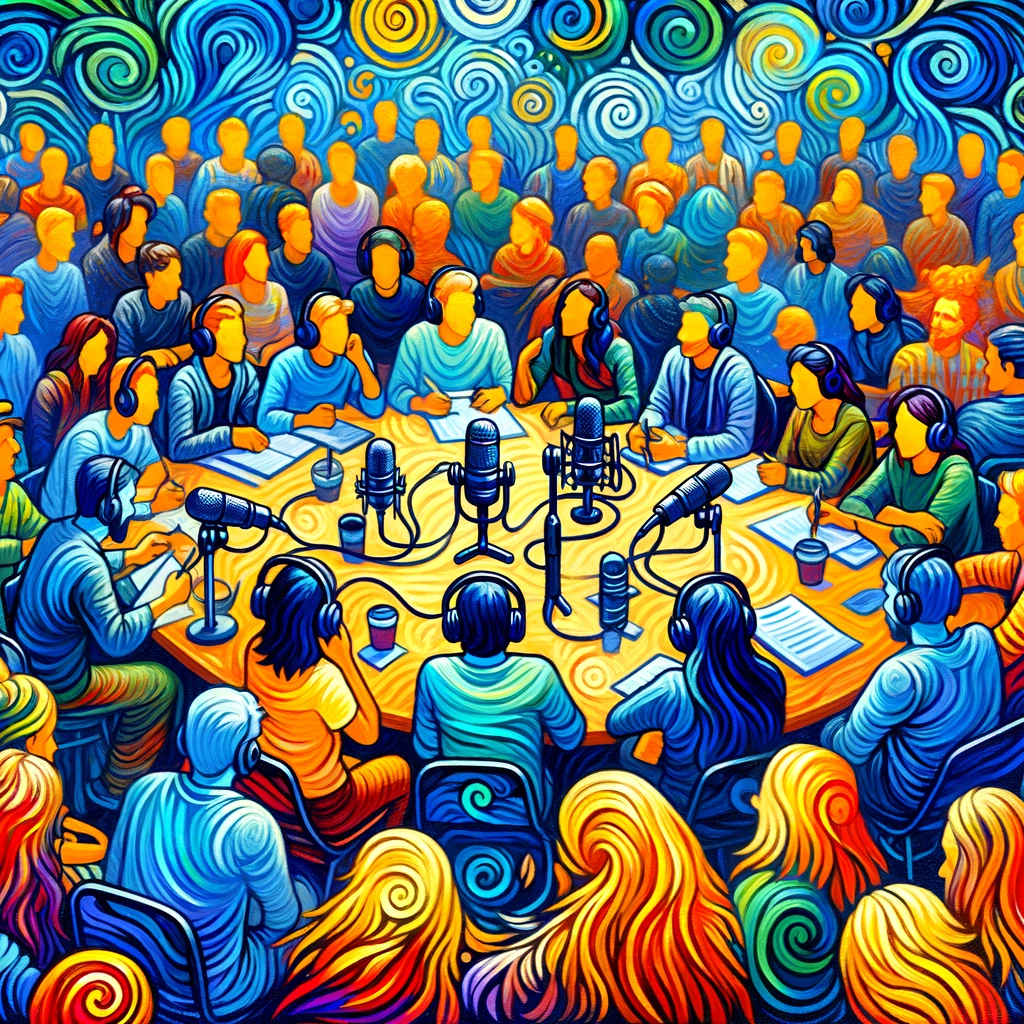
Conclusion
Other Resources

Other Resources
Here is a list of other resources you can review online to learn more:
- AI Success Cast
- Podcast Guru
- Jiosaavn
- Apple Podcasts
- Google My Business
- Patreon for Podcasters
- AI Success Club
- AI to Human Copywriting System
- Blogger
- Libsyn
- Deezer
- NCH Software
- deviantART
- WordPress
- Switcher Studio
- Pandora For Podcasters
Use This Prompt To Get More Resources With Your Favorite Online AI Tool: Please provide me with a list of online articles with their URLs in a bulleted list that I can read regarding How AI Sound Design Made My Episodes Feel Cinematic

Other Resources
Glossary Terms
How AI Sound Design Made My Episodes Feel Cinematic – Glossary Of Terms
1. AI: Artificial Intelligence; technology that simulates human cognition to perform tasks like sound design.
2. Sound Design: The process of creating, acquiring, or manipulating audio elements for a film, series, or game.
3. Cinematic: Relating to or characteristic of cinema; evoking an immersive film-like experience.
4. Algorithm: A set of rules or processes followed in calculations or problem-solving, often used in AI for sound processing.
5. Soundscape: The combination of sound elements in an environment that shapes the auditory atmosphere.
6. Ambience: The background noise or sounds that create a sense of place within a scene.
7. Foley: The reproduction of everyday sound effects added to film, video, and other media in post-production.
8. Mixing: The process of combining multiple sound elements into a cohesive whole.
9. Spatial Audio: A technology that allows sound to be perceived in three dimensions, enhancing realism.
10. Reverb: The persistence of sound after its source has stopped, used to create depth and space.
11. Sound Effects (SFX): Artificially created or enhanced sounds added to enhance the storytelling.
12. Dialogue Replacement (ADR): The process of re-recording dialogues in post-production for better clarity and quality.
13. Equalization (EQ): The adjustment of the balance between frequency components of an audio signal.
14. Middleware: Software that connects different applications, often used in games for integrating sound design.
15. Pitch Shifting: The alteration of the pitch of a sound, used to create new sonic textures.
16. Layering: The technique of combining multiple audio tracks to create a richer sound.
17. Synthetic Sound: Sounds generated using electronic or digital means rather than recorded from the real world.
18. Mood: The emotional tone or atmosphere created through sound design elements.
19. Dynamic Range: The difference between the softest and loudest sound in an audio piece, crucial for impact.
20. Field Recording: Capturing natural sounds in their environment for use in sound design.
21. Modulation: The varying of a wave signal’s properties to create a more expressive sound.
22. Looping: Repeating a segment of audio to maintain continuity or create texture within a sound design piece.
23. Binaural: A method of recording or mixing sound that creates a 3D audio experience for the listener.
24. Source Material: Original audio recordings or sounds used as the basis for sound design.
25. Compression: The reduction of the dynamic range of audio signals to maintain consistency in volume.
26. Synthesis: The creation of sounds through the combination of various audio waveforms.
27. Pitch: The perceived frequency of a sound, affecting the listener’s emotional response.
28. Cue: A specific sound or musical element that signals an action or event in a narrative.
29. Atmosphere: The emotional setting or mood created through sound design in a scene.
30. Sound Editing: The process of selecting, assembling, and manipulating audio elements for a production.

Glossary Of Terms
Other Questions
How AI Sound Design Made My Episodes Feel Cinematic – Other Questions
If you wish to explore and discover more, consider looking for answers to these questions:
- What specific AI tools and software did you use to create the soundscapes?
- How steep is the learning curve for creators new to AI sound design?
- What are the typical costs (software, subscriptions, hardware) to implement AI sound design?
- How long does it take to produce an episode with AI-enhanced sound versus traditional methods?
- How do you integrate AI-generated audio with live-recorded voice tracks and music?
- What file formats and sample rates work best when combining AI sounds with human recordings?
- How do you ensure sonic consistency across episodes and seasons when using AI?
- What are best practices for mixing and mastering AI-created soundscapes to sound natural?
- How can podcasters measure the impact of AI sound design on listener engagement and retention?
- What metrics should creators track to evaluate whether AI sound choices improve storytelling?
- How do listeners perceive AI-generated sounds versus human-created sounds in surveys or tests?
- What ethical guidelines should creators follow when using AI to evoke strong emotions?
- How do you obtain consent and provide attribution when using AI-trained models on real human voices?
- What are the copyright and licensing implications of using AI-generated music and effects?
- Can AI models be trained on copyrighted audio, and what are the legal risks?
- How do you prevent cultural appropriation or stereotyping when AI produces culturally specific soundscapes?
- How transparent should creators be with audiences about which sounds were generated by AI?
- What steps can be taken to avoid manipulative or deceptive uses of AI-driven sound design?
- How might AI sound design affect jobs for traditional sound designers and foley artists?
- What are effective workflows for human–AI collaboration in sound design?
- How do you maintain authenticity and emotional nuance when AI generates ambient or musical elements?
- How accurate is AI at modeling nuanced emotional cues (tension, nostalgia, hope) in sound?
- How do you personalize soundscapes for different listener demographics without invading privacy?
- What privacy concerns arise when AI tailors audio based on listener data, and how are they addressed?
- How do you test AI-created soundscapes with diverse audiences to avoid unintended reactions?
- What safeguards exist to detect and prevent deepfake voice misuse in podcasts?
- How can small teams or indie creators get started with affordable AI sound design tools?
- What training resources, courses, or communities are recommended for learning AI sound design?
- How do you localize or adapt AI soundscapes for different languages and cultural contexts?
- What are the hardware requirements for running real-time or high-fidelity AI audio generation?
- Can AI-generated sounds be used in live shows or radio, and what are the latency considerations?
- How do you maintain version control and provenance for iterative AI sound design changes?
- What are the best ways to credit AI tools, datasets, and human contributors in credits?
- How do you balance efficiency gains from AI with preserving the unique imperfections of human work?
- What future trends in AI sound design should creators prepare for (interactive audio, adaptive narratives)?

Other Questions
Haiku
How AI Sound Design Made My Episodes Feel Cinematic – A Haiku
AI weaves sound threads,
Echoes of life breathe and pulse,
Stories come alive.

Haiku
Poem
How AI Sound Design Made My Episodes Feel Cinematic – A Poem
In waves of sound where stories spin,
An artful blend of heart and kin,
AI crafts a realm so vast,
Where echoes of the present meet the past.
Each whisper of the wind, each distant chime,
Transforms mere words into rhythms of time,
From creaking floors to strings that play,
The essence of emotions finds its way.
As thunder rolls and footsteps near,
Soundscapes awaken feelings clear,
Nostalgia drips from rustling leaves,
In every tone, a heart believes.
Yet not just art, but logic reigns,
In the realm of creativity’s chains,
With AI’s touch, efficiency thrives,
Empowering voices where passion survives.
But ponder, dear listeners, the ethical thread,
As algorithms weave what’s felt and said,
Is the spark of human touch lost in the game?
Do we celebrate creation or mask it in fame?
Collective journeys through laughter and tears,
Shared soundscapes dissolve all our fears,
So let us embrace this new expansive art,
Where technology and humanity share one heart.
Thus, in every beat, each crafted tone,
Connections form, we’re never alone,
The heartbeat of stories, a tapestry spun,
In sound, we find trust, in sound, we run.

Poem
Checklist
How AI Sound Design Made My Episodes Feel Cinematic – A Checklist
Checklist for Enhancing Storytelling Through AI Sound Design
✅______ Identify key emotional moments in your narrative.
✅______ Use soundscapes to evoke specific feelings (e.g., nostalgia, tension, joy).
✅______ Integrate subtle background sounds that enhance emotional resonance.
Rational Appeal
✅______ Opt for AI tools that save time and resources in sound production.
✅______ Ensure sound design enhances understanding and immersion without overwhelming.
✅______ Leverage data analytics to identify which sounds resonate best with your audience.
Ethical Considerations
✅______ Reflect on the authenticity of AI-generated sounds—do they maintain a human touch?
✅______ Ensure the use of AI does not diminish original artistry or cultural nuances.
✅______ Discuss the implications of sound manipulation and responsibility in storytelling.
Authority and Trust
✅______ Collaborate with experienced sound designers to guide your AI usage.
✅______ Curate soundscapes that reflect expert insights, enhancing your credibility.
✅______ Share listener feedback to create community-driven sound experiences.
Narrative Connection
✅______ Use soundscapes to enhance the narrative arc, providing auditory cues at pivotal moments.
✅______ Craft personalized audio experiences that align with the listener’s experiences.
✅______ Create prompts that encourage audience reflection on their emotional and cognitive responses.
Social Engagement
✅______ Foster community discussions around soundscapes and their impact on stories.
✅______ Encourage audience participation in selecting or suggesting sounds for future narratives.
✅______ Share behind-the-scenes looks at how sound design enhances storytelling to inspire trust and connection.
Gut Reaction
✅______ Experiment with dynamic sound effects that provoke visceral reactions (e.g., heartbeats, wind).
✅______ Utilize varying pacing and sound intensity to match narrative momentum.
✅______ Create immersive sound moments that compel listeners to feel as if they are part of the story.

Checklist
At PodcastBig, we help people who want to learn about podcasting by collating information and news about podcasting.
Be sure to read our other related stories at PodcastBig to learn more about podcasting.