

Bridging Innovation And Integrity With Ai
By Tom Seest
At PodcastBig, we help people who want to learn about podcasting by collating information and news about podcasting.
Be sure to read our other related stories at PodcastBig to learn more about podcasting.
How AI Is Solving The Problem Of Unintentional Copyright Use
In a world awash with digital content, the line between inspiration and infringement often blurs. It’s an easy misstep—like stepping on a crack when you’re not paying attention. Yet for many creators, those cracks can lead to significant repercussions. Enter the realm of artificial intelligence, an innovative ally in this tangled web of creativity and law.
Imagine you’re a budding artist, pouring your heart into every stroke of your brush. You find yourself captivated by a piece of music that speaks to your very soul. You incorporate it into your work, only to later discover it was a protected track. In a heartbeat, your passion turns into a potential legal nightmare, and your dreams hang in the balance. But what if I told you that AI is stepping up to protect creators like you?
Advanced algorithms are now equipped to scan countless works, identifying potential copyright issues before they arise. It’s like having a trusty guide navigate the uncharted waters of creative expression. A quick audio check on your podcast, a visual scan of your video—AI provides that extra layer of assurance, letting you focus on what matters most: your art.
Take Sarah, for instance. A passionate podcaster who felt the sting of unwarranted copyright claims. Frustration brewed, feeding the nagging doubt that her voice would never be heard. But with the integration of AI tools in her production process, she’s now empowered creatively and legally. Knowing she can produce her content without fear has rekindled her enthusiasm, making her stories flow even more freely.
Ethically, embracing AI isn’t just about avoiding fines; it’s about fostering an environment where creativity can blossom. By preventing unintentional copyright violations, we can honor every artist’s right to their work while also ensuring a community of innovation thrives.
So where does this leave us? It invites us to lean into our creative endeavors with confidence. We need that fearless spirit, the kind that isn’t anchored by legal chains. As we revolutionize the way we engage with content, let’s keep the heart of art alive, unencumbered and thriving. Your stories deserve to be told, and with AI as a safeguard, who knows what wonders are waiting to break free?
How AI Is Solving The Problem Of Unintentional Copyright Use
How AI Is Solving The Problem Of Unintentional Copyright Use
- The boundary between inspiration and infringement in digital content is often unclear, leading to potential legal issues for creators.
- Artists can inadvertently use protected works, risking their projects and passion due to copyright violations.
- Artificial intelligence (AI) serves as a supportive tool for creators, helping to identify copyright issues proactively.
- AI technologies can scan audio and visual content to prevent unintentional copyright breaches, allowing artists to focus on their creativity.
- Sarah, a podcaster, uses AI tools to navigate copyright challenges, empowering her to create without fear of legal repercussions.
- Embracing AI fosters a creative environment by reducing the risk of copyright violations, honoring artists’ rights, and promoting innovation.
- With AI as a safeguard, creators can pursue their artistic endeavors confidently and share their stories freely.

How AI Is Solving The Problem Of Unintentional Copyright Use
Table Of Contents
- How AI Is Solving The Problem Of Unintentional Copyright Use
- How Can AI Help Protect Creators From Copyright Infringement?
- What Role Does AI Play In Educating Users About Copyright Laws?
- Can AI Tools Provide Clarity On Fair Use Vs. Infringement Issues?
- How Does AI Ensure That Art Remains Respectful Of Original Creators?
- How Does AI Balance Creativity And Copyright Compliance In Content?
- Can AI-Generated Alerts Prevent Unintentional Copyright Violations?
- What Ethical Implications Arise When Using AI In Copyright Monitoring?
- Conclusion
- Other Resources
- Glossary Of Terms
- Other Questions
- Haiku
- Poem
- Checklist
How Can AI Help Protect Creators From Copyright Infringement?
In a world where creativity flows like an endless river, the struggle to protect that creativity feels insurmountable. Imagine a passionate artist pouring their soul into a canvas, only to find that someone else has co-opted their hard work and unique vision. It tugs at your heart, doesn’t it? When we think about creators—from musicians dreaming of the next big hit to writers crafting stories that make us laugh and cry—we feel a deep connection to their journeys. Every note, every word, every brushstroke is a part of them, and they deserve respect and protection.
Enter artificial intelligence, a modern tool often misunderstood. It’s not just a fancy gadget; it’s a shield we can wield on the frontlines of copyright infringement. Picture this: algorithms designed to scour the vast digital landscape, detecting unauthorized use of creative works with pinpoint accuracy. It’s like having a vigilant guardian that operates tirelessly, allowing creators to focus on what they do best—creating.
But let’s be real. The mere existence of AI isn’t the magic wand we need; it’s how we use it that matters. When we empower creators with AI tools, we equip them with the means to fight back against those who might undermine their efforts. Rationally, this is about protecting intellectual property, but ethically, it’s about fostering an environment where creativity can thrive without fear. When an artist’s rights are respected, it fuels more creation, leading to a vibrant cultural tapestry that benefits everyone.
Think about that scene of a busy creative studio, filled with the sounds of brainstorming, laughter, and collaboration. Each creator may work alone but is part of a larger community—a network that thrives on trust and support. When AI helps protect each individual’s work, it strengthens the whole network, encouraging more people to share their voices without the looming worry of their ideas being stolen.
Now, consider the impact of a thriving creative community. The artist whose song was stolen might inspire a budding musician to pick up their first guitar, or a writer whose work was respected could ignite a passion for storytelling in a kid reading their book. It’s not just about protecting creators; it’s about igniting a movement. By championing the use of AI in copyright protection, we can safeguard not only individual dreams but the dreams of future generations. So let’s harness this technology to nurture creativity, restore confidence, and ensure that the stories we love can keep being told—authentically and boldly.

How Can AI Help Protect Creators From Copyright Infringement?
How Can AI Help Protect Creators From Copyright Infringement?
- The struggle to protect creativity is significant in a world where artistic expression is often co-opted.
- Creators, including artists and writers, deserve respect and protection for their original works.
- Artificial intelligence can serve as a tool against copyright infringement, acting as a vigilant guardian.
- Empowering creators with AI tools allows them to effectively combat misuse of their intellectual property.
- Respecting artists’ rights fosters a vibrant environment for creativity, leading to a richer cultural landscape.
- A supportive creative community is strengthened when AI protects individual works, minimizing the fear of idea theft.
- Championing AI in copyright protection can inspire future generations and nurture the arts authentically.

How Can AI Help Protect Creators From Copyright Infringement?
What Role Does AI Play In Educating Users About Copyright Laws?
When it comes to understanding copyright laws, many of us feel like we’re trying to navigate a labyrinth without a map. That’s where artificial intelligence steps in—not as a cold machine, but as a warm guide, helping to light the way through the often murky waters of intellectual property. Imagine you’re diving into a podcast that breaks it all down, from the basics of fair use to the intricacies of creative licensing. It’s not just an episode for the brain; it’s a lifeline for creators who pour their soul into their work.
Think about it. You’re a budding artist eager to share your creations with the world. Yet, how do you protect your work? That’s where AI comes into play, analyzing vast amounts of information and curating content tailored to your individual needs. This tech doesn’t just throw data your way; it filters through layers of legal jargon and helps you uncover what those dense legal texts mean in real life. You’re not just a passive listener; you become an active participant in safeguarding your creative expression.
It’s also about fostering a culture of respect. When people understand the fears and hopes behind copyright laws—emotions that resonate deeply with anyone who has ever created—they start to appreciate the importance of honoring others’ work. The ethical aspect of using AI in educational contexts helps to empower individuals to make informed decisions that respect not only their rights but also those of their peers. When we recognize the humanity behind the law, it inspires camaraderie, creating a community that uplifts rather than tears down.
The narrative of navigating copyright becomes a shared journey, rather than a solitary struggle. With AI as your ally, you can engage in conversations that matter, share insights, and build trust within a network of fellow creators. This social interconnectedness means that education about copyright law is no longer just a daunting task—it transforms into a communal effort, elevating everyone involved.
As you tune into the podcast that unpacks these complexities, feel that sense of confidence rising. Because knowledge is power, and with the right tools—like AI at your fingertips—you’re equipped to not only defend your work but also to foster a deeper understanding and respect for the creative community. It’s time to embrace this technology, transforming confusion into clarity, and fear into action.

What Role Does AI Play In Educating Users About Copyright Laws?
What Role Does AI Play In Educating Users About Copyright Laws?
- Navigating copyright laws can feel overwhelming without guidance.
- Artificial intelligence serves as a helpful guide through intellectual property complexities.
- Podcasts can break down concepts like fair use and creative licensing for creators.
- AI analyzes and curates information to help protect individual creative works.
- Understanding copyright fosters respect for the rights and efforts of other creators.
- Education about copyright becomes a shared journey, enhancing community support.
- With AI, creators gain confidence, turning knowledge into action and clarity.

What Role Does AI Play In Educating Users About Copyright Laws?
Can AI Tools Provide Clarity On Fair Use Vs. Infringement Issues?
In a world where creativity often dances on the edge of legality, many creators find themselves caught in the murky waters of fair use and infringement. It’s a daunting conundrum, one that can leave the best of us feeling unsure, anxious, and even paralyzed. Enter AI tools—our modern-day guides through this labyrinthine legal landscape. These digital allies can help illuminate the often-misunderstood path between inspiration and imitation.
Imagine a podcaster ready to share a thought-provoking story that pulls in quotes from cherished works—works that have inspired their very creative journey. Do they tread bravely into the waters of fair use, confident in their right to share, or do they pull back in fear of potential infringement? AI tools, with their vast databases and analytical capabilities, can provide insights that cut through the confusion, helping creators make informed decisions based on established precedents and case studies. This isn’t just about parsing legal jargon; it’s about empowering individuals to harness their creative spirit while respecting the hard-earned rights of others.
From a practical standpoint, understanding the nuances of fair use is more than just an academic exercise—it’s a necessity for anyone daring to combine originality with the influences that shape their work. It’s about distinguishing between a tribute and a take. Using AI tools, creators can analyze and clarify their uses of materials, ensuring they stay on the right side of the line, fostering both confidence and creativity.
But there’s more at stake here than just legalese. There’s a sense of ethical obligation—respecting the contributors who came before us. Engaging with works that preceded us shouldn’t feel like an uphill battle of legality, but rather a tribute to those who inspired us. The collective creativity of artists past can fuel a society rich in innovation, collaboration, and shared experience.
On a human level, these tools can also serve as a bridge, fostering conversations among creators and legal experts. When we demystify the complexities of copyright law, we create networks built on trust and collaboration rather than fear. In doing so, we evoke a community where everyone feels free to create, influenced by one another, yet respectful of individual contributions. Let’s embrace the technology at our fingertips, nudging our creative endeavors forward while ensuring that respect for creativity remains at the heart of it all.
Can AI Tools Provide Clarity On Fair Use Vs. Infringement Issues?
Can AI Tools Provide Clarity On Fair Use Vs. Infringement Issues?
- Creators often face confusion about fair use and copyright infringement in a complex legal environment.
- AI tools are emerging as valuable resources to navigate the distinctions between inspiration and imitation.
- Podcasters and other creators can benefit from AI’s analytical capabilities to make informed decisions about using quotes and materials.
- Understanding fair use is essential for creators to balance originality with influences in their work.
- AI tools help clarify proper usage, boosting confidence while respecting the rights of original creators.
- There’s an ethical obligation to honor and recognize past contributors, enriching the creative landscape.
- AI can facilitate collaboration between creators and legal experts, fostering a supportive community for innovation.
Can AI Tools Provide Clarity On Fair Use Vs. Infringement Issues?
How Does AI Ensure That Art Remains Respectful Of Original Creators?
Art has always been a vessel for the human experience, each brushstroke or verse telling a story shaped by passion, struggle, and imagination. However, in this age of artificial intelligence, a new frontier emerges, stirring both excitement and skepticism. How does AI ensure that art remains respectful of original creators? This is not just a technical question; it’s a matter of heart and ethics.
Think of the feeling you get listening to your favorite Podcast, the way a single story can evoke laughter, tears, or inspiration. Those creators, with their unique voices and perspectives, craft every word with intention. Similarly, AI systems, when designed thoughtfully, can honor and reflect the essence of original artists. They can analyze vast troves of creative expression, learning the nuances of style and emotion, yet still recognize the sacred bond between the creator and their work.
Rational minds might ask: Can technology really understand and respect human creativity? Here’s where the numbers matter. With algorithms that track usage rights, ownership, and creative intentions, AI can navigate the intricate web of intellectual property like a seasoned guide. It ensures that artists receive credit for their creations, prompting AI developers to establish frameworks that recognize the original creators in every generated piece. This is not just about compliance; it’s about validation.
Ethically speaking, AI’s role in art must stem from a place of respect. It’s crucial for the creators in this new landscape to be seen as collaborators rather than just sources of inspiration. Consider the conversations we foster in society about respect and authenticity. It’s a narrative that speaks to our shared humanity. When AI mirrors the work of a painter, it must do so with reverence—a tribute, not a theft.
Therein lies the power of connection. By bridging the gap between innovation and originality, we can cultivate a culture that values artistic integrity. It fosters a sense of community, encouraging artists and technologists alike to engage, share, and explore new creative avenues together.
So, as we journey into this uncharted territory, let us inspire confidence in AI’s potential to not only create but also to enhance the artistic landscape—one that honors the makers who came before while paving the way for generation after generation of creators to come. Together, we can ensure that every creation tells a story, rooted deeply in respect for those who dared to dream first.

How Does AI Ensure That Art Remains Respectful Of Original Creators?
How Does AI Ensure That Art Remains Respectful Of Original Creators?
- Art has historically been a medium for expressing the human experience through passion and imagination.
- The rise of artificial intelligence presents both excitement and skepticism regarding its role in art.
- AI systems, when designed thoughtfully, can honor and reflect the essence of original artists.
- Algorithms can help navigate intellectual property issues, ensuring artists receive credit for their work.
- AI should respect original creators, viewing them as collaborators rather than mere sources of inspiration.
- Fostering a culture of artistic integrity connects artists and technologists, promoting collaboration.
- As AI evolves, it has the potential to enhance the artistic landscape while respecting the legacy of creators.

How Does AI Ensure That Art Remains Respectful Of Original Creators?
How Does AI Balance Creativity And Copyright Compliance In Content?
As we stand on the brink of a new era, the delicate dance between creativity and copyright compliance reveals itself, much like a well-tuned symphony. Imagine, for a moment, a world where artists, writers, and creators can harness the extraordinary power of AI without sacrificing their creativity or stepping on the toes of intellectual property owners. It’s a tug of war that leaves the heart racing and the mind buzzing with questions. How do we celebrate originality without drowning in a sea of legal complexities?
At first glance, copyright laws can seem like an impenetrable fortress, but let’s pull back the curtain for a moment. The heartbeat of innovation lies in our ability to remix and reinvigorate ideas. Think of those moments during long road trips, where laughter births stories spun from the fabric of shared experiences. AI serves a similar purpose—it’s the co-pilot helping us navigate the landscape of creativity, providing tools that enhance rather than hinder. With the right guidance, it respects the boundaries set by copyright laws while fueling our imaginative fires.
When creators utilize AI responsibly, they’re not just avoiding legal pitfalls; they’re embarking on an ethical journey. They stand on the shoulders of giants, drawing from established works while adding their unique spin. This creates a vibrant tapestry that honors the past while forging a path toward the future. Imagine being part of a community where creators collaborate, inspired by one another, and share not just their triumphs but also their struggles on this quest for originality. When respect for copyright intertwines with creative expression, we build a bridge where trust flourishes and voices unite.
Consider the impact of a podcast that springs to life with original stories, weaving personal experiences and creative insights. It’s a testament to how AI can operate within the right framework, inspiring others to take risks with their own creations. Everyone’s played a role in this narrative, whether as a listener or a creator, and it’s this collective effort that sparks inspiration and invites action.
Embrace the journey with eyes wide open—balance creativity and compliance. It’s not just about protecting artistic integrity; it’s about fostering a vibrant ecosystem where our cultural voices can flourish. Together, we can redefine creativity, ensuring it not only thrives but honors the tapestry of ideas that brought us here.

How Does AI Balance Creativity And Copyright Compliance In Content?
How Does AI Balance Creativity And Copyright Compliance In Content?
- The balance between creativity and copyright compliance is crucial in the evolving landscape of artistic expression.
- AI can empower creators while respecting intellectual property rights, allowing for innovative collaborations.
- Copyright laws can appear complex, but remixing and reviving ideas are key components of innovation.
- Responsible use of AI enables creators to embark on an ethical journey, celebrating originality while honoring established works.
- A collaborative community of creators can share experiences and inspire each other alongside their creative journeys.
- Podcasts and other media can exemplify the positive impact of AI when used within the proper legal framework.
- Encouraging a fusion of creativity and compliance contributes to a thriving cultural ecosystem and ensures artistic integrity.

How Does AI Balance Creativity And Copyright Compliance In Content?
Can AI-Generated Alerts Prevent Unintentional Copyright Violations?
It’s a tangled web we weave in the digital age, isn’t it? Imagine a world where every creative spark, every beat of your favorite podcast, and every brushstroke on a digital canvas has the potential to ignite a costly battle. You put your heart into your work, pouring in hours of effort, only to find out that in the sea of content, a misstep could lead you straight into the crosshairs of a copyright controversy. This is where AI-generated alerts come into play, presenting a lifeline amidst the murky waters of content ownership.
Picture an artist, toiling away late into the night, crafting melodies or stitching together insights for an upcoming podcast episode. Suddenly, a notification pings. It’s an AI alert, flagging a passage or a sample that might be too close for comfort, a reminder that protecting what’s yours is as crucial as creating it. This isn’t just technology; it’s an ally that empowers you to be proactive, ensuring your hard work doesn’t become collateral damage in the unpredictable landscape of copyright law.
Let’s get real for a moment: the struggle against unintentional copyright slip-ups is more than just a headache; it’s about integrity. Every violation can hurt not just the creator but the fabric of creativity itself. When we foster a culture of respect, we create a community where ideas flourish rather than falter. These AI alerts don’t just serve as guardrails; they become part of the creative process, encouraging collaboration while safeguarding the rights that make art and innovation possible.
This isn’t just an upgrade in tools—it’s a shift in how we engage with creativity. Think of the stories that thrive when creators have the freedom to explore, knowing they are protected by vigilant technology. Imagine the conversations that can take place when people feel confident sharing their work without the fear of stepping on someone else’s toes.
As we leap into this new digital frontier, let’s embrace the potential of AI-generated alerts as a shared responsibility. It’s about stewardship—not just of content but of the very essence of creativity that binds us as a community. Together, we can navigate these waters, fostering trust, encouraging inspiration, and ensuring that every story, every note, and every brushstroke finds its rightful place without fear. In that spirit, let’s champion the tools that serve us, making sure that our creative journeys remain true and unencumbered.
Can AI-Generated Alerts Prevent Unintentional Copyright Violations?
Can AI-Generated Alerts Prevent Unintentional Copyright Violations?
- The digital age presents challenges for creators, with potential copyright battles looming over their work.
- AI-generated alerts offer a solution by notifying creators of potential copyright issues before they arise.
- These alerts empower content creators to be proactive in protecting their work while fostering creativity.
- Unintentional copyright violations can harm not only individual creators but also the broader creative community.
- AI alerts encourage a culture of respect within the creative community, allowing for collaboration while safeguarding rights.
- The use of AI in creativity signifies a shift towards a more protective environment for creators’ work.
- Embracing AI-generated alerts as a collective responsibility fosters trust and inspiration among creators.

Can AI-Generated Alerts Prevent Unintentional Copyright Violations?
What Ethical Implications Arise When Using AI In Copyright Monitoring?
When you think about the digital landscape we navigate today, it’s easy to get swept up in the promise of artificial intelligence such as AI in copyright monitoring. But there’s a weighty responsibility that comes with this innovation. The ethical implications ought to make us pause, to reflect on the fine line we tread between protection and intrusion, between creativity and control. Imagine you are an artist, pouring your heart into each brushstroke or lyric, and suddenly, a machine is combing through the very essence of your work. While the idea is to safeguard your creativity, does it not also feel like a surveillance state at your doorstep?
Let’s face it—AI can be a formidable authority in hunting down copyright infringement. It operates on an unparalleled level of speed and efficiency, scanning endless streams of content faster than any human could. But is our reliance on this technology stripping away the essential human element of understanding context? The patterns detected by AI may not account for artistic intent or fair use. Herein lies the dilemma: how do we balance the scales of protection without compromising the freedom of expression?
From a rational standpoint, it makes sense to deploy robust systems to monitor and enforce copyright. But what about the emotional toll on creators who may feel wronged when an algorithm misjudges their contributions? Craft is born from passion, and when machines start to resemble naysayers, it can foster a chilling environment, stifling creativity and joy. Trust can easily erode when creators don’t feel their unique voices are being respected.
And who holds the key? The answer should revolve around fostering an open dialogue between technologists, artists, and policy makers. All of us must share responsibility for the direction we take. Let’s not forget the very real impact on social dynamics—collectively, we must create an ecosystem where creators can thrive without fear. We need to cultivate a robust framework that encourages fairness and transparency.
If AI is going to be part of our creative fabric, let’s ensure it enhances, rather than dictates. This isn’t just about monitoring copyright; it’s about nurturing a culture where innovation can flourish without the fog of distrust. Take a moment, listen to the stories behind the art, and remember that every piece deserves its moment in the sun—where creativity is not just protected, but celebrated. So as we engage with this technology, let’s choose to do so wisely, ensuring that, at the end of the day, it serves us all.
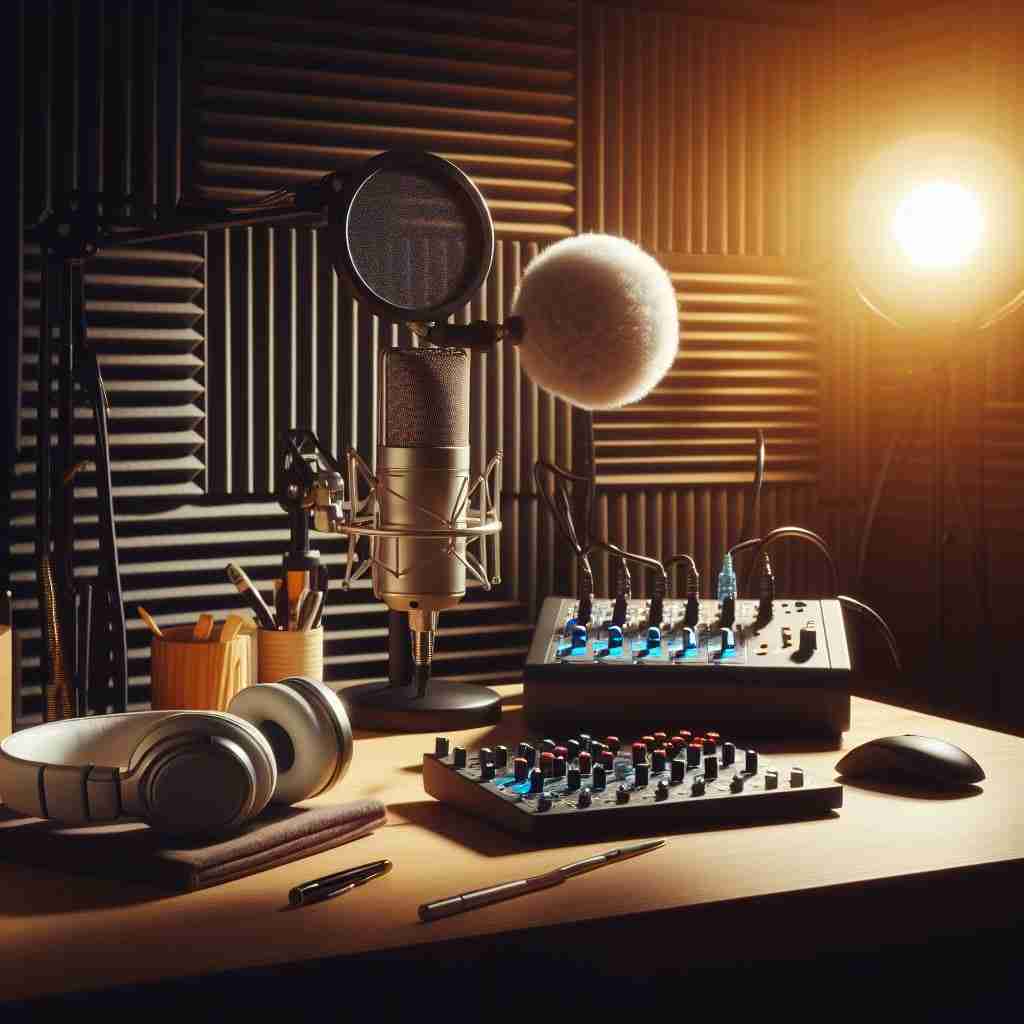
What Ethical Implications Arise When Using AI In Copyright Monitoring?
What Ethical Implications Arise When Using AI In Copyright Monitoring?
- The rise of AI in copyright monitoring presents significant ethical implications that necessitate careful reflection.
- There is a delicate balance between protecting creativity and risking surveillance of artists’ work.
- AI’s efficiency in detecting copyright infringement raises concerns about understanding context and artistic intention.
- Dependence on AI may impact creators emotionally, especially if algorithms misunderstand their contributions.
- Open dialogue between technologists, artists, and policymakers is essential for equitable solutions.
- Creating a supportive ecosystem is vital for artists to thrive without fear of misjudgment.
- AI should enhance creativity rather than dominate it, fostering a culture that celebrates and protects artistic expression.

What Ethical Implications Arise When Using AI In Copyright Monitoring?
Conclusion
Navigating the digital age as a creator can feel like walking a tightrope suspended between inspiration and infringement, where one misstep can lead to a plummet into legal chaos. Yet, in this potentially treacherous landscape, artificial intelligence emerges as an invaluable ally, safeguarding not just the rights of individual artists but the very essence of creativity itself. Imagine the relief of knowing that AI tools, armed with sophisticated algorithms, are vigilantly scanning your work for potential copyright pitfalls before they evolve into legal nightmares. It’s a game-changer for creators—from the passionate painter to the aspiring podcaster—allowing them to focus on expressing their unique voices rather than fretting over unintentional violations.
Take Sarah’s story, a storyteller whose frustration nearly extinguished her creative fire after facing unjust copyright claims. With AI tools integrated into her workflow, she regained the freedom to share her narratives without fear, igniting a renewed passion for her craft. This isn’t merely about avoiding fines; it’s about fostering an environment that champions innovation while respecting the creator’s rights. Ethical consideration becomes paramount here; by preventing unintentional infringements, we nurture a flourishing community of creative expression that honors the individual contributions essential to our cultural fabric.
As we embrace technology, we must also promote awareness. Understanding copyright laws is a daunting task, but AI can guide creators through this labyrinth, transforming intimidating legal jargon into relatable knowledge. When artists are empowered with information about copyright, they are better equipped to protect themselves and appreciate the rights of others. This creates a ripple effect, where respect for one another’s work fosters camaraderie, elevating everyone in this interconnected ecosystem.
Moreover, AI generated alerts can prevent unintentional copyright violations in real-time, serving as a creative partner. This protective layer fosters trust within the community, inspiring collaboration instead of fear. Let’s envision a world where every creative endeavor is approached with confidence—where stories unfold freely without the shadow of legal repercussions. Yet, we must also tread thoughtfully, ensuring that in our quest for control, we don’t sacrifice the human connection that underpins artistic expression.
In the end, as artists and technologists join hands, we have the potential to redefine creativity. With AI as our trusted guide, let’s step boldly into a future teeming with possibilities—crafting a landscape that not only secures the integrity of art but celebrates every voice contributing to our shared narrative. Together, we can unleash the untapped wonders of creativity, ensuring the stories yet to be told find their rightful place in the world.

Conclusion
Conclusion:
- Navigating the digital age poses challenges for creators regarding inspiration and copyright infringement.
- Artificial intelligence serves as a valuable ally by safeguarding artists’ rights and enhancing creativity.
- AI tools analyze creators’ work for potential copyright issues, allowing them to focus on their artistic expression.
- Success stories, like Sarah’s, illustrate how AI can empower creators to share their work without fear of unjust claims.
- Understanding copyright laws is complex, but AI can simplify legal terms, promoting awareness and self-protection among creators.
- Real-time AI-generated alerts help prevent unintentional violations and foster a collaborative community of creators.
- The collaboration between artists and technology has the potential to redefine creativity, ensuring every voice is celebrated.

Conclusion
Other Resources

Other Resources
Here is a list of other resources you can review online to learn more:
- Planly
- Expertise.tv
- AntennaPod
- BeyondPod
- Bob Woods
- AI to Human Copywriting System
- Podcast Studio
- PodUp
- Patreon
- Blogger
- Adobe Audition
- Blubrry
- Medium
- Castro
- Flickr
- Pandora
- Threads
- SquadCast
Use This Prompt To Get More Resources With Your Favorite Online AI Tool: Please provide me with a list of online articles with their URLs in a bulleted list that I can read regarding How AI Is Solving The Problem Of Unintentional Copyright Use

Other Resources
Glossary Terms
How AI Is Solving The Problem Of Unintentional Copyright Use – Glossary Of Terms
1. AI (Artificial Intelligence): Technology that simulates human intelligence to perform tasks such as recognition, decision-making, and language processing.
2. Copyright: Legal protection that grants creators exclusive rights to their original works, preventing unauthorized use.
3. Unintentional Copyright Use: The accidental use of copyrighted materials without permission, often due to lack of awareness.
4. Plagiarism Detection: Technology that identifies instances of copied content to ensure originality and proper attribution.
5. Content Identification: AI techniques that scan and recognize copyrighted materials within various media formats.
6. Fair Use: A legal doctrine permitting limited use of copyrighted material without permission for purposes such as commentary, criticism, or education.
7. Machine Learning: A branch of AI that enables systems to learn from data and improve their performance over time without explicit programming.
8. Natural Language Processing (NLP): AI technology that understands and analyzes human language, facilitating rights management and copyright analysis.
9. Image Recognition: AI capability that identifies objects, people, and scenes in images to detect the use of copyrighted visuals.
10. Audio Fingerprinting: Technology that creates unique identifiers for audio content to track and manage copyright use across platforms.
11. Copyright Infringement: The unauthorized use of copyrighted material, which can lead to legal consequences.
12. Rights Management: Processes and technologies that help protect and enforce copyright ownership.
13. Content Management Systems (CMS): Software platforms that organize and manage digital content while addressing copyright considerations.
14. Data Scraping: The automated extraction of data from websites, which can inadvertently lead to copyright violations if not regulated.
15. Digital Rights Management (DRM): Technologies that control access to copyrighted materials, ensuring creators maintain control over their work.
16. Algorithm: A set of mathematical rules or instructions that AI uses for processing data, detecting copyright issues, or generating original content.
17. Training Data: Datasets used to teach AI systems, crucial for developing effective tools for copyright recognition and compliance.
18. Anonymization: The process of removing identifying details from data to protect privacy while addressing copyright issues in analytics.
19. Legal Compliance: Adherence to laws and regulations governing copyright to avoid unintentional infringement.
20. Automated Licensing: AI-based systems that facilitate the acquisition of licenses for copyrighted material directly through online platforms.
21. Content Moderation: The process of reviewing and managing user-generated content to ensure compliance with copyright laws.
22. Reverse Image Search: A tool that allows users to find the original source of an image, helping to address copyright issues.
23. Semantic Analysis: Analyzing the meaning and context of text to detect potential copyright concerns in written works.
24. Copyright Management Software: Programs designed to help creators track usage of their work and manage licensing efficiently.
25. Takedown Notice: A formal request to remove infringing content from a platform, often issued by copyright holders.
26. Work-for-Hire: A legal term referring to works created by an employee or contractor, where the copyright belongs to the employer or client.
27. Content Curation: Gathering and presenting content from various sources, which can raise copyright issues if not properly attributed.
28. Intellectual Property (IP): A category of legal rights that includes copyrights, trademarks, and patents, protecting creators’ ideas.
29. Copyright Clearance: The process of obtaining permission to use copyrighted material, ensuring compliance with copyright laws.
30. AI Ethics: The study of moral implications and responsibilities surrounding the development and use of artificial intelligence, including copyright considerations.

Glossary Of Terms
Other Questions
How AI Is Solving The Problem Of Unintentional Copyright Use – Other Questions
If you wish to explore and discover more, consider looking for answers to these questions:
- What are some specific AI tools available for copyright monitoring?
- How accurate are AI algorithms in detecting copyright violations?
- What can creators do if they receive a false copyright claim?
- How does AI handle nuances in artistic expression and original intent?
- What are the limits of AI in distinguishing between inspiration and infringement?
- How can AI tools be integrated into the creative process effectively?
- What are the potential risks of relying solely on AI for copyright monitoring?
- How do creators perceive the use of AI in monitoring their work?
- Are there case studies showcasing successful AI applications in copyright protection?
- What legal frameworks are in place to govern the use of AI in copyright issues?
- How can creators advocate for fair use provisions in the age of AI?
- What role do creators play in improving AI algorithms for copyright detection?
- What ethical guidelines should be considered when developing AI for copyright monitoring?
- How can communities support creators in navigating copyright challenges?
- What future developments can we expect in AI and copyright law?

Other Questions
Haiku
How AI Is Solving The Problem Of Unintentional Copyright Use – A Haiku
In a world of dreams,
AI guards creativity,
Ensuring hearts bloom.

Haiku
Poem
How AI Is Solving The Problem Of Unintentional Copyright Use – A Poem
In a realm of art, where dreams take flight,
Creators thrive in day and night,
Yet shadows loom, the laws confound,
A misstep here could bring them down.
But behold, a spark of modern grace,
Artificial intelligence enters the space,
With algorithms keen, it sweeps the land,
Guiding each artist’s hopeful hand.
Sarah, a podcaster, once filled with dread,
Faced claims that could silence her voice instead,
But with AI as her vigilant friend,
Her passion ignited, her worries did end.
This tech, it shields, it educates too,
Unpacking the labyrinth of rights anew,
With knowledge gained, creators unite,
In a tapestry woven, where fears take flight.
Respecting the past while forging ahead,
In this vibrant community, creativity’s spread,
With clarity brought to fair use and more,
Respect fills the air; inspiration will soar.
Yet ethics emerge, a balance we seek,
To honor original voices, never be meek,
Navigating the fine line of vigilance and trust,
As we nurture our art, it’s a must.
Alerts guide us gently, protecting each thread,
Ensuring our journeys aren’t burdened with dread,
For every brushstroke and lyric born free,
Lies a chorus of hearts, all longing to be.
In this age of innovation, let’s stand side by side,
With AI as our ally, let hope be our guide,
For every story matters, the voices they yield,
A future where art and respect are revealed.

Poem
Checklist
How AI Is Solving The Problem Of Unintentional Copyright Use – A Checklist
Checklist for Embracing AI in Copyright Protection and Creative Integrity
Heartfelt Considerations (Emotional Appeal)
_____ Reflect on your passion for creating; how can AI enhance your creative journey?
_____ Consider the emotional impact of copyright violations on creators. How can AI alleviate this stress?
_____ Share stories that inspire you; how does your connection to these narratives influence your creative work?
Rational Insights (Rational Appeal)
_____ Familiarize yourself with AI tools that identify potential copyright issues in your work.
_____ Investigate the algorithms that analyze creative content for copyright compliance.
_____ Evaluate examples of successful AI interventions in safeguarding creative works.
Ethical Reflections (Ethical Appeal)
_____ Contemplate the importance of respecting original creators and their intellectual property.
_____ Assess how using AI responsibly can nurture a community of creativity versus surveillance.
_____ Engage in discussions about the ethical implications of AI in monitoring copyright compliance.
Authoritative Guidance (Authority Appeal)
_____ Seek resources, such as workshops or expert podcasts, that explain the intersection of AI and copyright law.
_____ Identify legal advisories or notable figures endorsing responsible AI use in creative endeavors.
_____ Follow established networks of creators who share insights on balancing creativity with legal protections.
Narrative Engagement (Narrative Appeal)
_____ Listen to podcasts that delve into the experiences of creators combating copyright issues.
_____ Share your own narrative about your artistic journey and any challenges with copyright you’ve faced.
_____ Engage in collective storytelling that highlights the communal effort in raising awareness about copyright.
Social Connections (Social Appeal)
_____ Join forums or groups where creators discuss AI tools for copyright protection and share best practices.
_____ Network with other creators to foster a supportive community that respects and protects each other’s work.
_____ Advocate for creativity in your community—how can AI notifications help everyone create freely?
Practical Steps Forward
_____ Start using AI tools for checking potential copyright conflicts before publishing your work.
_____ Set reminders to educate yourself about evolving copyright laws and AI capabilities.
_____ Create a habit of sharing AI-generated alerts or insights with fellow creators to promote broader awareness.

Checklist
At PodcastBig, we help people who want to learn about podcasting by collating information and news about podcasting.
Be sure to read our other related stories at PodcastBig to learn more about podcasting.