

Unveiling The Magic: Ai’s Role In Crafting Gripping Stories
By Tom Seest
At PodcastBig, we help people who want to learn about podcasting by collating information and news about podcasting.
Be sure to read our other related stories at PodcastBig to learn more about podcasting.
How AI Creates Cliffhangers and Story Arcs That Hook
AI is revolutionizing storytelling, crafting cliffhangers and story arcs that reel us in like a well-cast fishing line. Imagine settling down with your favorite podcast, where each episode culminates in a tantalizing twist. That’s the essence of a good cliffhanger, and AI is becoming a master fisherman in this art.
The heart of the stories we love often beats in sync with our own experiences. We’re all drawn to the unexpected, the dramatic, and the relatable moments that keep us on the edge of our seats. AI leverages a trove of data on what hooks audiences, analyzing patterns in storytelling to deliver precisely the kind of adrenaline-pumping suspense that we crave. Think about those nail-biting moments in your favorite series where you found yourself holding your breath, unsure of what would happen next. AI can now predict those pivotal points, delivering emotional resonance and a sense of shared experience that unites us as listeners.
On a rational level, AI examines successful narratives across genres, constructing arcs that are not only engaging but also intellectually satisfying. It identifies the golden ratio of tension, release, and resolution, ensuring that every twist serves a purpose. Just like a well-written podcast episode, each beat tells a part of a larger story, making every listener feel like a participant in something bigger.
Ethically, AI’s approach to storytelling raises the bar; it learns from diverse narratives, tackling themes we care about and sparking conversations that matter. It can champion voices that have been historically silenced, creating a platform for more inclusive narratives. By weaving threads of social justice and shared values into the fabric of its plots, AI helps us reflect on our collective conscience.
Engaging with these narratives isn’t just passive consumption; it fosters a sense of community. When a cliffhanger drops, it ignites conversations in coffee shops, on social media, and, yes, even during those intimate podcast discussions with friends. You aren’t just a listener; you’re part of a dialogue, sharing theories and experiences that tie your emotional landscape to those crafted by AI.
In this brave new world of storytelling, the ability of AI to create compelling story arcs is like having a skilled guide on a journey. It invites us to lean in, to engage deeply, and to continue exploring the narratives that mirror our lives, capturing both our imaginations and our hearts.

How AI Creates Cliffhangers and Story Arcs That Hook
How AI Creates Cliffhangers and Story Arcs That Hook
- AI is transforming storytelling by creating captivating cliffhangers and narrative arcs.
- Storytelling resonates with personal experiences, drawing audiences to dramatic and relatable moments.
- AI analyzes audience data to enhance suspense and emotional connection in narratives.
- It constructs engaging story arcs through an understanding of tension, release, and resolution.
- AI promotes inclusivity by learning from diverse narratives and addressing significant themes.
- Engagement with AI-generated narratives fosters community and dialogue among listeners.
- AI serves as a creative guide, encouraging deeper exploration of relatable and imaginative stories.

How AI Creates Cliffhangers and Story Arcs That Hook
Table Of Contents
- How AI Creates Cliffhangers and Story Arcs That Hook
- How Does AI Enhance Emotional Connections In Storytelling?
- Can AI Generate Relatable Characters That Resonate with Us?
- What Makes AI-Created Plots Feel Authentic and Engaging?
- How Do Cliffhangers Crafted By AI Heighten Suspense?
- In What Ways Does AI Challenge Traditional Storytelling Conventions?
- How Can AI Shape Narratives That Reflect Diverse Experiences?
- What Ethical Considerations Arise When Using AI In Storytelling?
- Conclusion
- Other Resources
- Glossary Of Terms
- Other Questions
- Haiku
- Poem
- Checklist
How Does AI Enhance Emotional Connections In Storytelling?
In a world overwhelmed with constant noise, where attention spans are shorter than a coffee break, finding genuine emotional connections in storytelling can feel like searching for a needle in a haystack. Enter AI, not as a soulless algorithm, but as a partner in our quest for meaning and resonance. Think of AI as the unsung hero in your favorite podcast—quietly working behind the scenes to curate content that speaks to your heart, engages your head, and moves your gut.
Imagine tuning into a podcast that seamlessly weaves your experiences into its narrative fabric. AI analyzes countless stories, finding the common threads that unite us all. It identifies not just what makes us laugh or cry, but the deeper emotions that bind us—loss, love, hope. By dissecting data from various angles—emotional, rational, and ethical—AI crafts tales that don’t just entertain but elevate our shared experience. It’s like walking into a room full of old friends, where every story resonates because it reflects a part of who you are.
Moreover, AI fosters connections that transcend individual stories. It understands social dynamics and audience feedback, allowing creators to adapt their narratives in real-time. This creates a conversation rather than a monologue, where listeners are invited to share their own experiences and feel heard. When a storyteller acknowledges the audience’s input, it builds trust, making the bond between creator and listener as solid as a handshake that lasts through generations.
But here’s an original take: as AI continues to refine its craft, it can also help storytellers confront uncomfortable truths. We often tiptoe around difficult subjects, wary of shutting down conversations. Yet, AI can identify these pivotal moments—like a trusted advisor nudging us to discuss the uncomfortable. By spotlighting stories that challenge societal norms or shed light on overlooked experiences, AI empowers us to connect through vulnerability. It transforms storytelling from a mere form of entertainment into a powerful tool for empathy and understanding.
So, as we embrace this technological ally, let’s remember that it’s not just about the algorithms or data streams—it’s about the human stories we choose to amplify. With AI by our side, we can dive deeper into the sea of emotions, forging connections that inspire trust, confidence, and perhaps even action. The next time you tune into a podcast or engage with a story, relish the knowledge that, behind the curtain, there’s a relentless pursuit of understanding, binding us together with every narrated word.

How Does AI Enhance Emotional Connections In Storytelling?
How Does AI Enhance Emotional Connections In Storytelling?
- In a noisy world, authentic emotional connections in storytelling are rare.
- AI acts as a partner in creating meaningful narratives, enhancing storytelling rather than replacing it.
- AI analyzes stories to find common emotional threads that resonate with audiences.
- It fosters engagement by allowing real-time adaptation based on audience feedback, creating interactive conversations.
- AI helps storytellers tackle difficult subjects, facilitating discussions around uncomfortable truths.
- This technology transforms storytelling into a vehicle for empathy and understanding.
- Ultimately, AI’s role is to amplify human stories, deepening emotional connections between creators and audiences.

How Does AI Enhance Emotional Connections In Storytelling?
Can AI Generate Relatable Characters That Resonate with Us?
Imagine sitting around a fire, sharing stories with friends. Each tale, rich with human experience, dives into laughter, struggle, love, and loss. Now, filter that emotional depth through the lens of artificial intelligence. Can algorithms truly craft characters who feel authentic to our heart, head, and gut? The answer lies in understanding that relatability isn’t just about mirroring our experiences; it’s about creating characters that provoke thought, ignite feelings, and inspire action.
AI-generated characters can spark connections where none existed before. Take a moment to reflect on a podcast you once listened to; perhaps an unexpected part of a story struck a chord. It wasn’t just the narrative but the shared human experience that resonated. An AI could analyze countless stories, weaving together traits that reflect the core of what makes us tick. Yet, merely mimicking these traits isn’t enough. What’s essential is the authenticity of emotions behind them—like how a weary truck driver finds hope in the smallest of moments. This is where AI has a unique opportunity to engage with us—by crafting characters through a blend of data and emotion, reflecting not just who we are, but who we aspire to be.
Think of the ethical implications. It’s vital that AI-generated characters aren’t just a collection of traits, but echoes of real struggles and triumphs. By grounding their stories in genuine human experiences, AI can channel the voice of authority we often see in compelling narratives. This approach can even foster empathy, challenging us to step into another’s shoes. We may chuckle at the quirky neighbor or feel a pang of sadness for a character facing adversity, but it goes deeper. It compels us to think: “What’s my role in this story?”
Moreover, consider what happens when we share these curated experiences with others. A conversation ignited by a character’s journey can foster community and connection, drawing listeners in as they relate to challenges faced, even if in a fictional context. With the right narrative, AI has the potential to craft not just relatable characters, but a tapestry of shared humanity that binds us all.
So, can AI generate relatable characters? Absolutely. When these characters resonate with our collective experiences, they can move beyond mere storytelling. They invite us in, reminding us that, regardless of our backgrounds, we all share the same fabric of life.

Can AI Generate Relatable Characters That Resonate with Us?
Can AI Generate Relatable Characters That Resonate with Us?
- AI can craft characters that resonate emotionally and provoke thought.
- Authenticity in AI-generated characters is essential; mere mimicry is insufficient.
- AI can analyze vast narratives to reflect shared human experiences.
- Ethical considerations require AI characters to echo real struggles and triumphs.
- Such characters can foster empathy and challenge us to reflect on our roles in narratives.
- Shared experiences from AI storytelling can enhance community and connection.
- Relatable AI characters can unify diverse backgrounds through shared human experiences.

Can AI Generate Relatable Characters That Resonate with Us?
What Makes AI-Created Plots Feel Authentic and Engaging?
In a world where technology is rapidly advancing, the notion of artificial intelligence crafting narratives may seem like a distant dream. Yet, here we are, witnessing AI not just creating plots, but infusing them with a kind of authenticity that resonates deeply with our human experiences. What lies at the heart of this transformation? It’s not just data processing; it’s something much more profound.
At the core of every compelling story is a truth that feels universal. Think about the last time you gathered around the table for a family dinner or a friend’s gathering, sharing tales of triumphs, failures, and the beautifully messy nature of life. AI, equipped with vast narrative training, taps into this shared human experience, echoing the emotions we all know—love, loss, ambition, and despair. It’s like listening to an old friend sharing their journey on a podcast, where every pause and inflection feels familiar. In this sense, the plots created by AI become a reflection of our own lives, speaking to the heart and fostering that crucial connection.
Moreover, the rational mind can’t resist engaging with stories that challenge our perspectives. When AI crafts narratives that incorporate real-world dilemmas, ethical debates, or social issues, it thrives on the complexities we face every day. Picture a story where the characters must grapple with moral quandaries not unlike those we confront in our careers and relationships. This careful balancing act invites us to think critically and engage with the narrative on a deeper level, offering a satisfying blend of entertainment and introspection.
Yet, amid all this, there’s a unique magic when an AI-created story resonates on a gut level. When the characters come alive through relatable struggles, it pulls us in. Imagine a plot where a protagonist must overcome obstacles that mirror your own journey. The feeling is visceral; you can almost sense the sweat on their brow as they take a leap of faith, and suddenly, you’re not just an observer but a participant in their quest. It’s this ability to invoke genuine empathy and connection that elevates the AI-created narrative from mere fiction to something that stirs our very being.
As we navigate the era of AI storytelling, let’s embrace these narratives that pull us together, highlight our shared humanity, and inspire us to take action, all while feeling like we’re only one story away from an incredible journey.

What Makes AI-Created Plots Feel Authentic and Engaging?
What Makes AI-Created Plots Feel Authentic and Engaging?
- AI is transforming storytelling by creating narratives that resonate with human experiences.
- Compelling stories reflect universal truths derived from shared human emotions like love, loss, and ambition.
- AI-infused narratives mimic familiar storytelling styles, fostering connection and authenticity.
- AI narratives engage audiences by incorporating real-world dilemmas and ethical debates.
- Complex storylines invite critical thinking and deeper engagement with the material.
- AI-created characters evoke empathy, making audiences feel like participants in the narrative.
- These stories celebrate shared humanity and inspire action, reinforcing our interconnectedness through storytelling.

What Makes AI-Created Plots Feel Authentic and Engaging?
How Do Cliffhangers Crafted By AI Heighten Suspense?
In a world where attention spans are fleeting, the allure of a cliffhanger often feels like the great campfire tale, where the darkness looms just beyond our camp’s light, and every shadow holds a secret. When crafted by AI, these cliffhangers elevate suspense to an art form, marrying technology with the timeless craft of storytelling. Imagine tuning into a podcast that leaves you gasping at the end of each episode—like a deep breath before a race, thrilling yet unnerving.
AI’s potential in cliffhanger creation lies in its ability to analyze human emotions and narrative structures at lightning speed. Picture a writer, hunched over their desk, pouring their heart into every word. Now, imagine an AI, processing thousands of stories, finding what makes a heart race or a pulse quicken. This intelligent analysis doesn’t just mimic existing patterns; it creates new possibilities, enabling stories that play on our deepest fears and fondest hopes.
Think of a moment from your own life: perhaps a time you were left waiting for a crucial phone call, heart pounding, imagination running rampant. That anticipation mirrors the power of an AI-generated cliffhanger, pulling every emotional string while teasing out the next twist. It crafts suspense not just for the thrill of shock, but to provoke deeper reflection—an invitation to consider the choices of characters, and through them, our own decisions in life.
From a societal perspective, these cliffhangers unite us as we share moments of collective heartbreak or triumph. They ignite conversations, whether around the office coffee machine or online forums, as listeners dissect every layer of suspense. Just like a great podcast, we find ourselves engaged, not just alone in our living rooms but connected to a broader narrative where our emotions intertwine with others’ experiences.
Furthermore, AI’s capability to learn from feedback means each cliffhanger has the potential to resonate authentically and dynamically. It’s not merely about crafting the highest stakes; it’s about echoing our own stories and uncertainties—proving that suspense, at its core, reflects our shared humanity. The next time you find yourself on the edge of your seat, remember that it’s not just the plot twists that keep you there; it’s the understanding that AI is not just a tool, but a storyteller in a new, deeply human way.

How Do Cliffhangers Crafted By AI Heighten Suspense?
How Do Cliffhangers Crafted By AI Heighten Suspense?
- Cliffhangers created by AI enhance suspense, merging technology with storytelling.
- AI analyzes human emotions and narrative structures quickly, creating new narrative possibilities.
- AI-generated cliffhangers evoke deep emotional responses, paralleling personal experiences of anticipation.
- The suspense encourages reflection on character choices and personal decisions.
- Cliffhangers foster societal connections through shared discussions and collective emotional experiences.
- AI’s learning capability allows cliffhangers to resonate dynamically and authentically with audiences.
- AI serves as a storyteller, reflecting shared humanity through crafted suspense.

How Do Cliffhangers Crafted By AI Heighten Suspense?
In What Ways Does AI Challenge Traditional Storytelling Conventions?
The landscape of storytelling is transforming at a breathtaking pace, largely due to the advent of artificial intelligence. This isn’t just a technological shift but a seismic cultural shift that touches our heart, head, and gut. Picture yourself sitting in a cozy chair, perhaps with a steaming mug of coffee, listening to a podcast that captivates your imagination. It’s not merely the story that hooks you; it’s the unexpected twist in the tale, the angle only AI could devise—an impossible plot fusion that challenges the rules we grew up with.
AI challenges traditional storytelling conventions by marrying the unexpected with the familiar. Take, for instance, the narratives we once expected to unfold in neat three-act structures. AI, equipped with algorithms that analyze countless tales, can generate a story that defies conventional pacing, drawing us into a suspenseful whirlwind. Consider the feeling of a suspenseful mystery that unravels not in linear fashion but rather like a puzzle scattered across the table, inviting you to engage with it differently. This approach sparks a sense of discovery, igniting our curiosity, and resonates with anyone who has ever pieced together threads of a convoluted narrative.
Moreover, AI encourages the ethical exploration of differing perspectives, bridging divides in a way we haven’t fully embraced before. Imagine a story told through the eyes of a character who typically wouldn’t take center stage. By doing so, we expand our understanding, guiding us to empathize with varied human experiences. This can shift societal narratives, fostering compassion and rebuilding connections among us. The gut-wrenching moments evoke tears, eliciting laughter and ultimately reminding us of our shared humanity.
What’s truly original here is the concept of collaboration between human and machine. Think of it like a dance: the storyteller leads, but AI offers a creative counterpoint, adding depth and dimension to the narrative. This synergistic relationship can elevate storytelling to new heights, creating a richer tapestry of tales. Just as a skilled craftsman gathers tools to enhance craftsmanship, so too can we harness AI to amplify our narrative voices.
As we embrace this evolution, we are not only adjusting to new conventions but also re-evaluating what authentic storytelling means. AI isn’t here to replace us; it’s asking us to listen to stories in new ways, challenging us to connect with others, to dream bigger, and to push the boundaries of our imaginations. This revolution invites us all—whether creators or audience—to engage, reflect, and explore the infinite possibilities of storytelling in the age of AI.

In What Ways Does AI Challenge Traditional Storytelling Conventions?
In What Ways Does AI Challenge Traditional Storytelling Conventions?
- The landscape of storytelling is rapidly evolving due to artificial intelligence, marking a significant cultural shift.
- AI challenges traditional narrative structures, offering unexpected twists and defying conventional pacing.
- This new approach encourages discovery and engages audiences in non-linear storytelling, akin to solving a puzzle.
- AI promotes ethical exploration of diverse perspectives, enhancing empathy and societal narratives.
- Collaboration between humans and AI enriches storytelling, adding depth and creativity to narratives.
- As we adapt to these changes, the concept of authentic storytelling is being re-evaluated.
- The AI revolution invites creators and audiences to explore new possibilities in storytelling.

In What Ways Does AI Challenge Traditional Storytelling Conventions?
How Can AI Shape Narratives That Reflect Diverse Experiences?
In an age where the stories we tell shape not just our culture but our very understanding of one another, artificial intelligence emerges as a powerful tool that can craft narratives reflecting diverse experiences. These are not just stories; they are the threads that connect us, the raw fabric of our shared humanity. Imagine a world where a machine, fueled by data, learns from the kaleidoscope of human experiences. It doesn’t just regurgitate facts; it weaves tales that resonate in the heart, spark thoughts in the head, and evoke feelings in the gut.
Consider your favorite podcast, where each episode pulls you into the lives of others. It’s not just the smooth voices and engaging banter; it’s the stories told—of struggle, triumph, comedy, and tragedy—that truly captivate. AI can analyze countless narratives, learning what resonates across cultures, generating new stories that speak to our common experiences while honoring individual differences. Picture a narrative spun from the complexities of urban life, interwoven with the struggles of rural communities. The result could bridge divides, fostering understanding and empathy like the heartfelt conversations shared in a late-night talk show.
Moreover, there’s an ethical responsibility to ensure these AI-generated narratives uplift marginalized voices rather than drown them out. Just as a wise storyteller knows to pass the mic rather than monopolize the conversation, AI must be programmed to prioritize inclusivity and authenticity. We must demand that the algorithms reflect a mosaic where everyone belongs, giving agency to those often sidelined.
Beyond empathy, there’s an inherent power in shared stories. When we hear an AI-generated story about overcoming adversity, it inspires us to face our challenges. It’s like discovering a mentor in an unexpected place, reminding us that hope and resilience are part of our shared narrative. This capacity of AI to create not just isolated narratives, but a continuous dialogue across different experiences can be transformational.
Let’s envision an AI that doesn’t merely observe but actively participates in the storytelling process, gathering experiences like a masterful historian, capturing the threads of joy, sorrow, and perseverance. By embracing this technology, we open doors to new narratives that reflect the rich diversity of humanity, connecting us through shared struggles and celebrated victories. The next chapter in storytelling awaits, and it’s a collaborative one—between mankind and machine, weaving a future where every voice is valued and every story matters.

How Can AI Shape Narratives That Reflect Diverse Experiences?
How Can AI Shape Narratives That Reflect Diverse Experiences?
- Artificial intelligence is a powerful tool for crafting narratives that reflect diverse human experiences.
- AI generates stories that resonate emotionally, connecting individuals through shared humanity.
- It learns from various narratives, creating new stories that honor both commonalities and individual differences.
- AI-generated narratives have the potential to bridge divides and foster understanding among different communities.
- There is an ethical responsibility to uplift marginalized voices in AI storytelling processes.
- AI can inspire resilience and hope by sharing stories of overcoming adversity, fostering continuous dialogue.
- The future of storytelling is envisioned as a collaborative effort between humans and machines, valuing every voice.

How Can AI Shape Narratives That Reflect Diverse Experiences?
What Ethical Considerations Arise When Using AI In Storytelling?
Storytelling has long been the fabric of humanity, a way for us to connect, share experiences, and make sense of the world. But as AI steps onto this stage, it raises questions that extend beyond mere technology. It beckons us to consider the very essence of what it means to tell stories and who gets to do it.
Picture this: you’re sitting with friends, swapping tales around a campfire, the warmth of the flames contrasting with the cool night air. Each story is a piece of the storyteller, woven with personal experiences, emotions, and grit. Now, imagine a machine stepping in, crafting narratives with lightning speed, yet lacking the heart that comes from human experience. Can it capture the nuances of a shared laugh or the sting of a broken heart? What happens to authenticity when an algorithm tries to mimic our voice?
The ethical considerations here are profound. At the core, we must ponder who is truly behind the stories our society consumes. When an AI crafts a narrative, it may do so based on vast databases of human experiences, but it ultimately lacks the lived emotions, the messy realities that come with being human. Consider this: if you’re listening to a podcast filled with stories that resonate, you trust that the storyteller understands the weight of those words. If that voice is generated, can it foster the same intimacy, the same sense of community?
Moreover, accountability becomes a slippery concept. If an AI creates a harmful stereotype or perpetuates misinformation, who bears the blame? The creators of the technology, the users, or the machine itself? This uncertainty stirs concern, compelling us to tread carefully in this new narrative landscape.
Yet, there’s an original thought worth considering. What if we used AI not as a replacement, but as a collaborator? Imagine AI assisting storytellers, enhancing their voice rather than overshadowing it—sifting through history, suggesting plots, generating ideas, but leaving the soul of the story intact, firmly anchored in human experience. This could represent a radical new partnership rather than a competition, combining the best of both worlds.
In this age of technology, the challenge falls upon us: to approach AI in storytelling with a critical eye, balancing innovation with integrity. Let’s ensure that amidst the clicks and beeps of coding, we never forget the heart of storytelling: our shared humanity. Engaging with AI can inspire trust in a new way forward, merging the logical and the emotional, uniting us through stories that feel profoundly human.
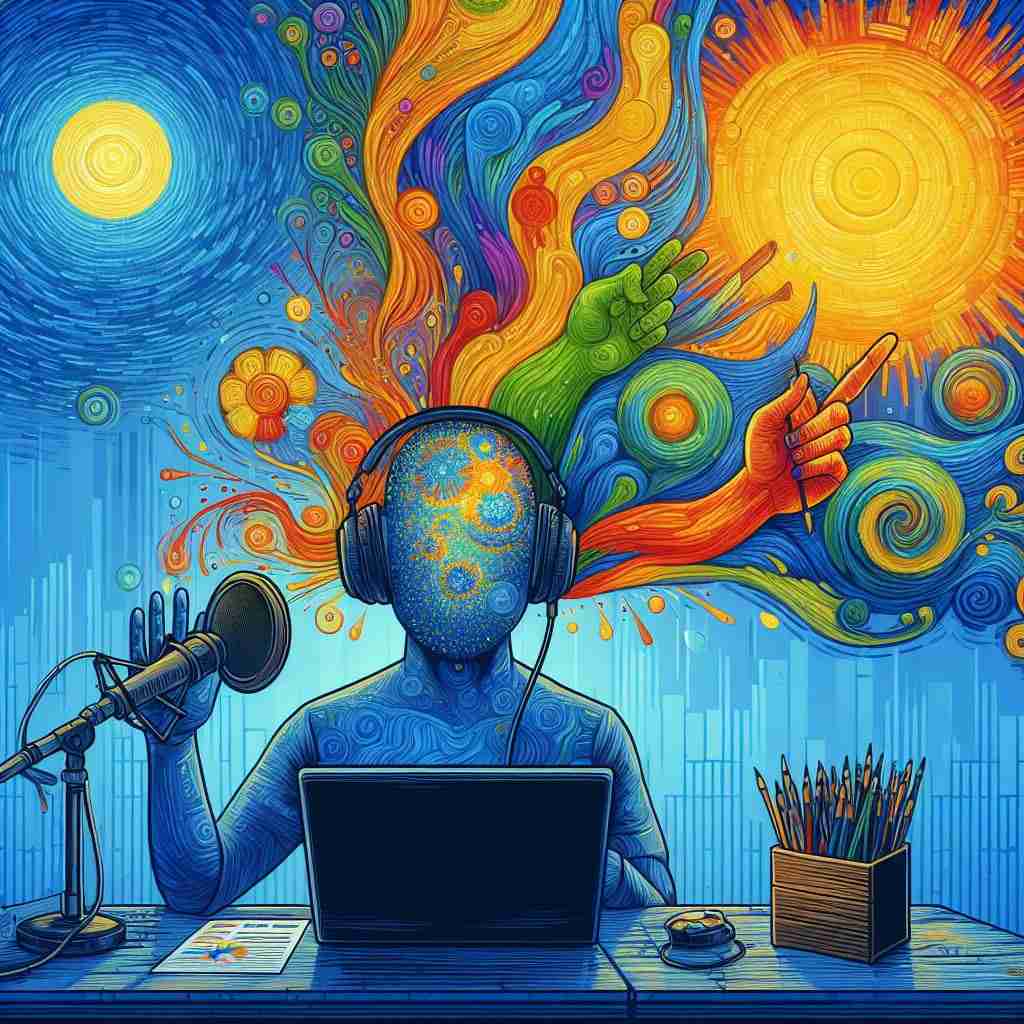
What Ethical Considerations Arise When Using AI In Storytelling?
What Ethical Considerations Arise When Using AI In Storytelling?
- Storytelling connects humanity, sharing experiences and making sense of our world.
- AI raises questions about the essence of storytelling and authorship.
- Machine-generated narratives lack the emotional depth and authenticity of human experiences.
- Accountability is uncertain when AI perpetuates stereotypes or misinformation.
- AI could serve as a collaborator, enhancing human storytellers rather than replacing them.
- Innovation in storytelling should be balanced with the integrity of shared human experiences.
- Engaging with AI can unite logical and emotional narratives, preserving the heart of storytelling.

What Ethical Considerations Arise When Using AI In Storytelling?
Conclusion
AI is reshaping the landscape of storytelling, transforming the way narratives are crafted and experienced. At its core, AI’s ability to create cliffhangers and engaging story arcs serves to captivate audiences, much like the most gripping campfire stories that keep listeners on edge, eager for more. By understanding emotional beats and analyzing data points from countless narratives, AI tailors experiences that resonate with our hearts and minds, drawing us into shared human experiences through suspense, humor, and profound moments of connection.
Imagine settling into your favorite podcast, and each episode ends with a cliffhanger that leaves you breathless—the thrill is more than just entertainment; it’s a communal experience. AI enhances these narratives by identifying what elements evoke genuine emotional responses, ensuring each twist and turn in the story feels both surprising and engaging. It’s as if AI becomes a virtual storyteller, constantly adapting to what resonates with audiences across diverse backgrounds, crafting characters and plots that reflect real struggles and triumphs.
However, the integration of AI in storytelling also prompts us to think critically about its implications. The ethics of representation and authenticity come to the forefront. Can a machine truly capture the nuances of human emotion? Insights gleaned from data can enable more inclusive narratives, shedding light on marginalized voices and igniting discussions that matter. In this role, AI can act as a catalyst for empathy, challenging societal norms, and bridging divides. It engages listeners in a dialog, turning passive consumption into active participation, as we share insights sparked by relatable narratives.
Yet, we must tread carefully. If AI is to serve as a collaborator rather than a replacement, we must ensure that the stories told remain rooted in human experience—filled with the grit and nuance that machines cannot replicate. Authentic storytelling requires not just algorithms, but the life experiences, emotions, and insights that define humanity. By embracing AI as a tool to enhance, not redefine, our shared narratives, we foster connections that transcend individual stories and resonate on a collective level.
In a world rife with noise and distraction, the promise of AI in storytelling lies in its capacity to deepen our emotional connections and enhance our shared understanding of the human experience. As we dive into this brave new world, let us cherish the narratives that not only entertain but also inspire reflection, encouraging us to engage with our own stories and those of others. With AI guiding us, the art of storytelling is set to flourish, echoing the very heart of who we are.

Conclusion
Conclusion:
- AI is transforming storytelling by enhancing narrative crafting and audience engagement.
- It creates cliffhangers and emotional arcs that captivate listeners, similar to compelling campfire stories.
- AI analyzes emotional beats and data to tailor experiences that resonate with shared human emotions.
- It identifies elements that evoke genuine emotional responses, making twists in narratives surprising and engaging.
- The integration of AI raises ethical questions about representation and authenticity in storytelling.
- AI can amplify marginalized voices and spark meaningful discussions by serving as a catalyst for empathy.
- To ensure authentic storytelling, AI should enhance rather than replace human experiences and insights.

Conclusion
Other Resources

Other Resources
Here is a list of other resources you can review online to learn more:
- Apple Podcasts
- Medium
- VK
- LiveJournal
- Line
- Pocket Casts
- AntennaPod
- Social Sales Link
- Podbean
- Discord
- Google Podcasts Manager
- Podcast Studio
- Libsyn
- Alitu
- r/podcasting
- CastBox
- RØDECaster Pro
Use This Prompt To Get More Resources With Your Favorite Online AI Tool: Please provide me with a list of online articles with their URLs in a bulleted list that I can read regarding How AI Creates Cliffhangers and Story Arcs That Hook

Other Resources
Glossary Terms
How AI Creates Cliffhangers and Story Arcs That Hook – Glossary Of Terms
1. AI (Artificial Intelligence): Technology that simulates human intelligence to perform tasks, including writing and generating narratives.
2. Cliffhanger: A suspenseful situation at the end of a chapter or segment that leaves the audience eager to know what happens next.
3. Story Arc: The overall trajectory of a narrative, detailing the progression of events and the development of characters.
4. Narrative Tension: The emotional strain or suspense that keeps the audience engaged and invested in a story.
5. Foreshadowing: Hinting at future events in a story, creating anticipation and setting up twists or cliffhangers.
6. Character Development: The process of evolving characters in a story, often leading to deeper engagement and investment from the audience.
7. Plot Twist: An unexpected development that changes the direction of the story, enhancing engagement and surprise.
8. Protagonist: The main character in a story, often facing challenges that drive the narrative forward.
9. Antagonist: A character or force that opposes the protagonist, creating conflict and driving the plot.
10. Dynamic Character: A character that undergoes significant internal change throughout the story, affecting emotional engagement.
11. Static Character: A character that remains largely unchanged throughout the narrative, often providing contrast to dynamic characters.
12. Suspense: The feeling of excitement or anxiety about what may happen next in a story.
13. Enigmatic: Mysterious or puzzling, often used to describe elements that create intrigue in a narrative.
14. Plot Device: A technique used to advance the narrative or develop a theme or character.
15. Setting: The environment or context in which the story takes place, influencing its mood and events.
16. Engagement: The emotional investment that readers have in the story and its characters.
17. Pacing: The speed at which a story unfolds, crucial for creating tension and maintaining interest.
18. Imagery: Descriptive language used to create vivid mental pictures, enhancing emotional connection to the narrative.
19. Conflict: A struggle between opposing forces, which drives the narrative and creates suspense.
20. Resolution: The conclusion of a story where conflicts are resolved, providing closure to the audience.
21. Narrative Structure: The framework that outlines the arrangement of events in a story, often including exposition, rising action, climax, and resolution.
22. Subplot: A secondary storyline that runs parallel to the main plot, adding depth and complexity.
23. Theme: The central idea or message explored in a narrative, often influencing the emotional impact.
24. Dialogue: The spoken exchanges between characters, crucial for character development and pacing.
25. Voice: The distinct style or perspective of the narrator or character, shaping how the story is perceived.
26. Climactic Moment: The peak of action or turning point in a story, often leading to a pivotal cliffhanger.
27. Audience Engagement: The level of involvement and emotional connection the audience has with the story.
28. Character Arc: The transformation or progression a character undergoes throughout the narrative.
29. Intrigue: The quality of arousing curiosity or interest, essential for capturing and retaining audience attention.
30. Resolution Cliffhanger: An ending that resolves some plot threads while leaving others open, creating anticipation for future installments.

Glossary Of Terms
Other Questions
How AI Creates Cliffhangers and Story Arcs That Hook – Other Questions
If you wish to explore and discover more, consider looking for answers to these questions:
- How exactly does AI identify the specific moments in a story that make effective cliffhangers?
- What datasets and training sources are used to teach AI about narrative structure and emotional beats?
- How does AI balance tension, release, and resolution without creating formulaic plots?
- What methods ensure AI-generated characters feel emotionally authentic rather than stereotypical?
- How can creators retain their voice and intent when collaborating with AI?
- What safeguards prevent AI from amplifying harmful stereotypes or biased portrayals?
- Who owns the copyright or creative rights to AI-assisted stories and characters?
- How transparent should creators be about AI involvement in a story’s creation?
- In what ways can AI personalize narratives for individual listeners or demographic groups?
- How do AI tools measure and optimize for emotional engagement or empathy?
- What metrics indicate that an AI-crafted cliffhanger successfully increases audience retention?
- How does AI adapt storytelling choices based on real-time audience feedback?
- What ethical frameworks guide the use of real people’s experiences or datasets in training narrative models?
- How can AI be used to uplift marginalized voices without co-opting or misrepresenting them?
- What are the risks of AI-generated misinformation within fictionalized narratives?
- How do creators prevent AI hallucinations or factual errors from seeping into ostensibly realistic stories?
- How does AI handle cross-cultural nuance and avoid misinterpreting cultural themes?
- What techniques allow AI to generate long-form story arcs that remain coherent across episodes or chapters?
- How can storytellers evaluate and edit AI outputs for tone, pacing, and character consistency?
- What tools exist for nontechnical creators to use AI in story development?
- How does AI alter the traditional three-act or other classic storytelling structures?
- What impact will AI have on jobs in writing, editing, and production within creative industries?
- How can audiences detect whether a story or voice actor is AI-generated?
- What legal or regulatory issues are emerging around AI-generated narratives and content moderation?
- How can AI be trained to responsibly explore sensitive or traumatic subject matter?
- What role does human curation play in preventing harmful or manipulative storytelling by AI?
- How are feedback loops between audience response and AI-driven story adjustments designed and controlled?
- What are best practices for attributing sources or influences in AI-assisted stories?
- How do different media formats (podcast, novel, film, game) change the way AI crafts suspense and cliffhangers?
- How can creators measure long-term cultural effects of AI-shaped narratives?
- What cost, infrastructure, or technical barriers exist for creators wanting to adopt AI storytelling tools?
- How does AI integrate with writers’ rooms, collaborative teams, or serial production workflows?
- What explainability methods help creators understand why an AI suggested a particular plot twist?
- How are personalization and privacy balanced when AI uses user data to tailor stories?
- What case studies show successful human+AI collaborations in producing critically acclaimed narratives?
- How can storytellers test different AI-generated cliffhangers through A/B testing or pilot episodes?
- What limitations remain in current AI models for capturing subtle human emotions and moral ambiguity?

Other Questions
Haiku
How AI Creates Cliffhangers and Story Arcs That Hook – A Haiku
AI weaves our tales,
Cliffhangers pull at the heart,
Stories unite souls.

Haiku
Poem
How AI Creates Cliffhangers and Story Arcs That Hook – A Poem
In the Era of AI Storytelling
In the dance of data, where stories unfold,
AI weaves threads of emotions, both tender and bold.
With a fishermans skill, it casts forth its net,
Cliffhangers abound, leaving hearts in duet.
Each twist and turn, a mirror to our plight,
Reflecting our struggles, igniting the night.
Through laughter and tears, we share in the strife,
AI learns from our truths, breathing essence to life.
Not just a machine, but a partner in tune,
Crafting diverse voices under the same moon.
With ethics as compass, it champions the lost,
Stories that matter, no soul pays the cost.
Characters come alive, relatable and wise,
Provoke thought, ignite action, opening our eyes.
A tapestry woven with threads rich and wide,
Uniting our journeys, in stories we confide.
As cliffhangers linger, suspense draws us near,
Each pulse of a heartbeat, a collective cheer.
So let’s welcome this ally, guide on our quest,
For in the realm of stories, together we’re blessed.

Poem
Checklist
How AI Creates Cliffhangers and Story Arcs That Hook – A Checklist
Emotional Appeal
✅______ Reflect on how the story resonates with your personal experiences and emotions.
✅______ Identify moments that evoke strong feelings, such as joy, sadness, or nostalgia.
✅______ Consider how the characters’ struggles mirror your own life challenges.
Rational Appeal
✅______ Analyze the story structure for logical coherence and narrative flow.
✅______ Evaluate the effectiveness of plot twists and climactic moments.
✅______ Discuss the ethical dilemmas presented in the narrative and their relevance to real life.
Ethical Appeal
✅______ Examine how the story addresses social justice issues or marginalized voices.
✅______ Reflect on the responsibility of storytellers using AI to promote inclusivity.
✅______ Consider the authenticity of the narratives—do they honor real experiences?
Authority Appeal
✅______ Identify the sources or data that inform the AI’s narrative choices.
✅______ Assess the credibility of the AI in crafting compelling, relatable characters.
✅______ Determine if the story aligns with well-established storytelling principles.
Narrative Appeal
✅______ Explore the character development—are they relatable and authentic?
✅______ Discuss the narrative techniques that enhance immersion and engagement.
✅______ Reflect on how the story encourages deeper conversations and connections.
Social Appeal
✅______ Share your thoughts about the story with friends or online communities.
✅______ Engage in discussions about the themes and characters with others.
✅______ Consider the collective experience and shared emotions among listeners/readers.
Utilize this checklist to deepen your understanding and appreciation of AI-generated narratives, fostering richer connections with both the stories and the shared human experiences they represent.

Checklist
At PodcastBig, we help people who want to learn about podcasting by collating information and news about podcasting.
Be sure to read our other related stories at PodcastBig to learn more about podcasting.