

Unleashing Ethical AI: Transforming Copyright Challenges
By Tom Seest
At PodcastBig, we help people who want to learn about podcasting by collating information and news about podcasting.
Be sure to read our other related stories at PodcastBig to learn more about podcasting.
From Chaos to Clarity: Fixing Unintentional Copyright Use Using AI
In a world flooded with content, the line between inspiration and infringement often blurs, leaving many creators tangled in the web of unintentional copyright use. Imagine a passionate podcaster, someone who pours heart and soul into every episode. Their voice resonates with listeners, sharing stories that uplift and motivate. But what happens when a snippet of music, a fleeting image, or a borrowed quote finds its way into their work without permission? The thrill of creation can turn into a pit in their stomach—a nagging fear that their art might come at a price beyond comprehension.
It’s a gut-wrenching scenario, one we all can relate to. You invest countless hours honing your craft, straddling the fine line between borrowing from the past and creating something entirely new. Yet, despite your best intentions, an unintended misstep can lead to legal troubles and damage your budding reputation. The stakes are high, and the anxiety can be overwhelming. However, technology offers a lifeline—a way to bring clarity out of chaos.
Artificial Intelligence has revolutionized how we navigate the complex landscape of copyright, helping content creators understand and respect the boundaries of intellectual property. By analyzing vast databases and using advanced algorithms, AI can identify potential copyright infringements before they spiral out of control. Imagine being able to create confidently, with clarity—knowing that every note and every frame falls within the realm of ethical use.
This isn’t just about avoiding trouble; it’s about fostering a culture of respect within our creative communities. When we embrace tools that promote fair use and respect for others’ work, we cultivate an environment where collaboration flourishes—where podcasters, musicians, and visual artists feel empowered to innovate without fear. The more we educate ourselves and leverage technology, the more we enrich the tapestry of creativity.
So, let’s transform that anxiety into action. Seek out AI tools that can guide you through the copyright maze. Educate yourself and join the conversation about ethical content use. Together, we can turn fear into empowerment, uncertainty into clarity, and isolation into a community of creators who lift each other up, ensuring that our artistic voices echo not just loudly, but responsibly. The path to creativity is never straight, but with the right tools and a commitment to ethical practices, we can all find our way back to what matters most: the joy of creating.

From Chaos to Clarity: Fixing Unintentional Copyright Use Using AI
From Chaos to Clarity: Fixing Unintentional Copyright Use Using AI
- The line between inspiration and infringement is often blurred, leading to unintentional copyright use by creators.
- Creators, like passionate podcasters, may fear legal repercussions from inadvertently using copyrighted material.
- Many spend countless hours honing their craft, only to risk their reputation with accidental misuse.
- Artificial Intelligence (AI) provides solutions to navigate copyright complexities and identify potential infringements.
- Using AI tools allows creators to work confidently, ensuring compliance with ethical use of others’ work.
- Embracing fair use and respect fosters collaboration and innovation among creatives.
- By educating oneself and utilizing technology, creators can transform anxiety into empowerment and build a supportive community.

From Chaos to Clarity: Fixing Unintentional Copyright Use Using AI
Table Of Contents
- From Chaos to Clarity: Fixing Unintentional Copyright Use Using AI
- What Steps Can We Take To Protect Our Creative Work?
- How Can AI Help Us Understand Copyright Laws?
- Are We Aware Of The Risks Of Copyright Infringement?
- How Does Unintentional Copyright Use Affect Artists Emotionally?
- How Can We Use AI Tools To Navigate Complex Copyright Issues?
- What Are The Consequences Of Failing To Address Copyright Concerns?
- How Can Storytelling Enhance Our Understanding Of Copyright?
- Conclusion
- Other Resources
- Glossary Of Terms
- Other Questions
- Haiku
- Poem
- Checklist
What Steps Can We Take To Protect Our Creative Work?
When it comes to safeguarding our creative work, the first step is recognizing the value of what we’ve poured our hearts into. Every song, painting, blog post, or invention represents months, if not years, of sweat and soul. It’s more than just a paycheck; it’s a piece of our very essence. So, what can we do?
Start by documenting your process. Keep a record of your sketches, drafts, or audio files. This not only creates a timeline but also tells the story of your journey, lending your work an authenticity rooted in real experience. Think of it as your own narrative—one that deserves to be protected. This is your heritage, the fruits of your labor that deserve respect and acknowledgment.
Then, you’ll want to explore the legal avenues. Registering copyrights is not just for the heavyweights of creative industries. It’s a practical measure—and you don’t have to be a legal expert to understand it. It’s your shield, your first line of defense against those who might claim your hard-earned work as their own. Think of it as locking the door to your workshop; it’s your right to keep your creations safe.
But there’s more to this than just formalities. Building a community around your work can also provide a solid barrier against infringement. Sharing your journey through a podcast or blog can create a loyal following. When people connect with your story, they become your allies—ready to champion your cause should anyone try to undermine your efforts. There’s strength in numbers, and a supportive community can be your strongest advocate.
Engage with the ethical aspects of creativity. When you honor others’ work, you elevate the entire ecosystem. Respecting creative boundaries creates a healthier landscape for everyone involved; it sets a precedent that protects artists and creators alike. This isn’t just about your right to own; it’s about fostering an environment where creativity thrives, where we each stand by one another.
Finally, stay vigilant. Keep an eye on how your work is used and be ready to take action if necessary. Ignoring infringements is like leaving the door wide open. Trust your instincts, and don’t hesitate to seek help if things go awry. Protecting what you’ve built requires mindfulness and action, but above all, it demands a commitment to valuing your creative self. Remember, every brushstroke, every note, every word—this is your legacy. Let’s honor it.

What Steps Can We Take To Protect Our Creative Work?
What Steps Can We Take To Protect Our Creative Work?
- Recognize the value of your creative work, which reflects your essence and effort.
- Document your creative process to create a timeline and authentic narrative of your journey.
- Explore legal measures such as registering copyrights to protect your work from infringement.
- Build a community around your work through sharing your journey to gain allies and supporters.
- Engage ethically with creativity and respect others’ work to foster a healthier environment.
- Stay vigilant and monitor the use of your work; take action against infringements if necessary.
- Commit to valuing and protecting your creative legacy through mindfulness and action.

What Steps Can We Take To Protect Our Creative Work?
How Can AI Help Us Understand Copyright Laws?
When you pull back the curtain on copyright laws, what unfolds is a tangled web that holds immense power over creators, innovators, and everyday people trying to share their voices. Picture a struggling musician, pouring their heart into a song, only to find someone else has taken it and made millions. It’s a punch to the gut and the reason every artist wrestles with the intricacies of ownership. This is where artificial intelligence can step in, offering not just clarity but also the feeling of security every creator desperately craves.
Imagine AI as a trusty guide through the dense forest of legal jargon, helping you navigate rights and ownership like a well-trodden path. When equipped with the right algorithms, machines can analyze vast amounts of data, tracing the origins of creative works and revealing the intricacies of copyright claims quicker than any human could. This isn’t just about fast-tracking the legal process; it’s about giving the underdog a fighting chance. For the first time, artists, writers, and inventors can access powerful tools that were previously locked away in the filing cabinets of those with deep pockets.
But it doesn’t stop at speed and efficiency. There’s an ethical dimension that AI can help uphold. By reducing human error and bias in copyright infringement cases, we can begin to trust that everyone – from the amateur photographer to the seasoned filmmaker – gets a fair shake. It’s about building a level playing field. As society becomes increasingly connected through platforms like social media and various streaming services, this moment could reshape the way we understand ownership and authenticity in a rapidly evolving digital landscape.
Consider a world where digital creators can confidently share their work, engage in vibrant discussions, and claim their rightful place in the culture without fear of theft. By promoting transparency, AI can foster a sense of community, allowing people to learn from one another and collaborate freely. It’s not just a job for machines; it’s every bit a human endeavor.
Let’s not forget the power of conversation, something we can ignite through platforms like podcasts. Picture lively discussions, infused with personal stories of triumph and failure, weaving through the complexities of copyright laws. In this space, we can foster trust, inspire action, and ultimately work together to reform and promote an understanding of what it means to protect creativity. Together, with the help of AI, we can shine a light on the truth beneath the legalese and spark a movement that favors the creator.

How Can AI Help Us Understand Copyright Laws?
How Can AI Help Us Understand Copyright Laws?
- Copyright laws create a complex landscape that affects creators, innovators, and individuals sharing their work.
- Artists, like struggling musicians, often face issues with ownership and fair compensation.
- Artificial intelligence can clarify rights and ownership, acting as a guide through legal complexities.
- AI can analyze data to trace the origins of creative works and expedite copyright claims.
- The technology also aims to reduce human error and bias, ensuring fairness in copyright cases.
- AI promotes transparency and community among creators, allowing for collaboration without fear of theft.
- Conversations around copyright, fueled by platforms like podcasts, can inspire action and reform for better creative protection.

How Can AI Help Us Understand Copyright Laws?
Are We Aware Of The Risks Of Copyright Infringement?
In our fast-paced digital age, the risks of copyright infringement often lie hidden beneath the surface, lurking in the shadows like an uninvited guest at a party. Many of us have heard the whispers—”It’s just a download,” or “Nobody will notice.” But let’s take a moment to unpack what’s really at stake here, shall we?
Imagine pouring your heart and soul into a creative project, whether it’s a painting that showcases your inner truth, a song that captures the essence of love, or a podcast that shares ideas to ignite conversation. This is not just craft; it is a piece of your identity, a labor of passion, and yes, a reflection of your values. Yet when we disregard copyright, we trample on the very foundation that fuels creativity. We take something that was painstakingly built and dilute it, questioning its worth. This is not just about laws; it’s about respect for the people who dare to create.
Rationally speaking, the consequences of copyright infringement can be staggering. Legal fees can pile up faster than you can hit “share,” and the damage to your reputation might well be irreparable. Companies and individuals alike are taking note of who respects the rules. In an age where credibility is currency, being careless with copyrights can lead to a hefty price: losing the trust of your audience. Everyone values authenticity, and when you infringe, you chip away at that trust.
Let’s not forget the ethical dimension here. Respecting copyright is more than just following the letter of the law; it’s about fostering a culture that celebrates creativity. Imagine a world where artists and innovators are rewarded for their efforts rather than marginalized by those who take without giving. By choosing to uphold copyright, we nurture a vibrant community of creators who can push boundaries and inspire change.
Moreover, in our interconnected society, it’s essential to remember the impact our actions have on others. Every share, download, or replication shapes the digital landscape we inhabit. When we respect copyright, we’re not just protecting individual works; we’re contributing to a legacy where creativity thrives. This is our moment to embrace responsibility and integrity, understanding that every choice echoes in the lives of creators around us. So, as we navigate this intricate web of content and creativity, let’s do it with heart, head, and gut—and honor the artistry that enriches our lives.

Are We Aware Of The Risks Of Copyright Infringement?
Are We Aware Of The Risks Of Copyright Infringement?
- Copyright infringement risks are often overlooked in the digital age.
- Creative projects are personal expressions that reflect identity and values.
- Neglecting copyright undermines the foundation of creativity and diminishes artistic worth.
- Consequences of infringement can include legal fees and reputational damage.
- Respecting copyright is crucial for maintaining credibility and trust with audiences.
- Upholding copyright fosters a culture that rewards artists and innovators for their work.
- Our actions impact the digital landscape; respecting copyright supports a thriving creative community.

Are We Aware Of The Risks Of Copyright Infringement?
How Does Unintentional Copyright Use Affect Artists Emotionally?
When you’re an artist pouring your heart and soul into your work, nothing stings quite like seeing your creations used without permission. Imagine toiling for hours, capturing a feeling—a fleeting moment, a personal story—and then watching it fade into the ether of the internet, uncredited and unrecognized. This unintentional copyright use hits artists in the gut. It’s not just about losing money or exposure; it’s a deep emotional bruise that can lead to feelings of invisibility.
Artists thrive on connection, both with their work and the audience it reaches. When someone uses that work without acknowledgment, it creates a chasm between the artist and their creation. Where there should be appreciation, respect, and a sense of shared experience, there’s instead a gaping void. Such disregard can lead to self-doubt and anxiety, making artists question their worth and whether their voice truly matters in an over-saturated digital landscape.
Let’s look at this through a rational lens. For artists, their work is often intricately tied to their identity. Each brushstroke, note, or word carries a piece of their life, their struggles, and triumphs. When someone adopts that work without consent, it undermines the very fabric of what makes their art unique. It’s more than just a legal issue; it’s about the value we place on creativity and the people behind it. In a society that professes to value art, it’s baffling and disheartening to see such casual disregard for the creator’s rights.
Ethically, using someone else’s work—intentional or not—raises important questions about respect and integrity. Every artist deserves to have their voice heard, and when that voice is muffled, it sends a message that art is disposable. We’ve all been there, scrolling through social media and seeing art that resonates so profoundly, we want to share it with the world. But sharing should always pair with acknowledgment, fostering a community built on mutual respect.
This connection deepens when we work together, valuing each other’s contributions. The artist behind that captivating piece could be your neighbor, your friend, even your family member. Recognizing their efforts fosters a culture that celebrates creativity. When we support artists, we nurture their passion, giving them the confidence to continue sharing their stories. It’s not just about art; it’s about humanity and the bonds woven through our shared experiences. So, the next time you come across that beautiful artwork, think about how you can amplify the artist’s voice—and don’t hesitate to make it heard.
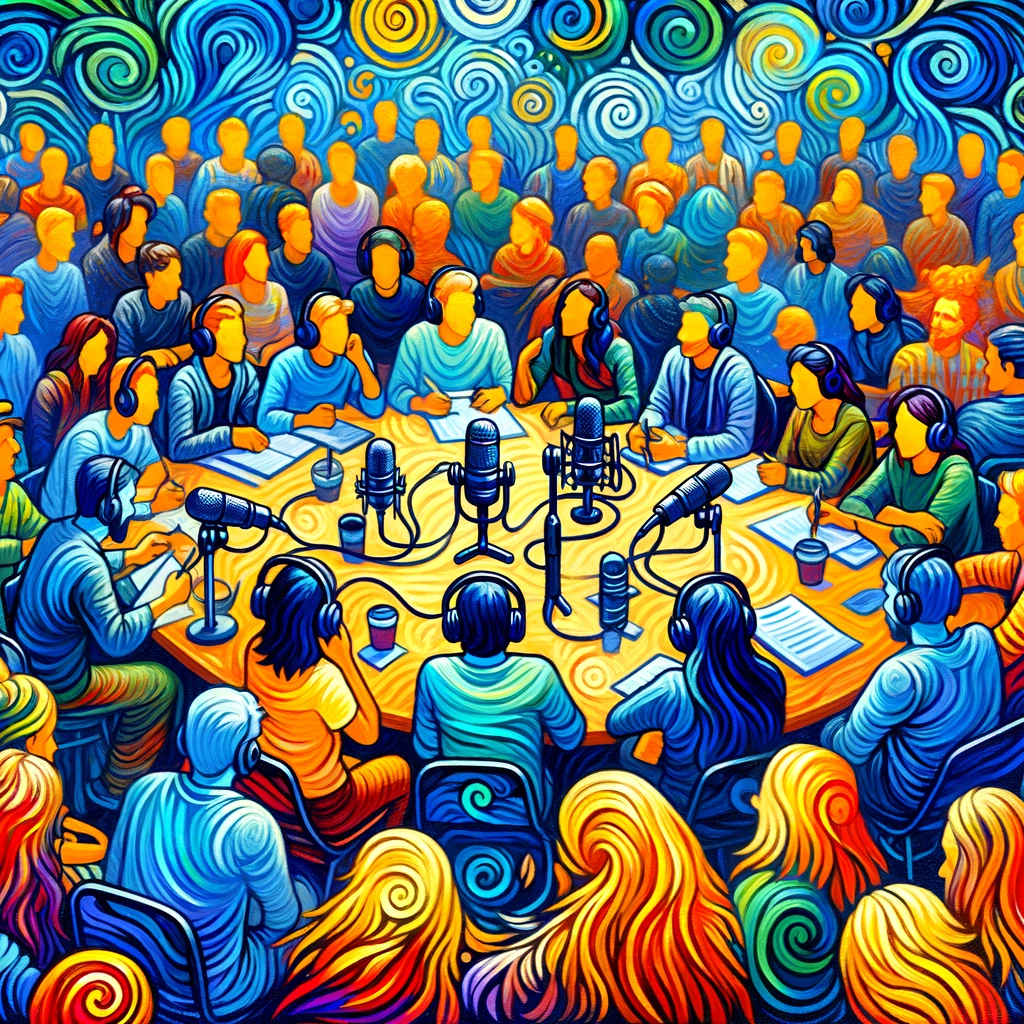
How Does Unintentional Copyright Use Affect Artists Emotionally?
How Does Unintentional Copyright Use Affect Artists Emotionally?
- Artists invest deeply in their work, creating with emotion and personal stories.
- Unauthorized use of their creations can cause emotional pain and feelings of invisibility.
- The lack of acknowledgment fosters a disconnect between artists and their audience.
- Art is closely tied to an artist’s identity, making unauthorized use feel like an attack on their uniqueness.
- Using someone else’s work raises ethical concerns about respect and integrity.
- Recognizing artists fosters a supportive community that values creativity and individual contributions.
- Supporting artists encourages them to share their stories, enriching the cultural fabric of society.

How Does Unintentional Copyright Use Affect Artists Emotionally?
How Can We Use AI Tools To Navigate Complex Copyright Issues?
Navigating the rocky terrain of copyright law can feel like walking a tightrope over a canyon—with creativity on one side and legal pitfalls on the other. As we stand on this precarious line, we must leverage the power of AI tools that can illuminate our path and provide the clarity we desperately need. Picture this: a podcast episode focusing on the tales of creators who once felt shackled by rigid copyright frameworks. With the right AI tools, they discover not just their rights, but also innovative ways to protect their work while sharing it with the world.
At the heart of the matter lies an emotional truth: creativity thrives in community. Yet, too often, creators hesitate, fearing the legal repercussions of their artistic expressions. This anxiety is palpable, and it’s where AI can step in as both a guide and a confidant. These tools can analyze vast amounts of legal text in seconds, translating complex language into accessible insights—and paving the way for artists and entrepreneurs to create fearlessly.
When we think rationally, it’s clear that AI becomes an indispensable ally in understanding copyright complexities. From identifying potential infringements to outlining fair use guidelines, AI can demystify the dense thicket of legalese that often leaves creators scratching their heads. Imagine having a knowledgeable companion that never tires, always ready to crunch the numbers and provide advice.
Yet, the ethical implications of using AI in copyright management demand our attention. We must encourage a responsible approach—one that doesn’t merely automate decisions but fosters a deeper understanding of the rights we hold. This tool must empower us, not replace the essential dialogue about ownership and artistry.
We’ve all heard the stories—the musician who didn’t know their song was too close to another’s hit or the designer who faced a lawsuit over inspiration vs. imitation. These narratives resonate because they remind us that we’re all in this together. Embracing AI tools doesn’t mean sacrificing our human touch; rather, it’s about enhancing our ability to connect and collaborate as creators in a rapidly evolving digital landscape.
Trust in AI doesn’t come from blind acceptance; it grows when we see results. As we harness these tools to navigate copyright, we foster a marketplace where creativity flourishes and risks are mitigated. Let’s be proactive, embracing technology as partners to safeguard our passions and share them with the world.

How Can We Use AI Tools To Navigate Complex Copyright Issues?
How Can We Use AI Tools To Navigate Complex Copyright Issues?
- Navigating copyright law resembles a tightrope walk between creativity and legal pitfalls.
- AI tools are essential for helping creators understand their rights and find innovative ways to protect their work.
- Creativity flourishes in community, but many creators hesitate due to fear of legal repercussions.
- AI can analyze legal texts quickly, translating complex information into accessible insights for creators.
- Using AI responsibly is crucial; it should enhance understanding of rights, not replace important dialogues about ownership.
- Real-life stories highlight the risk of copyright issues, emphasizing community and collaboration among creators.
- Trust in AI builds from seeing positive outcomes, fostering a creative marketplace while mitigating risks.

How Can We Use AI Tools To Navigate Complex Copyright Issues?
What Are The Consequences Of Failing To Address Copyright Concerns?
When the chatter of innovation and creativity fills the air, there’s a lurking shadow that many choose to ignore: copyright concerns. Ignoring these concerns is like walking a tightrope over a canyon; one misstep, and the consequences can be catastrophic. Consider the hardworking artist, pouring their heart, soul, and countless hours into a project. They create something pure and personal, only to find it exploited by others without so much as a nod of recognition. This isn’t just a matter of money; it’s about respect, integrity, and the emotional toll it takes on creators who deserve to be honored.
You may think, “Ah, it’s just a little podcast clip,” or, “Who’s really going to care?” But dig deeper for a moment. Each piece of work carries a story—a narrative that reflects the blood, sweat, and sometimes tears of its creator. When we dismiss copyright concerns, we risk devaluing that story and, in turn, the very essence of what makes us human. This isn’t just a business issue; it’s an ethical one. It challenges our fundamental respect for the hard work others put in.
From a rational standpoint, the costs of inaction are staggering. Legal battles can spiral quickly out of control, resulting in financial burdens that even the most robust creators might struggle to bear. It’s not just the potential lawsuits; it’s the reputational damage that can follow. When companies and creators stand accused of misusing others’ work, trust erodes faster than a sandcastle at high tide. No one wants to be the person or brand that turned a blind eye to someone else’s achievements.
Don’t just think of this as a personal issue, either; it’s a societal one. In our interconnected world, the vibrancy of culture thrives on mutual respect. By honoring copyright, we foster a community where creativity can flourish, benefiting everyone involved. When we support artists by respecting their rights, we create a fabric of trust that empowers all creators to keep pushing boundaries.
So, take a moment to pause and reflect on the weight of these copyright concerns. Let’s advocate for the diligent creators and ensure that all stories, whether spoken in a podcast or painted on a canvas, receive their rightful recognition. The heart, head, and gut all resonate with the truth: when we protect creative integrity, we enrich our collective narrative.

What Are The Consequences Of Failing To Address Copyright Concerns?
What Are The Consequences Of Failing To Address Copyright Concerns?
- The importance of recognizing copyright concerns in the realm of innovation and creativity.
- Ignoring copyright can lead to severe consequences for creators who invest their time and effort.
- Creators deserve respect and acknowledgment for their work beyond just monetary compensation.
- Each piece of creative work carries a personal and emotional narrative from its creator.
- Inaction on copyright issues can result in costly legal battles and reputational harm.
- Copyright respect is crucial for fostering a vibrant, interconnected cultural community.
- Advocating for creators’ rights enhances the collective narrative and enriches society as a whole.

What Are The Consequences Of Failing To Address Copyright Concerns?
How Can Storytelling Enhance Our Understanding Of Copyright?
Have you ever sat around a fire, sharing tales of adventure and mischief, the glow of the flames illuminating the faces of friends? Stories have a powerful way of connecting us, weaving a fabric of shared experience and understanding. So, it’s no surprise that storytelling can be a profound tool for enhancing our grasp of copyright. We’re living in a world where creativity thrives, but so do misconceptions about what it means to own an idea.
Consider this: imagine a budding musician crafting a heartfelt song, only to discover that someone else has taken that creation and is now profiting from it without giving credit. This feels like a violation, doesn’t it? That’s where stories come in. By sharing the journeys of creators—those who’ve faced battles for their rights and those who’ve navigated the murky waters of intellectual property—we can illuminate the stakes involved and the importance of respecting one another’s work.
Think about your favorite podcast, where hosts share personal anecdotes alongside experts dissecting the complex nature of copyright law. Suddenly, those dry legal terms transform into relatable narratives. They resonate with us at a gut level, pulling us into a world where ideas culminate in art that is both euphoric and fragile. When we hear the pain of an artist who lost their work, or the joy of someone whose invention sparked a revolution, we start to connect. We begin to care about the ethics behind it all—not just as an afterthought but as a core value in how we interact with each other’s creativity.
And let’s not get lost in the numbers and fine print. That’s the heart of the matter! Copyright issues aren’t just for lawyers or suite-dwelling moguls; they affect everyday people—your neighbors, your children, and yes, even you. Respecting copyright is about creating a community where everyone feels valued and incentivized to share their talents.
By inviting people into the story, we foster a genuine connection that transcends the boring jargon of legalese. The more we communicate through storytelling, the more trust we build—trust in our systems, in each other, and in the remarkable ability of creativity to enrich our lives. When we understand copyright as a narrative, we inspire action, encouraging each of us to champion the rights of creators and respect their legacies. So, let’s continue sharing stories, nurturing understanding, and igniting the passion for justice in the creative landscape.

How Can Storytelling Enhance Our Understanding Of Copyright?
How Can Storytelling Enhance Our Understanding Of Copyright?
- Storytelling connects us, enhancing our understanding of copyright through shared experiences.
- Creative individuals often face challenges when their work is used without credit, highlighting the need for awareness.
- Real-life examples of creators’ journeys help illustrate the importance of respecting intellectual property.
- Podcasts and anecdotes transform complex copyright laws into relatable narratives that resonate emotionally.
- Copyright issues impact everyone, not just legal professionals, emphasizing the need for community respect.
- Storytelling fosters trust and connection, moving beyond legal jargon to cultivate empathy in creative exchanges.
- Understanding copyright as a narrative encourages advocacy for creators’ rights and celebrates their contributions.

How Can Storytelling Enhance Our Understanding Of Copyright?
Conclusion
In the age of rampant creativity, where content flows like a river, it’s easy to lose sight of the line between inspiration and infringement. Every day, passionate creators—whether they’re podcasters, musicians, or visual artists—risk scrambling their reputations over unintentional copyright infringements. The anxiety that comes with the possibility of misstepping is a familiar weight, threatening to overshadow the very joy of creation. It’s a stark reality we all understand: pouring our souls into our work while nervously eyeing the legal landscape is all too common.
However, just as we grapple with these challenges, technology steps in as a transformative force. Artificial Intelligence offers a guiding light. With advanced algorithms combing through vast datasets, it enables creators to identify potential copyright issues with unprecedented clarity. Imagine being able to confidently navigate the murky waters of copyright law, ensuring every element of your work stays within ethical boundaries. This isn’t just about avoiding hassle—it’s about cultivating a thriving ecosystem in which respect for creativity reigns, allowing collaboration to flourish.
Moreover, it’s essential to grasp the emotional gravity entwined with copyright. For artists, their work embodies their identity, and seeing their creations exploited can feel like a deep betrayal. Protecting creative rights is paramount, proving we value both the individual and the essence of art in our society. Every song, painting, or story carries its creator’s spirit; when someone uses it without acknowledgement, it shatters the trust at the core of our creative communities. Therefore, fostering a culture of respect isn’t merely an ideal—it’s a necessity.
Being proactive about copyright involves building a collective of supportive peers. Share your journeys, create a narrative around your artistic endeavors, and invite others into your world. In this interconnected space, we can champion one another’s rights, ensuring that every creator feels seen and respected. And as these connections deepen, we establish a vibrant culture that empowers everyone to push the boundaries of innovation.
The call to action is clear: embrace AI as an ally in navigating copyright complexities, educate yourself and others about ethical practices, and share your unique stories. Together, let’s transform fear and uncertainty into action and community. With every step forward, we move closer to a world where creativity doesn’t just survive, but thrives—an environment where our art echoes, celebrating the joy of creation responsibly. The journey may be winding, but with intention and the right tools, it leads us back to what truly matters: the pure, unrestrained joy of creating.

Conclusion
Conclusion:
- The digital age blurs the line between inspiration and copyright infringement for creators.
- Creators face anxiety over unintentional copyright violations, which can overshadow their joy of creation.
- AI offers innovative solutions by identifying potential copyright issues, allowing creators to navigate legal landscapes confidently.
- Protecting creative rights is crucial, as artists view their work as part of their identity, making exploitation deeply personal.
- Fostering a culture of respect in creative communities is essential for maintaining trust among creators.
- Building supportive peer networks encourages sharing narratives and championing each other’s rights in the creative space.
- Embracing AI and educating oneself about copyright will help transform fear into community, celebrating responsible creation.

Conclusion
Other Resources

Other Resources
Here is a list of other resources you can review online to learn more:
- iHeartRadio
- Player FM
- LiveJournal
- AntennaPod
- Turned Podcaster
- Alitu
- RSS
- AI Success Club
- AI to Human Copywriting System
- Minnect
- Audacity
- Discord
- Google Business Profile
- Scoop.It
- Plurk
- Podkicker
- Fountain
- Podcastle
- Social Sales Link
Use This Prompt To Get More Resources With Your Favorite Online AI Tool: Please provide me with a list of online articles with their URLs in a bulleted list that I can read regarding From Chaos to Clarity: Fixing Unintentional Copyright Use Using AI

Other Resources
Glossary Terms
From Chaos to Clarity: Fixing Unintentional Copyright Use Using AI – Glossary Of Terms
1. Copyright: A legal term that gives creators exclusive rights to their original works, including the right to reproduce, distribute, and perform their creations.
2. Intellectual Property: A category of property that includes intangible creations of the human intellect, such as inventions, literary works, designs, and symbols.
3. Fair Use: A legal doctrine that allows limited use of copyrighted material without permission, typically for purposes like criticism, comment, news reporting, teaching, or research.
4. Public Domain: Works not protected by copyright law, allowing the public to use them freely without permission or payment.
5. AI: Artificial Intelligence, the simulation of human intelligence processes by machines, particularly computer systems, used for tasks like data analysis and content generation.
6. Plagiarism: The act of using someone else’s work or ideas without proper attribution, presenting them as one’s own, which can violate copyright law.
7. Licensing: The process by which a copyright owner grants permission to another party to use their work under specified conditions.
8. Creative Commons: A nonprofit organization that provides free licenses to help creators share their works legally with the public while maintaining certain rights.
9. Derivative Work: A new, original product that is based on, or derived from, one or more existing copyrighted works, which requires permission from the original copyright holder.
10. Sampling: The practice of reusing a portion of a sound recording in a different song or piece of music, subject to copyright laws.
11. Attribution: Acknowledgment of the original creator or source of a work, which is crucial in avoiding plagiarism and fulfilling licensing requirements.
12. E-Learning: Online educational platforms and resources that often incorporate copyrighted materials, raising issues of copyright compliance.
13. Content Awareness: Understanding the legal implications of using various forms of media and ensuring compliance with copyright laws in content creation.
14. Machine Learning: A subset of AI focused on building systems that learn from data inputs and improve their performance over time, potentially creating new works.
15. Negative Space: The area around or between elements of a design that can represent unintentional copyrighted imagery if not cleared or modified.
16. Meta-Data: Data that provides information about other data, which can be used to track ownership and copyright status of creative works.
17. Transfer of Rights: The process by which a copyright holder assigns their rights to another party, often through contracts or licensing agreements.
18. Originality: The quality of being novel or unique, which is a requirement for works to be eligible for copyright protection.
19. Society for Copyright: Organizations that advocate for copyright protection and educate creators on their rights and responsibilities.
20. Automatic Protection: The notion that copyright protection is granted automatically to creators upon the creation of an original work.
21. Copyright Infringement: The unauthorized use of copyrighted material that violates the owner’s rights, leading to legal repercussions.
22. AI-generated Content: Works produced by artificial intelligence systems, raising questions about copyright ownership and infringement.
23. Intentional vs. Unintentional Infringement: Differentiating between knowingly violating copyright law versus inadvertently using protected material without realizing it.
24. Digital Footprint: The online traces left by individuals, which can include the use of copyrighted materials, influencing copyright compliance.
25. Creative Process: The steps involved in generating new ideas or works, which must account for copyright considerations when utilizing existing materials.
26. Legal Precedent: Established legal decisions in copyright cases that guide the interpretation and enforcement of copyright law.
27. Work-for-hire: A legal designation where an employee’s creations are owned by the employer, impacting copyright ownership.
28. Copyright Registration: The formal process of registering a work with a copyright office to establish legal protection and enforceability.
29. Remix Culture: A cultural movement that encourages the transformation of existing works into new creative expressions, often challenging traditional copyright notions.
30. Ethical Use: The principle of using copyrighted materials in a manner that respects the rights and efforts of original creators while adhering to legal frameworks.

Glossary Of Terms
Other Questions
From Chaos to Clarity: Fixing Unintentional Copyright Use Using AI – Other Questions
If you wish to explore and discover more, consider looking for answers to these questions:
- What specific AI tools are available to help with copyright issues?
- How can artists ensure that they protect their work from unintentional copyright use?
- What are the most common misconceptions about copyright laws?
- How can creators build a supportive community around their work?
- What are the legal steps to take if someone’s work is used without permission?
- How does copyright law differ between various countries or regions?
- What role does education play in preventing copyright infringement?
- What are some success stories of creators who defended their copyrights?
- How can storytelling be used effectively to communicate the importance of copyright?
- What are the emotional impacts on artists when their work is infringed upon?

Other Questions
Haiku
From Chaos to Clarity: Fixing Unintentional Copyright Use Using AI – A Haiku
Creative hearts entwined,
AI clears the tangled paths—
Honor, create, thrive.

Haiku
Poem
From Chaos to Clarity: Fixing Unintentional Copyright Use Using AI – A Poem
In a world of voices, vibrant and bold,
Creativity flourishes, yet stories unfold.
Yet among the dreams and the passions we share,
Lurks a shadow of chaos, a worry, a scare.
A podcaster’s heartbeat, a painter’s soft sigh,
With each stroke and each note, they reach for the sky.
But what if, unbeknownst, they borrow a sound,
And the law’s heavy hand pulls their artistry down?
Yet hope springs eternal, technology leads,
AI as our ally, cultivating our needs.
It sifts through the thicket of legalese,
Bringing clarity forth, like a brisk, gentle breeze.
Imagine creators, no longer in fear,
Navigating copyright, their purpose made clear.
Empowered by knowledge, their voices ignite,
In a culture respectful, where their legacies light.
Each artist’s creation, a canvas imbued,
With labor and love, uniquely pursued.
To honor this labor, we must take a stand,
Recognize the worth in each gesture, each hand.
The cost of neglect is a heavy stone,
A reputation shattered, heartbreak in tone.
When we respect boundaries, the fabric we weave,
Creates a community where all can believe.
So let’s gather our stories, share what we find,
Cultivating understanding, a culture refined.
For in the heart of each tale lies a clarion call,
To protect every artist, to uplift one and all.
Together we flourish, with courage and grace,
As we navigate pathways, through this intricate space.
With respect for each other, and tools that empower,
We write a new chapter, where creativity flowers.

Poem
Checklist
From Chaos to Clarity: Fixing Unintentional Copyright Use Using AI – A Checklist
From Chaos to Clarity: Checklist for Navigating Copyright and Embracing AI
Emotional Appeal
_____ Recognize the value of your creative work and the emotional investment behind it.
_____ Share your journey and connect authentically with your audience to foster community support.
_____ Document your creative process to affirm your identity as a creator.
Rational Appeal
_____ Educate yourself about copyright laws and how they apply to your work.
_____ Explore AI tools that can help identify potential copyright issues before they escalate.
_____ Keep records of your creations for legal documentation and proof of authorship.
Ethical Appeal
_____ Commit to respecting the rights of other creators by acknowledging their contributions.
_____ Engage in conversations about ethical content use in the creative community.
_____ Advocate for fairness and transparency in the use of creative works.
Authority Appeal
_____ Seek expert resources or workshops focused on copyright laws and AI technology.
_____ Follow industry leaders and platforms that provide guidance on ethical creativity.
_____ Utilize AI as a trusted ally in understanding complex copyright issues effectively.
Narrative Appeal
_____ Share stories about creators’ journeys with copyright challenges to highlight the stakes involved.
_____ Use personal anecdotes and case studies to illustrate the emotional impact of copyright infringement.
_____ Foster discussions around the importance of storytelling in understanding copyright and building community.
Social Appeal
_____ Build a supportive network of fellow creators who share your passion for originality and respect for copyright.
_____ Encourage collaborative projects that emphasize ethical practices and mutual respect.
_____ Participate in forums or online communities that discuss copyright issues and innovations in AI.
Action Steps
_____ Investigate and adopt AI tools that simplify copyright navigation.
_____ Regularly review how your work is used by others, staying vigilant against unintentional infringements.
_____ Host or join discussions that promote awareness and understanding of copyright responsibilities and rights.

Checklist
At PodcastBig, we help people who want to learn about podcasting by collating information and news about podcasting.
Be sure to read our other related stories at PodcastBig to learn more about podcasting.