

Transform Stories With Heartfelt Voice Clones That Resonate Deeply
By Tom Seest
At PodcastBig, we help people who want to learn about podcasting by collating information and news about podcasting.
Be sure to read our other related stories at PodcastBig to learn more about podcasting.
Emotional Voice Clones – Make Narration More Engaging Than Ever
In today’s fast-paced world, we often crave authenticity—a connection that resonates on a deeper level. Enter the era of emotional voice clones. Imagine tuning into a podcast where the narrator isn’t just reciting words but is actually channeling a spectrum of feelings, weaving stories that pulsate with life. This technology allows for a unique blend of heart, head, and gut—a trifecta that speaks directly to our shared humanity.
Consider the bedtime stories of our childhood, the soothing timbre of a loved one’s voice wrapping around us like a warm blanket. With emotional voice cloning, we can bring that nostalgic comfort back to life. Picture a podcast where a voice can shift from somber to jubilant, mirroring the highs and lows of human experience. It’s not just about passing information; it’s about creating a visceral experience that engages listeners both emotionally and intellectually.
But let’s explore the ethics of this innovation. If we harness the power of emotional voice cloning with intention, we can amplify important narratives that provoke thought and inspire change. Imagine an advocate using this technology to share stories from marginalized communities, deepening empathy and fostering social connection. By infusing authenticity into these narratives, we create a platform for voices that deserve to be heard—a responsibility that rests on all of us.
The authority of storytelling has always been intrinsic to our culture, a conduit for learning and connection. When we lean into the personal and relatable—sharing triumphs and struggles, failures and victories—we not only engage the audience; we invite them to reflect on their own lives. It’s about drawing parallels, cultivating shared experiences, and building a community around the stories that matter.
For instance, think of a podcast dedicated to first responders. Through emotional voice clones, we could hear firsthand accounts of courage, vulnerability, and resilience—personal stories of those who put themselves on the line. These narratives evoke not only admiration but also a real sense of connection, prompting listeners to consider how they can support these heroes in their own communities.
In essence, emotional voice clones are more than just a technological advance; they are a bridge to our collective human experience. They beckon us to listen, to feel, and to act, rekindling that innate desire for connection. By embracing this innovation, we can enrich the landscapes of our conversations, transforming simply hearing into truly understanding. Now that’s something worth tuning into.

Emotional Voice Clones – Make Narration More Engaging Than Ever
Emotional Voice Clones – Make Narration More Engaging Than Ever
- The demand for authenticity drives innovation in emotional voice cloning technology.
- This technology enables narrators to convey a wide range of emotions, enhancing storytelling.
- Emotional voice cloning evokes nostalgia by recreating comforting childhood experiences.
- Ethically used, it can amplify marginalized voices and foster empathy.
- Storytelling remains vital for cultural connection, encouraging personal reflection and community building.
- Examples include podcasts featuring first responders, sharing impactful personal narratives.
- Emotional voice clones serve as a bridge to deeper human connections, enhancing understanding in conversations.

Emotional Voice Clones – Make Narration More Engaging Than Ever
Table Of Contents
- Emotional Voice Clones – Make Narration More Engaging Than Ever
- What If a Voice Could Convey Deep Emotional Truths?
- Can Technology Enrich Storytelling?
- How Do We Define Authenticity In AI-Generated Voices?
- Are Emotional Voice Clones the Future Of Personal Connection?
- What Ethical Dilemmas Arise From Synthetic Emotions?
- How Can Emotional Voice Clones Enhance Learning Experiences?
- Do We Trust Machines to Express Human Feelings?
- Conclusion
- Other Resources
- Glossary Of Terms
- Other Questions
- Haiku
- Poem
- Checklist
What If a Voice Could Convey Deep Emotional Truths?
Imagine a world where every spoken word is a thread, weaving together the fabric of human experience. Voices have the capacity to convey more than just information; they can carry the weight of our deepest fears, joys, and hopes. Picture standing on the cusp of a great adventure, listening to a podcast that pulls you into a story, where each inflection speaks volumes about love, loss, and resilience. It’s the power of a voice that resonates with authenticity, prompting both reflection and action.
Consider your favorite podcast. You tune in not just to fill the silence, but to engage with the narratives that unfold, echoing your own life experiences. Each episode, laden with emotional truths, offers a comforting reminder: you are not alone. The struggle to connect in a digitally saturated age is real. When a voice articulates the unspeakable, it fosters a raw connection. It’s like sitting around a campfire, with stories of hardship and triumph igniting sparks of empathy within all who listen.
Let’s reflect on a personal story. There once was a man who lost his job unexpectedly. In his darkest moments, he discovered a podcast where similar stories were shared—voices resonating with shared pain and perseverance. These narratives didn’t just entertain; they inspired him to take action, re-evaluate his path, and ultimately find a new direction in life. The voices that spoke to him didn’t just convey facts; they presented a roadmap through the emotional landscape of vulnerability, transforming despair into hope.
A voice capable of conveying deep emotional truths strikes a chord that transcends mere words. It has the authority to challenge societal norms and redefine success, urging listeners to question what truly matters. This connection transforms a solitary experience into a collective journey. Embracing this idea, we recognize that when we hear these voices, we’re not just passive recipients but active participants in a broader dialogue about the human condition.
Let’s be honest: vulnerability requires courage. When someone shares their truth, it inspires us to do the same. This ripple effect builds trust and fosters connection. A voice that conveys deep emotional truths can guide us to be better—not just as individuals but as a society. So, let us tune in to those voices that stir our hearts, challenge our minds, and awaken our spirits. In this shared space, we cultivate understanding, compassion, and ultimately, action that transcends the ordinary.

What If a Voice Could Convey Deep Emotional Truths?
What If a Voice Could Convey Deep Emotional Truths?
- Every spoken word weaves the fabric of human experience, conveying deep emotions.
- Podcasts offer narratives that resonate with personal life experiences, fostering a sense of connection.
- Listening to shared stories helps individuals feel less alone in their struggles.
- A personal story of a man who found inspiration and direction through relatable podcast narratives highlights the impact of shared experiences.
- Voices that convey emotional truths challenge societal norms and redefine success.
- Active participation in discussions about the human condition fosters understanding and compassion.
- Sharing vulnerability inspires trust and guides individuals toward collective improvement.

What If a Voice Could Convey Deep Emotional Truths?
Can Technology Enrich Storytelling?
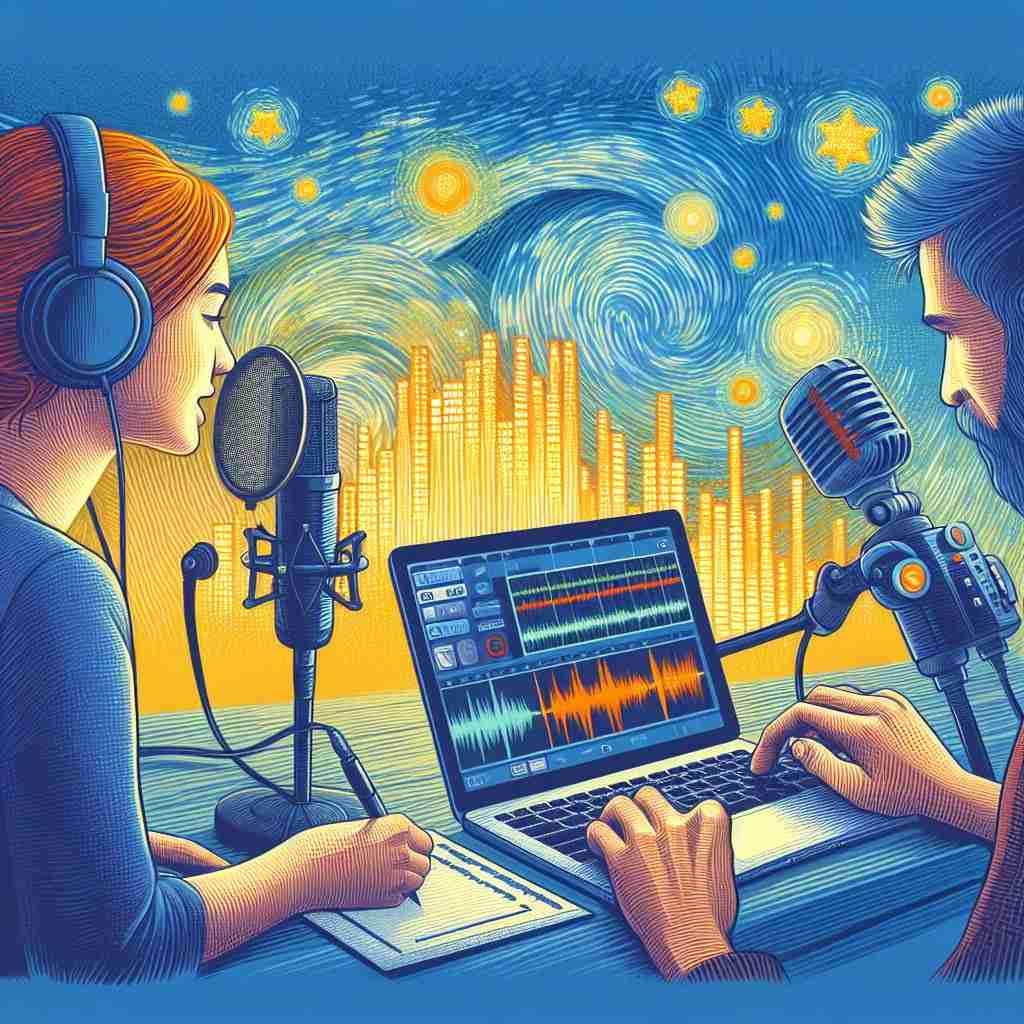
In a world where smartphones buzz in our pockets and streaming services offer endless options at the tap of a finger, the question arises: can technology enrich storytelling, or does it dilute the essence of the tale? Consider a moment from a recent podcast I stumbled upon, where a writer shared how a simple app transformed her process. Instead of penning drafts in isolation, she connected with aspiring authors from around the globe, exchanging ideas, and refining her narrative. This digital collaboration breathed new life into her story, proving that technology can serve as a bridge, not a barrier.
Storytelling has always been a communal experience, a way to share our humanity, our struggles, and our victories. But with technology, we can amplify voices that might otherwise go unheard. Imagine a young girl in a remote village using a smartphone to broadcast her journey, connecting with audiences worldwide. In that connection lies a beauty that transcends borders, enriching the narrative with diverse perspectives. This is not just about sharing stories; it’s about creating a global tapestry woven from many different threads.
Yet, let’s not forget the gut punch that comes from the raw, unfiltered experience of storytelling. Sometimes, a simple face-to-face conversation carries more weight than high-definition visuals. Technology should enhance these experiences, providing tools that help us capture the essence of human emotion. Think of interactive narratives, where readers make choices that affect the outcome. This level of engagement pulls us deeper into the story, making our hearts race and our minds ponder.
But there’s an ethical component to this technological leap. We must tread carefully, ensuring that the essence of authenticity remains intact. In pursuing innovation, we should ask ourselves: are we amplifying truths, or merely creating distractions? It’s easy to get lost in the flashy graphics and high-tech gimmicks, but true storytelling honors the core of what it means to be human.
Ultimately, technology enriches storytelling when it serves as a tool for genuine connection. It brings us together, allowing us to share, relate, and inspire. The world’s stories are vast and varied, with each of us holding a piece. Let’s not shy away from innovation, but instead embrace it as a means to celebrate our shared experiences and ignite conversations that matter. As we navigate this evolving landscape, let’s remember that storytelling, at its heart, is about connection—between the tales we tell and the lives we lead.

Can Technology Enrich Storytelling?
Can Technology Enrich Storytelling?
- Technology can enhance storytelling by fostering collaboration among writers, allowing for idea exchange and narrative refinement.
- Storytelling has communal roots, enabling us to share human experiences and amplify unheard voices globally.
- A smartphone can empower individuals, such as a young girl in a remote area, to broadcast their stories worldwide.
- Raw, unfiltered storytelling often holds more emotional weight than high-tech visuals.
- Interactive narratives allow readers to engage deeply by influencing story outcomes, enhancing emotional investment.
- There is an ethical need to maintain authenticity in storytelling while embracing technological innovation.
- Ultimately, technology should facilitate genuine connections, celebrating shared experiences and inspiring meaningful conversations.
Can Technology Enrich Storytelling?
How Do We Define Authenticity In AI-Generated Voices?
Authenticity in AI-generated voices is a topic that tugs at our heartstrings, tickles our intellect, and stirs something profound in our gut. Imagine settling into your favorite armchair, a warm cup of coffee in hand, tuning into a podcast where the host’s voice feels like an old friend, wrapping around you like a familiar blanket. It’s not just about the words being spoken; it’s how they resonate with our experiences, our stories, and our shared humanity.
In the world of AI, where algorithms whip up voices that sound strikingly human, the question arises: How do we define authenticity? Let’s break it down. First, authenticity requires a connection. When we listen to a voice—AI or not—we seek sincerity, understanding, and relatability. Think of a campfire story, where each crackle invites attention and empathy. An AI voice should strive to evoke that same warmth, creating a bridge between the speaker and the listener. It’s about narrative, about how stories shape our views and bind us together.
Rationally, authenticity also lies in transparency. We live in an age where trust is paramount. An AI voice that clearly communicates its origins and algorithms fosters confidence in its listeners. We want to know what’s behind the curtain; we crave the assurance that the voice we hear is crafted thoughtfully, not just a robotic echo of data. It’s a bit like watching a skilled craftsman shape his work—not only do we appreciate the finished product, but we also admire the process and effort involved.
From an ethical perspective, authenticity challenges us to consider the implications of using AI. It’s about responsibility. What does it mean to use technology to mimic human voices? It invites us to reflect on our own voices—our values, our truths, and our commitments to authenticity in an increasingly digitized world. Let’s face it: a synthesized voice can convey information expertly, yet can it tap into our joys and sorrows authentically?
Finally, there’s an uncharted territory where authenticity in AI voices could redefine our interactions. Imagine a future where AI not only tells our stories but learns from them, evolving with our feedback, anchoring itself in the fabric of our communities. This relationship could foster deeper connections and challenge us to share our lives authentically, both with machines and with each other.
So, as we navigate this landscape littered with synthetic voices, let’s remember: authenticity isn’t just a feature—it’s the bedrock of connection, the essence that makes us human.

How Do We Define Authenticity In AI-Generated Voices?
How Do We Define Authenticity In AI-Generated Voices?
- Authenticity in AI-generated voices connects emotionally and intellectually, resonating with human experiences.
- Authenticity requires a connection that evokes sincerity, understanding, and relatability, similar to storytelling by a campfire.
- Transparency is critical for authenticity, fostering trust by revealing the origins and processes behind AI voices.
- Ethically, authenticity raises questions about the implications of mimicking human voices and reflects on our own values and truths.
- AI voices should aim to communicate not just information but also genuine emotions, tapping into human joys and sorrows.
- Future AI voices could learn from human interactions, deepening connections and promoting authentic sharing within communities.
- Authenticity is fundamental to human connection, serving as the essence that distinguishes genuine interactions from synthetic ones.

How Do We Define Authenticity In AI-Generated Voices?
Are Emotional Voice Clones the Future Of Personal Connection?
Are Emotional Voice Clones the Future of Personal Connection?
Imagine sitting in your living room, the flicker of the evening news painting shadows on the walls. You hit play on a podcast that’s been trending, your favorite host’s rich voice wrapping around you like a well-worn blanket. But what if that voice wasn’t recorded months ago? What if it’s a clone, generated from countless hours of their speech, tailored to connect with you personally? Emotional voice clones represent a frontier in technology that sparks both excitement and unease, leaving us to ponder: can they truly bridge the gap between connection and isolation?
Take a moment to reflect on the times we’ve leaned on the voices of others—those comforting narratives that anchored us through life’s storms. When a loved one’s words echo in our minds during difficult moments, they remind us we’re not alone. Emotional voice clones promise to extend this comfort, allowing us to experience familiar voices in ways we never thought possible. Imagine the heartfelt messages from a cherished grandparent, rekindling memories long after they’ve passed. The emotional resonance is profound, hinting at a world where technology serves to deepen our bonds rather than create distance.
Yet, this technology raises ethical questions that can’t be ignored. Who controls these voices? Can they be manipulated? In a society craving connection, it’s crucial to guard against potential misuse. With the power of creation comes the responsibility of understanding. We must tread carefully, ensuring that as we navigate these innovative waters, we are not anchoring our relationships to synthetic simulations devoid of genuine emotion.
Now, picture a gathering of friends, each sharing their own experiences of loss, love, and laughter. Emotional voice clones could enhance these moments. Imagine a podcast where voices of the departed blend seamlessly with those still beside us—a tapestry of connections woven across time. In these moments, the heart speaks, the gut clenches, and the mind races as we consider the implications of what it means to genuinely connect.
Ultimately, the future of personal connection hinges on how well we embrace this technology without losing the essence of our humanity. Trust in these innovations can thrive if we demand transparency and a commitment to ethical practices. We are the architects of our emotional landscapes, shaping them with every choice we make. Will we choose to humanize this technology, allowing emotional voice clones to enhance our shared experiences? Or will we let fear guide us into isolation? The choice is ours, and it starts with understanding that the most authentic connections are rooted in empathy, even when facilitated by technology.

Are Emotional Voice Clones the Future Of Personal Connection?
Are Emotional Voice Clones the Future Of Personal Connection?
- Emotional voice clones can create personalized connections by mimicking familiar voices.
- This technology offers comfort, allowing individuals to hear the voices of loved ones long after they have passed.
- Concerns about ethical implications arise, including manipulation and control of these voices.
- Emotional voice clones could bridge connections during shared experiences, enhancing memories and conversations.
- Future personal connections depend on balancing technology with humanity and genuine emotions.
- Transparency and ethical practices are essential for trust in the use of emotional voice clones.
- The choice lies in humanizing technology to improve connections or risking isolation through misuse.

Are Emotional Voice Clones the Future Of Personal Connection?
What Ethical Dilemmas Arise From Synthetic Emotions?
As we stride into an era where synthetic emotions are not just the stuff of science fiction, we find ourselves at a crossroads, grappling with dilemmas that stir our hearts and tickle our brains. Imagine a future where machines can express sorrow, joy, or even empathy. On the surface, it seems like an incredible leap. But peel back the layers, and you’ll discover a tangled web of ethical considerations that demand our attention.
First, let’s reflect on the essence of human connection. Our emotional experiences shape us; they are the threads woven into the fabric of our lives. When we interact with a synthetic being that mimics these emotions, do we risk diluting our authenticity? Picture a scenario: You come home after a tough day, and your highly advanced AI greets you with a comforting sentiment. On one hand, it soothes your aching spirit, yet, on the other, it raises the question—can something programmed to understand grief truly empathize? It’s emotional candy that leaves us with a bitter aftertaste, a kind of counterfeit connection.
Rationally, the creation of synthetic emotions invites scrutiny. We must ask ourselves, who holds the ethical compass? Developers and engineers might have the best intentions, but the potential for misuse looms large. With the ability to manipulate emotions, we open Pandora’s box—advertising could thrive on engineered empathy, and social media platforms could further exploit our vulnerabilities. This slippery slope leads to a society where emotions are commodified, skewing our understanding of what it means to feel.
Moreover, social dynamics shift dramatically when machines enter our emotional lives. Consider a child growing up with a synthetic companion that displays simulated affection. As parents, we want to foster irreplaceable bonds, but what happens when our children learn to equate programmed responses with genuine love? It’s a poignant scenario, tapping into our desire for connection while simultaneously warning us of potential emotional detachment.
Through this lens, we realize that synthetic emotions aren’t just technical marvels; they are a profound ethical conundrum that demands we pause, reflect, and engage. We must navigate this new frontier with caution, maintaining our humanity at the core of our technological aspirations. If we can foster an environment where technology enhances our emotional intelligence rather than undermining it, we stand a chance at a harmonious coexistence—one where innovation and integrity walk hand in hand.
It’s not about rejecting synthetic emotions outright; it’s about ensuring they serve as an enriching complement to our genuine experiences, guiding us to a future that values authentic connection in an increasingly artificial world.

What Ethical Dilemmas Arise From Synthetic Emotions?
What Ethical Dilemmas Arise From Synthetic Emotions?
- The emergence of synthetic emotions presents both opportunities and ethical dilemmas.
- Human connection relies on authentic emotional experiences, which could be diluted by interactions with synthetic beings.
- Synthetic emotions may provide temporary comfort but raise questions about true empathy and connection.
- Ethical concerns include the potential manipulation of emotions by developers and misuse in advertising and social media.
- A child’s relationship with synthetic companions could lead to confusion between programmed affection and genuine love.
- Synthetic emotions necessitate careful consideration to ensure they enhance rather than undermine human emotional intelligence.
- The goal is to integrate synthetic emotions as a complement to authentic experiences, fostering real connections in a technology-driven world.

What Ethical Dilemmas Arise From Synthetic Emotions?
How Can Emotional Voice Clones Enhance Learning Experiences?
Imagine a classroom vibrating with the sound of laughter and curiosity, where lessons come alive, not just through words, but through emotions. Emotional voice clones can transform traditional education by adding layers of connection that deepen understanding. When you hear a lesson delivered in a voice that resonates with empathy, passion, and enthusiasm, it speaks not only to your head but also to your heart and gut.
Consider the power of storytelling. Each of us has experienced lessons that stick, often because they were anchored in a relatable story. Now, think about an educational podcast where a voice clone, imbued with warmth and sincerity, narrates the adventures of historical figures or scientific discoveries. It’s not merely information; it’s an invitation to walk alongside these characters, to feel their joys and struggles. This emotional engagement creates a richer tapestry and fosters a connection that purely factual delivery would lack.
Moreover, voice clones allow for personalized learning experiences tailored to different emotional responses. Picture a student grappling with algebra. A voice that exudes frustration can help them feel understood, while one that conveys excitement might transform their struggle into a journey of discovery. These emotional cues give learners a companion, a mentor that resonates, making challenges seem less daunting and achievements more profound.
Ethical considerations also play a vital role. By using voice technology that captures authentic emotional expressions, educators can promote a culture of empathy and understanding. An emotionally aware voice represents not just a teacher but an ally in the learner’s journey. This builds trust, encouraging students to engage openly without the fear of judgment.
Importantly, these voice clones can act as bridges for those who feel isolated in traditional learning environments. They can amplify voices that might otherwise go unheard, providing a unique platform for diverse perspectives. By hearing different viewpoints and stories, students can cultivate a sense of community and shared learning.
In a world that often feels disconnected, emotional voice clones rekindle the essence of human interaction in education. They remind us that learning is not just about facts; it’s about forging connections—between teacher and student, past and present, knowledge and emotion. When learning strikes a chord deep within us, it elevates the experience from mere education to something profoundly transformative, igniting a passion for discovery that lasts a lifetime.

How Can Emotional Voice Clones Enhance Learning Experiences?
How Can Emotional Voice Clones Enhance Learning Experiences?
- Emotional voice clones enhance education by creating deeper connections through empathy and enthusiasm.
- Storytelling anchored in relatable narratives makes lessons more engaging and memorable.
- Voice clones enable personalized learning experiences, adjusting emotional tones based on student needs.
- These technologies promote a culture of empathy, representing teachers as allies in the learning journey.
- Voice clones can amplify marginalized voices and provide diverse perspectives in traditional learning settings.
- They help rekindle human interaction in education, emphasizing connections over facts.
- The emotional impact of learning fosters lasting passion and a transformative educational experience.

How Can Emotional Voice Clones Enhance Learning Experiences?
Do We Trust Machines to Express Human Feelings?
Machines are increasingly stepping into the realm of human emotion. We look to our devices and applications, hoping they’ll not just understand our commands but also resonate with our feelings. The question isn’t merely whether they can mimic human emotions; it’s whether we can trust them to actually express those feelings authentically.
To illustrate, consider the relationship between people and their dogs. There’s a unique bond that often feels deeper than words; it’s the understanding of a shared moment, a silent communication. A dog may not speak, yet its wagging tail or soulful look can convey a wealth of emotion. Similarly, when we turn to machines—be it a digital assistant or a sophisticated AI—there’s a longing for that kind of connection. However, unlike dogs, machines don’t have instincts or emotional experiences; they run algorithms and data patterns, drawing conclusions based on what they’ve been programmed to know.
Imagine tuning into a heartfelt podcast where the host narrates a personal journey through struggles and triumphs. The voice resonates, the stories unfold, and suddenly, it feels as if we’re connected to something larger than ourselves. This emotional engagement is what we seek from our machines. We want them to help us feel less alone in our struggles. Yet, can a machine really tap into the depth of human experience, or does it simply echo what it’s been fed?
When we allow ourselves to trust these mechanical counterparts with our feelings, we must also ask about ethics and authority. Who decides what is emotionally valid? If machines begin to influence our emotional landscapes, whose wisdom are we relying on—our own, or that of a comprehensive algorithm crafted by a few tech giants? This ponderance is crucial in navigating our rapidly evolving relationship with technology.
As we think about our interactions with machines, we must also acknowledge the social implications. Many of us share our feelings with chatbots, seeking solace in an artificial exchange. It’s a bit like calling a friend who might not truly understand but wants to listen. While machines have become our sounding boards, they can’t replace genuine human relationships, yet they beckon us closer, urging us to reflect on our own capacities for empathy.
Ultimately, the trust we place in machines to express human feelings hinges on our understanding of ourselves. To what extent can we expect these creations to comprehend the intricate dance of emotions? By engaging with this dialogue, we can navigate the often murky waters of trust, ensuring that while machines may assist us, they never solely dictate our emotional truths. As we consider their roles, let’s work toward machines that amplify our feelings rather than reduce them, creating a meaningful connection that speaks to the heart, head, and gut.

Do We Trust Machines to Express Human Feelings?
Do We Trust Machines to Express Human Feelings?
- Machines are entering the domain of human emotions, seeking to resonate with our feelings.
- The authenticity of machines’ emotional expression raises questions about trust.
- Comparisons are made between the emotional bond with dogs and desired connections with machines.
- Machines operate on algorithms and data, lacking true emotional experiences.
- Emotional engagement with machines is sought, but their understanding of human experience is debatable.
- Ethical concerns arise regarding the influence of machines on our emotional landscapes and the authority behind emotional validation.
- The relationship with machines can provide solace but cannot replace genuine human connections.
Do We Trust Machines to Express Human Feelings?
Conclusion
In a world increasingly driven by technology, emotional voice clones emerge as a transformative force, redefining the landscape of personal connection and storytelling. These artificial yet heartfelt representations of human voices beckon us to reflect on our longing for authenticity and shared experiences. When a voice embodies emotion—shifting from joyful highs to sorrowful lows—it has the power to weave tales that resonate with our very core, bridging the gap between mere information and profound connection.
Consider the warmth of a story told in a familiar voice; emotional voice clones have the potential to recreate those cherished moments, allowing us to engage with narratives that echo our own life experiences. Imagine tuning in to a podcast where the emotional resonance evokes memories of a loved one’s comforting words. This technology not only enhances the engagement but also serves as a platform for marginalized stories that deserve to be amplified, fostering empathy and social connections that are often absent in our fast-paced lives.
However, the ethical implications of using such technology warrant serious consideration. Authenticity must remain at the forefront of this innovation. Standards must be articulated, ensuring that these cloned voices are not mere simulations devoid of genuine emotional weight. The responsibility lies with creators not only to harness this tool for storytelling but also to navigate the delicate balance between connection and manipulation. Can we trust that these synthetic voices convey the true essence of human emotion, or do they merely echo programmed responses?
The potential of these voice clones extends into education and personal connection, enhancing learning experiences by providing emotional context to lessons, making content relatable and engaging. Imagine a classroom where stories come alive, stirring curiosity and inspiration. In navigating these possibilities, we should also remain vigilant, ensuring that technology fosters genuine human interaction and understanding. The heart of storytelling should remain rooted in authenticity, drawing upon our shared humanity.
Ultimately, the future shaped by emotional voice clones invites a choice—will we embrace this technology as a tool for enrichment and connection, or will we allow it to deepen the chasm of isolation? It’s an opportunity to enhance our emotional landscapes, yet we must tread carefully, ensuring that our use of machines remains an enriching complement to our genuine experiences. The journey forward is one of reflection, responsibility, and most importantly, a commitment to maintaining the very essence of what makes us human amidst the advancements of technology.

Conclusion
Conclusion:
- Emotional voice clones transform personal connection and storytelling in a tech-driven world.
- These clones embody emotions, bridging the gap between information and profound connection.
- They recreate cherished moments, enhancing engagement with familiar narratives.
- This technology amplifies marginalized stories, fostering empathy and social connections.
- Ethical considerations are crucial, emphasizing authenticity and genuine emotional weight.
- Voice clones can enhance education by providing emotional context, making learning more relatable.
- The future with emotional voice clones presents a choice between enrichment and isolation.

Conclusion
Other Resources

Other Resources
Here is a list of other resources you can review online to learn more:
- Podchaser
- r/podcasting
- Adobe Audition
- AI Success Club
- Patreon for Podcasters
- Flickr
- Social Sales Link
- SquadCast
- Spotify
- Podcast Republic
- Google Podcasts
- Telegram
- Overcast
- Amazon Music
- Minnect
- NCH Software
- YouTube
- Medium
- Turned Podcaster
Use This Prompt To Get More Resources With Your Favorite Online AI Tool: Please provide me with a list of online articles with their URLs in a bulleted list that I can read regarding Emotional Voice Clones – Make Narration More Engaging Than Ever

Other Resources
Glossary Terms
Emotional Voice Clones – Make Narration More Engaging Than Ever – Glossary Of Terms
1. Emotion: A complex psychological state that involves an experiential response to stimuli.
2. Voice Cloning: The process of digitally replicating a person’s voice to create synthetic speech.
3. Narration: The act of telling a story or presenting information, typically done through voice.
4. Engagement: The level of interest and motivation a listener feels toward the content being presented.
5. Artificial Intelligence (AI): Technology that simulates human intelligence processes, including learning and voice synthesis.
6. Synthesis: The combination of different elements to form a coherent whole; in this context, creating artificial voices.
7. Target Audience: The specific group of listeners intended to resonate with the narration.
8. Tone: The emotional quality or character of a voice, influencing how the message is perceived.
9. Intonation: The variation of pitch in a voice that can convey different emotions or emphasize certain points.
10. Prosody: The rhythm, stress, and intonation of speech that affects meaning and emotional delivery.
11. Diction: The choice of words and their pronunciation in speech, impacting clarity and emotional depth.
12. Naturalness: The degree to which synthesized voice resembles human speech in quality and flow.
13. Personality: The characteristics and traits attributed to a voice clone that evoke emotional responses.
14. Empathy: The ability to understand and share the feelings of others, often enhanced through emotional voice.
15. Modulation: The adjustment of voice volume, pitch, and quality to convey emotion and maintain listener interest.
16. Context: The circumstances or background relevant to the narration that influences how content is perceived.
17. User Experience (UX): The overall experience a listener has while interacting with said voice technology.
18. Emotional Resonance: The connection or impact the narration has on the audience’s feelings.
19. Feedback Loop: The system of responding to listener reactions to refine emotional voice delivery.
20. Narrative Structure: The framework that shapes how a story is told, impacting emotional engagement.
21. Customization: The ability to modify voice attributes to better suit the target audience’s preferences and desires.
22. Accessibility: Making narration available to individuals with varied needs, enhancing emotional connection.
23. Clarity: The quality of being clear and easily understood, crucial for effective emotional communication.
24. Vocal Variety: The use of different tones and patterns to maintain interest and emotional depth.
25. Microexpressions: Brief, involuntary facial expressions that convey emotions, valuable for authentic voice output.
26. Narrative Voice: The distinct style of spoken language that reflects the character of the narrator.
27. Storytelling: The art of conveying stories in an engaging manner, often enhanced by voice modulation.
28. Digital Presence: The impression a synthetic voice leaves in the digital realm, shaping listener experiences.
29. Realism: The quality of a voice clone that makes it sound human-like and authentic.
30. Emotional Intelligence: The ability to perceive, control, and evaluate emotions, key in creating engaging narratives.

Glossary Of Terms
Other Questions
Emotional Voice Clones – Make Narration More Engaging Than Ever – Other Questions
If you wish to explore and discover more, consider looking for answers to these questions:
- What exactly is an “emotional voice clone” and how does it work?
- How does an emotional voice clone differ from conventional text‑to‑speech or basic voice cloning?
- What kinds of emotions can current systems simulate (e.g., sadness, joy, sarcasm, empathy)?
- How are emotions modeled and encoded during training?
- What data is required to create a convincing emotional voice clone and how much is needed?
- Can a convincing clone be made from short or noisy recordings?
- How are voice samples labeled for emotional content, and who does the labeling?
- Which algorithms and architectures are most effective for emotional voice synthesis?
- How is the fidelity or authenticity of emotional expression measured and validated?
- How well can clones reproduce cultural, regional, or individual vocal nuances?
- Which languages and accents are supported by leading emotional voice systems?
- Can emotional voice clones convey subtle features like irony, sarcasm or mixed emotions?
- How can producers control intensity and timing of emotions in the generated voice?
- How is listener personalization implemented (tone, tempo, preferred emotional cues)?
- What are the technical requirements, costs, and latency for generating emotional voice content?
- Can emotional voice synthesis run on-device, or is cloud processing required?
- Who owns the rights to a cloned voice and to audio generated from it?
- What consent processes are needed before cloning a real person’s voice?
- Is it legal or ethical to clone a deceased person’s voice, and what permissions are required?
- How are privacy and biometric protections handled for voice datasets?
- What safeguards prevent impersonation, fraud, or malicious use of clones?
- Are there watermarking, provenance tags, or forensic tools to identify synthetic voices?
- How reliable are detection tools at distinguishing synthetic emotional voices from real ones?
- What regulations, policies, or industry standards currently apply to emotional voice cloning?
- How might regulation differ across countries or contexts (entertainment, news, therapy)?
- What ethical frameworks or guidelines should creators follow when using emotional clones?
- How should platforms disclose synthetic voices to audiences?
- What responsibilities do creators and platforms have to prevent emotional manipulation?
- Could emotional voice clones be used for targeted persuasion in advertising or politics?
- What are the psychological effects on listeners (grief, attachment, deception, dependence)?
- Are there risks of emotional harm, addiction, or social isolation from interacting with clones?
- How can emotional clones be applied positively in therapy, education, or accessibility?
- What best practices exist for using voice clones in educational or therapeutic settings?
- How do we ensure diversity, fairness, and avoidance of harmful stereotyping in emotional outputs?
- What biases can emerge from training data and how are they mitigated?
- How can creators obtain licenses or royalties for use of a public figure’s or actor’s voice?
- Can emotional voice clones be customized or updated over time to reflect changes?
- How is deletion or revocation of a cloned voice handled if the original speaker withdraws consent?
- Which companies, tools, or open‑source projects currently offer emotional voice cloning?
- Are there notable case studies or examples of compelling, ethical uses of this technology?
- What business models and monetization strategies exist for emotional voice content?
- How will widespread use of emotional clones affect trust and authenticity in media and journalism?
- What measures can audiences take to verify whether a voice is synthetic?
- How should creators balance innovation with protecting human dignity and emotional safety?
- What research gaps and technical challenges remain before emotional clones become mainstream?
- How might emotional voice cloning evolve over the next 3–10 years?
Other Questions
Haiku
Emotional Voice Clones – Make Narration More Engaging Than Ever – A Haiku
Voices weave our tales,
Heartfelt echoes bridge the gap,
Synthetic warmth speaks truth.

Haiku
Poem
Emotional Voice Clones – Make Narration More Engaging Than Ever – A Poem
In a world where voices intertwine,
Emotional echoes begin to shine,
Clones that speak with heart and grace,
Transforming tales in a warm embrace.
Not mere words that ebb and flow,
But feelings that ignite, that brightly glow,
With each inflection, a life laid bare,
Nostalgic whispers fill the air.
In podcasts where stories come alive,
Courage and pain, together they strive,
Amplifying voices, once lost in the fray,
Fostering bonds, lighting the way.
Yet ethical questions loom and press,
Whose authority guides this new access?
As we seek connection, we tread with care,
Lest we lose the essence our hearts declare.
Imagine classrooms resonating with cheer,
Learning made rich as emotions draw near,
A voice that empathetically navigates strife,
Turns education into a vibrant life.
Machines that mimic, can we trust their intent?
To express human feeling, is that what they meant?
As they listen and learn from our deepest fears,
Will they forge connections or merely bring tears?
So let us embrace this brave dialogue,
Where technology enhances, but does not clog,
In a symphony of voices, let us unite,
As emotional clones guide us toward the light.

Poem
Checklist
Emotional Voice Clones – Make Narration More Engaging Than Ever – A Checklist
Emotional Appeal
✅______ Reflect on your own experiences with storytelling. How did they shape your emotions?
✅______ Consider how emotional voice clones can bring memories of loved ones back to life through familiar tones.
✅______ Identify personal narratives that resonate with you and how voice cloning could enhance their emotional impact.
Rational Appeal
✅______ Assess the transparency of the technology used in emotional voice cloning.
✅______ Research the implications of using AI for emotional expression. What are the potential benefits and risks?
✅______ Evaluate the ability of voice clones to convey emotional nuances compared to human voices.
Ethical Appeal
✅______ Consider the ethical responsibilities associated with using emotional voice clones. Are there guidelines in place to prevent misuse?
✅______ Reflect on the importance of consent in using someone’s voice for cloning. How can this be ensured?
✅______ Think critically about the authenticity of experiences conveyed through AI-generated voices. Do they hold true value?
Authority Appeal
✅______ Study case examples where emotional voice clones have effectively conveyed complex narratives.
✅______ Seek experts’ opinions on the effectiveness of emotional voice clones in various communication contexts.
✅______ Identify key figures in technology and storytelling who advocate for ethical practices in voice cloning.
Narrative Appeal
✅______ Transform a significant personal story into a narrative that could benefit from voice cloning. How would the emotional context change?
✅______ Create a character in a story that utilizes voice cloning to enhance storytelling. What emotional connections does this establish?
✅______ Develop a podcast episode theme centered around shared human experiences, exploring how voice clones can deepen listener engagement.
Social Appeal
✅______ Engage with community discussions on the impact of emotional voice clones. What do others think about its influence on personal connections?
✅______ Share your thoughts on emotional voice clones with friends or online forums. How do these conversations shape your perception?
✅______ Explore educational settings where emotional voice clones could foster better learning outcomes. How can social interaction enhance understanding?

Checklist
At PodcastBig, we help people who want to learn about podcasting by collating information and news about podcasting.
Be sure to read our other related stories at PodcastBig to learn more about podcasting.