

Podcast Pitfalls: Is Your Message Misunderstood?
By Tom Seest
At PodcastBig, we help people who want to learn about podcasting by collating information and news about podcasting.
Be sure to read our other related stories at PodcastBig to learn more about podcasting.
Could Your Podcast Be Causing More Confusion Than Clarity?
Let’s face it: when you hit the record button on your podcast, you probably imagine thousands of eager ears tuning in to every word you say, hanging on your every insight. But here’s the kicker—what if, instead, you’re just adding to the noise? In a world where everyone seems to have a podcast, it’s easy to slide down that slippery slope from valuable content to an indecipherable jumble of ideas.
You might be thinking, “No way. I’m offering gold here!” But let’s step back for a moment. Have you ever found yourself rambling on, thinking you were sharing profound ideas, only to realize later that most listeners left with more questions than answers? Hey, it happens to the best of us. The truth is, clarity is much harder than it looks. It takes intention, planning, and a little bit of humility.
First off, consider your audience—a crucial yet often overlooked element. Who are they? What do they want to know? If you’re not clear on this, your podcast could end up being a tangled web of ideas that ultimately leaves listeners scratching their heads. You may have vast knowledge to share, but if you fail to connect it with the needs of your listeners, your podcast could end up doing more harm than good.
Next, evaluate your messaging. Are you jumping around from topic to topic like a kid in a candy store, or do you have a clear narrative thread that ties each episode together? When you weave a coherent story, even the most complex ideas become digestible. It’s like offering a warm, homemade meal instead of a buffet of random leftovers—you want your audience to feel nourished, not overwhelmed.
Finally, don’t shy away from feedback. Ask your listeners what resonates and what doesn’t. Don’t take it personally; it’s not about you. It’s about them. This is how you’ll refine your craft and keep your podcast from veering into the land of confusion. Remember, clarity doesn’t mean dumbing down. It means inviting your audience into the conversation in a way that respects their time and attention.
So, as you’re preparing that next episode, take a moment to pause and reflect. Does your podcast offer the clarity and connection your listeners crave? If not, it might just be time to recalibrate. After all, your voice has the power to inform, inspire, and uplift; let’s make sure it does just that.
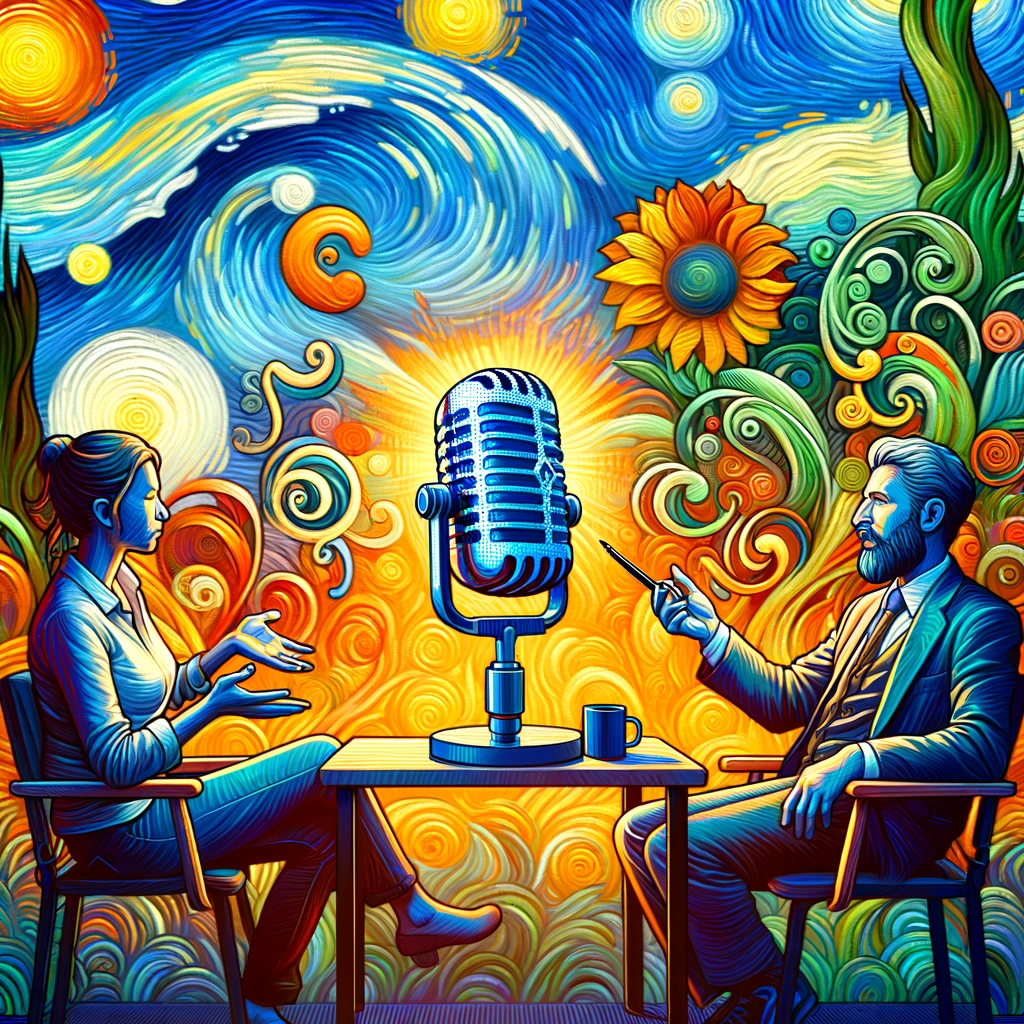
Could Your Podcast Be Causing More Confusion Than Clarity?
Could Your Podcast Be Causing More Confusion Than Clarity?
- Podcasters often envision a captivated audience, but risk becoming just another voice in the noise.
- Clarity in messaging is crucial and requires intention, planning, and humility.
- Understanding your audience’s needs is essential for creating relevant content.
- Establish a coherent narrative thread to connect topics and enhance listener comprehension.
- Feedback from listeners is vital for refining content and avoiding confusion in messaging.
- Clarity doesn’t mean oversimplifying; it focuses on respectful engagement with the audience.
- Before recording, reflect on whether your podcast meets the clarity and connection that listeners seek.

Could Your Podcast Be Causing More Confusion Than Clarity?
Table Of Contents
- Could Your Podcast Be Causing More Confusion Than Clarity?
- What Common Mistakes Lead To Podcast Confusion?
- Are My Episode Titles Misleading To Listeners?
- Is My Podcast Format Too Complex For The Audience?
- How Can I Ensure My Episodes Have A Clear Structure?
- Are My Guests Adding Confusion Instead Of Clarity?
- How Does Audience Feedback Impact Podcast Clarity?
- What Role Does Podcast Branding Play In Clarity?
- Conclusion
- Other Resources
- Glossary Of Terms
- Other Questions
- Haiku
- Poem
- Checklist
What Common Mistakes Lead To Podcast Confusion?
What Common Mistakes Lead to Podcast Confusion?
Let me paint you a picture: it’s a Saturday afternoon, and you’re scrolling through a sea of podcast options. There’s the allure of an engaging story, the pull of lively debates, and the wisdom of a friendly voice promising to share insights over your daily chores. But then—buckle up—this shimmering oasis turns into a confusing maze. You click on a promising title and within moments, you’re left scratching your head, wondering, “What just happened?”
Now, let’s break down some common missteps that lead to this confusion, shall we? First off, there’s the infamous lack of clarity in episodes. Imagine tuning into a podcast only to discover the host spends the first ten minutes discussing last week’s ramblings before finally warming up to the topic at hand. Wasting precious time is a surefire way to drain the enthusiasm of an eager listener. Here’s a friendly tip: get to the point! People come to podcasts hoping to either learn something or escape into a story, not to decipher a cryptic introduction.
Next up is poor audio quality. You wouldn’t walk into a restaurant and put up with sizzling sounds and clanging dishes when you’re trying to enjoy a meal, right? Similarly, the podcasting world has its fair share of audio disasters. If it sounds like the host is broadcasting from the bottom of a well, forget it! Invest in a decent microphone—your listeners will appreciate the effort, and the experience will elevate your content. Crystal clear audio nurtures connection; nobody wants to be left guessing if that’s laughter or a malfunctioning robot.
Another speed bump on the road to podcast clarity? Inconsistent release schedules. Imagine the excitement of a great conversation, only to be left hanging for weeks on end, wondering if that host ran off to join the circus. Trust is built on consistency, and your audience deserves the reliability of knowing when they can tune in for their next fix. It gives them something to look forward to and adds to that delightful sense of community.
So, if you’re venturing into the world of podcasting, keep these points close to your heart. A little mindfulness goes a long way in crafting a space where listeners can engage, connect, and feel right at home. After all, who wouldn’t want to join a conversation that feels inviting rather than bewildering?

What Common Mistakes Lead To Podcast Confusion?
What Common Mistakes Lead To Podcast Confusion?
- Podcasts can often lead to confusion when clarity is lacking in episodes.
- Long and cryptic introductions waste time and can drain listener enthusiasm.
- Poor audio quality detracts from the listening experience and can alienate audiences.
- Investing in good microphones is essential for clear and engaging audio.
- Inconsistent release schedules leave listeners unsure and frustrated.
- Consistency in releasing episodes builds trust and community among listeners.
- Being mindful of these factors helps create an inviting podcast environment.

What Common Mistakes Lead To Podcast Confusion?
Are My Episode Titles Misleading To Listeners?
Ah, the episode title—a seemingly innocuous string of words that carries a lot of weight in the podcasting world. It’s your first handshake with potential listeners, a digital door opener that can either draw folks in or send them running for the hills. But have you ever stopped to wonder if those clever, catchy names you’ve crafted might be misleading your audience?
Let’s face it, we all want our podcasts to shine. We pour our hearts into the content, meticulously planning discussions and interviews that dig deep into topics we love. But when it comes to those episode titles, the balancing act can be a tricky one. You want them to be enticing, inquisitive, and engaging—certainly! But what happens when they oversell or misrepresent what’s inside?
Imagine this: you’re scrolling through a podcast app, searching for something that resonates with your day—a fresh perspective on work-life balance or a hearty discussion on overcoming obstacles. You stumble upon an episode titled “How to Conquer the World in 30 Minutes Flat!” It sounds exhilarating, right? But when you hit play, you find yourself listening to a conversation that barely brushes the surface of the topic, never mind any global domination plans. Disappointment is a powerful motivator, and it can lead listeners to abandon your podcast altogether.
So, what do you do? First, take a step back and evaluate your episode titles. Are they catchy? Sure. But are they truthful? It’s a question worth pondering. Authenticity creates trust, and trust builds loyalty. Your audience wants to know they can rely on you to deliver what you promise. Consider using titles that reflect the real crux of the discussion—titles that provide clarity to match the content you’ve worked so hard to create.
Invite your listeners into a genuine conversation, and don’t shy away from straightforwardness. Sometimes simple is powerful. Instead of flashy headlines, focus on clarity. “Navigating Life’s Challenges with Authenticity” might not sound as catchy, but it sets an honest expectation. When your titles represent your content faithfully, you create a bond with your listeners that encourages them to return for more engaging discussions.
Be as authentic in your titles as you are in your dialogue. Your podcast is a journey—why not bring the audience along for a ride that they’re truly prepared for?

Are My Episode Titles Misleading To Listeners?
Are My Episode Titles Misleading To Listeners?
- The episode title plays a crucial role in attracting potential listeners to podcasts.
- Catchy titles can sometimes misrepresent the content, leading to listener disappointment.
- False or exaggerated titles can drive listeners away and harm podcast loyalty.
- Authenticity in titles fosters trust and encourages audience retention.
- Clear and honest titles can be more effective than flashy, misleading ones.
- Titles should accurately reflect the content of the episodes to maintain listener expectations.
- Being straightforward and authentic ensures a more engaging journey for the audience.

Are My Episode Titles Misleading To Listeners?
Is My Podcast Format Too Complex For The Audience?
Let’s have a good, honest conversation about something that weighs heavy on the minds of many podcasters: the complexity of your podcast format. It’s like trying to assemble a piece of furniture without the instruction manual—sure, you might get it right eventually, but how many pieces will be left over? And how many times will you question your sanity along the way?
When crafting your podcast, ask yourself: is it overwhelmingly intricate? Think about it in this way: your audience is not just tuning in; they’re choosing how to spend their precious time. The last thing you want is for them to get lost in a tangled web of segments, ideas, or sound effects. Simplicity is often the unsung hero in the podcasting world. Just because you have the capability to throw in ten different themes, three co-hosts, and an array of pop culture references doesn’t mean you should. Less can be more, baby.
Take stock of your show’s essence. Does your format clearly communicate the purpose? Can listeners easily follow along? If you find yourself cramming in concepts that require a manual to understand, it might be time to rethink your approach. Remember, we’re not shooting for a PhD in podcastology here; we want to construct something that resonates with everyday folks—those who might be cleaning the house, commuting to work, or just taking a breather from their busy lives.
Now, this isn’t to say that you shouldn’t experiment or push boundaries. But here’s the deal: establish a core format that anchors your show. Perhaps you kick off with a relatable anecdote, traverse into the meat of the subject, and wrap it up with some actionable takeaways. This keeps the listener engaged and gives them a mental roadmap—no GPS required.
So, reach out to your audience; ask for feedback. Check in with them like a friend would after a long chat over coffee. Are they feeling connected or are they staring blankly at their devices? The goal is to inspire action, provoke thought, and build that trusted bond. Ultimately, a podcast that speaks clearly and sincerely has a solid chance of striking a chord. Keep it relatable, keep it simple, and watch as your audience grows, one episode at a time.

Is My Podcast Format Too Complex For The Audience?
Is My Podcast Format Too Complex For The Audience?
- Podcast format complexity can confuse both creators and audiences.
- Simplicity is essential; overcomplicating with too many themes and elements can alienate listeners.
- Evaluate your show’s essence—ensure the format clearly communicates its purpose.
- Avoid cramming in too many concepts that complicate understanding.
- Establish a core format that maintains listener engagement with a logical flow.
- Seek listener feedback to build a connection and understand their engagement levels.
- A clear and relatable podcast can foster growth and strengthen audience bonds.

Is My Podcast Format Too Complex For The Audience?
How Can I Ensure My Episodes Have A Clear Structure?
When it comes to crafting a podcast that not only grabs attention but keeps listeners coming back for more, clarity is your best friend. Think of your episodes as a well-trodden path in the woods. Nobody wants to stumble around in the underbrush, right? You want them to find their way through seamlessly, so let’s break down how to construct that path.
First off, start with a strong hook. This is your chance to reel them in! Open with an anecdote, a surprising statistic, or even a question that sparks curiosity. Imagine you’re sitting with a buddy, swapping stories over a cold drink. It’s got to feel engaging—almost like a conversation you can’t resist being part of. That initial energy sets the tone for everything that follows.
Now, once you’ve hooked them, it’s time to lay out your roadmap. Structure your episode around clear sections that guide your audience through the material. You might think of this like a dinner party, where each course flows effortlessly into the next. Start with an introduction (hey, that’s like the appetizer), move onto the main content (which could be interviews or discussions—your meat and potatoes), and wrap up with a conclusion or call-to-action (the dessert). Give them a brief overview of what to expect right at the start, and trust me, they’ll feel more at ease navigating your content.
Transitions are key. They’re the safety rails that keep the listener on track. Use phrases like, “Now that we’ve tackled that, let’s dive into…” or “This brings us to our next point…” These verbal signposts help audience members feel anchored. Nobody likes feeling lost, especially when they’re investing their time in your podcast.
One crucial aspect of structure that often gets overlooked is pacing. Think about it as a good workout. You’ve got to include some rest intervals—give your listeners a chance to digest the information. Pausing for effect can amplify key moments and give your audience space to reflect. It’s simple yet profound.
Finally, always keep the end in sight. Conclude with a summary that ties everything together, reinforcing your main points, and perhaps leaving them with a thought-provoking question or challenge. This will not only make your podcast memorable but will motivate listeners to engage beyond the episode itself.
So, buckle up and get ready to build that sturdy structure. With a little planning and intention, your podcast episodes can become paths worth walking, inviting your audience to join the journey time and again.

How Can I Ensure My Episodes Have A Clear Structure?
How Can I Ensure My Episodes Have A Clear Structure?
- Clarity is essential for engaging podcast listeners and keeping them coming back.
- Start with a strong hook to capture attention, such as an anecdote or surprising statistic.
- Structure the episode with clear sections: introduction, main content, and conclusion.
- Use transitions as verbal signposts to guide listeners through the content smoothly.
- Pacing is important; include pauses to allow listeners to digest information.
- Conclude with a summary that reinforces main points and encourages further engagement.
- With proper planning, your podcast can create a memorable journey for your audience.

How Can I Ensure My Episodes Have A Clear Structure?
Are My Guests Adding Confusion Instead Of Clarity?
Let’s take a moment to reflect on that gathering of voices you’ve curated for your podcast. You hit record, all excited, convinced you’ve invited an all-star lineup. But halfway through the first segment, a nagging thought creeps in: Are these guests truly enhancing the conversation, or are they making it a minefield of muddled ideas?
It’s a feeling many podcasters know all too well. You’ve poured your heart into crafting engaging content, only to find yourself tangled in a web of jargon, competing opinions, and overly complicated narratives. Instead of clarity, you’re left with a perplexed audience, wondering what just happened. So, how can you reel in the confusion and steer the ship toward clearer waters?
First off, consider your guests’ backgrounds. While diverse perspectives can enrich a discussion, a lineup that’s too varied may lead to chaos. It’s like inviting a philosopher, a scientist, and a poet to discuss the meaning of life. Sure, it sounds intriguing, but without a common thread, listeners might end up more confused than enlightened. Focus on a cohesive theme, and choose guests who can build on that foundation.
Next, think about your role as the host. You’re not just a facilitator; your job is to guide the conversation. If a guest starts to stray into abstract territory, nip it in the bud. Gently steer them back to the main point. You want your audience to nod along, not furrow their brows in bewilderment. Leverage your own voice to highlight key takeaways and frame questions that elicit clarity.
And let’s not forget the power of connection. Sometimes a guest might require a little warm-up to find their groove. A well-placed anecdote, a shared laugh, or a moment of vulnerability can bridge the gap between complexity and relatability. Your audience craves authenticity, so don’t be afraid to pull that human element into the conversation.
Remember, the goal is to share insights that resonate, spark curiosity, and drive action. It’s not just about the guests; it’s about the experience you create together. As you navigate your podcasting journey, pause and ask yourself: Are my guests adding clarity, or is confusion reigning supreme? Take a step back, recalibrate your approach, and watch as your discussions evolve into something more meaningful. Your listeners will thank you, and your podcast will thrive.

Are My Guests Adding Confusion Instead Of Clarity?
Are My Guests Adding Confusion Instead Of Clarity?
- Reflect on the guest lineup for your podcast and its impact on the conversation.
- Diverse perspectives can enhance discussions, but too much variety may cause confusion among listeners.
- Choose guests who align with a cohesive theme to maintain clarity and engagement.
- As the host, actively guide the conversation to prevent guests from straying into overly complex topics.
- Use anecdotes and moments of authenticity to connect with guests and make the discussion relatable.
- Focus on creating an experience that shares insights, sparks curiosity, and drives action for the audience.
- Regularly evaluate whether your guests are adding clarity to the conversation or causing confusion.

Are My Guests Adding Confusion Instead Of Clarity?
How Does Audience Feedback Impact Podcast Clarity?
In the world of podcasting, clarity isn’t just a nice attribute; it’s the lifeblood of engaging content. Let’s face it: with the endless options available today, listeners don’t have the luxury of questioning your message. They need to understand your intentions. So, how exactly does audience feedback play a pivotal role in achieving this clarity? Let’s dig into the nuts and bolts.
First off, consider the sheer volume of voices out there. You may be rolling solo, but in podcasting, you’re never truly alone. Your audience is listening, and their reactions shape how your message is perceived—whether they share their thoughts via social media, reviews, or casual conversations. This feedback loop acts as a reality check. Are you too technical? Are your jokes landing, or are they met with crickets? You’ll find out faster than you can say “download.”
Harnessing this feedback is like having a compass in uncharted waters. If listeners say they’re struggling to follow, it’s time to rethink your structure. Are you providing context? Is your episode too packed with jargon? They’ll steer you toward clearer, more compelling content if you listen. It’s like a conversation, only this time, the audience has a direct line to what resonates with them. So why not use that line?
Moreover, imagine having a personal army of fans who not only listen but also help refine your message. When you take stride in engaging with your listeners, you’re fostering a community that feels invested in your journey. A simple “What do you think?” can invite a torrent of thoughts that can elevate your podcast into realms you hadn’t even considered. This is where that connection is forged—your audience feels heard, and you gain a powerful perspective that nurtures clarity in every episode.
Ultimately, clear communication breeds trust. When your listeners see that you value their insights, they become loyal allies. That relationship transforms passive listeners into active participants in your podcasting quest, ensuring every episode is a collaborative effort rather than a solitary endeavor. So, if you want to sharpen your podcast’s edge, don’t shy away from feedback. Embrace it. Use it. Let your audience help guide you to clarity; after all, they’re riding shotgun on this journey, and they’ll appreciate the invitation to help steer the wheel.

How Does Audience Feedback Impact Podcast Clarity?
How Does Audience Feedback Impact Podcast Clarity?
- Clarity is essential for engaging podcast content in a saturated market.
- Audience feedback is crucial for assessing message perception and effectiveness.
- Listener reactions serve as a reality check, highlighting areas like technical jargon and humor appropriateness.
- Feedback acts as a guide, helping podcasters rethink structure and content clarity.
- Engaging with your audience fosters a community invested in your podcast journey.
- Valuing listener insights builds trust and transforms passive listeners into active participants.
- Embracing feedback can significantly enhance the overall quality and clarity of a podcast.

How Does Audience Feedback Impact Podcast Clarity?
What Role Does Podcast Branding Play In Clarity?
When you think of your favorite podcast, what comes to mind? Maybe it’s the smooth voice of the host, the distinct sound of the theme music, or even the eye-catching cover art that first drew you in. Each of these elements falls under the umbrella of podcast branding, and let me tell you, they play a crucial role in delivering clarity to your audience.
In the vast ocean of content vying for attention, podcast branding acts as your compass. It’s more than just slapping a logo on your show or crafting a catchy tagline. It establishes who you are and what you’re about from the get-go. Picture this: you’re out for a stroll, headphones in, and you come across a podcast that catches your eye. The cover art is bold and inviting. The name piques your curiosity. Suddenly, you’re hooked. That’s the power of effective branding—it encapsulates your podcast’s essence, making it memorable and relatable.
Think about clarity for a second. It’s about creating a sense of familiarity and trust. As listeners, we gravitate toward brands that resonate with us, that make us feel understood. A well-branded podcast sets a clear tone and expectation right from the start. It tells you, “Hey, here’s what we’re all about!” When you hit that play button, you want to know you’re in for a coherent and engaging experience, not a haphazard jumble of topics. Whether you’re diving into deep discussions or light-hearted banter, your brand should signal the approach.
Moreover, it builds connection. The right branding can evoke emotions and foster a sense of community. Think about the stories that resonate deeply with you. They stick with you not just because of the content itself but because the brand behind them has crafted a clear character, a unified voice that makes you feel part of something bigger. In today’s world, where time is a precious commodity, if a podcast can clearly communicate its purpose, you’re more likely to hit that subscribe button and come back for more.
So, as you embark on or refine your podcast journey, think of branding as the beacon that guides your audience to you. A clear, consistent brand doesn’t just enhance clarity; it builds trust and establishes a loyal following. And that’s the kind of connection worth cultivating. Happy podcasting!

What Role Does Podcast Branding Play In Clarity?
What Role Does Podcast Branding Play In Clarity?
- Podcast branding encompasses elements like host voice, theme music, and cover art.
- Effective branding serves as a compass in the crowded content landscape, establishing identity.
- Bold cover art and intriguing names can capture potential listeners’ attention quickly.
- Clarity in branding creates familiarity and trust, helping listeners understand what to expect.
- A well-branded podcast signals coherence, whether the content is serious or light-hearted.
- Strong branding fosters emotional connections, making listeners feel part of a community.
- Consistency in branding enhances clarity, builds trust, and establishes a loyal audience.

What Role Does Podcast Branding Play In Clarity?
Conclusion
In the grand, chaotic world of podcasting, where voices compete for attention like kids at a candy store, let’s face a stark reality: clarity, my friends, isn’t just nice to have; it’s essential. You might believe your podcast shines like a diamond, but if your audience is left more befuddled than enlightened, you’re just adding to the cacophony instead of cutting through it. And believe me, confusion is not the goal.
First things first, understand who your audience is. It’s easy to get lost in your own brilliance, but your listeners are the ones you need to connect with. Ask yourself if you’re truly speaking to their needs or if you’re merely indulging in a soliloquy. Next, consider your messaging. Are you meandering through topics or do you have a clear narrative? People crave coherence. A well-structured episode flows like a well-made dish—each ingredient serving a purpose, creating a delightful experience, rather than a buffet of mismatched leftovers.
When you dive into feedback, remember, it’s not a personal critique; it’s a golden opportunity for growth. Engaging with your audience can transform passive listeners into active participants who help refine your content. And let’s not forget the importance of audio quality—a podcast should sound inviting, not like you’re broadcasting from the depths of a well.
On the flip side, think about your branding. It’s your podcast’s face, and it plays a crucial role in setting expectations. You want potential listeners to recognize and connect with you right from the get-go. Strong branding fosters familiarity and trust, and in today’s fast-paced world, if your brand clearly communicates its essence, you’ve got a better chance of drawing people in.
So here we are—before you press record again, take a moment for some self-reflection. Does your podcast promote clarity or does it add to the noise? Do your episode titles accurately represent your content, or are they clickbait? And importantly, when you’re curating guests, are they enhancing the conversation, or are they just muddying the waters?
In all of this, clarity is your campfire in the dark woods of podcasting. Use it to pave the way, ensuring that your message is not just heard but understood. When you achieve that balance, your voice can inform, inspire, and uplift, and that’s the ultimate goal. So, let’s make sure it does just that! Happy podcasting!

Conclusion
Conclusion:
- Clarity is essential in podcasting; confusion should be avoided to stand out.
- Understand your audience to connect effectively rather than indulge in self-centered topics.
- Ensure your messaging has a clear narrative to create coherence and enhance listener experience.
- Feedback should be viewed as an opportunity for growth, engaging listeners as active participants.
- Audio quality is crucial; a professional sound is necessary for listener engagement.
- Strong branding establishes familiarity and trust, helping potential listeners connect with your podcast.
- Reflect on whether your content promotes clarity and accurately represents the podcast’s essence.

Conclusion
Other Resources

Other Resources
Here is a list of other resources you can review online to learn more:
Use This Prompt To Get More Resources With Your Favorite Online AI Tool: Please provide me with a list of online articles with their URLs in a bulleted list that I can read regarding Could Your Podcast Be Causing More Confusion Than Clarity?

Other Resources
Glossary Terms
Could Your Podcast Be Causing More Confusion Than Clarity? – Glossary Of Terms
1. Audio Quality: The clarity and fidelity of sound in a podcast, which affects listener perception and engagement.
2. Content Structure: The organization of topics and segments within a podcast episode, impacting the flow and coherence of information.
3. Clarity: The quality of being easily understood; a key goal for effective communication in podcasting.
4. Target Audience: The specific group of listeners a podcast aims to reach, influencing the content and style of the episodes.
5. Editing: The process of refining audio content post-recording to enhance quality and remove confusion or errors.
6. Scriptwriting: The act of preparing written content for a podcast, which can help in maintaining focus and clarity.
7. Listener Engagement: Strategies employed to keep listeners interested and involved in the content of a podcast.
8. Call to Action (CTA): A prompt for listeners to take a specific action, which can help clarify the purpose of an episode.
9. Confusion Factor: Elements in a podcast that may lead to misunderstanding or misinterpretation among listeners.
10. Branding: The process of creating a distinct identity for a podcast, which can help clarify its purpose and attract the right audience.
11. Show Notes: Accompanying text that summarizes a podcast episode, providing additional information and context to listeners.
12. Interviews: Conversational segments with guests that can either clarify topics or introduce complexity depending on how they are executed.
13. Visual Aids: Supplementary images, charts, or graphics that can help clarify the content when shared on platforms alongside audio.
14. Podcast Format: The chosen style of presentation (e. g. , narrative, interview, panel) that shapes the overall clarity and structure of the show.
15. Narrative Flow: The logical progression of ideas in a podcast episode, essential for maintaining clarity and listener interest.
16. Feedback: Responses from listeners about a podcast episode, which can highlight areas where clarity may be lacking.
17. Cohesion: The degree to which parts of the podcast work together to create a unified and clear message.
18. Transcripts: Written records of podcast episodes that can aid in accessibility and clarity for listeners who prefer reading.
19. Jargon: Specialized language that may confuse listeners if not clearly explained or used sparingly in a podcast.
20. Pacing: The speed at which information is delivered during a podcast, impacting how well listeners can absorb and understand content.
21. Humor: The incorporation of light-hearted elements in a podcast; too much can lead to confusion if it detracts from the main message.
22. Episode Title: The name of a podcast episode, which should be descriptive enough to provide clarity about the content.
23. Tone: The attitude or emotional quality conveyed through voice and language, which can enhance or detract from clarity.
24. Repetition: The intentional reiteration of key points within a podcast to reinforce clarity for listeners.
25. Analogies: Comparisons used to explain complex ideas in simpler terms, helping to enhance understanding.
26. Podcast Promotion: Strategies to market a podcast, potentially confusing if the messaging does not clearly communicate the podcast’s focus.
27. Audience Research: The study of listener preferences and behaviors to create content that resonates and clarifies rather than confuses.
28. Collaboration: Working with other podcasters or experts to bring diverse insights that can clarify topics for listeners.
29. Formatting Consistency: The practice of maintaining a uniform style in production and presentation, contributing to overall clarity.
30. Exit Rate: The percentage of listeners who stop listening partway through an episode, which can indicate confusion or lack of clarity in the content.

Glossary Of Terms
Other Questions
Could Your Podcast Be Causing More Confusion Than Clarity? – Other Questions
If you wish to explore and discover more, consider looking for answers to these questions:
- What are some tips for improving podcast clarity?
- How can I identify my target audience effectively?
- What tools are available for gathering audience feedback?
- How do I know if my podcast format is too complicated?
- What are the best practices for structuring podcast episodes?
- How can I improve audio quality in my podcast?
- What questions should I ask my audience to get meaningful feedback?
- How can I create engaging episode titles without being misleading?
- What are some common podcasting myths that lead to confusion?
- How can I ensure consistent release schedules for my podcast?
- What are effective strategies for marketing a podcast while maintaining clarity?
- What role does storytelling play in improving podcast clarity?
- How can I tailor my content based on listener feedback?
- What are some examples of successful podcasts with clear messaging?
- How do guest appearances impact the clarity of my podcast?

Other Questions
Haiku
Could Your Podcast Be Causing More Confusion Than Clarity? – A Haiku
In the noise we speak,
Clarity’s thread must guide us,
Listeners crave clear paths.

Haiku
Poem
Could Your Podcast Be Causing More Confusion Than Clarity? – A Poem
In Search of Clarity: A Podcasting Poem
In a world of voices, loud and bright,
You hit record, seeking to ignite,
Yet amidst the chatter, a truth takes flight—
Could your podcast confuse, rather than delight?
With wisdom vast, but tangled threads,
Listeners crave meaning, not scattered spreads.
Consider your audience, their wants, their needs,
For clarity blooms where intention leads.
Do topics meander, like rivers unbridled?
Or weave a narrative, well-structured and settled?
A warm, hearty meal beats leftovers cold,
To nourish your crowd, let coherence unfold.
Audio crisp, a pleasure to hear,
Avoid the cacophony that draws out the sneer.
Consistency’s key, a promise well-kept,
For trust in your brand, the community’s swept.
Episode titles, a welcome first glance,
Are they enticing, yet honest, to advance?
Overselling a promise can lead to despair,
Simple, genuine words show you care.
Is your format too complex, a maze hard to navigate?
Simplicity sings, as clarity resonates.
Guide your listeners, like paths through a wood,
With hooks and transitions, ensure they feel good.
And what of your guests, do they add to the fray?
Or confuse the discussion, leading minds astray?
As host, steer the ship, keep your theme aligned,
Invite heartfelt stories to make connections shine.
From feedback’s embrace, let your message refine,
As listeners chime in, their insights entwine.
For clarity grows when you listen with grace,
Transforming mere users to a thriving embrace.
Embrace your branding, a compass it sets,
A vibrant identity that your audience gets.
In this ocean of podcasts, make your voice clear,
For when clarity reigns, more listeners draw near.
So carve out your path, with purpose and heart,
Let your podcast shine as a meaningful art.
For in every word, every moment you share,
Lies the power to connect, to enlighten, to care.

Poem
Checklist
Could Your Podcast Be Causing More Confusion Than Clarity? – A Checklist
Podcast Clarity Checklist: Ensure Your Message is Understood
Audience Understanding
_____ Identify Your Target Audience: Have you clearly defined who your listeners are?
_____ Know Their Needs: What topics or issues resonate most with your audience?
_____ Tailor Content: Are you customizing your content to meet your audience’s expectations?
Messaging Evaluation
_____ Clear Narrative Thread: Does each episode have a cohesive story or theme?
_____ Organized Structure: Is your content logically organized and easy to follow?
_____ Avoid Overloading Information: Are you keeping episodes concise and focused?
Feedback Utilization
_____ Solicit Listener Feedback: Have you asked your audience for their thoughts on your episodes?
_____ Incorporate Suggestions: Are you adapting content based on listener input?
_____ Monitor Engagement: Are you tracking which episodes resonate most with listeners?
Episode Production
_____ Clear Audio Quality: Do you invest in quality recording equipment to ensure clear sound?
_____ Consistent Release Schedule: Are you publishing episodes on a regular basis?
_____ Engaging Hook: Do you start each episode with an engaging intro to capture interest?
Title and Format
_____ Accurate Episode Titles: Are your titles truthful and reflective of the episode’s content?
_____ Simplicity in Format: Is your podcast format straightforward and easy for listeners to follow?
_____ Defined Segments: Are there clear sections within episodes that guide the listener?
Guest Contributions
_____ Evaluate Guest Relevance: Are your guests aligned with the episode’s main theme?
_____ Host as Guide: Are you effectively moderating discussions to ensure clarity?
_____ Warm-Up for Guests: Do you create a comfortable atmosphere for guests to share insights?
Branding and Consistency
_____ Defined Branding Elements: Does your branding (logo, tagline, theme music) clearly reflect your podcast’s identity?
_____ Build Connection: Are you fostering a sense of community through your branding?
_____ Consistency Across Platforms: Do your branding elements remain uniform across different platforms?
Final Reflection
_____ Assess Clarity Regularly: Periodically review episodes to ensure your message remains clear.
_____ Ask “What If” Questions: When evaluating content, consider how your audience might perceive it.
_____ Invite Audience to Participate: Encourage audience interaction to enhance their connection to the podcast.
By regularly reviewing this checklist, you can enhance the clarity of your podcast, ensuring your content resonates meaningfully with your audience!

Checklist
At PodcastBig, we help people who want to learn about podcasting by collating information and news about podcasting.
Be sure to read our other related stories at PodcastBig to learn more about podcasting.