

Maximizing Impact With Shorter Podcast Episodes
By Tom Seest
At PodcastBig, we help people who want to learn about podcasting by collating information and news about podcasting.
Be sure to read our other related stories at PodcastBig to learn more about podcasting.
Could Shorter Episodes Solve Your Podcasting Problems?
Let’s talk about the humble podcast. Not long ago, it seemed like everyone had one. But now, for many creators, the delight of sharing a passion has turned into something akin to an uphill slog. You hit record, ramble on for an hour, and hit ‘publish,’ only to watch your listeners trickle out like water from a leaky faucet. Sound familiar?
Enter the concept of shorter episodes. A simple idea, yet it’s like a breath of fresh air for frazzled podcasters everywhere. Imagine this: instead of the ambitious two-hour deep dive into your niche — whether it’s your love for vintage motorcycles or the intricate nuances of birdwatching — you craft a punchy, 15 to 20-minute episode. You capture the essence of your topic, deliver value quickly, and leave your audience wanting more. It’s like a masterclass in brevity, and here’s the kicker: it works.
Think about it. In our fast-paced world, attention spans are dwindling. People might crave wisdom and insight, but they also juggle a dozen responsibilities. Your listeners are busy individuals, racing to finish an episode while cooking dinner or commuting to work. By adopting shorter episodes, you cater to their realities. Each piece becomes a quick nugget of value, easily digestible and, more importantly, shareable.
Now, let’s tackle the big question: will it resonate with your audience? Here’s the beautiful part — it just might! Shorter episodes signal that you respect your listeners’ time. You get to the crux of the matter faster, ensuring that each word counts. Nothing feels worse than losing a listener halfway through a lengthy monologue that could have been distilled into something more succinct. By keeping your content snappy, you foster a deeper connection with your audience, building trust that encourages them to tune in next time.
So, take a moment to assess your podcast. Is the long format weighing you down? Or are your listeners craving brevity? Taking the leap to create shorter episodes could be the answer you’ve been seeking. It’s about creating a series that feels fresh, engaging, and responsible. Your audience will thank you for it — and who knows, you might even find joy in the new creative challenge of packing meaning into a concise format. Try it out, and watch how it transforms your podcast experience!

Could Shorter Episodes Solve Your Podcasting Problems?
Could Shorter Episodes Solve Your Podcasting Problems?
- The podcasting landscape has shifted from widespread enthusiasm to a challenge for many creators.
- Long episodes may lead to dwindling audiences; shorter episodes can rejuvenate engagement.
- Short episodes, ideally 15 to 20 minutes, allow for concise and valuable content delivery.
- Modern listeners prefer digestible content due to busy lifestyles and shorter attention spans.
- Respecting listeners’ time by being succinct fosters a deeper connection and builds trust.
- Consider assessing your podcast format to align with audience preferences for brevity.
- Creating shorter episodes can lead to a fresh, engaging experience and renewed creativity.

Could Shorter Episodes Solve Your Podcasting Problems?
Table Of Contents
- Could Shorter Episodes Solve Your Podcasting Problems?
- Could Shorter Episodes Increase Listener Retention?
- Do Shorter Episodes Boost Engagement?
- How Can Shorter Episodes Attract New Listeners?
- Will Shorter Episodes Make Editing Easier?
- Can Concise Content Improve Storytelling?
- Are Shorter Episodes Better For Mobile Listeners?
- How Do Shorter Episodes Affect Download Statistics?
- Conclusion
- Other Resources
- Glossary Of Terms
- Other Questions
- Haiku
- Poem
- Checklist
Could Shorter Episodes Increase Listener Retention?
In the world of podcasts, time is a relentless river that keeps flowing, whether we’re ready for it or not. The beauty of this medium is its intimacy; it’s just you, the host, and a handful of listeners, sharing stories that resonate with the pulse of everyday life. But what happens when our listeners start to feel like they’re swimming against the current? Could shorter episodes be the lifeline that keeps them afloat?
Think about it. We live in a fast-paced world where attention spans can be as fleeting as a soda can lost in the recycling bin. Busy schedules, countless distractions, and competing demands scramble our thought processes and chew away at our precious time. Amid all the noise, is it any wonder we find ourselves reaching for that “Next Episode” button before the end credits even roll?
Imagine presenting your material in bite-sized pieces, each podcast episode no longer than a couple of minutes. Not only would this allow listeners to consume content on their daily commute or during a quick coffee break, but it may also cultivate a sense of anticipation. Like the thrill of watching a new episode of your favorite series, shorter podcasts could draw listeners back in, eager for that next quick hit of valuable content.
But let’s not confuse brevity with lack of depth. A well-structured, concise episode can pack a punch, delivering nuggets of wisdom or entertainment that resonate long after it’s over. It shows respect for your listeners’ time while also making your podcast more like a delightful snack rather than an exhausting feast.
By experimenting with shorter episodes, we may just tap into something profound—not merely a growth in listener numbers, but an evolution in how audiences connect with the content we produce. If they know they can trust that their time will be well spent, they’re far more likely to stick around for the long haul.
So why not take the plunge? Trim the fat, keep the essence, and test the waters. Shorter episodes could transform your podcast from a tedious chore into a trusted companion. After all, in the hustle and bustle of life, we could all use a friend who knows when to say just enough! Embrace the change, and watch your listener retention flourish—because sometimes, less really is more.

Could Shorter Episodes Increase Listener Retention?
Could Shorter Episodes Increase Listener Retention?
- Podcasts offer an intimate medium for sharing relatable stories, engaging directly with listeners.
- Listeners may struggle to stay focused in a fast-paced world with many distractions.
- Shorter episodes, ideally a few minutes long, could cater to busy schedules and limited attention spans.
- Bite-sized content can create anticipation and draw listeners back for more, akin to episodic TV shows.
- Concise episodes can deliver impactful content, showing respect for listeners’ time.
- Experimenting with shorter formats may enhance audience connection and loyalty over time.
- Embracing brevity could transform podcasts from obligations to enjoyable companions for listeners.

Could Shorter Episodes Increase Listener Retention?
Do Shorter Episodes Boost Engagement?
Let’s face it—our attention spans today are stretched thinner than a slice of that fancy deli meat. In a world where your next dose of entertainment is just a click away, the average listener is balancing a litany of distractions, all clamoring for their precious time. Enter the podcast: a modern marvel of storytelling and conversation. But what happens when the episodes get shorter? Do they truly boost engagement, or is it just the latest trend in the world of audio?
It’s easy to dismiss the idea as a passing fad, but let’s think about it. Many of us grew up on long-form storytelling—epic novels, three-hour films—but in this fast-paced environment, the shorter podcast episode has emerged as a seductive alternative. Think about it: when you’re on the way to work, cooking dinner, or waiting in line, do you really want to commit thirty, forty, or even sixty minutes of your life to a single topic? Or would you prefer a quick, digestible morsel that fits snugly into those little nooks of downtime?
Research has shown that shorter episodes tend to keep listeners engaged longer. With concise storytelling and focused discussions, podcasts can dive straight into the heart of the matter, highlighting the best elements without all the fluff. It’s like picking up a good book only to find it’s written in snippets—each chapter leaving you leaning in for just a little bit more. And when that’s the case, loyalty to the creator grows, leading to a community that’s excited to come back.
By stripping down the ‘bloat’ and honing in on the essentials, creators can deliver more punch in less time. Listeners appreciate being respected—after all, you want your audience to feel like their time is valued. So if you’re pondering whether to keep those lengthy discussions or trim them down, think about what your audience is telling you when they hit that play button. They want stories that resonate, lessons that stick, and a chance to share in the conversation without feeling overwhelmed.
So the next time you find yourself editing a new podcast episode, consider this: will shorter help you connect deeper? The answer might just be the secret sauce to building not just an audience, but a loyal community ready to rally around your work.

Do Shorter Episodes Boost Engagement?
Do Shorter Episodes Boost Engagement?
- Attention spans are shorter in today’s fast-paced world, leading to distractions for listeners.
- Podcasts have become a popular medium for storytelling and conversation.
- Shorter episodes are rising in popularity as a response to time constraints and listener preferences.
- Research indicates shorter episodes can enhance listener engagement.
- Concise storytelling in podcasts allows for focused discussions that highlight key elements.
- Creators who respect listener time by trimming unnecessary content can build loyalty and excitement.
- Shorter episodes may be the key to fostering a deeper connection and a loyal community of listeners.

Do Shorter Episodes Boost Engagement?
How Can Shorter Episodes Attract New Listeners?
Let’s face it: life can be a whirlwind. Between commuting, chores, and everything in between, finding time for a longer podcast episode can feel like trying to fit a square peg in a round hole. That’s where the beauty of shorter episodes comes into play. Imagine it: you hop into your car for a quick drive, hit play on an episode that’s just the right length for your trip. In under 30 minutes, you’re not just entertained; you’ve gained insight, laughter, or a fresh perspective. That’s the magic of concise storytelling.
Now, think about the average podcast listener. They’re often juggling work demands, family responsibilities, or even just the daily grind of life. A podcast that respects their time—and delivers quality content in manageable bites—can be a game changer. Instead of feeling overwhelmed by a two-hour marathon, they’re welcomed into a cozy conversation that fits neatly into their busy day. The shorter format allows for a more digestible experience, making it easy for new listeners to jump in without the anxiety of having to catch up on extensive material.
What’s more, shorter episodes create a compelling sense of urgency. When listeners know they only have a limited amount of time to absorb the content, they’re more likely to hit that play button. It’s not a matter of commitment; it’s about seizing the moment. This approach opens new doors for engagement. Listeners start to view each episode as a treat—like a mini-escape from their daily routine—rather than a daunting task to tackle.
And let’s not overlook the power of community. Coming together for quick discussions fosters connections that longer formats might not facilitate as easily. Listeners can finish an episode and instantly relate to friends or family about what they just heard. This leads to conversations that ripple out, drawing in even more curious souls eager to see what all the fuss is about.
So, if you’re a podcast creator, consider embracing a shorter format. In doing so, not only do you honor the time constraints of potential new listeners, but you also create an inviting atmosphere that encourages repeated engagement. And that, my friend, is how you cultivate a loyal audience, one delightful episode at a time. Remember, sometimes less really is more!

How Can Shorter Episodes Attract New Listeners?
How Can Shorter Episodes Attract New Listeners?
- Life can be hectic, making longer podcast episodes hard to fit into busy schedules.
- Shorter episodes offer entertainment and insights in under 30 minutes, perfect for quick drives.
- Listeners appreciate podcasts that deliver quality content in manageable lengths, reducing overwhelm.
- Concise storytelling allows new listeners to start easily without catching up on lengthy material.
- Shorter episodes create urgency, encouraging listeners to engage with content on the spot.
- Quick discussions foster community connections, sparking conversations among listeners.
- Podcast creators should embrace shorter formats to attract and retain audiences, proving that sometimes less is more.

How Can Shorter Episodes Attract New Listeners?
Will Shorter Episodes Make Editing Easier?
Ah, the podcast—modern-day storytelling’s vibrant offspring. Whether you’re binge-listening during your morning commute or enjoying a midnight stroll, podcasts have a knack for tucking rich narratives into our everyday lives. But just like any good recipe, the ingredients have to blend well. Enter the debate: will shorter episodes make editing easier?
Let’s face it; the magic of a podcast lies not just in the story being told, but in how easily it flows from the speaker’s mouth to your eager ears. When you’re editing, it’s much like being a sculptor chiseling away at marble. You need to know what to keep and, more importantly, what to discard. Shorter episodes offer a unique solution to this balancing act.
Imagine you’re staring at an hour-long audio file. It’s brimming with stories, witty banter, and possibly the occasional awkward silence. As you dive into the editing trenches, you might find yourself wading through a sea of content, asking, “What truly matters here?” If you slice that hour down into bite-sized, digestible nuggets, each episode becomes a well-defined story arc. Suddenly, you’re not just an editor; you’re a curator, handpicking only the finest moments.
Think about it: shorter episodes can provide a cleaner slate for your editing process. Less raw material often means fewer decisions about what to keep and what to chop. That’s time saved! Instead of getting bogged down with minute-long tangents that may or may not make the final cut, you can focus on the heart of what you want to deliver. Efficiency and clarity—the holy grail of any good podcast.
But here’s where it gets even better: shorter episodes can foster deeper connections with your audience. People are busier than ever, and a concise podcast can squeeze right into their packed schedules. You’re not just saving time; you’re offering your listeners a chance to engage without the overwhelming commitment of an extended monologue. You’ll find them coming back for those short, sweet doses of inspiration, information, and humor.
So, as you ponder the question of episode length and editing ease, remember this: shorter isn’t synonymous with superficial. It’s about precision, focus, and being considerate of your audience’s time. Embrace the chance to refine your craft, and watch as your editing process transforms, empowering you to tell the stories that truly matter.

Will Shorter Episodes Make Editing Easier?
Will Shorter Episodes Make Editing Easier?
- Podcasts are a modern form of storytelling that seamlessly integrates rich narratives into daily life.
- The effectiveness of a podcast hinges on fluid storytelling and smooth delivery.
- Editing podcasts is akin to sculpting, focusing on what to keep and discard.
- Shorter episodes help streamline the editing process by reducing content clutter.
- They allow for better-defined story arcs and enhance the curator’s role in selecting moments.
- Concise podcasts fit into listeners’ busy schedules, fostering deeper connections.
- Shorter episodes emphasize precision and focus, enhancing both crafting and listening experiences.

Will Shorter Episodes Make Editing Easier?
Can Concise Content Improve Storytelling?
When it comes to storytelling, we often get caught up in the allure of embellishment. We stack our narratives with adjectives, drowning our audiences in the richness of detail. But hold on just a second. What if the secret to truly compelling storytelling lies in the art of brevity? If you’ve ever tuned into a gripping podcast, you know what I mean. The hosts have a knack for cutting through the noise, delivering punchy tales that resonate long after the episode ends.
Let’s face it: in today’s fast-paced world, attention spans are shorter than ever. Our brains are wired to filter out the superfluous. So why not lean into that? By condensing your message, you create a clearer path for your audience to follow. Imagine you’re at a gathering, the kind where stories abound, and you find yourself entranced by the person who gets straight to the heart of the matter. Suddenly, the magic happens. Your mind is engaged, your empathy is piqued, and the whole room hangs on every word. That’s concise storytelling in action, and it’s unforgettable.
Think about it: the most memorable podcasts don’t meander aimlessly. They’re refined, purposeful, and expertly crafted to deliver a punch without over-explaining. When you strip away the fluff, you invite your listeners into a space where they can connect directly with the essence of your story. This isn’t about dumbing down your content—quite the contrary! It’s about honing your message, polishing it until it gleams.
So, how can you make concise content work for you? Start by trimming the fat. Identify your main point and focus on it like a laser beam. Offer just enough detail to paint an evocative picture, but don’t let the intricate brushstrokes overshadow the main theme. Use visuals, anecdotes, or even emotional cues that deliver a punch rather than a barrage.
Storytelling is a dance; a balance between sharing and retaining your audience’s attention. By embracing conciseness, you create a narrative that not only captivates but also inspires action. If you have a story to tell, don’t hold back. Start refining, start cutting, and watch as the power of your storytelling unfolds. Trust me, your listeners will thank you for it.

Can Concise Content Improve Storytelling?
Can Concise Content Improve Storytelling?
- Storytelling often becomes cluttered with excessive detail and adjectives.
- Brevity may be the key to compelling storytelling in a fast-paced world.
- Engaging podcasts excel by delivering concise and punchy narratives.
- Condensing messages helps audiences follow along more easily.
- Concise storytelling captivates listeners and leaves a lasting impression.
- To create concise content, focus on the main point and eliminate unnecessary details.
- Embracing conciseness can inspire action and engage your audience effectively.

Can Concise Content Improve Storytelling?
Are Shorter Episodes Better For Mobile Listeners?
When you think about it, our lives have never been busier. Between the coffee run, the commute, and those ever-elusive moments of downtime, we’re all striving to make the most of every second. With that in mind, let’s talk about podcasts. They’ve exploded in popularity, offering a treasure trove of stories, insights, and knowledge—all accessible with just a tap of your finger. But here’s the kicker: are shorter episodes actually better for mobile listeners?
Now, let’s dive in. Picture this: you’re on your morning commute, and rather than rolling the dice on a one-hour podcast that might not hit the mark, you opt for a quick twenty-minute episode. Why? Because those shorter podcasts pack a punch without the fluff. They’re efficient. They’re bite-sized nuggets of entertainment and information that fit seamlessly into your jam-packed schedule. Suddenly, that once-dreaded drive turns into prime learning time.
But it’s not just about duration; it’s about engagement, too. Shorter episodes can keep listeners hooked like a good cliffhanger. You know those moments when a podcast grabs your attention, and you’re left hanging? With shorter episodes, you’re more likely to dive right into the next one. You find yourself absorbed, wanting more, and before you know it, you’ve powered through a series. That’s the kind of binge-listening that modern audiences crave.
And let’s talk relatability. We’ve all been in situations where we’ve had our earbuds in, trying to tune out the world around us. A longer episode running for just a tad too long can feel like a marathon. But a quick, engaging podcast feels like that moment of camaraderie with an old friend—familiar, warm, and easy to digest. It’s about creating connections, whether you’re in your car, on a packed subway, or even out for a jog.
Sure, length is just one factor, but with shorter episodes, there’s a trust that builds—trust that you won’t waste your time. That you’ll get value out of each listen, whether you’re exploring a new topic or simply enjoying a good story. It’s about empowering you, the listener, to take control of your audio experience.
So, if you’re looking for a podcast that respects your time and delivers quality, consider those shorter episodes. They’re suited for your hustle, they inspire connection, and they give you the freedom to learn and grow, one short episode at a time. How’s that for a win-win?
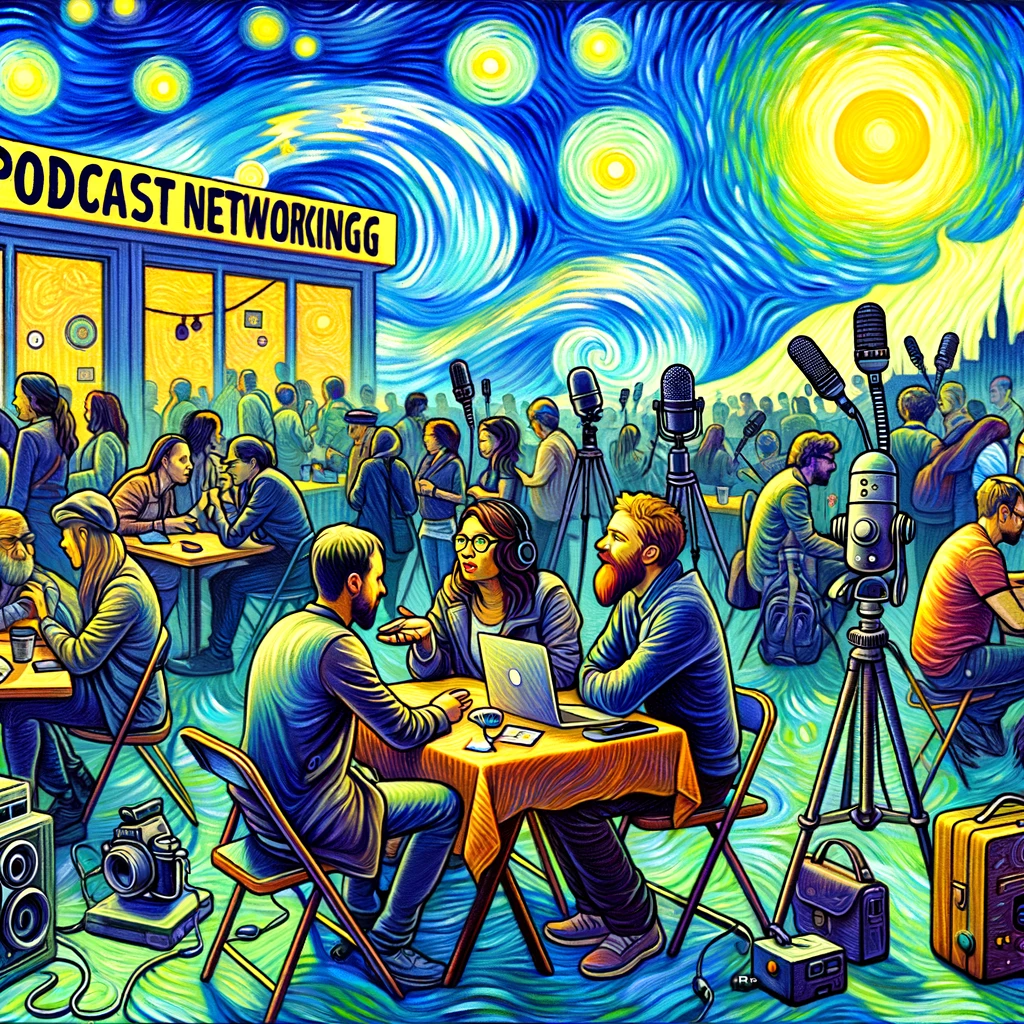
Are Shorter Episodes Better For Mobile Listeners?
Are Shorter Episodes Better For Mobile Listeners?
- Our lives are busier than ever, leading to a demand for more efficient forms of entertainment.
- Podcasts have surged in popularity, offering convenient access to stories and knowledge.
- Shorter podcast episodes, like 20 minutes, provide engaging content without unnecessary fluff.
- Short episodes can create a binge-listening effect, motivating listeners to explore more episodes.
- They foster a sense of relatability and camaraderie, making the listening experience more enjoyable.
- Trust is built with shorter episodes, ensuring value and respect for the listener’s time.
- Shorter podcasts empower listeners to learn and grow at their own pace, fitting seamlessly into busy schedules.

Are Shorter Episodes Better For Mobile Listeners?
How Do Shorter Episodes Affect Download Statistics?
Let’s face it; we are living in a world where everyone seems to be juggling flaming torches while riding a unicycle. Time is a precious commodity, and for many, it can feel like there just aren’t enough hours in the day. That’s where the beauty of shorter podcast episodes shines like a beacon in the fog. When you think about how these bite-sized gems fit into our daily lives, it’s no wonder they can significantly influence download statistics.
Think about the last time you were caught in a waiting room or standing in line for coffee. Did you reach for your phone to listen to a podcast? If the episode was short—say, around 10 to 15 minutes—you might have hit that “download” button right then and there. Those quick bursts of content cater to our fast-paced lifestyle. They provide an opportunity for learning or entertainment without demanding an entire afternoon. It’s like grabbing a snack rather than sitting down for a full-course meal; sometimes, you just need a little something to whet your appetite.
Shorter episodes can also create a sort of auditory cliffhanger. They encourage listeners to stay engaged and come back for more, chasing that next hit of knowledge or inspiration. This can significantly boost your show’s download statistics, as listeners are more likely to consume multiple episodes in one sitting. Each download is not just a mere number; it’s a connection, a community building around shared interests, ideas, and stories.
Furthermore, in the age of algorithm-driven platforms, shorter episodes may be favored in recommendations, making it easier for new listeners to discover and embrace your podcast. If a potential new fan can knock out a couple of short episodes during their commute or while preparing dinner, they are more likely to stick around and explore your back catalog.
So, if you’re considering a content strategy that leans into shorter episodes, know that you’re in good company. For many creators, this approach has not only fostered a loyal listener base but has also created a vibrant community eager, ready, and waiting for the next episode to drop. In this whirlwind we call life, let’s embrace the shorter format and watch those download numbers soar. Trust me; you’ll be grateful you did.

How Do Shorter Episodes Affect Download Statistics?
How Do Shorter Episodes Affect Download Statistics?
- Short podcast episodes cater to the fast-paced lifestyles of listeners, making them popular and influential in download statistics.
- Short content fits easily into daily activities, such as waiting rooms or coffee lines, encouraging spontaneous downloads.
- Brief episodes provide quick bursts of knowledge or entertainment, similar to snacking versus a full meal.
- They create a sense of anticipation and engagement, encouraging listeners to return for more content.
- Multiple short episodes can increase downloads as listeners are likely to binge on episodes in one sitting.
- Shorter episodes may benefit from algorithm-driven recommendations, aiding discoverability for new audiences.
- Many content creators find success and community growth by focusing on shorter episode formats.

How Do Shorter Episodes Affect Download Statistics?
Conclusion
In the ever-evolving landscape of podcasting, creators must often adapt to the changing tides of listener preferences. The truth is, being a podcaster today can sometimes feel like a Sisyphean task—recording, editing, and anxiously waiting for listeners only to see those numbers dwindle. But fear not, fellow audio artisans! The answer to your content conundrum might just lie in the simplicity of shorter episodes. That’s right; we’re talking about transforming your podcast from a marathon session into a sprint.
Let’s take a moment to think about what our lives look like today. With responsibilities piling higher than a three-tiered wedding cake, attention spans have shrunk faster than you can say “podcast.” Shorter episodes—think 15 to 20 minutes—allow your audience to consume content effortlessly whether they’re commuting, cooking, or even sneaking in a quick breather at work. Picture your listeners as busy bees buzzing from one flower to the next. Each short episode is like a delicious nectar drop, giving them just enough to stay engaged without overwhelming their workload-laden minds.
Now, I know what you’re thinking: “Will brevity really resonate with my audience?” Spoiler alert: absolutely! Crafting concise content signals to your listeners that you respect their time. You’re cutting the fluff, diving straight into the meat of the matter, and allowing your audience to savor the wisdom you dish out. Plus, shorter episodes tend to foster higher engagement by allowing listeners to chew through not just one but several tasty bites in a single sitting.
And let’s not underestimate the allure of community. A podcast that encourages quick conversations can whip a discussion into motion, allowing folks to connect over your latest insights or hilarious anecdotes. You cultivate a familial bond through shared moments that can bloom into a loyal following.
So, before you press record for that next podcasting session, consider giving the shorter format a whirl. It might be the catalyst that reinvigorates your creativity and enthusiasm while simultaneously propelling your listener retention through the roof. Embrace the challenge—strip down your content to its essence, and watch your podcast transform from a tiresome obligation into a valued companion for an audience hungry for immediate gratification. After all, in this fast-paced world, less truly can be more—so why not take the plunge? You might just discover that a little conciseness goes a long way. Here’s to fresh beginnings in the world of audio storytelling!

Conclusion
Conclusion:
- Podcast creators must adapt to changing listener preferences in a competitive landscape.
- Shorter episodes (15 to 20 minutes) can help maintain listener engagement and combat dwindling numbers.
- Busy lifestyles have shortened attention spans, making concise content more appealing.
- Shorter episodes respect listeners’ time and promote higher engagement by enabling them to consume more content in one sitting.
- Encouraging quick conversations through short podcasts can foster community and connection among listeners.
- The shift to shorter formats can reignite creativity and enhance listener retention.
- In a fast-paced world, embracing brevity can transform a burdensome podcasting experience into a valued resource.

Conclusion
Other Resources

Other Resources
Here is a list of other resources you can review online to learn more:
- iHeartRadio
- Spreaker
- Jiosaavn
- Google Business Profile
- Breaker
- Discord
- Minnect
- Bob Woods
- Turned Podcaster
- BeyondPod
Use This Prompt To Get More Resources With Your Favorite Online AI Tool: Please provide me with a list of online articles with their URLs in a bulleted list that I can read regarding Could Shorter Episodes Solve Your Podcasting Problems?

Other Resources
Glossary Terms
Could Shorter Episodes Solve Your Podcasting Problems? – Glossary Of Terms
1. Short-form Content: Content that is concise and focuses on delivering key information in a brief format.
2. Engagement: The interaction and involvement of listeners with the podcast, often measured through comments, shares, or reviews.
3. Retention Rate: The percentage of listeners who continue to listen to an episode until the end, indicating the episode’s ability to hold attention.
4. Listener Fatigue: A phenomenon where audiences grow tired or overwhelmed by long episodes, leading to reduced listenership.
5. Brevity: The quality of being concise and to the point, often leading to more impactful messaging.
6. Audio Editing: The process of refining recorded audio to enhance quality and eliminate unwanted sections, contributing to a polished final product.
7. Podcast Format: The structural design of a podcast, including episode length, frequency, and content style.
8. Micro Episodes: Extremely short podcast episodes, usually under 10 minutes, designed to deliver quick insights or updates.
9. Content Delivery: The method by which information is presented to the audience, which can vary in length and style.
10. Niche Audience: A specific group of listeners with particular interests that a podcast may aim to target effectively.
11. Automation: The use of technology to streamline processes in podcast production and distribution, enhancing efficiency.
12. Show Notes: Written summaries or notes that accompany podcast episodes, often including key points, resources, and timestamps.
13. Call to Action (CTA): A prompt encouraging listeners to take a specific action, such as subscribing, reviewing, or engaging with content.
14. Editing Tools: Software used to splice, enhance, and prepare audio files for distribution, essential for refining podcast quality.
15. Podcast Audience Analytics: Data analysis tools that track listener behavior, preferences, and demographics to understand audience engagement.
16. Production Schedule: A plan outlining the frequency and release timeline of podcast episodes, helping creators maintain consistency.
17. Seasonal Content: Themed episodes created around specific periods or events, which can be more effective in shorter formats.
18. Versatility: The ability to adapt content for various formats, including shorter episodes that fit different listener preferences.
19. Brand Identity: The unique persona and style of a podcast that helps differentiate it from others in the same genre.
20. Monetization: The process of earning revenue from a podcast, which may be influenced by episode length and audience size.
21. Cross-Promotion: Collaborating with other podcasts to share audiences, which can be more effective with shorter, digestible episodes.
22. Listener Surveys: Feedback tools used to gather opinions from audiences about content preferences, which can guide episode length decisions.
23. Audience Engagement Strategies: Techniques to connect with listeners, such as interactive segments, which may be easier to implement in shorter episodes.
24. Thematic Cohesion: The consistency of topics and themes in episodes, which can be more manageable in a shorter format.
25. Recurring Segments: Regularly featured parts of a podcast that can be effectively delivered in brief installments.
26. Sound Quality: The clarity and overall quality of audio in a podcast, essential for keeping listeners engaged, regardless of episode length.
27. Repurposing Content: Taking existing content and adapting it for new formats, such as transforming longer episodes into shorter clips.
28. Social Sharing: The practice of promoting episodes through social media, which may be more appealing for shorter highlights.
29. Podcast Distribution Platforms: Websites or apps that host and share podcasts, with algorithms often favoring engaging short-form content.
30. Listener Experience: The overall journey and satisfaction a listener has while interacting with a podcast, deeply influenced by episode length and quality.

Glossary Of Terms
Other Questions
Could Shorter Episodes Solve Your Podcasting Problems? – Other Questions
If you wish to explore and discover more, consider looking for answers to these questions:
- What are the benefits of shorter podcast episodes compared to longer ones?
- How can I determine the ideal length for my podcast episodes?
- What techniques can I use to make my shorter episodes impactful?
- Are there specific genres of podcasts that benefit more from shorter episodes?
- How does podcast episode length affect listener demographics?
- Can shorter episodes enhance my podcast’s visibility on platforms?
- How do I measure the success of shorter podcast episodes?
- What are some examples of successful podcasts that use shorter episode formats?
- Will shorter episodes affect my podcast’s monetization opportunities?
- How can I promote my shorter episodes effectively?
- What challenges might arise when transitioning to shorter episodes?
- Is there research supporting the effectiveness of shorter podcast episodes?
- How do shorter episodes change the storytelling dynamic in podcasts?
- What feedback mechanisms can I use to understand listener preferences on episode length?
- How can I maintain quality while shortening my podcast episodes?

Other Questions
Haiku
Could Shorter Episodes Solve Your Podcasting Problems? – A Haiku
Short and sweet they speak,
Ideas flow like a stream,
In brevity, trust.

Haiku
Poem
Could Shorter Episodes Solve Your Podcasting Problems? – A Poem
Podcasts in Brevity’s Embrace
In a world where time slips through our hands,
Podcasts once bloomed in vast, sprawling bands.
Creators once rambled for hours on end,
But now they ponder: can brevity mend?
Listen closely, oh podcaster’s heart,
A notion arises, a fresh, vibrant start.
Fifteen, twenty minutes—think how they feel,
Quick bites of wisdom, no need to conceal.
Attention spans dwindle, like shadows at dusk,
While listeners juggle, their schedules robust.
Short episodes beckon with value, refined,
Crafting connection, leaving long talks behind.
Each nugget of content, concise and well-spun,
Transforms empty chatter into stories that run,
Like rivers of insight in moments we steal,
Engagement grows stronger, a shared, thriving reel.
Invite new listeners to take that first leap,
No daunting marathons, just treasures to keep.
Short tales like snacks, they’re easy to grasp,
Creating conversations, in joy they will clasp.
Oh editors’ dream, with less to dissect,
Shorter and sharper—your time they protect.
Each word an essence, no fillers to fret,
Let the stories flow freely, like threads finely knit.
Embrace this new wave, let your podcast take flight,
For in sweet brevity, you’ll find pure delight.
With every short episode, fresh ventures await,
In this fast-paced life, it’s the perfect embrace.

Poem
Checklist
Could Shorter Episodes Solve Your Podcasting Problems? – A Checklist
Checklist: Maximizing Your Podcast’s Impact with Shorter Episodes
Assess Your Current Format
_____ Analyze the average length of your current podcast episodes.
_____ Gather listener feedback to determine their preferred episode length.
_____ Identify themes/topics that could be effectively covered in shorter segments.
Plan Your Shorter Episodes
_____ Outline main points or key messages for each episode.
_____ Aim for a concise format (15-30 minutes) to respect listeners’ time.
_____ Consider creating themed series or segments that can be expanded across multiple episodes.
Deliver Value Quickly
_____ Focus on delivering actionable insights or entertaining content in each episode.
_____ Use engaging storytelling techniques to captivate your audience within a shorter timeframe.
_____ Remove unnecessary fluff and tangents from your content to keep it snappy.
Engage Your Listeners
_____ Craft compelling episode titles that attract attention.
_____ Foster a sense of anticipation for upcoming episodes by teasing future content.
_____ Encourage listener interaction via social media or follow-up discussions on platforms like Discord or a dedicated community.
Streamline the Editing Process
_____ Use shorter recordings to simplify editing and reduce decision fatigue.
_____ Structure content with a clear beginning, middle, and end for easy flow.
_____ Focus on eliminating awkward pauses, filler words, and off-topic discussions from the audio.
Optimize for Mobile Listening
_____ Design episodes that fit naturally into a listener’s daily routine (commuting, exercising, etc. ).
_____ Implement cliffhangers or enticing conclusions to encourage binge-listening.
_____ Share episode summaries or highlights in your promotional material to spark interest.
Monitor Your Metrics
_____ Track changes in listener retention rates post-implementation of shorter episodes.
_____ Observe download statistics and see if there is an increase with brief content.
_____ Regularly solicit feedback to stay agile in your content strategy and adapt based on audience preferences.
Engage with Your Community
_____ Create a space (like a social media group) for listeners to discuss episodes.
_____ Host live Q&A sessions or discussions on themes addressed in your episodes.
_____ Encourage listeners to share episodes with friends to broaden your reach.
Experiment and Iterate
_____ Trial various lengths and formats to discover what resonates best with your audience.
_____ Be open to feedback and willing to pivot your approach to shorter formats as needed.
_____ Continuously improve your episode quality through listener input and your own reflections.
By following this checklist, you can effectively transition to a podcast model featuring shorter episodes that engage your audience, streamline your production process, and ultimately grow your listener base. Happy podcasting!

Checklist
At PodcastBig, we help people who want to learn about podcasting by collating information and news about podcasting.
Be sure to read our other related stories at PodcastBig to learn more about podcasting.