

Maximizing Your Passion Project With Content Planning
By Tom Seest
At PodcastBig, we help people who want to learn about podcasting by collating information and news about podcasting.
Be sure to read our other related stories at PodcastBig to learn more about podcasting.
Can Your Passion Project Become More with Structured Content Planning?
Let’s talk about passion projects. You know—the creative endeavors that keep you up at night, the ones you itch to dive into, fueled by pure enthusiasm and an insatiable need to express yourself. Whether it’s starting a podcast, writing a book, or crafting your own artistic masterpieces, these projects have a way of lighting a fire in the belly. Yet, while passion fuels the journey, structure can act as the road map.
Imagine you’re setting out to record your first podcast episode. The thought of sharing your insights, stories, or quirky observations is electrifying; you can already picture the audience hanging on your every word. But then comes the hurdle: where to begin? This is where structured content planning becomes your trusty sidekick. Think of it as the scaffolding that allows your creativity to flourish without crumbling from the weight of your ideas.
By mapping out your content in advance, you gain clarity. What subjects resonate with you? What messages do you want to send through those microphones? Pondering these questions can be daunting, but fear not—this isn’t about stifling your enthusiasm; it’s about channeling it. With a little organization, you won’t be scrambling for topics or wrestling with unstructured thoughts; instead, you’ll have a plan that guides you through the creative chaos.
Let’s say you’ve got a killer idea for a podcast series, but how do you flesh it out? Start with brainstorming themes, outlines, or even potential guest interviews. Visualize each episode as a piece of a larger puzzle, each contributing to your overarching narrative. Trust me; seeing the bigger picture not only makes your content more coherent but also keeps your passion alive. Each episode can become a stepping stone, a platform to launch you further into your passion project.
So go ahead—shake off any hesitations and roll up those sleeves. Your passion doesn’t have to exist in a vacuum. With structured content planning, it can evolve and grow into something that resonates with others, creating connections and inspiring action along the way. Your voice matters, and with a roadmap, you can amplify it beyond your wildest dreams. What starts as a heartfelt endeavor can evolve into something impactful, driven both by your passion and a well-crafted plan. The world is waiting for your story; all it takes is the first step.

Can Your Passion Project Become More with Structured Content Planning?
Can Your Passion Project Become More with Structured Content Planning?
- Passion projects ignite creativity and express individual enthusiasm.
- These projects can include podcasts, books, and artistic endeavors.
- Although passion drives the journey, having a structured plan is essential.
- Structured content planning acts as a roadmap for creative projects.
- Mapping out content provides clarity and direction for your ideas.
- Brainstorming themes and outlines helps flesh out project concepts.
- With organization, passion projects can grow into impactful endeavors.

Can Your Passion Project Become More with Structured Content Planning?
Table Of Contents
- Can Your Passion Project Become More with Structured Content Planning?
- Can Structured Content Planning Enhance My Passion Project’s Reach?
- How Do I Define My Target Audience For A Passion Project?
- What Types Of Content Should I Include In My Planning Process?
- How Can I Maintain Creativity While Using Structured Content Planning?
- What Tools Can Help Me Organize My Content Effectively?
- How Often Should I Update My Content Plan For My Passion Project?
- What Are The Best Practices For Scheduling My Content?
- Conclusion
- Other Resources
- Glossary Of Terms
- Other Questions
- Haiku
- Poem
- Checklist
Can Structured Content Planning Enhance My Passion Project’s Reach?
Let’s face it: diving headfirst into a passion project can feel a bit like wandering into a vast wilderness without a map. You’re fueled by the fire of enthusiasm, but where do you even begin? That’s where structured content planning steps in, like a trusty compass guiding you through uncharted territory.
Imagine for a moment you’re producing a podcast, a medium that can connect with audiences across the globe. You’ve got a stellar idea, maybe even a laundry list of topics that spark joy and intrigue in your heart. But without a roadmap, those brilliant ideas can just float aimlessly like leaves on a breeze. Structured content planning helps ground those notions, providing you with a framework to map out your journey and keep you focused on the ultimate destination: a thriving community of engaged listeners.
Now, let’s not romanticize the grind. Creating a podcast—or any content—takes more than just passion; it requires diligence and forethought. With a structured approach, you’ll find clarity in the chaos. Think of it as laying a foundation for a house. Without it, you risk everything crumbling down at the first gust of wind. By outlining your episodes ahead of time, organizing themes, and setting a consistent release schedule, you set yourself up for success right from the beginning.
And here’s the beauty of it: when you structure your content, you tap into an almost magnetic force that draws people in. By presenting a well-thought-out series that speaks to your audience’s needs or interests, you create a shared experience that resonates. People want to be part of something bigger; they crave connection, and your structured approach delivers that in spades.
So don’t shy away from the planning stage. Embrace it. Consider it an invitation for your audience to join you on this journey. The more organized and intentional you are, the more you allow your passion project—whether it’s a podcast or another creative endeavor—to reach its fullest potential. Your ideas are worth sharing, and with the right structure in place, you’ll not only reach your audience but also leave a lasting impact. Get out there, chart your course, and let that passion shine!

Can Structured Content Planning Enhance My Passion Project’s Reach?
Can Structured Content Planning Enhance My Passion Project’s Reach?
- Diving into a passion project requires structured content planning for guidance and clarity.
- Producing a podcast offers global audience connection but needs a roadmap to organize ideas.
- Structured planning transforms brilliant ideas into a focused journey towards a thriving community.
- Creating content requires passion, diligence, and forethought to avoid chaos and failure.
- Outlining episodes and setting a release schedule establishes a strong foundation for success.
- A well-structured series attracts audiences by addressing their needs and creating connection.
- Embracing planning allows your passion project to reach its potential and make a lasting impact.

Can Structured Content Planning Enhance My Passion Project’s Reach?
How Do I Define My Target Audience For A Passion Project?
Let’s be honest: defining your target audience can feel like trying to find a needle in a haystack. You’ve got a spark of passion, an idea buzzing in your brain, but figuring out who’s actually interested in what you have to say—well, that’s one of those hurdles that can make you want to throw in the towel. But don’t. Instead, let’s dive into the process like it’s a good old-fashioned crawl through a messy barn.
Start with yourself. Think about why you’re so fired up about your passion project in the first place. What experiences, quirks, or oddball interests brought you to this very moment? Do you have a knack for storytelling? Maybe you’re the one who can turn your everyday life into a captivating episode of a podcast, sharing tales that resonate with others. Connect those dots. Your vibe will naturally attract like-minded souls who share your interests. They’re out there, waiting for you to give them a reason to listen in.
Next, get curious. Don’t be afraid to dig deep into the topics you’re passionate about; scour online forums, social media, and even good ol’-fashioned conversations over coffee. Pay attention to who’s engaging with similar content. Are they young professionals neck-deep in their careers? Are they stay-at-home parents looking for a laugh? Maybe they’re seasoned adventurers hungry for inspiration. Understanding who’s already in the conversation can illuminate those corners of your audience you might not have thought to explore.
Then, craft a persona. Picture your ideal listener or participant as if they’re standing right in front of you. What makes them tick? What are their struggles and triumphs? Paint a picture that captures their daily life, aspirations, and challenges. When you can visualize them—perhaps even imagine having an engaging chat over a cup of coffee—you create a tangible connection that’s powerful.
Lastly, don’t forget to engage them. Create content that invites interaction and feedback, like that podcast where you share your passion with a side of humor and heart. Watch how they respond, and be willing to adapt your message. After all, your passion project isn’t just about you; it’s an ongoing conversation meant to spark connection and inspire action. Embrace this journey, and know that your audience is just waiting for you to reach out. They’re ready to listen; all you have to do is share your voice.

How Do I Define My Target Audience For A Passion Project?
How Do I Define My Target Audience For A Passion Project?
- Defining your target audience can be challenging but is essential for your passion project.
- Reflect on your personal passions and experiences to connect with like-minded individuals.
- Conduct research on similar topics to understand who engages with that content.
- Identify characteristics of your potential audience, such as their demographics and interests.
- Create a detailed persona of your ideal listener to establish a personal connection.
- Engage your audience with interactive content and encourage feedback to foster conversation.
- Embrace the journey of connecting with your audience and share your voice confidently.
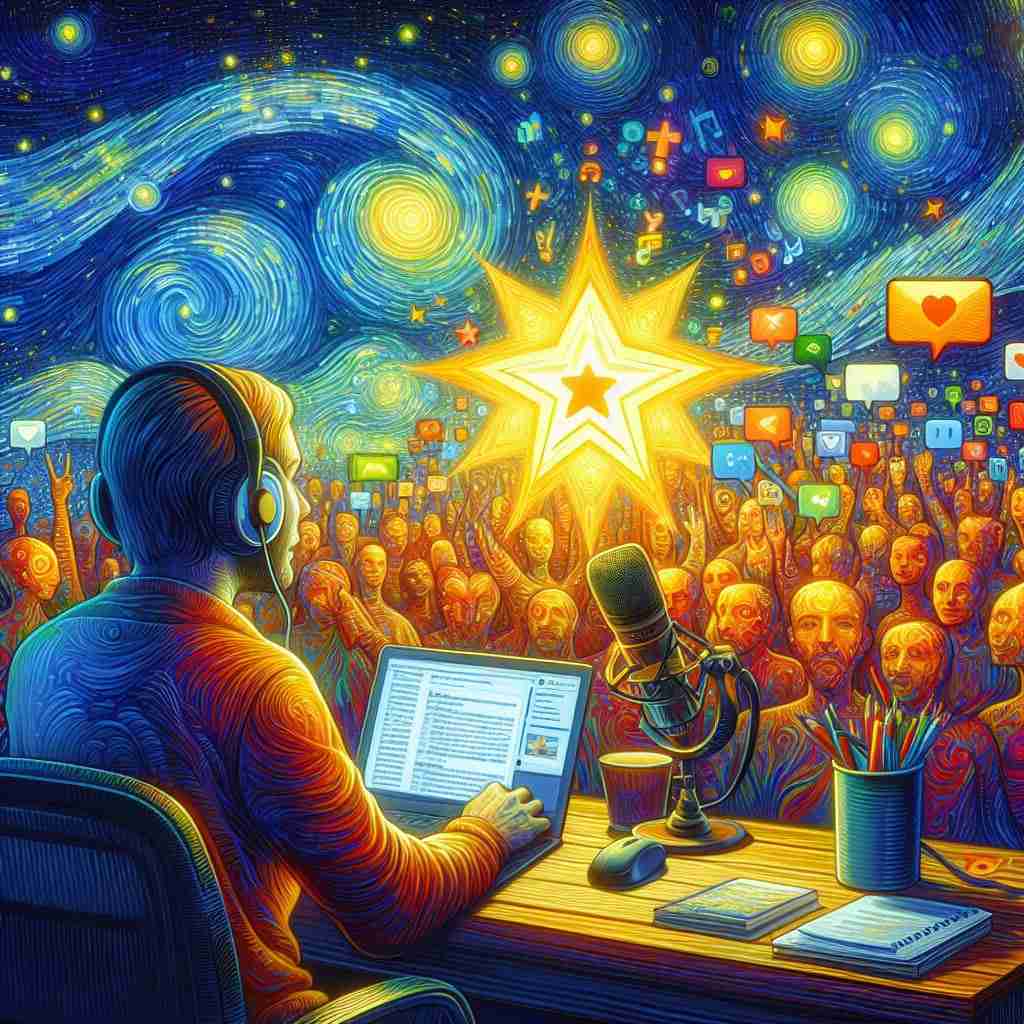
How Do I Define My Target Audience For A Passion Project?
What Types Of Content Should I Include In My Planning Process?
When it comes to planning your content, it’s a little like cooking your favorite meal: you need just the right ingredients, a pinch of creativity, and a dash of passion. So, let’s roll up our sleeves and dive into what types of content you should consider.
First off, think about your audience. Who are these wonderful folks you’re trying to connect with? Understanding their needs is the secret sauce. Engage them with relatable stories, just like a good podcast draws in its listeners with real-life anecdotes. They want to feel seen and understood. Importantly, authentic experiences resonate more than a perfectly polished script.
Next, don’t shy away from various formats. Variety is the spice of life! Consider mixing in videos, infographics, and blog posts—each tool serving a different purpose in your content toolbox. And yes, let’s not forget about the power of a well-executed podcast. Imagine diving deeper into topics you love, sharing conversations that spark thoughts and ideas. That’s where connection happens, folks.
Another vital ingredient is education. Whether you’re teaching the basics or tackling more advanced topics, creating how-to guides or tutorials empowers your audience. People appreciate learning something new—having a little knowledge in their back pocket. It’s not just good content; it’s the kind of stuff that builds a trusting relationship between you and your audience.
Don’t overlook the importance of emotion either. Share the heartwarming, the humorous, or even the harrowing moments that make life interesting. Those stories will resonate and give your audience a sense of belonging. They’ll have moments of joy, laughter, and even introspection.
Lastly, encourage interaction. Create content that invites your audience to participate, whether it’s through comments on social media or engaging in a podcast discussion. Foster a community where voices and opinions can be shared without judgment. That sense of camaraderie builds loyalty in ways that polished graphics can’t replicate.
So, as you embark on your content planning journey, remember to blend these elements thoughtfully. They’ll help you create a rich tapestry of engaging material that resonates, informs, and inspires action. Now go out there and get cooking!
What Types Of Content Should I Include In My Planning Process?
What Types Of Content Should I Include In My Planning Process?
- Content planning is akin to cooking, requiring the right ingredients, creativity, and passion.
- Understand your audience to connect meaningfully, using relatable stories over polished scripts.
- Incorporate various content formats like videos, infographics, and podcasts for a richer experience.
- Educate your audience through how-to guides and tutorials, fostering trust and knowledge sharing.
- Emphasize emotional storytelling to resonate with your audience and create a sense of belonging.
- Encourage audience interaction to build a loyal community and allow for shared voices and opinions.
- Blend these elements thoughtfully to create engaging, informative, and inspiring content.

What Types Of Content Should I Include In My Planning Process?
How Can I Maintain Creativity While Using Structured Content Planning?
Let’s face it: the moment we hear “structured content planning,” our imaginations can feel like they’re being corralled into a tidy little box, neatly labeled and stashed away in a corner. But here’s the kicker: structure doesn’t have to stifle creativity. In fact, it can be the very boost your creative spirit needs to soar—just like how a well-timed podcast can turn a mundane commute into a spark of inspiration. So, how do we juggle creativity with structure without losing our minds?
First off, embrace the framework! Think of it as your collaborative partner—it’s there to catch those wild ideas when they jump out of your head and threaten to scatter in a million directions. Creating a content calendar or planning framework might sound like a chore, but it actually allows your mind to wander more freely. When you know what topic is coming up, your brain has room to play with ideas and perspectives without worrying about the “what next.”
Use brainstorming sessions as a chance to think outside the parameters. Grab a bunch of sticky notes, gather your team, or even do it solo while sipping coffee at your favorite café. Write down every thought that bubbles up, however bizarre. It’s during this loose, unrestricted time that the magic happens—much like those golden moments in a riveting podcast where unexpected insights come spilling out.
Next, diversify your influences! Consume content from different fields, genres, and platforms. Whether it’s books, documentaries, or that unsuspected podcast about underwater basket weaving, let it all flow into your creative reservoir. This variety will provide fresh lenses through which to view your structured content, weaving in unexpected elements that can enliven your work.
Lastly, leave space for spontaneity within your structured plan. Pencil in time for improvisation; allow yourself to explore new directions. Creativity thrives in the unknown, and allowing for those spontaneous bursts can transform a rigid outline into vibrant, engaging content.
Remember, creativity and structure are not enemies; they’re partners in this grand dance. With the right mindset, you can cultivate an environment where both can flourish, ensuring that your content isn’t just structured, but alive with inspiration. Embrace the rhythm, and you’ll find that creativity and planning can coexist beautifully, creating a melody that resonates with your audience.

How Can I Maintain Creativity While Using Structured Content Planning?
How Can I Maintain Creativity While Using Structured Content Planning?
- Structured content planning can enhance creativity rather than stifle it.
- Embrace the planning framework as a partner to catch and develop ideas.
- Creating a content calendar allows for free exploration of ideas without losing direction.
- Use brainstorming sessions to think outside the box, encouraging spontaneous creativity.
- Diversify your influences by consuming content from various fields and genres.
- Leave room for spontaneity in your structured plan to allow for unexpected insights.
- Recognize that creativity and structure can coexist, fostering an inspiring content creation environment.

How Can I Maintain Creativity While Using Structured Content Planning?
What Tools Can Help Me Organize My Content Effectively?
Alright, let’s talk organization—a term that usually brings a mix of disbelief and dread, right? But let’s face it, we’re living in a world where every minute has a rush, and every platform is screaming for our attention. Wouldn’t it be great to have a system that keeps your thoughts organized, your deadlines in check, and your content flowing like a well-oiled machine? Trust me, it doesn’t have to feel like pulling teeth.
First off, do yourself a favor and start with a solid content calendar. Think of this as your roadmap. Whether you prefer a digital app or a good old-fashioned planner, a content calendar keeps everything in one place. By mapping out your ideas, you’ll see exactly what you’ve got lined up and what needs a bit more love. You won’t just be throwing content at the wall to see what sticks; you’ll have a clear strategy in place.
If you’re diving into the realm of podcasts—and let’s be real, who isn’t these days?—having a dedicated tool for managing your episodes is invaluable. Look for audio editing software that makes post-production a breeze. Software like Audacity or GarageBand will let you slice and dice your audio like a pro, making it easy to polish those rough edges. Plus, don’t forget about project management tools like Trello or Asana. These platforms can help track your podcast subjects, guests, and schedules, ensuring you’re always ready to go without a last-minute scramble.
Another shining star in the content organization sky is cloud storage. Google Drive or Dropbox is fantastic for storing all those scripts, graphics, and audio files that seem to accumulate out of nowhere. You can access them from anywhere, and sharing becomes a cinch. No more frantic searches through your messy digital folders; everything you need is a click away.
Finally, let’s chat about automation tools—yes, they’re a game-changer. Platforms like Buffer or Hootsuite can schedule social media posts for you, so you can focus on creating, rather than constantly pressing ‘send’. Imagine being able to sit back, sip your coffee, and know that your content is rolling out on its own schedule.
With the right tools, you can transform the way you approach content creation. So dive in, explore, and start organizing. Who knows? You might just stumble upon your next big idea while you’re at it. Let’s turn those thoughts into action—because trust me, your audience is waiting!

What Tools Can Help Me Organize My Content Effectively?
What Tools Can Help Me Organize My Content Effectively?
- Organization is crucial in a fast-paced world where distractions are everywhere.
- A solid content calendar serves as a roadmap to keep ideas and deadlines organized.
- Utilizing audio editing software like Audacity or GarageBand is essential for managing podcast episodes efficiently.
- Project management tools such as Trello or Asana help track podcast subjects, guests, and schedules.
- Cloud storage solutions like Google Drive or Dropbox simplify access and sharing of scripts and files.
- Automation tools like Buffer or Hootsuite allow for scheduling social media posts, freeing up time for content creation.
- Exploring and utilizing these tools can enhance content creation and lead to new ideas.

What Tools Can Help Me Organize My Content Effectively?
How Often Should I Update My Content Plan For My Passion Project?
So, you’ve set sail on your passion project. You’re excited, fired up, and ready to pour your heart out into that blog, vlog, or even your new podcast. But, as time rolls on, the excitement can sometimes feel like it’s hitting a bit of a speed bump. The question arises: how often should you update that content plan of yours? Let’s dig in.
First off, remember that your passion project is like a living, breathing thing. It evolves, and guess what? So should your content plan! At the outset, you might have crafted that plan with a gleam in your eye—fueled by dreams, inspiration, and perhaps too much caffeine. But just as you wouldn’t leave your car in the same place forever, why would you let your content stagnate? Instead of viewing updates as a chore, think of them as regular tune-ups. They keep things running smoothly and ensure your message remains fresh, relevant, and engaging.
Now, how often? Well, that depends. Are you finding new inspiration? Have your ideas or goals shifted? If you can answer “yes” to either, it’s time to hit the drawing board again. Some folks find that reviewing their plan every month works wonders. Others might find a quarterly review just right for them. There’s no one-size-fits-all answer here—what matters is that you listen to your instincts and that gut feeling!
Consistency is important, but so is adaptability. If you’re listening to your audience—yes, I mean really listening—you’ll start to notice the themes that resonate. What content gets shared on social media? What sparks conversations? This feedback should guide your updates. Look at it as a valuable conversation, because every podcast episode, blog post, or video you put out is an opportunity to connect, engage, and inspire action in your audience.
And let’s not forget the importance of setting measurable goals. Are your views increasing? Is your listener engagement rising? If numbers aren’t moving in the right direction, it might be time to reevaluate your strategy. Take stock, switch gears if necessary, and don’t hesitate to experiment.
It’s about fostering growth—both personally and within your project. Embrace the journey, stay curious, and keep that content plan as dynamic as your dreams. Remember, updating isn’t just about change; it’s about evolution. Get out there and chase your passion, and don’t forget to revisit and revise—your project will thank you!

How Often Should I Update My Content Plan For My Passion Project?
How Often Should I Update My Content Plan For My Passion Project?
- Passion projects require ongoing care and updates to the content plan to stay relevant and engaging.
- View content updates as necessary tune-ups rather than chores for maintaining excitement.
- Update frequency can vary based on new inspiration, shifting ideas, or goals; monthly or quarterly reviews may work well.
- Listening to your audience helps identify what resonates and should guide your content updates.
- Setting measurable goals is crucial for evaluating the success of your content; adjust strategies if your metrics decline.
- Embrace the journey of growth personally and for your project through consistent updates.
- Updating your content plan is about evolution; remain dynamic and passionate about your project.

How Often Should I Update My Content Plan For My Passion Project?
What Are The Best Practices For Scheduling My Content?
Let’s face it: content creation can feel like standing at the edge of a cliff, looking out over an endless ocean of possibilities. You’ve got that podcast idea swimming in your head, but without a solid plan, it’s all too easy to get lost in the waves. So, how do you ensure your ideas don’t just float away? It all starts with a well-thought-out scheduling strategy.
First off, consistency is king. Just like your favorite podcast dropping new episodes every week, your audience craves reliability. Choose a content calendar that works for you—be it weekly, bi-weekly, or monthly—and stick to it. This routine builds trust; listeners know exactly when to tune in, and that’s half the battle won. Use tools like Google Calendar or dedicated apps to plot out your schedule. Seeing it laid out helps keep those creative gears turning smoothly.
Next, timing matters. You wouldn’t want to release a thought-provoking episode on a Sunday morning if your audience is more in tune with the mid-week grind. Do a little research. Understand your audience. Utilize analytics to identify when they’re most active and engaged. This not only boosts your visibility but also fosters a real connection with your listeners.
And speaking of connections, mix up your content! Sure, your podcast may focus on a specific niche, but that doesn’t mean it has to be all talk and no variety. Feature guests, throw in some behind-the-scenes snippets, or even share personal experiences that tie back to the episode. This not only enriches your content but also creates a tapestry of relatability that keeps the audience coming back for more.
Don’t forget to batch your content production. Spend a day recording multiple episodes in one go. This not only maximizes your time but also allows you to generate a backlog of content, which is a lifesaver during those days when inspiration just isn’t striking.
Finally, leave room for spontaneity. Trends can come out of nowhere; an unexpected breakthrough in your field could provide a golden opportunity for a timely discussion. Be prepared to pivot and adapt your schedule accordingly.
Whether it’s a podcast, a blog, or any other endeavor, the secret sauce is simple: stay organized, remain flexible, and always engage with your audience. Get out there, make some noise, and watch your content flourish!

What Are The Best Practices For Scheduling My Content?
What Are The Best Practices For Scheduling My Content?
- Content creation requires a well-thought-out scheduling strategy to avoid getting overwhelmed.
- Consistency is crucial; establish a content calendar to build trust with your audience.
- Research your audience’s engagement times to optimize your release timing for maximum visibility.
- Incorporate variety in your content by featuring guests or sharing personal experiences for relatability.
- Batch content production to create a backlog, saving time and ensuring consistency during dry spells.
- Remain flexible to adapt your content schedule in response to unexpected trends or developments.
- Engage with your audience and stay organized for a flourishing content creation endeavor.

What Are The Best Practices For Scheduling My Content?
Conclusion
Alright folks, let’s bring this home: your passion project deserves more than just enthusiasm—it needs a solid plan to thrive. Imagine standing at the edge of a cliff, staring at the boundless ocean of ideas, feeling that rush of adrenaline as you consider diving into a new creative endeavor. It’s exhilarating, isn’t it? But then the fear kicks in: without a plan, what’s to stop those brilliant ideas from drifting aimlessly like autumn leaves in the wind? This is where structured content planning comes in, acting as your lifeline amid turbulent waves.
It’s essential to recognize that passion alone won’t carry the day; it must be paired with clarity and direction. Consider structured content planning your trusty roadmap. When you sit down to sketch out ideas, identify your audience, and outline your content, you’re not just organizing chaos—you’re harnessing your creativity. This approach allows you to tap into deeper messages and themes, creating a richer experience for both you and your audience. Instead of fumbling for topics last minute, imagine confidently knowing what you’ll discuss next week, next month, or even next year. It’s about solidifying those ideas and ensuring they resonate.
But don’t think for a second that this process has to be rigid or stifling! In fact, it’s the opposite. A little structure can free your mind to wander and explore new ideas. Take a moment to dive into brainstorming sessions—write every thought down, regardless of how wild they might seem. You’d be surprised at what vibrant gems can rise from an unfiltered mind. And when the spark of spontaneity strikes—a trending topic or a fresh insight—embrace it. Flexibility is key; allow your plan to evolve with you.
Remember, folks, content isn’t just a product born of your creativity—it’s a means of connection, a way to strike up conversations that resonate deeply with others. So let’s cultivate that relationship with your audience. Plan thoughtfully, engage actively, and watch as your passion project transforms from a solo venture into a vibrant community of shared experiences. There’s a world out there eager to hear what you have to say—now grab that roadmap, chart your course, and make some waves! Your story is waiting to be told, so let’s get to it!

Conclusion
Conclusion:
- Your passion project requires more than enthusiasm; it needs a solid plan to thrive.
- Structured content planning acts as a roadmap, helping to organize ideas and ensure clarity and direction.
- Planning allows you to tap into deeper messages and themes, enriching your audience’s experience.
- Creating a structured plan empowers you to know what to discuss in the future instead of scrambling for last-minute topics.
- Structured planning doesn’t have to be rigid; it can facilitate creativity by allowing exploration and spontaneity.
- Content serves as a connection tool, fostering conversations that resonate with your audience.
- Engage actively with your audience to grow your passion project into a vibrant community of shared experiences.

Conclusion
Other Resources

Other Resources
Here is a list of other resources you can review online to learn more:
- Blogger
- Overcast
- r/podcasting
- Apple Podcasts for Creators
- Fountain
- NCH Software
- Streamlabs
- Resound
- Podcast Republic
- Podchaser
Use This Prompt To Get More Resources With Your Favorite Online AI Tool: Please provide me with a list of online articles with their URLs in a bulleted list that I can read regarding Can Your Passion Project Become More with Structured Content Planning?

Other Resources
Glossary Terms
Can Your Passion Project Become More with Structured Content Planning? – Glossary Of Terms
1. Passion Project: A personal endeavor driven by enthusiasm and interest, often undertaken outside of professional obligations.
2. Content Planning: The process of strategizing and organizing content creation to ensure purposeful and efficient delivery.
3. Target Audience: The specific group of people for whom the content is created, identified by shared interests, demographics, or needs.
4. Content Calendar: A scheduling tool that outlines when and how various pieces of content will be published or shared.
5. Content Strategy: A comprehensive plan that defines the purpose, goals, and methods of producing and distributing content.
6. SEO (Search Engine Optimization): The practice of optimizing content to improve its visibility in search engine results, thereby increasing organic traffic.
7. Brand Identity: The visual and verbal elements that represent a brand, including logos, colors, and tone of voice.
8. Value Proposition: The unique benefit or value that the project offers to its audience, differentiating it from competitors.
9. Content Format: The type or medium of content, such as blogs, videos, podcasts, infographics, or social media posts.
10. Engagement Metrics: Data that measures how audiences interact with content, including likes, shares, comments, and click-through rates.
11. Call to Action (CTA): A prompt that encourages the audience to take a specific action, such as subscribing, sharing, or signing up.
12. Niche Market: A specialized segment of the market focused on a specific topic, product, or interest that attracts a dedicated audience.
13. Audience Persona: A semi-fictional character that represents the ideal audience member based on research and data.
14. Content Repurposing: The practice of taking existing content and adapting it into new formats or for different platforms to maximize reach.
15. Analytics: The systematic analysis of data to understand performance, track progress, and make informed decisions about content.
16. Feedback Loop: A process of collecting audience feedback to refine and improve content and strategy over time.
17. Workshops/Webinars: Online or in-person events designed to educate or engage audiences on specific topics relevant to the passion project.
18. Social Media Strategy: A plan focused on how to use social media platforms effectively to promote content and engage with the audience.
19. Collaborations: Partnerships with other creators or brands to expand reach and enhance exposure through shared audiences.
20. Content Diversification: The practice of creating a variety of content types to appeal to different audience preferences and increase engagement.
21. Editorial Guidelines: A set of rules or standards that define how content should be created, presented, and maintained to ensure consistency.
22. Sustainability: The ability to maintain content creation practices over time without burnout or loss of passion for the project.
23. Storytelling: The art of using narratives to create emotional connections with the audience, making content more relatable and engaging.
24. Monetization: Strategies and methods to generate income from a passion project through sponsorships, ads, or product sales.
25. User-Generated Content: Content created by audience members or customers that can be shared to enhance community involvement and authenticity.
26. Brand Advocacy: The support and promotion of a brand or project by satisfied customers or followers who share their positive experiences.
27. Quality Assurance: The processes implemented to ensure that the content produced meets specific quality standards and expectations.
28. Mind Mapping: A visual brainstorming technique used to organize ideas and outline content plans effectively.
29. Content Audit: An evaluation of existing content to assess its performance, relevance, and quality, often used to identify areas for improvement.
30. Long-Term Vision: A clear and identified goal for the future of the passion project, helping shape decisions and strategic planning.

Glossary Of Terms
Other Questions
Can Your Passion Project Become More with Structured Content Planning? – Other Questions
If you wish to explore and discover more, consider looking for answers to these questions:
- What are the key components of structured content planning?
- How can I measure the success of my passion project?
- What challenges should I expect when starting a passion project?
- Are there any recommended tools for brainstorming content ideas?
- How do I balance personal expression with audience expectations?
- What are some common mistakes to avoid in content planning?
- How can I effectively market my passion project?
- What role does feedback play in evolving my content strategy?
- How can I repurpose existing content into new formats?
- What should I do if I run out of content ideas?
Other Questions
Haiku
Can Your Passion Project Become More with Structured Content Planning? – A Haiku
Passion ignites flame,
Structure shapes the wild ideas—
Guide your voice to soar.

Haiku
Poem
Can Your Passion Project Become More with Structured Content Planning? – A Poem
A Passion’s Path Unfurled
In the quiet night, a spark ignites,
An artist’s dream, a heart that writes,
Podcasts, pages, stories untold,
Fueled by fervor, by visions bold.
Yet passion’s fire needs a compass true,
To guide the way, to break through,
Structured planning, a roadmap clear,
To channel ideas that draw us near.
Wandering vast, like leaves on the breeze,
Without a plan, we drift with ease.
But with the scaffold of thought laid firm,
Creativity thrives, begins to churn.
Brainstorm themes, compose a tale,
Each piece a note in a grander scale.
Invite the voices, stir the crowd,
Engage with kindness, be beautifully loud.
Crafting content, a spice-filled mix,
Stories to share, with laughter and tricks.
A how-to guide, a heartfelt laugh,
Creating connection—a shared photograph.
Update the plan, keep the pulse alive,
Listen to the crowd, let ideas thrive.
For each project breathes, it grows anew,
Paint it boldly in colors true.
A content calendar, your guiding light,
Batch your sessions—make time feel right.
Be ready to shift, embrace the flow,
With each new season, let inspiration grow.
So dive into this vibrant sea,
Let your passion project simply be,
Structured yet free, both firm and bright,
An endless journey, a pure delight.

Poem
Checklist
Can Your Passion Project Become More with Structured Content Planning? – A Checklist
Checklist: Maximizing Your Passion Project with Structured Content Planning
1. Define Your Passion Project
_____ Identify the creative endeavor that excites you (podcast, book, art, etc. ).
_____ Write down your motivations and goals for this project.
2. Create a Content Plan
_____ Outline your main themes and topics.
_____ Brainstorm potential episodes, chapters, or patterns of content.
_____ Visualize how each piece contributes to the overall narrative.
3. Identify Your Target Audience
_____ Reflect on your interests and how they match the audience’s needs.
_____ Research online forums or social media to understand your potential audience.
_____ Create a listener or participant persona to clarify your target demographic.
4. Diversify Content Types
_____ Include various content formats (videos, infographics, blog posts).
_____ Plan interactive elements that invite audience participation.
_____ Incorporate compelling stories to engage and resonate with your audience.
5. Maintain Creativity with Structure
_____ Establish a content calendar to keep track of upcoming topics and deadlines.
_____ Schedule regular brainstorming sessions to explore fresh ideas.
_____ Allow room for spontaneity and adaptability within your structured plan.
6. Utilize Effective Tools
_____ Develop a content calendar using digital apps or planners.
_____ Use audio editing software for podcasts (e. g. , Audacity, GarageBand).
_____ Implement project management tools (e. g. , Trello, Asana) for content tracking.
_____ Store documents and files using cloud storage (e. g. , Google Drive, Dropbox).
_____ Automate social media posting with tools like Buffer or Hootsuite.
7. Regularly Update Your Content Plan
_____ Set a timeline for content plan reviews (monthly, quarterly, etc. ).
_____ Listen to audience feedback and adjust topics accordingly.
_____ Evaluate your measurable goals to guide your content evolution.
8. Establish Scheduling Best Practices
_____ Determine a consistent release schedule (weekly, bi-weekly, or monthly).
_____ Research the best times to release content based on audience activity.
_____ Batched record content to create a backlog for busy periods.
_____ Keep flexibility in your schedule for timely topics or trends.
9. Engage with Your Audience
_____ Foster community interaction through comments, feedback, and discussions.
_____ Share authentic experiences and stories that resonate with your audience.
_____ Be open to adapting your content based on audience engagement and preferences.
10. Reflect and Evolve
_____ Continuously reflect on the impact of your content.
_____ Embrace the journey and be willing to explore new directions.
_____ Celebrate milestones and achievements in your passion project.
This checklist will help guide you in transforming your passion project into a structured and successful endeavor. Embrace your creativity while staying organized, and let your enthusiasm shine!

Checklist
At PodcastBig, we help people who want to learn about podcasting by collating information and news about podcasting.
Be sure to read our other related stories at PodcastBig to learn more about podcasting.