

Empower Others With Your Story On Your Own Podcast
By Tom Seest
At PodcastBig, we help people who want to learn about podcasting by collating information and news about podcasting.
Be sure to read our other related stories at PodcastBig to learn more about podcasting.
Can You Turn Your Life Experiences Into a Podcast That Inspires?
In a world buzzing with noise and distraction, the idea of transforming life experiences into a podcast can feel daunting. But let’s take a moment to break this down. You see, life is rich with stories; every stumble, every triumph, every lesson learned is an opportunity to inspire others. The question then becomes: can you package those moments into a podcast? The answer is a resounding yes.
First, think about what makes your experiences unique. We all have our struggles, but the way we navigate them can spark something in others. Whether you’ve faced significant loss, landed a dream job, or figured out how to balance the chaos of family life, these narratives can resonate deeply. The beauty of a podcast is the intimacy it offers. It’s not like standing on a stage, projecting to a faceless crowd. Instead, you’re engaging listeners in a conversational way, inviting them into your world.
To craft a podcast that truly inspires, start by reflecting on the pivotal moments of your life. What lessons did you learn? What emotional hurdles did you overcome? Think of your stories as tools—tools that can empower others to tackle their own challenges. Keep in mind that authenticity is key. People can spot a phony from a mile away. Speak from the heart, share your vulnerabilities, and allow your listeners to see the person behind the microphone.
Next, consider your format. Your podcast can take many forms: interviews, storytelling, or even a mix of both. Often, inviting others to share their experiences alongside yours can add depth and perspective, crafting an enriching experience for the audience. It creates a tapestry of voices that reinforces the notion that we are not alone in our struggles.
Remember to embrace the technical side of podcasting as well. You don’t need top-tier equipment to start; a decent microphone and basic editing software will suffice. The important part is getting your message out there. As you share your stories, put forth a call to action—encourage your listeners to reflect, to engage, and perhaps even to share their own narratives.
So, can you turn your life experiences into a podcast that inspires? Absolutely. Start with your stories, speak from the heart, and remember that every voice, including yours, has the potential to make a difference. In a world in dire need of connection, your journey might just be the spark someone else needs to light their own fire.

Can You Turn Your Life Experiences Into a Podcast That Inspires?
Can You Turn Your Life Experiences Into a Podcast That Inspires?
- Transforming life experiences into a podcast can be challenging but rewarding.
- Unique personal stories about struggles and triumphs can inspire others.
- Podcasts offer an intimate way to engage listeners compared to traditional speaking venues.
- Reflect on pivotal moments and lessons learned to create meaningful content.
- Authenticity is crucial; speak from the heart and share vulnerabilities.
- Consider different formats, including interviews and storytelling, to enrich the experience.
- Start with basic equipment and focus on sharing your message and engaging your audience.

Can You Turn Your Life Experiences Into a Podcast That Inspires?
Table Of Contents
- Can You Turn Your Life Experiences Into a Podcast That Inspires?
- What Steps Can I Take To Start My Podcast Journey?
- How Do I Identify My Unique Life Experiences To Share?
- What Equipment Do I Need To Create A Quality Podcast?
- How Can I Effectively Structure My Podcast Episodes?
- What Storytelling Techniques Can Make My Podcast Engaging?
- How Do I Find My Target Audience For The Podcast?
- What Platforms Should I Use To Host My Podcast?
- Conclusion
- Other Resources
- Glossary Of Terms
- Other Questions
- Haiku
- Poem
- Checklist
What Steps Can I Take To Start My Podcast Journey?
Ah, so you’re thinking about diving into the world of podcasting. Let me tell you, it’s not just a passing fad but a veritable goldmine of stories waiting to be told. Now, if you’re serious about embarking on this journey, grab a seat and let’s lay out some concrete steps to get the wheels turning.
First things first: define your niche. Figure out what makes your heart race and what you can talk about for hours without losing steam. Nothing flounders faster than a podcast that lacks passion. Whether it’s true crime, gardening tips, or the nuances of gourmet pizza, your enthusiasm will be reflected in the content you create.
Once you’ve nailed your subject, it’s time to invest in some decent gear. Now, I’m not saying you need to break the bank, but skimping on a microphone will leave your listeners reaching for the volume control. Good sound quality can make or break your podcast. So, get yourself a microphone, some basic editing software, and a quiet space to record. You’ll thank yourself later when you hear that crisp, clear audio.
Next, develop a plan for your episodes. Outline your content and give thought to the structure—will you have guests? A co-host? Maybe even a theme for each episode? Consistency is key. Craft your episodes with a balance of preparation and spontaneity; we want authenticity, not a script that’s tighter than a drum.
Once you’ve got your episodes ready to roll, it’s time to move into the promotional phase. Social media can be your best friend here. Build a community around your podcast by engaging listeners on platforms like Instagram, Twitter, and Facebook. Don’t be shy about sharing behind-the-scenes moments or sneak peeks of upcoming content. People love connecting with the creators they admire.
Finally, remember to stay persistent. Podcasting is a marathon, not a sprint. You may not hit it big overnight, but keep your chin up. Every episode is a stepping stone to something greater. Engage with your audience, encourage feedback, and be willing to adapt. The journey may have its bumps, but embracing the process with zeal will surely lead you to your own podcast success.
So, are you ready to take the plunge? You’ve got the steps; now take that first leap into the podcasting pool!

What Steps Can I Take To Start My Podcast Journey?
What Steps Can I Take To Start My Podcast Journey?
- Podcasting is a growing medium filled with stories to tell.
- Define your niche and choose a topic you’re passionate about.
- Invest in quality recording equipment, especially a good microphone.
- Plan your episodes with outlines, considering structure and guest appearances.
- Promote your podcast on social media to engage with your audience.
- Stay persistent; success in podcasting takes time and effort.
- Embrace the journey, be open to feedback, and adapt as necessary.
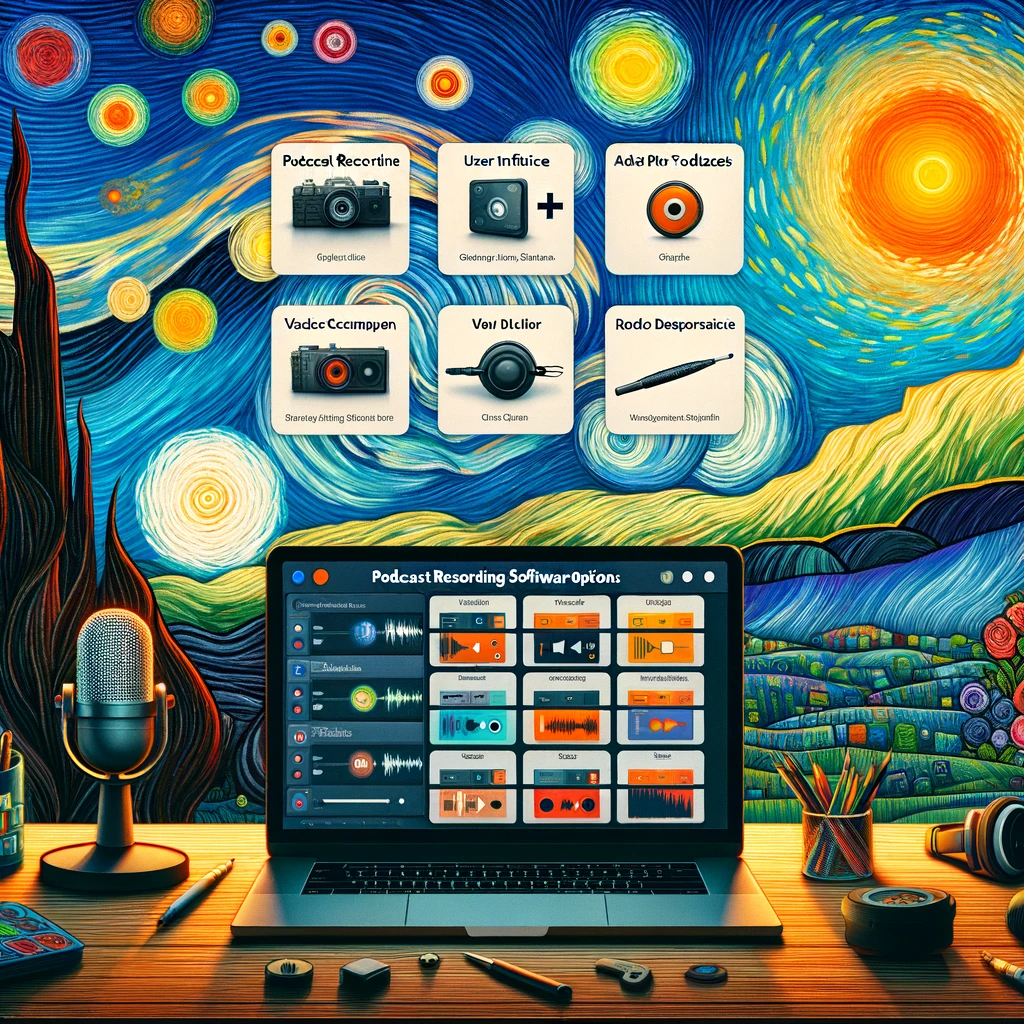
What Steps Can I Take To Start My Podcast Journey?
How Do I Identify My Unique Life Experiences To Share?
When it comes to identifying your unique life experiences to share, the process may seem daunting at first, much like standing at the starting line of a race you didn’t know you were signed up for. But don’t fret; you’ve got the tools already. Remember, you’re a tapestry woven from a hundred different threads, each one contributing to the story that is you. So, let’s roll up our sleeves and dive into the craft of storytelling.
First off, think about the moments that shaped you. These are often the mundane situations that, at the time, seemed insignificant. Perhaps you had a job that others wouldn’t touch with a ten-foot pole, or maybe you traveled to places that opened your eyes in ways your hometown never could. These experiences are the goldmines for your narrative. Contrast is key—what did you learn in those gritty experiences that others might find relatable?
Next, reflect on the people who have crossed your path. Each encounter holds a nugget of wisdom or a slice of life’s unpredictability that could enrich your narrative. Maybe you had a mentor whose guidance stuck with you, or perhaps you met a stranger who changed the way you view the world in a fleeting moment. These relationships can add depth to your story and captivate your audience, making them feel as if they’re right alongside you.
Now, I can’t emphasize enough the importance of framing your experiences as lessons. Life, after all, is a masterclass, and each hurdle you’ve cleared is akin to a chapter in your ongoing course. Share those struggles and victories, no matter how small they were at the time. People are drawn to authenticity, and the more genuine your storytelling, the more it resonates.
And let’s not forget the power of humor. Life is often absurd, and if you can share your unique experiences with a dash of levity, you’ll keep folks engaged.
Finally, take time to listen, not just to your own stories but to those around you. Tune into discussions, whether in a casual setting or through a Podcast. Sometimes, you’ll find that your experiences mirror others’, and the connections become the bridge to deeper storytelling.
Remember, your unique life experiences are not just yours—they’re a thread in the fabric of a larger narrative we all share. Embrace them, and let them fly.

How Do I Identify My Unique Life Experiences To Share?
How Do I Identify My Unique Life Experiences To Share?
- Identifying unique life experiences for storytelling can feel overwhelming but is achievable with the right tools.
- Reflect on moments that shaped you; often these are mundane situations that can reveal important lessons.
- Consider the people you’ve encountered, as each can provide valuable insights that enhance your narrative.
- Frame your experiences as lessons learned, showcasing struggles and victories to connect with others authentically.
- Incorporate humor to make your storytelling engaging and relatable, reflecting life’s often absurd nature.
- Listen to others’ stories as well, as they may resonate with your own and deepen your storytelling connections.
- Your life experiences contribute to a larger narrative; embrace and share them confidently.

How Do I Identify My Unique Life Experiences To Share?
What Equipment Do I Need To Create A Quality Podcast?
Creating a quality podcast is like building a well-oiled machine. You need the right parts to ensure it runs smoothly, and let’s face it—nobody wants an engine that sputters and fails. So let’s break down the equipment you’ll need for a podcast that doesn’t just get by but shines, and in the process, be sure you’re not hoarding junk that’ll clutter your creative truth.
First off, you’re going to need a decent microphone. Now, we’re not talking about the ancient relics they use in amateur talent shows. Look for a professional-grade USB or XLR mic. A good microphone captures your voice crisply and cleanly, allowing your listeners to engage with every word you say. Popular models like the Audio-Technica AT2020 or the Shure SM7B come highly recommended. Quality matters, folks.
Next up is your audio interface. If you’ve opted for an XLR mic, this little device serves as the bridge between your mic and your computer. It converts that sweet analog sound into digital delight. Interfaces like the Focusrite Scarlett Solo are user-friendly and provide the necessary preamps to amplify your glorious voice.
Now, let’s talk headphones. The right headphones are more than just an accessory; they’re your first line of defense against poor audio quality. You need a pair that offers good isolation and clarity. Look for closed-back models, like the Audio-Technica ATH-M50x, to ensure that you hear every nuance while recording and editing.
And once you’ve got your hardware sorted, you’ll need software to bring it all together. Programs like Audacity or GarageBand work wonders for recording and editing your podcast. Cutting, mixing, and adding effects should become second nature.
Lastly, don’t forget about a pop filter. This unsung hero will help reduce those obnoxious plosive sounds—think ‘p’ and ‘b’—that can—let’s be honest—make your recording sound like a hailstorm.
So there you have it: a microphone, audio interface, headphones, recording software, and a pop filter. With these tools at your disposal, your podcast won’t just be quality; it’ll be a symphony of sound that resonates with listeners. Roll up your sleeves, invest wisely, and let the creativity flow. You’re not just building a podcast; you’re crafting an experience.

What Equipment Do I Need To Create A Quality Podcast?
What Equipment Do I Need To Create A Quality Podcast?
- Creating a quality podcast is akin to building a well-oiled machine with the right components.
- A decent microphone is essential; opt for professional-grade USB or XLR mics like Audio-Technica AT2020 or Shure SM7B.
- An audio interface, such as the Focusrite Scarlett Solo, is necessary for those using XLR mics to convert analog sound to digital.
- Good headphones, preferably closed-back models like Audio-Technica ATH-M50x, are crucial for isolating and clarifying audio.
- Audio recording and editing software, like Audacity or GarageBand, is important for mixing and enhancing your podcast.
- A pop filter is recommended to reduce plosive sounds, ensuring cleaner audio quality.
- With these tools, you can craft a podcast that offers an engaging experience for your listeners.

What Equipment Do I Need To Create A Quality Podcast?
How Can I Effectively Structure My Podcast Episodes?
When diving into the world of podcasting, structure is your best friend. It’s like putting down the right foundation before you build a house; without it, everything else feels shaky and uncertain. So, let’s break down how to create an engaging episode that keeps your listeners both entertained and informed.
First, start with a compelling introduction. It’s your chance to hook your audience in those crucial initial moments. You might want to share a compelling story or a surprising fact related to your topic that draws listeners in. This segment should be brief—think of it as the trailer for the movie they’ll hear. Set the stage for what’s to come without giving away the whole plot.
Next, transition smoothly into your main content. This segment is where the meat of your podcast lives. Organize your thoughts into digestible segments. Imagine you’re serving a meal; no one wants to choke on a massive portion. Break down your subject into smaller themes or topics to explore. Use anecdotes, expert interviews, or even a panel of guests to add richness and depth. Interject moments of humor or personal insights to keep it lively—after all, who wants to listen to a monotone voice drone on for hours?
Once you’ve delivered your main content, it’s time to wind it down gently. Here’s where a well-crafted conclusion comes into play. Summarize the key points, reinforce any takeaways, and perhaps issue a call to action. Encourage your listeners to think more about the topic or invite them to engage with you on social media. This leaves them with something to ponder long after the episode has ended.
Don’t forget the importance of editing and pacing. No matter how great your material may be, a sloppy production can turn listeners away faster than you can say “technical difficulties.” Keep an ear out for awkward pauses, background noise, or overly lengthy segments. You’re not just sharing information; you’re crafting an experience.
Lastly, consider having a segment at the end for listener feedback, shout-outs, or answering questions. This not only engages your audience but builds a community around your podcast.
By structuring your podcast episodes thoughtfully, you can create a rewarding journey for your listeners. So, roll up those sleeves, and get to crafting—you’ve got this!

How Can I Effectively Structure My Podcast Episodes?
How Can I Effectively Structure My Podcast Episodes?
- Structure is crucial for creating a stable and engaging podcast episode.
- Start with a compelling introduction to hook your audience immediately.
- Transition smoothly into the main content, organizing it into digestible segments.
- Incorporate anecdotes, expert interviews, and humor to enrich the episode.
- Conclude by summarizing key points and providing a call to action for listeners.
- Focus on editing and pacing to ensure a polished and enjoyable listening experience.
- Encourage listener engagement through feedback, shout-outs, or Q&A segments.

How Can I Effectively Structure My Podcast Episodes?
What Storytelling Techniques Can Make My Podcast Engaging?
When it comes to crafting a great podcast, storytelling isn’t just a tool; it’s the lifeblood of your show. It’s about more than just relaying information; it’s about weaving together threads that resonate with your listeners, inviting them to take a journey alongside you. So, how do you transform ordinary details into compelling narratives that hook your audience right from the get-go?
First and foremost, embrace the power of character. Each episode should feature relatable characters, whether they are real guests or personas representing broader themes. The human element adds warmth and context to your podcast, allowing your audience to form connections. Let’s face it, folks; we’re all a little bit curious about the stories that live in other people’s lives.
Next, leverage the art of conflict. Every good story has a problem to solve—a challenge to overcome. Don’t shy away from the tough subjects. Dive into the messy stuff; it’s often where the most valuable lessons live. By sharing struggles, you not only create drama and tension but also a sense of relatability. Just think about it: everyone loves a good comeback story, right?
Now, let’s talk about pacing. Timing can make or break your narrative. You want to build anticipation without overstaying your welcome. Use pauses effectively. They allow your audience to process what they’ve just heard, making the next segment hit even harder. Remember, a well-placed pause can be just as powerful as the words you choose.
Visuals matter too! While a podcast is primarily an auditory medium, painting mental pictures with descriptive language can transport your listeners. Use vivid imagery and metaphors to transform abstract concepts into tangible experiences. Draw them in with sounds—incorporating sound effects or immersive audio can enhance the storytelling and create atmosphere.
Don’t forget to hook your audience from the get-go. A gripping introduction creates immediate interest. Start off with a provocative question or a surprising fact that makes them want to lean in closer. An engaging first few minutes sets the tone for what’s to come and keeps listeners glued to their earbuds.
Finally, wrap it up with a satisfying conclusion. Bring your story full circle. Address the conflict you introduced and share the takeaways that will leave your audience not only entertained but also enlightened. A good ending gives them something to ponder long after they’ve pressed stop.
Armed with these techniques, your podcast can transform into a narrative experience that keeps listeners coming back for more. Remember, it’s not just about the story; it’s about the connection you forge along the way.

What Storytelling Techniques Can Make My Podcast Engaging?
What Storytelling Techniques Can Make My Podcast Engaging?
- Storytelling is essential for creating a compelling podcast that resonates with listeners.
- Incorporate relatable characters to add warmth and context, fostering a connection with the audience.
- Include conflict to create drama and relatability; touch on tough subjects and share struggles for impactful storytelling.
- Pay attention to pacing and use effective pauses to allow audience reflection and enhance the narrative.
- Utilize vivid imagery and sound effects to create a rich auditory experience that draws listeners in.
- Start with a gripping introduction to capture immediate interest, using provocative questions or surprising facts.
- Conclude with a satisfying ending that ties up the narrative, providing listeners with valuable takeaways.

What Storytelling Techniques Can Make My Podcast Engaging?
How Do I Find My Target Audience For The Podcast?
Finding your target audience for your podcast is akin to navigating an intricate maze—it’s a journey that requires time, investigation, and, let’s be honest, a bit of trial and error. Unlike a one-off product, a podcast thrives on connection, and the right audience is your lifeblood. So where do you start?
First off, have a clear vision of the message you want to convey. Do you want to share engaging stories, educate your listeners, or explore niche topics that ignite your passion? Knowing your podcast’s focus is crucial because it acts like a compass, guiding you toward your ideal listeners. A well-defined theme will detail who you want to reach and, just as importantly, who you don’t want to chase away.
Next, do some homework. Sure, we’ve all heard the phrase “know your audience,” but it’s worth digging deeper. Research existing podcasts similar to yours, scrutinize their reviews, social media presence, and listener feedback. By understanding who is tuning in to these shows, you can begin to paint a picture of your potential audience. In doing this, you might uncover a specific demographic or a passionate community that you hadn’t initially considered.
Conduct surveys or polls, whether through social media or email lists, to gather firsthand insights. Ask questions that not only pinpoint their age and location but also delve into their interests, frustrations, and desires. This will create a clearer image of your audience, which is invaluable when crafting your episodes.
Listener engagement is another powerful tool. Early on, invite initial listeners to provide feedback and insights about what resonates with them. These early adopters can help fine-tune your podcast’s content, pace, and style; turning your show into a tailored experience that speaks directly to your audience’s hearts and minds.
Finally, don’t let fear of making mistakes paralyze you. Podcasting is an evolving beast, and as you grow, so will your audience. Embrace the learning curve. You might start with one audience segment only to discover shifts as you explore different topics or invite varied guests. Stay adaptable, keep your ears open, and stay passionate about the journey. The right listeners will find you, but you’ve got to meet them halfway. And that, my friends, is how to discover your target audience in this exciting frontier of podcasting.

How Do I Find My Target Audience For The Podcast?
How Do I Find My Target Audience For The Podcast?
- Identifying your target audience for a podcast is a complex process that requires time, research, and trial and error.
- Establish a clear vision of your podcast’s message, focusing on storytelling, education, or niche topics that you are passionate about.
- Conduct thorough research on similar podcasts to understand their audience and gather insights from reviews, social media, and listener feedback.
- Utilize surveys or polls to gain firsthand insights about your potential audience’s demographics, interests, and frustrations.
- Engage early listeners for feedback on your content to create a tailored podcast experience that resonates with your audience.
- Be open to adapting and evolving as you grow, allowing for shifts in audience segments as topics and guest choices change.
- Embrace this journey with passion, knowing that the right audience will emerge as you continue to connect and engage with them.

How Do I Find My Target Audience For The Podcast?
What Platforms Should I Use To Host My Podcast?
Well, folks, let’s dive right into the nitty-gritty of podcast hosting. Now, if you’re a first-time podcaster or just someone who’s kicking around ideas, you might feel overwhelmed by the multitude of choices out there. Don’t worry; you’re not alone. Everyone gets a little deer-in-the-headlights when facing the mountain of options.
First off, let’s recognize that not all podcast hosting platforms are created equal. Some are built for ease of use, while others offer robust features designed to support seasoned veterans. For those just starting, it’s wise to pick a host that is user-friendly. Consider options like Buzzsprout or Podbean—they’re like the friendly guide at the trailhead, ready to lead you through the forest of digital broadcasting without leaving you feeling lost.
Now, let’s talk about versatility. If you’re planning to expand your podcasting game down the road, you might want a platform that allows you to grow with ease. Anchor, for example, is not only free but also integrates nicely with various social media platforms, making it easier than ever to get your voice heard. Just think about it: you could be sitting at your kitchen table, recording your thoughts on a Tuesday, and within minutes, your musings could be soaring through cyberspace. That’s powerful stuff!
Analytics are another crucial element to consider. A good podcast host should provide solid insights about who’s tuning in and how often. This information can inform your content strategy and help you hone in on what works. Libsyn is a standout in this category, offering in-depth analytics that will help you navigate the roads ahead.
And don’t forget about monetization opportunities. If your podcast might eventually be a source of income, you’ll want a platform that makes that process straightforward. Look for hosts that offer various options for ad placements or listener donations. Platforms like Patreon can mesh nicely with your main host, allowing your loyal fans to support your work directly.
The best platform for your podcast will depend on your specific needs and ambitions. Whether you choose a straightforward service for simplicity or a more complex one for versatility and analytics, remember to keep your goals at the forefront. So roll up your sleeves, do your homework, and pick the platform that fits just right for the journey you’re about to embark on. Your voice deserves to be heard!

What Platforms Should I Use To Host My Podcast?
What Platforms Should I Use To Host My Podcast?
- Choosing a podcast hosting platform can be overwhelming for first-time podcasters.
- Evaluate user-friendly options like Buzzsprout and Podbean for simplicity.
- Consider platforms that allow for growth, such as Anchor, which integrates with social media.
- Analytics are vital; platforms like Libsyn provide detailed insights about audience engagement.
- Monetization opportunities should be a factor; look for options like ad placements and listener donations.
- Your choice should align with your specific needs and ambitions for your podcast.
- Research thoroughly to find the best hosting platform that suits the journey ahead.

What Platforms Should I Use To Host My Podcast?
Conclusion
Alright folks, as we wrap up this journey into the world of podcasting, let’s take a beat to reflect on what this ride is all about. What started as a daunting idea—that of sharing your life experiences with the world—has transformed into a tangible roadmap to inspire others. Podcasting isn’t just about hitting the record button; it’s a chance to connect, to engage, and to narrate stories that resonate. Your life, with all its ups, downs, and in-betweens, is a treasure trove waiting to be unlocked for listeners who crave authenticity.
So, how do you make that leap into the podcasting pool? Start by honing in on your unique experiences. You’ve faced trials and triumphs that are inherently yours—now it’s time to share those nuggets with the world. Don’t gloss over the mundane; sometimes the simplest tales hold the most potent lessons. Remember, your journey might just ignite a spark in someone else who’s feeling lost or alone.
Next up, focus on authenticity. The microphone is your friend, but it’s the genuine stories spoken from the heart that will hook your listeners. Characters, conflict, pacing—these are tools of the trade, turning ordinary stories into extraordinary experiences. Make your audience feel as if they’re right there with you, riding the waves of emotion as you recount your life’s journey.
And while we’re on the subject, please don’t skimp on the technical side. Good audio quality is crucial. Invest in decent gear—think of it as investing in your voice, your message. Dive into the editing process; shape your content to not just inform, but to entertain and engage.
A solid structure will serve you well, too. Start strong with a teaser that pulls listeners in, navigate through the meat of your content, and finish with a compelling conclusion that leaves them pondering long after your episode fades. Engage with your audience; ask for feedback and let them feel like part of the community you’re building.
Lastly, find your platform. Whether you’re starting simple or aiming for growth, choose a podcast host that fits your needs. Utilize platforms that provide analytics and opportunities for monetization as you build your brand.
At the end of the day, remember—you have a voice, and it’s powerful. With each episode you share, you have the potential to inform, inspire, and connect with countless individuals. So gather those stories, fire up that microphone, and dive into the rich world of podcasting. The steps may seem intimidating, but if you embrace the process, you might just find that your unique journey is the inspiration someone needs. Now, get out there and make your voice heard!

Conclusion
Conclusion:
- Podcasting transforms personal experiences into inspiring narratives.
- Share unique life experiences to connect with and inspire others.
- Authenticity is key; genuine stories resonate with listeners.
- Invest in good audio quality and editing for an engaging experience.
- A structured approach helps keep content captivating and meaningful.
- Choose the right podcast platform for your needs and growth.
- Your voice is powerful; embrace the podcasting journey to inspire and connect.

Conclusion
Other Resources

Other Resources
Here is a list of other resources you can review online to learn more:
- Podcast Addict
- Patreon for Podcasters
- Mastodon
- Spreaker
- Pandora
- NCH Software
Use This Prompt To Get More Resources With Your Favorite Online AI Tool: Please provide me with a list of online articles with their URLs in a bulleted list that I can read regarding Can You Turn Your Life Experiences Into a Podcast That Inspires?

Other Resources
Glossary Terms
Can You Turn Your Life Experiences Into a Podcast That Inspires? – Glossary Of Terms
1. Podcast: A digital audio program that is available for streaming or download, typically episodic and focused on a specific theme or topic.
2. Inspiration: The process of being mentally stimulated to do or feel something, especially something creative or positive.
3. Narrative: A spoken or written account of connected events; the story structure that gives coherence to the podcast’s theme.
4. Authenticity: The quality of being genuine and true to oneself, crucial for creating relatable and impactful content.
5. Host: The individual who presents and guides the podcast, often sharing personal insights and facilitating discussions.
6. Audience: The group of listeners who engage with the podcast. Understanding their interests can shape the content and approach.
7. Storytelling: The art of conveying experiences through engaging narratives; a key technique for sharing life experiences effectively.
8. Format: The structure of the podcast, including episode length, style (interview, solo, narrative), and recurring segments.
9. Editing: The process of refining the audio content to ensure clarity, pacing, and engagement, often involving the removal of errors or interruptions.
10. Sound Design: The creative process of adding sound effects, music, and audio elements that enhance the listening experience.
11. Theme: The central topic or idea that ties together the episodes of the podcast, guiding the discussion and focus.
12. Script: Written material that outlines the content of an episode, providing a guide for the host and ensuring key points are covered.
13. Interview: A format where the host converses with guests, often sharing insights and experiences that enrich the podcast’s content.
14. Engagement: The interaction between the podcast and its audience, including feedback, comments, and community building.
15. Promotion: The strategies used to market the podcast to attract listeners, such as social media, blog posts, or partnerships.
16. Platform: The service or app where the podcast is distributed and hosted, such as Spotify, Apple Podcasts, or Google Podcasts.
17. Episodes: Individual installments of a podcast series, each focusing on a particular topic or story related to the overarching theme.
18. Listener Feedback: Responses and comments from the audience that provide valuable insight into what resonates and how to improve the podcast.
19. Branding : The practice of creating a unique identity for the podcast, including logos, colors, and voice, to differentiate it in the marketplace.
20. Podcasting Equipment: The tools and technology needed to produce a podcast, including microphones, headphones, and audio recording software.
21. Content Calendar: A planned schedule of episode topics, release dates, and promotion strategies to keep the podcast organized and consistent.
22. Episode Preview: A brief teaser that provides insights about the upcoming episode, designed to create anticipation among listeners.
23. Transcription: A written record of each episode, providing accessibility and allowing greater reach through SEO and searchability.
24. Monetization: The process of generating income from the podcast through sponsorships, merchandise, or crowdfunding.
25. Diversity of Voices: The inclusion of a variety of perspectives and experiences in the podcast to enrich its content and broaden its appeal.
26. Call to Action: A prompt to the audience, encouraging them to engage further with the podcast, such as subscribing, leaving reviews, or sharing episodes.
27. Podcast Network: A collective of multiple podcasts that share resources, audiences, and promotional strategies for greater reach and support.
28. Listener Demographics: The characteristics of the primary audience, such as age, gender, and interests, which inform content creation and marketing strategies.
29. Sound Quality: The clarity and richness of the podcast’s audio, essential for listener enjoyment and retention.
30. Retention Rate: The percentage of listeners who continue to engage with the podcast over time, indicating its ability to maintain audience interest.

Glossary Of Terms
Other Questions
Can You Turn Your Life Experiences Into a Podcast That Inspires? – Other Questions
If you wish to explore and discover more, consider looking for answers to these questions:
- How do I choose a podcast topic that resonates with an audience?
- What are the common pitfalls to avoid when starting a podcast?
- How can I monetize my podcast effectively?
- What are the best practices for promoting my podcast?
- How often should I release new podcast episodes?
- What are some effective ways to engage with my podcast audience?
- How do I maintain motivation and consistency in podcasting?
- What are some tips for conducting interviews on my podcast?
- How can I improve my podcast editing skills?
- What are some successful examples of inspiring podcasts?

Other Questions
Haiku
Can You Turn Your Life Experiences Into a Podcast That Inspires? – A Haiku
Life’s rich stories shared,
Podcasts weave voices, insights—
Inspire, connect, dream.

Haiku
Poem
Can You Turn Your Life Experiences Into a Podcast That Inspires? – A Poem
In a world where voices rise and fall,
Amidst the chatter, hear your call.
Can life’s rich tapestry be spun,
Into echoes of stories yet unsung?
From stumbles shared to triumphs bright,
Each tale a beacon, a guiding light.
Holding struggles, losses, and gains,
Transforming heartache into refrains.
Authenticity, wear it proud,
In your words, let passion crowd.
Every laugh and tear you’ve known,
Can spark inspiration, seeds be sown.
Craft your niche, let it spark,
With thoughts that resonate, leave a mark.
Invest in tools, let clarity ring,
Let sound carry the truths you bring.
Outline your steps, structure your art,
Hook their hearts from the very start.
Bring in voices, share the weight,
In every story, build a fate.
Listen well to the paths once walked,
Find those who nod as you’ve talked.
Your audience waits; they long to feel,
The warmth of connection, the truth that heals.
Choose your platform; let it be a home,
Where your voice can wander, and freely roam.
Each episode a journey, a craft to design,
In this podcasting world, let your spirit shine.
So rise, dear storyteller, take up your space,
With every word, bring forth your grace.
For in sharing your journey, your heart laid bare,
You light the path for others out there.

Poem
Checklist
Can You Turn Your Life Experiences Into a Podcast That Inspires? – A Checklist
Defining Your Podcast
1. Identify Your Niche:
_____ What unique life experiences can you share?
_____ What topics are you passionate about?
2. Define Your Audience:
_____ Who do you want to reach?
_____ What are their interests, challenges, and desires?
Planning Your Content
3. Outline Your Episodes:
_____ What key topics will you cover?
_____ Plan the structure (introduction, main content, conclusion).
4. Develop Compelling Stories:
_____ Reflect on pivotal experiences that shaped you.
_____ Frame your stories as lessons.
5. Outline Episode Format:
_____ Guest interviews, solo storytelling, or a mix of both?
Technical Setup
6. Choose Essential Equipment:
_____ Microphone: Invest in a quality USB or XLR microphone.
_____ Audio Interface (for XLR mic users): Select a user-friendly model.
_____ Headphones: Get closed-back headphones for clear sound.
_____ Recording Software: Use programs like Audacity or GarageBand.
_____ Pop Filter: To minimize plosive sounds.
Recording Your Podcast
7. Prepare Your Recording Space:
_____ Pick a quiet area with minimal distractions.
_____ Consider soundproofing if necessary.
8. Record a Compelling Introduction:
_____ Hook your audience with a captivating story or fact.
9. Edit for Quality:
_____ Ensure audio clarity; remove awkward pauses and background noise.
Engaging Your Audience
10. Promote Your Podcast:
_____ Utilize social media platforms to build a community.
_____ Share behind-the-scenes or sneak peeks.
11. Encourage Listener Interaction:
_____ Ask for feedback, questions, or listener stories to create a sense of community.
Hosting Your Podcast
12. Select a Podcast Hosting Platform:
_____ Choose a user-friendly option (e. g. , Buzzsprout or Podbean) or a versatile one (e. g. , Anchor).
_____ Evaluate analytics features and monetization options.
Continual Growth
13. Stay Consistent:
_____ Release episodes on a regular schedule.
_____ Adapt based on listener feedback.
14. Keep Learning:
_____ Stay updated on podcasting trends and techniques.
_____ Attend workshops or online courses to enhance your skills.
Remember:
_____ Your unique voice and experiences have the power to inspire and connect. Embrace the journey, and don’t be afraid to share your story!

Checklist
At PodcastBig, we help people who want to learn about podcasting by collating information and news about podcasting.
Be sure to read our other related stories at PodcastBig to learn more about podcasting.