

Protecting Your Privacy In The Podcasting Spotlight
By Tom Seest
At PodcastBig, we help people who want to learn about podcasting by collating information and news about podcasting.
Be sure to read our other related stories at PodcastBig to learn more about podcasting.
Can You Maintain Your Privacy While Podcasting?
In the world of podcasting, where voices echo into the digital abyss, the charm of sharing knowledge, stories, and expertise often brings up a vital question: How do you hold on to your privacy while doing so? Let’s face it; the act of podcasting can feel like inviting the world into your living room, and not everyone is comfortable with that degree of transparency.
You might think, “I’ll just stay anonymous.” Well, that’s easier said than done. While you can use pseudonyms and obscure personal details, the nature of a podcast—a medium driven by connection—often pushes creators to share more than they originally intended. Your voice is recognizable, and every episode you produce leaves a digital footprint. Before you know it, your hobbies, interests, and daily life become fodder for curious listeners.
A good starting point for maintaining some semblance of privacy is to establish clear boundaries. Decide what content you’re comfortable sharing and what’s off-limits. For instance, if your podcast revolves around a specific niche like cooking or technology, focus on that topic and steer clear of divulging personal anecdotes that could compromise your privacy. After all, your audience tunes in for your expertise, not your biography.
Another strategy is to manage your online presence. Many podcasters maintain separate accounts for their podcasting persona—complete with a unique email, social media profiles, and a dedicated website. This practice not only helps in compartmentalizing your online identity but also allows you to engage with your audience without unearthing your private life. Consider using platforms that offer anonymity or pseudonymity, giving you a buffer while still allowing you to share your passion.
Furthermore, be mindful of the guests you bring on your show. While they may have their stories to tell, ensure that any discussions remain within the bounds of what everyone is comfortable sharing. In this way, you help create a culture of respect and discretion.
In sum, the world of podcasting might seem like a wide-open field where vulnerabilities can sprout easily. Yet with proactive measures—clear boundaries, distinct online identities, and mindful collaborations—you can cultivate a thriving podcast without sacrificing your privacy. The art of podcasting can indeed coexist with the notion of privacy; it just takes a little finesse and deliberate decision-making.

Can You Maintain Your Privacy While Podcasting?
Can You Maintain Your Privacy While Podcasting?
- Podcasting can feel like inviting the world into your personal space, raising privacy concerns.
- Maintaining anonymity is challenging due to the personal connection inherent in podcasting.
- Establish clear boundaries regarding what content to share and what to keep private.
- Consider focusing on specific topics to avoid sharing personal anecdotes that could compromise privacy.
- Manage your online presence by creating separate accounts for your podcasting persona.
- Be cautious with guests to ensure discussions remain within comfortable and respectful limits.
- With proactive measures, podcasters can maintain privacy while sharing knowledge and stories.

Can You Maintain Your Privacy While Podcasting?
Table Of Contents
- Can You Maintain Your Privacy While Podcasting?
- What Are The Risks Of Sharing Personal Information In Podcasts?
- How Can I Anonymize My Voice In Podcast Recordings?
- What Tools Help Protect My Identity As A Podcaster?
- Is It Safe To Use My Real Name For My Podcast?
- How Can I Handle Guest Privacy In My Podcast Interviews?
- What Are The Legal Implications Of Privacy In Podcasting?
- Can I Podcast Without Revealing My Location?
- Conclusion
- Other Resources
- Glossary Of Terms
- Other Questions
- Haiku
- Poem
- Checklist
What Are The Risks Of Sharing Personal Information In Podcasts?
In a world where the airwaves are rich with stories, opinions, and jokes, a podcast can feel like a conversation with an old friend. But while we might think of these audio gems as intimate exchanges, the risks associated with sharing personal information on them can be anything but friendly. Let’s dive into some of these risks, because the last thing you want is for your heartfelt story to become fodder for digital mischief.
First off, consider the permanence of the internet. Once something is shared, it can often be stored, shared, and reshared endlessly. That charming anecdote about your childhood, or the heartfelt account of your battle with adversity, could be taken out of context or quoted by someone with less than honorable intentions. It’s like tossing your diary into a bonfire, hoping the flames don’t spread—you’re just one spark away from a wildfire.
Next, confidentiality takes a serious hit in the podcasting realm. Unlike speaking to a trusted friend, broadcasting your thoughts can lead to unintended consequences. If you mention your workplace, your fears, or even a recent personal struggle, consider who’s listening. Employers? Future business partners? Even that neighbor who seems nice but has a penchant for gossip? Your words can float into the ears of people who may not have your best interests at heart.
Another point to ponder is the risk of identity theft. You might think it’s harmless to share your first pet’s name or your mother’s maiden name for a laugh, but that seemingly innocuous information can be breadcrumbs leading someone to vastly more sensitive personal details. We live in an age where every detail can be pieced together to form a profile, making you a target for theft or fraud.
Moreover, let’s not overlook the impact of reputation management. Podcasts can attract a wide audience, and while you may aim to connect with listeners, the reality is that you’ll be casting a wide net. A moment of vulnerable honesty could backfire, damaging your credibility or causing you to be misunderstood.
While podcasts can foster connection and share valuable insights, they’re also a double-edged sword. The risks of sharing personal information are real and must be considered carefully. So, before you hit that record button, take a moment to think about what you’re willing to share and how it may echo back through the digital corridors of time. Your future self will thank you.

What Are The Risks Of Sharing Personal Information In Podcasts?
What Are The Risks Of Sharing Personal Information In Podcasts?
- Podcasts can feel like intimate conversations, but sharing personal information poses significant risks.
- The permanence of the internet means shared stories can be stored and reshared endlessly, often out of context.
- Confidentiality is compromised when broadcasting thoughts; listeners may include employers or gossiping neighbors.
- Sharing seemingly harmless details can lead to identity theft, as minor information can be pieced together.
- Podcasts attract wide audiences, risking damage to reputation or credibility from vulnerable disclosures.
- While podcasts offer valuable insights, the risks of sharing personal information must be weighed carefully.
- Consider the implications of what you share, as it can have long-lasting effects on your future.

What Are The Risks Of Sharing Personal Information In Podcasts?
How Can I Anonymize My Voice In Podcast Recordings?
In a world where the digital footprint we leave can often feel like footprints on a salt flat—permanent and glaringly obvious—anonymity becomes a desired luxury for podcasters. Whether you’re discussing sensitive topics or simply prefer to keep your identity under wraps, there are practical steps you can take to anonymize your voice in podcast recordings.
First, let’s talk about vocal modulation. This isn’t just about changing your pitch or adding some reverb; it’s about transforming your natural voice into something that’s less recognizable. There are plenty of software options out there, both free and paid, that allow you to adjust your vocal characteristics. Think of programs that can shift your voice to sound deeper or higher, or even add effects that obscure its inherent timbre. Find a tool that allows you to play with filters and settings—this way, you can create a new aural persona that might sound a tad like you, but isn’t you.
Secondly, consider employing sound masking techniques. This can be achieved by layering your voice with background noise or music. Imagine your narrative floating above the rhythmic hum of a bustling café or the ambient sounds of nature. By blending your speech with harmonious soundscapes, you create a barrier that makes it harder for listeners to pinpoint your unique vocal traits.
Another approach lies in editing. Take the time to carefully edit your recordings after you’ve captured them. This can include altering the tempo, digitally compressing your voice, or even rearranging phrases. Advanced editing software offers a range of functionalities that can make your voice less recognizable. Adjusting audio frequencies can drastically change how your voice is perceived, often lending it an entirely new texture that disguises your identity.
Don’t forget about scripting and delivery. Modify your speaking style if you tend to identify with a particular tone or catchphrase. Adopting a different pacing or emphasizing certain words can also contribute to the creation of that elusive, anonymous presence. Remember, it’s not just about what you say, but how you say it that keeps the listener guessing.
Ultimately, producing an anonymous podcast is more than just slapping on a voice changer and calling it a day. It’s an art. By employing vocal modulation, sound masking, meticulous editing, and thoughtful delivery, you can craft a podcast persona that allows you to share your insights with the world—without a trace of who you truly are.

How Can I Anonymize My Voice In Podcast Recordings?
How Can I Anonymize My Voice In Podcast Recordings?
- Anonymity is important for podcasters discussing sensitive topics or wanting to conceal their identity.
- Vocal modulation can transform your natural voice through software that adjusts pitch and adds effects.
- Sound masking techniques involve layering your voice with background noise or music to obscure its uniqueness.
- Editing recordings can alter tempo, compress voice, and rearrange phrases to make your voice less recognizable.
- Adjusting audio frequencies can dramatically change how your voice is perceived, adding texture.
- Scripting and delivery are crucial; modifying your speaking style can enhance anonymity.
- Creating an anonymous podcast requires a thoughtful approach, combining various techniques to craft an untraceable persona.

How Can I Anonymize My Voice In Podcast Recordings?
What Tools Help Protect My Identity As A Podcaster?
In today’s digital age, launching your own podcast can feel like stepping onto a stage with the spotlight beaming down, exposing you to an audience eager for your voice. With that exposure comes a certain level of vulnerability, particularly when it comes to protecting your personal identity. Thankfully, there are tools out there to help safeguard that precious right to anonymity while you share your thoughts.
First up, consider using a VPN, or Virtual Private Network. Think of it as a digital cloak: it hides your IP address and encrypts your internet connection, allowing you to browse and upload content without risking exposure. This is especially handy when you’re accessing sensitive accounts or uploading episodes in coffee shops—where the barista may not be your biggest fan, but hackers lurking on the public Wi-Fi definitely could be.
Next, let’s talk about alias accounts for your social media and email communications. Instead of using your personal Facebook page or email tied directly to your identity, create a brand-focused alias. This ensures that your podcast can flourish online without your personal life getting tangled in the web. It’s smart, savvy, and keeps your private information out of the limelight.
Now, if you’re really serious about guarding your identity, consider domain privacy services when setting up your podcast’s website. These services shield your personal details from being publicly listed in the WHOIS database, which can otherwise expose your home address and contact information to anyone interested. For most podcasters, this couple of bucks is a small price to pay for peace of mind.
As you navigate the wild frontier of podcasting, you’ll want to incorporate strong password management. This means using unique passwords for each of your accounts and keeping them safe. A password manager can store these securely, ensuring that even if one account gets compromised, the rest remain untouchable. Because let’s face it—one slip-up can have repercussions you didn’t see coming.
Lastly, consider two-factor authentication. It’s like having an extra lock on your door. Even if someone gets hold of your password, they still need another piece of verification to access your accounts. It adds that extra layer of protection, helping to keep your podcast—and your identity—secure as you share your voice with the world.
So, armed with these tools, you can step onto that podcasting stage with confidence, sharing your insights while keeping your identity safely tucked away in the wings.

What Tools Help Protect My Identity As A Podcaster?
What Tools Help Protect My Identity As A Podcaster?
- Launching a podcast exposes you to an audience but also increases vulnerability regarding personal identity.
- Using a VPN (Virtual Private Network) helps hide your IP address and encrypt your internet connection.
- Create alias accounts for social media and email to keep personal information separate from your podcast.
- Utilize domain privacy services to protect personal details when setting up your podcast’s website.
- Incorporate strong password management by using unique passwords and a password manager.
- Implement two-factor authentication for an extra layer of security beyond just passwords.
- By using these tools, you can podcast confidently while protecting your identity.

What Tools Help Protect My Identity As A Podcaster?
Is It Safe To Use My Real Name For My Podcast?
When it comes to launching a podcast, one question often lingers in the minds of aspiring hosts: Is it safe to use my real name? It’s a valid concern in a world where anonymity can feel like a comfort blanket. But let’s pull back the curtain and dig into the meat of the matter.
First things first, we have to acknowledge what a podcast actually is. It’s a platform that lets you share your voice, your ideas, and your quirks with the world. It’s an intimate medium, often more personal than written content, and yes, that can make you feel a little exposed. Think about it: when you put your name out there, you’re not just offering a voice; you’re putting your identity on display. That might send shivers down your spine, but there are plenty of folks doing it every day, and you can, too.
Using your real name can lend credibility to your podcast. Listeners often connect more deeply with a person who isn’t hiding behind a pseudonym or an avatar. They want to know who you are, what makes you tick, and why you care about the topics you discuss. This authenticity can help you build a loyal following, and trust me, in the podcasting world, trust is gold.
Now, let’s talk about safety—an important piece of the puzzle. If your podcast covers sensitive subjects or if you’re already in a profession where your opinions might ruffle feathers, you might want to think twice. Consider the implications. Are you prepared for the fallout if someone dislikes an opinion you shared? Does your job have a strict policy against public commentary? Knowing the landscape can help you make an informed decision.
Another factor to ponder is your privacy. In our digital age, information travels faster than a high-speed train. Your name can be easily linked to your podcast, leading curious listeners down a rabbit hole of your life. If you’re sharing details about your personal life, family, or community, consider whether you’re comfortable with that level of exposure.
Ultimately, the decision boils down to your goals and comfort level. For some, using a real name can foster community and connection, while for others, a bit of anonymity can provide a necessary buffer. Weigh the pros and cons, and remember, there’s no one-size-fits-all approach to making a podcast. Tune into your gut and make the choice that feels right for you.

Is It Safe To Use My Real Name For My Podcast?
Is It Safe To Use My Real Name For My Podcast?
- Launching a podcast raises the question of whether to use a real name or remain anonymous.
- Podcasts are intimate platforms that expose your identity along with your ideas.
- Using a real name can enhance credibility and foster deeper connections with listeners.
- Authenticity is essential for building a loyal following in the podcasting world.
- Safety concerns should be considered, especially if discussing sensitive topics or holding a profession with strict commentary policies.
- Your privacy is at risk; personal information can be easily linked to your podcast.
- The choice between real name and anonymity should align with personal goals and comfort levels.

Is It Safe To Use My Real Name For My Podcast?
How Can I Handle Guest Privacy In My Podcast Interviews?
When it comes to handling guest privacy in your podcast interviews, it’s a delicate balance. You want to provide your audience with valuable insights and engaging stories, but at the same time, it’s crucial to respect the space and boundaries of your guests. Here’s how to tackle this challenge head-on.
First things first, communicate openly before hitting that record button. Let your guests know what to expect. Talk about the themes you plan to explore and ask for their comfort level regarding sensitive topics. It’s essential to establish a trust that makes them feel at ease. No one likes to feel ambushed when discussing personal stories, so give them assurance that they can express their thoughts freely.
Next, consider a “no-go” zone policy. You might want to establish certain subjects that are off-limits. It doesn’t have to be a long, drawn-out negotiation, but a simple understanding of boundaries can prevent a lot of future headaches—and it shows your guests that you respect their privacy. As the host, if a topic comes up that seems to make your guest uneasy, don’t hesitate to pivot. You’re the captain of this ship, after all; steer it where both you and your guest feel comfortable.
Then, think carefully about how you handle recording. Some podcast platforms offer separate tracks for each speaker, which can be a lifesaver if you need to edit something out later. By maintaining that level of control, you can manage any bloopers or accidental reveals without sacrificing your guest’s dignity.
After the interview, another key step is to provide your guests with the right to review the episode before it airs. This doesn’t mean you give them editorial power, but allowing them to check over what you plan to share can help ease their minds about privacy concerns. If they hear something that doesn’t sit right with them, you can address it before it reaches the public.
Lastly, always remember the impact of your words. Even the seemingly innocuous details can sometimes lead to unintended consequences. Respecting your guest’s privacy not only demonstrates your professionalism, but it also builds an atmosphere of trust and ensures that future guests will be excited to share their stories on your podcast. Let’s face it: everyone likes to feel safe, and that’s especially true when sharing their personal stories with the world.

How Can I Handle Guest Privacy In My Podcast Interviews?
How Can I Handle Guest Privacy In My Podcast Interviews?
- Balance guest privacy with delivering engaging content in podcasts.
- Communicate openly with guests prior to recording about expectations and comfort levels.
- Establish a “no-go” zone for sensitive topics to respect guest boundaries.
- Pivot away from uncomfortable subjects during the interview to maintain a positive atmosphere.
- Utilize separate recording tracks for each speaker to manage edits and protect guest dignity.
- Offer guests the chance to review the episode before it airs to address any privacy concerns.
- Be mindful of the impact of your words to foster trust and create a safe space for future guests.

How Can I Handle Guest Privacy In My Podcast Interviews?
What Are The Legal Implications Of Privacy In Podcasting?
In the wild world of podcasting, where voices echo through earphones and stories leap from tiny speakers, many creators are venturing into territory that can be as murky as a swamp on a rainy day. The excitement of sharing your thoughts and experiences is contagious, but the digital age has brought along a hefty baggage of legal implications, particularly when it comes to privacy.
At first blush, podcasting might seem like an open playground. You record your voice, upload it, and voilà, you’re a broadcaster—fame, fortune, and followers could all be within reach! But lurking just beneath the surface is the reality that not all that glitters is gold, especially when privacy laws come into play. Whether you’re interviewing guests or discussing sensitive topics, you need to tread carefully.
First up, consent is king. If you plan to feature someone’s story or share personal anecdotes that involve others, it’s always wise to secure explicit permission. This doesn’t just help you avoid uncomfortable conversations down the line; it’s also a legal safeguard against potential defamation claims. In a podcast, your words can reach millions in an instant, and once you hit publish, there’s no taking it back.
And what about those juicy recorded conversations? If you’re taping interviews or discussions, double-check the laws in your state—or even the state of your guest. Some places require all-party consent, while others allow you to record if just one party is aware. Ignoring these regulations could land you in hot water faster than a pot of boiling coffee.
Then there’s the matter of data protection. If you’re collecting any personal information from your listeners or guests, you’ve got to handle that data with care. Whether it’s names, emails, or anything that could identify an individual, knowing how to manage that information responsibly is not just ethical; it’s crucial for compliance with laws like GDPR or CCPA.
Finally, don’t underestimate the power of release forms. Ever heard the phrase “better safe than sorry”? Well, that applies here. Obtaining a signed release from your guests not only protects you but also lays out the groundwork for how their stories will be used.
So next time you’re putting together that engaging podcast, pause for a moment to consider the legal implications of privacy. It’s not just about telling a great story; it’s about telling it responsibly.

What Are The Legal Implications Of Privacy In Podcasting?
What Are The Legal Implications Of Privacy In Podcasting?
- Podcasting offers a creative platform, but comes with significant legal implications, especially regarding privacy.
- Consent is essential; always obtain explicit permission from individuals whose stories or personal anecdotes are shared.
- PODCASTERS must be mindful of recording laws; some states require all-party consent for recorded conversations.
- Handle personal data collected from listeners and guests with care to comply with laws like GDPR and CCPA.
- Using release forms from guests can provide legal protection and clarify how their stories will be used.
- Creators should be aware of the lasting impact of their published content on potential defamation claims.
- Responsible storytelling involves understanding and navigating the legal aspects of podcasting.
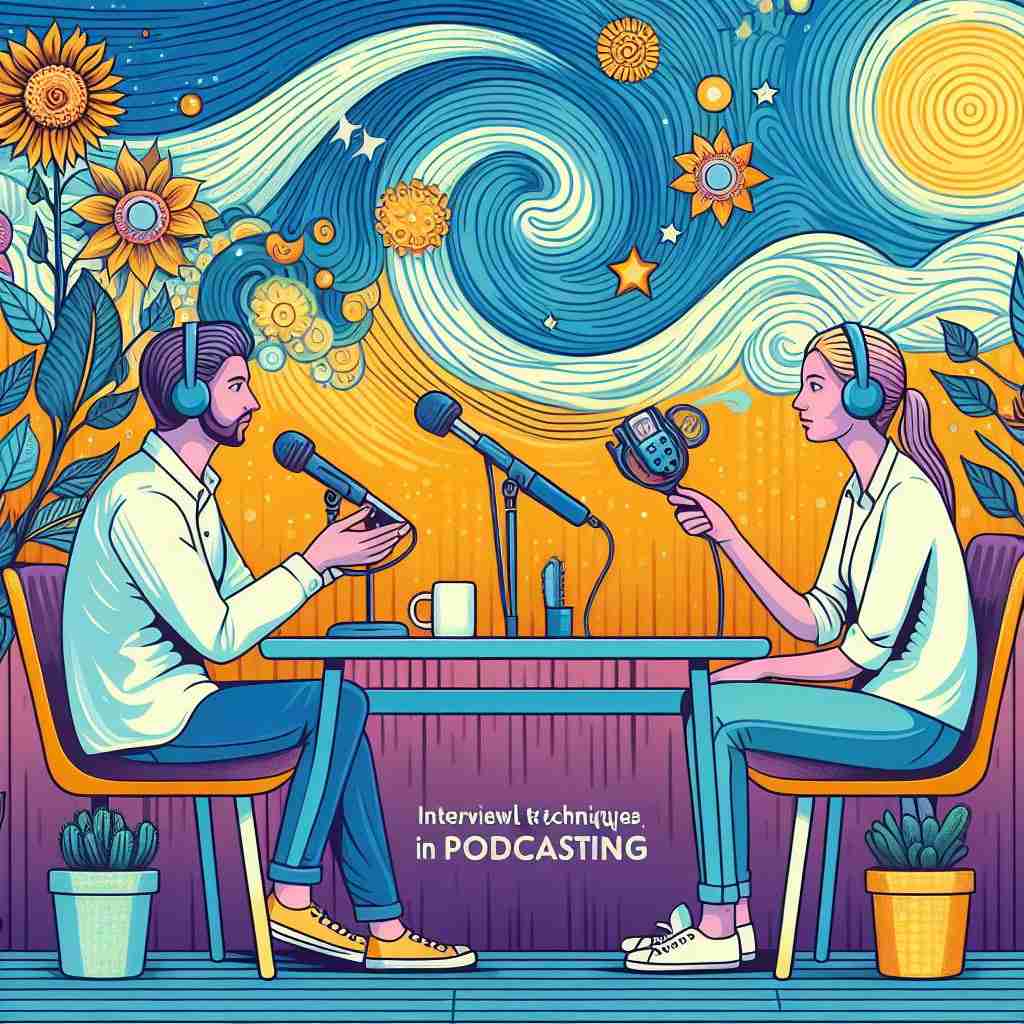
What Are The Legal Implications Of Privacy In Podcasting?
Can I Podcast Without Revealing My Location?
In the digital age, everybody seems to have an opinion—especially when it comes to starting a podcast. But let’s hit the brakes for a moment and tackle an important question: Can I podcast without revealing my location? The short answer is yes, but there are some intricacies to navigate along the way, and I’m here to break it down for you.
First off, let’s talk about anonymity. Many podcasters believe they need to share their life stories—complete with their hometown and street address—as a way to connect with their audience. While there’s merit in being relatable, there’s also something to be said for maintaining a bit of mystery. When you’re behind the mic, your voice is your brand. It’s about the content you deliver, not the neighborhood where you sip your morning coffee.
Now, if you’re set on keeping your location under wraps, there are practical measures you can take. Use a virtual private network (VPN) whenever you’re online, especially when recording or uploading your episodes. A VPN masks your IP address, making it tougher for anyone to pinpoint your physical location. Also, consider using a cloud-based storage service to store your audio files. This way, you’re not tied to any specific digital footprint that might inadvertently expose where you hang your hat.
Then there’s the subject matter of your podcast itself. Choosing topics that don’t give away geographical clues can be a fine strategy. Focus on universal themes that resonate with listeners across the globe. Whether you’re diving into history, delving into self-improvement, or simply sharing your quirky take on everyday life, stick to content that’s not tied to a specific place.
Keep in mind, however, that you may want to consider a pseudonym. This isn’t just about plotting a thrilling mystery novel; it’s about crafting an identity that keeps your personal life separate from your professional work behind the mic. Plus, a catchy podcast name can help you stand out in a crowded field.
Finally, remember that while the desire for anonymity is perfectly valid, the more you grow, the more you’ll have to balance personal comfort with authenticity. When you’re ready to engage with your audience, revel in the fact that your content can shine brighter than a map pin showing where you live. So get out there, turn on that microphone, and make your voice heard—location be damned!

Can I Podcast Without Revealing My Location?
Can I Podcast Without Revealing My Location?
- Podcasters can maintain anonymity by not revealing their location.
- While relatability is important, your voice and content are the core of your brand.
- Using a virtual private network (VPN) can help mask your IP address when podcasting.
- Storing audio files in a cloud-based service can prevent unintentional location exposure.
- Choose podcast topics that are universal and do not provide geographical clues.
- Consider using a pseudonym to separate your personal identity from your podcasting persona.
- As your podcast grows, balance the desire for anonymity with the need for authenticity.

Can I Podcast Without Revealing My Location?
Conclusion
As we wrap up our exploration of maintaining privacy while podcasting, it’s clear that standing behind the mic comes with the kind of exposure that can make even the most seasoned pros feel a little vulnerable. Let’s face it: podcasting has a mesmerizing charm, but it’s also a digital town square where your voice can echo far beyond what you might expect. And while you’re sharing your insights or stories, it’s crucial to remember that this isn’t just a solo gig—there’s a whole world listening, and that world isn’t always friendly.
So, how do you navigate this audio landscape while keeping your personal life safely tucked away? Well, it starts with setting your own boundaries. Know what’s off-limits before you hit record. Whether you’re delving into your pet project or sharing expertise in your field, keep the focus on the content, not your personal biography. This approach not only helps protect your privacy but also keeps your audience engaged with what they really came for—your expertise!
Next, cultivate an online persona that isn’t intricately tied to your real life. Separate your podcasting identity from your personal accounts, allowing you to interact with listeners while maintaining a healthy distance from your day-to-day life. This step is crucial in today’s digital age where every click can reveal a breadcrumb trail leading back to you. Additionally, employing tools like VPNs, pseudonyms, and diligent password management allows you to fortify your online presence against unwarranted snooping.
And let’s not overlook the importance of guest privacy. Every conversation is a two-way street, so ensuring your guests feel secure will create an inviting atmosphere while promoting honest exchanges. Open communication before interviews lays the groundwork for respect and discretion, allowing both parties to share without fear of misrepresentation.
Finally, while the thrill of sharing your ideas is enticing, it’s important to remember the repercussions. Consent is critical, both from your guests and when discussing sensitive topics. And while it’s entirely possible to let your voice be heard without revealing your personal details, just remember: your authenticity as a host can create a genuine connection with your audience.
In this era of digital storytelling, it’s all about balance—embracing your passion for podcasting while deftly maintaining your privacy. So, step up to that mic, share your passion, but keep one eye on your comfort and the other on your identity. Happy podcasting!

Conclusion
Conclusion:
- Podcasting can evoke vulnerability due to its wide exposure and audience reach.
- It’s important to establish personal boundaries and know what topics are off-limits.
- Focus on the content rather than personal stories to protect privacy and engage the audience.
- Create a separate online persona to maintain a distance between podcasting and personal life.
- Utilize security tools like VPNs, pseudonyms, and password management to enhance online privacy.
- Ensure guest privacy through open communication and respect, fostering a comfortable environment.
- Maintain a balance between sharing ideas and protecting personal details while podcasting.

Conclusion
Other Resources

Other Resources
Here is a list of other resources you can review online to learn more:
- Podcast Studio
- AI to Human Copywriting System
- Audacity
- Fountain
- Podcast Index
- Stitcher: Made for Podcasts
- CastBox
- Adobe Audition
- Planly
Use This Prompt To Get More Resources With Your Favorite Online AI Tool: Please provide me with a list of online articles with their URLs in a bulleted list that I can read regarding Can You Maintain Your Privacy While Podcasting?

Other Resources
Glossary Terms
Can You Maintain Your Privacy While Podcasting? – Glossary Of Terms
1. Podcasting: The process of creating and distributing audio content to be streamed or downloaded, typically in episodic format.
2. Privacy: The state of being free from public attention or scrutiny, particularly regarding personal information.
3. Anonymity: The condition of being unknown or unacknowledged; in podcasting, it may involve creating content without revealing personal identity.
4. Pseudonym: A fictitious name used by a podcaster to conceal their true identity for privacy purposes.
5. Personal Data: Any information that relates to an identified or identifiable individual, which could be susceptible to exposure during podcasting.
6. Data Protection: Legal frameworks and policies designed to safeguard personal information from misuse or unauthorized access.
7. Intellectual Property: Creations of the mind such as podcasts, music, and videos that can be legally protected under copyright, trademarks, etc.
8. Public Domain: Creative works or information that are no longer under copyright or other forms of protection, allowing free access for anyone.
9. Content Ownership: The legal right to control and make decisions regarding the use and distribution of produced podcast content.
10. Voice Modulation: Altering one’s voice using technology to disguise the speaker’s identity for privacy while recording.
11. Location Data: Information about where a podcast is being recorded, which could reveal the podcaster’s physical location if shared inadvertently.
12. Metadata: Data that provides information about other data, such as where, when, and by whom the recording was created.
13. Terms of Service: Legal agreements that outline the rules and guidelines users must agree to in order to use a podcast hosting platform.
14. Listener Privacy: Measures taken to protect the personal data and identities of individuals who listen to a podcast.
15. Social Media Sharing: Distributing podcast content or promotional materials across social media platforms, potentially risking privacy if not managed carefully.
16. Data Breach: An incident in which unauthorized individuals gain access to sensitive or protected personal data, potentially affecting podcaster privacy.
17. Encryption: A process used to secure data by converting it into a code to prevent unauthorized access, applicable to podcast files and communications.
18. Anonymous Hosting: Utilizing podcast hosting platforms that allow for anonymity, shielding personal details of the creator.
19. Legal Compliance: Following laws and regulations regarding privacy and data protection while podcasting, including copyright and intellectual property rights.
20. Digital Footprint: The trail of data one leaves online, which can include podcast-related activities and personal information.
21. Backup Plan: A strategy for protecting data and content in case of technical failures, ensuring continuity in podcast production.
22. Listener Engagement: Interacting with the audience while managing privacy, utilizing methods that do not compromise personal information.
23. Interview Consent: Obtaining permission from guests to use their voices and personal stories, emphasizing transparency and respect for privacy.
24. Screening Guests: The process of vetting interviewees to ensure that their participation aligns with privacy considerations and content goals.
25. Public Relations: Managing the dissemination of information regarding a podcast, which can affect the public perception and privacy of the individuals involved.
26. Censorship: The suppression or regulation of content and information, impacting a podcaster’s freedom of expression and privacy.
27. Non-disclosure Agreement (NDA): A legal contract that prevents parties from disclosing certain confidential information, often used in podcast collaborations.
28. Environment Settings: The physical or virtual spaces where podcasting occurs, which can influence the level of privacy during recording sessions.
29. Audience Analysis: The practice of studying listener demographics and behaviors while keeping their identities secure to inform content creation.
30. Transparency: The practice of being open about the methods and intentions behind content creation, striking a balance with privacy.

Glossary Of Terms
Other Questions
Can You Maintain Your Privacy While Podcasting? – Other Questions
If you wish to explore and discover more, consider looking for answers to these questions:
- What are the best practices for maintaining privacy in podcasting?
- How can I choose a pseudonym that fits my podcast theme?
- What software is recommended for editing podcasts while protecting my identity?
- How can I manage my audience’s expectations regarding my privacy?
- What are some common mistakes podcasters make regarding privacy?
- Can I remain anonymous if I want to monetize my podcast?
- What questions should I ask guests about their privacy before recording?
- How do I handle sensitive topics without revealing too much?
- Are there specific legal resources for podcasters concerned about privacy?
- What strategies can I employ to reduce my digital footprint as a podcaster?

Other Questions
Haiku
Can You Maintain Your Privacy While Podcasting? – A Haiku
Voice echoes in space,
Anonymity, a dance—
Privacy holds strong.

Haiku
Poem
Can You Maintain Your Privacy While Podcasting? – A Poem
In the realm of sound where stories take flight,
Voices dance freely, yet shadows invite.
A question arises—how do we protect,
Our privacy cherished, while we connect?
With hearts wide open, we share and engage,
But what of the risks that lie on this stage?
Once words spiral freely into the air,
They’re captured for ages, for all to declare.
Boundaries set firm, establish your space,
What’s yours to confide, and what’s not to face?
Manage your presence, a mask to create,
In digital sprawl, anonymity’s fate.
An alias here, a VPN there,
Crafting a persona, building a layer.
Sound masking whispers, edits to refine,
Hide behind melodies that intertwine.
Consent is essential, as stories unfold,
Respecting the trust, be sensitive, bold.
With guests, tread lightly, their comfort a must,
For stories shared freely, build bonds of trust.
Now ponder your name, a cloak or a shield,
Authenticity beckons—a dilemma revealed.
Is it safe to be known, or wise to conceal,
Weigh every detail before you reveal.
Legalities loom, with privacy laws,
Protect with consent, release forms are raw.
Data entrusted must be handled with care,
In this intricate web, tread gentle, be fair.
So podcast with passion, let your voice soar,
With wisdom and caution, build slowly, explore.
For in this vast digital and vibrant space,
You can share your truth, while still holding grace.

Poem
Checklist
Can You Maintain Your Privacy While Podcasting? – A Checklist
1. Establish Clear Boundaries
_____ Define content you’re comfortable sharing versus what is off-limits.
_____ Focus on niche topics to avoid personal anecdotes.
2. Manage Your Online Presence
_____ Create separate accounts for your podcast persona (social media, email, website).
_____ Use brand-focused aliases for communication.
3. Consider Anonymity Options
_____ Utilize pseudonyms for your podcast identity.
_____ Consider platforms that offer anonymity in podcasting.
4. Use Vocal Modulation Techniques
_____ Experiment with voice-altering software for recordings.
_____ Employ sound masking methods by layering background noise.
5. Mindful Guest Collaboration
_____ Discuss sensitive topics with guests before recording.
_____ Create a “no-go” zone for off-limits subjects.
6. Implement Safety Measures
_____ Use a VPN for secure internet connection while podcasting.
_____ Employ strong password management and two-factor authentication.
7. Evaluate the Use of Your Real Name
_____ Consider the pros and cons of using your real name for credibility versus privacy.
_____ Analyze safety concerns based on podcast content.
8. Handle Guest Privacy with Care
_____ Communicate what to expect and establish trust before recording.
_____ Provide guests with the right to review the episode before it airs.
9. Understand Legal Implications
_____ Secure explicit consent from guests and participants.
_____ Familiarize yourself with recording laws in your state.
10. Protect Personal Location Information
_____ Use a VPN to obscure your IP address while recording/uploading.
_____ Choose broad subject matter that does not reveal geographical clues.
11. Utilize Domain Privacy Services
_____ Consider using these services when setting up your podcast website to keep personal information protected.
12. Establish an Editing Process
_____ Edit recordings to manage any unintended reveals by creating separate audio tracks for guests.
Conclusion
By following this checklist, you can navigate the world of podcasting while keeping your personal life and privacy intact. Remember, the key is to find a balance between sharing valuable content and maintaining the level of confidentiality that you are comfortable with. Happy podcasting!

Checklist
At PodcastBig, we help people who want to learn about podcasting by collating information and news about podcasting.
Be sure to read our other related stories at PodcastBig to learn more about podcasting.