

Mastering The Art Of Overcoming Podcasting Hurdles
By Tom Seest
At PodcastBig, we help people who want to learn about podcasting by collating information and news about podcasting.
Be sure to read our other related stories at PodcastBig to learn more about podcasting.
Can You Defeat Podcasting Challenges Like a Pro?
Let’s face it—podcasting isn’t always a walk in the park. Sure, it sounds glamorous: you sit in front of a mic, spill your thoughts into the ether, and boom—thousands of people tune in. But let’s not kid ourselves; every podcaster, whether a seasoned pro or an eager newbie, faces a mountain of challenges. So, how do you tackle these bumps in the road like a true champion?
First things first—embrace your fear. That’s right, I said it. Fear of failure can be paralyzing. You might worry about what listeners will think or if your audio quality will rival a tin can on a string. But here’s the reality: everyone starts somewhere, and the only way to truly become a master of the podcasting craft is to plunge into that uncertainty head-first. Don’t let the fear of the unknown keep you from getting behind that microphone. Dive in, and learn as you go. Chances are, you’re not alone; many have felt the same trepidation.
Speaking of learning, let’s talk about consistency. In the world of podcasting, consistency doesn’t just mean putting out episodes regularly; it’s about building a habit. Trust is built over time, and people are more likely to stay engaged when they know you’ll be there, week after week, with fresh content they can chew on. Creating a content calendar is your friend, even if it feels like a chore. Treat it like a roadmap—trust me, your audience will thank you for it!
And remember, the joy of podcasting comes from connecting with others. You’ve got stories, insights, and experiences that matter, and so do your listeners. Invite them into the conversation. Whether it’s through social media, email, or live Q&A sessions, foster a community where feedback flows freely. When people feel heard, they’re more likely to stick around.
Overcoming the hurdles of podcasting is not just about technical skills or catchy titles. It’s about heart, grit, and resilience. Every setback, every awkward silence, every technical hiccup presents an opportunity to grow. So, get out there, and tackle those challenges head-on. Who knows? You might just find that you have something profound to say—and a whole lot of people eager to listen.

Can You Defeat Podcasting Challenges Like a Pro?
Can You Defeat Podcasting Challenges Like a Pro?
- Podcasting is challenging, regardless of experience level.
- Embrace fear of failure; everyone starts somewhere and learning comes with experience.
- Consistency in releasing episodes fosters trust and engagement with the audience.
- Create a content calendar to help maintain a regular podcasting schedule.
- Connect with listeners by inviting them into the conversation through various channels.
- Overcoming podcasting hurdles requires heart, grit, and resilience.
- Every setback presents an opportunity for growth and deeper connection with the audience.

Can You Defeat Podcasting Challenges Like a Pro?
Table Of Contents
- Can You Defeat Podcasting Challenges Like a Pro?
- What Equipment Do I Need To Start Podcasting?
- How Do I Effectively Market My Podcast?
- What Are The Best Editing Techniques For Podcasts?
- How Can I Keep My Podcast Content Engaging?
- How Can I Find The Right Podcasting Niche?
- What Are Effective Strategies For Podcast Growth?
- How Do I Handle Negative Feedback On My Podcast?
- Conclusion
- Other Resources
- Glossary Of Terms
- Other Questions
- Haiku
- Poem
- Checklist
What Equipment Do I Need To Start Podcasting?
So, you’re itching to dive into the world of podcasting, huh? Maybe you have a burning desire to share your stories, insights, or rants, or perhaps you’ve got a unique perspective that you think the world needs to hear. Well, you’ve come to the right place, my friend! Let’s set the stage for your podcasting adventure by talking about the gear you’ll need to get rolling.
First up, you’re going to want a decent microphone. Trust me, this is non-negotiable! You can have the best storytelling skills in the world, but if your audio sounds like it was recorded in a tin can, your listeners won’t stick around for long. A USB microphone is an excellent place to start—affordable, easy to use, and it’ll dramatically improve your sound quality. Look for brands that are reputable, and don’t be afraid to ask for recommendations. A solid microphone will be your trusty companion on this journey, ensuring your voice rings clear and true.
Next is headphones. You may be tempted to skimp on these, but a good pair will help you catch any audio hiccups during recording. Plus, they’ll allow you to monitor your sound as you go, ensuring everything stays on track. Look for over-ear options that are comfortable to wear for extended periods, because let’s be honest: you’ll likely be chatting for quite a while.
Now, what about recording software? Plenty of free and paid options exist, catering to every skill level. Programs like Audacity or GarageBand are excellent for beginners and can help you piece together a polished podcast without the need for a degree in audio engineering. As you get more adventurous with your editing, you might explore more advanced software, but starting simple is wise.
Lastly, consider a pop filter. What’s a pop filter, you ask? Well, it’s that little mesh screen that helps eliminate those pesky “p” and “s” sounds that can ruin an otherwise stellar recording. They’re inexpensive and can make a world of difference in the quality of your finished product.
Ready to take the plunge? Remember, your voice is unique—don’t let a lack of gear hold you back. Gather your essentials, plug in, and let the world hear what you’ve got to say. Now go out there and start your podcasting journey!

What Equipment Do I Need To Start Podcasting?
What Equipment Do I Need To Start Podcasting?
- Podcasting can be an outlet for sharing stories, insights, and unique perspectives.
- A decent microphone is essential for high-quality audio; a USB microphone is a great starting point.
- Good headphones are important for monitoring sound and catching any audio issues during recording.
- Beginner-friendly recording software options include Audacity and GarageBand.
- As you become more experienced, consider exploring advanced editing software.
- A pop filter can significantly improve audio quality by reducing unwanted “p” and “s” sounds.
- Don’t let a lack of gear stop you; gather your essentials and start sharing your voice!

What Equipment Do I Need To Start Podcasting?
How Do I Effectively Market My Podcast?
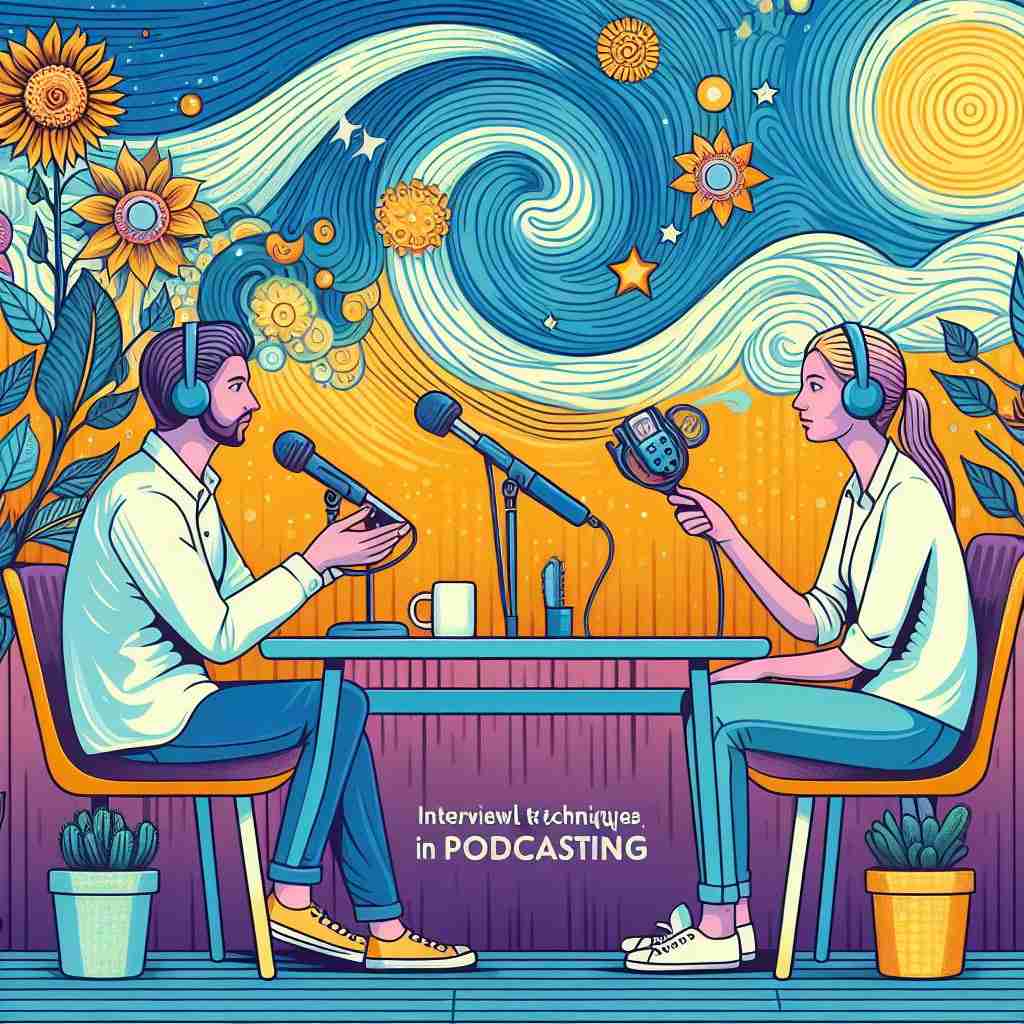
So, you’ve poured your heart and soul into creating a podcast—a veritable labor of love. You’ve whispered those truths, laughed through the segments, and maybe even shed a few tears along the way. Now, comes the hard part: getting folks to listen. Fear not! Marketing your podcast doesn’t have to feel like trying to land a fish in a barrel with your bare hands. It can be done, and it can be downright enjoyable if you approach it the right way.
First things first: embrace your unique voice. Every podcast has a distinct flavor. Whether you’re tackling the mysteries of the universe, sharing stories of the everyday hero, or diving into comedy, embrace what sets you apart. Think about how you bring your own experiences into the conversation—people will connect with your authenticity. Share it widely!
Now, let’s talk about social media. It’s like a modern-day town square, teeming with potential listeners. Create a presence that reflects the spirit of your podcast. Collaborate with other creators, join groups in your niche, and engage genuinely. Listen as much as you speak; you might just uncover gold nuggets of engagement that catch the attention of new listeners.
Another powerful tool is word-of-mouth. Don’t underestimate the value of asking your friends and family to spread the good word. Imagine them sharing your podcast over coffee, nudging a friend and saying, “You HAVE to check this out!” That personal touch is irreplaceable. Consider running contests or giveaways; incentivize your audience to share with their networks, and watch as conversations flourish.
You might also consider leveraging the experience of others. Invite guests onto your podcast who have their own followers. When they share the episode with their audience, it’s like throwing a pebble into a pond—ripples of connection spread out, pulling new listeners into your orbit.
And then, there’s the beauty of SEO. Optimize your show notes and titles. A few well-placed keywords can elevate your visibility, guiding curious souls to your treasure trove of content.
Remember, marketing your podcast is a journey, not a sprint. Each step you take to connect with listeners is like laying the foundation for a relationship built on trust—and that’s something worth cultivating. So, get out there, use your voice, and watch as your community blossoms around the remarkable stories you have to share.

How Do I Effectively Market My Podcast?
How Do I Effectively Market My Podcast?
- Embrace your unique voice and authenticity, as every podcast has its distinct flavor.
- Create a strong social media presence that reflects your podcast’s spirit and engage genuinely with the community.
- Utilize word-of-mouth by asking friends and family to share your podcast, enhancing its reach.
- Consider running contests or giveaways to incentivize your audience to spread the word.
- Invite guests with their own following to increase the visibility of your podcast through their networks.
- Optimize your show notes and titles with relevant keywords to improve search engine visibility.
- View marketing as a journey, building trust and relationships with listeners over time.
How Do I Effectively Market My Podcast?
What Are The Best Editing Techniques For Podcasts?
When it comes to editing your podcast, the heart of your story is found in the details. You might think of editing as an extra step, but consider it the secret sauce that turns a good podcast into a great one. You don’t need to be a tech wizard to master these techniques; all it takes is a little patience and practice.
First, let’s get the basics of audio quality out of the way. Ensuring crisp, clear sound should be your priority. Invest in a decent microphone and familiarize yourself with your recording software. If your listeners can’t hear you properly, no amount of compelling content will save you. Remember, clarity sets the stage for an engaging experience.
Once you’ve nailed the fundamentals, it’s time to dive into editing. Start with the big-picture stuff: listen to your podcast in its entirety and identify the sections that drag or don’t quite fit. Maybe it’s that awkward pause after a joke that didn’t land or a bit where you rambled on longer than necessary. Cutting out these moments doesn’t mean your conversation loses authenticity; in fact, it often enhances it by keeping the energy flowing.
Now, let’s talk about transitions. Smoothly transitioning between segments is crucial to keeping your audience glued to their earbuds. Use music or sound clips to signal shifts, but be judicious—overdoing it can come off as amateurish. Subtlety is key; a well-placed aural cue can create a professional feel without overshadowing your content.
Another effective technique is layering sound. Background music can enhance the mood of your podcast and provide a deeper, richer listening experience. Just be careful not to drown out your voice. If listeners can’t hear what you’re saying, all that atmospheric music is for naught.
Finally, don’t underestimate the power of consistency. Developing a unique style not only builds familiarity with your audience but also sets expectations. Create a standard for your podcasts: whether it’s the intro music, format of your discussions, or how you edit, your listeners will come to recognize and trust what you deliver.
Remember, editing is just another tool in your toolkit, and like any tool, it gets better with practice. Be confident in your decisions, learn from feedback, and above all, enjoy the journey of producing your podcast. It’s about connecting with your audience, one edit at a time.

What Are The Best Editing Techniques For Podcasts?
What Are The Best Editing Techniques For Podcasts?
- Editing is key to transforming a good podcast into a great one.
- Prioritize audio quality with a decent microphone and familiar recording software.
- Identify and cut sections that disrupt the flow of the conversation.
- Smooth transitions between segments are essential; use music and sound clips judiciously.
- Layering background music can enhance mood but must not overpower the voice.
- Consistency in style builds audience familiarity and sets expectations.
- Editing improves with practice; be confident, learn from feedback, and enjoy the process.

What Are The Best Editing Techniques For Podcasts?
How Can I Keep My Podcast Content Engaging?
Let’s face it: the world of podcasts is a vast ocean, teeming with all sorts of content. It’s a beautiful soundscape, but it can also feel a bit overwhelming. How do you keep your podcast afloat in this sea of voices? The key lies in connection—real, authentic connection with your listeners.
First things first, remember that your audience is not just numbers on a screen; they are people with lives, interests, and stories of their own. Start every episode with a pinch of vulnerability—it’s something we all can relate to. Share a small personal anecdote or a lesson learned. Vulnerability can open the floodgates to trust, making listeners feel less like outsiders and more like friends. This way, they’ll find themselves returning, eagerly awaiting your next story.
Next, shake up your format! While some may find comfort in a consistent style, the thrill of a surprise can keep listeners on their toes. Consider adding segments, guest interviews, or even thought-provoking questions that invite audience interaction. Remember, monologues have their place, but interaction breathes life into conversations. Let your podcast evolve; after all, growth is a wonderful thing.
Another way to keep your content engaging is by tapping into current events or themes that resonate with your audience. What’s on their minds? What’s trending in the greater world? Tie these elements back into the fabric of your podcast. You could take a deep dive into a trending topic one week, then pivot to a lighter narrative the next. This keeps your content fresh and reflective of your audience’s realities.
Finally, make it a two-way street. Encourage feedback, ask questions, and invite your listeners to share their thoughts. You may be the voice behind the mic, but they are part of the conversation. Promoting interaction not only establishes a community but also gives you invaluable insights into what your audience craves. This dialogue makes them feel valued, turning casual listeners into dedicated fans.
Remember, the heart of a successful podcast beats with passion and authenticity. Be real, be human, and don’t be afraid to let your personality shine. Find what resonates, and keep reaching out, one episode at a time. Your voice matters—don’t be afraid to share it.

How Can I Keep My Podcast Content Engaging?
How Can I Keep My Podcast Content Engaging?
- The podcasting landscape is vast and can feel overwhelming for creators.
- Authentic connection with listeners is crucial for success.
- Start episodes with vulnerability to build trust and relatability.
- Shake up your podcast format by incorporating segments, guest interviews, and interactive elements.
- Stay relevant by addressing current events and themes that resonate with your audience.
- Encourage listener feedback and interaction to foster a sense of community.
- Passion and authenticity are key to creating a successful podcast; let your personality shine through.

How Can I Keep My Podcast Content Engaging?
How Can I Find The Right Podcasting Niche?
When it comes to launching a podcast, finding the right niche is like trying to hit a target while blindfolded. It can feel daunting, confusing, and maybe even a little overwhelming. But here’s the thing: discovering your niche is less about shooting for the bullseye and more about uncovering something that resonates not just with you, but with listeners out there waiting for the right voice to guide them through topics they love.
Start by brainstorming what excites you. What hobbies make you lose track of time? Is there a subject that gets your friends talking? Grab a pen and a notepad, or even your phone, and jot down every idea that flits through your mind. Don’t censor yourself; this is your space to explore. You might realize you have a passion for forgotten history, dissecting classic books, or maybe it’s cooking up unusual recipes. The goal here is to dig deep and find that spark—what lights you up?
Next, ask yourself a crucial question: who else cares about this? Your podcast needs an audience; it’s not just a solitary endeavor. Spend some time wandering through social media or online forums where like-minded folks congregate. Are they searching for advice, sharing stories, or just having a good laugh? Listen closely to their conversations. This step is vital. Jobs, movies, books, or hobbies can all turn out to be great podcast fodder if they have a community behind them.
But don’t stop there—check out the competition. What’s already out there in your potentially chosen niche? Do a quick search on popular podcast platforms. Listen to a few episodes, take notes, and understand what others are doing well. Or, just as importantly, what they’re missing! Your unique angle, commentary, or storytelling style might just fill a gap in a crowded space, offering something fresh and new.
Ultimately, there’s no secret formula—just a relentless pursuit of curiosity. Embrace the journey. The more authentic you are, the more your voice will resonate with others. Remember, the right niche isn’t just about standing out; it’s about creating a community around a shared passion. So roll up your sleeves, stay true to yourself, and let that creativity explore its fullest potential! Your podcast is waiting to be born!

How Can I Find The Right Podcasting Niche?
How Can I Find The Right Podcasting Niche?
- Finding the right podcast niche can be challenging but is essential for resonating with an audience.
- Brainstorm what excites you, including hobbies and subjects that engage your friends.
- Explore ideas freely without self-censorship to discover topics that light you up.
- Identify potential listeners and their interests by engaging with social media and online forums.
- Research existing podcasts in your potential niche to understand the competition and identify gaps.
- Your unique perspective can offer fresh content in a crowded marketplace.
- Stay authentic and pursue curiosity to create a community around your podcast’s shared passion.

How Can I Find The Right Podcasting Niche?
What Are Effective Strategies For Podcast Growth?
When you think about launching a podcast, it’s easy to get caught up in the excitement of creation. You’ve got the equipment, the topics, and the passion to share your voice with the world. But once the first episode is out, reality can quickly set in – how do you grow your audience? It’s a question faced by many, but unlocking the answer is what separates the successful from the stagnant.
First off, let’s talk about consistency. Just like a favorite TV show, your audience craves reliability. Set a schedule that works for you and stick to it. Whether it’s weekly, biweekly, or monthly, the key is to show up. People will start to look forward to your perspectives, your humor, and your insights in their podcast rotation.
Next, connect with your audience. This isn’t just about talking; it’s about inviting listeners into your world. Encourage them to reach out, share their thoughts, and make them feel valued. Social media can be a powerful tool here, enabling you to create a community around your podcast. Ask for feedback and suggestions—it’ll not only foster connection but will also provide you with a treasure trove of topics that resonate with your audience.
Don’t underestimate the power of guest appearances. Inviting interesting guests onto your podcast can not only enhance the content but also introduce you to their networks. It’s like sharing a stage with someone who has a different fan base; you’re basically borrowing some of their shine! Plus, people love a good conversation. Let your guests share their stories, and watch how their audience becomes curious about you and your podcast.
Engagement and promotion are vital, too. Use every tool at your disposal to spread the word. Collaborate with other podcasters, participate in relevant online communities, and don’t shy away from cross-promotion. This isn’t just about pushing your content; it’s about forming alliances. When you support others, they’re more likely to support you in return.
Lastly, don’t forget about the power of a good title and captivating artwork. First impressions matter. A catchy title can intrigue potential listeners, while compelling artwork invites them in. You want your podcast to stand out against the backdrop of the vast audio landscape.
In this journey of growth, remember: passion, authenticity, and genuine connection are your best allies. Stay true to your voice, listen to your audience, and keep honing your craft. With commitment and the right strategies, your podcast can blossom into something truly remarkable.

What Are Effective Strategies For Podcast Growth?
What Are Effective Strategies For Podcast Growth?
- Launching a podcast is exciting, but growing your audience requires effort and strategy.
- Consistency is key; establish a reliable release schedule to build audience anticipation.
- Engage with your audience by inviting them to share their thoughts and feedback, creating a community around your podcast.
- Guest appearances can enhance your content and introduce you to new listeners through their networks.
- Utilize engagement and promotion strategies such as collaborating with other podcasters and participating in online communities.
- A catchy title and appealing artwork are essential for making a strong first impression on potential listeners.
- Passion, authenticity, and genuine connection are vital for long-term success in podcasting.

What Are Effective Strategies For Podcast Growth?
How Do I Handle Negative Feedback On My Podcast?
If you’re navigating the world of podcasting, you’re bound to hit some bumps along the way. Let’s face it: putting your voice out there is like inviting the world into your living room, and not everyone is going to love the decor. You might be met with the occasional critique that feels sharper than a hot mic in a quiet studio. So, how do you handle negative feedback on your podcast?
First off, remember that feedback is simply someone’s perspective—it doesn’t define you or your work. It’s easy to take criticism personally, especially when you pour your heart and soul into each episode. But viewing feedback as a tool for improvement can be a game-changer. Think of it as a chance to recalibrate your compass. Do you want your podcast to reach a larger audience? To better connect with your existing listeners? Use criticism as a roadmap toward those goals.
Now, let’s talk about the art of listening. When someone expresses dissatisfaction, it’s tempting to put up defenses and tune them out. Instead, embrace the discomfort; listen to what they’re really saying. Identify any recurring themes in the feedback you receive. Are people struggling with the sound quality? Is your editing style a bit too choppy for their taste? Knowing this allows you to address issues head-on, turning potential negatives into positives and even raising the quality of your show.
Also, consider the source. Not every critique is worth your time. Some comments may come from trolls hiding behind their keyboards, while others may spring from genuine concern or loyalty. Focus on feedback from those who appreciate your work but want to see it grow. These folks are your allies; they want the best for you and your podcast.
Finally, don’t hesitate to take a step back and remind yourself why you started this journey in the first place. It’s about connection, storytelling, and sharing experiences. Rely on your core motivation to stay grounded. Criticism is part of growth; it’s the kind of grit that builds resilience.
So, strap on your boots, keep that door open, and embrace the journey that negative feedback can bring. After all, every critique is an opportunity—one you can use to mold your podcast into something even more remarkable.

How Do I Handle Negative Feedback On My Podcast?
How Do I Handle Negative Feedback On My Podcast?
- Navigating the podcasting world can be challenging, with varying responses to your content.
- Negative feedback is simply someone’s perspective; it doesn’t define your work.
- View criticism as a tool for improvement and a roadmap to achieving your podcasting goals.
- Embrace discomfort when receiving feedback, and actively listen for recurring themes.
- Consider the source of criticism; prioritize constructive feedback from those who care about your growth.
- Remember your core motivation for podcasting—connection, storytelling, and sharing experiences.
- Use criticism as an opportunity to enhance your podcast and build resilience.

How Do I Handle Negative Feedback On My Podcast?
Conclusion
So you’ve embarked on the wild and woolly ride of podcasting, huh? Let me tell you, it’s a lot like herding cats—exciting one minute and utterly chaotic the next. Podcasting isn’t always that glossy picture you see of someone casually sipping coffee while they talk about their favorite topics. No, my friend, it comes with its own share of challenges that can leave you scratching your head. But here’s the kicker: every successful podcaster has faced these hurdles and lived to tell the tale.
First off, let’s talk about the elephant in the room: fear. Whether it’s fretting over audio quality or sweating bullets about folks not tuning in, fear can be paralyzing. But here’s where you have to dig your heels in. Embrace that fear and dive into the unknown—learning comes from doing, even if you stumble along the way. Next up is the art of consistency. It’s not just about putting out episodes regularly; it’s about building trust. Your audience wants to connect with you, and that happens when they know you’ll be there each time they hit play. A content calendar can be your best friend—it’s like having a roadmap in an otherwise foggy landscape.
Another key aspect to keep your podcast vibrant is connection. Share your stories, invite listener interactions, and build a community around your content. Remember, it’s not just about you; it’s about creating a dialogue. Every technical hiccup or awkward moment isn’t a failure; it’s an opportunity for growth. That’s what podcasting is all about—sharing your voice and connecting on a human level.
When it comes to marketing, remember that authenticity is your secret weapon. Use social media to showcase your unique voice, and don’t shy away from asking your network to help spread the word. Engage with your audience like they’re your pals across the dinner table.
And as for editing, think of it as the magic wand that turns an ordinary conversation into a compelling listen. Focus on clarity and coherence—cut out the fluff and keep the energy high. Experiment with transitions and sound layering to enhance your episodes.
In conclusion, podcasting is less about perfection and more about the passion and personality you bring to the mic. So, buckle up and get ready to tackle those challenges. Your voice is unique, your stories matter, and believe me, there’s an audience out there eager to listen. Keep pushing forward, learn from the bumps, and watch your podcast journey unfold in all its messy, beautiful glory. Now, go out there and get your voice heard!

Conclusion
Conclusion:
- Podcasting is an exciting yet chaotic experience, much like herding cats.
- Fear, particularly about audio quality and audience engagement, can be paralyzing, but it should be embraced as part of the learning process.
- Consistency is crucial for building trust with your audience; a content calendar can help maintain regular episodes.
- Creating a community and inviting listener interactions are key to keeping your podcast vibrant.
- Authenticity in marketing is essential; use social media to engage with your audience genuinely.
- Editing transforms conversations into compelling listens; focus on clarity, coherence, and energetic content.
- Podcasting is about passion and personality rather than perfection; your unique voice and stories matter.
Conclusion
Other Resources

Other Resources
Here is a list of other resources you can review online to learn more:
- Social Sales Link
- Instapaper
- Fountain
- Resound
- Apple Podcasts for Creators
- Libsyn
- deviantART
- Riverside.
- Apple Podcasts
Use This Prompt To Get More Resources With Your Favorite Online AI Tool: Please provide me with a list of online articles with their URLs in a bulleted list that I can read regarding Can You Defeat Podcasting Challenges Like a Pro?

Other Resources
Glossary Terms
Can You Defeat Podcasting Challenges Like a Pro? – Glossary Of Terms
1. Content Strategy: A plan that outlines the topics, formats, and frequency of the podcast episodes, aimed at engaging and retaining listeners.
2. Audio Quality: The clarity and fidelity of the recorded audio; essential for listener satisfaction and professionalism.
3. Editing: The process of refining audio recordings, removing mistakes, adding effects, and enhancing overall sound to create a polished final product.
4. Microphone: A crucial tool for podcasters, converting sound waves into electrical signals; choosing the right microphone can significantly improve audio quality.
5. Hosting Platform: An online service that stores and distributes podcast episodes; examples include Libsyn, Podbean, and Anchor.
6. RSS Feed: A technology that allows users to access updates from podcasts automatically; it helps in syndicating content to podcast directories.
7. Branding: The visual and auditory identity of a podcast, including name, logo, and theme music, that creates recognition and consistency.
8. Engagement: Interactions between podcasters and their audience, such as feedback, comments, and social media discussions; vital for community building.
9. Monetization: The process of generating revenue from a podcast through sponsorships, ads, merchandise, or subscriptions.
10. Show Notes: Written summaries and details of podcast episodes, providing additional context, links, and resources for listeners.
11. Analytics: Metrics and data collected from podcast downloads, listener demographics, and behavior patterns, helping podcasters understand their audience.
12. Production Schedule: A timeline that organizes when episodes will be recorded, edited, and released; helps maintain consistency.
13. Interview Technique: The methods and skills used to conduct interviews effectively, ensuring compelling discussions and valuable content.
14. Niche Targeting: Focusing the podcast on a specific topic or audience segment; helps in cultivating a dedicated listener base.
15. Promotion: Strategies used to increase a podcast’s visibility and attract new listeners, including social media marketing and collaborations.
16. Call to Action (CTA): A prompt at the end of an episode encouraging listeners to take specific actions, such as subscribing, leaving reviews, or visiting a website.
17. Cross-Promotion: Collaborative marketing between different podcasts to share audiences, typically involving guest appearances or episode mentions.
18. Listener Feedback: Comments, reviews, and suggestions provided by the audience that can help improve the show and address concerns.
19. Technical Difficulties: Common issues faced in recording and editing, such as background noise or software glitches; troubleshooting is essential for resolution.
20. Scripting: Writing out a plan or outline for an episode; helps ensure clarity and direction, although spontaneity can be valued too.
21. Live Podcasting: Recording a podcast in front of an audience, providing a more dynamic and engaging experience for both hosts and listeners.
22. Transcription: Converting spoken content into written text; valuable for accessibility and improving SEO for the podcast.
23. Community Building: Creating a sense of belonging among listeners through forums, social media, or live events; strengthens audience loyalty.
24. Feedback Loop: A process where listener insights inform podcast adjustments, creating a continuous flow of improvement and engagement.
25. Distribution: Sharing podcast episodes across various platforms, ensuring they reach a broad audience through directories like Apple Podcasts and Spotify.
26. B-roll: Supplemental audio that can be used to enhance storytelling, such as background sounds or music; adds depth to the main content.
27. Sponsorship: Financial support from brands or companies in exchange for advertising spots or mentions within podcast episodes.
28. Hosting: The act of presenting and guiding discussions during a podcast episode; good hosting skills create a comfortable and engaging atmosphere.
29. Value Proposition: The unique benefits and insights a podcast offers to listeners, differentiating it from competitors in the same space.
30. Crisis Management: Strategies for addressing unexpected challenges, such as negative reviews or technical failures, to maintain the integrity and reputation of the podcast.

Glossary Of Terms
Other Questions
Can You Defeat Podcasting Challenges Like a Pro? – Other Questions
If you wish to explore and discover more, consider looking for answers to these questions:
- What are common mistakes to avoid when starting a podcast?
- How long should a typical podcast episode be?
- What is the best way to design podcast cover art?
- How can I monetize my podcast effectively?
- What platforms should I use to host my podcast?
- How can I track the statistics and analytics of my podcast?
- What are some successful podcast marketing strategies?
- How do I choose the right podcast format (interview, narrative, etc.)?
- How can I create compelling guest episodes?
- What are the best practices for promoting new podcast episodes?
- How important is it to have a podcast website?
- What legal considerations should I be aware of when podcasting?
- How can I improve my public speaking skills for podcasting?
- What are effective ways to engage with my podcast audience?
- How can I use storytelling techniques in my podcast?

Other Questions
Haiku
Can You Defeat Podcasting Challenges Like a Pro? – A Haiku
Facing daunting fears,
Voices find their rhythm here,
Podcasts bloom with heart.

Haiku
Poem
Can You Defeat Podcasting Challenges Like a Pro? – A Poem
In the realm of sound where voices bloom,
A journey starts inside a quiet room.
With fears that loom like shadows in the night,
Yet dreams ignite, and spirits take flight.
The microphone waits with a patient embrace,
A canvas for stories, a shared sacred space.
With echoes of laughter, wisdom, and tears,
Each word weaves a tapestry, dissolving our fears.
Consistency’s key, like a steady tide,
A rhythm of presence where listeners abide.
Stories intertwine, as hearts come alive,
In the web of connection, together we strive.
Vulnerability beckons, raw and sincere,
An open invitation for listeners near.
With every shared moment, each tale and each truth,
The audience becomes a vibrant living proof.
Embrace the uniqueness, your distinct flavorful blend,
Promote with passion, let your reach extend.
In the vast ocean of voices, let yours be heard,
Invite engagement with every crafted word.
Editing fine-tunes the essence of sound,
Transforming rough edges to keep hearts unbound.
Layer music gently and let transitions flow,
Every cut and each cue helps your story glow.
When feedback drifts in, both gentle and rough,
Seek the gold within it—sift through the tough.
Let growth be your compass, let honesty steer,
Each critique a pathway, each chance to endear.
So dive into podcasting, embrace every part,
With grit in your soul and a passionate heart.
For in every challenge, every struggle you face,
Lies the promise of growth in this beautiful space.
With courage as your guide, step boldly and claim,
The stories that linger, the ones that sustain.
Your voice is a treasure—let it rise, let it sing,
In the podcasting journey, find the freedom it brings.

Poem
Checklist
Can You Defeat Podcasting Challenges Like a Pro? – A Checklist
Embracing Fear & Building Confidence
_____ Acknowledge your fears and concerns about podcasting.
_____ Commit to starting your podcast despite the fear of failure.
_____ Reflect on your unique voice and what you want to share.
Consistency is Key
_____ Create a content calendar to schedule your episodes.
_____ Decide on a release frequency (e. g. , weekly, biweekly).
_____ Stick to your schedule to build audience trust.
Engaging with Your Audience
_____ Establish channels for audience interaction (social media, email).
_____ Foster a community by encouraging listener feedback and participation.
_____ Share personal stories to connect on an emotional level.
Essential Podcasting Equipment
_____ Invest in a quality USB microphone.
_____ Get a good pair of headphones for monitoring audio.
_____ Choose recording software (e. g. , Audacity or GarageBand).
_____ Consider a pop filter to improve audio quality.
Effective Marketing Strategies
_____ Identify and embrace your unique podcast identity.
_____ Build a social media presence that reflects your podcast’s spirit.
_____ Encourage word-of-mouth marketing from friends and family.
_____ Run contests or giveaways to boost listener engagement.
_____ Optimize show notes and titles for SEO.
Engaging Content Creation
_____ Start with an engaging hook at the beginning of each episode.
_____ Vary your podcast format to keep content fresh and interesting.
_____ Tap into current events to tie your content with trending topics.
_____ Promote two-way conversations with your audience.
Mastering Editing Techniques
_____ Prioritize audio clarity in your recordings.
_____ Cut lengthy or awkward pauses to maintain pace.
_____ Use music and sound effects judiciously for transitions.
_____ Develop a consistent editing style that aligns with your brand.
Finding Your Niche
_____ Brainstorm topics you are passionate about and enjoy discussing.
_____ Research existing podcasts in your niche to find your unique angle.
_____ Engage with online communities to understand audience interests.
Strategies for Growth
_____ Maintain a consistent release schedule.
_____ Encourage listener engagement through feedback and suggestions.
_____ Utilize guest appearances to broaden your audience.
_____ Collaborate with other creators for cross-promotion opportunities.
_____ Ensure your podcast title and artwork are catchy and inviting.
Handling Negative Feedback
_____ Separate personal feelings from constructive criticism.
_____ Identify recurring themes in feedback to improve your podcast.
_____ Focus on feedback from loyal listeners who want to see you grow.
_____ Reflect on your motivation for podcasting to stay grounded.
Final Reminders
_____ Stay authentic and true to your voice throughout your podcasting journey.
_____ Keep learning and adapting as you grow as a podcaster.
_____ Enjoy the process and connect with your audience—your voice matters!

Checklist
At PodcastBig, we help people who want to learn about podcasting by collating information and news about podcasting.
Be sure to read our other related stories at PodcastBig to learn more about podcasting.